






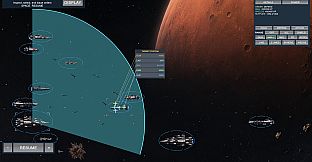
Fleet Forge is a single-player space strategy game that blends ship design, fleet management, and real-time tactical combat with pause functionality. Players build and prepare vessels before battles begin, then direct them through engagements where positioning, power allocation, and ammunition management determine outcomes. The experience centers on thoughtful preparation followed by adaptive command during fights across a solar system campaign and additional modes.
Gameplay
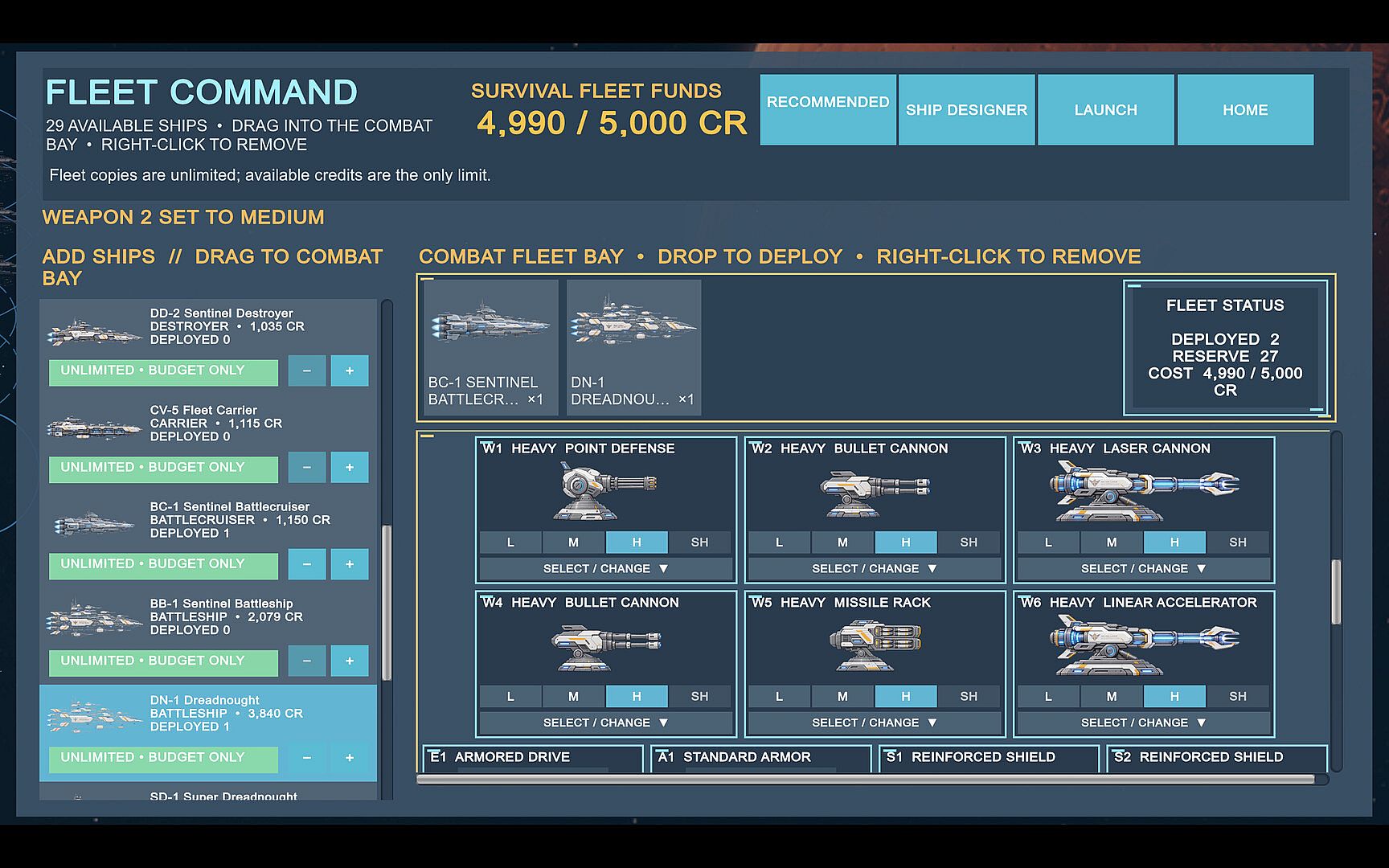
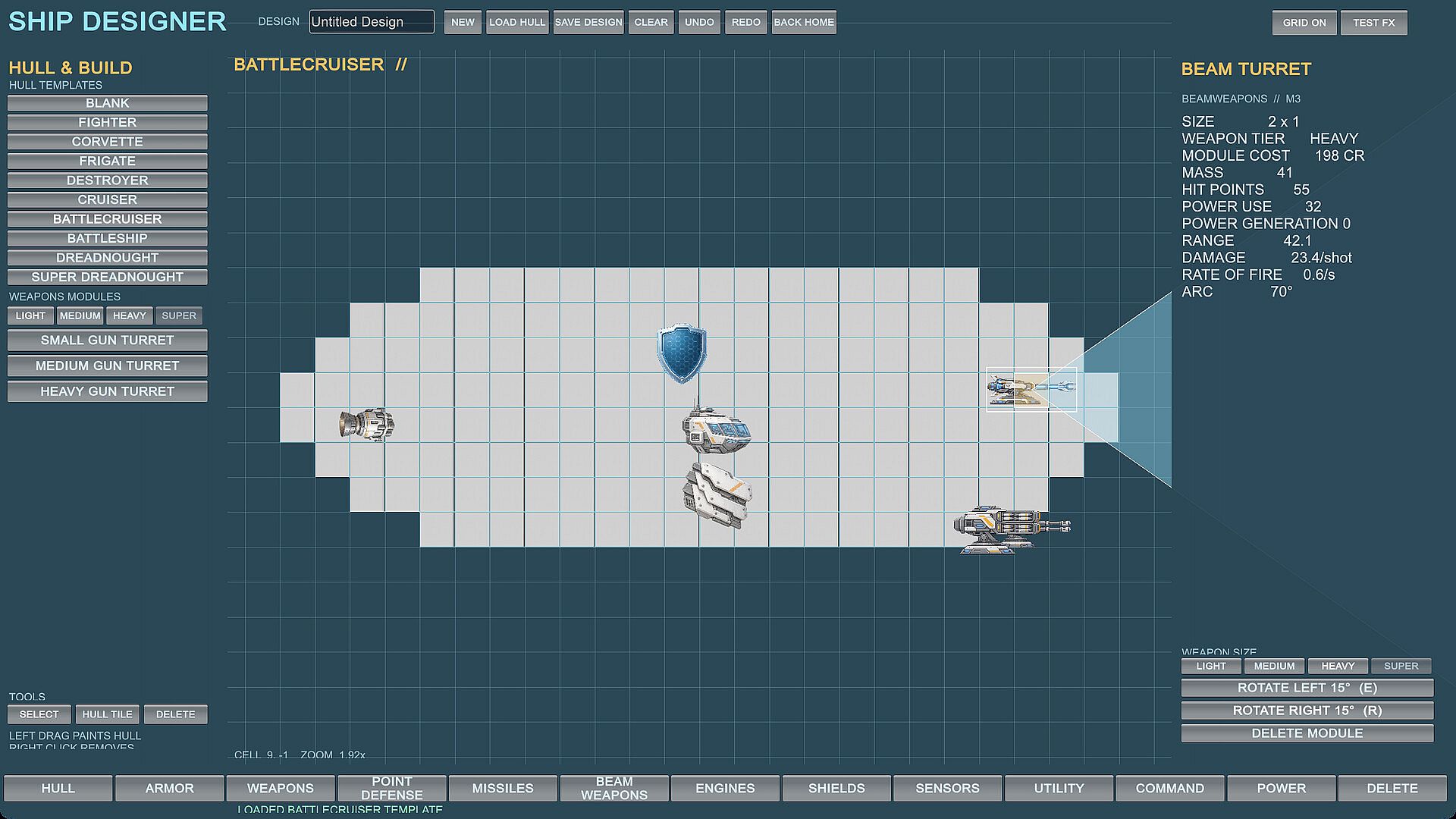
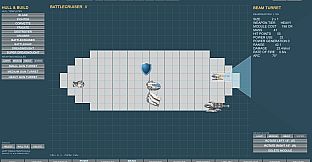
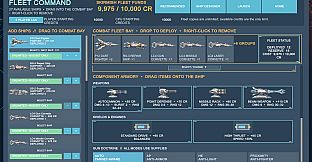
The core loop starts in the ship designer, where hull layouts receive custom placements of guns, missiles, energy weapons, shields, and support systems. Each choice shapes a vessel's role, whether as a nimble escort or a heavy hitter. Builders balance firepower against power demands and defensive needs, creating specialized ships or versatile ones suited to mission requirements.
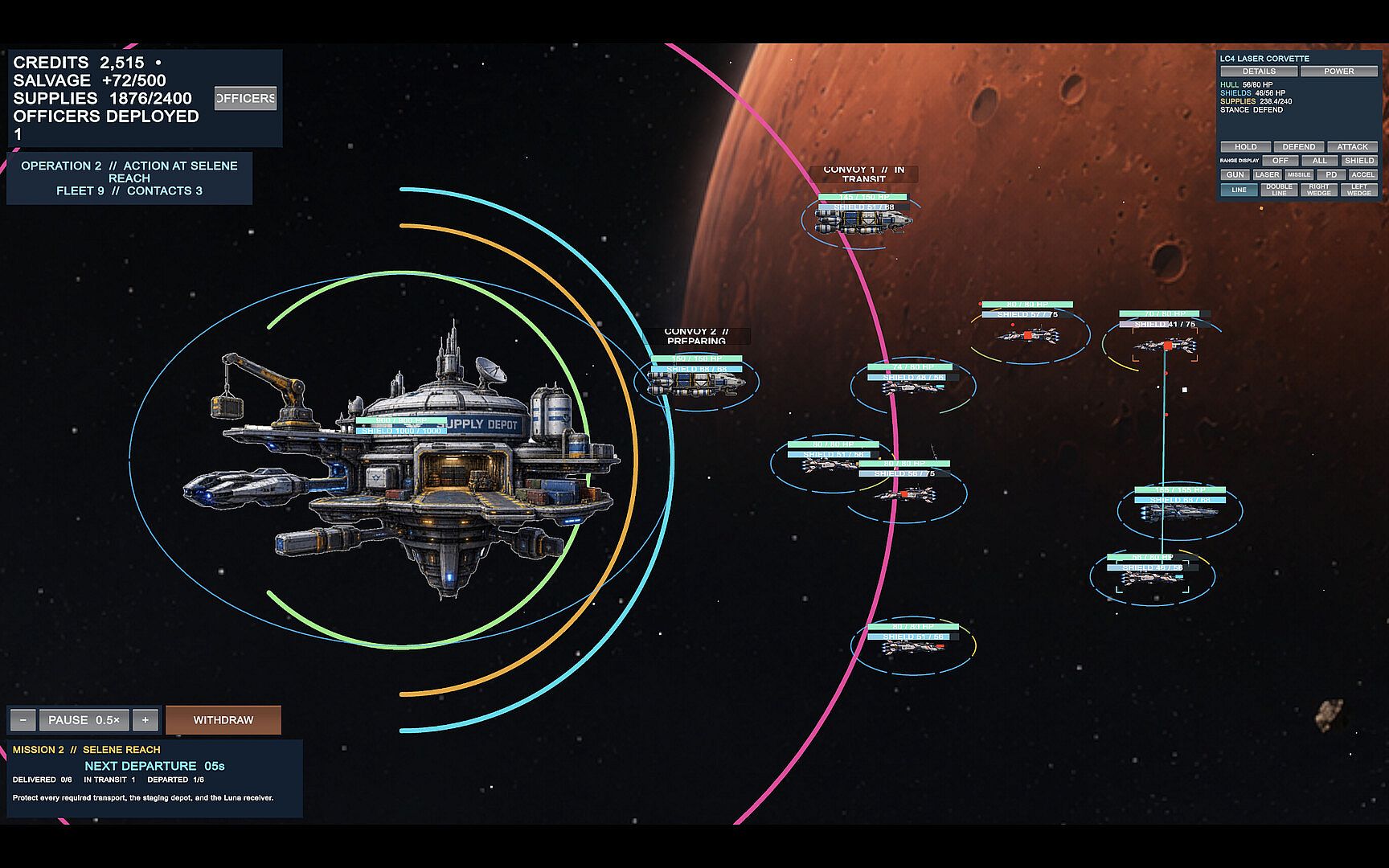
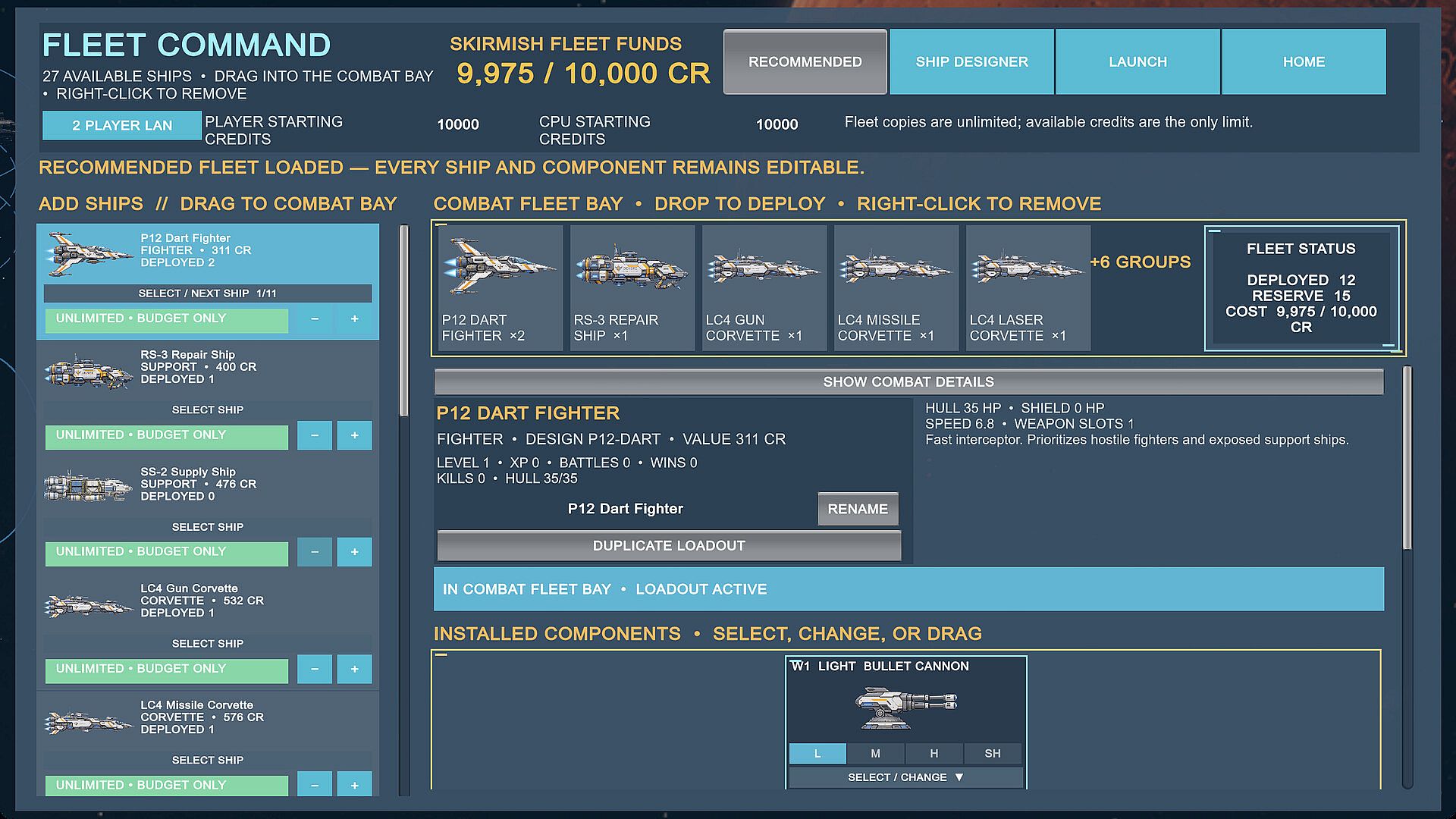
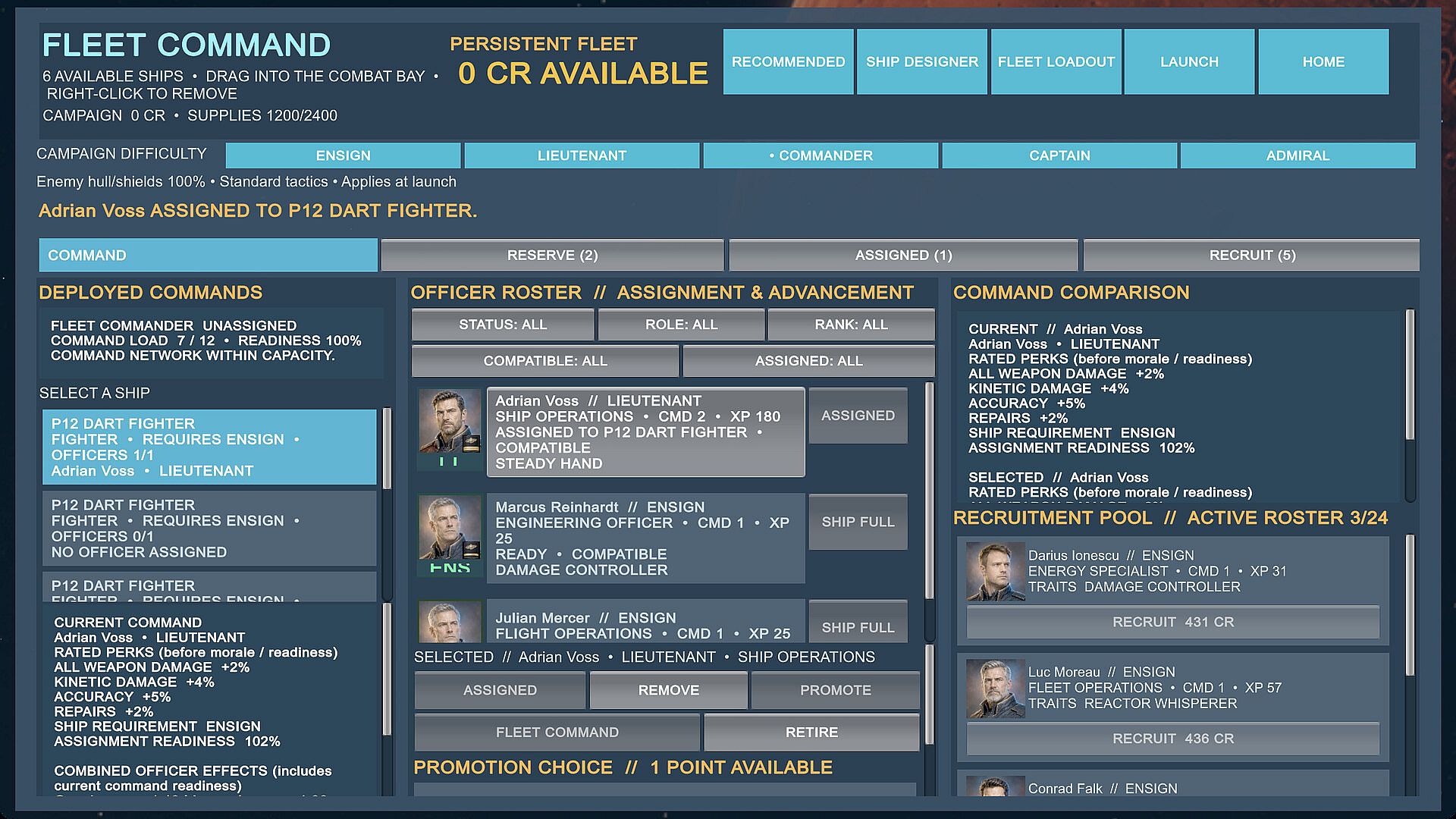
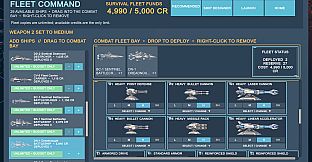
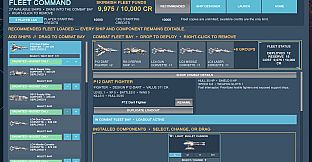
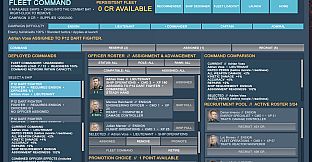
Once designs are set, the campaign fleet carries forward between operations. Survivors receive repairs, equipment receives refits, and officers with unique perks receive assignments. Credits remain limited, so decisions focus on manufacturing supplies or new ships while managing stock levels. Supply and repair vessels accompany the main force but require their own cargo allocation to stay effective.
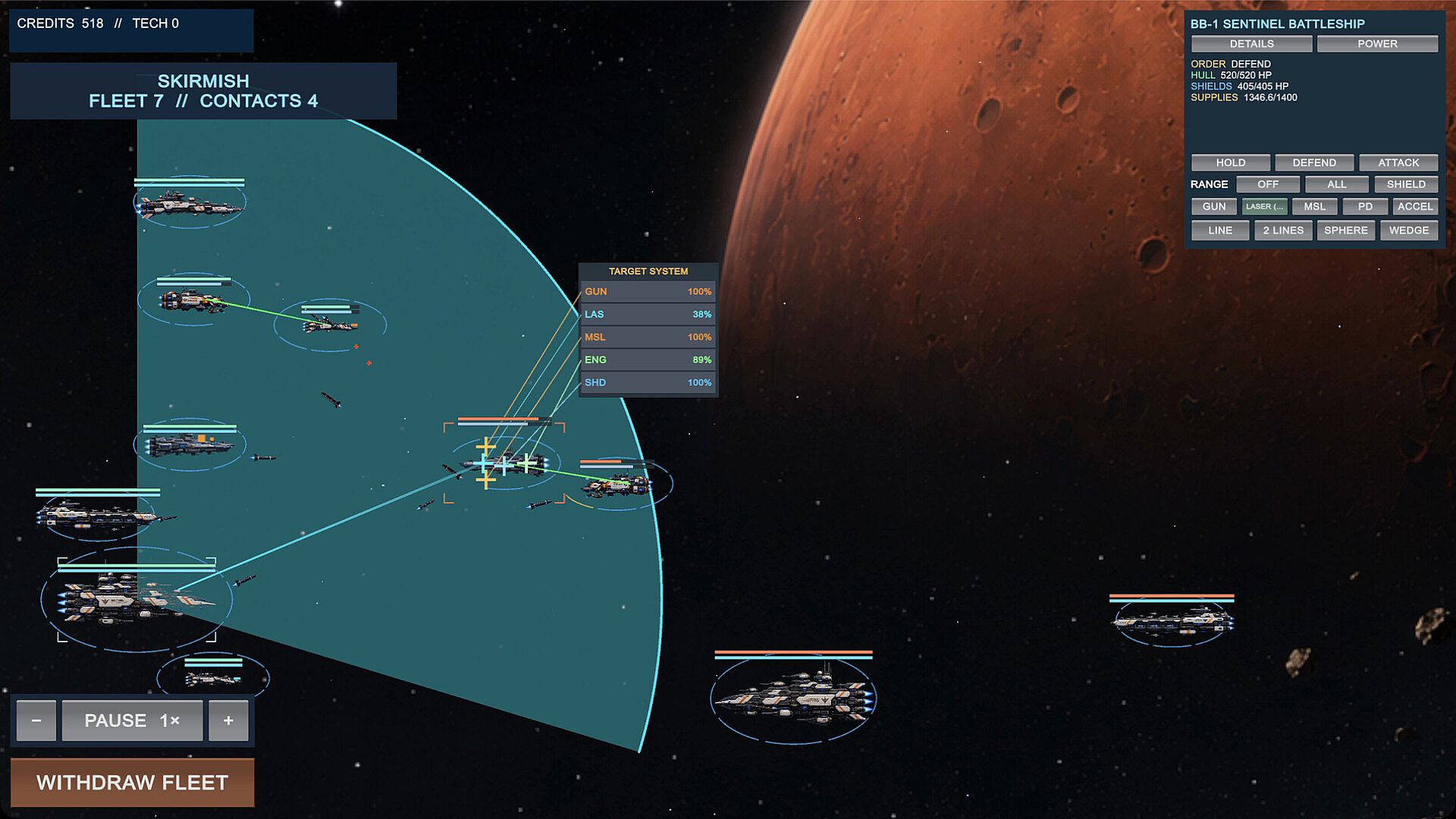
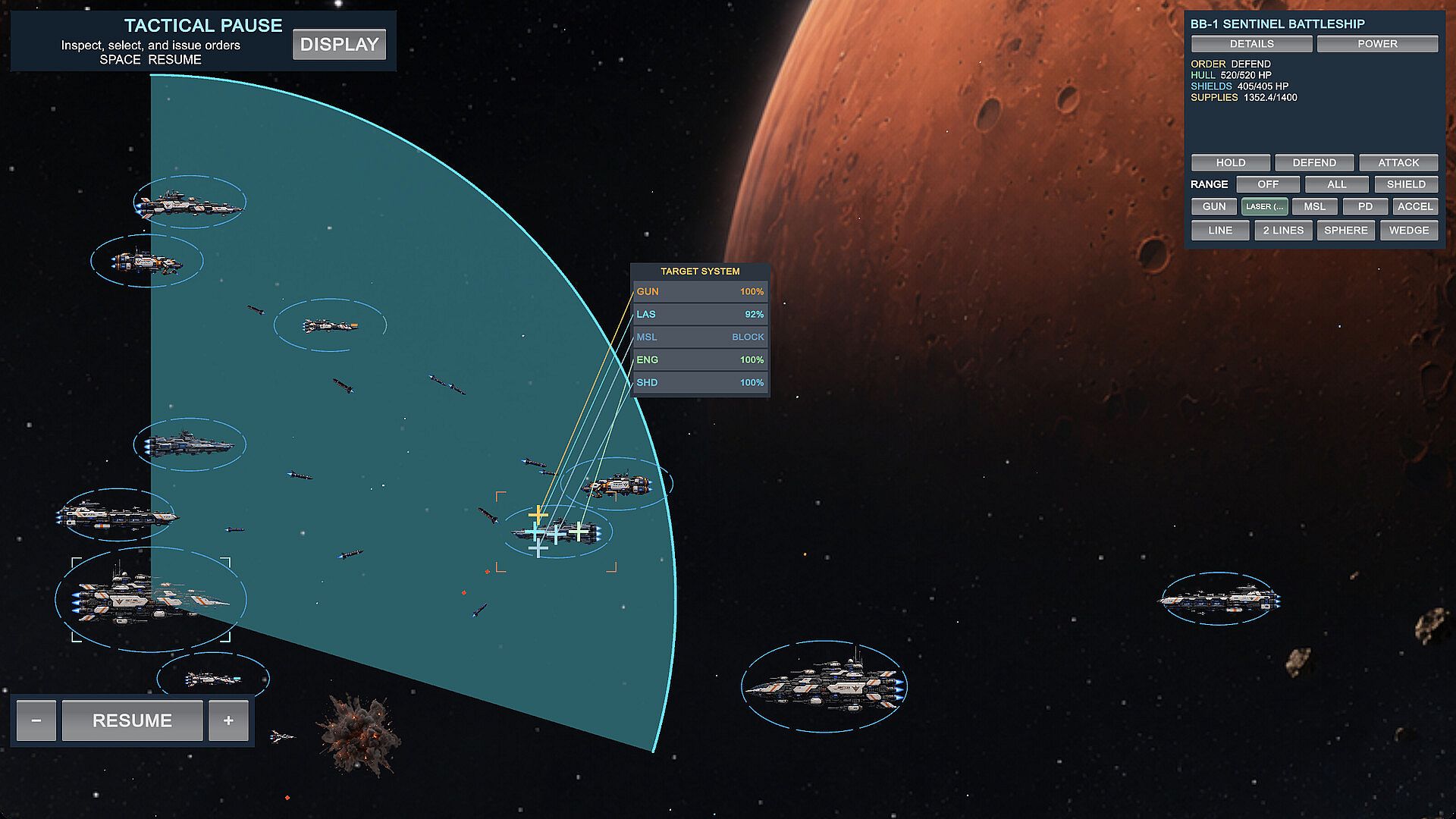
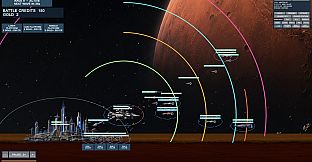
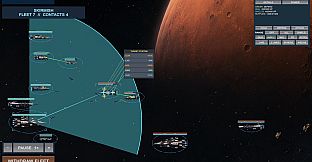
During combat, the game pauses for battlefield inspection and order issuance. Targets receive designations, ships or groups receive repositioning instructions, and formations such as line, double-line, or wedge take shape. Friendly vessels adjust locally to maintain spacing. Reactor power redistributes dynamically among engines, shields, energy weapons, and repairs, with key settings lockable during adjustments. Guns and missiles operate under ammunition limits that add another layer of resource consideration.
Game Modes
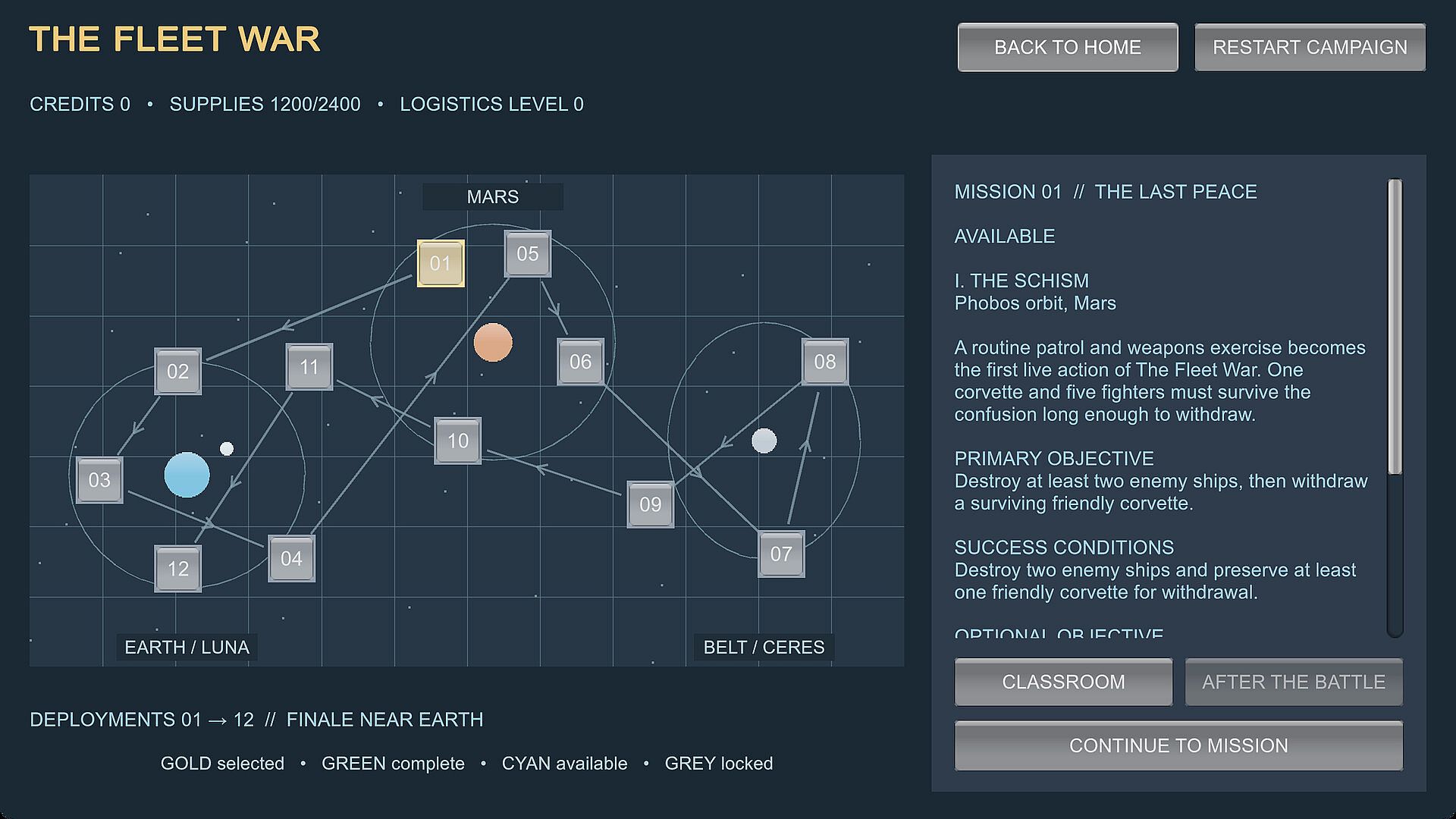
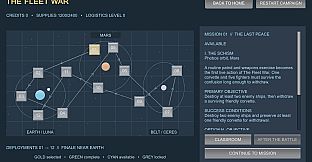
The primary experience follows a 12-mission campaign that traces events from the Phobos incident through to Titan Crossing. Missions include convoy escorts, facility defenses, raids on enemy positions, and support for evacuations. Classroom scenes appear between operations to present the conflict through a historical lens, highlighting individuals and record gaps.
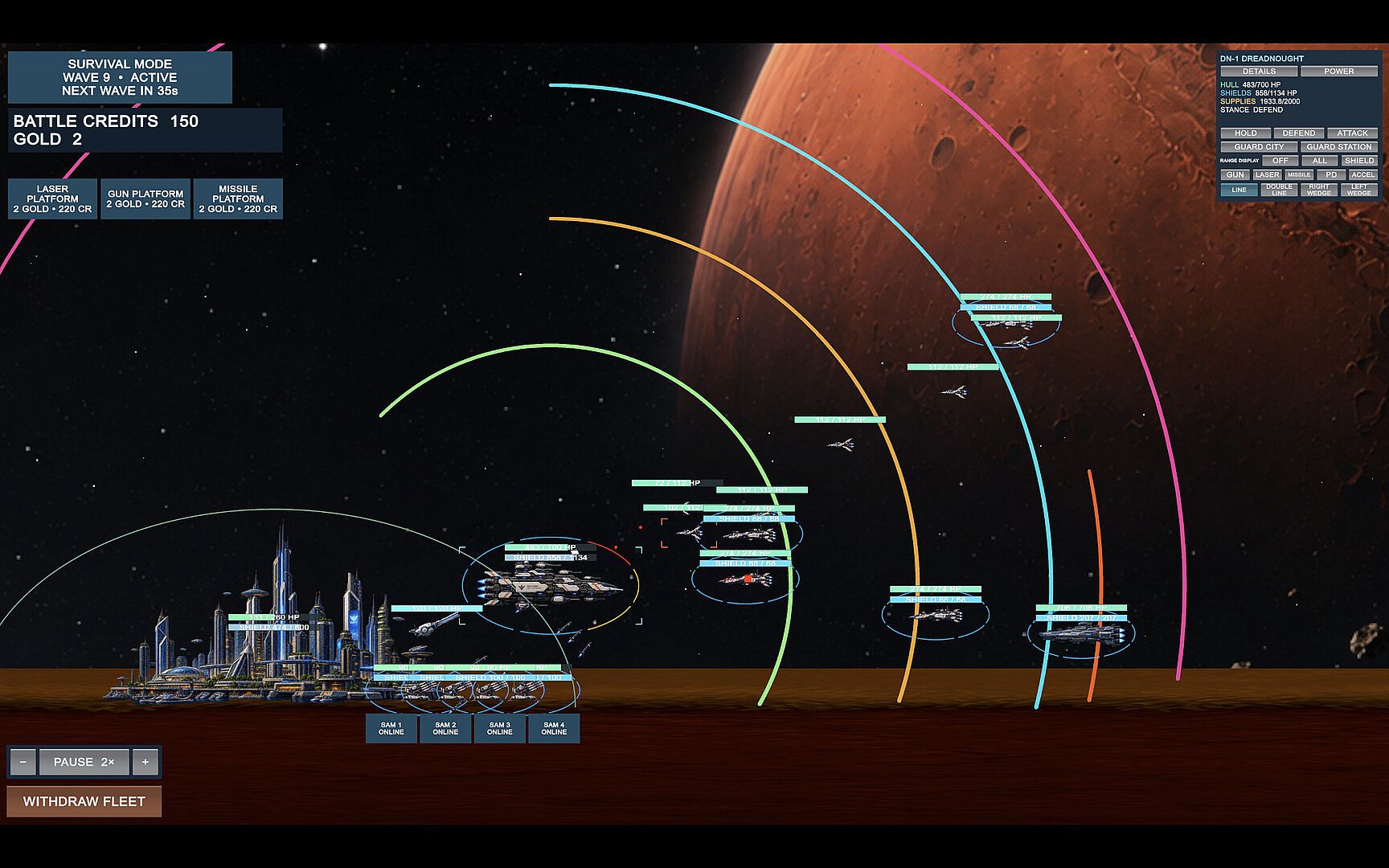
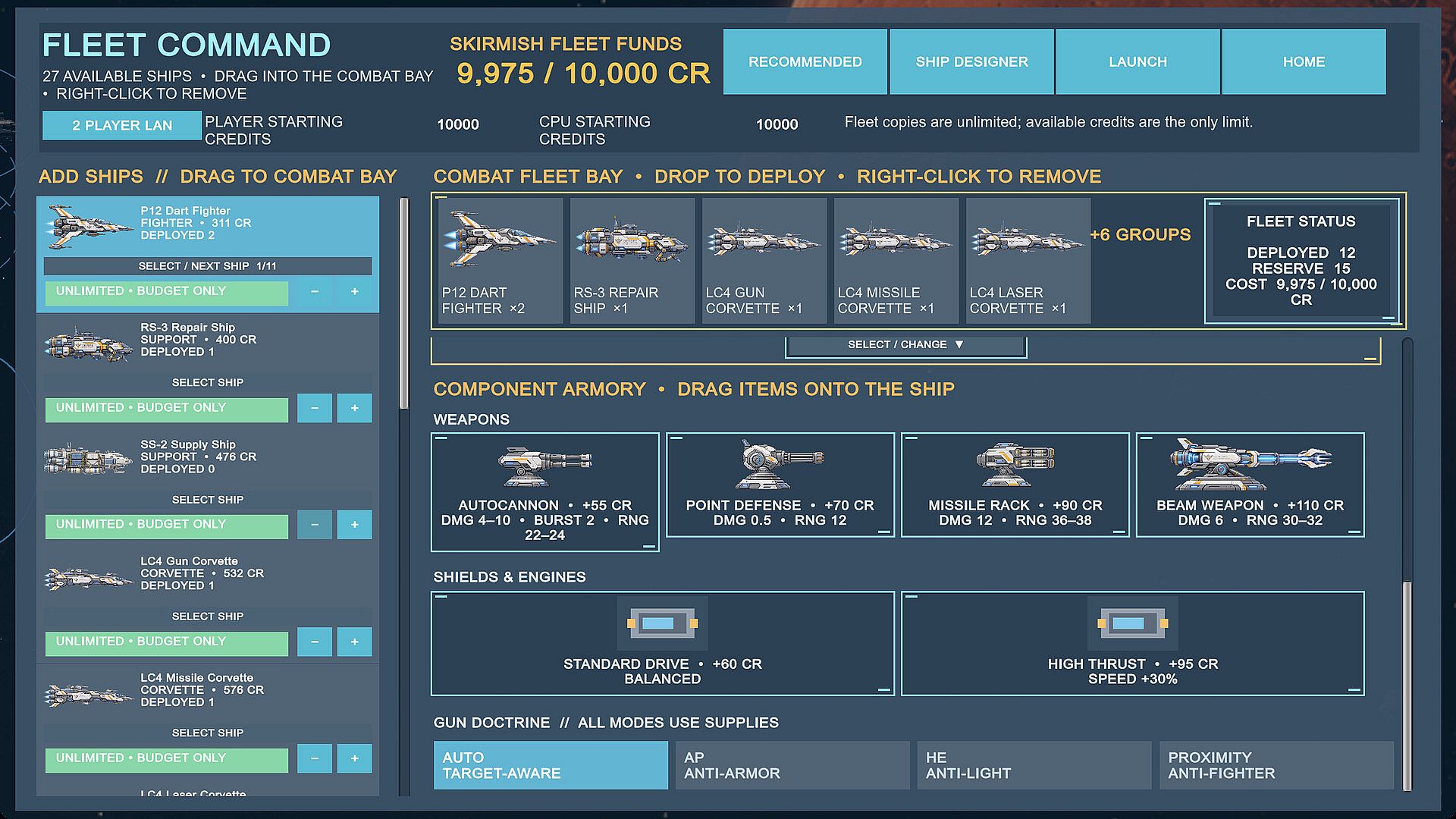
Outside the campaign, skirmish battles allow direct experimentation with ship designs and fleet compositions. Survival mode introduces escalating enemy waves that test sustained tactics and resource decisions over longer engagements. Both modes support repeated testing of different approaches without campaign constraints.
Campaign Structure and Progression
The campaign emphasizes persistence across missions. Each operation influences the next through repaired ships, refitted components, and officer assignments. Limited credits force prioritization, while manufacturing systems provide options for replenishing ammunition, repairs, and select new vessels. Supply ships extend operational reach but demand careful cargo planning to avoid becoming liabilities.
Combat decisions carry forward consequences. Withdrawing at the right moment can preserve forces for later fights, while aggressive pushes risk losses that affect subsequent availability. Power management remains central, as diverting energy to one system always reduces capacity elsewhere.
Is It Worth Playing?
Fleet Forge suits players who enjoy detailed ship customization paired with real-time command decisions in a single-player setting. The combination of pre-battle preparation and pause-enabled tactics rewards planning and quick adjustments during fights. Those interested in managing persistent fleets across a structured campaign will find the 12-mission structure and supporting skirmish and survival options provide focused variety.
The game remains in Early Access, with core systems centered on ship design, power allocation, formation control, and resource constraints already in place. Players seeking a deliberate strategy experience without multiplayer elements will find the mechanics align directly with that preference. Experimentation across modes helps refine approaches before committing to the full campaign path.