











Ferrite Runner is a mouse-only cyberpunk extraction RPG set on PC in the flooded district of Ward Nine. Eleven years after Helion Consolidated sealed the area, power still flows from within, drawing unlicensed couriers like the player into repeated runs to uncover the source.
Gameplay
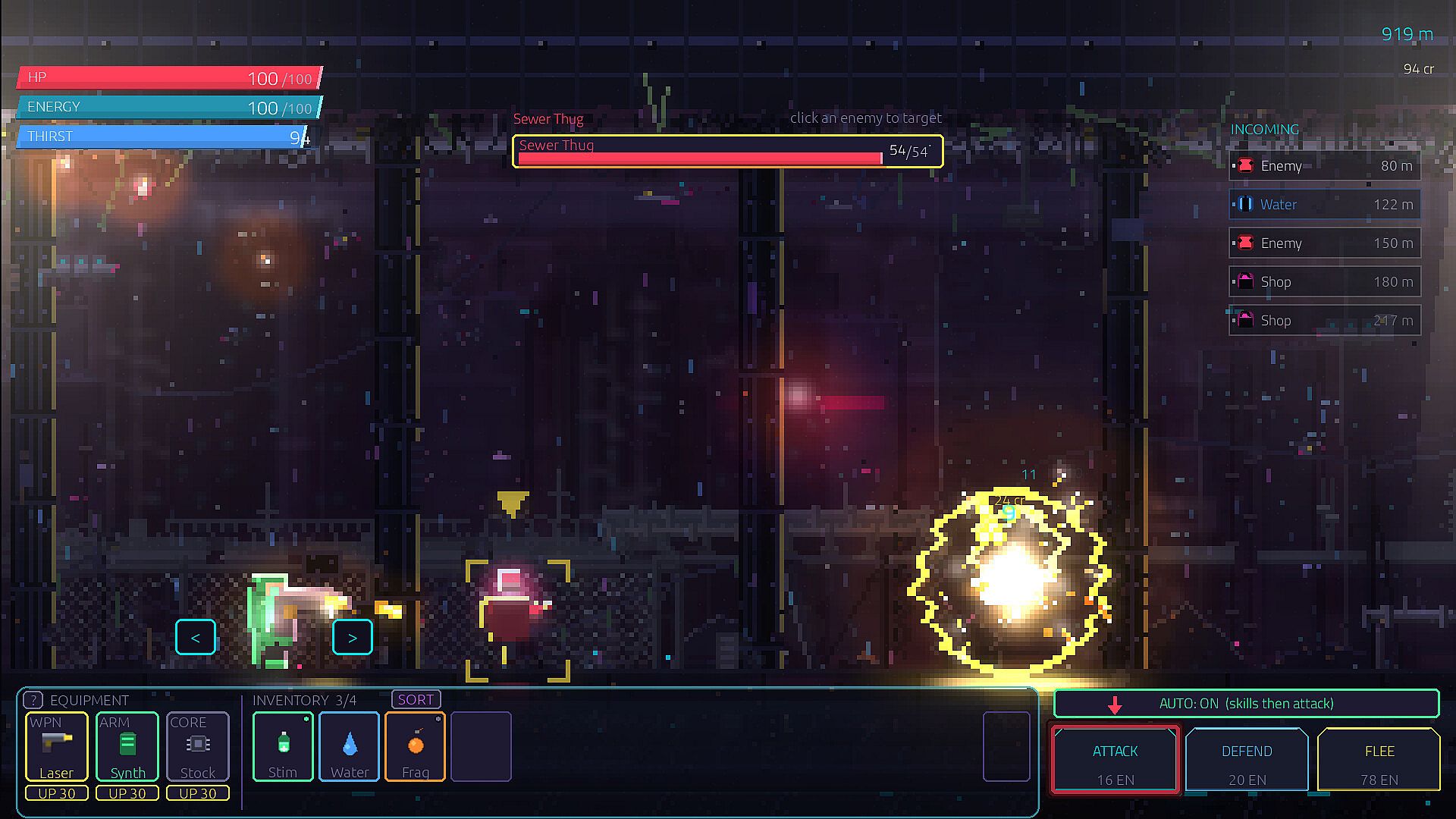
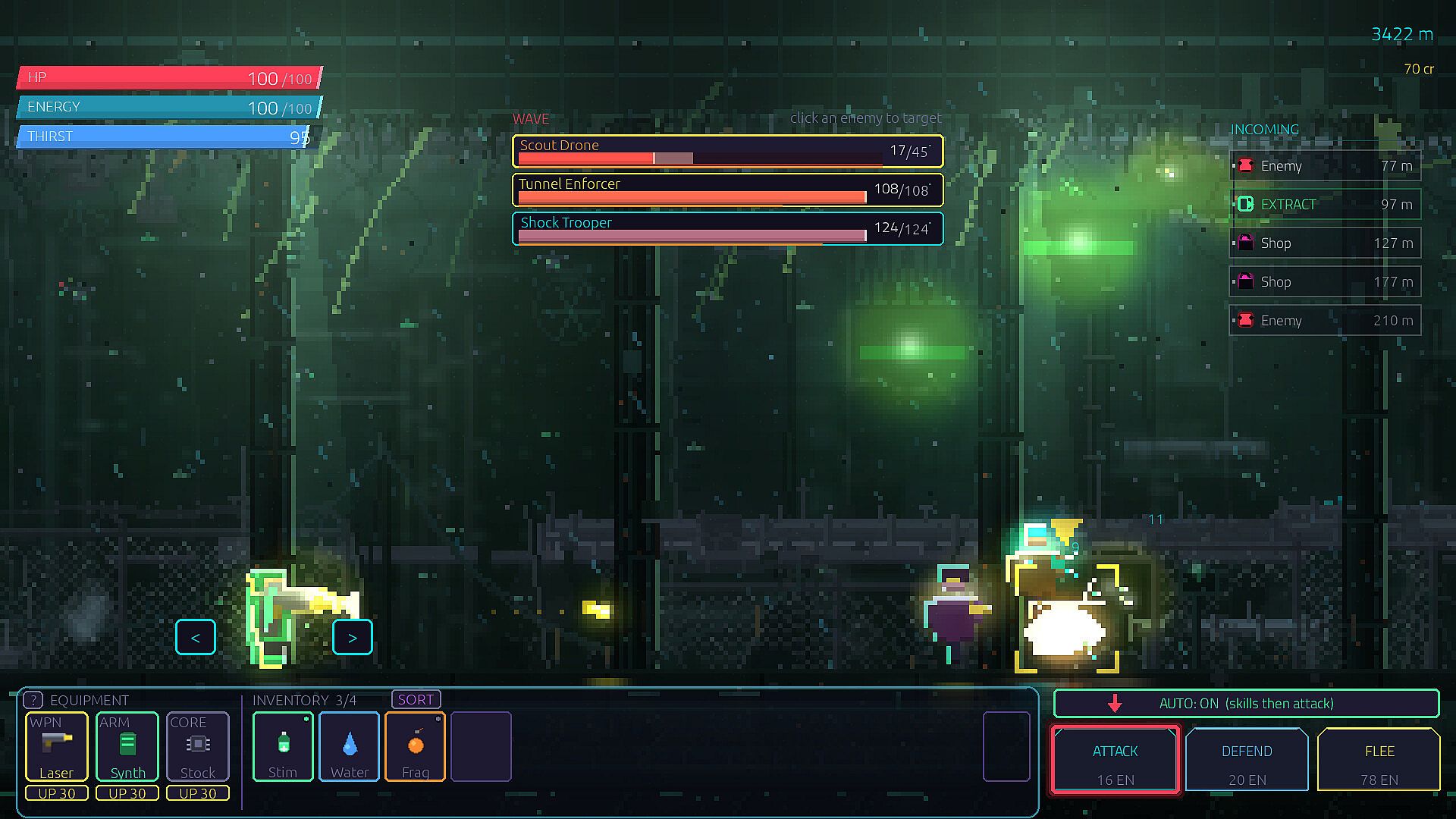
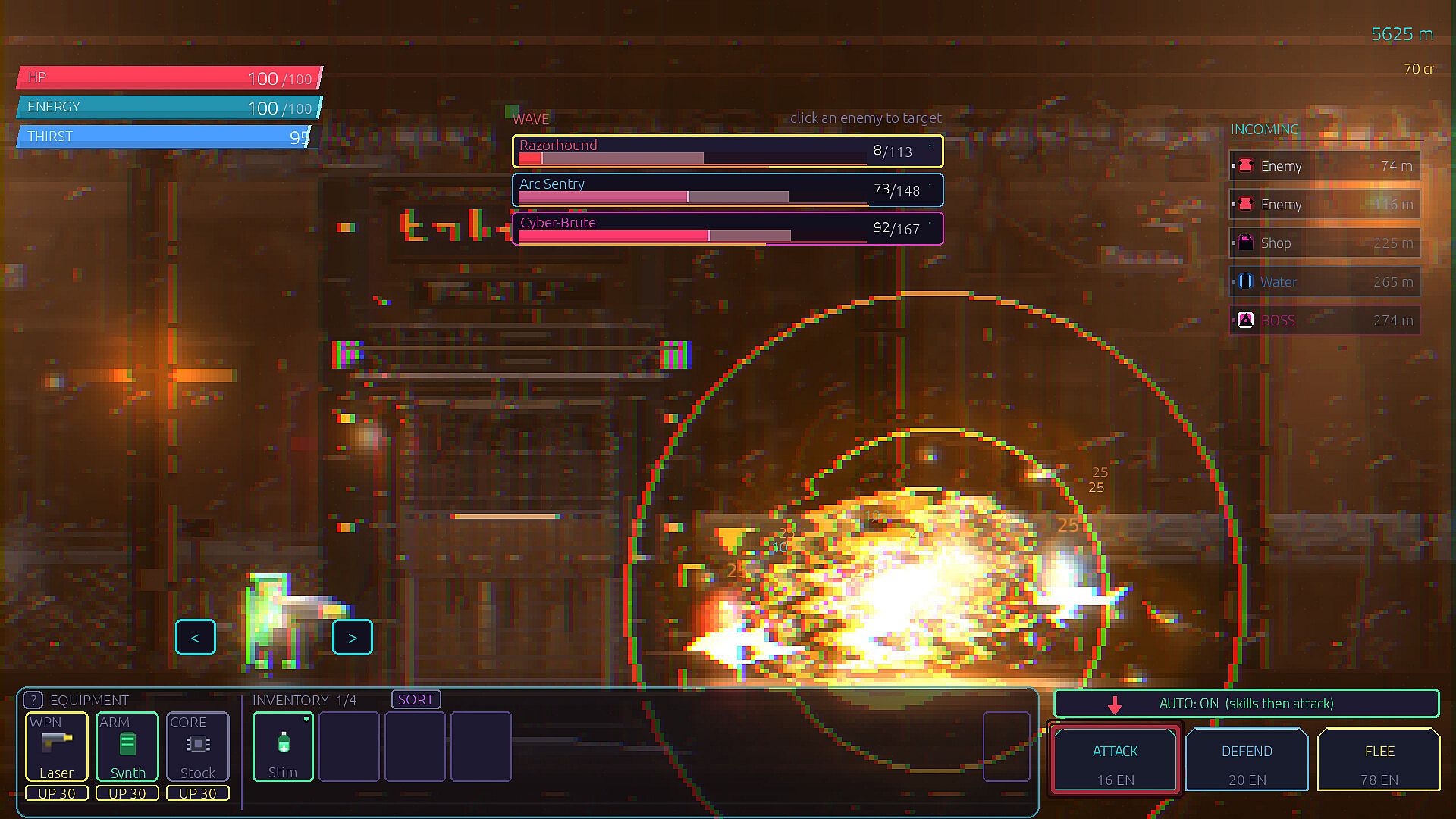
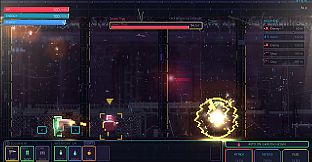
Combat revolves around a real-time energy system that regenerates continuously. Attacking, defending with shields, or fleeing all consume energy, so overcommitting to offense can strand a player without an exit route. Shields provide strong protection when first activated but lose effectiveness as their charge depletes, rewarding precise timing. Players select targets, manage distance, and combine guns, melee weapons, reusable skills, and grenades. An optional auto-combat feature handles enabled skills and attacks automatically while the player focuses on positioning and resource decisions.
Inventory management ties directly to survival through water and thirst mechanics. Each sealed crate carried increases thirst and slows energy recovery while taking up space that could hold water bottles. As water reserves drop, energy regeneration slows, limiting options for combat and escape. Running out triggers health drain from dehydration. The Hydro-Medic ability allows spending water for immediate healing, creating a direct trade-off between carrying capacity and personal recovery. Vending machines scattered along routes offer on-site drinks or bottles for later use, though prices rise with distance and repeated purchases in a single run.
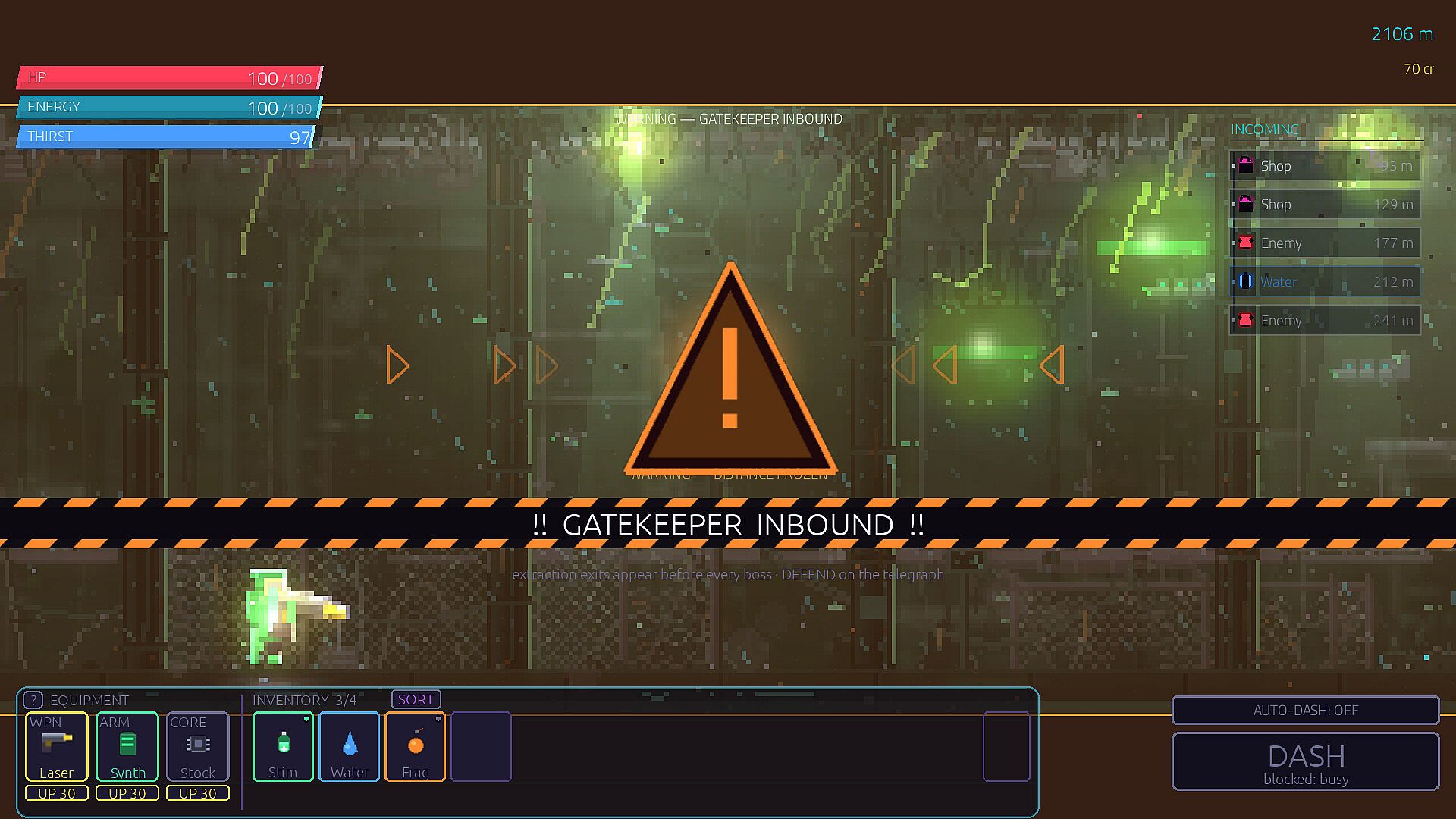
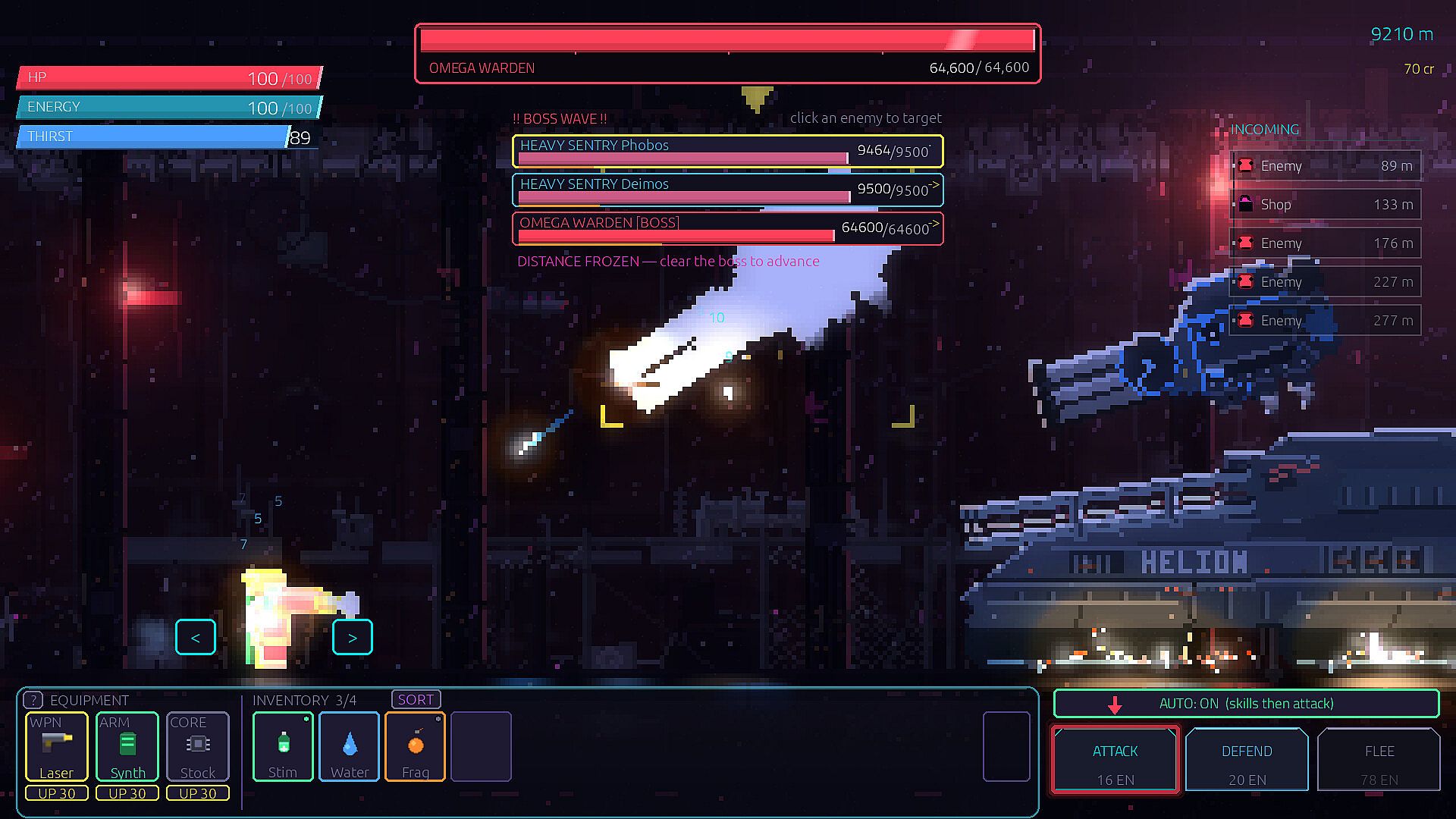
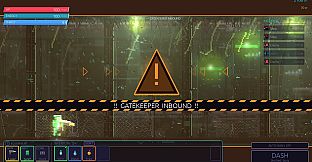
Loadout building supports different playstyles through weapon and core pairings. Cores can emphasize larger energy reserves or faster regeneration. Armour pieces increase water storage and inventory slots for longer or heavier trips. Permanent buffs reduce thirst or improve energy recovery when hydrated. Grenades provide splash damage for handling groups. Corporate locks require breaking through layers of security, with the Gatekeeper construction mech serving as the initial boss across five industrial strata that range from neon shallows to rust belt zones and unsettling null wards.
Game Modes
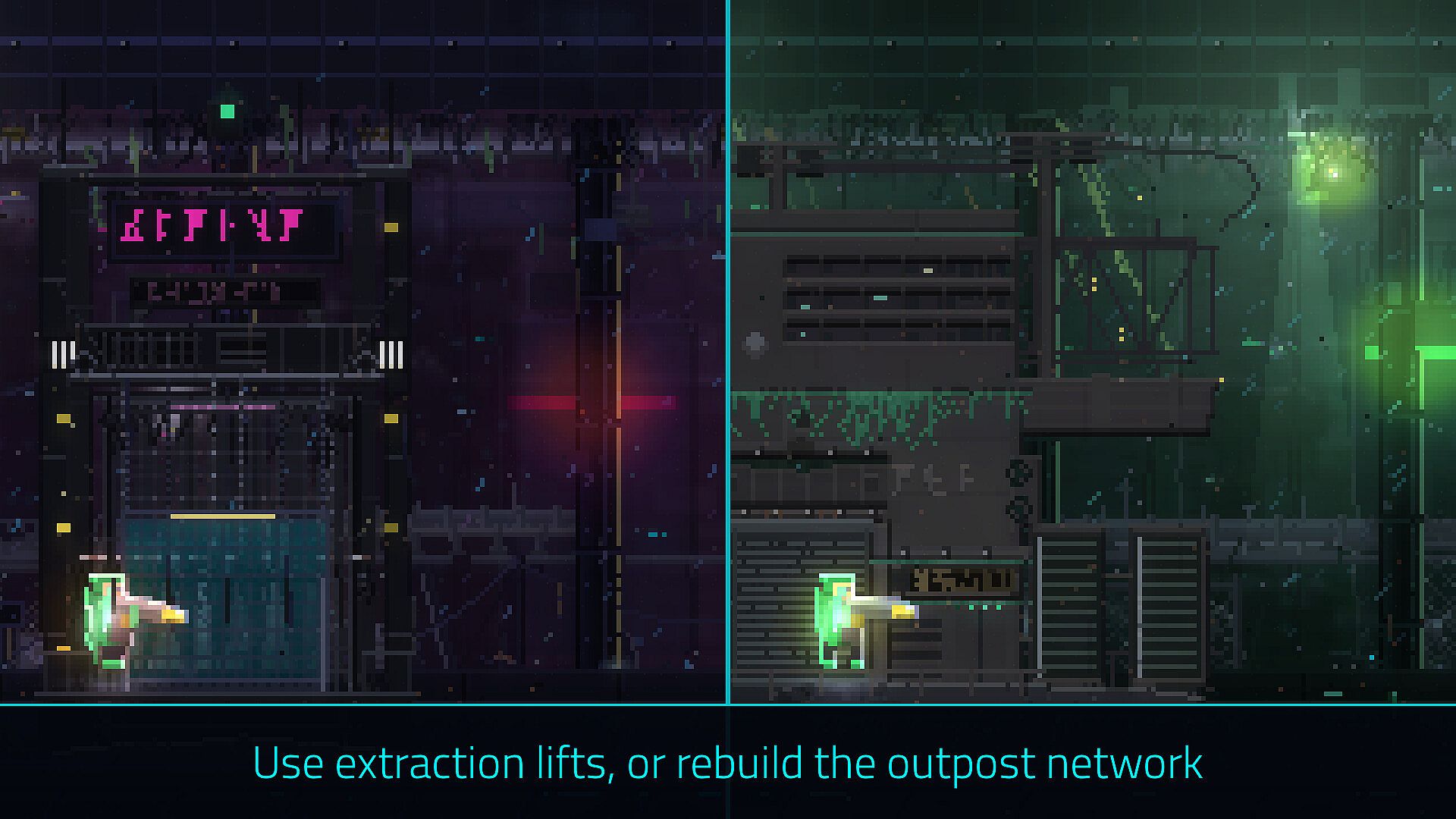
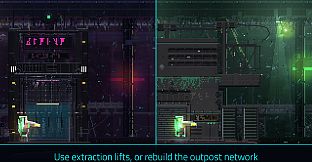
The core experience centers on repeated extraction runs through the sealed district. Players choose how to approach each trip by balancing combat encounters, crate collection, and resource conservation. Preparation for extraction involves either defending a lift landing zone until arrival or paying a fee at an outpost. Upgrades to lifts can shorten wait times and reduce costs, with the highest level leaving the lift ready upon arrival.
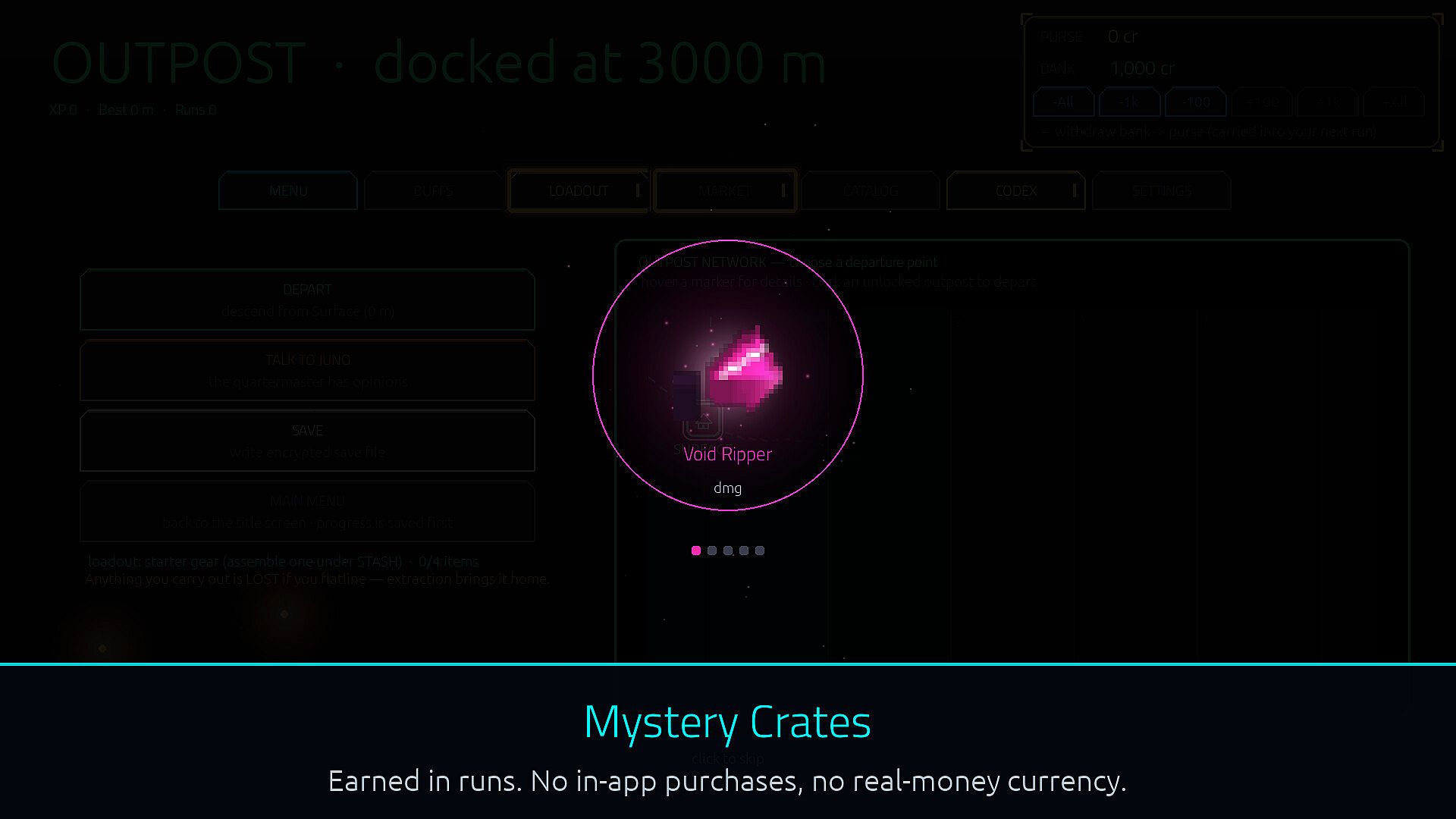
Post-run decisions revolve around handling sealed freight. Marlow provides a standing offer for crates, while the crate market features fluctuating buy and sell offers that change over time. Opening a crate yields equipment and supplies at the cost of its sealed value, or keeping the seal preserves sale options. Earnings can fund trades on an in-game stock exchange that includes Helion shares, where player actions influence prices and companies adjust dividends. Paid shifts for pump maintenance, correspondence checks, and clock calibration provide alternative income between runs.
Outpost construction expands the network of departure points and improves stock availability through Juno. Upgrades lower entry fees and enhance equipment options. XP earned even from failed runs invests in permanent offence, defence, and survival improvements. Death results in loss of carried gear, cargo, and credits, while bank holdings, stash items, and upgrades persist.
Core Systems and Progression
Energy, water, and inventory form an interconnected loop that shapes every decision. Heavier loads demand more water for the return trip, which in turn affects combat sustainability. Permanent upgrades and outpost improvements create long-term progression that rewards consistent distance traveled and successful extractions. The stock exchange and market trading add layers of economic strategy beyond direct runs.
Radio contact with Wren tracks vitals during operations, while Juno handles supply logistics at outposts. Director Silas Krove views the courier as an intruder on company grounds, adding tension to the corporate lockdown setting.
Is It Worth Playing?
Ferrite Runner suits players who enjoy deliberate resource management and risk-reward decisions in a single-player extraction format. The energy and water systems create meaningful choices during runs, while loadout customization and economic elements support varied approaches over multiple attempts. Those who prefer mouse-driven controls and cyberpunk themes with persistent progression will find the mechanics align closely with the described systems. The game remains available on PC with the full feature set outlined in its core design.
