






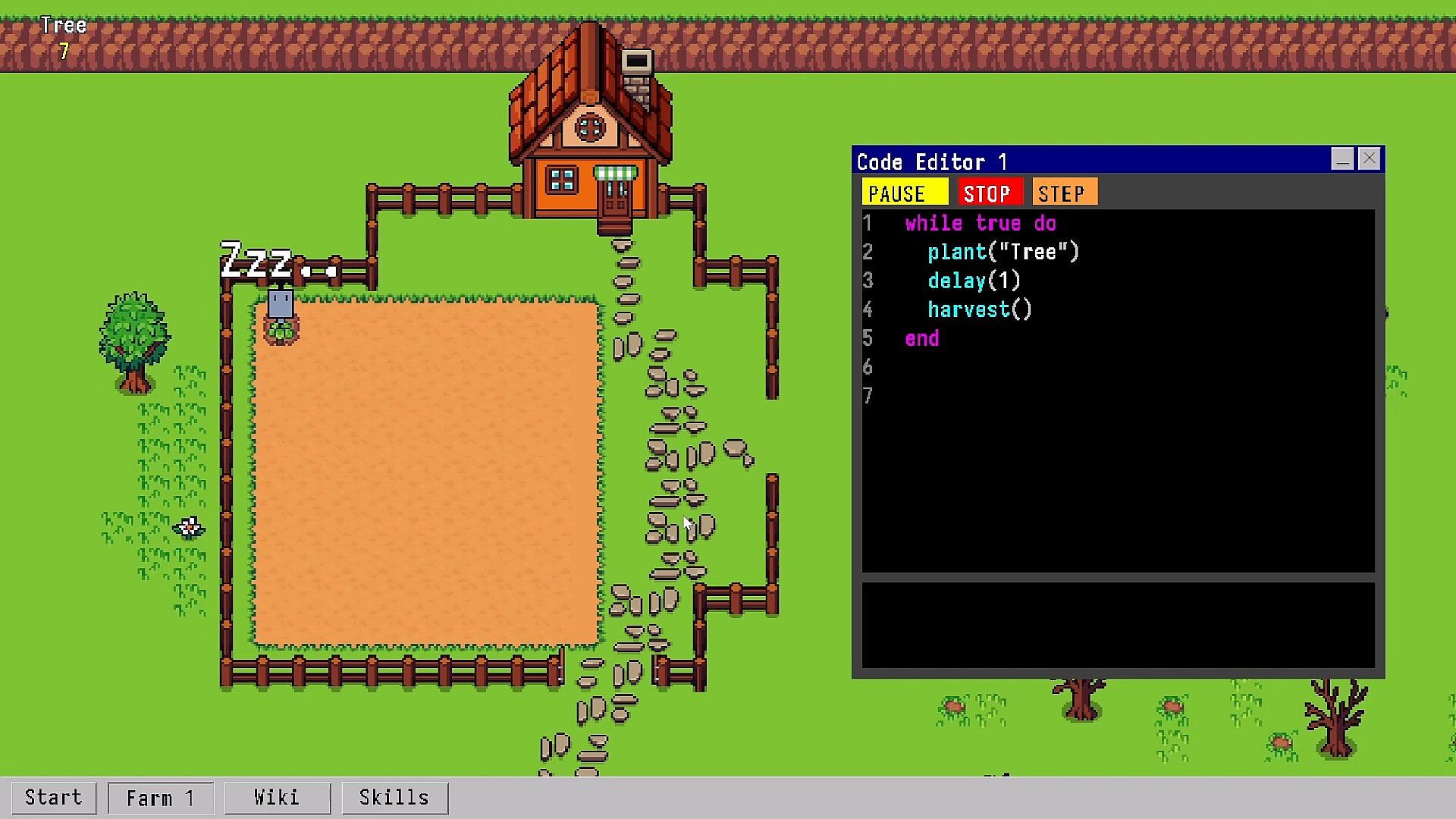
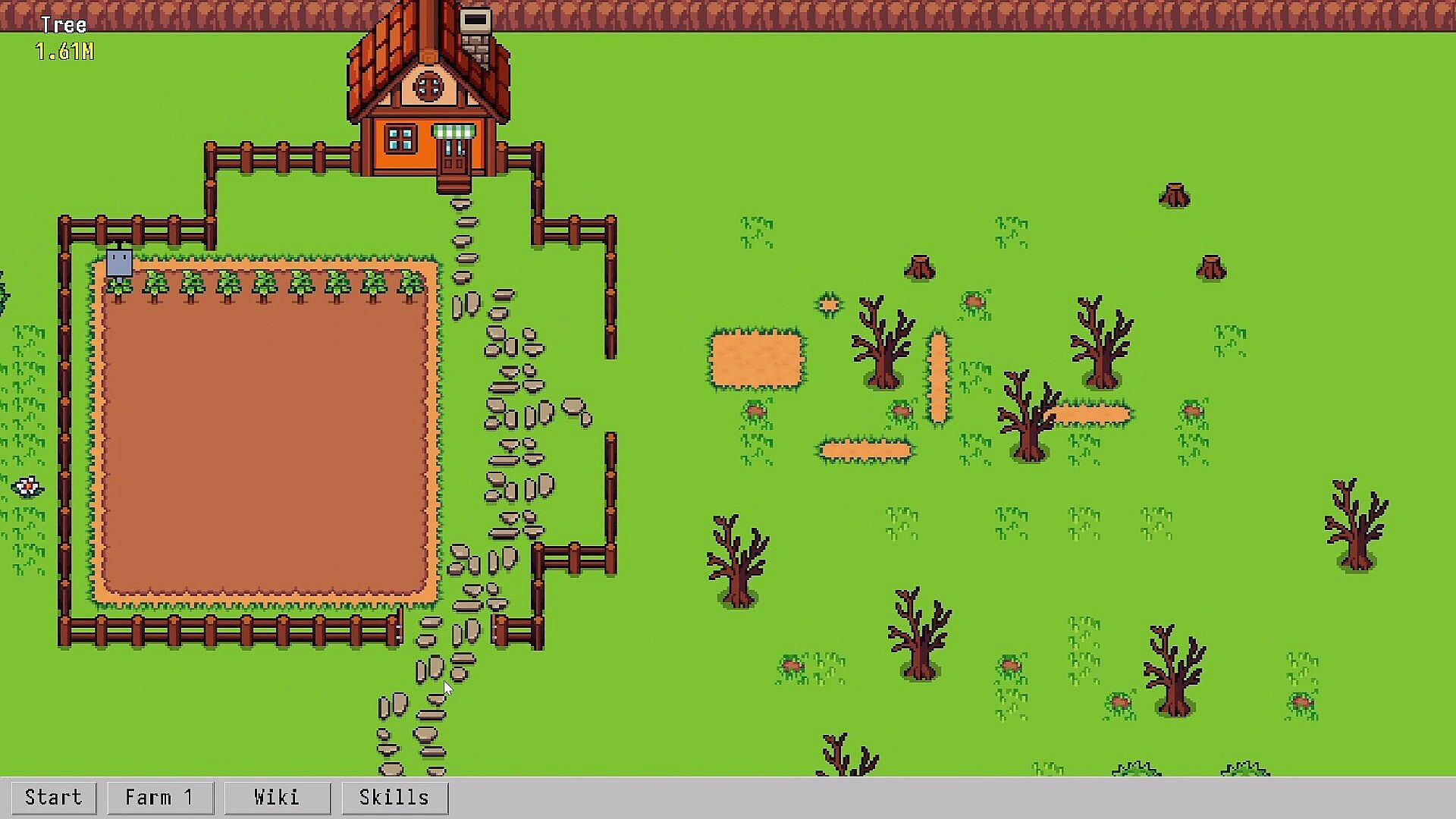
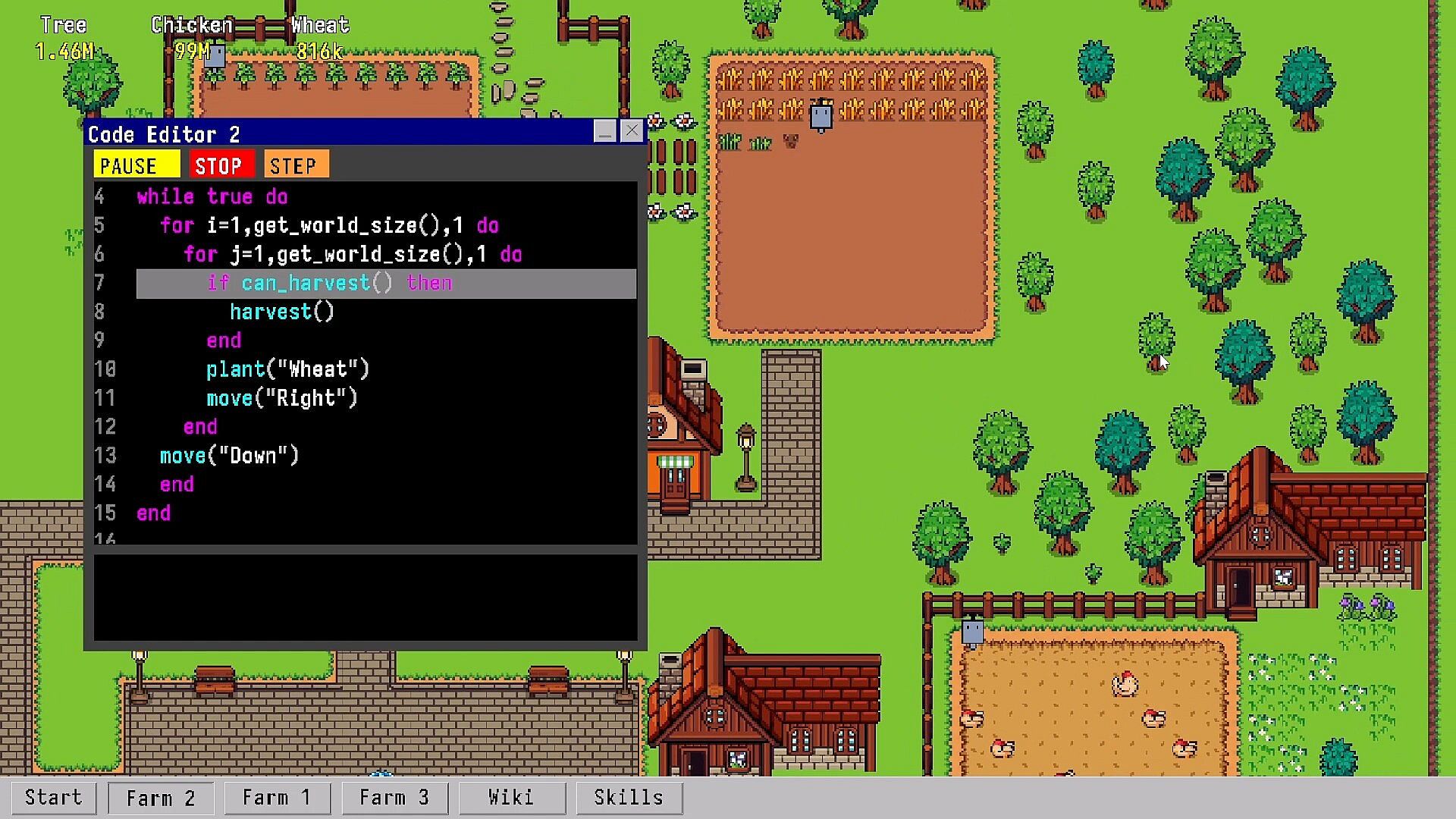
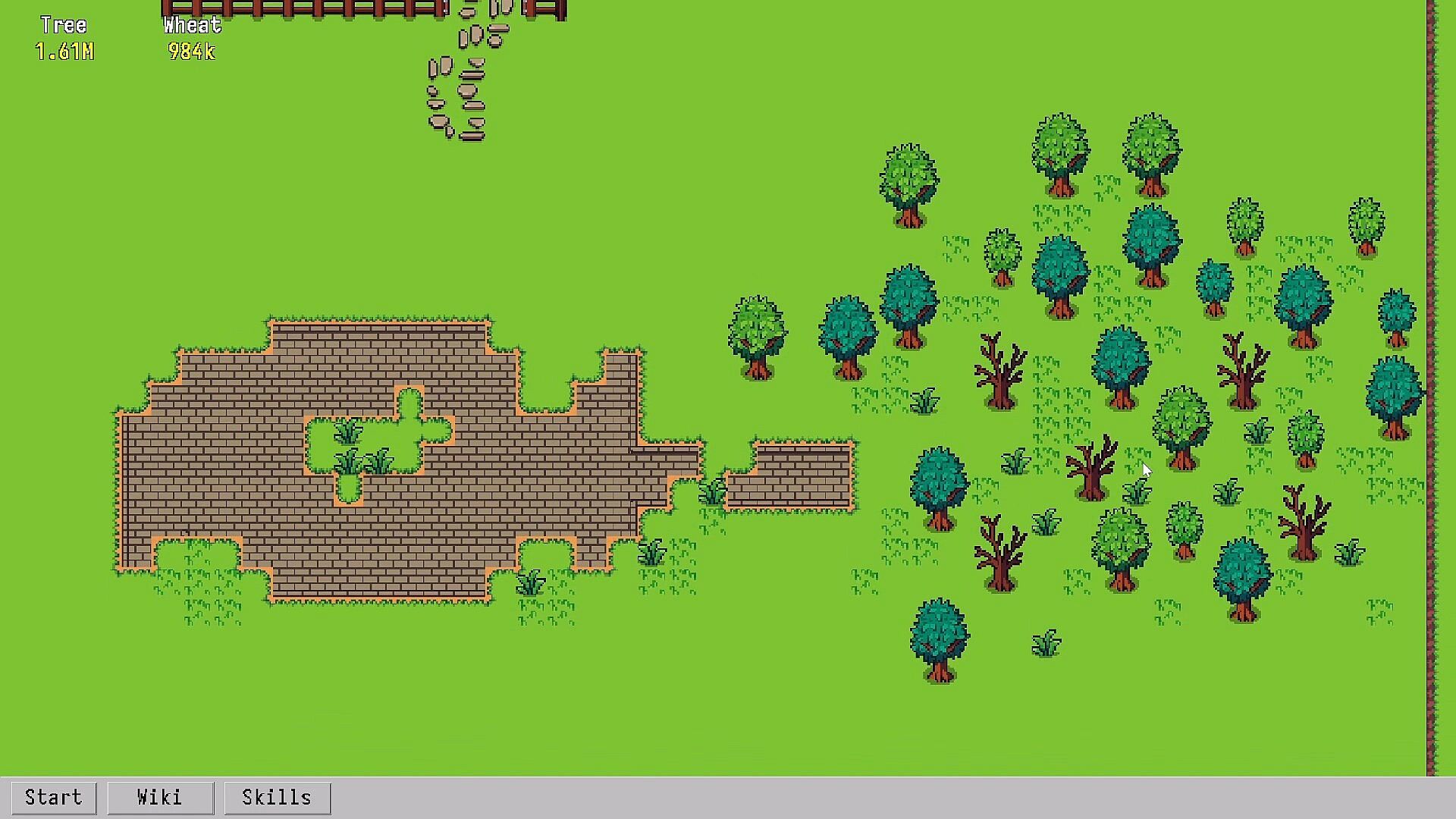
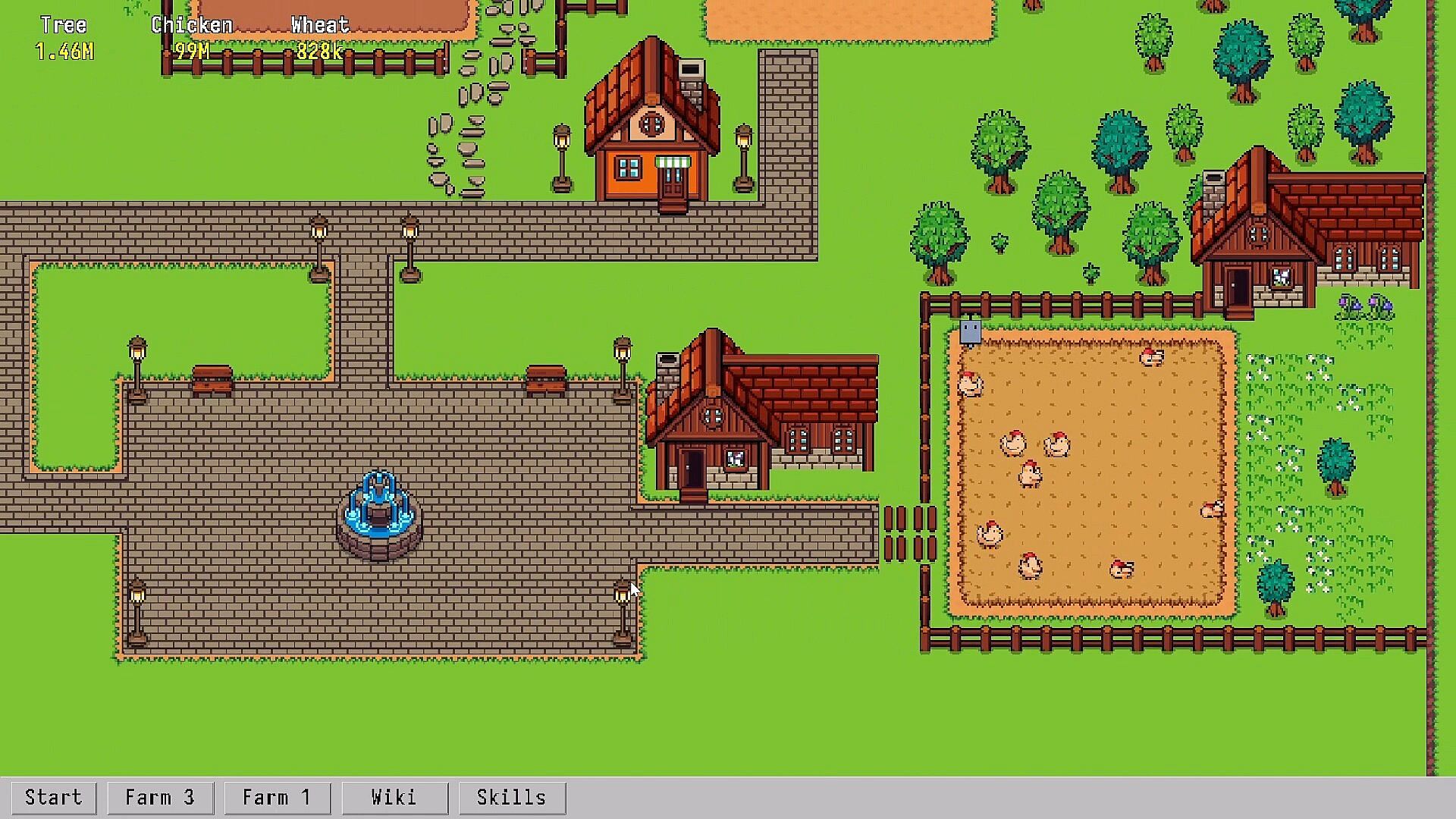
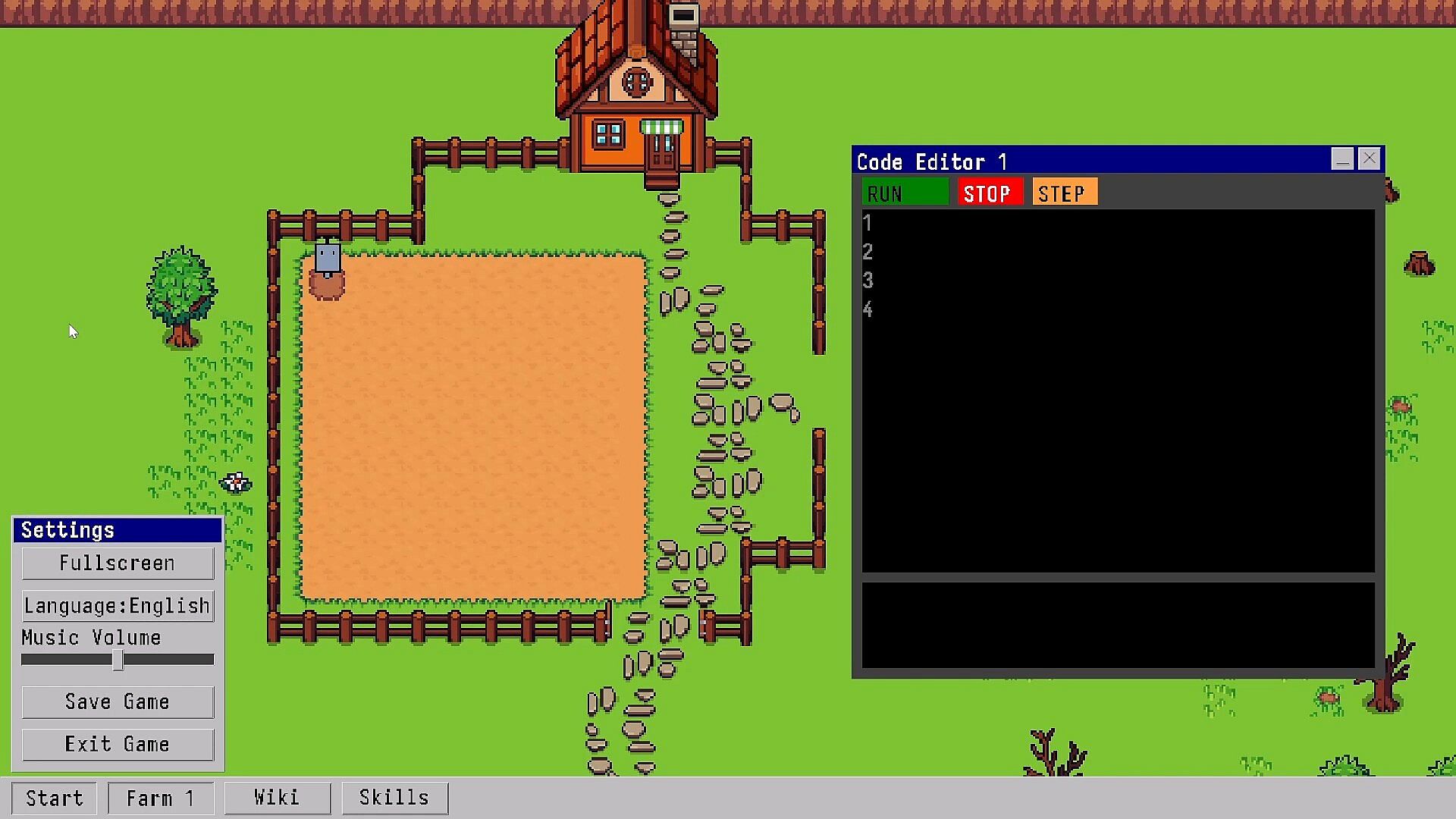
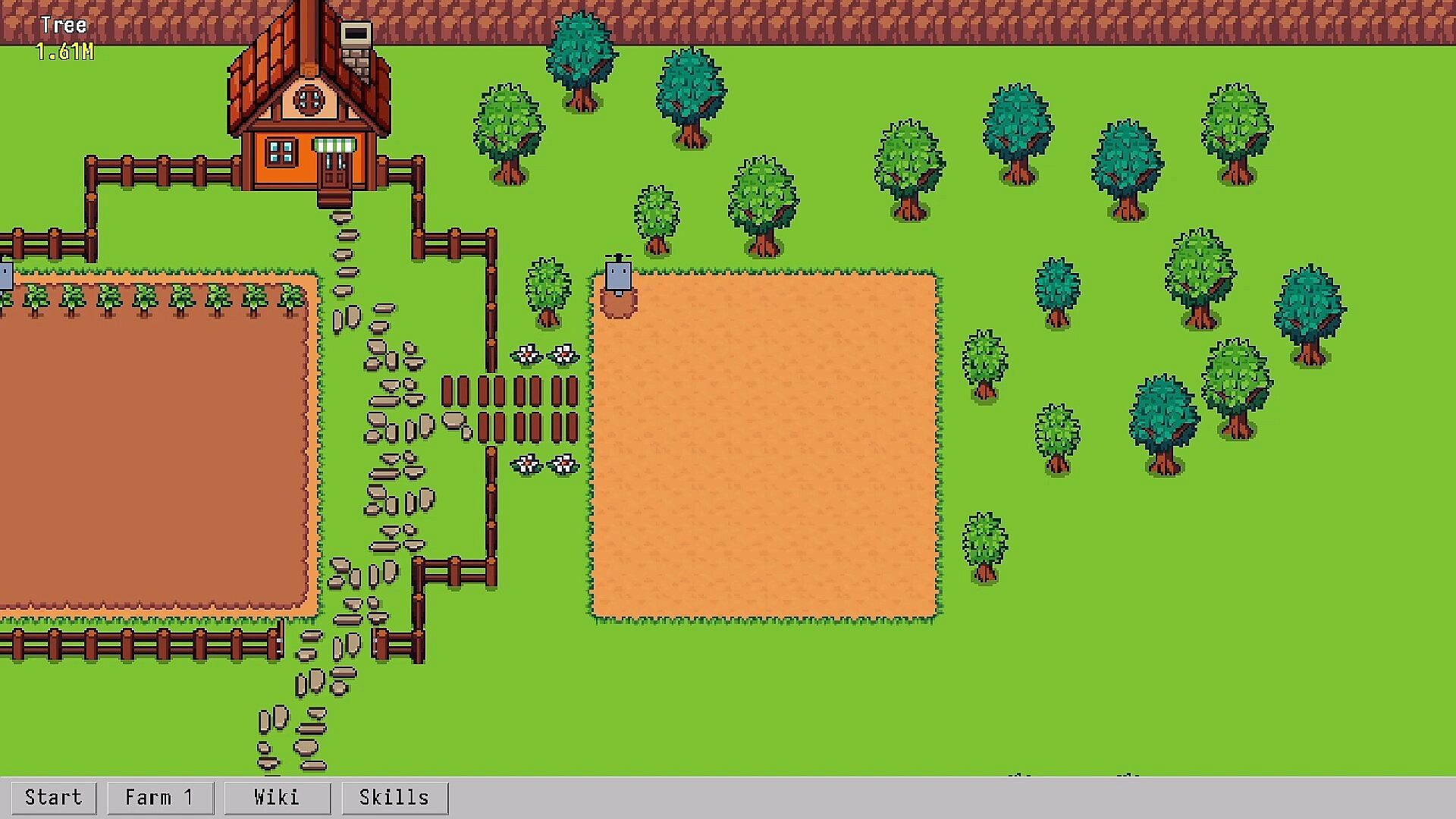
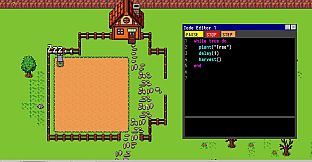
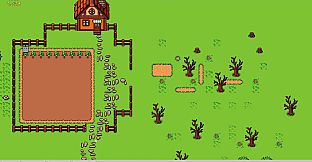
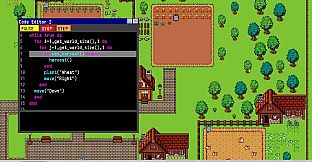
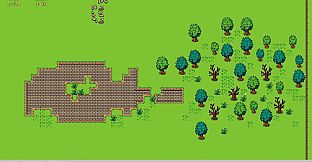
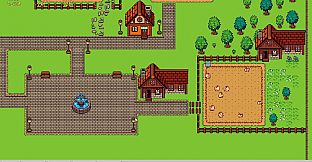
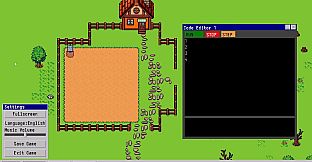
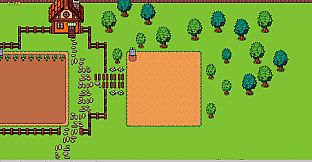
Farmer=nil is an indie casual simulation game for PC that centers on Lua-based automation for farm management. Players write code to handle tasks like planting and harvesting, then execute it to observe automated crop growth without manual intervention at every step.
Gameplay
The core loop revolves around coding in Lua to direct farm operations. Scripts control how crops are planted and tended, allowing the system to run independently once activated. Resources gathered through these automated processes support further development of the farm setup.
Progression occurs seamlessly without discrete stages. Managing daily farm needs leads to resource accumulation, which in turn opens access to new technologies and capabilities. This model emphasizes incremental improvements to efficiency and scale over time.
Skills unlock as part of building out the farm infrastructure. The focus extends beyond basic crop cycles to broader systems that enhance overall operations and output.
Game Modes
The game uses a continuous incremental progression system instead of traditional stage-based levels. This approach lets players develop their farm through ongoing resource management and technology unlocks in a single flowing experience.
Automation via Lua scripts forms the primary interaction style. Once code is written and executed, the farm handles repetitive tasks, freeing the player to refine scripts or expand capabilities as new elements become available.
Key Features
Lua scripting serves as the main tool for directing farm activities. The system supports writing and running code that plants and maintains crops automatically.
Unlocking skills integrates directly with farm construction. Players expand operations by gathering resources and applying them to new technologies that improve productivity.
The experience highlights automation beyond simple crop handling, incorporating elements that support sustained farm growth and optimization.
Is It Worth Playing?
Farmer=nil suits players interested in simulation games with a programming element. The seamless progression and Lua automation provide a hands-off approach after initial setup, appealing to those who enjoy watching systems operate independently.
Its casual and indie nature makes it accessible for short sessions focused on scripting refinements or resource planning. The game delivers on its core promise of code-driven farm management without relying on conventional level structures.