







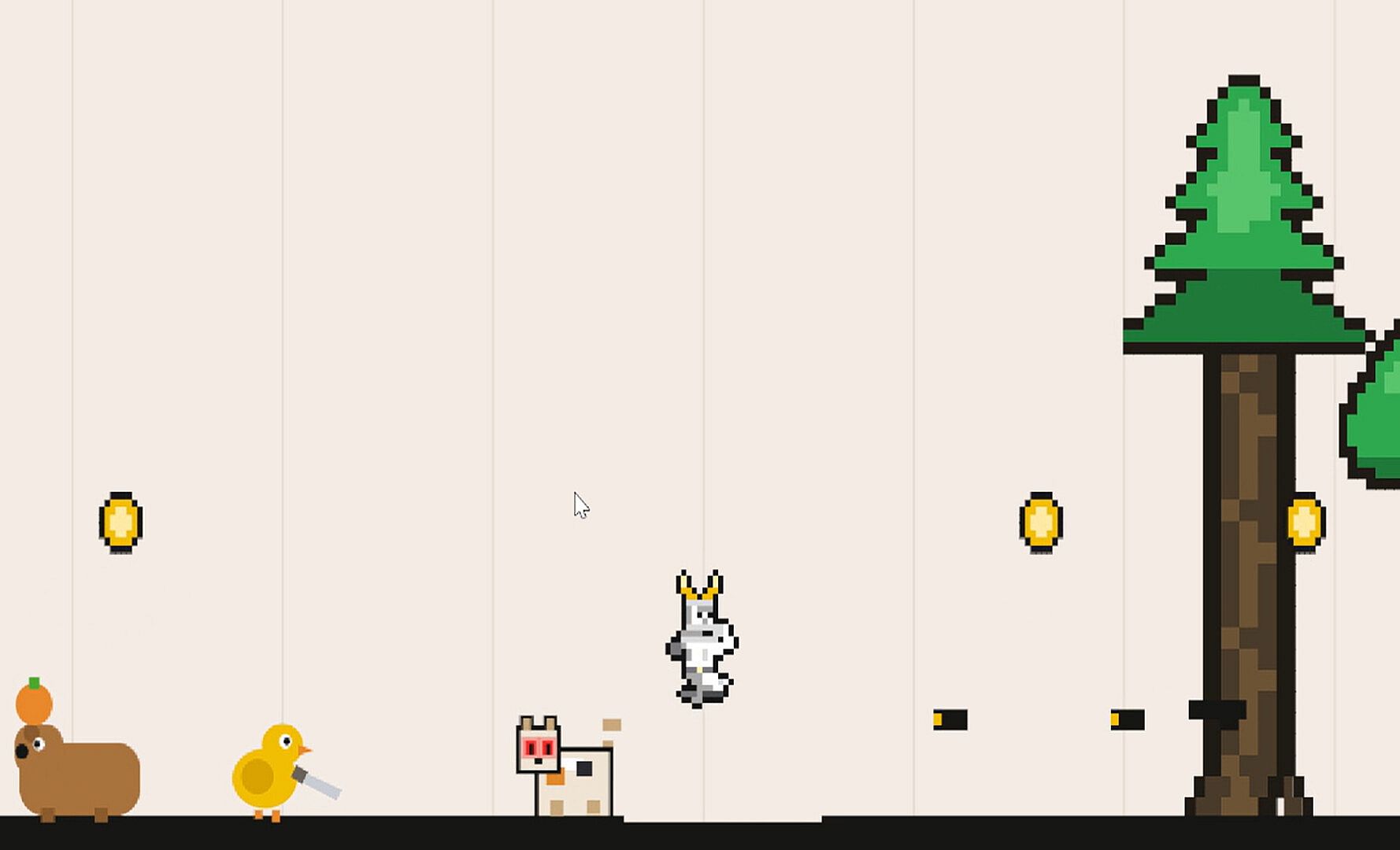
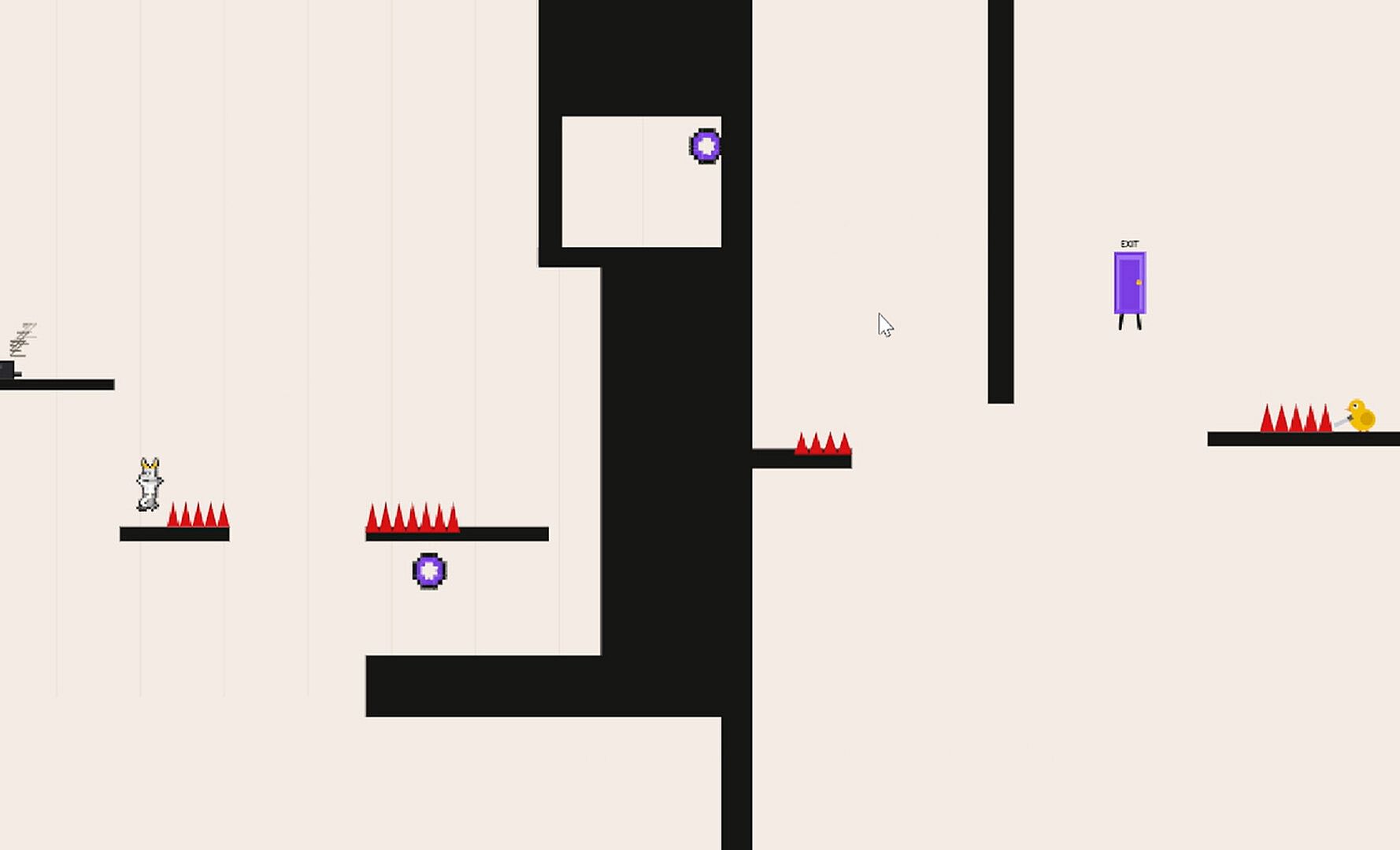
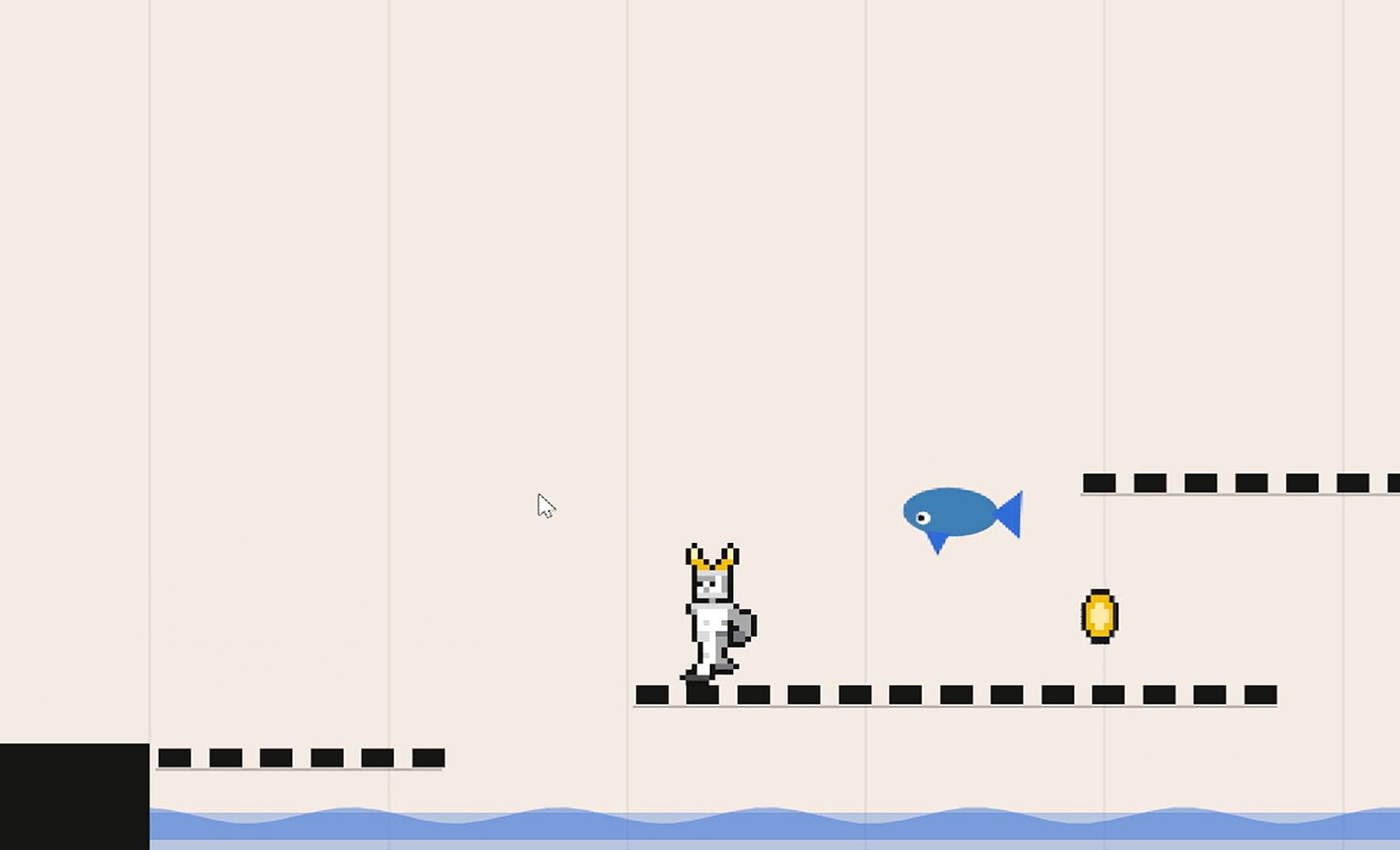
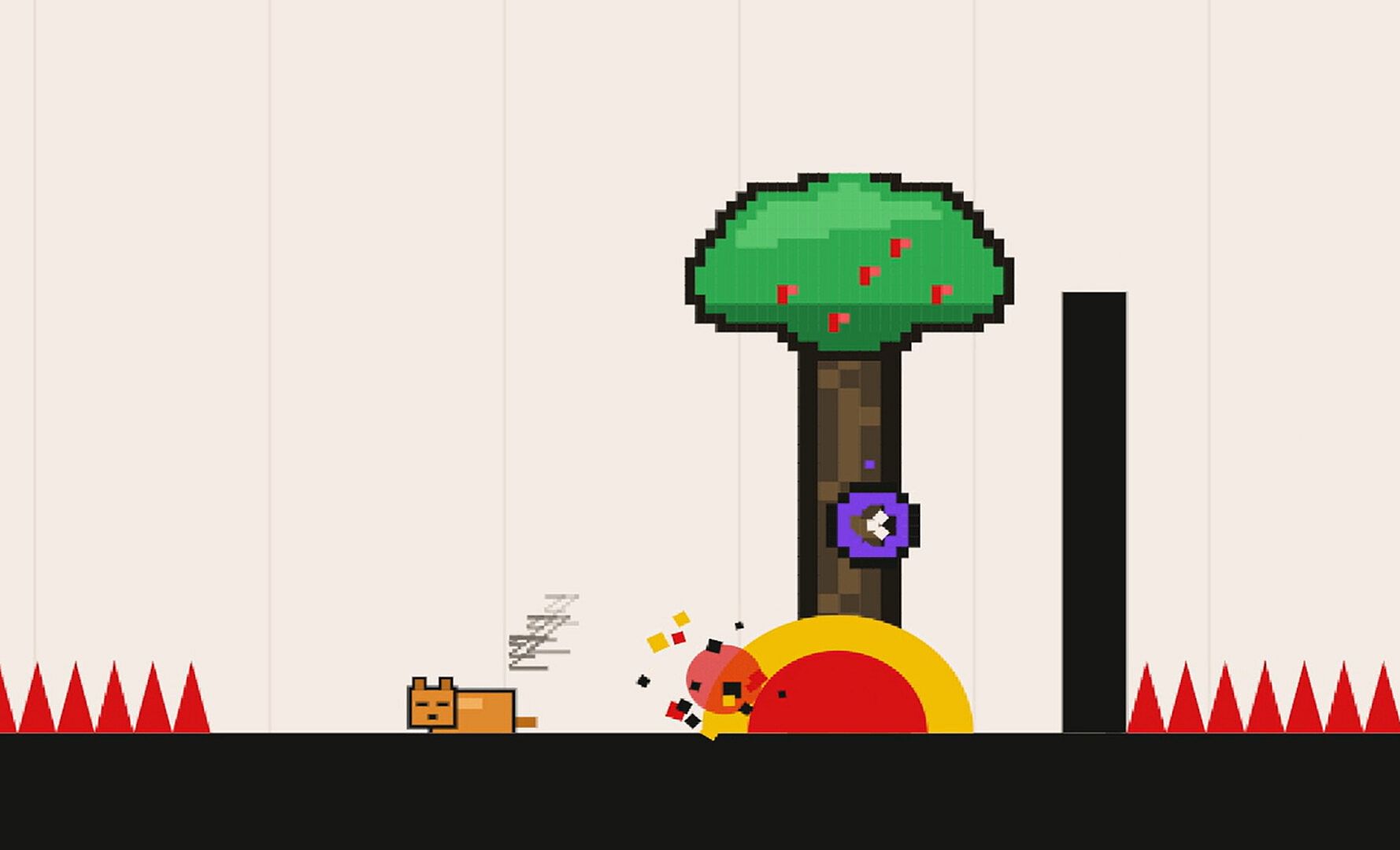
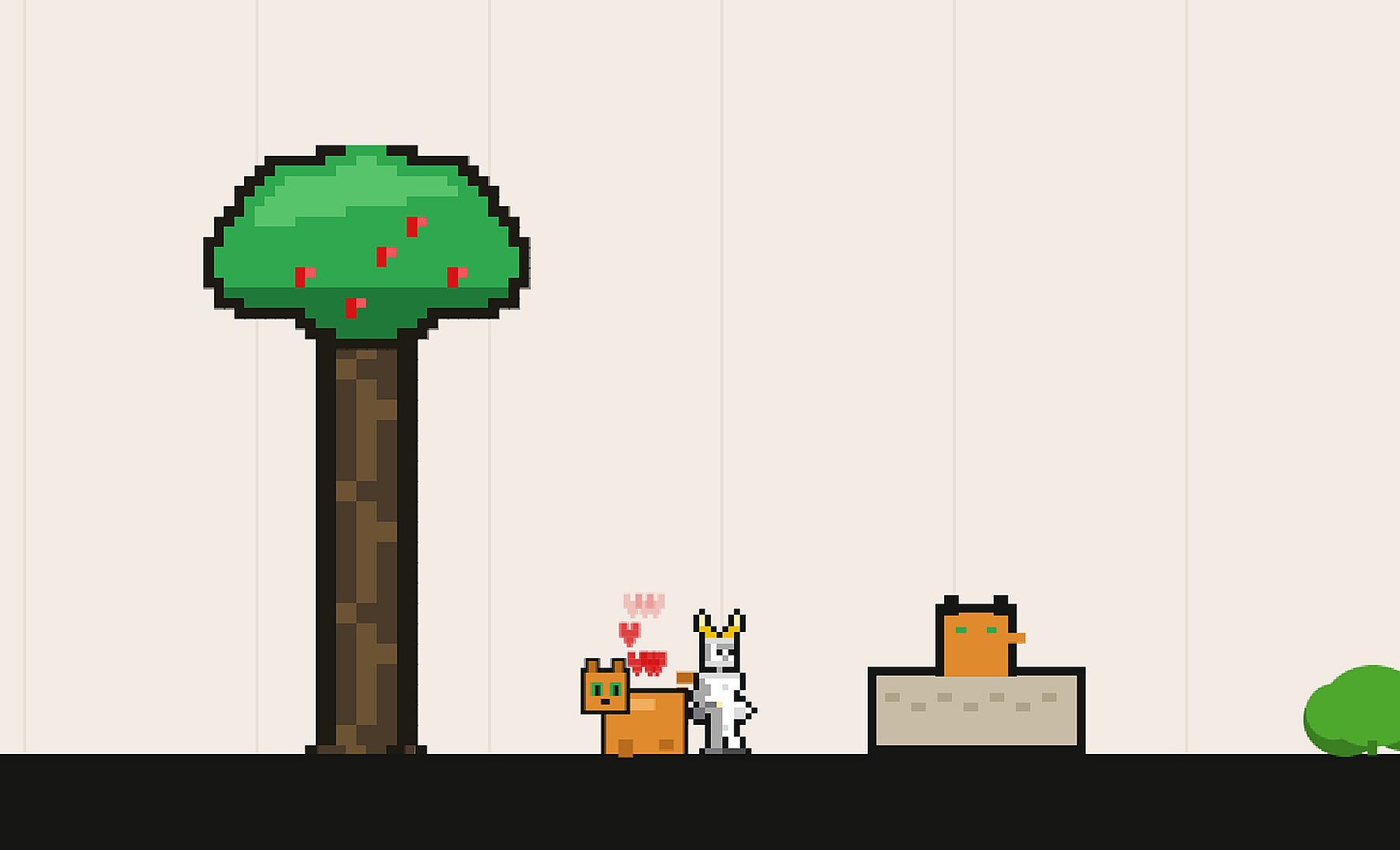

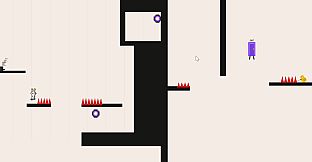
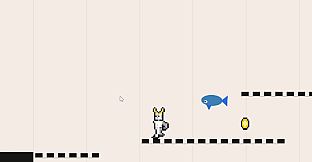

Everything Hates Me is a 2D action indie platformer built around deception and repeated failure. Players control a character tasked with reaching an exit in each stage, but the environment actively works against that goal through shifting hazards and misleading cues. The game emphasizes quick deaths followed by immediate retries, encouraging players to observe patterns and adjust their approach on the fly.
Gameplay
The core loop revolves around navigating handcrafted levels filled with traps that contradict initial appearances. Floors may give way without warning, walls require precise timing to ride or avoid, and signs offer advice that leads to sudden failure. Objects scattered throughout stages sometimes function as helpful tools and other times turn into hazards, forcing constant reevaluation of the surroundings.
Progression relies on short attempts that end in death, after which players return to the start of the current level with full knowledge of what went wrong. This structure rewards careful observation over raw speed, as many traps activate only after repeated exposure or when expectations from earlier sections are applied incorrectly. The developer has incorporated returning hazards that appear in new contexts, keeping veteran players alert even in later stages.
Controls remain straightforward, focusing on movement and jumping with minimal additional inputs. The emphasis stays on environmental interaction rather than complex combat or abilities. Levels vary in length but maintain a consistent pace of trial and error, with visual and audio cues that players must learn to interpret correctly over multiple runs.
Game Modes
Everything Hates Me operates entirely as a single-player experience with no separate multiplayer or competitive modes. All content centers on the sequential traversal of levels, where the challenge stems from the platforming itself rather than external opponents or team objectives. There are no alternate difficulty settings or variant rule sets confirmed at this stage, keeping the focus on the base rules of reaching the exit amid constant interference.
Free updates are planned to expand the total number of levels beyond the initial release count, but these additions will integrate into the same single-player structure without introducing new modes. Players progress through the collection of stages at their own pace, with no branching paths or optional side activities verified in the current description.
Level Design and Traps
Each stage features deliberate misdirection through familiar platformer elements that behave unexpectedly. Collapsing floors, deceptive signage, and interactive objects that switch roles create a sense of distrust toward every surface and item. The design incorporates older traps in later sections to test whether players have internalized the correct lessons or fallen back on outdated assumptions.
Handcrafted construction ensures variety across the initial set of levels, with updates scheduled to add more content over time. The layout prioritizes tight spaces and timing windows that punish hesitation or overcommitment equally. Visual consistency in the 2D presentation helps players spot anomalies once they understand the pattern language of the game.
Is It Worth Playing?
Everything Hates Me targets players who enjoy punishing platformers that demand patience and pattern recognition. The instant retry system reduces frustration from individual deaths while maintaining high difficulty through cumulative learning curves. With a demo available ahead of the September 2026 release, interested players can test the core mechanics directly before committing.
The single-player focus and planned free updates suggest ongoing support for the level count, which starts at 300 handcrafted stages. Those drawn to games where the environment itself becomes the primary antagonist will find the deceptive design engaging, while others seeking cooperative play or lighter challenges may prefer different titles. The absence of reviews at this pre-release stage means expectations should rest on the described mechanics rather than external validation.