




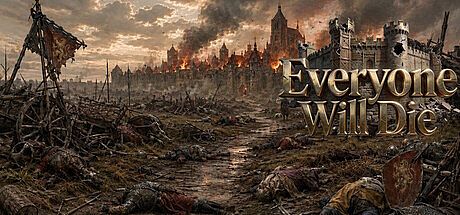


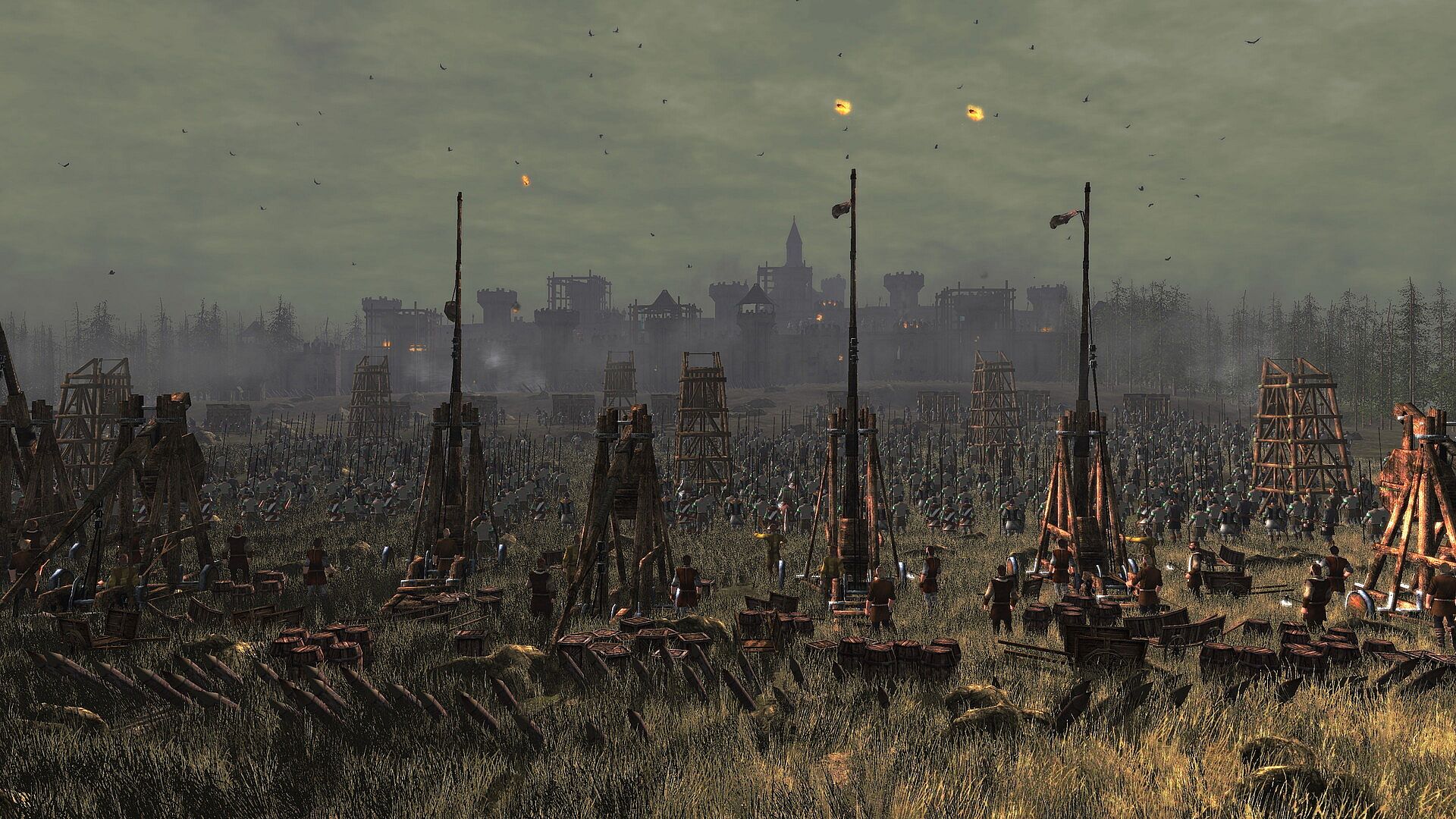
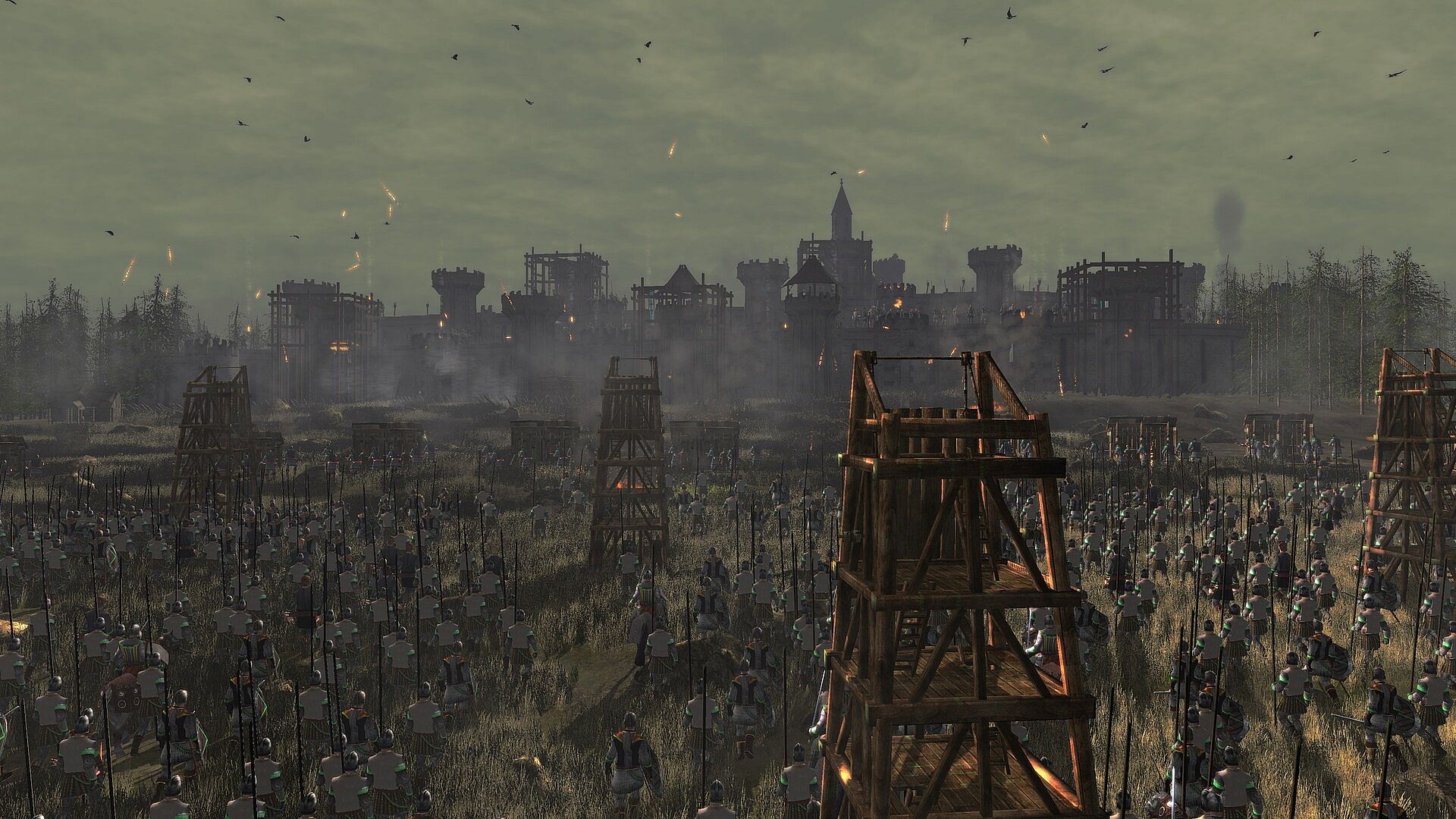
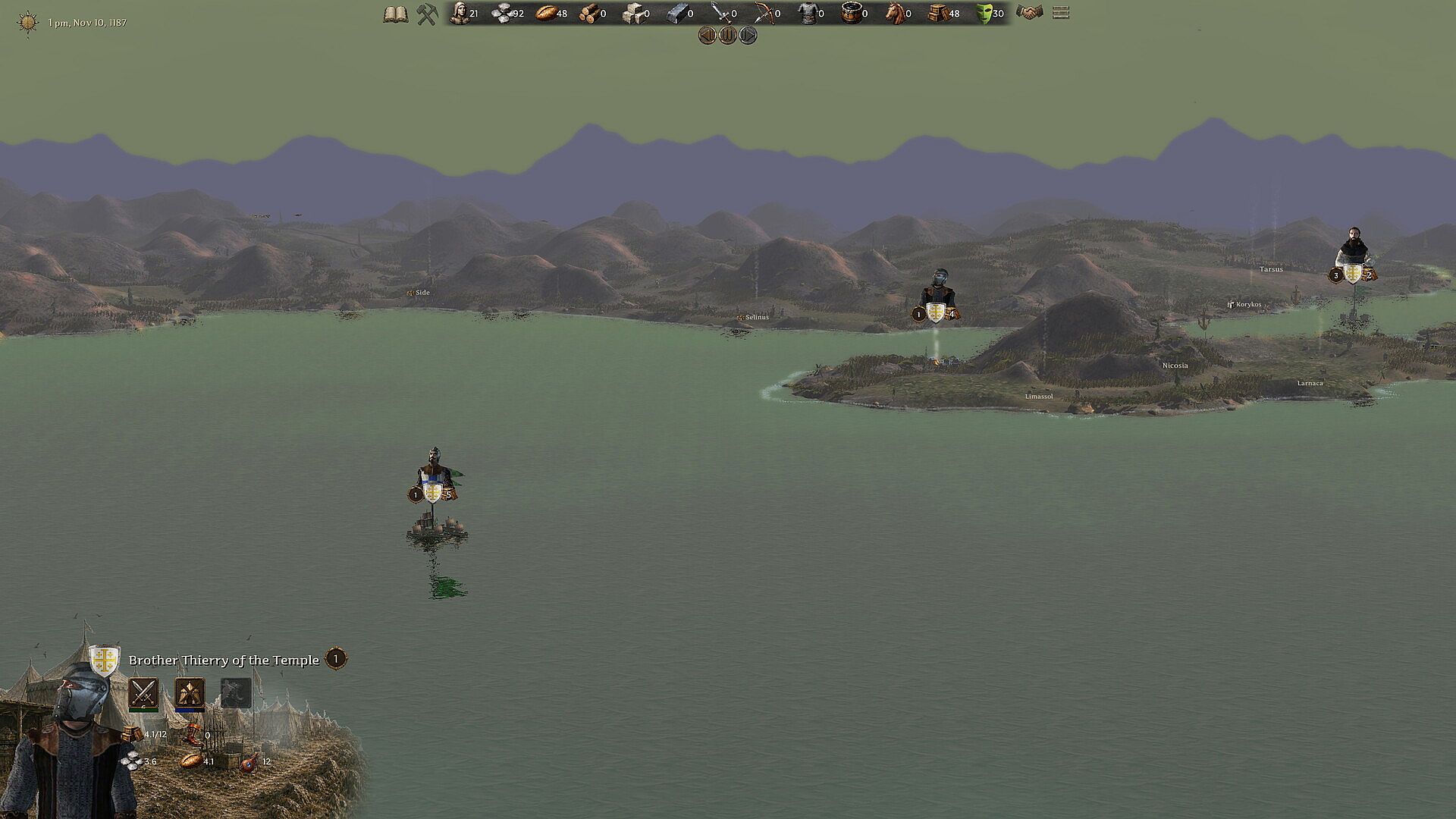
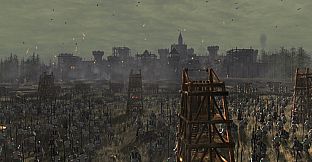
Everyone Will Die is a dark medieval survival strategy game for PC currently in Early Access. Players manage the defense of a besieged city against relentless enemy forces in a setting where victory is impossible and the focus remains on delaying the inevitable collapse.
Gameplay
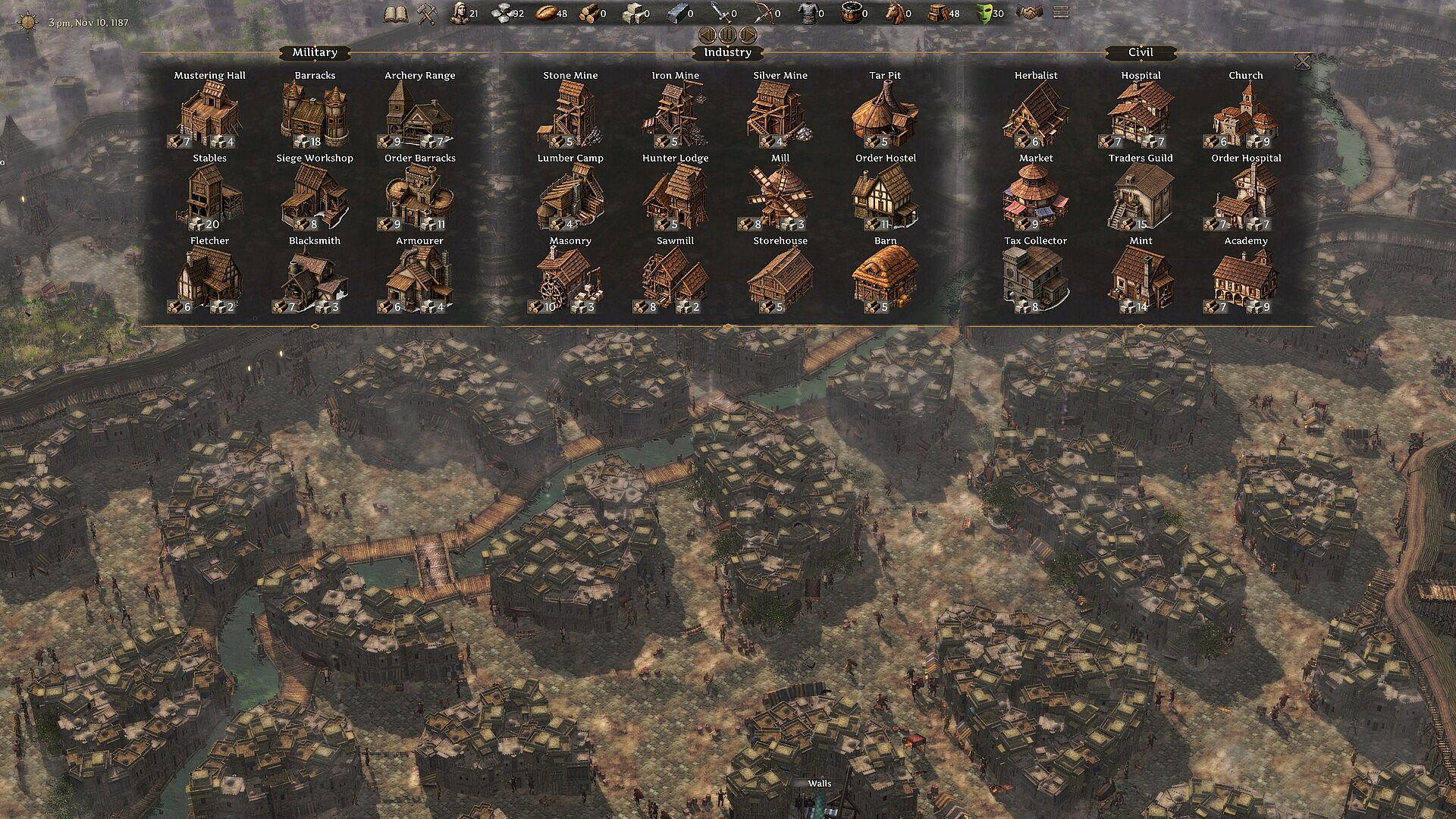
The core loop centers on real-time command of limited troops while constructing and upgrading defensive structures such as walls, towers, and gates. Enemies grow stronger with each assault, forcing constant adjustments to positions and resource allocation. Supplies of weapons, armor, food, and building materials deplete over time, and losses in battle or through consumption cannot be easily replaced.
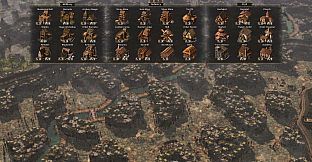
Population management adds another layer of pressure. Every resident serves as a worker, builder, or soldier, and casualties reduce both defensive capacity and economic output. When resources run low, players can dismantle houses and other buildings to recover timber, stone, and other materials, though this shrinks the city and creates new vulnerabilities.
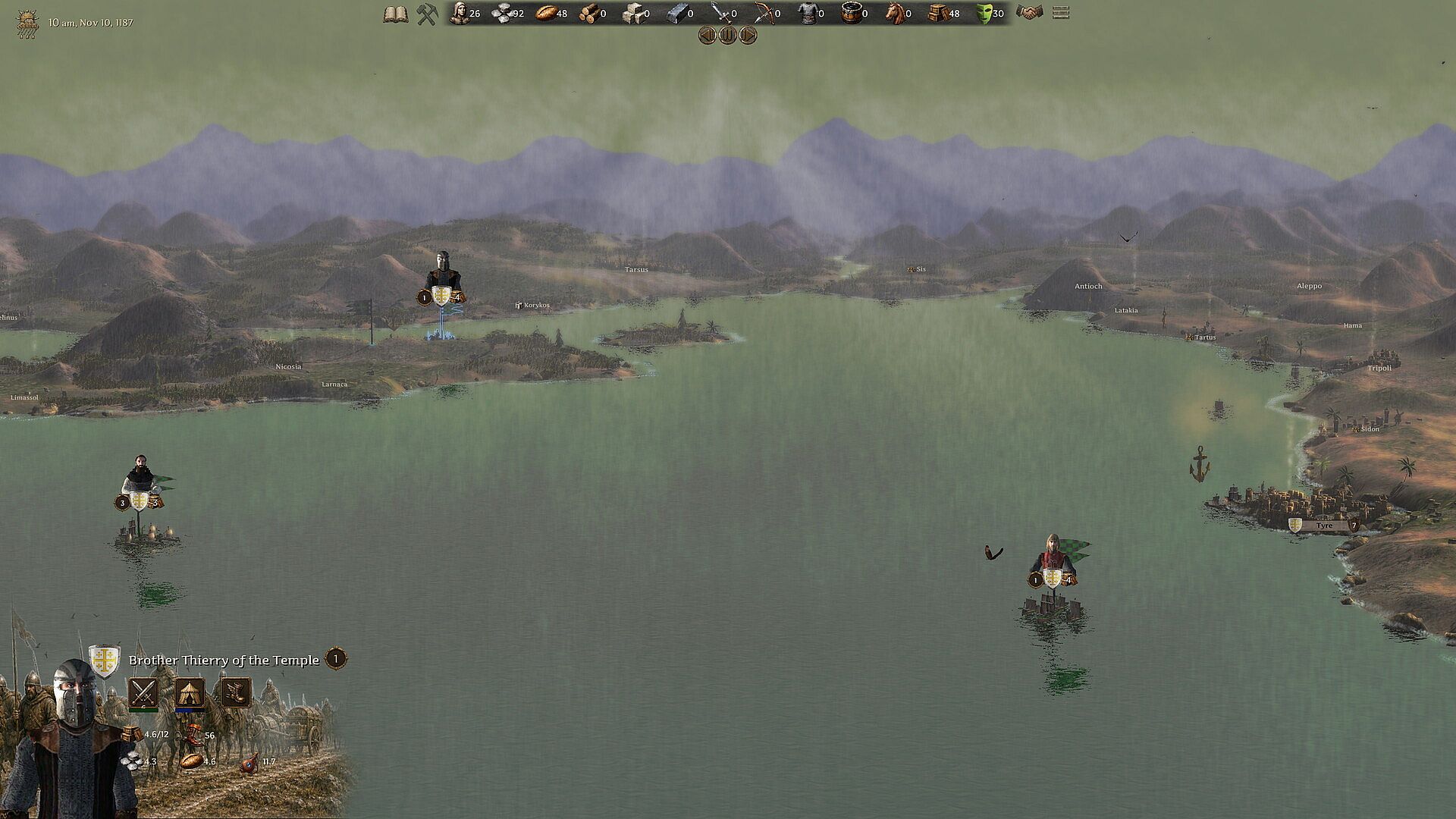
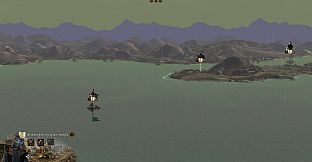
Raiding expeditions outside the walls offer a way to recover weapons and supplies during lulls in the siege. These missions carry risk because they temporarily weaken the garrison left behind. Decisions about arming troops, repairing structures, and prioritizing defenses become more critical as the siege intensifies and the city physically changes from a functioning settlement into a fortress assembled from its own ruins.
Game Modes
The experience is built around a single-player survival scenario with no separate competitive or cooperative modes described. Progression occurs through successive enemy waves that increase in strength, requiring players to adapt defenses and make trade-offs between short-term survival and long-term sustainability. The structure emphasizes repeated attempts to extend the city's lifespan rather than reaching a traditional win condition.
Key Mechanics and Choices
Limited equipment means every sword, bow, or piece of armor lost in combat represents a permanent reduction in capability. Players must weigh whether to send soldiers on risky scavenging runs or conserve forces behind fortifications. Feeding civilians versus reserving supplies for defenders, or preserving homes versus tearing them down for materials, creates cascading consequences that alter the city's layout and defensive layout over time.
The finite nature of manpower and resources eliminates the possibility of endless expansion or a stable late-game phase. Each day brings harder assaults, fewer supplies, and fewer survivors, steadily eroding the city's ability to hold.
Is It Worth Playing?
Everyone Will Die suits players who enjoy deliberate, high-stakes strategy where failure is the expected outcome and the challenge lies in maximizing survival time through careful planning and tough decisions. The emphasis on scarcity, population limits, and irreversible choices creates a tense atmosphere distinct from typical city-building or defense titles. Because the game remains in Early Access, the current build focuses on the core siege loop described in the developer's materials, with ongoing development likely to refine mechanics further. Those drawn to grim, resource-constrained medieval defense scenarios will find the systems align closely with the stated goals of surviving as long as possible before the walls fall.