






One minute here can be hours back at the mothership
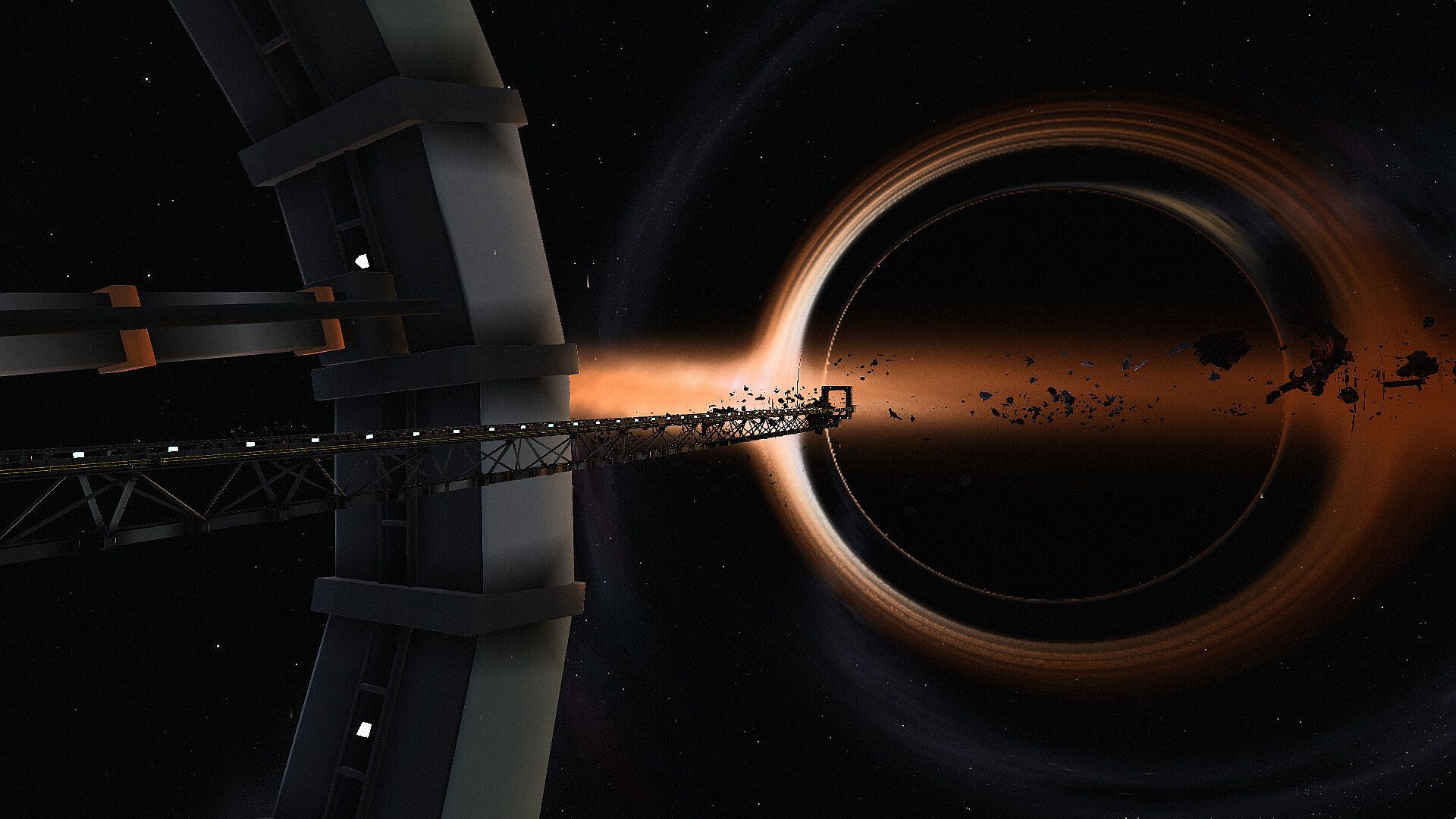
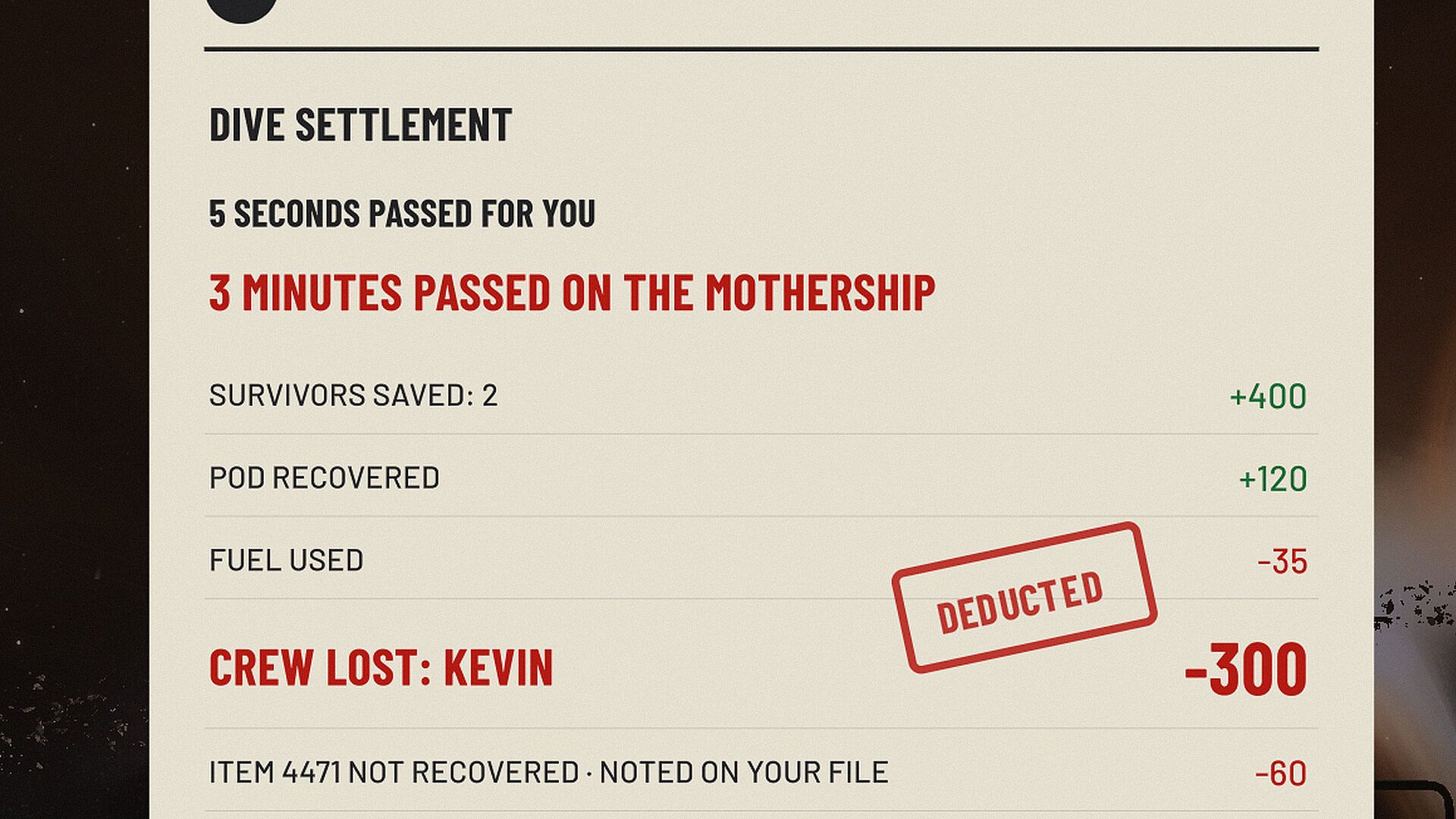
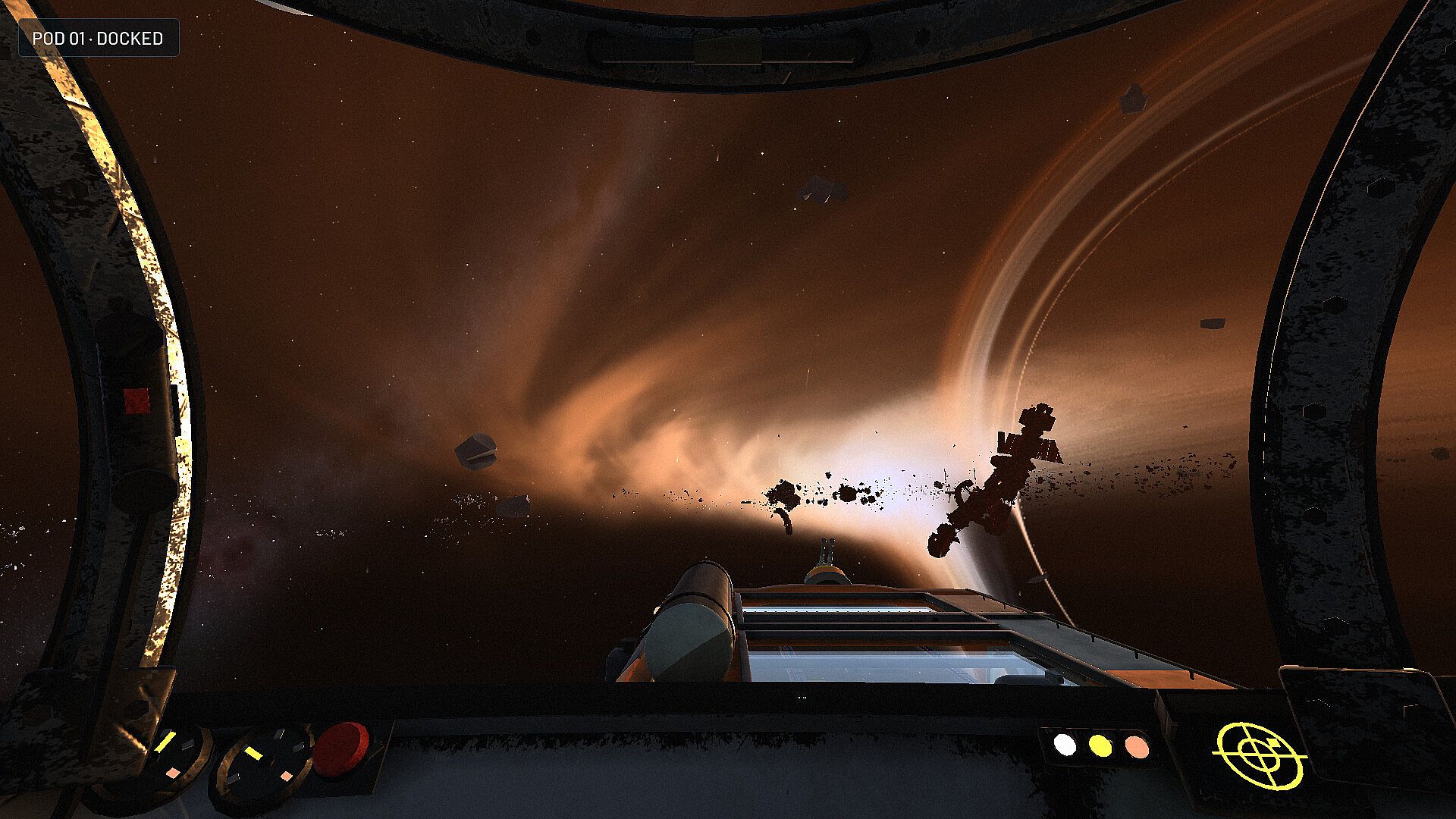
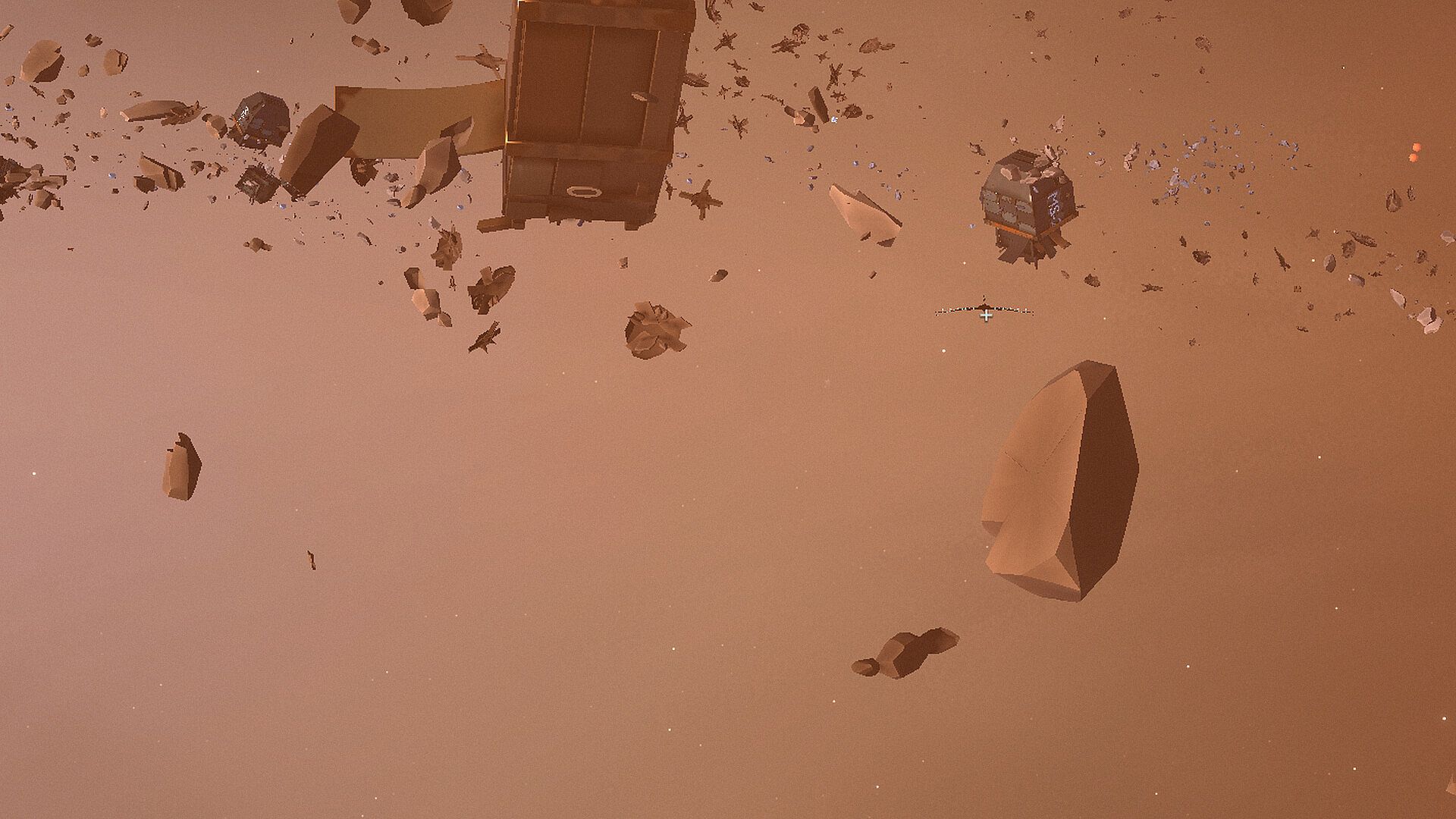
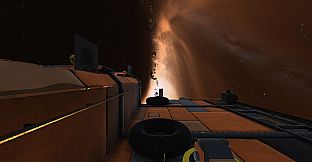
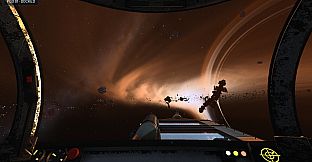
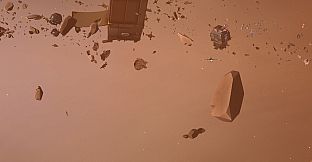
Earlier this week two motherships collided above a black hole, and their wreckage now circles it in fields, slowly sinking. That afternoon the company bought the salvage rights. It parks its own mothership in a high orbit and sends tugs down to bring back whatever is worth money before it falls in.The deeper you go, the slower your clock runs compared with the mothership's. A dive that feels like a quarter of an hour to the crew can cost the company days, and after a few of them the mothership leaves, with or without you. Overtime is calculated on the mothership's clock.
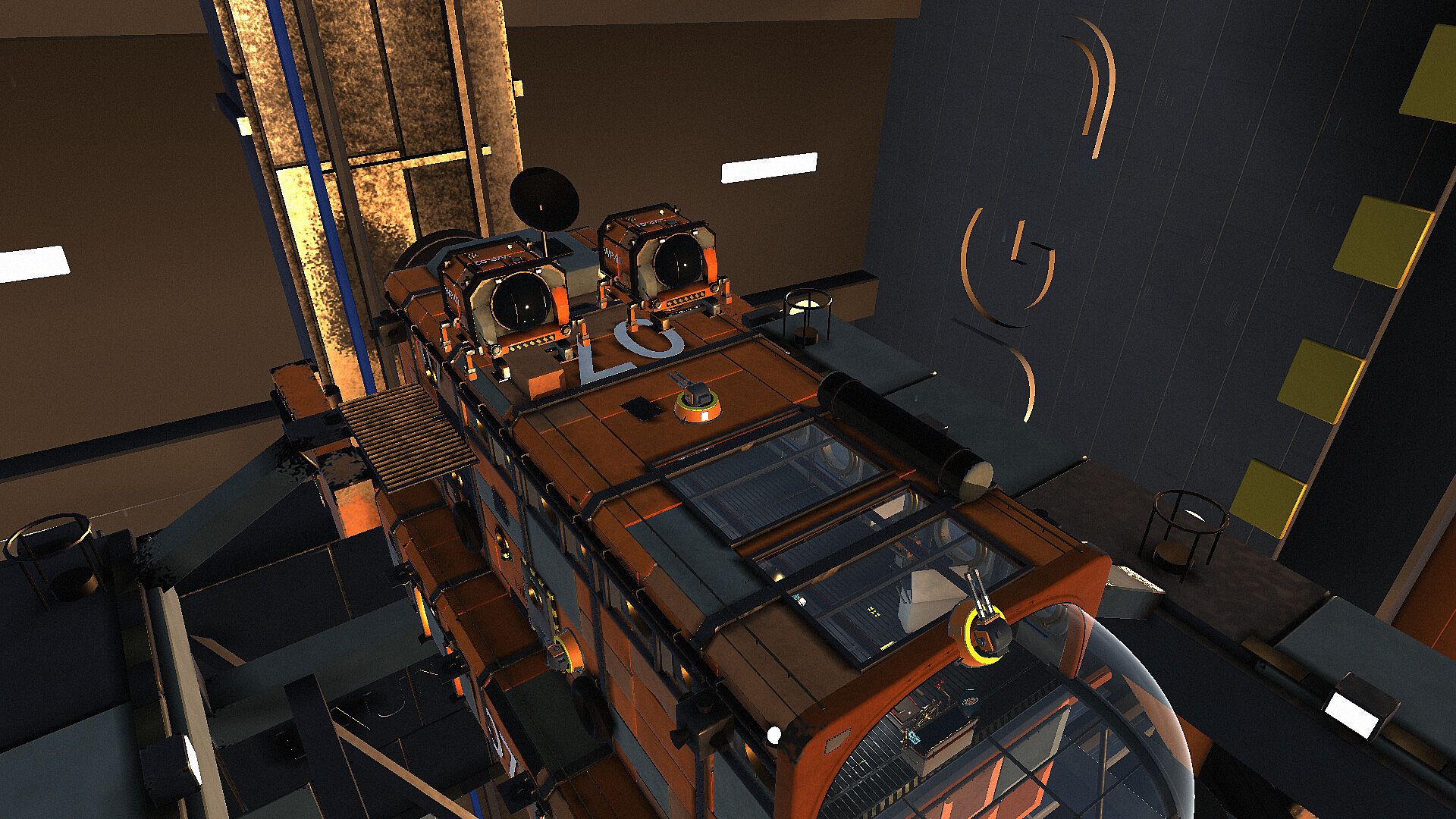
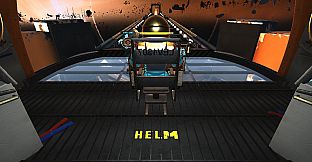
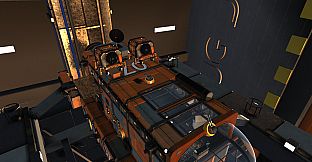
A small tug with a lot of stations
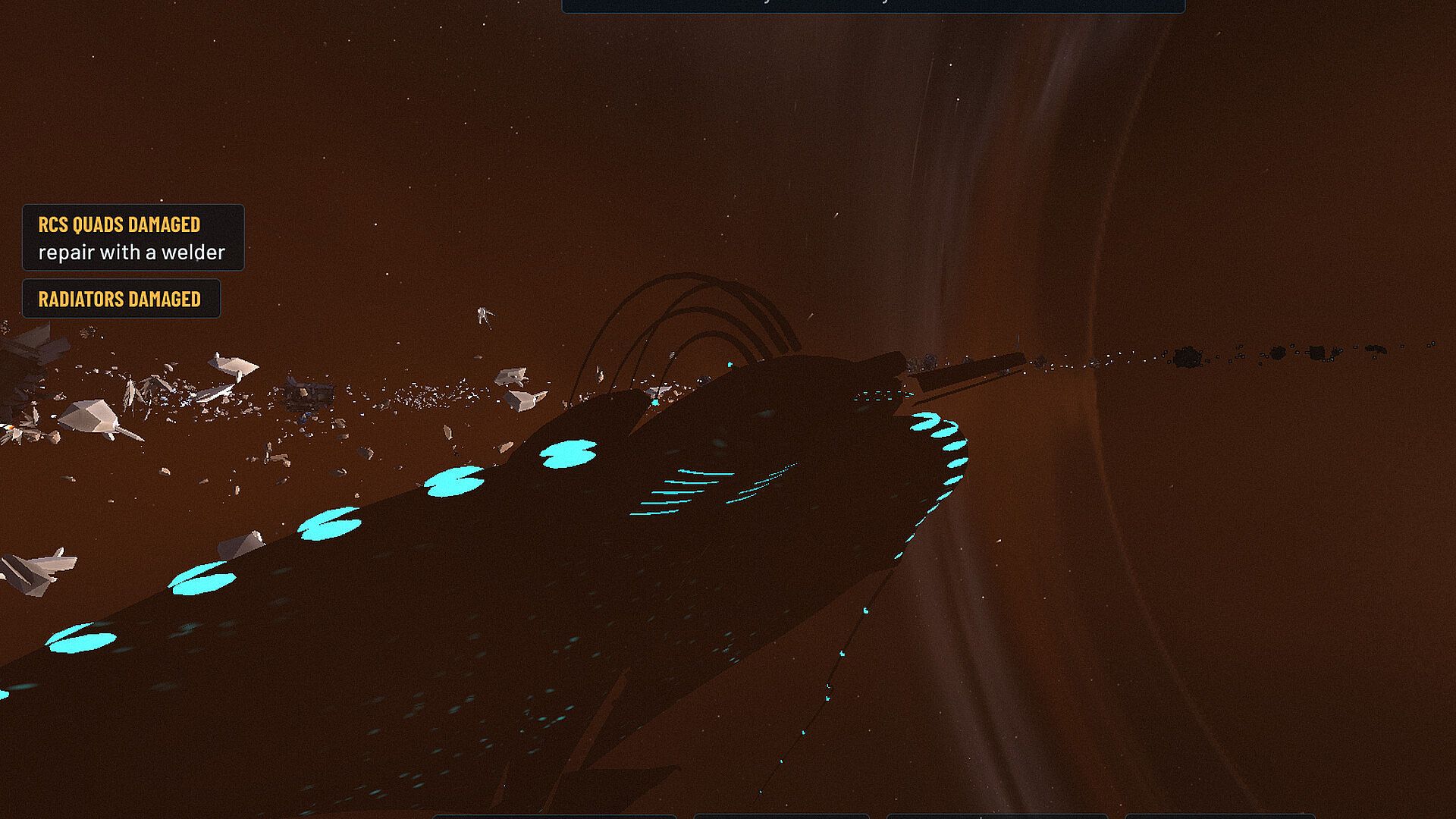
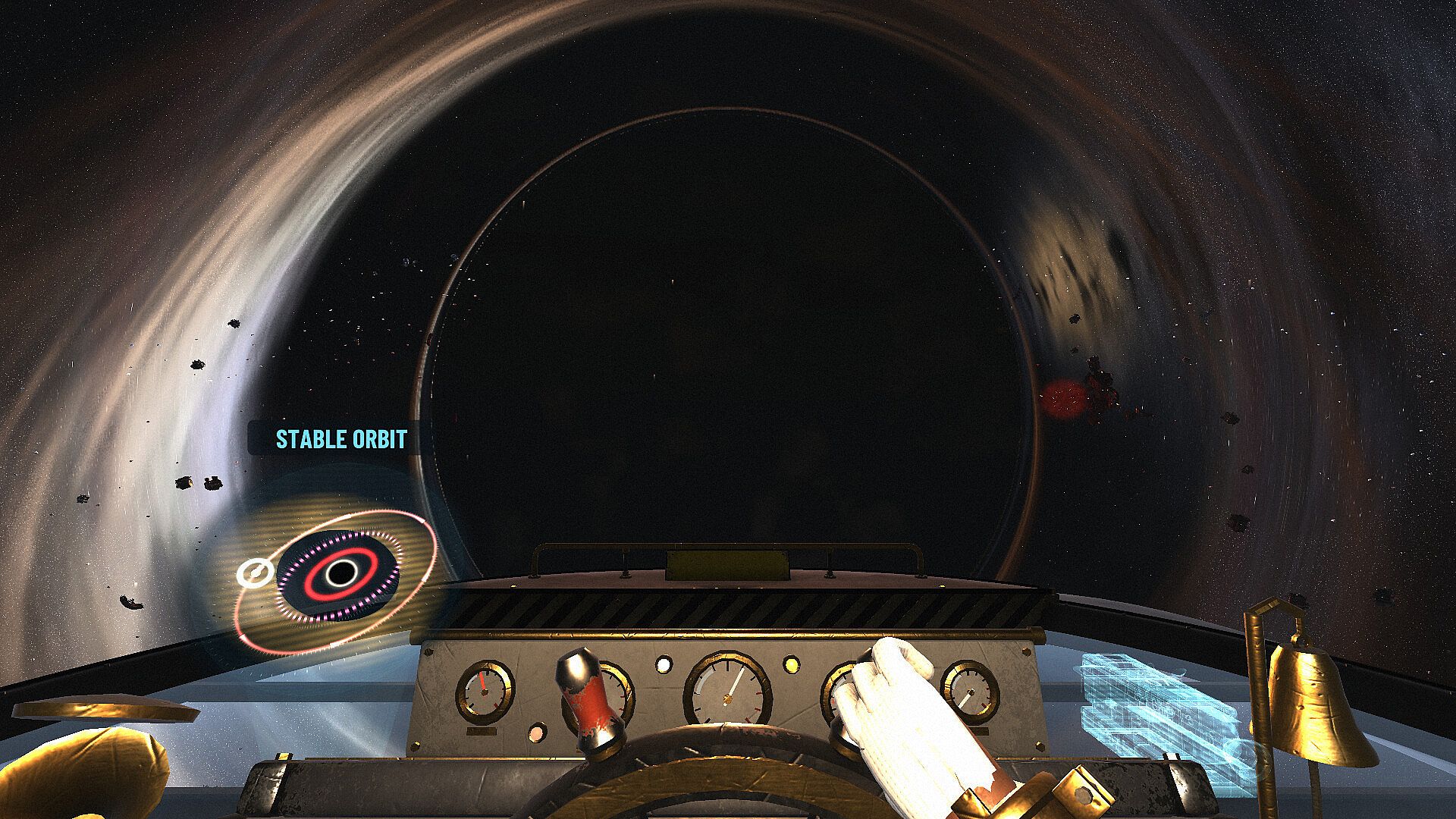
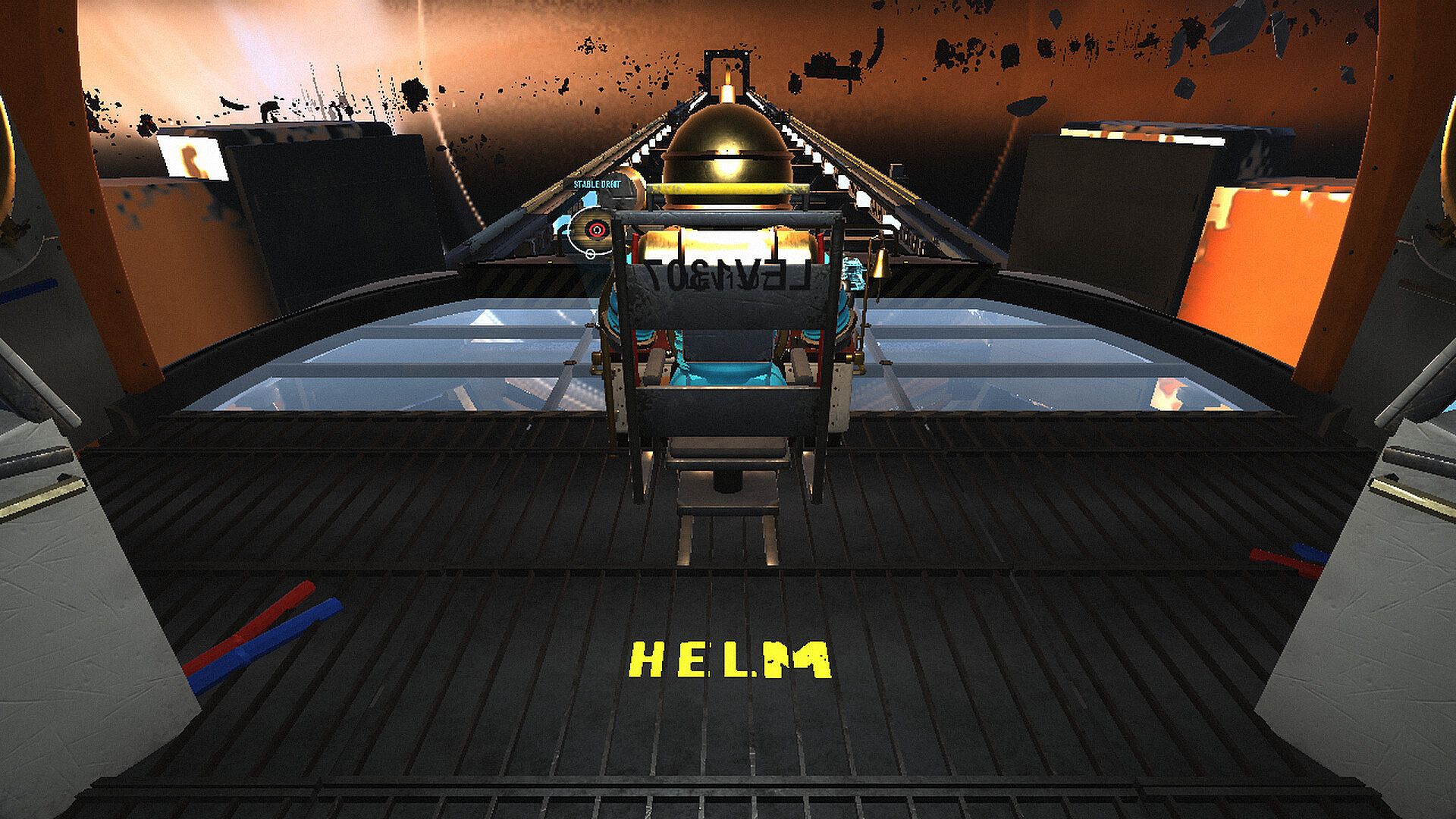
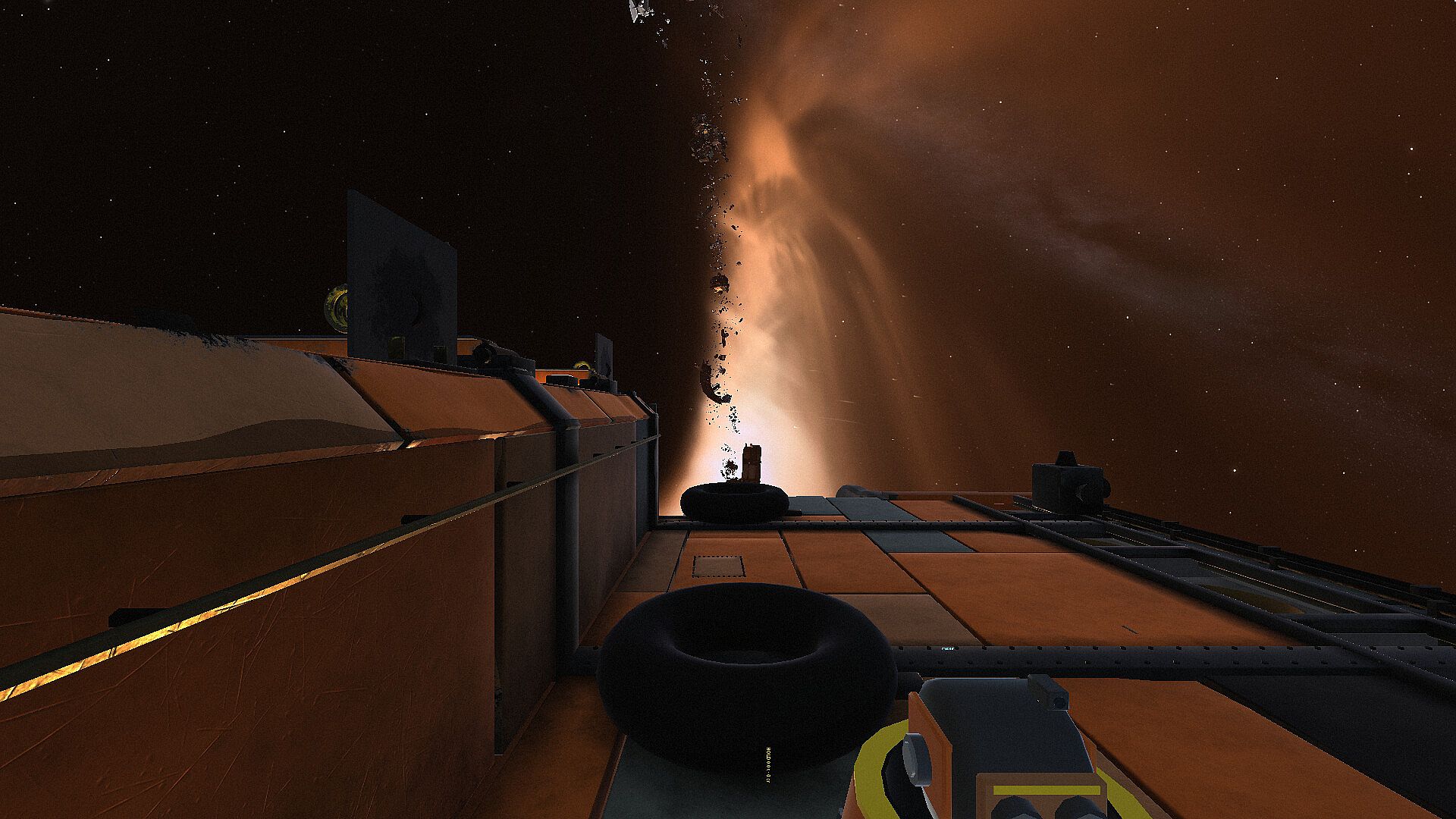
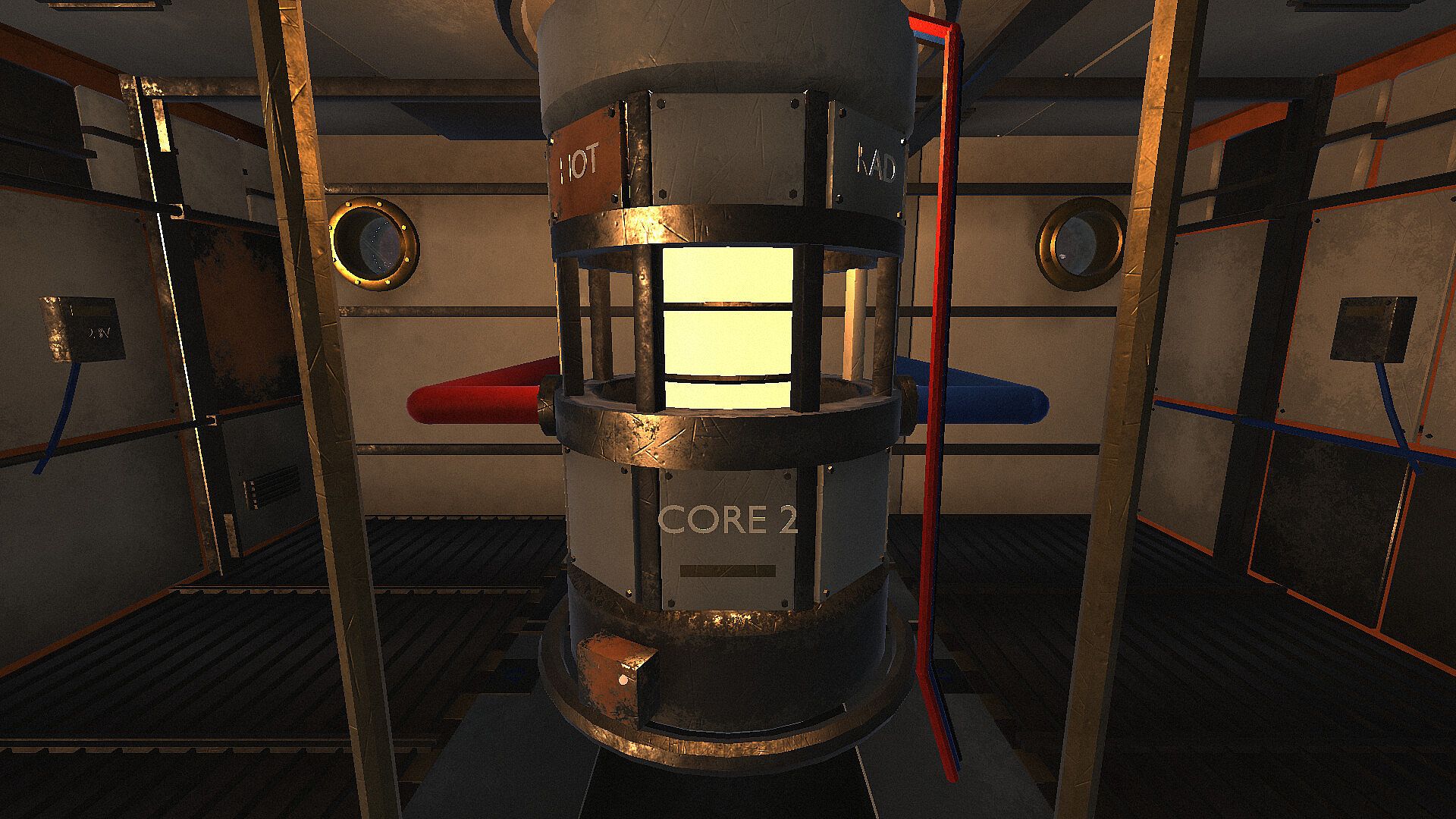
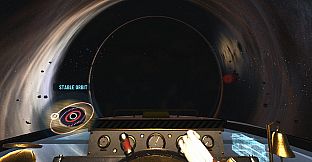
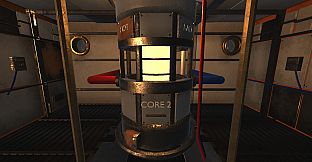
The tug is a working ship you walk around in. The pilot flies it by hand: lock onto a piece of wreckage and the flight computer plots the transfer, then shows where to point the nose and when to burn. The nav table pings the field and lists what is out there, worth the most first. The harpoon catches small things like black boxes and fuel tanks and reels them in. The reactor keeps everything running as long as somebody changes its coolant, and the hatch lets you out onto the hull in magnetic boots to weld what the debris broke.Work pods: cut your pay out of the wreck
Big salvage does not fit through the bay. A crewmate climbs into a work pod and flies it out on a cable up to six kilometres long, grips an escape capsule or a cargo container, or traces the seam of a wrecked hull with a plasma cutter until the module comes free. The pod winches the load home and the crew straps it to the tug.The cable does not break. Whatever is on the end of it goes where the tug goes, so tell the pilot before they burn.
How the black hole works
The orbits are real. Every few minutes your orbit carries you through the hot plasma disk, where the suits last seconds and nobody should be outside. Below the last stable orbit nothing can circle the hole, so you thrust or you fall. The red line on the nav table marks the deepest point your fuel can still bring you home from, and it rises with every crate you strap on.Other tenants
The wreckage is not empty. Leeches ride the debris and chew on the hull until somebody goes outside and pries them off. Something very large moves through the dark between the fields. And below the last stable orbit, a pair of eyes opens in the dark and sends something valuable up out of the hole for you to catch.Quotas, upgrades and the end of your career
Every dive's pay goes into one crew account. After every third dive the company collects its quota, and every quota is bigger than the last. Between dives the crew spends what is left on bigger tanks, stronger thrusters, a longer pod cable or better suit heat sinks. Miss a quota, or lose the tug to the hole, and the company scraps the tug and the run is over.The company would like a word
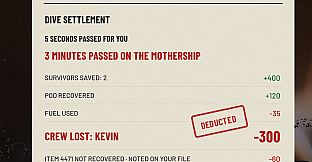
Every dive ends at the dock with a settlement slip that lists how long you were gone, how long the mothership waited, and what that cost. The letterhead changes between contracts and nobody explains why. The teleprinter asks for photographs of very specific things. Survivors are to be returned upright.Crew
Play with up to three friends through Steam or on the same local network, where everyone takes a station and the pilot finds out what the pod crew was doing when the cable goes tight. Alone, you run every station yourself, one at a time.Features
- Real orbital flight around a black hole, where time runs slower the deeper you go
- A walkable salvage tug: pilot seat, nav table, harpoon, reactor and work pods on a 6 km cable
- A quota every third dive, upgrades between dives, and a company that keeps score
- Online co-op for 1-4 through Steam, LAN co-op, or solo