




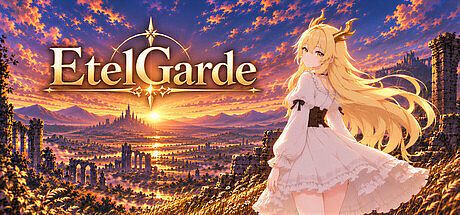


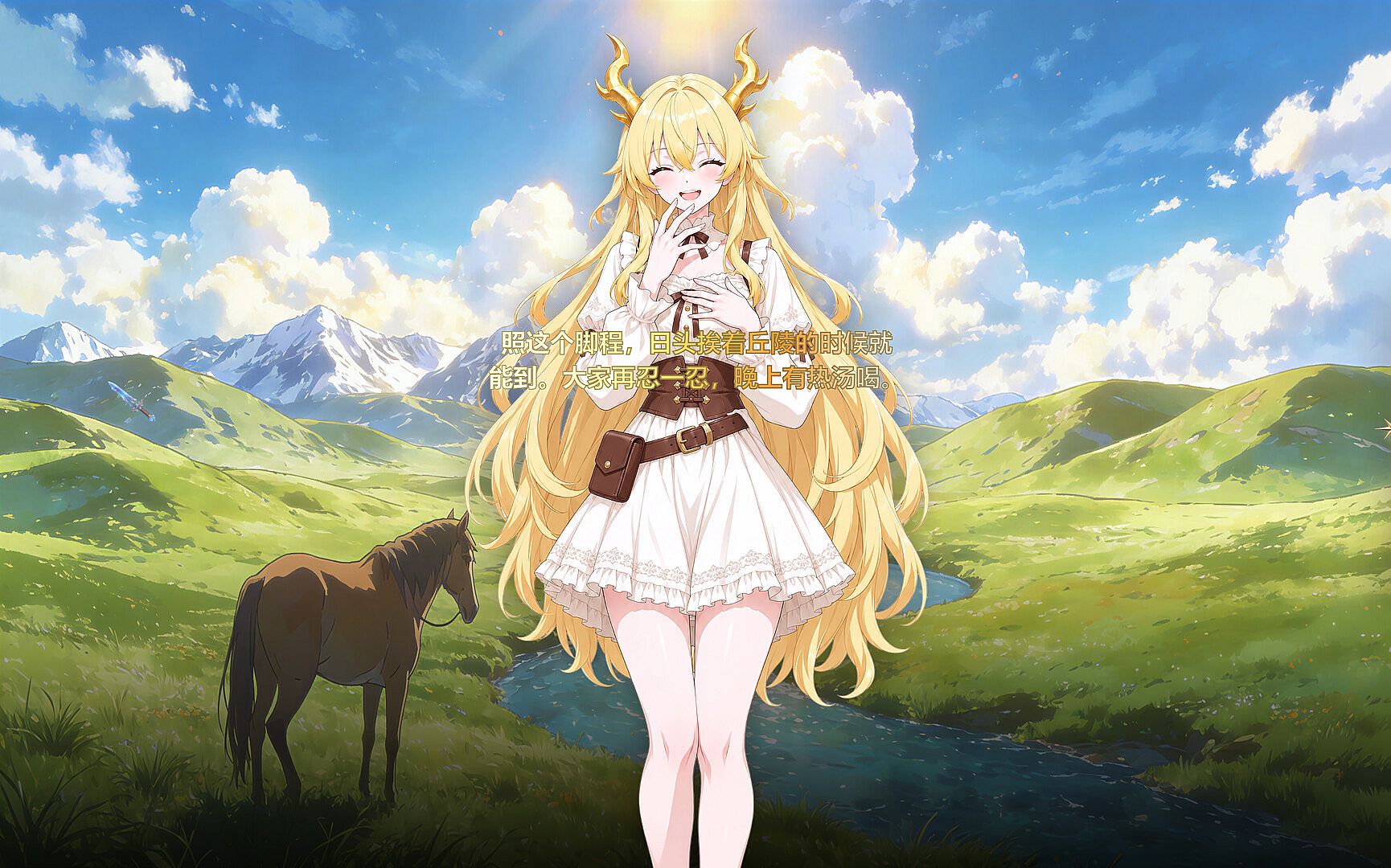

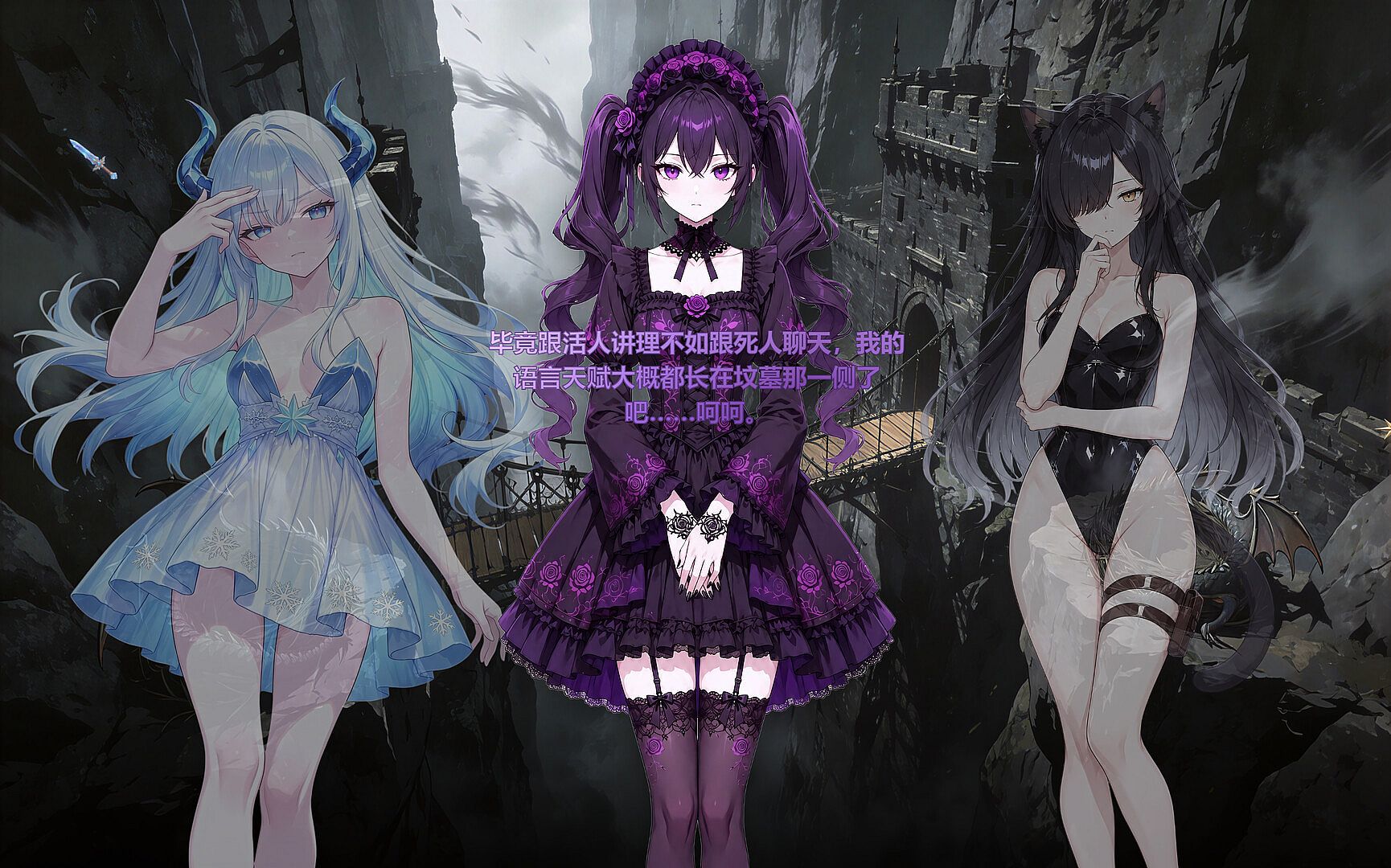
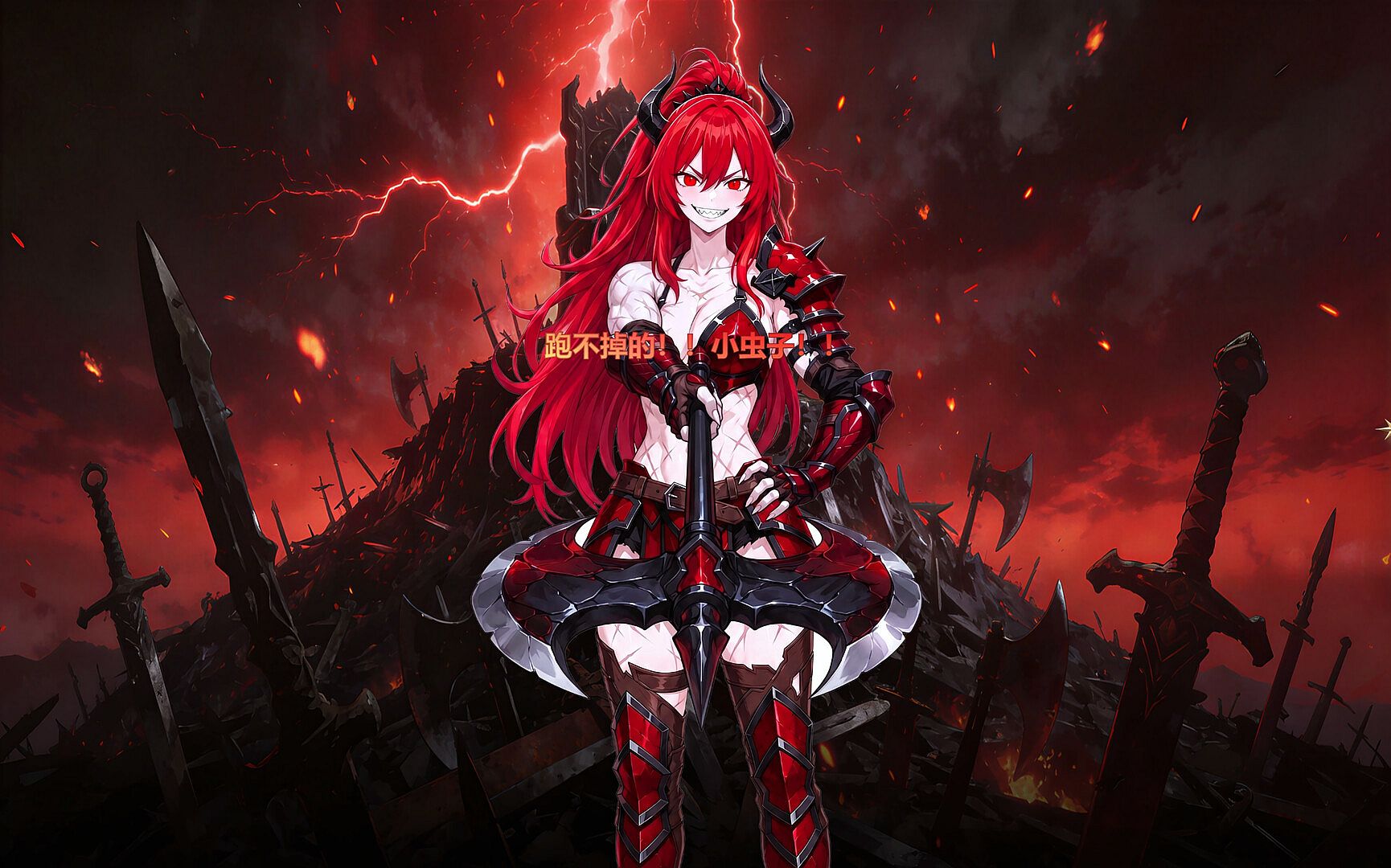








EtelGarde is a single-player RPG, simulation, and adventure game set in a persistent fantasy world on PC. Players step into an ordinary life within a realm still recovering from an ancient conflict, where every action carries lasting weight and the environment evolves independently of the player.
Gameplay
The core loop centers on living as a mortal without special powers or destined heroism. Experience comes only through repeated effort in combat, learning skills from others, and handling daily tasks such as working for pay or exploring ruins. Time advances realistically, so earning money or acquiring items requires actual in-game passage rather than instant claims. The world tracks debts, promises, betrayals, and possessions across sessions, allowing later interactions to reference past events without relying on model memory alone.
Companions function as independent agents. They pursue their own jobs, spend resources, form relationships, and carry personal belongings. They may accept or reject the player based on behavior, and repeated boundary violations can lead them to depart permanently. Dialogue and actions are entered freely by the player, after which the connected language model determines outcomes consistent with the established world state.
Progression remains grounded in mortality. Even skilled characters cannot overpower true dragons or other overwhelming threats. Death ends the current life permanently, with no option to reload earlier saves or continue on the same worldline. All events, items, and relationships belong exclusively to that single playthrough.
Game Modes
EtelGarde operates as one continuous single-player experience rather than offering separate named modes. The entire game unfolds on a single forward-moving worldline where the environment, NPCs, and ongoing events persist regardless of player presence. There are no traditional multiplayer lobbies, PvP arenas, or distinct campaign branches. Instead, the simulation itself serves as the framework, with narrative generation handling encounters, trades, explorations, and social interactions in real time through the player's chosen external model.
Setup requires an active internet connection and API credentials for one of the supported model families. All narrative requests route directly from the local machine to the selected provider, keeping save data and story elements private. No in-game economy or credit system exists for model usage.
World and Narrative Systems
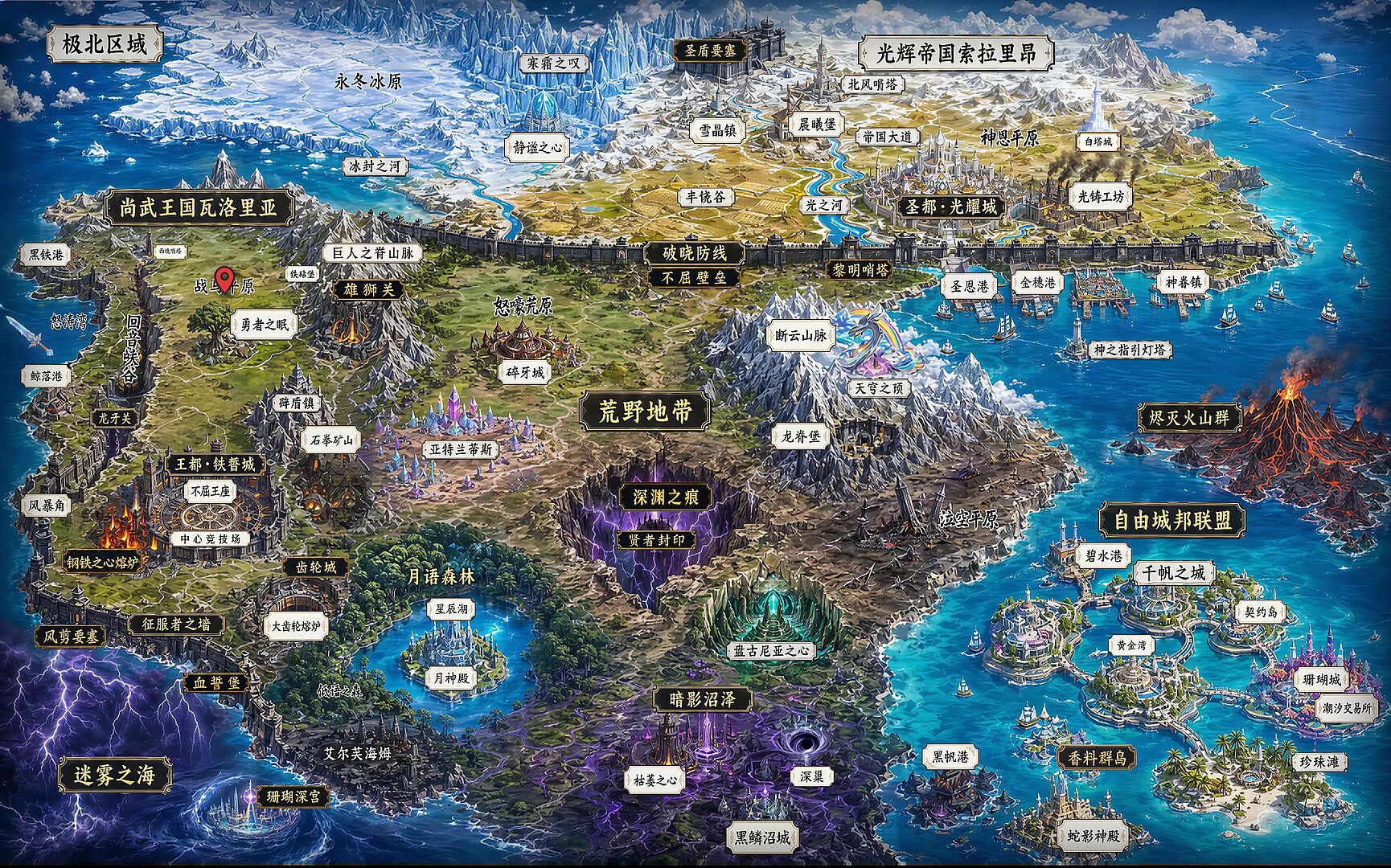
The setting draws from a thousand-year-old conflict known as the Twilight War. Three Sages sacrificed themselves to seal away demonic forces beneath the world, yet that seal now weakens. No prophesied savior exists, leaving ordinary individuals to navigate the consequences. Locations, characters, music, and sound effects were all hand-crafted by the developer and integrate directly with generated narrative content.
Items created during play can receive unique descriptions and appearances. Scenes align with stated character positions, and the world maintains continuity across absences. Events initiated by NPCs or external trades can surface later with their own established history, creating a sense of a living environment that does not revolve around the player.
Technical Requirements and Limitations
The game runs on Windows systems meeting specified hardware thresholds, with broadband internet mandatory for model connectivity. Save files grow with playtime and remain stored locally without Steam Cloud support. No option exists to rewind time or load prior states, reinforcing the irreversible nature of choices and death.
Supported model families include Gemini, Claude, DeepSeek, GLM, and Kimi. Players supply their own credentials through local system storage, and all associated costs go directly to the provider. The developer handles neither payments nor model access.
Is It Worth Playing?
EtelGarde suits players seeking a deliberate, consequence-driven narrative simulation where mortality and persistence shape every decision. Those who enjoy managing relationships, tracking long-term consequences, and accepting permanent outcomes will find the systems rewarding. The requirement for a compatible language model and ongoing API access adds a layer of setup that may deter casual users.
Reception data remains limited because the title has not yet launched. Its appeal rests on the depth of its single-life mechanics and the independence granted to both the world and its inhabitants. Players comfortable with that level of commitment and willing to handle external model integration may appreciate the experience, while those preferring traditional saves, multiple lives, or built-in progression systems will likely find it restrictive.