


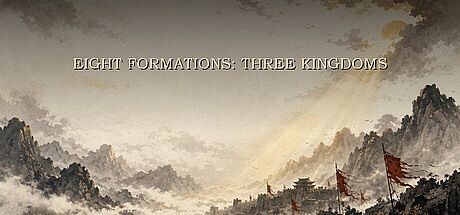


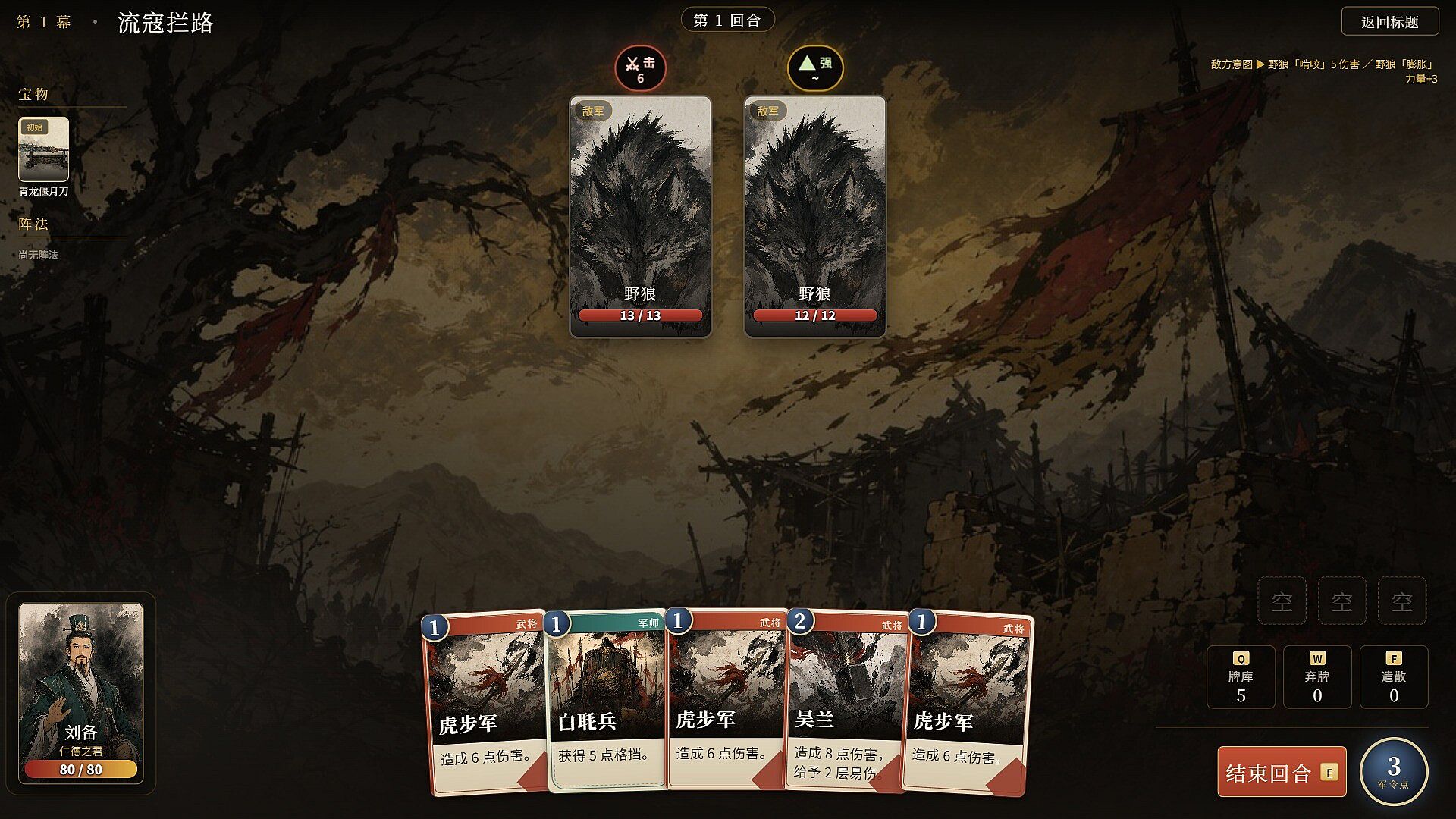
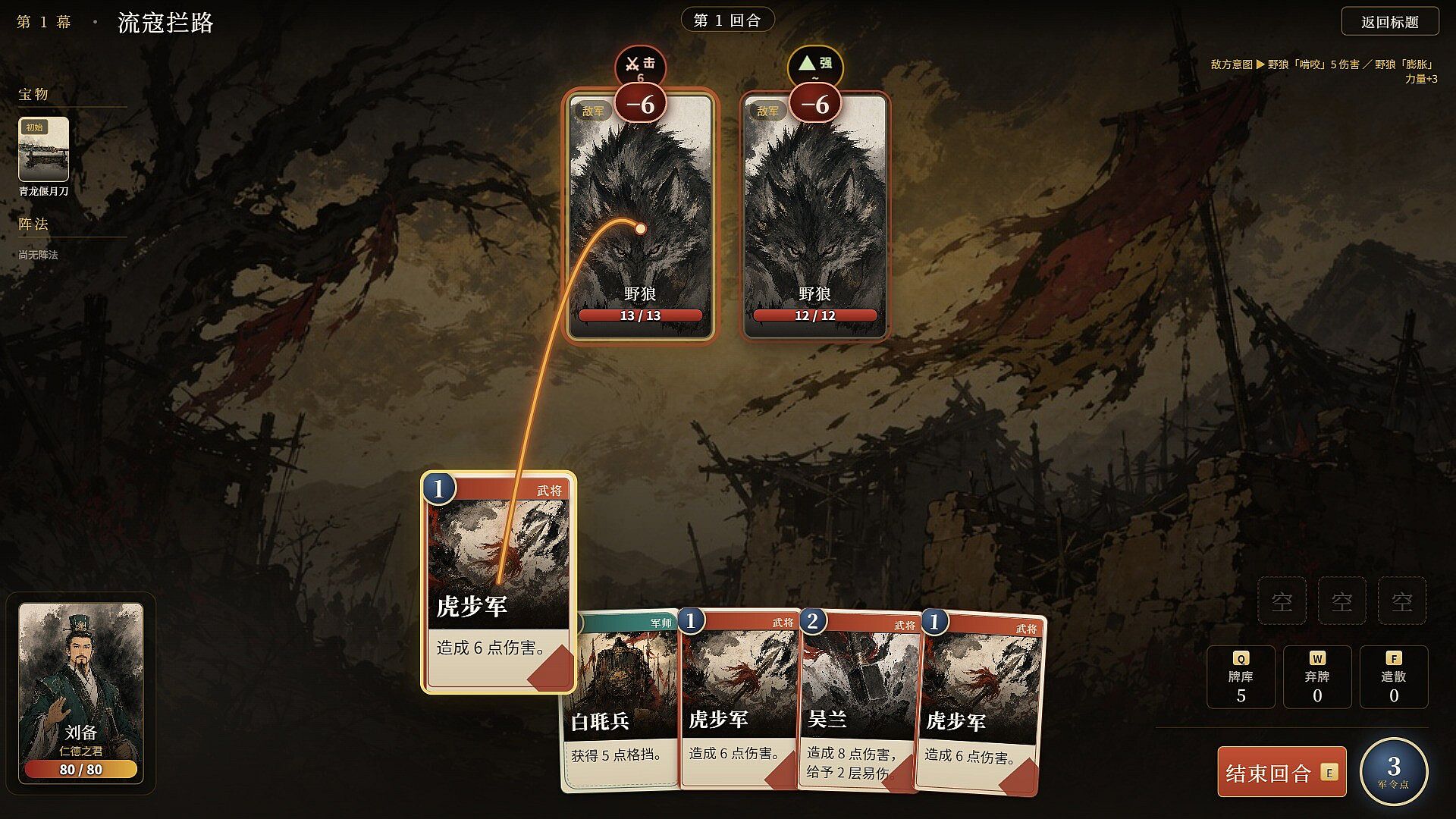
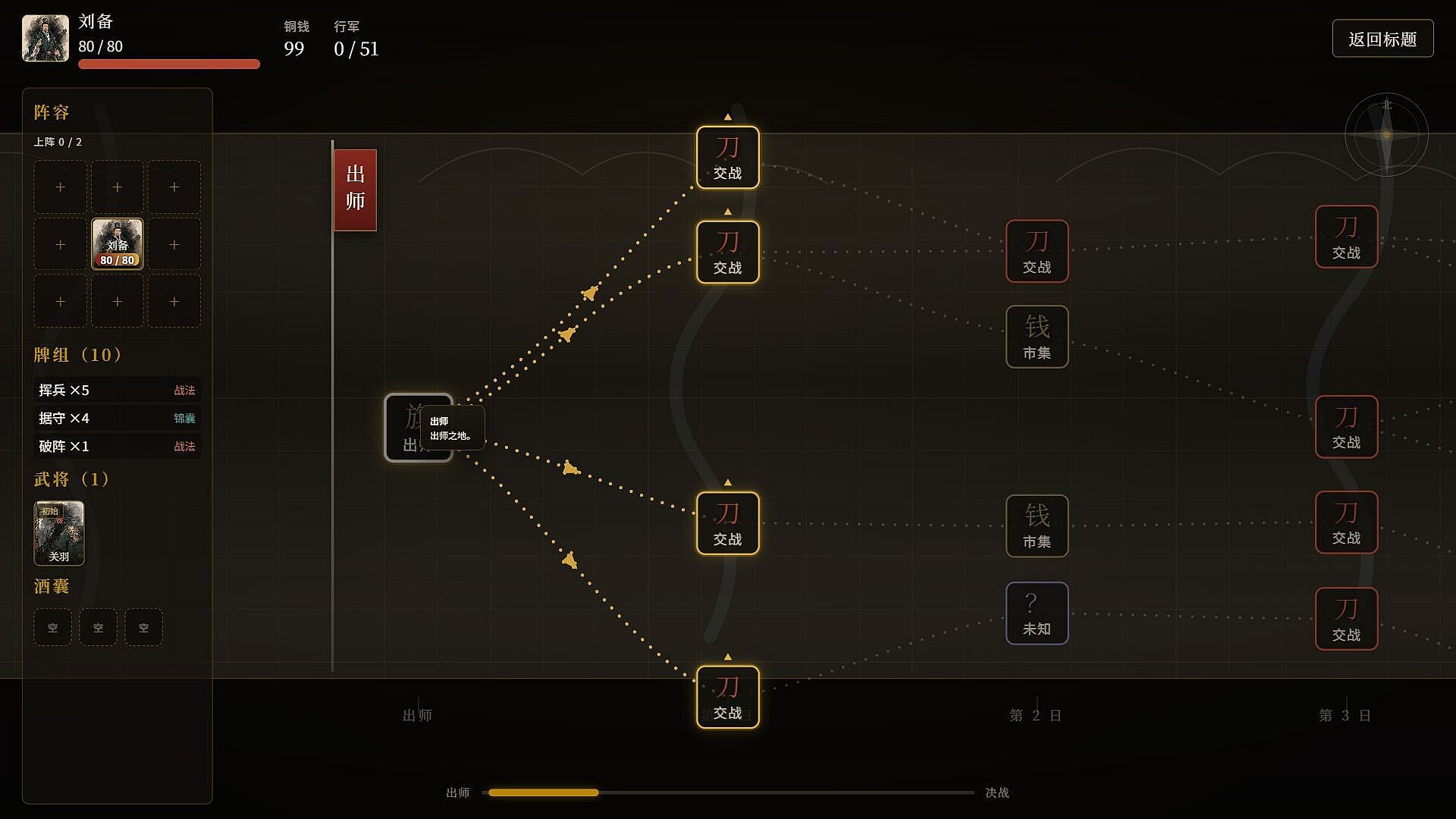
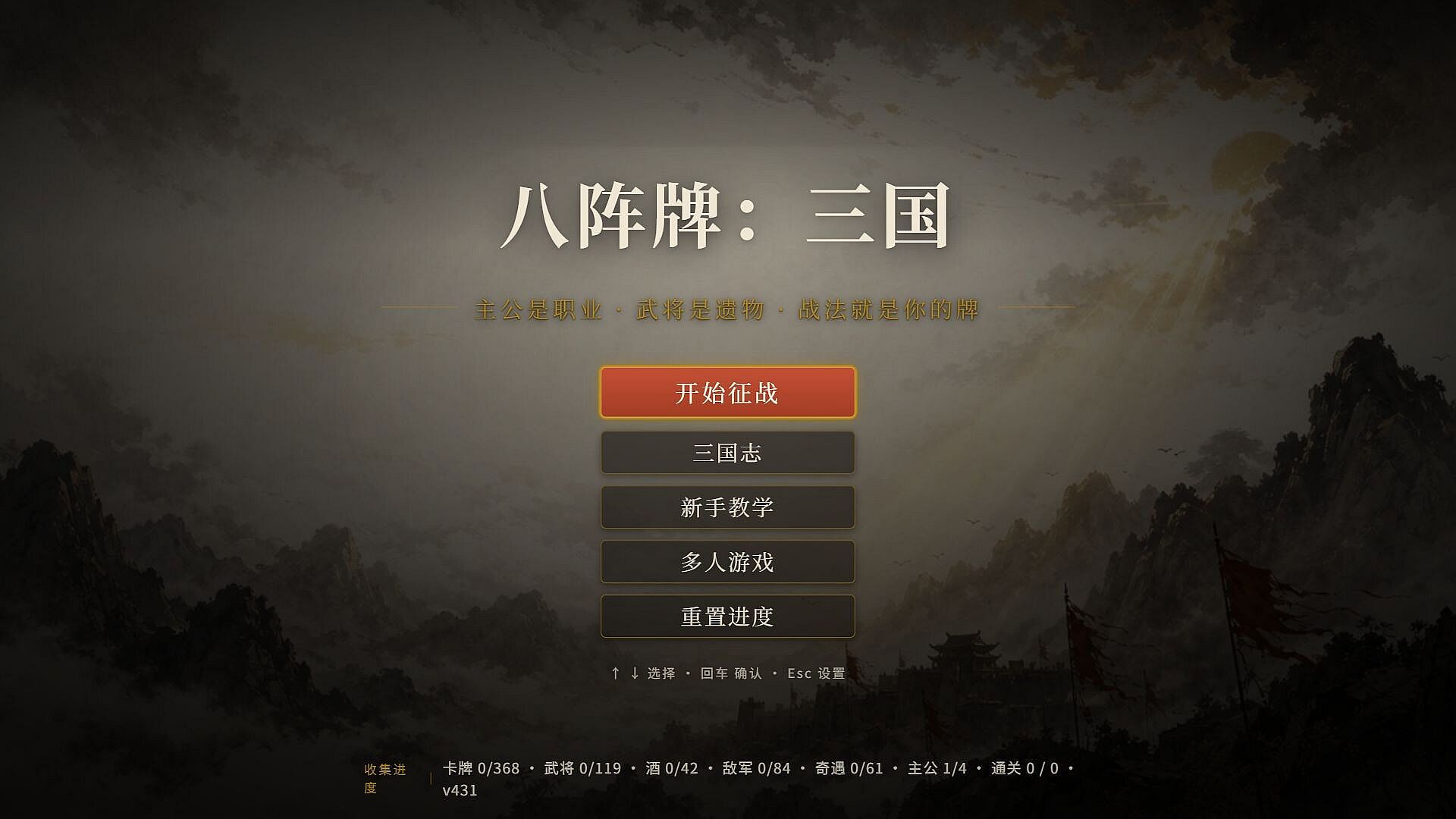
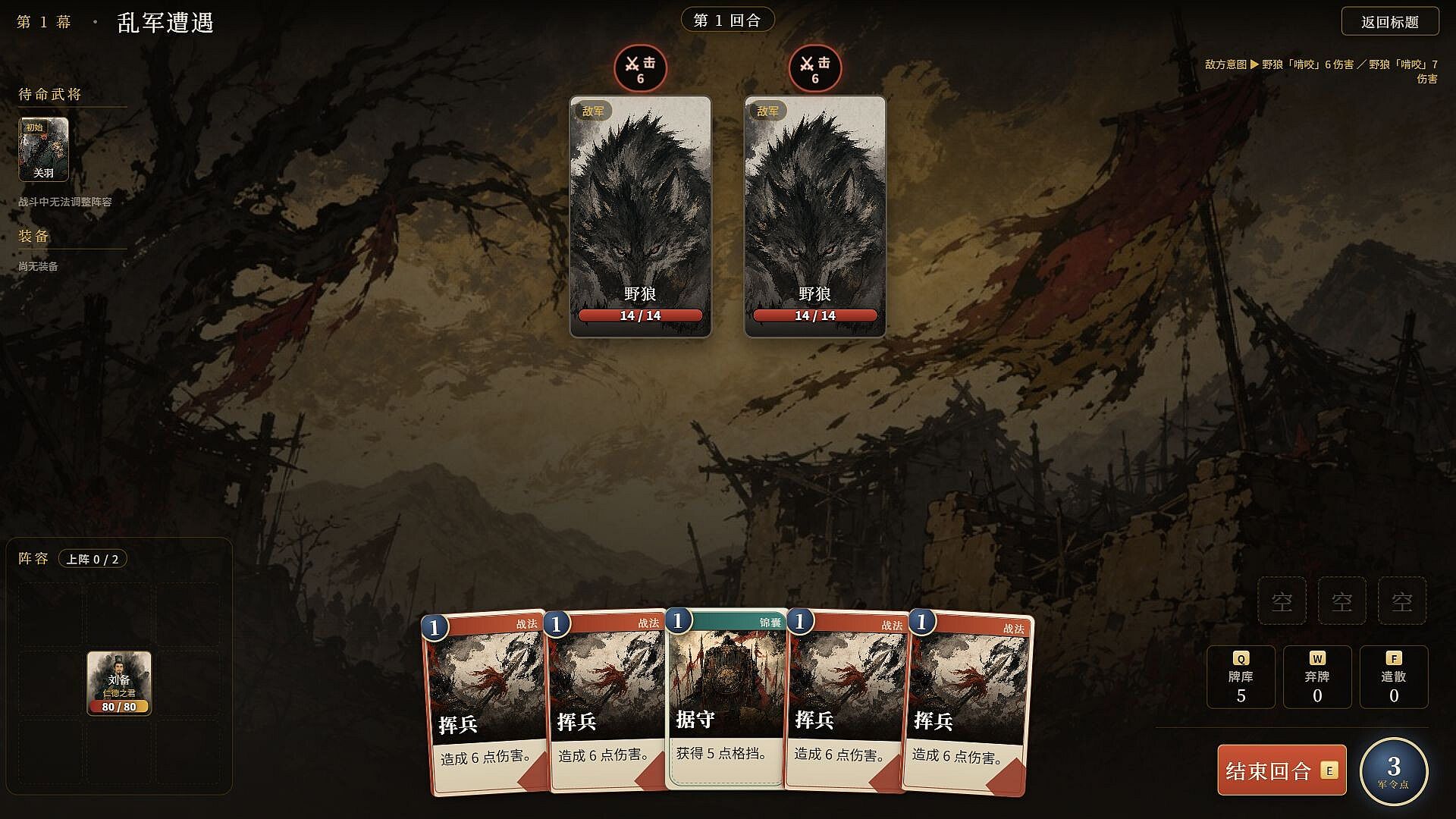
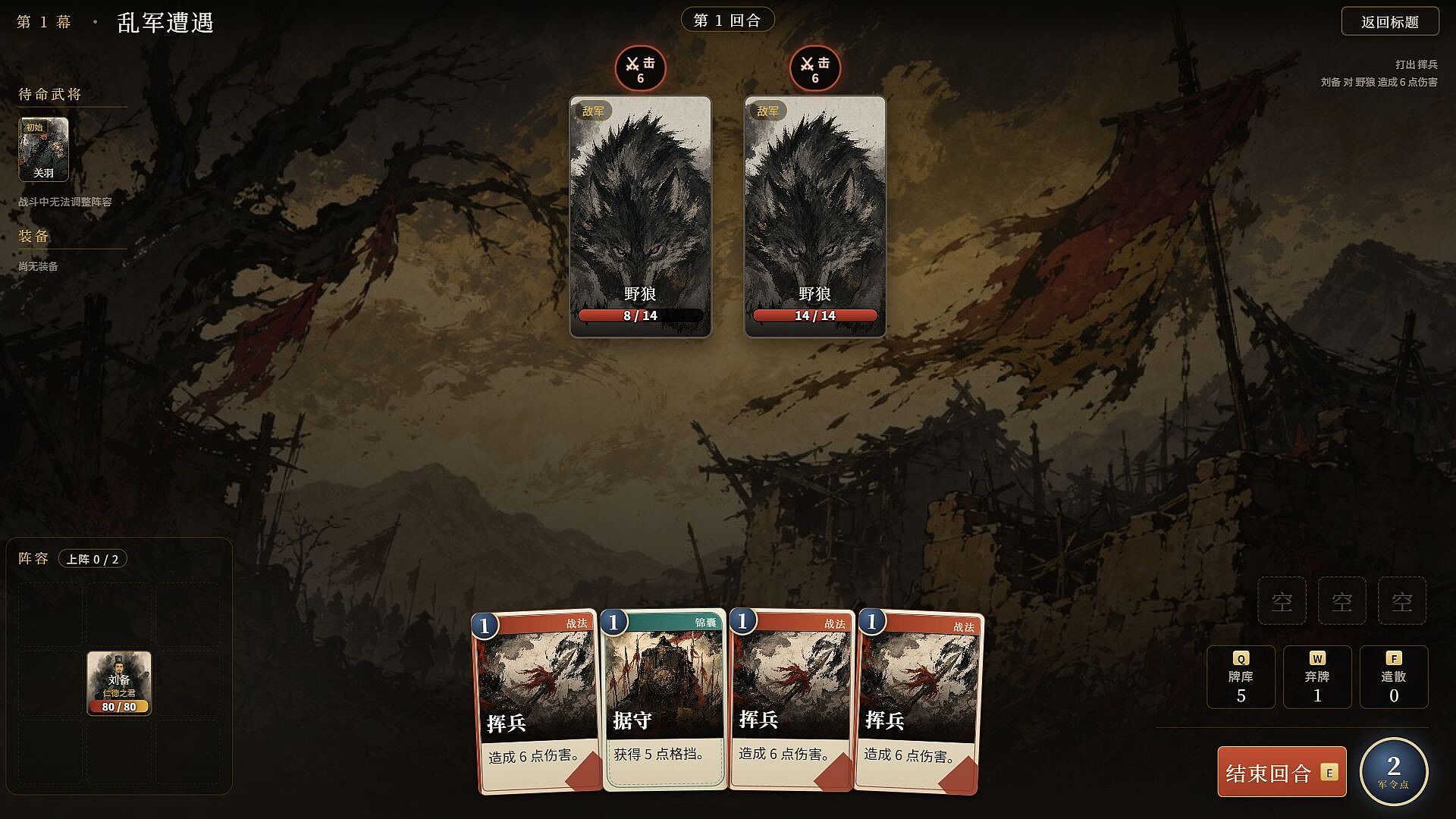
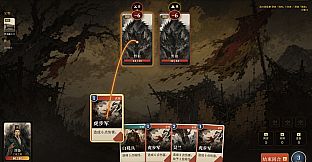
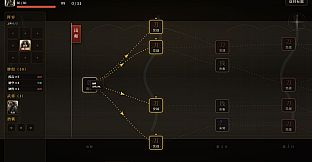
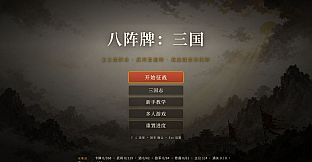
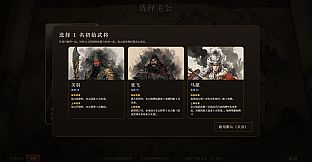
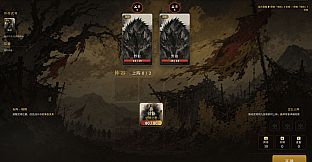
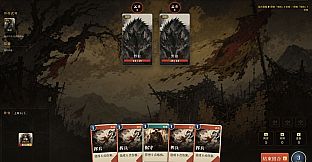
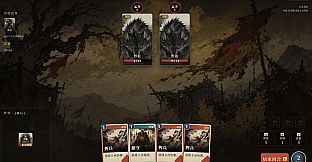
Eight Formations: Three Kingdoms is a strategy indie game on PC that combines the structure of a card-builder roguelike with a Three Kingdoms theme. Players build decks around one of four lords, each with a distinct card pool and playstyle, then navigate runs that follow a precise roguelike framework without added or altered core rules.
Gameplay
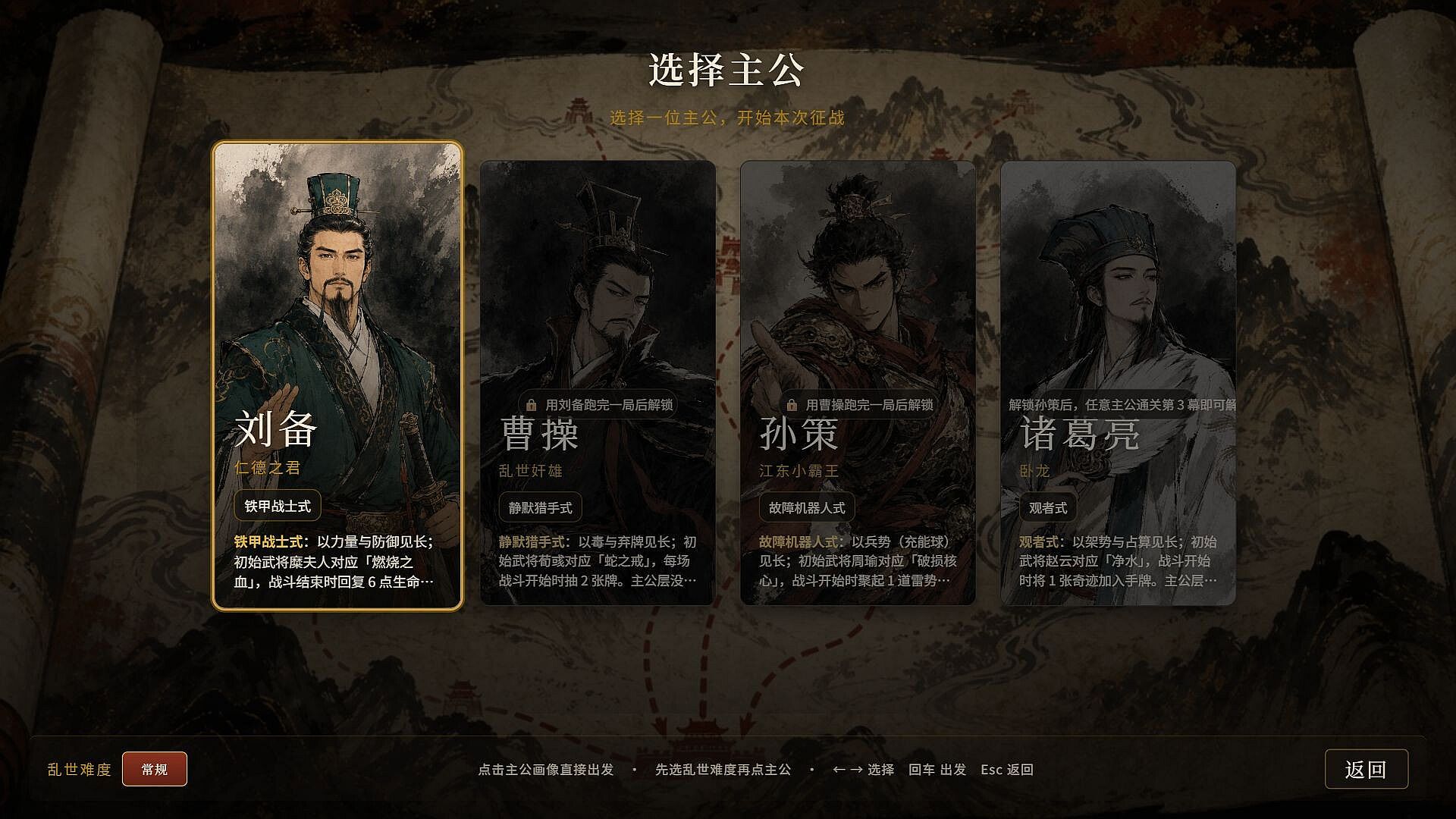
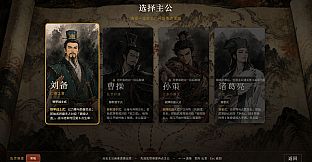
The core loop centers on deck construction and combat encounters across four acts of increasing challenge. A player selects a lord at the start of a run, which determines the available cards and starting advantages. Liu Bei emphasizes strength and defense through blocking and damage dismissal. Cao Cao focuses on poison effects and discard mechanics while drawing extra cards at the beginning of fights. Sun Ce utilizes orbs and begins encounters with lightning already channeled. Zhuge Liang revolves around stances and divination, keeping powerful options in hand for key moments.
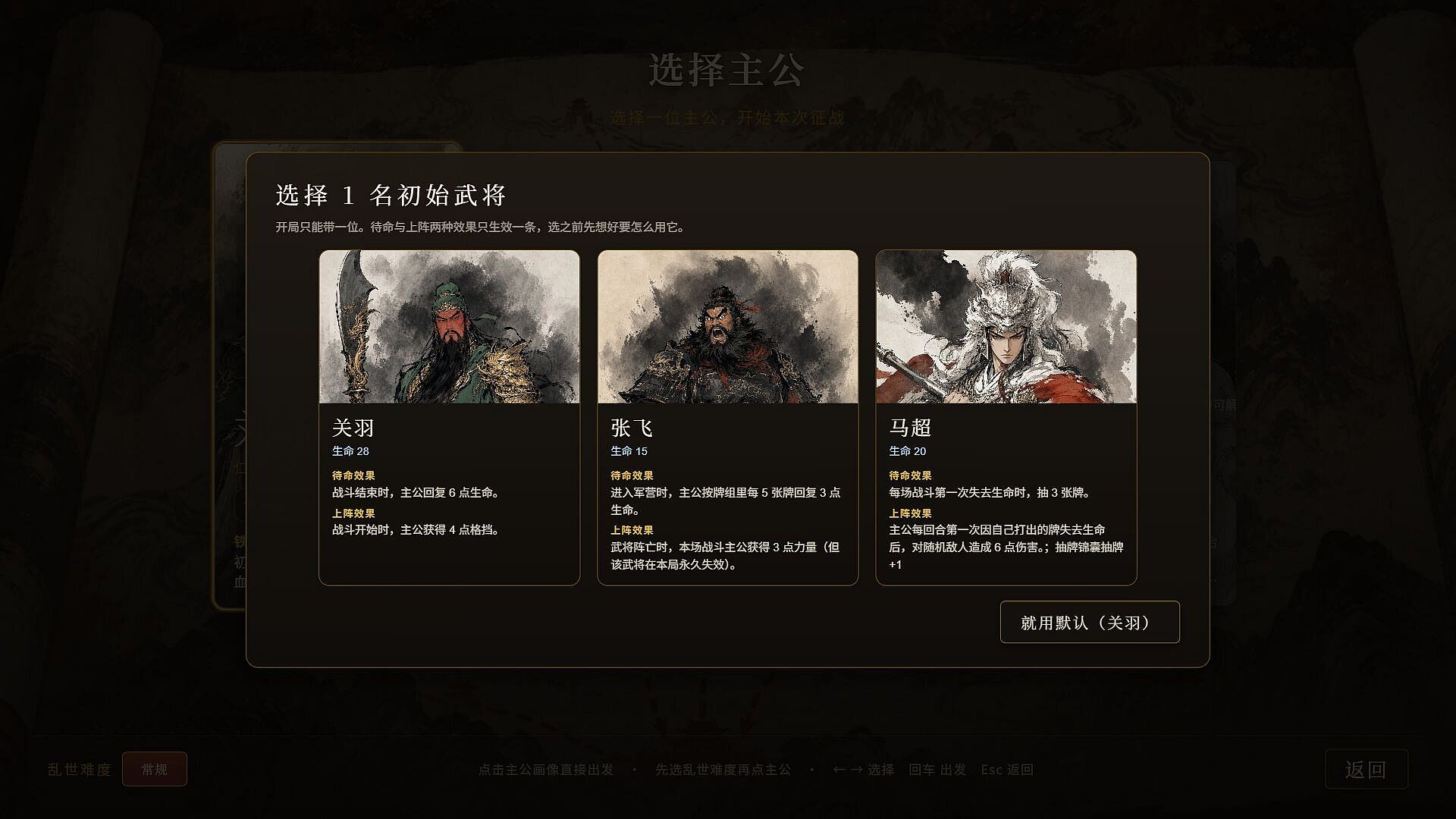
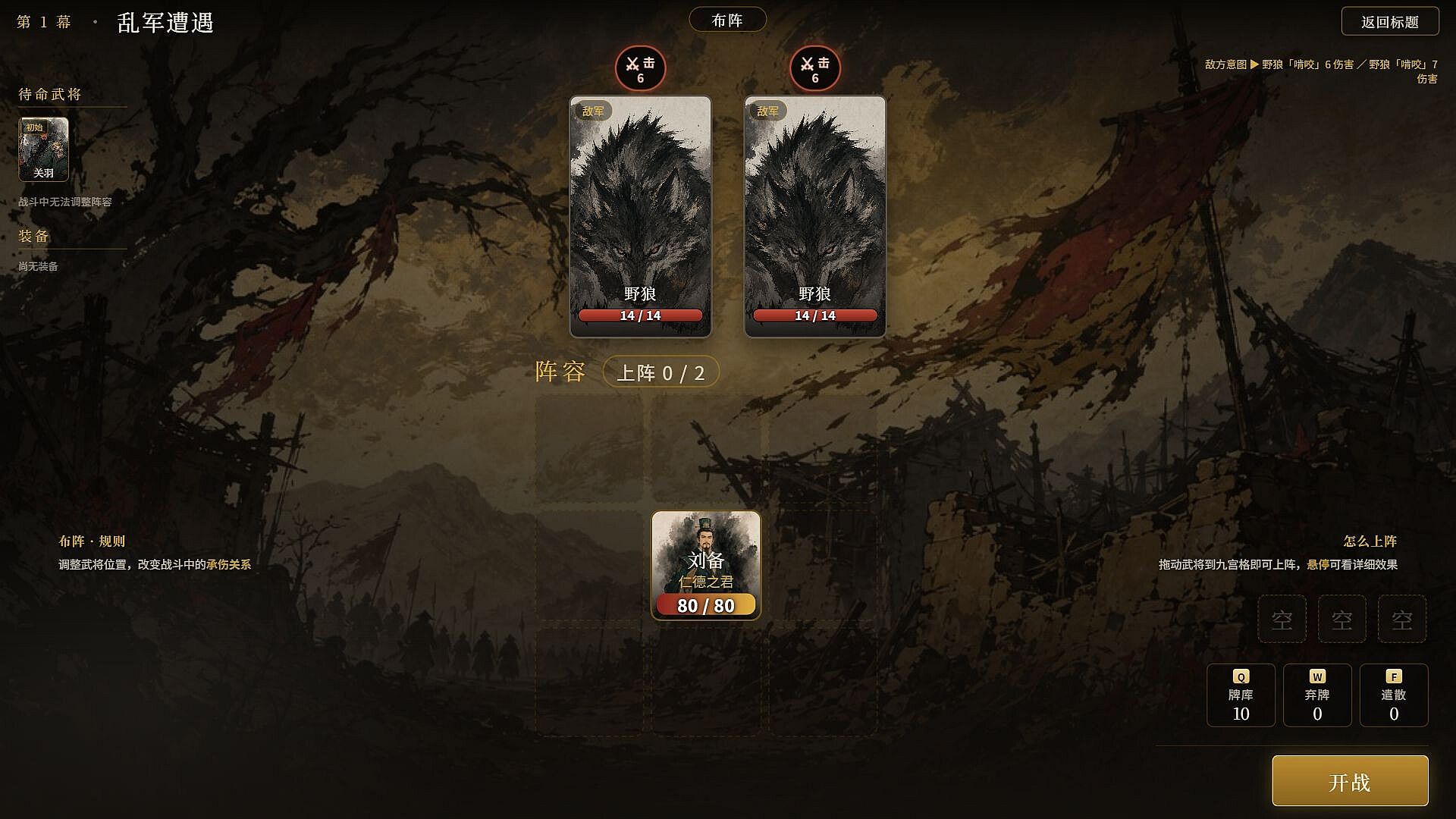
Generals function as relics that provide ongoing bonuses, while tactics serve as the cards drawn and played during battles. The game includes 325 registered cards, of which 305 are buildable, spanning attacks, skills, and powers. These cards interact through 18 keywords, 18 bonds, and 19 formations that shape synergies and strategies. Enemy encounters feature 44 types, including 15 elite generals and 10 bosses, with progression tied to earning military merit.
Unlocks occur through a 20-level tent system where merit spent expands the card pool for future runs. A difficulty ladder from 0 to 20 lets players test builds against escalating opposition. The visual style uses heavy ink contours, flat mineral color blocks, and cinnabar and ochre highlights across cards, portraits, and battlefields for a consistent artistic direction.
Game Modes
The game operates through repeated single runs where each attempt builds one deck and follows one path of generals and events. There are no separate modes listed beyond this roguelike structure of escalating acts, random events, and boss encounters. Players manage a deck of tactics while acquiring generals as permanent upgrades within a run, with the goal of reaching the end of the four acts on higher difficulties.
Events number 28 and drinks number 28, adding variety to runs through choices that affect the current attempt. The system supports experimentation with different lord starts and card combinations, but every session remains a self-contained roguelike experience without persistent progression outside of unlocks earned via merit.
Progression and Unlocks
Military merit earned during runs feeds into a tent progression system that unlocks additional cards across 20 levels. This expands options for subsequent attempts without changing the fundamental run structure. The difficulty ladder provides a clear path for measuring improvement, allowing players to push builds further as familiarity with card interactions and lord abilities grows.
Content totals include 100 generals, each tied to one relic effect across five rarity bands, alongside the full set of cards, events, and enemy types. This volume supports repeated runs focused on discovering synergies among the 18 keywords, bonds, and formations.
Is It Worth Playing?
The game suits players who enjoy precise roguelike deckbuilding with thematic flavor from the Three Kingdoms period. Its adherence to an established rule skeleton means the experience hinges on how well the translated content and art direction integrate with familiar systems. The current build uses a Simplified Chinese interface only, with an English version planned for later. Those comfortable with that limitation or interested in the specific lord-based card pools and ink-style presentation may find value in testing builds across the difficulty ladder. No player review aggregates or update history appear in available information, so individual interest in the genre and theme serves as the primary guide for trying the title.