







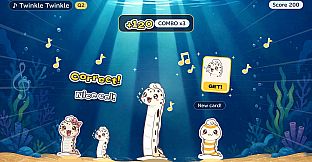
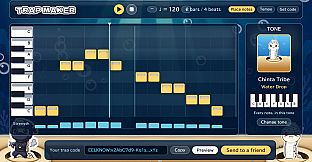
EEL KNOW is a casual single-player game for PC that turns musical ear training into an interactive experience with garden eels. Players identify notes from classical pieces by watching how far the eels stretch out of the sand, then matching those pitches on a keyboard. The setup keeps sessions short, often just a few minutes per song, making it easy to fit into a daily routine without requiring prior music theory knowledge.
Gameplay
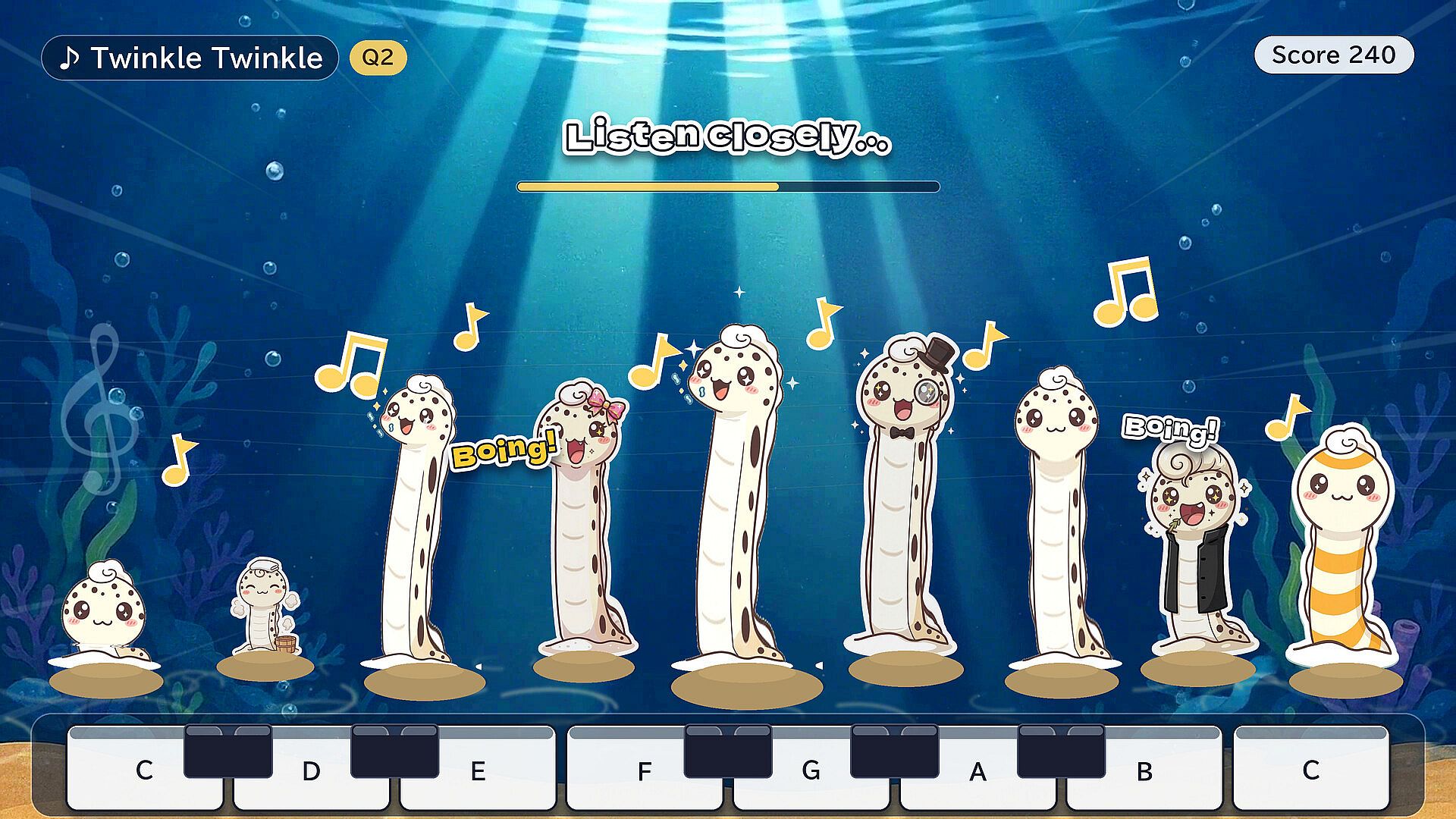
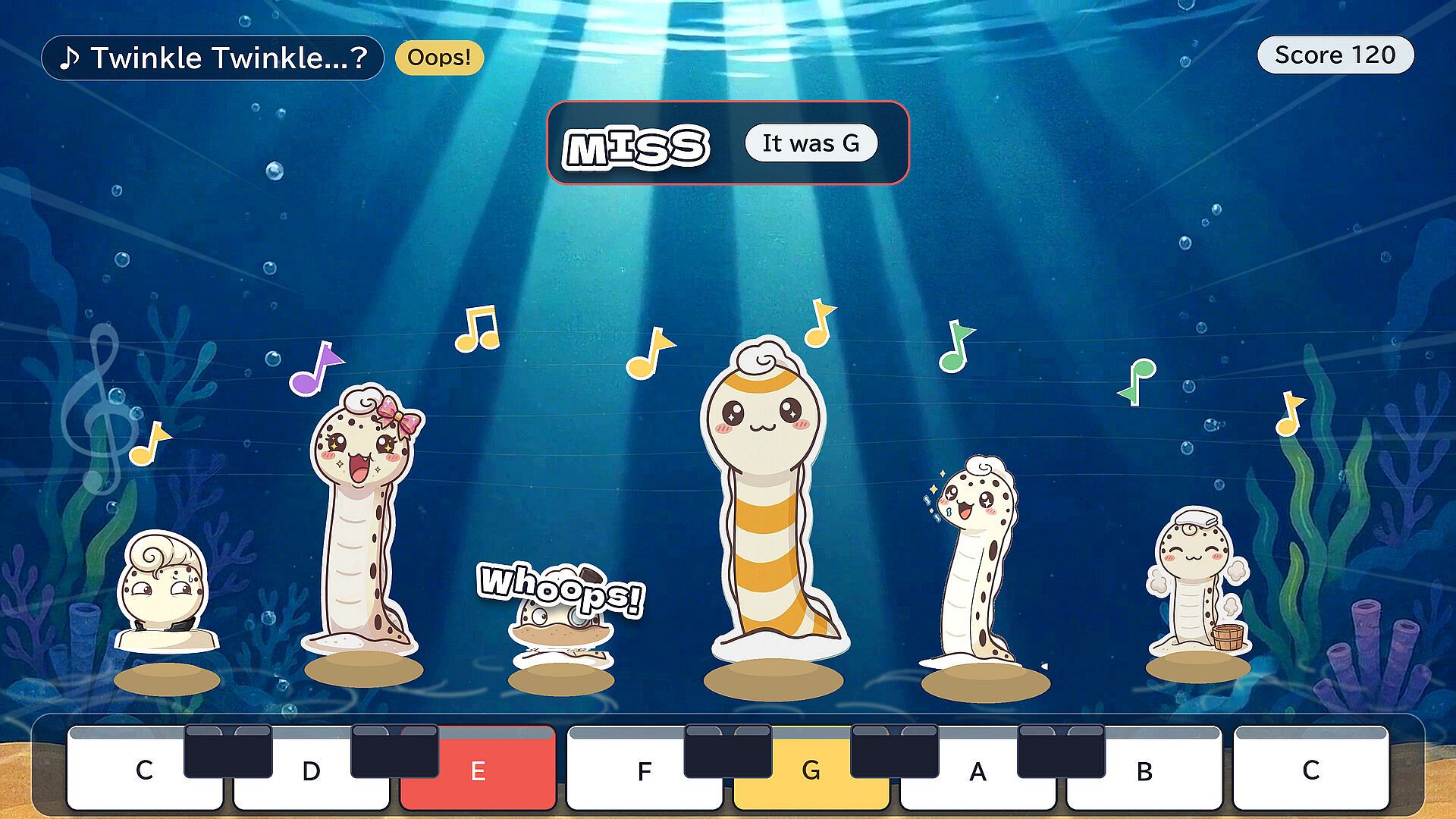
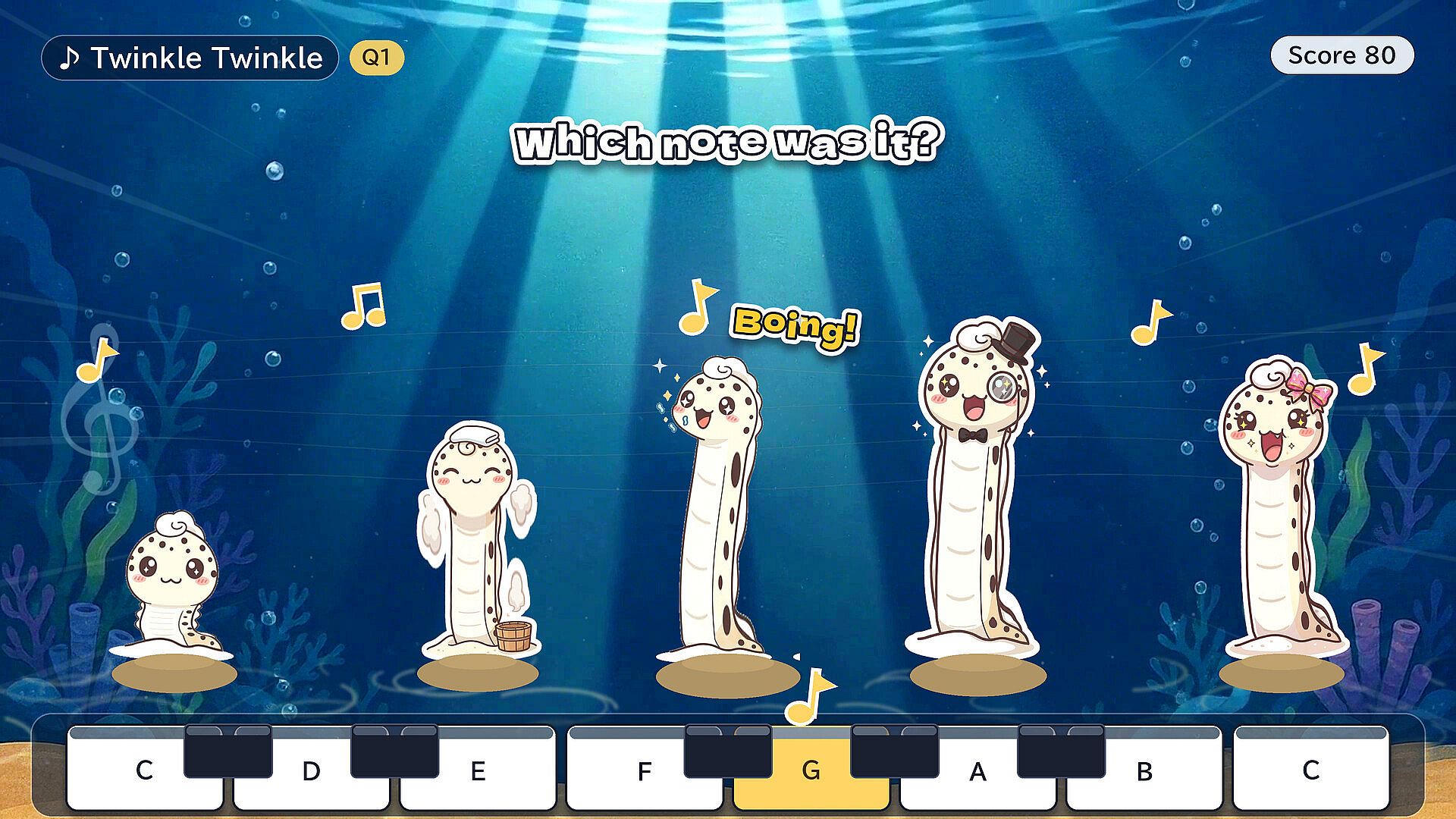
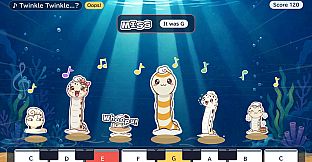
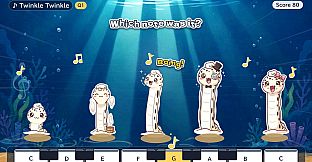
The core loop centers on listening and recall. A reference note plays first, or the player can skip it for a greater challenge. The full musical phrase follows, with individual eels rising one by one according to each note's pitch. Higher notes cause greater extension from the sand. The player responds by pressing the matching key on the keyboard, where the relative stretch within the phrase guides the answer. Leaving an eel untouched lets it sink back down, testing memory of the sequence while the music continues.
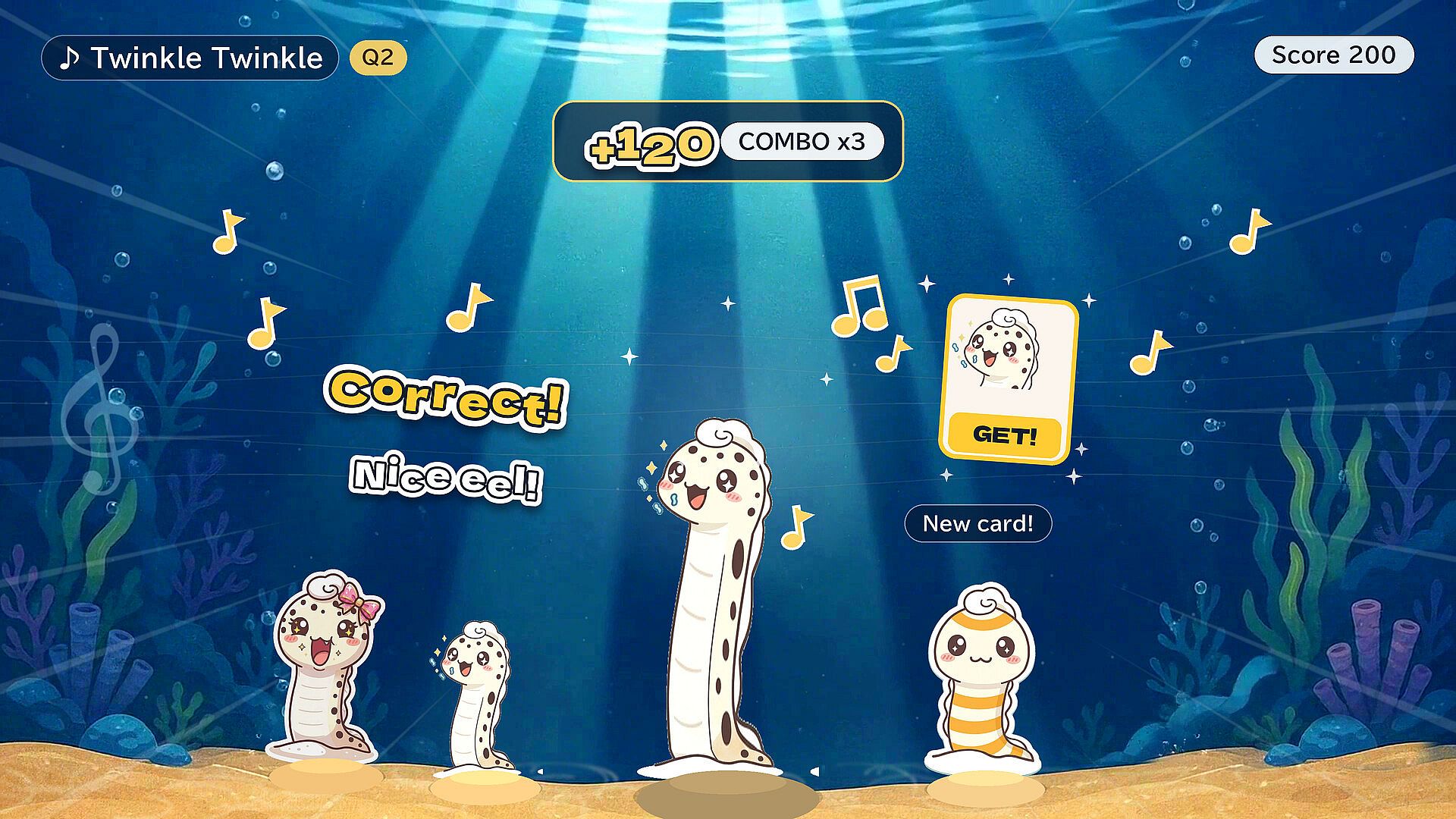
Feedback arrives immediately after each response. Correct answers make the eel glow, while misses turn it gray and reveal only whether the target note sits higher or lower. Streaks trigger dancing animations from nearby eels, adding visual reward without altering the core challenge. White eels correspond to white keys and spotted eels to black keys, so song selection directly influences difficulty through the presence of sharps and flats.
Each eel type brings distinct behaviors that affect timing and scoring. Some rise and sink gradually, offering more time to respond, while others retract quickly and demand faster decisions. Tempo, timbre, and stretch patterns vary by individual eel, influencing the multiplier applied to successful answers. The system rewards both accuracy and retention across the phrase.
Game Modes
Play revolves around clearing individual stages tied to specific songs. Each stage presents one musical phrase for identification, with the option to replay the audio at the expense of the final score. Sessions remain focused and contained, allowing completion of a single stage before pausing. The structure supports repeated attempts on the same stage to improve performance or build familiarity with particular eels.
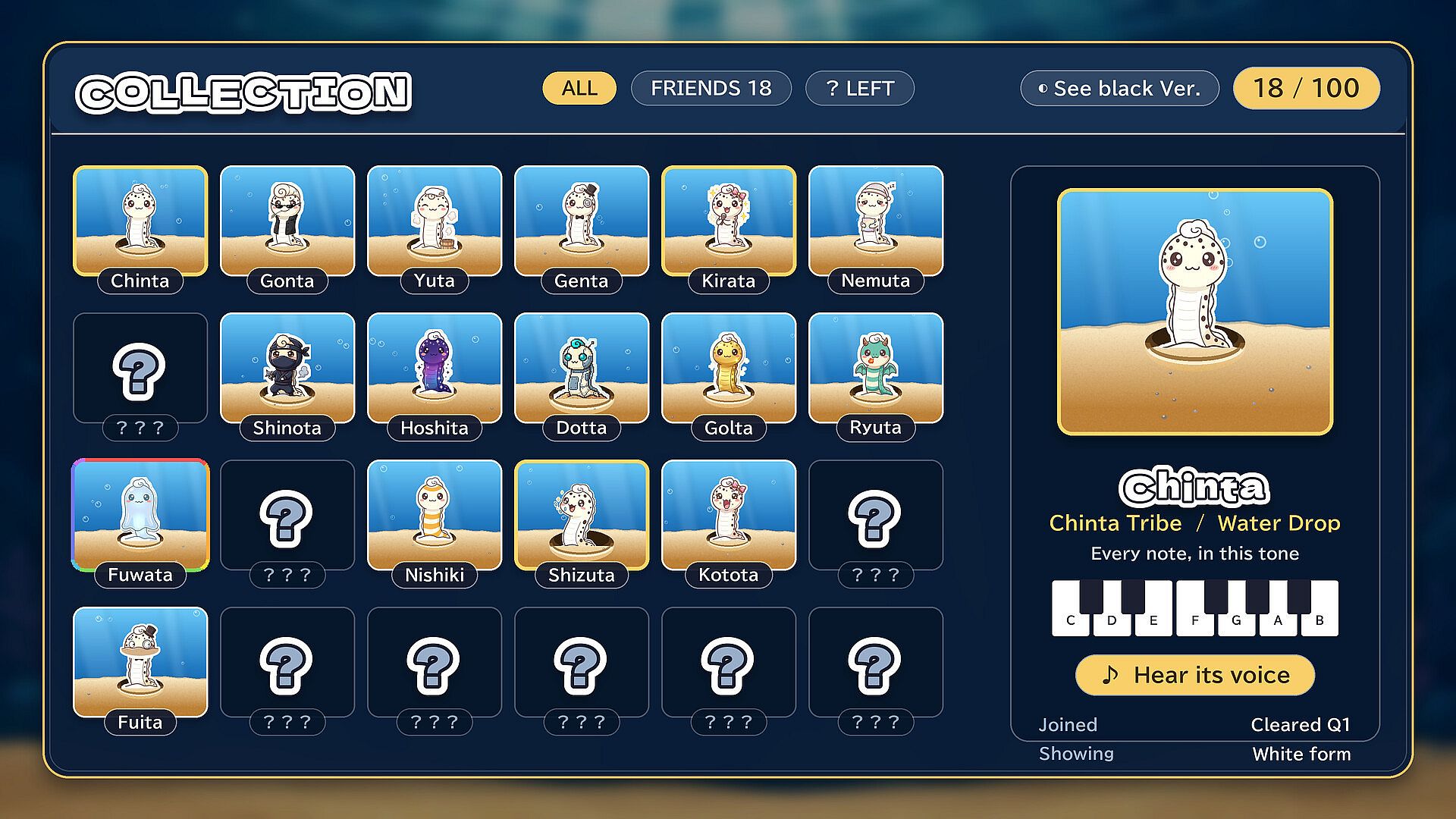
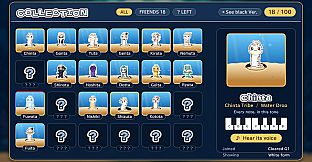
Progress carries across sessions through a field guide that tracks encounters. New eels appear as silhouettes until first met, and repeated interactions increase trust levels represented by frame upgrades. This system encourages revisiting stages rather than racing through new content, turning the experience into a gradual collection process rather than a linear campaign.
Eels and Their Habits
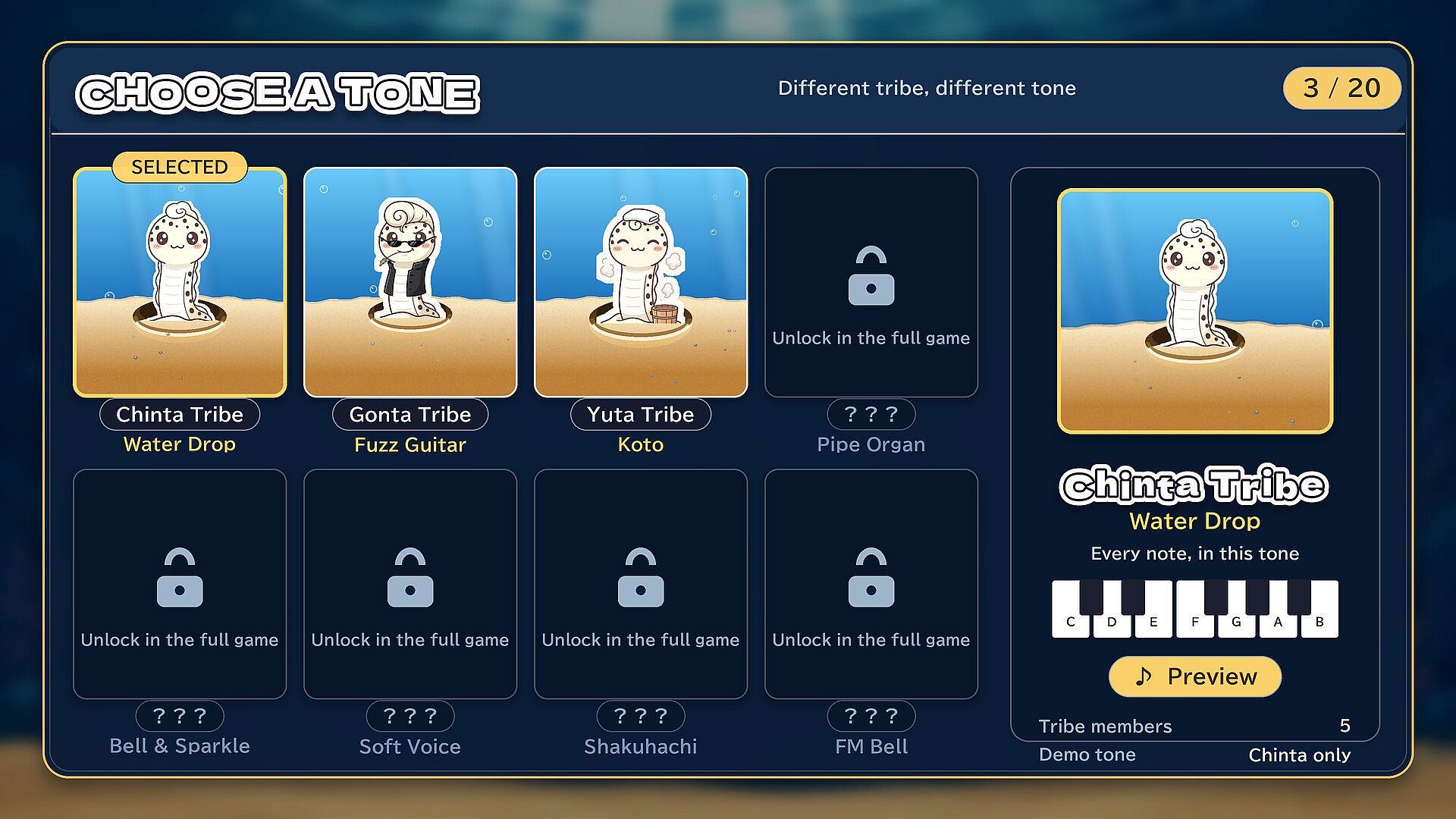
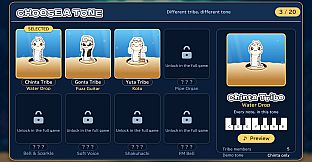
Five named eels appear throughout the game, each with unique movement patterns and scoring effects. Chinta, Genta, Kirata, Shinota, and Gonta differ in how quickly they extend and retract, which changes the window available for input. Slower eels provide forgiving timing, while faster ones heighten the demand on precise recall. These differences integrate directly into the music selection, as the song determines which eels participate and how the phrase unfolds.
Keyboard input remains the sole control method, keeping the focus on auditory and visual cues rather than complex mechanics. The relative positioning of notes within each phrase serves as the main hint, training players to recognize intervals without absolute pitch identification.
Collecting and Progress
Clearing a stage awards a stamp in the field guide. Unencountered eels remain as outlines, and some slots stay hidden until specific conditions are met. Meeting the same eel multiple times raises its trust level through successive frame upgrades, from basic to more elaborate designs. Duplicates therefore contribute to long-term advancement instead of feeling redundant.
The field guide also serves as a record of improvement. Players can review which eels have appeared and how consistently they have been identified, providing a built-in measure of ear training progress over time. Public domain classical pieces supply the soundtrack, ensuring variety without licensing concerns.
Is It Worth Playing?
EEL KNOW suits players interested in casual music games or light ear training on PC. Its short stage length and keyboard-based input make it accessible for short play sessions, while the eel collection system adds a layer of ongoing engagement. The mechanics emphasize memory and relative pitch recognition through visual feedback rather than traditional notation or rhythm matching.
Those who enjoy relaxed, single-player experiences with a focus on observation and repetition will find the core loop consistent with the described systems. The absence of multiplayer or competitive elements keeps the emphasis on personal improvement tracked through the field guide. Availability on PC supports straightforward keyboard play without additional hardware requirements.