




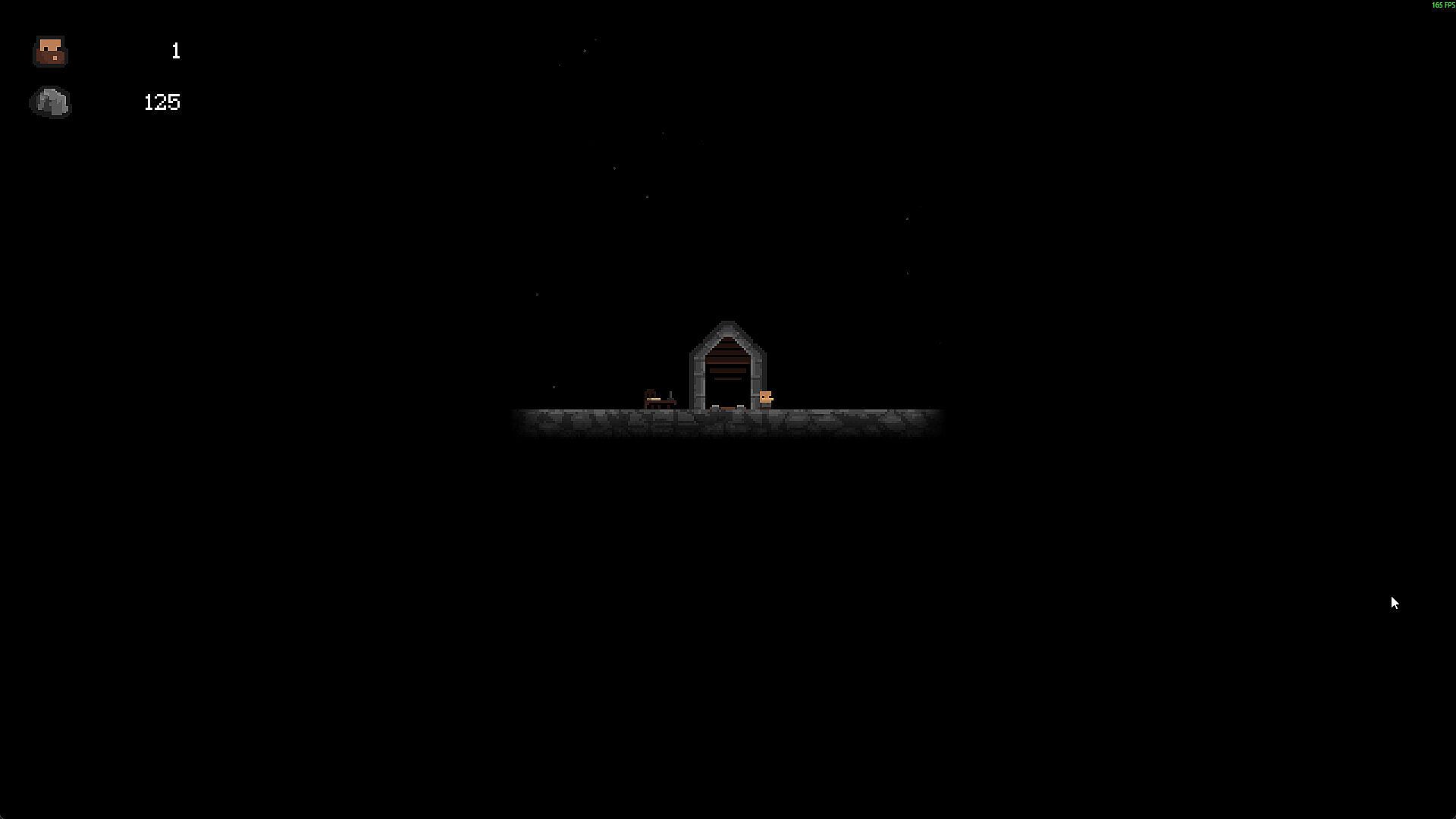
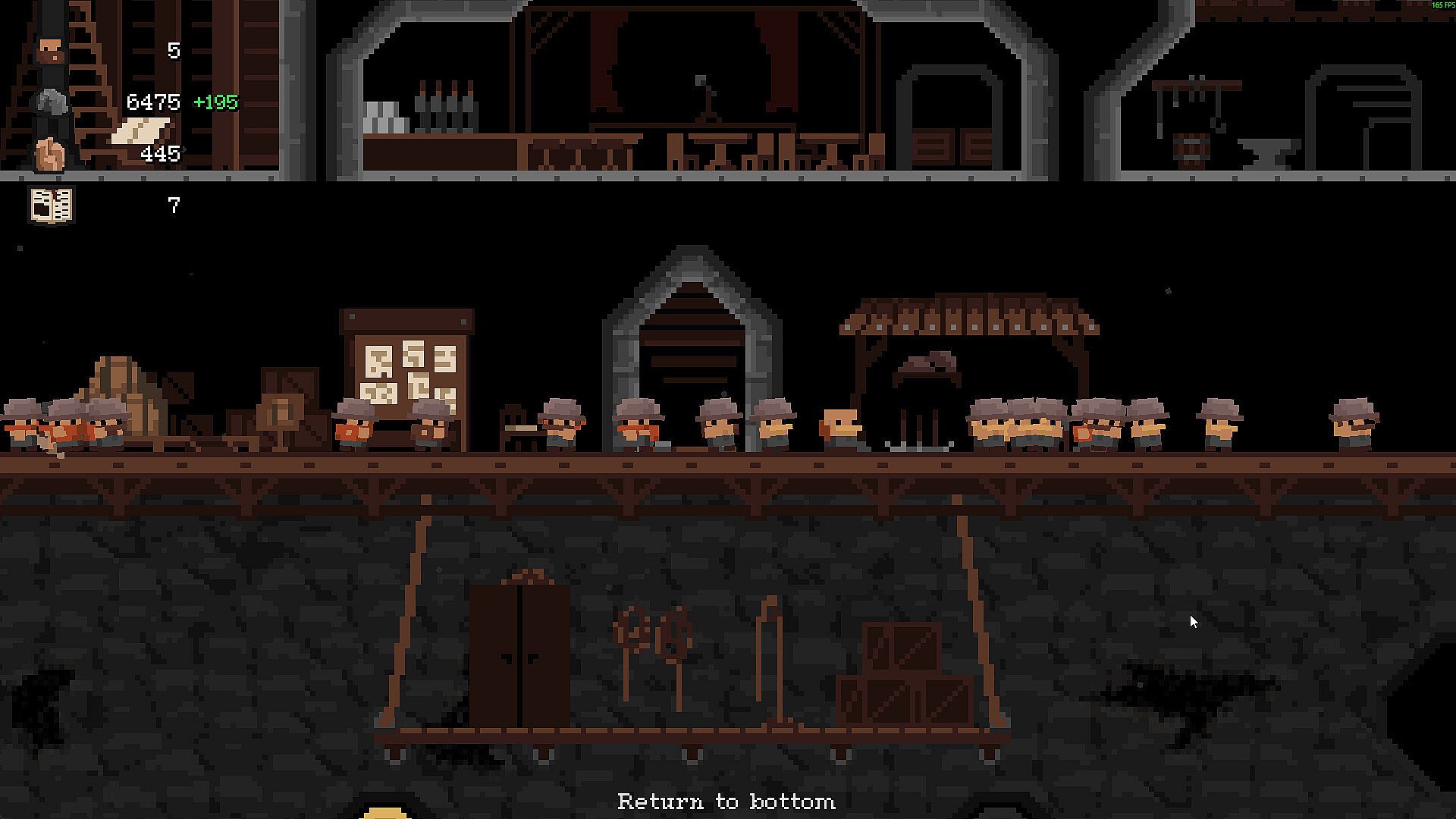
Dwarf Hole is a strategy indie casual incremental game built around dwarves and the endless pursuit of a deeper hole. Players manage resources, direct workers, and expand a procedurally generated mine on PC through steady upgrades and careful organization rather than fast reflexes or combat.
Gameplay
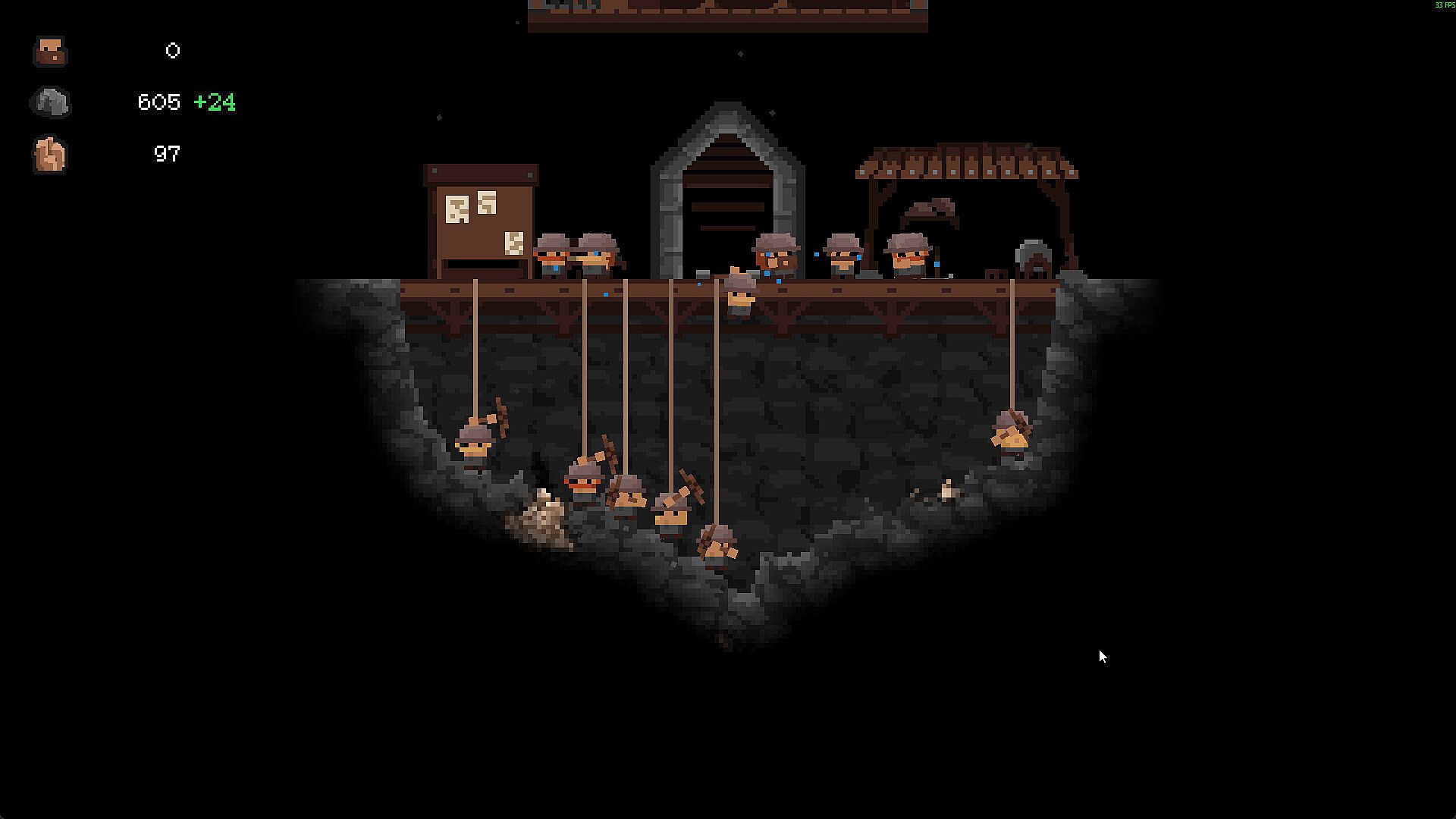
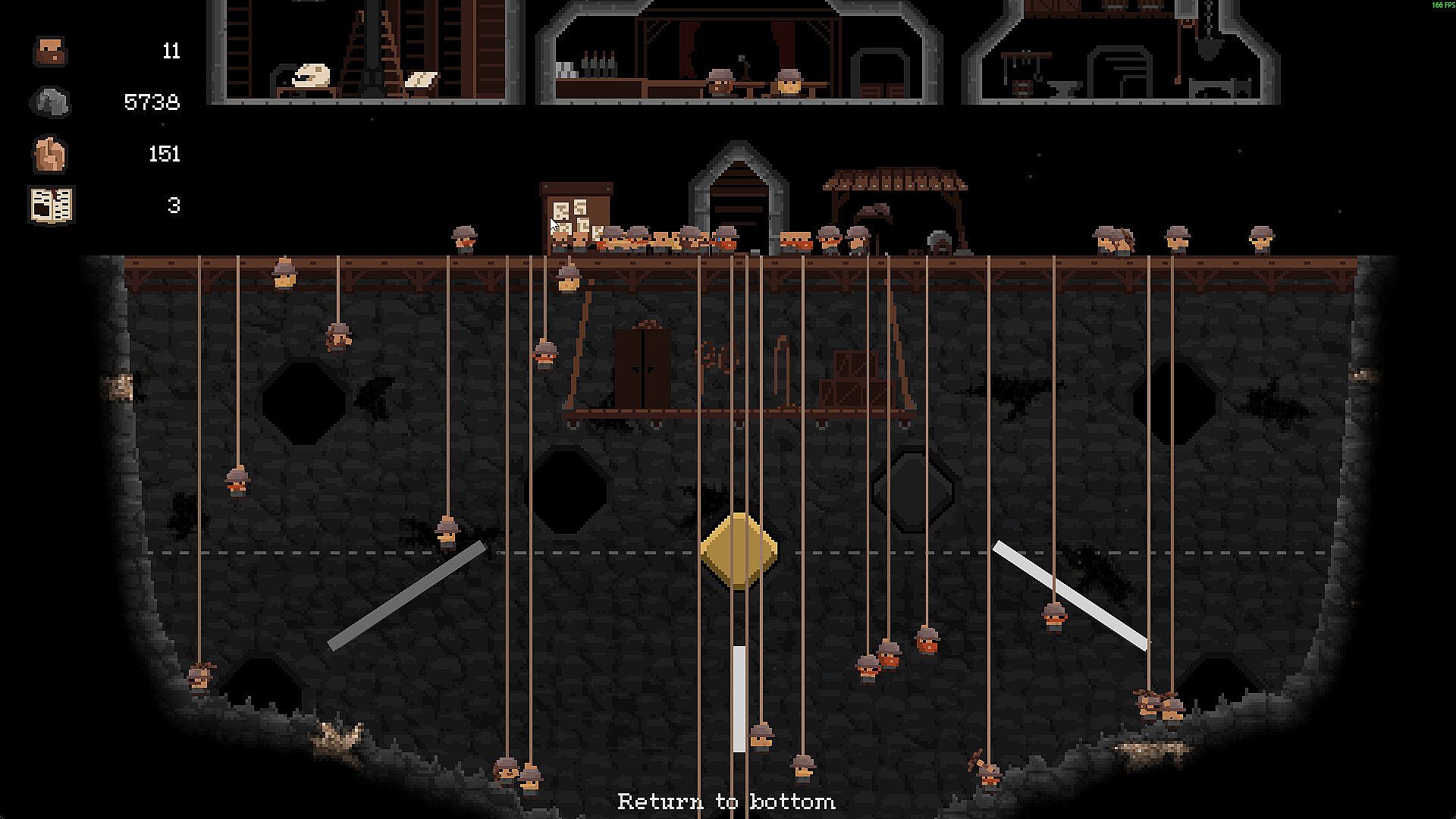
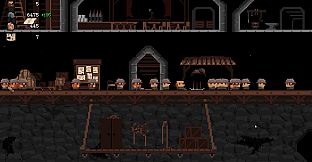
The core loop centers on digging through rock layers to uncover ores while expanding the hole both wider and deeper. Every pixel of the environment can be mined, and the layout generates anew each time, revealing different stone formations and hidden deposits. Dwarves serve as the primary workforce. Some focus on mining and climbing within the hole itself, repeatedly descending to extract materials before falling or returning upward. Others remain at the surface to support operations through direct assistance or by researching new technologies.
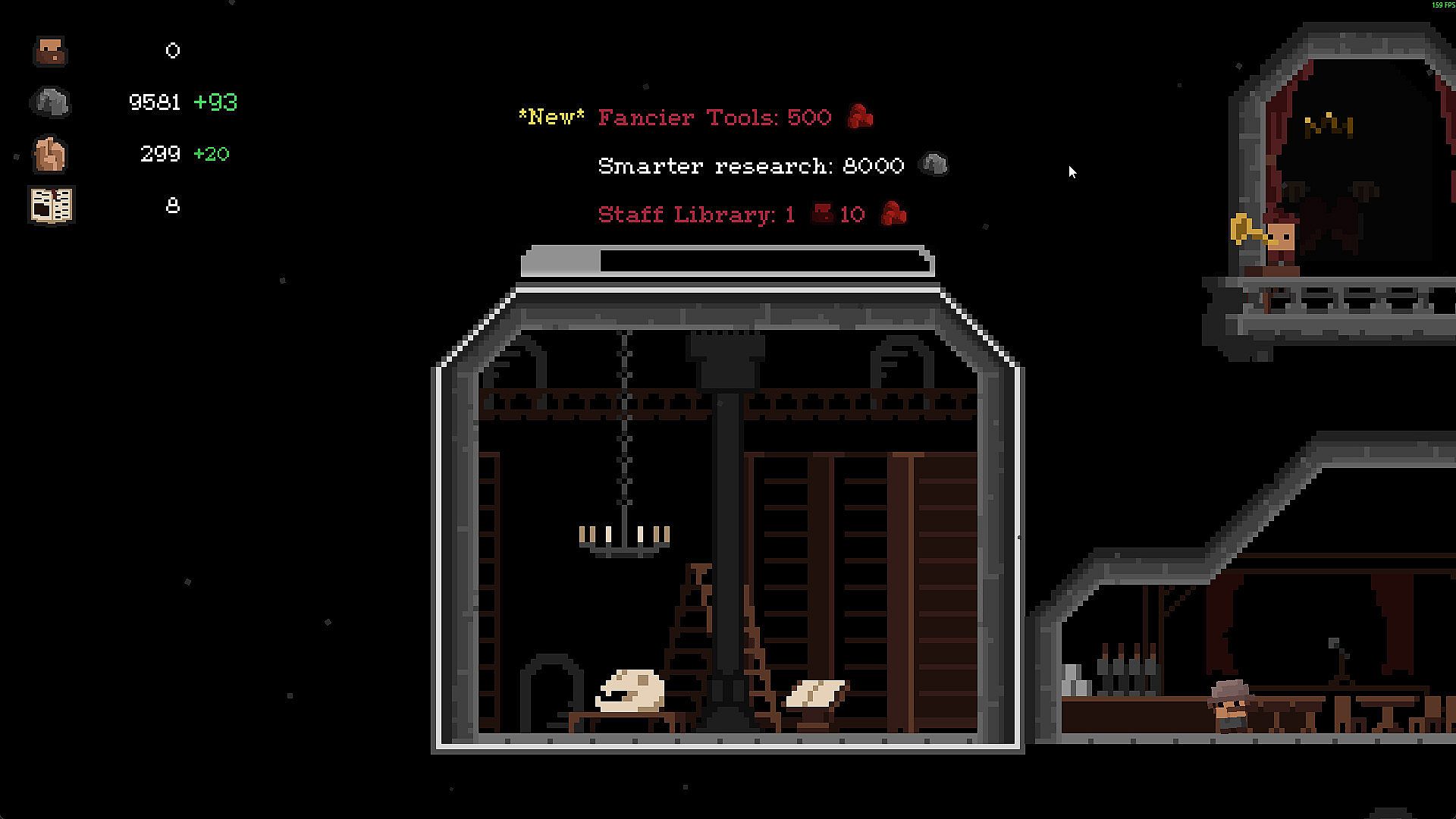
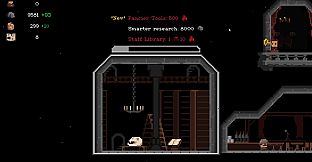
Progression comes from investing in more than twenty upgrades that improve digging efficiency, dwarf performance, or camp infrastructure. Players also unlock over sixty technologies that introduce new capabilities and refine existing systems. Equipping dwarves with gear further tailors their roles, allowing specialization for deeper exploration or faster resource collection. The mining camp itself expands as a central hub where resources are processed and new tools become available.
An original soundtrack accompanies the sessions, and the game supports fourteen languages for broader accessibility. The experience rewards patient optimization as dwarves turn into efficient digging machines through repeated cycles of mining, upgrading, and expansion.
Game Modes
Dwarf Hole operates as a single-player incremental experience without separate named modes or multiplayer components. The entire game revolves around one continuous progression system where players balance active direction of dwarves with long-term planning for upgrades and technologies. Sessions alternate between hands-on mining in the hole and management of surface support structures, creating a steady rhythm of short-term gains and deeper strategic investment.
Procedural generation ensures each playthrough presents fresh rock layouts and ore placements, encouraging repeated runs focused on optimization rather than story branches or competitive elements. The absence of distinct game modes keeps the focus tightly on refining the central digging and management loop.
Upgrades, Technologies, and Camp Building
More than twenty upgrades directly enhance dwarf capabilities, digging speed, or resource yields. These pair with over sixty technologies that unlock advanced tools, improve automation, or expand what the mining camp can produce. Equipping individual dwarves with gear lets players assign roles suited to mining, climbing, or surface support tasks.
Building out the mining camp serves as a parallel progression track. Resources gathered from the hole fund new structures that in turn support larger operations and more sophisticated dwarf management. The system encourages experimentation with different upgrade paths to create the most efficient digging operation possible.
Is It Worth Playing?
Dwarf Hole suits players who enjoy incremental strategy games that emphasize steady progression and resource management over action or narrative. The combination of procedurally generated mining, dwarf specialization, and layered upgrades creates a satisfying loop for those who like optimizing systems and watching numbers grow through careful planning.
Its casual accessibility and indie focus make it approachable for shorter sessions while still offering depth through the technology tree and camp expansion. Without confirmed player counts or review aggregates, the recommendation rests on whether the described mechanics align with a preference for relaxed, long-term incremental gameplay on PC. Those drawn to dwarf-themed management and digging simulators will find the core systems align closely with that interest.