




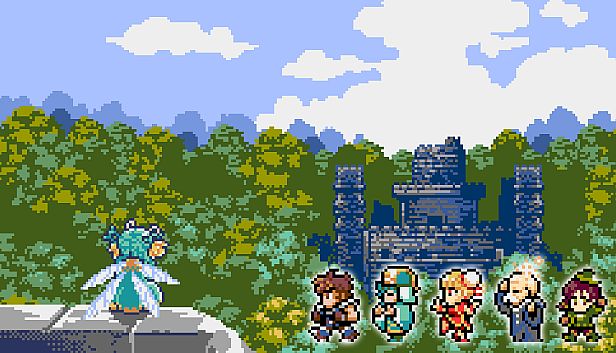



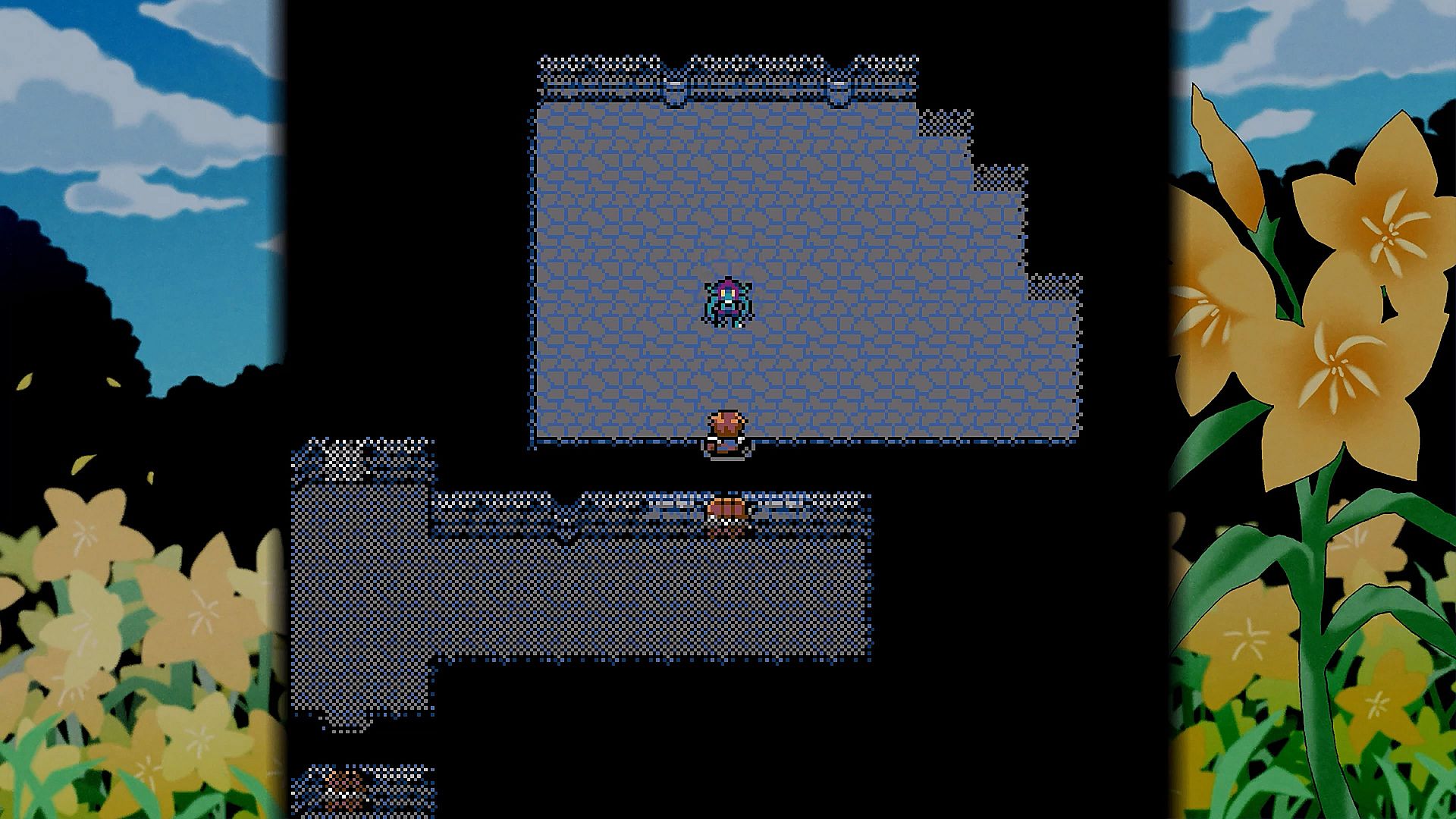
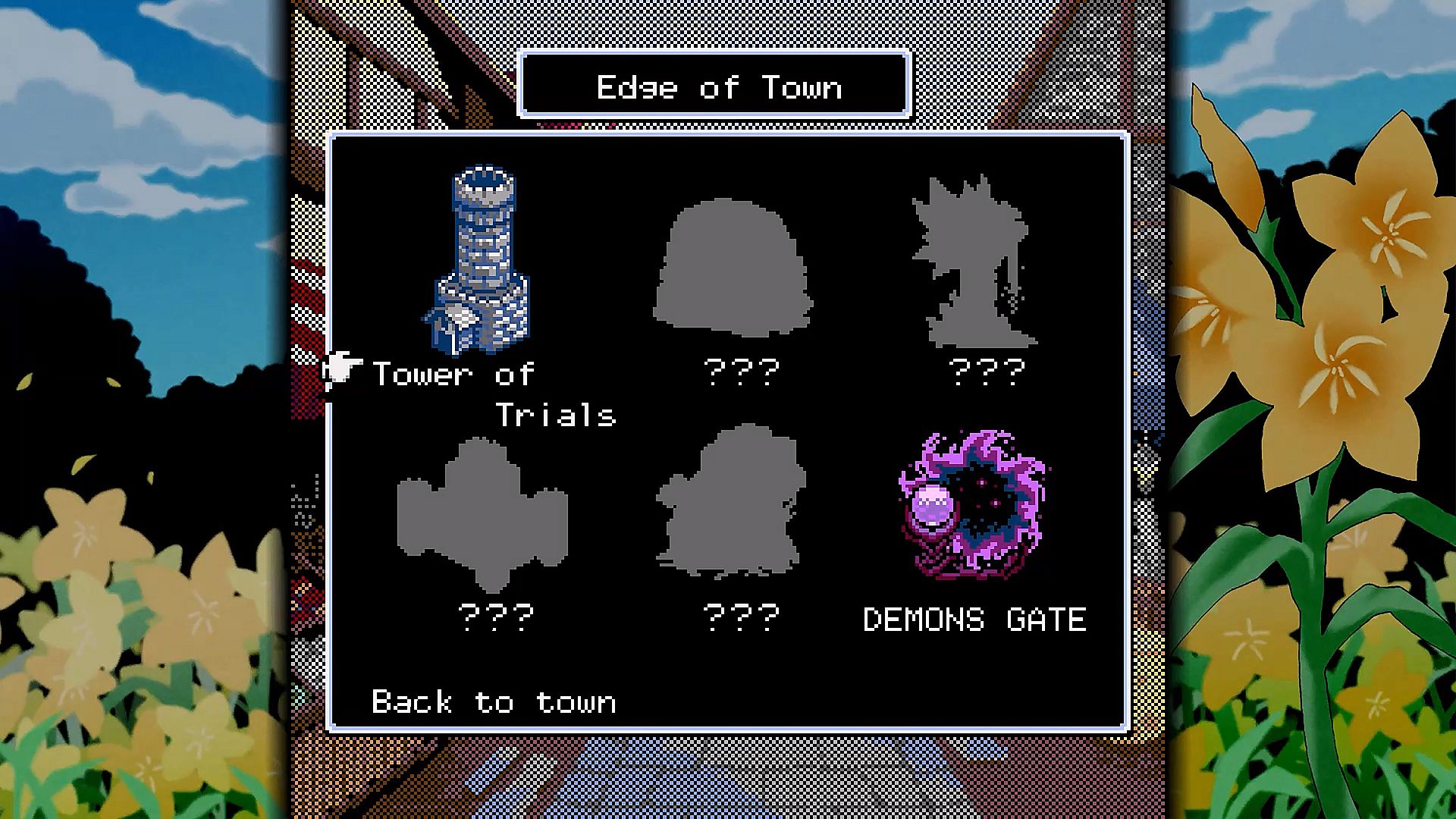
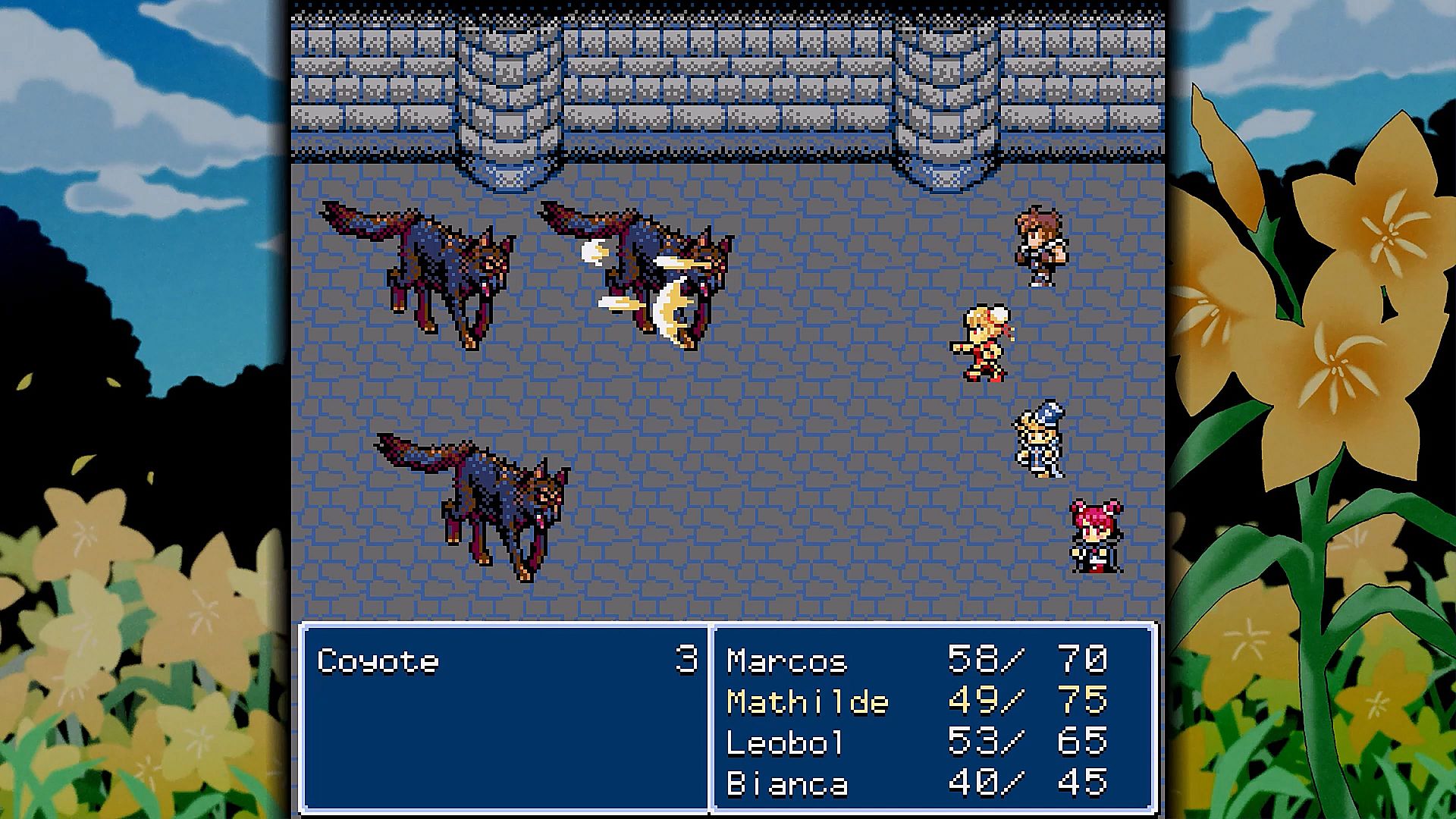
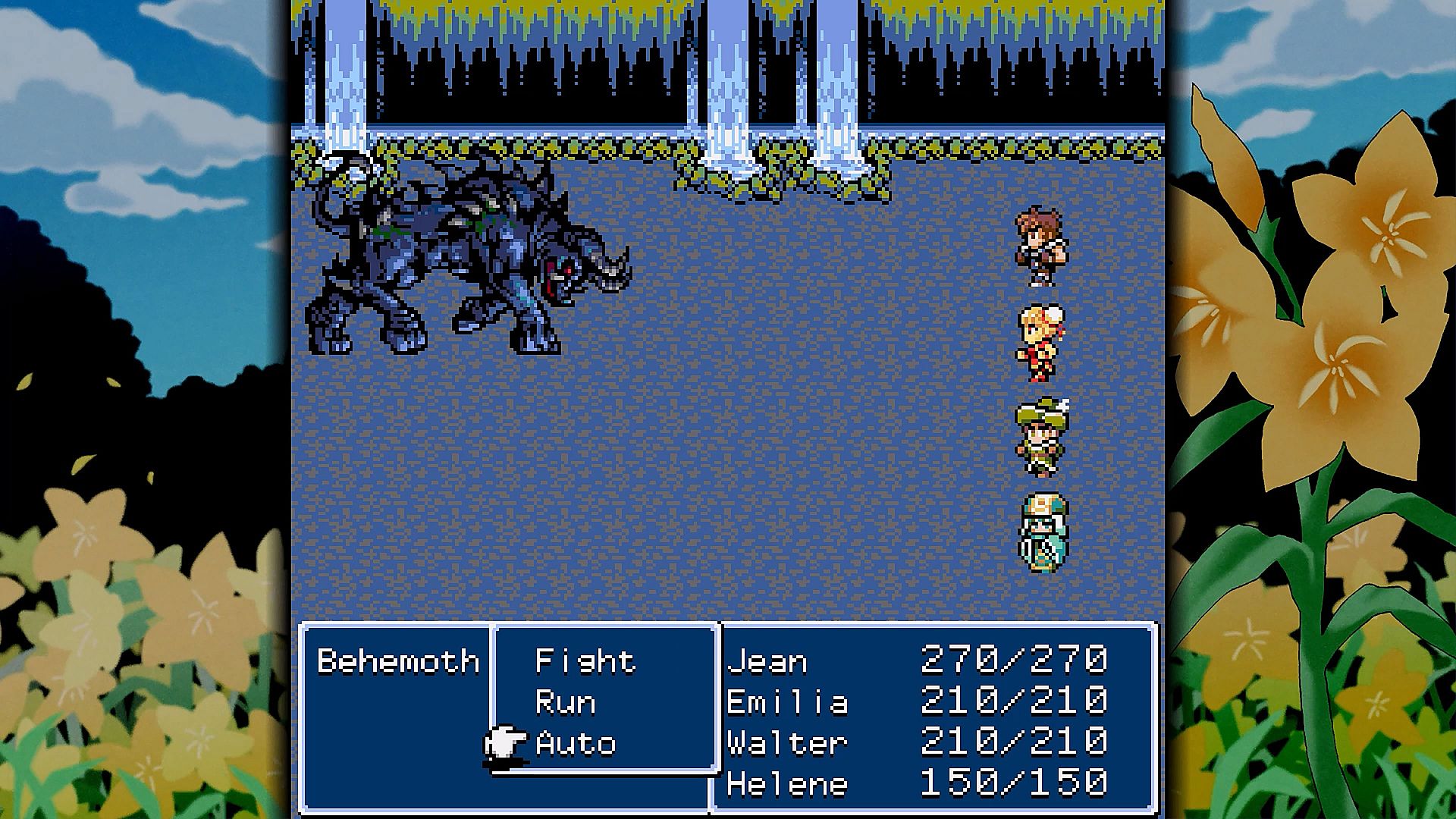
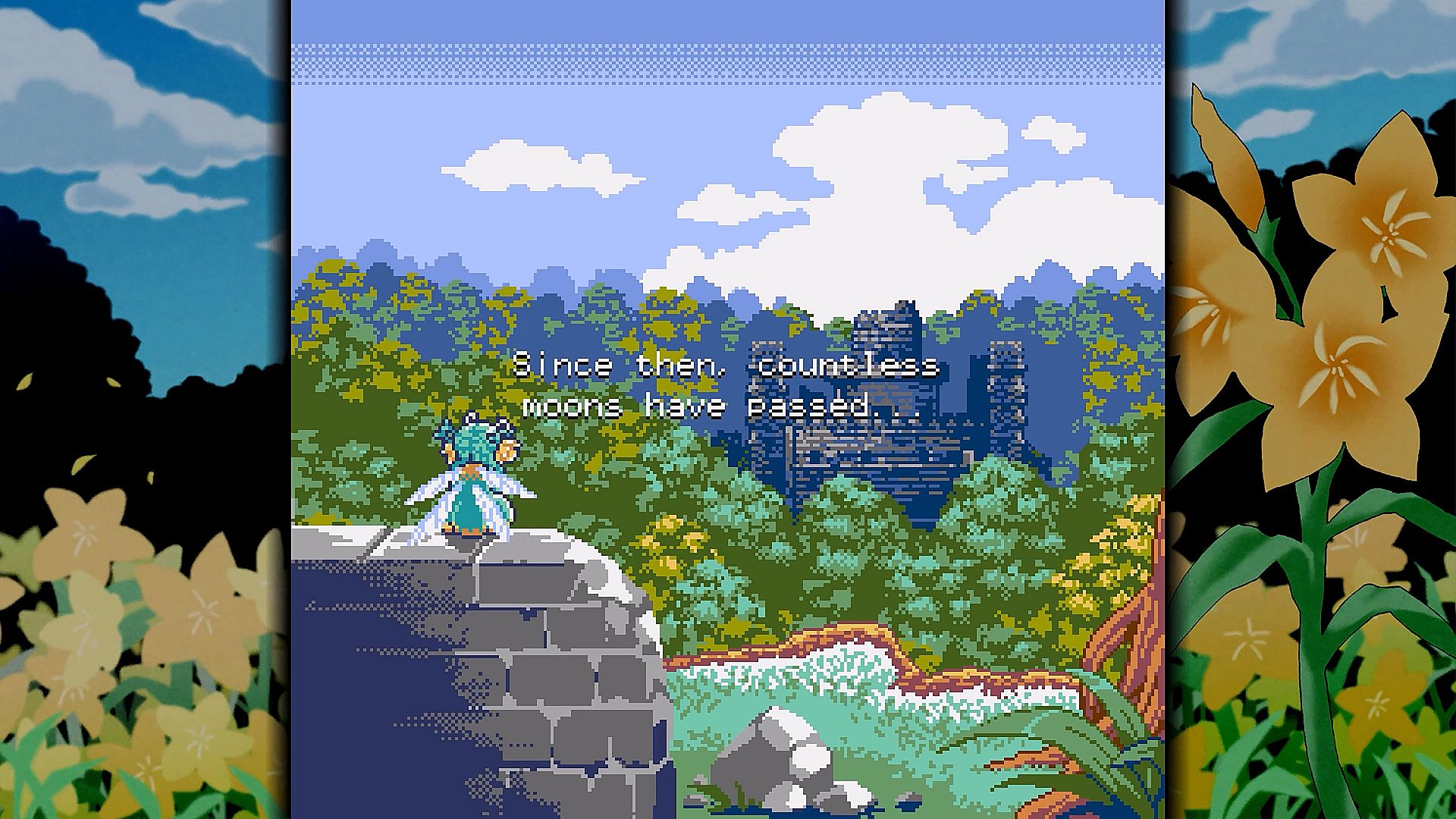
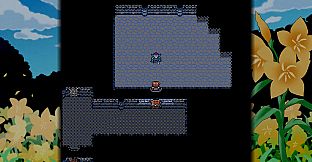
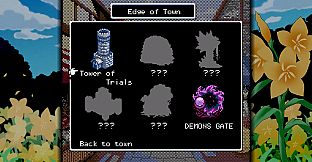
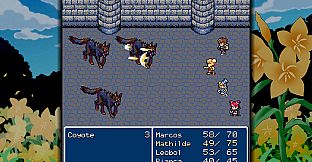
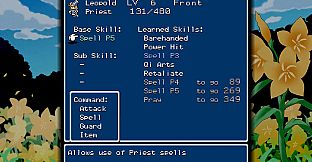
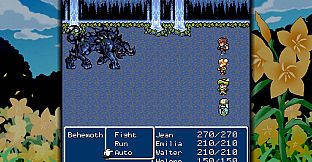
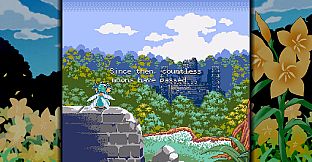
Dungeon Antiqua 2 is an indie RPG built as a 2D dungeon-crawler hack-and-slash experience with pixel art and audio styled after 16-bit consoles from the 1990s. The game places players in the role of a party navigating six distinct dungeons hundreds of years after the events of the first title, where an old guardian figure seeks out a new hero to continue an ancient duty. Exploration centers on a vision-based visibility system that limits what corridors and enemies can be seen until the character moves closer, combined with a symbol encounter setup that lets skilled players dodge fights or initiate them on their own terms.
Gameplay
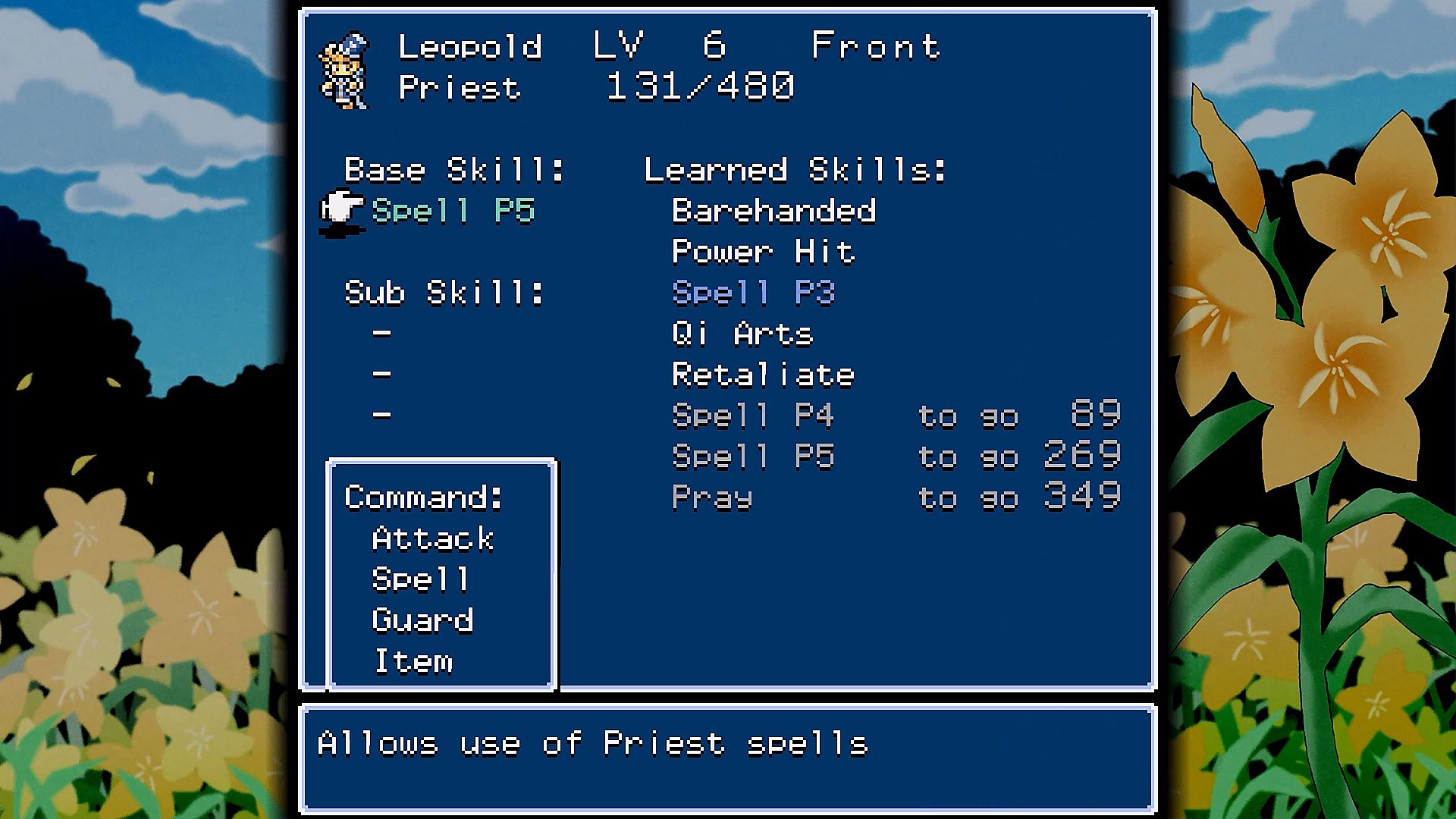
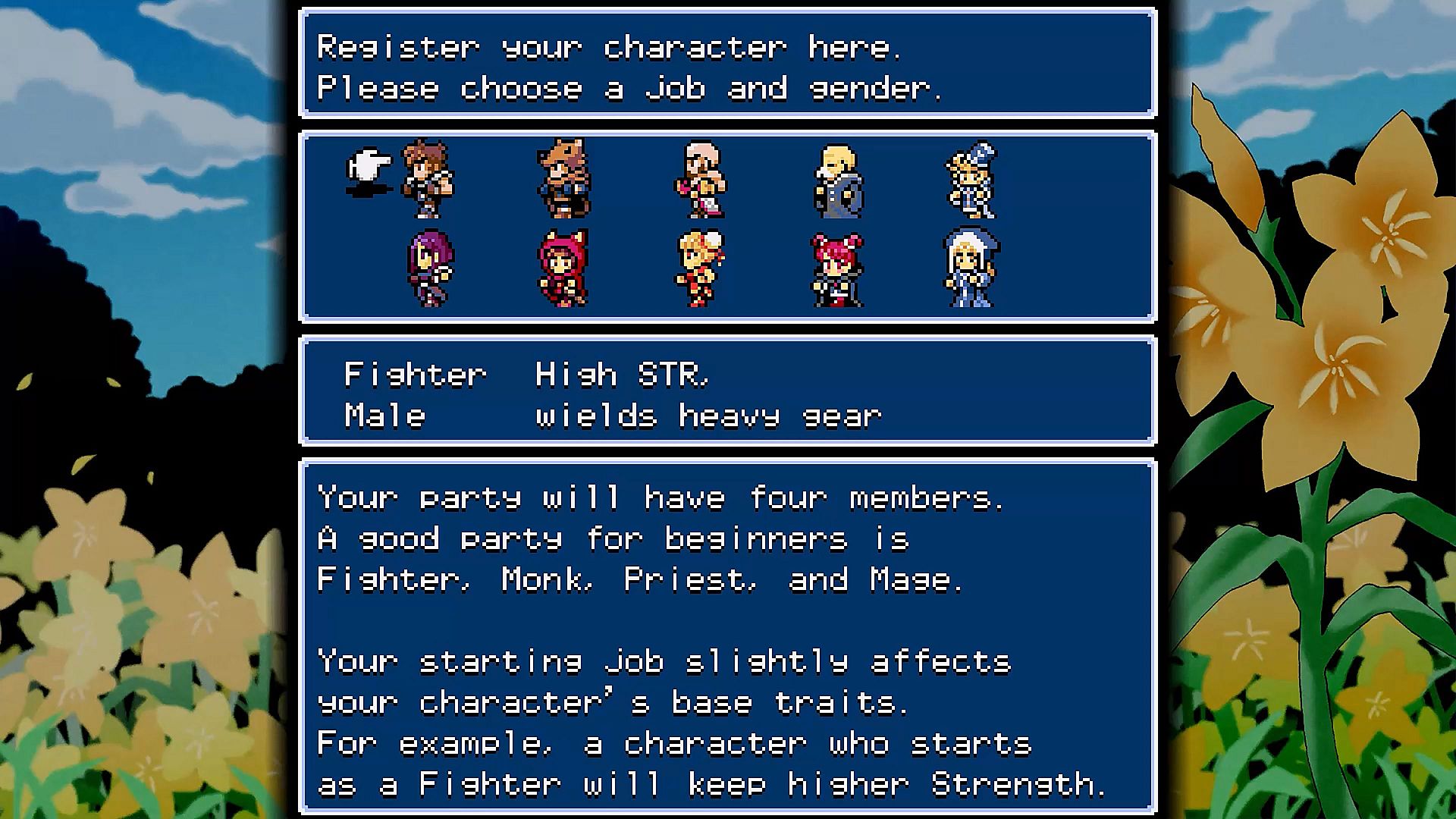
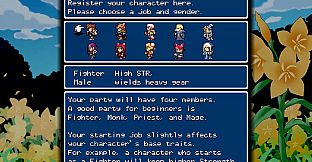
The core loop revolves around strategic movement through fixed dungeon layouts while managing limited sight lines and deciding when to engage enemies. Battles occur in side-view encounters that emphasize positioning and timing over open-world roaming. Skill progression comes from earning points in combat that unlock job-specific abilities once thresholds are met. Ten jobs total are available, including the eight carried over from the prior entry plus the new Monk and Archer classes. Five jobs unlock at the start, with the rest appearing as progress is made through the dungeons. Job changes do not reset character levels, which supports repeated experimentation to build varied party compositions without restarting from scratch.
Short dialogue and minimal cutscenes keep the focus on the dungeons themselves, leaving room for players to fill in narrative details through their own choices and repeated runs. The design deliberately echoes cartridge-era constraints to encourage imagination rather than lengthy exposition.
Game Modes
Dungeon Antiqua 2 operates as a single-player title centered entirely on sequential dungeon progression. There are no separate competitive or cooperative modes. The experience consists of one continuous campaign that guides the party through the six dungeons in order, with opportunities to revisit areas for additional skill grinding or job testing. Symbol encounters and the vision mechanic remain consistent across all sections, so every play session follows the same core loop of navigation, optional combat avoidance, and party customization.
Character Progression and Exploration
Party building stands out because levels persist across job switches, allowing a single character to accumulate experience in multiple roles over time. Skill points accumulate from victories and open targeted abilities tied to each job. The six dungeons vary in layout and enemy placement, requiring players to adapt visibility management and encounter decisions to each new environment. First-time completion typically takes 10 to 12 hours, though additional runs for full job mastery extend that duration naturally.
Is It Worth Playing?
Reception on its initial PC release has been very positive, with players highlighting the flexible job system and nostalgic presentation as strengths. The short length suits those seeking a focused retro-style dungeon crawl without long commitments. Fans of classic job-based RPGs and deliberate exploration mechanics will find the most value here, especially if they enjoy experimenting with party builds across multiple jobs. The PS5 version delivers the same content on a console platform, making it accessible for players who prefer that hardware. Those looking for modern open-world elements or multiplayer features may find the scope limited, but the tight design delivers exactly what it sets out to achieve for its target audience.
