




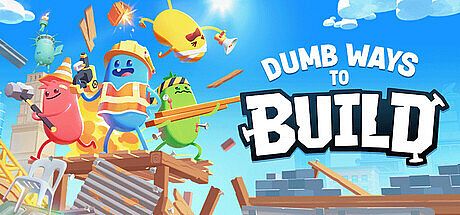








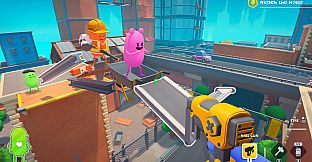
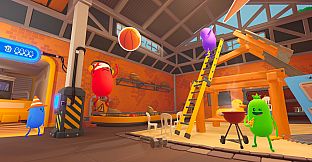
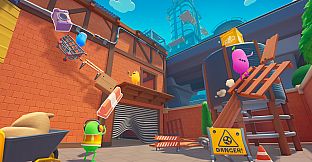
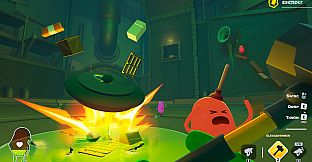
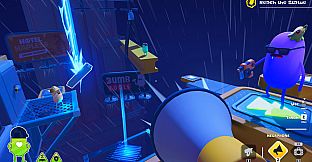
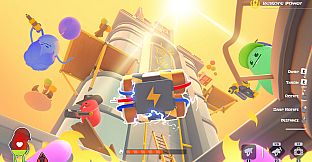
Dumb Ways to Build is a physics-based co-op game in the action, casual, and adventure genres for PC. Players step into the shoes of construction workers in Dumbville, where the focus rests on assembling makeshift structures under hazardous conditions using everyday tools and objects as building materials.
Gameplay
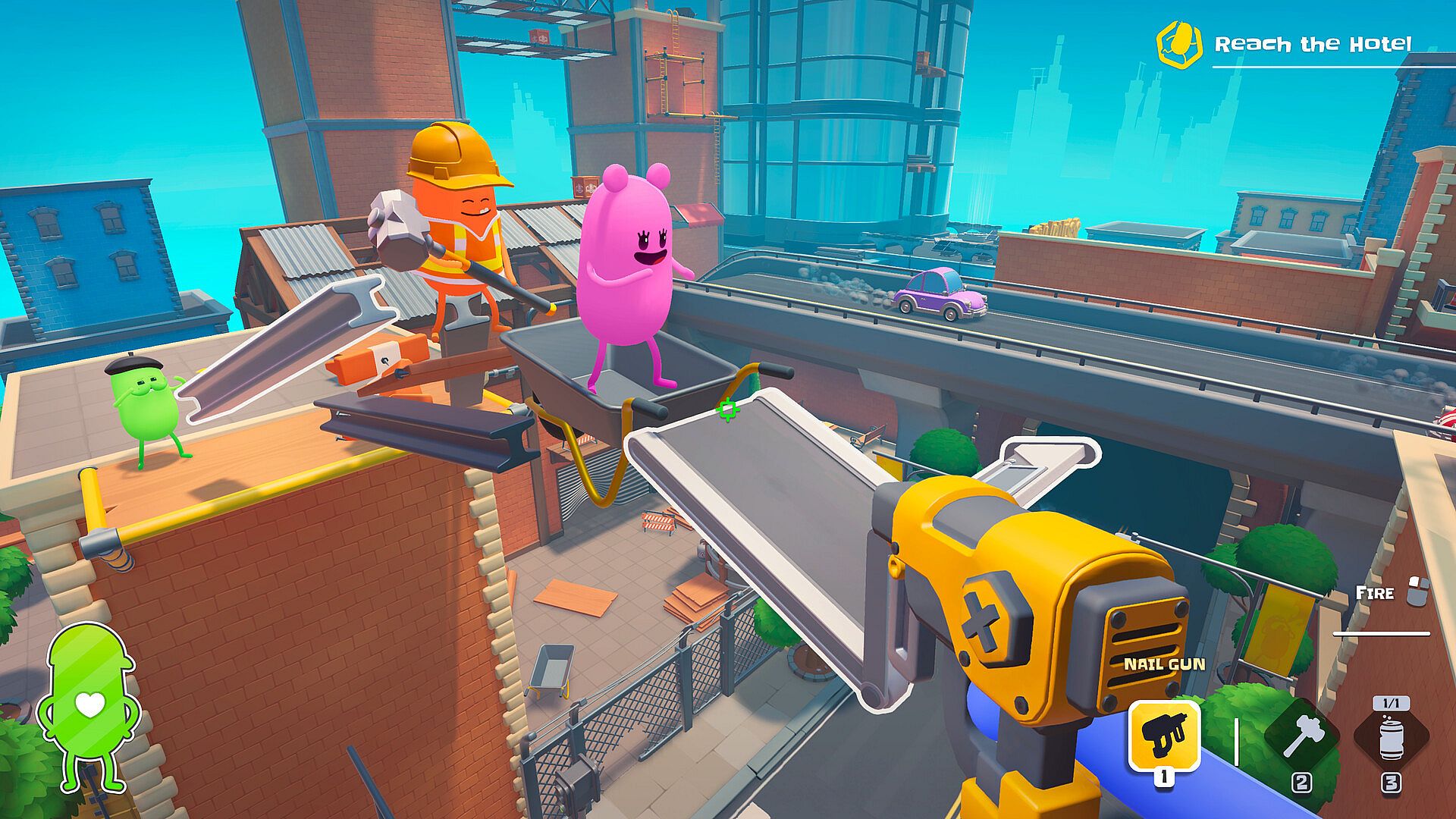
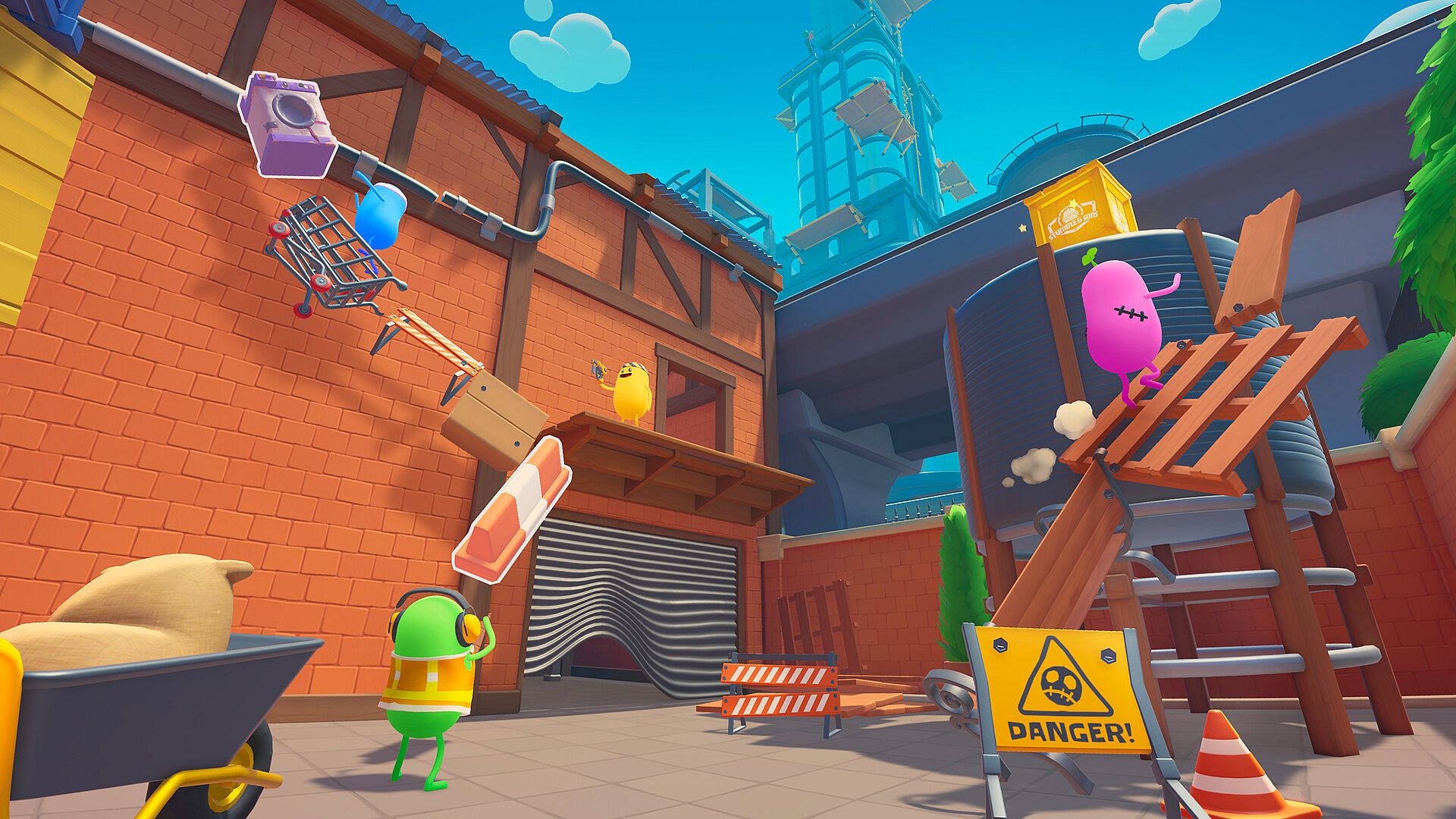
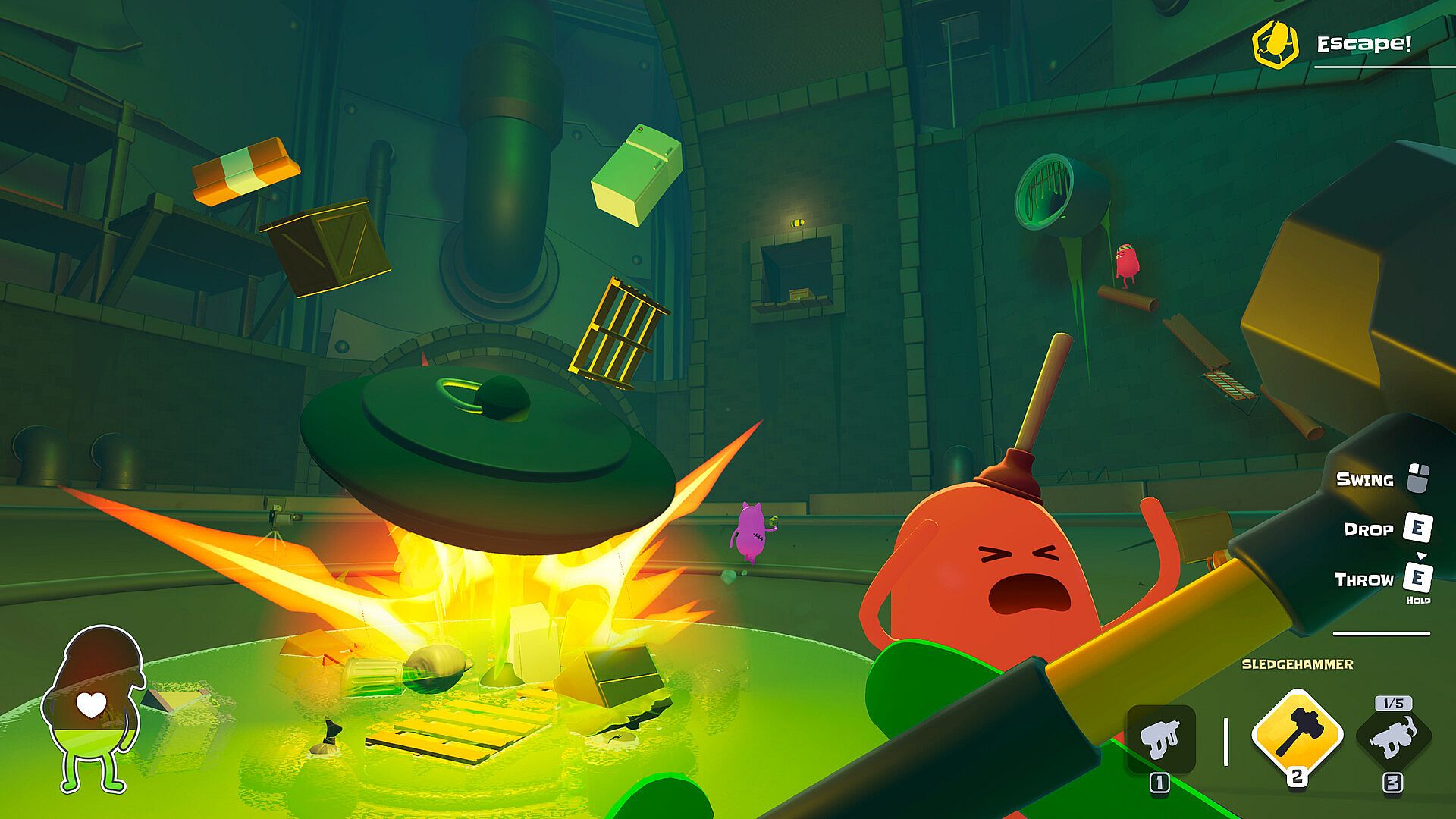
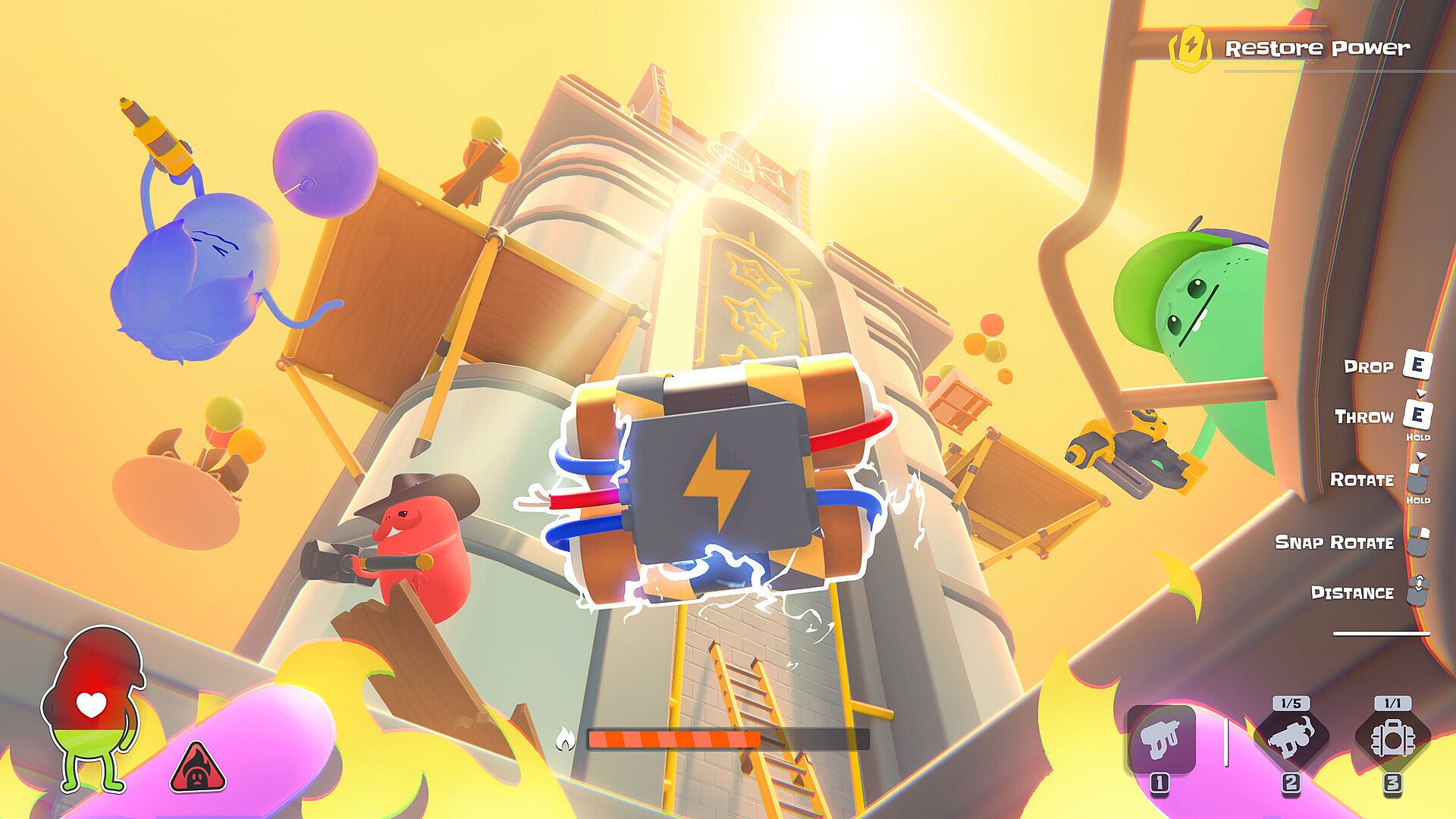
The core loop centers on grabbing, rotating, and positioning loose items to form platforms, ramps, and bridges. A nail gun serves as the primary fastening tool, while other items from the tool belt allow for creative or disruptive uses during construction. Physics governs every interaction, so beams can shift, objects can tumble, and structures often collapse under weight or poor placement. Team coordination becomes essential when multiple players handle different sections of a build at once, though individual choices can send a coworker flying or undermine the entire effort. Maps contain hidden elements that reward exploration and repeated attempts, encouraging players to refine their approaches over time.
Game Modes
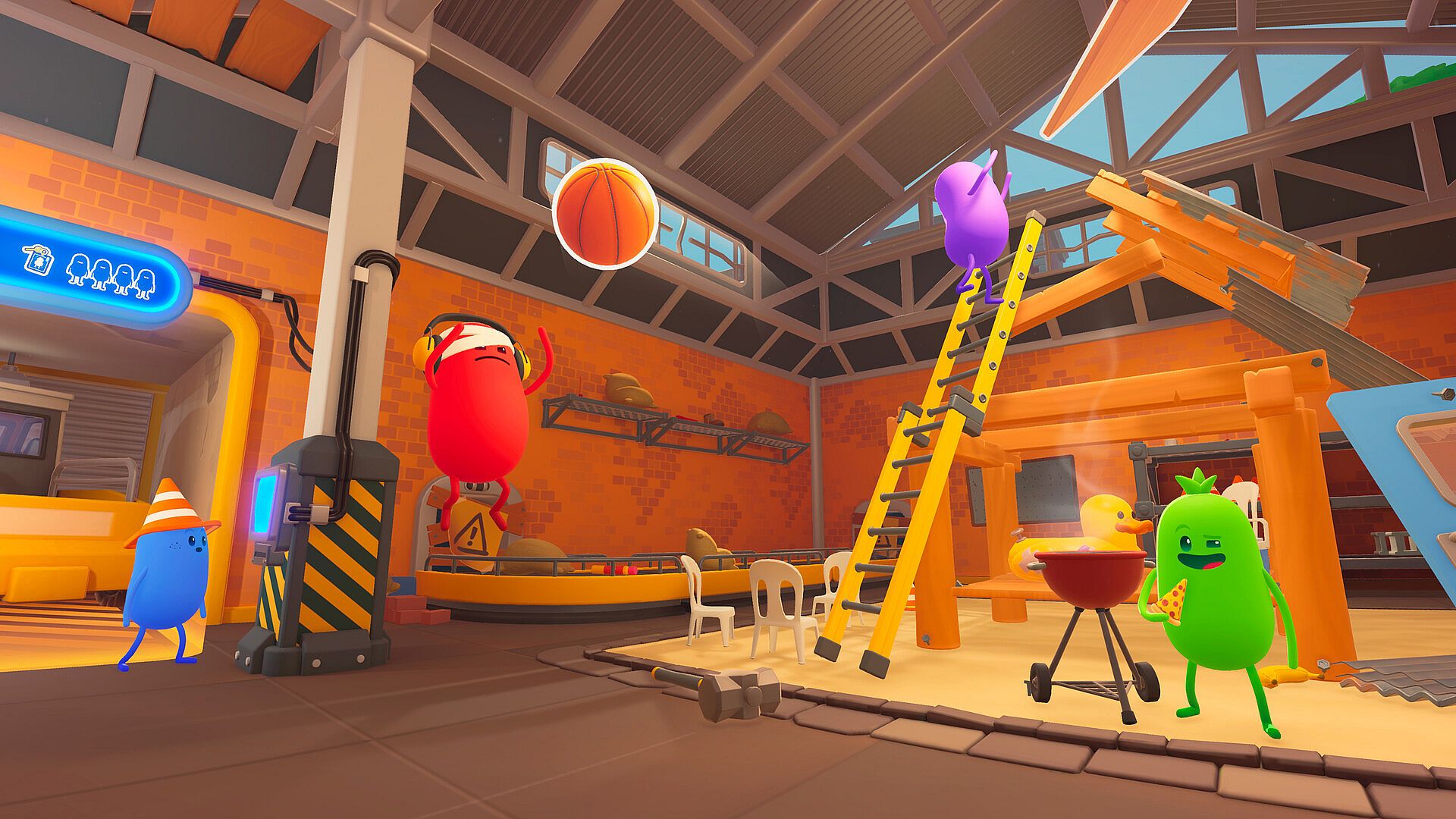
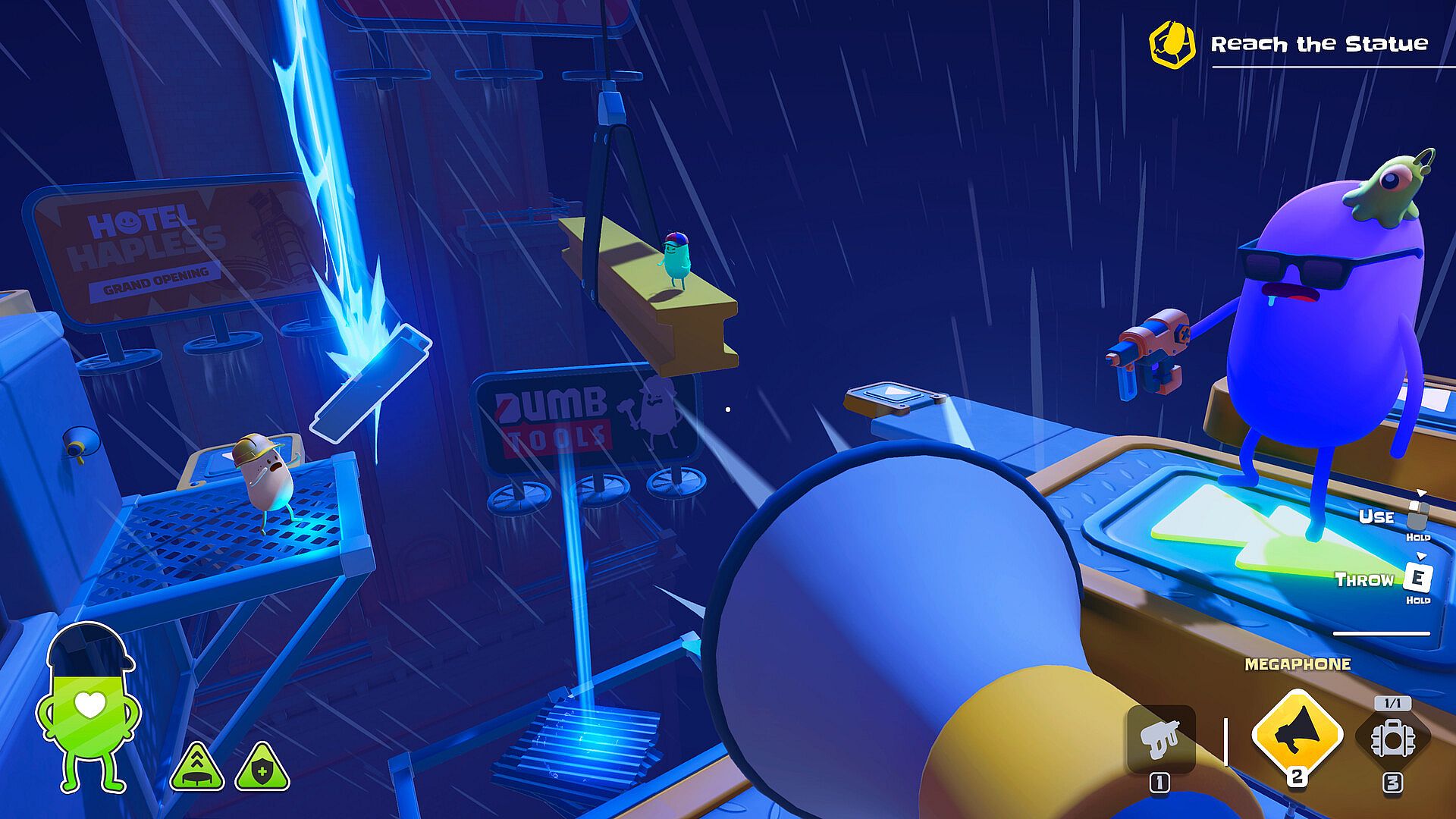
Online co-op supports up to four players working together on jobs, while solo play lets one person handle the full workload without assistance. Crisis Jobs form the main structured content, each presenting a distinct set of hazards and objectives that demand inventive use of available tools. Proximity chat adds a layer of real-time communication, allowing crews to discuss plans or react to sudden mishaps as they unfold. Additional challenge modes unlock through progress, offering variations on the base jobs for those who complete the standard versions.
Customization and Progression
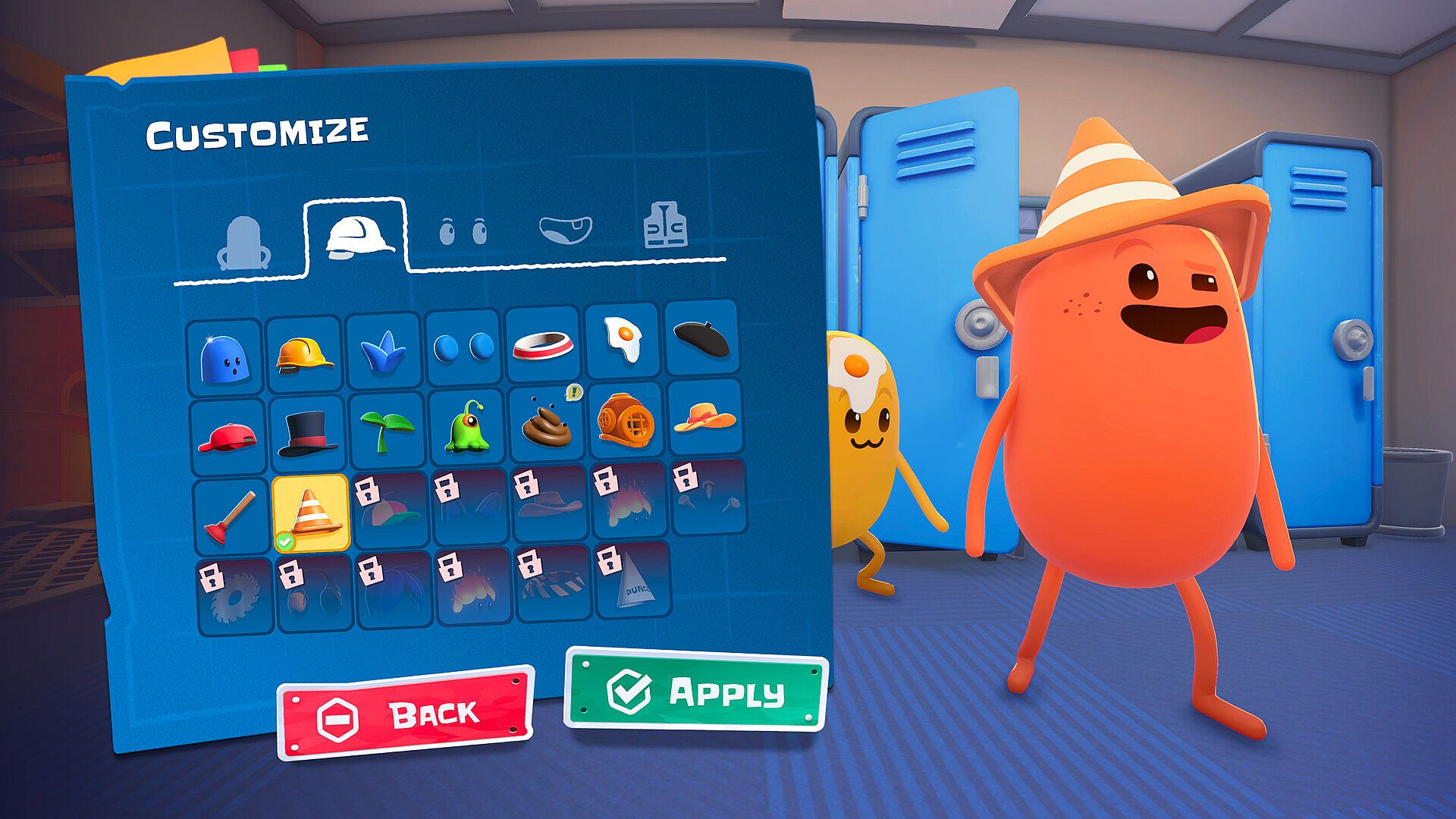
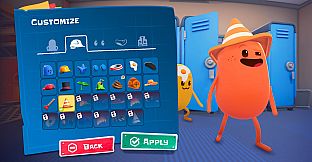
Players personalize their Bean character with unlockable cosmetics earned through successful job completions and exploration. These options let individuals stand out during group sessions without altering core mechanics. The system ties directly into repeated play, as dedicated efforts on hazard-filled maps yield new appearances and further challenges to tackle.
Is It Worth Playing?
This title suits players who enjoy physics-driven co-op experiences where teamwork mixes with potential for comedic mishaps and creative problem solving. The emphasis on construction under pressure and the option for solo attempts make it accessible for different group sizes or lone sessions. With its September 2026 release approaching, the game targets those drawn to casual yet inventive multiplayer setups that reward experimentation over precision. Those who prefer structured progression alongside lighthearted failure states will find the available systems align well with that preference.


