




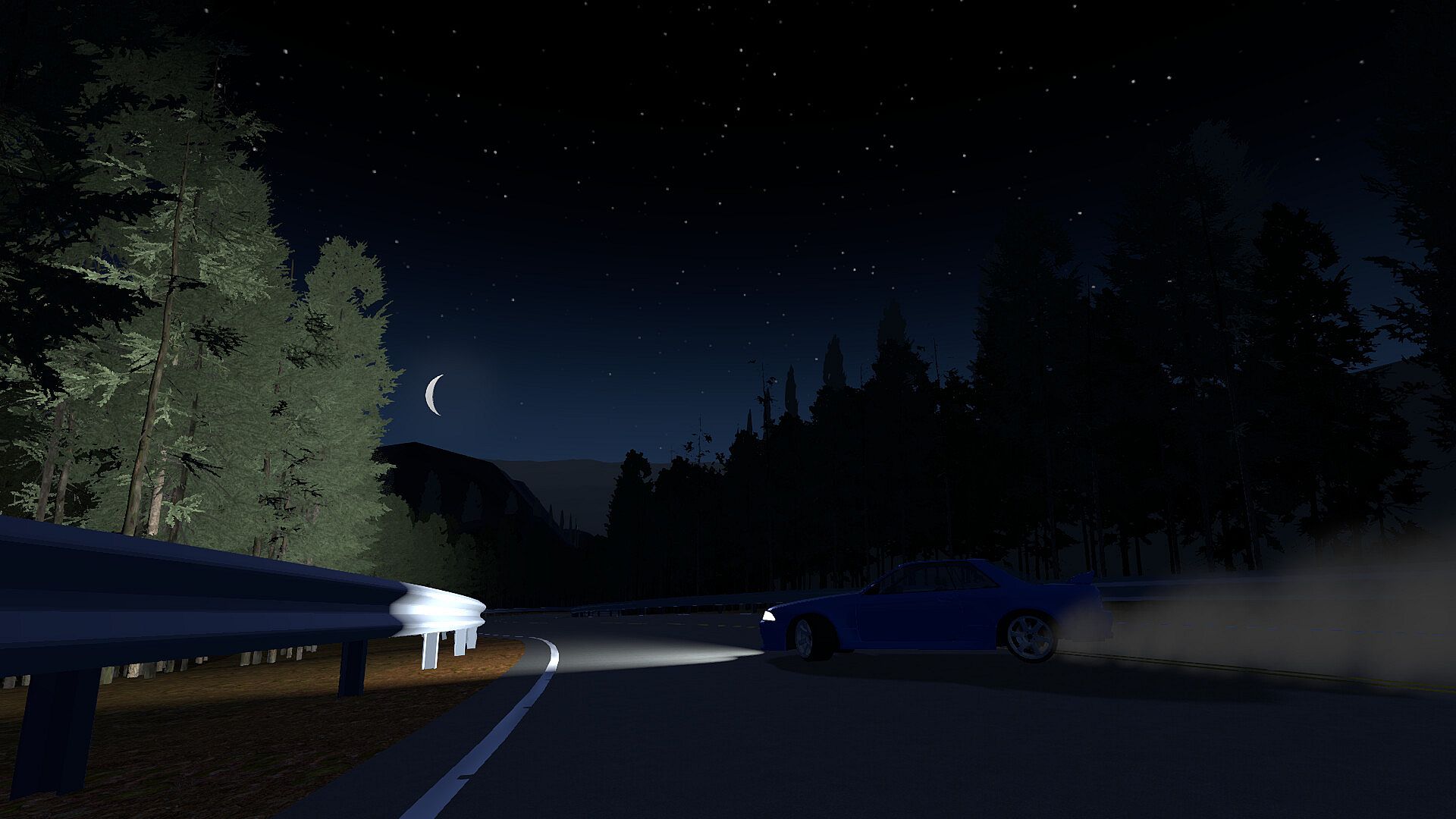
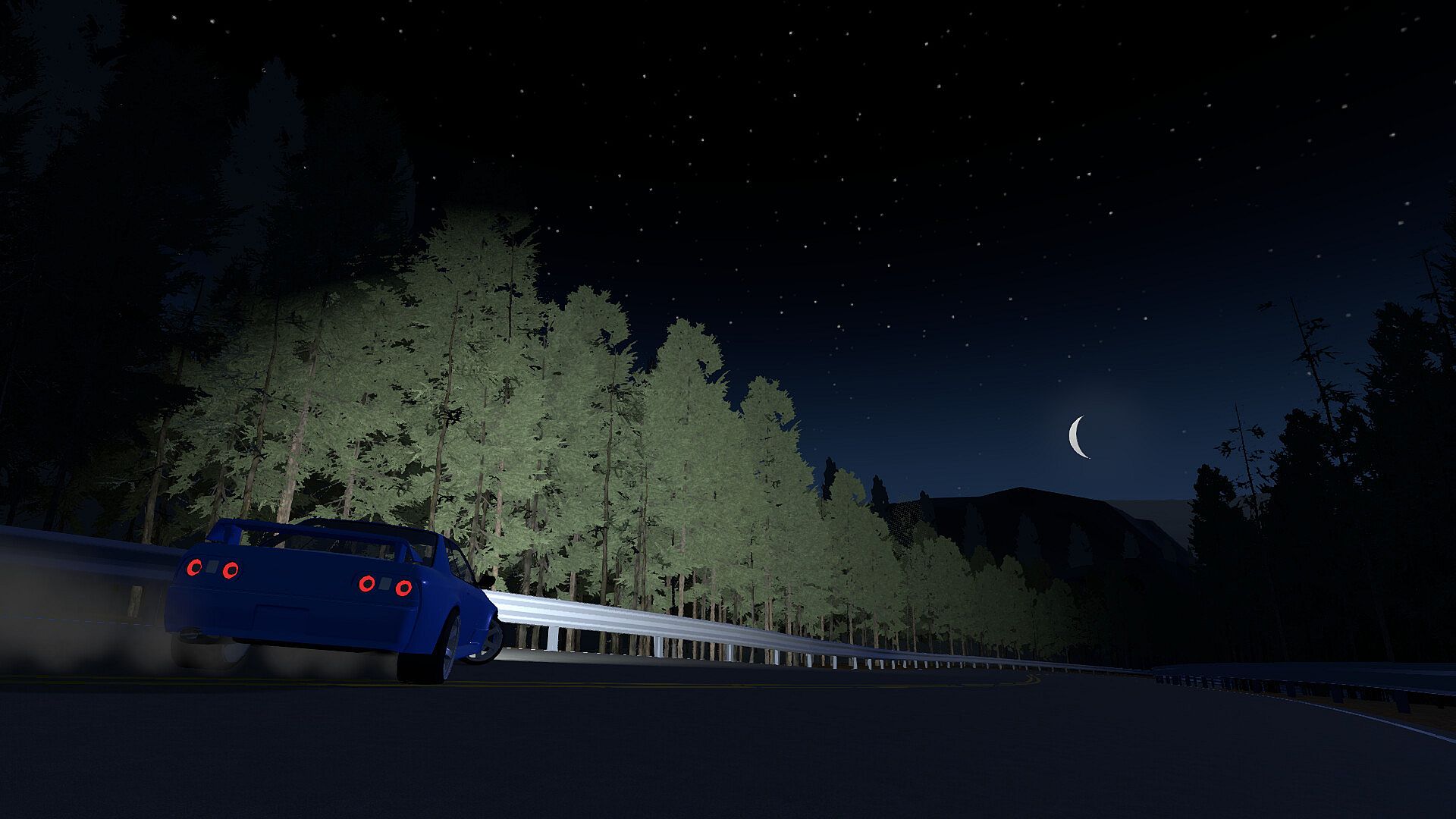
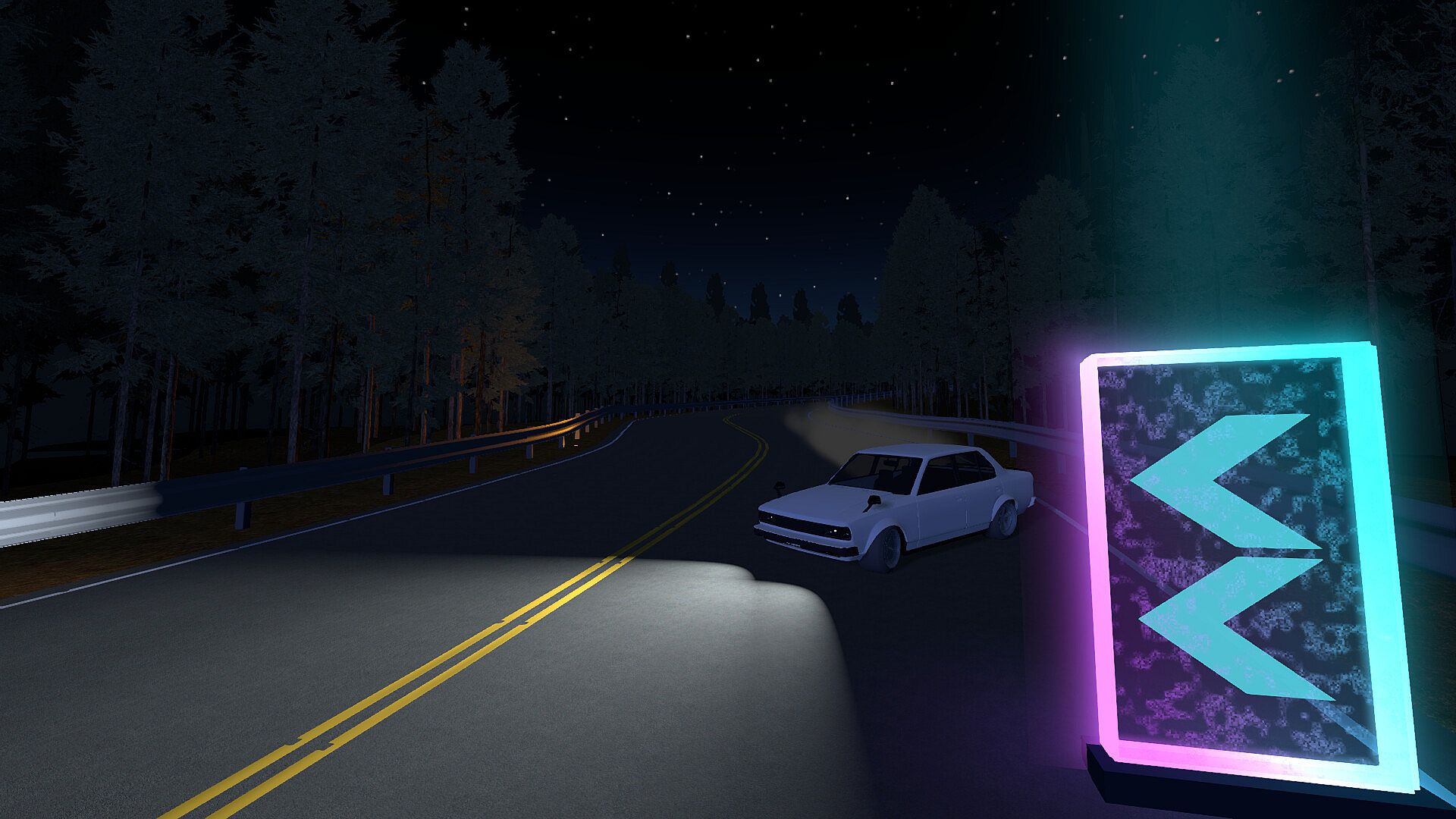
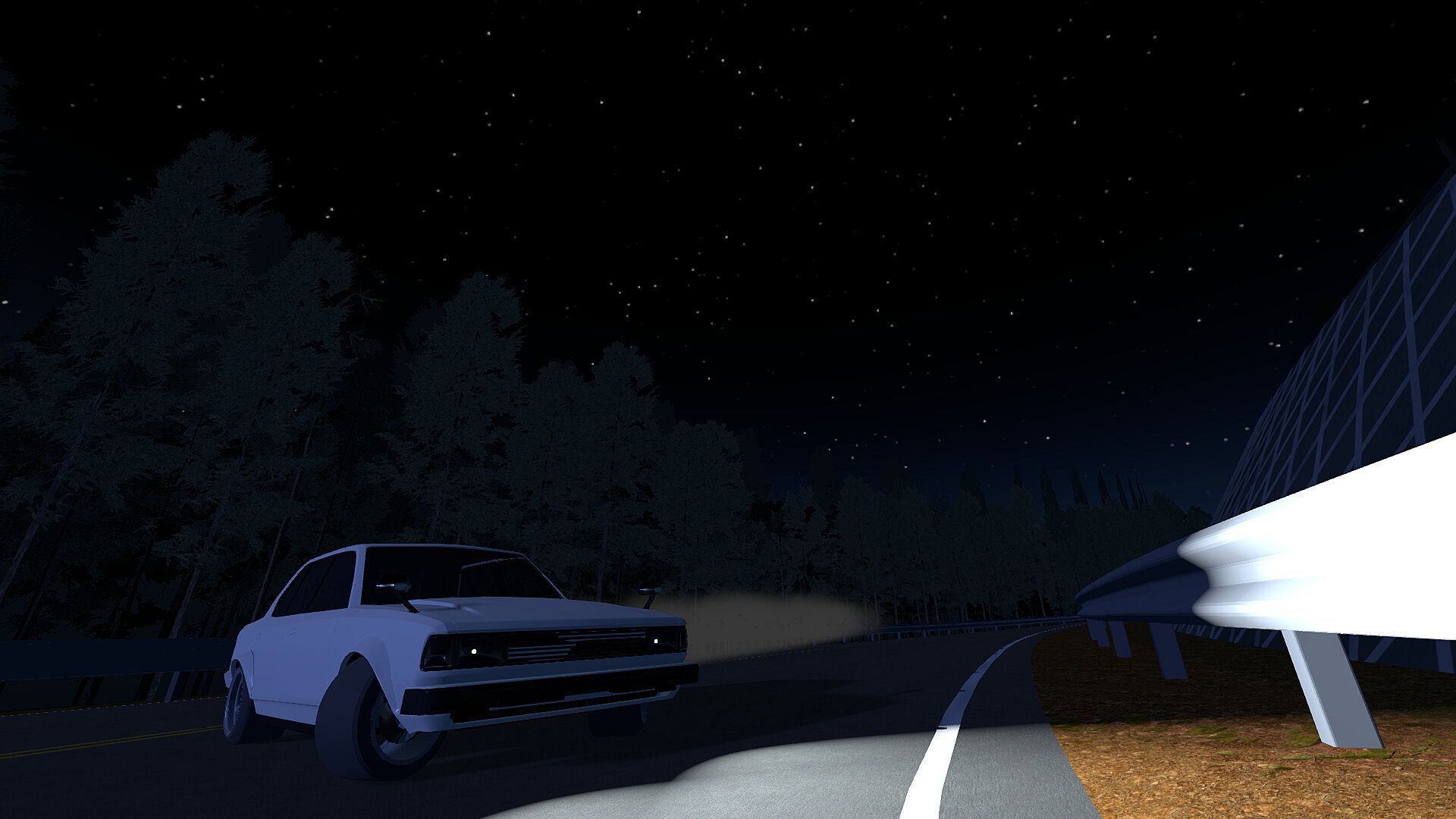
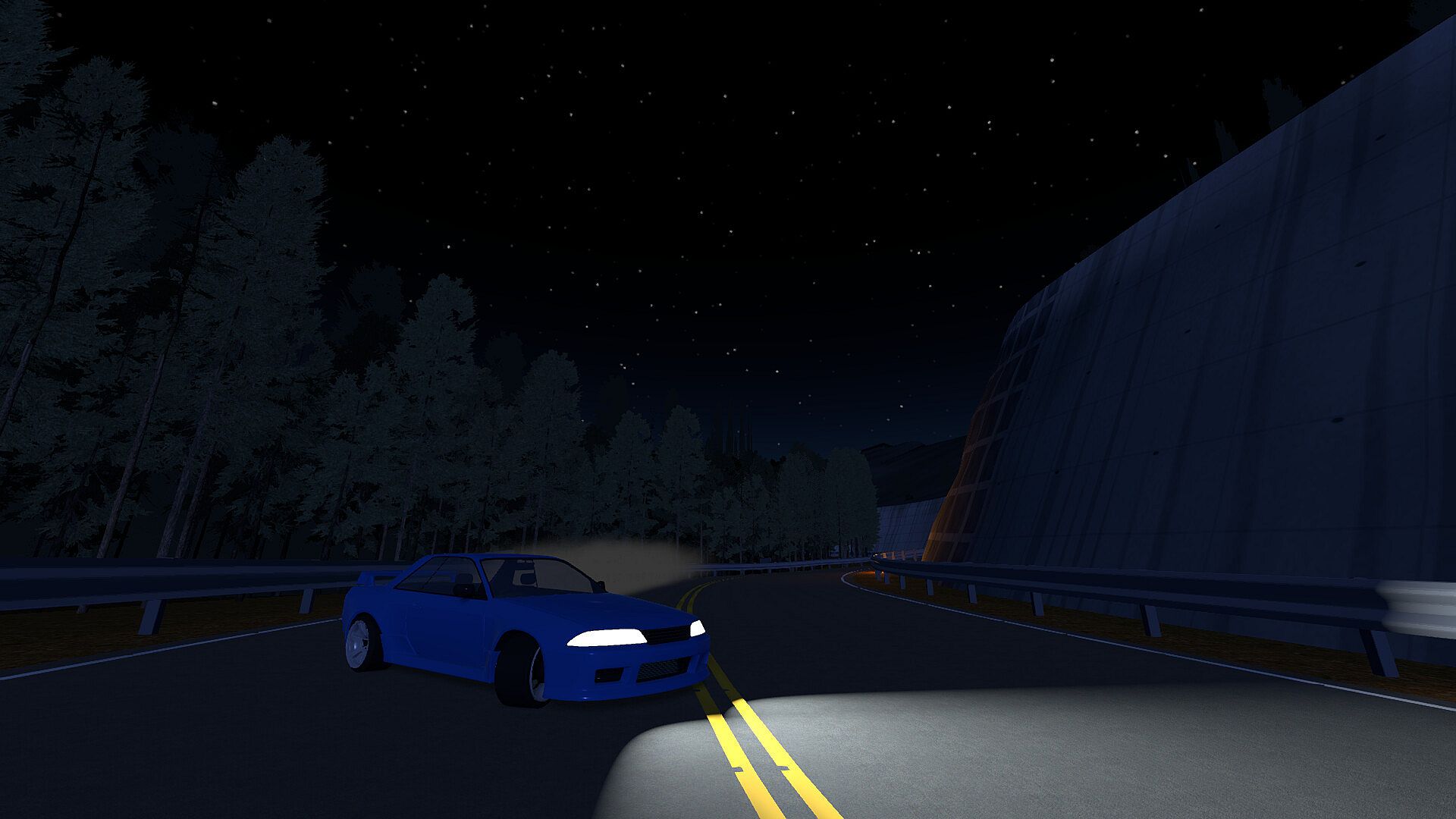
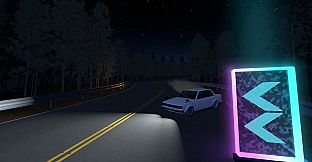
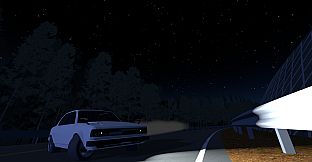
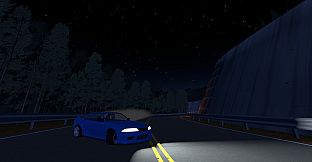
Drift After Dark is a racing game built around a single, extended downhill run through a mountain road at night. Set in the summer of 1995, the experience places players behind the wheel of classic Japanese-inspired cars for a relaxed session of arcade drifting on a 13-kilometer route that winds toward distant city lights. The focus stays on the simple pleasure of controlling a slide through sweeping corners and flowing bends without traffic or external pressure.
Gameplay
The core loop centers on descending the mountain while maintaining smooth, linked drifts. Players steer into corners, balance speed with angle, and adjust throttle and steering to keep the car sideways through successive turns. Scoring rewards combinations of velocity, drift angle, and precision in chaining maneuvers, encouraging repeated runs to improve personal totals. The route features a variety of bends that reward consistent flow rather than aggressive maneuvers or shortcuts.
Controls emphasize accessibility with a controller in mind, allowing intuitive inputs for initiating and sustaining drifts. Classic cars handle with predictable weight and response that suits the arcade style, letting drivers concentrate on the rhythm of the road instead of complex setup or upgrades. Nighttime visuals create an atmospheric backdrop with retro-inspired lighting and scenery that enhances the sense of a quiet, late-night drive.
Game Modes
The game presents one primary experience: a continuous downhill descent along the full mountain route. Players start at the top and aim to reach the bottom while maximizing their drift score through sustained control and clean lines. Each attempt serves as a self-contained run focused on personal improvement, with no branching paths or separate competitive structures.
Progression comes from repeated attempts on the same route, where better timing and smoother transitions lead to higher scores. The design avoids layered systems or additional challenges, keeping attention on the single flowing path and the satisfaction of linking drifts across its length.
Atmosphere and Presentation
Drift After Dark captures a nostalgic retro feel through its nighttime setting and straightforward presentation. The mountain road stretches into darkness with subtle environmental details that reinforce the solitary drive, free from modern distractions or online elements. Cars draw from Japanese street drifting heritage, offering visual variety without altering core handling.
Sound and visuals stay understated, supporting the laid-back tone rather than overwhelming it. The absence of menus for tuning or extensive customization keeps sessions quick to start and easy to repeat, aligning with the goal of enjoying the drive itself.
Is It Worth Playing?
Drift After Dark suits players seeking a focused, low-pressure drifting experience on PC. Its single-route structure and emphasis on personal score chasing provide clear replay value for those who enjoy refining technique over many runs. The accessible controls and lack of grinding or complicated mechanics make it approachable for casual sessions or longer practice periods.
Those who prefer deep customization, multiple tracks, or competitive multiplayer may find the scope limited, while fans of classic arcade racers and Japanese drifting aesthetics will appreciate the direct emphasis on smooth downhill flow. The game delivers exactly what its premise promises: repeated opportunities to descend the mountain, link drifts, and chase better results in an atmospheric nighttime setting.