




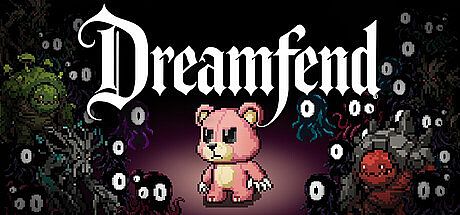



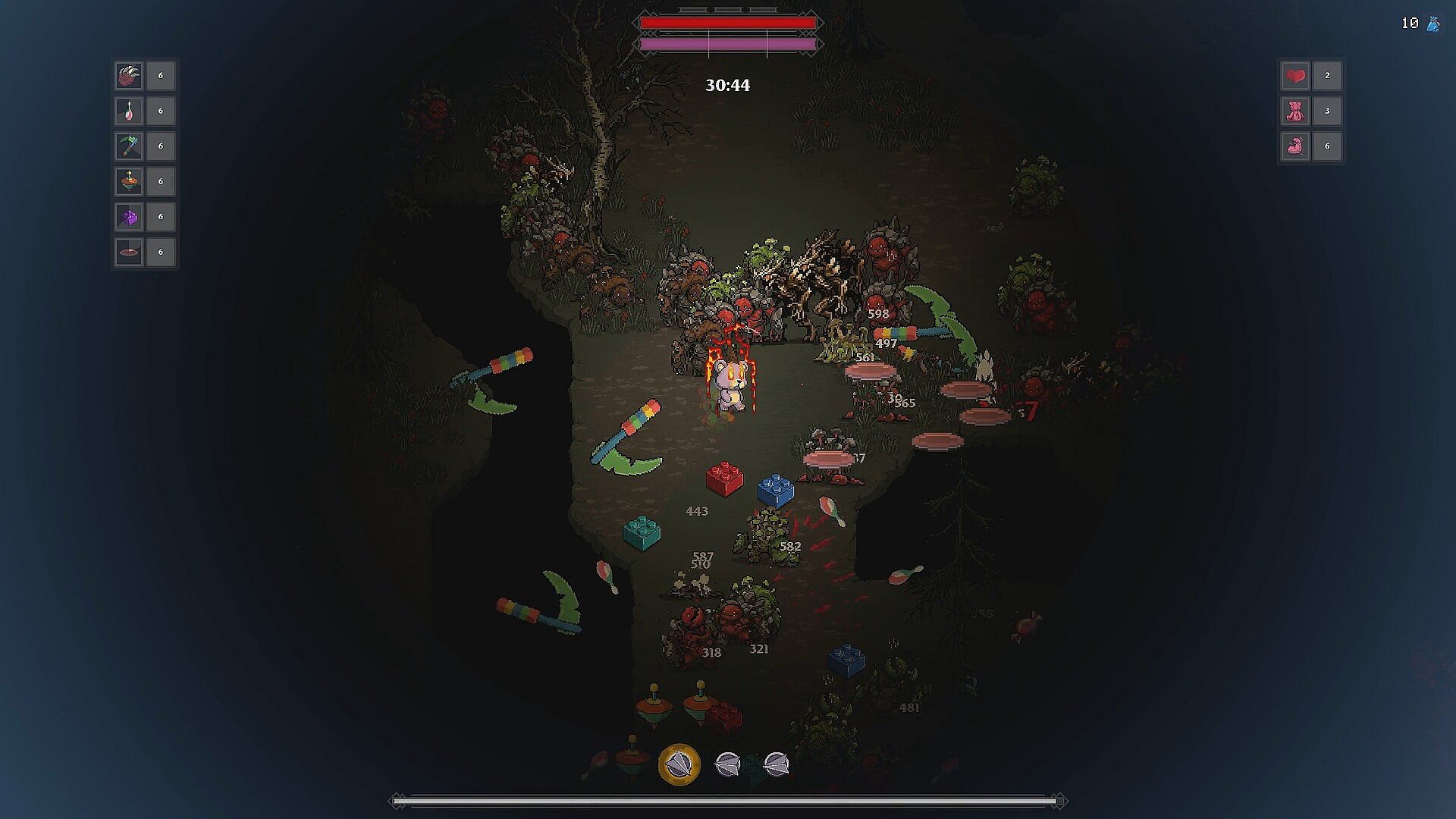

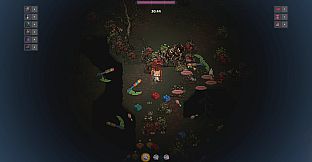
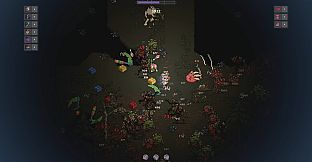
Dreamfend is a pixel-art roguelite survivor game set on PC in which players control a child's favorite toy that stands guard through the night. The core premise places the toy in direct confrontation with waves of nightmares that threaten a sleeping child who remains unaware until morning. Runs last around 40 minutes and scale in intensity as time passes, with enemies arriving from all directions in increasing numbers.
Gameplay
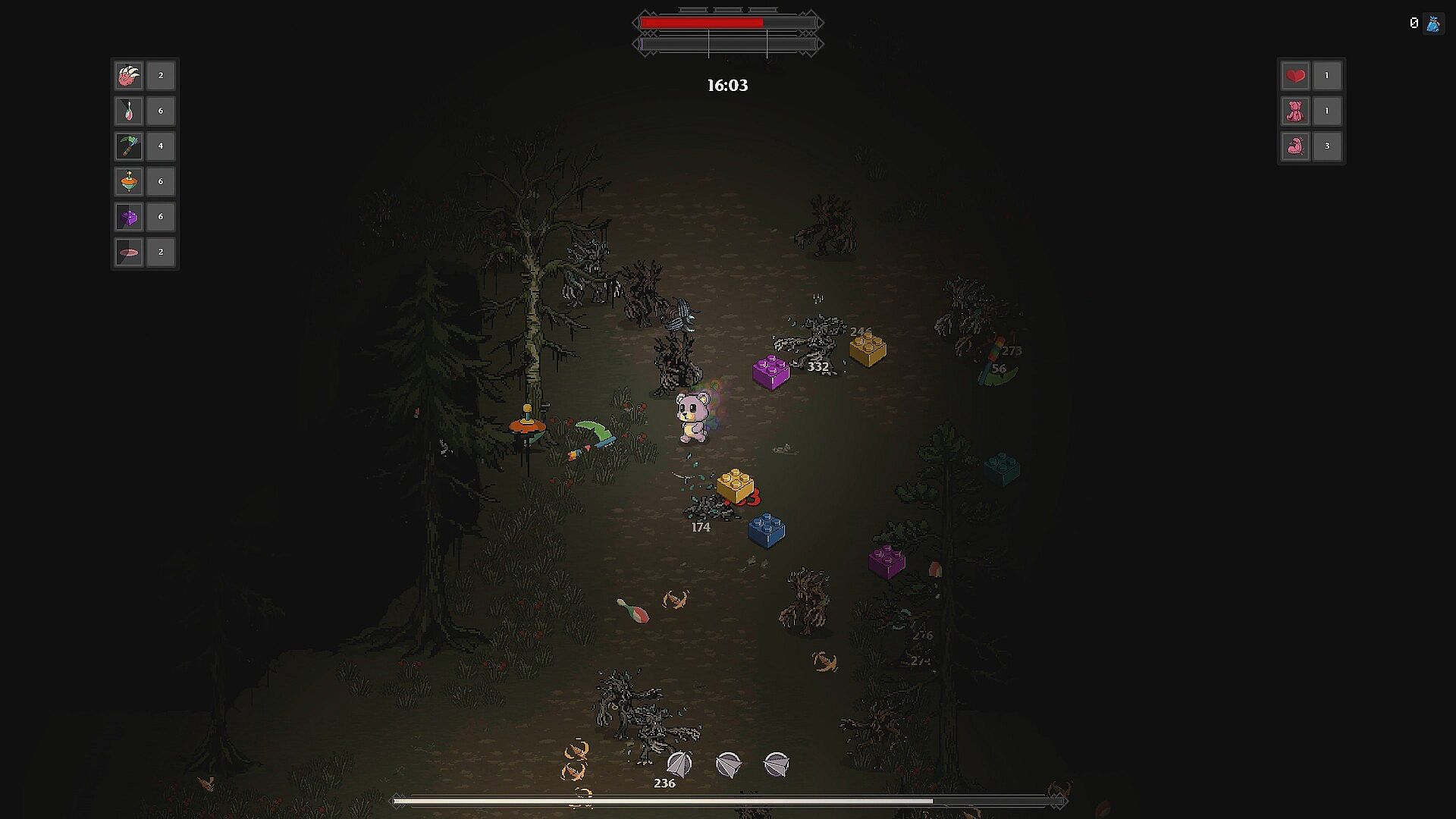
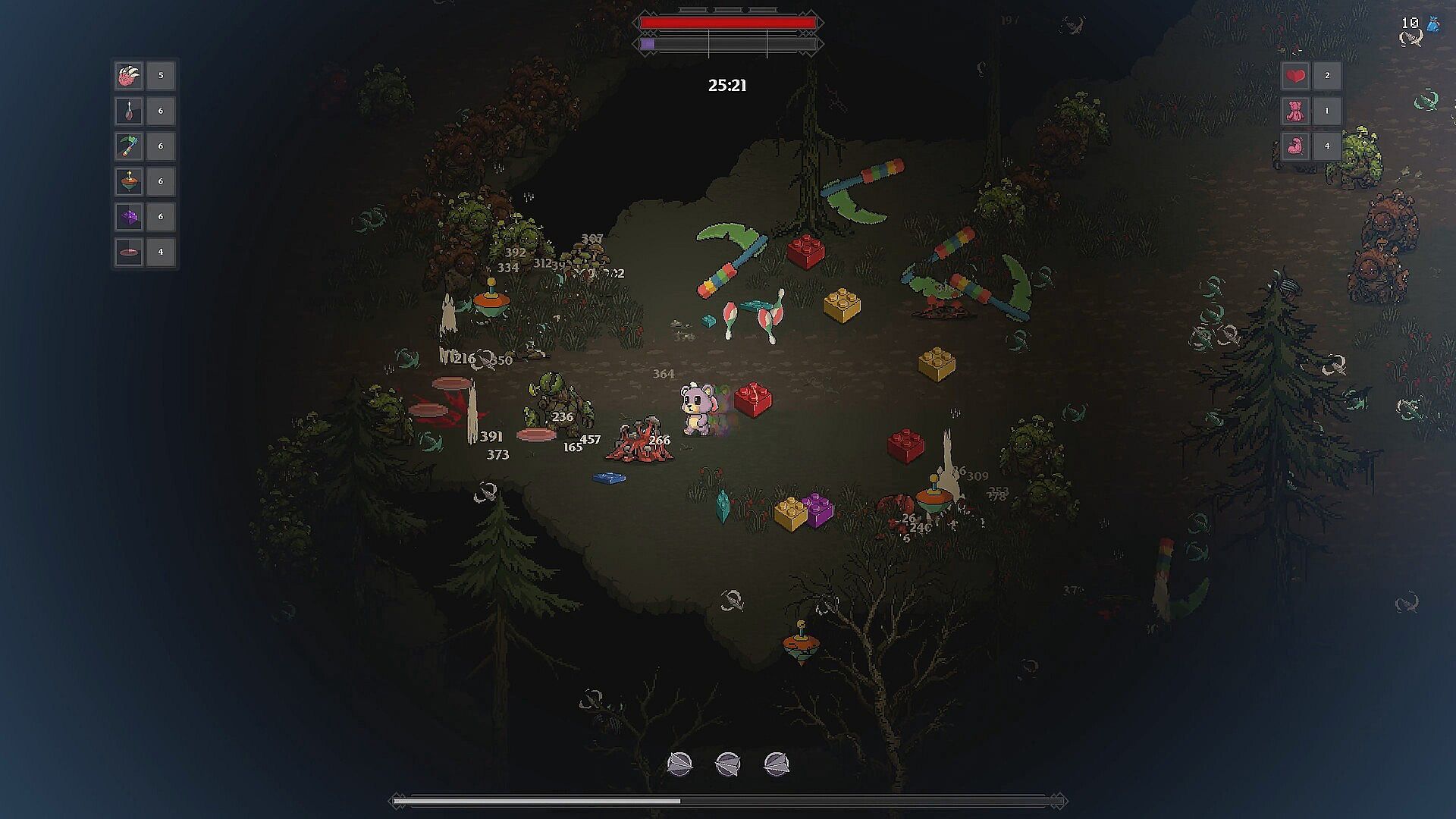
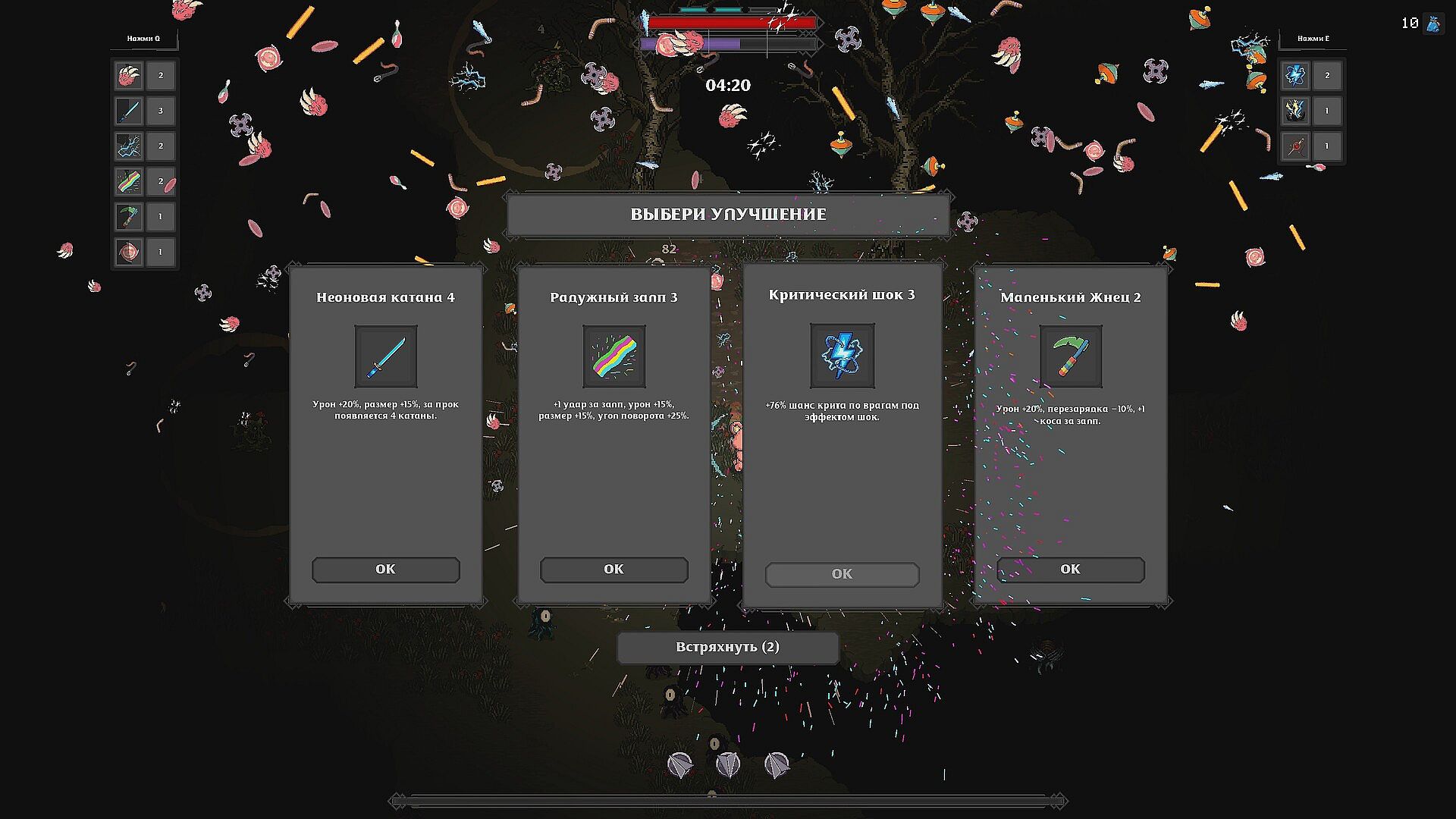
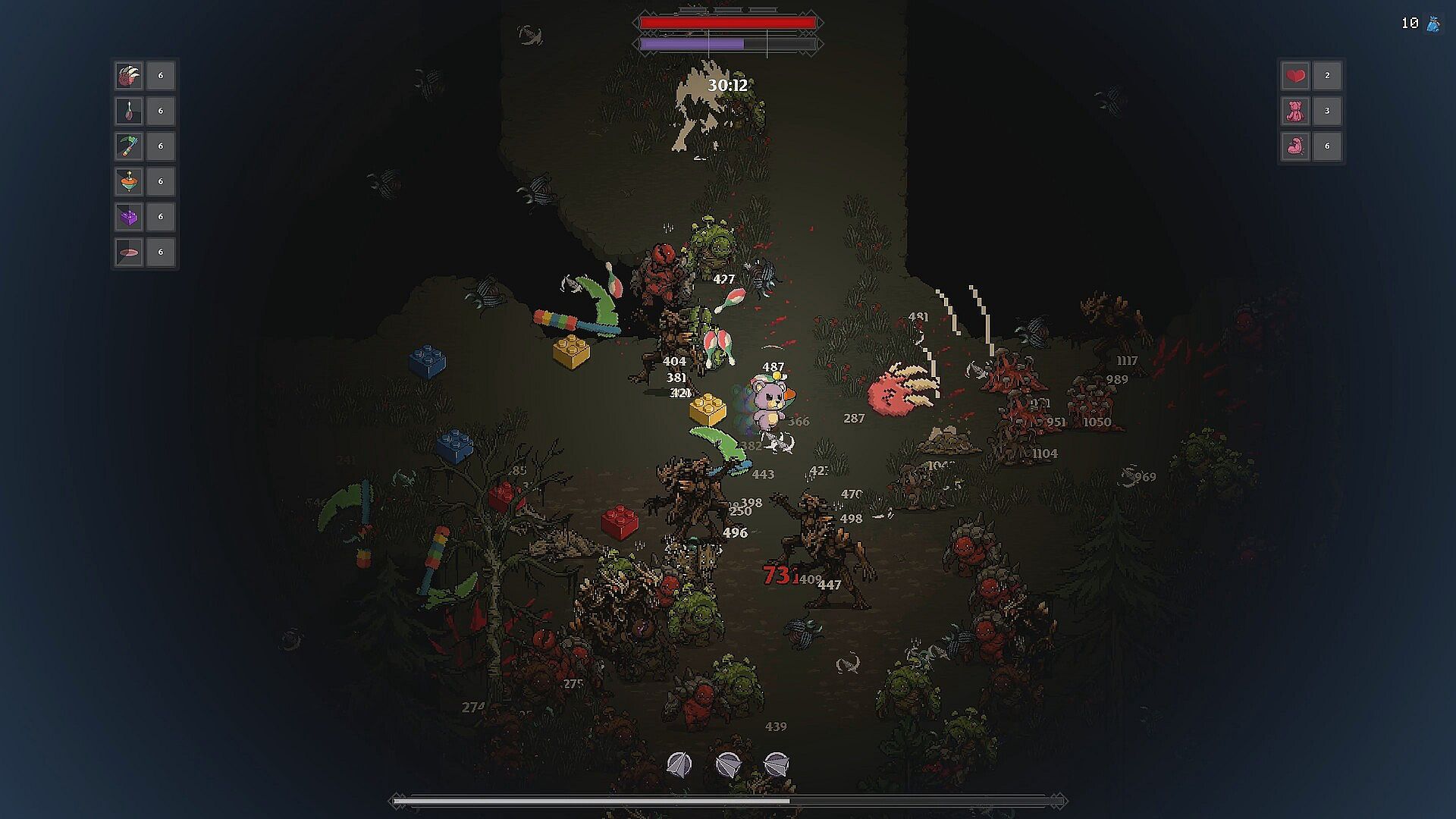
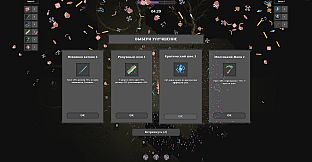
The experience centers on free movement across a single map while collecting upgrades and engaging enemies in real time. Players begin each run with one weapon and gradually assemble a loadout of up to six weapons drawn from a pool of 25 distinct options. These weapons behave differently in combat, and three passive abilities selected from 15 available options further modify performance through stacking effects and synergies.
A rage system tied to darkness adds risk and reward. Accumulating rage increases damage and critical chance but risks overflow that harms the player character. Locating the child on the map reduces rage levels, creating a deliberate choice between aggressive pushes and controlled retreats. Notes scattered across the environment reveal fragments of the child's backstory, adding narrative layers without interrupting the survival loop.
Meta-progression occurs between runs through permanent upgrades purchased with currency earned during play. Forgotten toys discovered on the map provide additional unique attacks for experimentation. Four bosses appear with distinct area-of-effect patterns, and defeating reflections of the nightmare weakens its power for the final confrontation. The light radius mechanic shrinks under damage, making enemies harder to spot in darker areas and heightening tension as health declines.
Game Modes
Dreamfend operates as a single-player experience focused entirely on repeated survival runs against escalating enemy swarms. No separate multiplayer or competitive modes exist in the current build. Each session follows the same structure of wave defense on the available map, with success measured by lasting until morning while managing the rage resource and locating key objectives.
The design emphasizes roguelite elements through procedural weapon and ability combinations within each run, combined with persistent unlocks that carry forward. Difficulty stems from wave scaling, boss mechanics, and the self-damaging potential of unchecked rage rather than from any alternate mode variants. Players return to the same core loop night after night, refining builds and uncovering more story notes.
Core Mechanics and Progression
Weapon variety encourages different playstyles, as each of the 25 options interacts uniquely with the three passive abilities. Upgrades during a run expand an orbiting arsenal that grows more powerful over the 40-minute duration. Enemy types total 13 with 22 variants, supported by a debuff system that applies effects such as shock, fire, or freeze to alter enemy behavior.
Between runs, currency from map exploration and boss defeats funds starting-weapon improvements and new unlocks. The single map currently available features full enemy waves and a complete cycle, though the developer plans additional maps with distinct visuals and threats in future updates. Controller support and full localization in English and Russian are present from the start.
Is It Worth Playing?
Dreamfend enters Early Access in September 2026 as a solo-developed project with a complete core loop already in place. The current version includes one map, five playable characters, the full set of 25 weapons and 15 passives, four bosses, and the rage and light mechanics. No user reviews are available yet because the game has not launched.
Players who enjoy pixel-art roguelite survivors with risk-reward resource systems and light narrative discovery will find the foundation solid. The emphasis on build experimentation and managing personal corruption through rage offers a focused single-player loop. Those seeking immediate variety in maps or extensive post-launch content should note that the full release aims for up to six maps, more characters, and expanded abilities over one to two years of Early Access development driven by feedback.
The game suits fans of deliberate, atmospheric survival runs where build choices and resource management determine outcomes more than raw reflexes. Permanent upgrades provide a sense of long-term growth even as individual nights test new combinations against the same core threats. Early Access buyers receive the complete version at no extra cost once development concludes.