




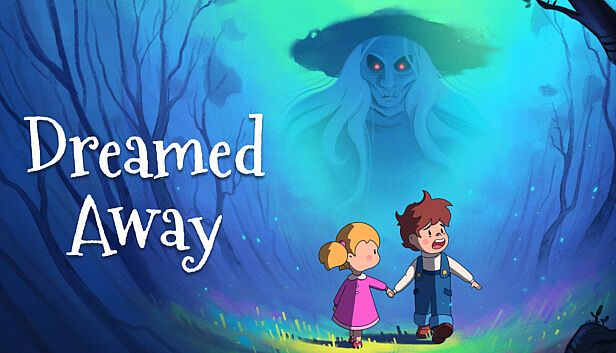




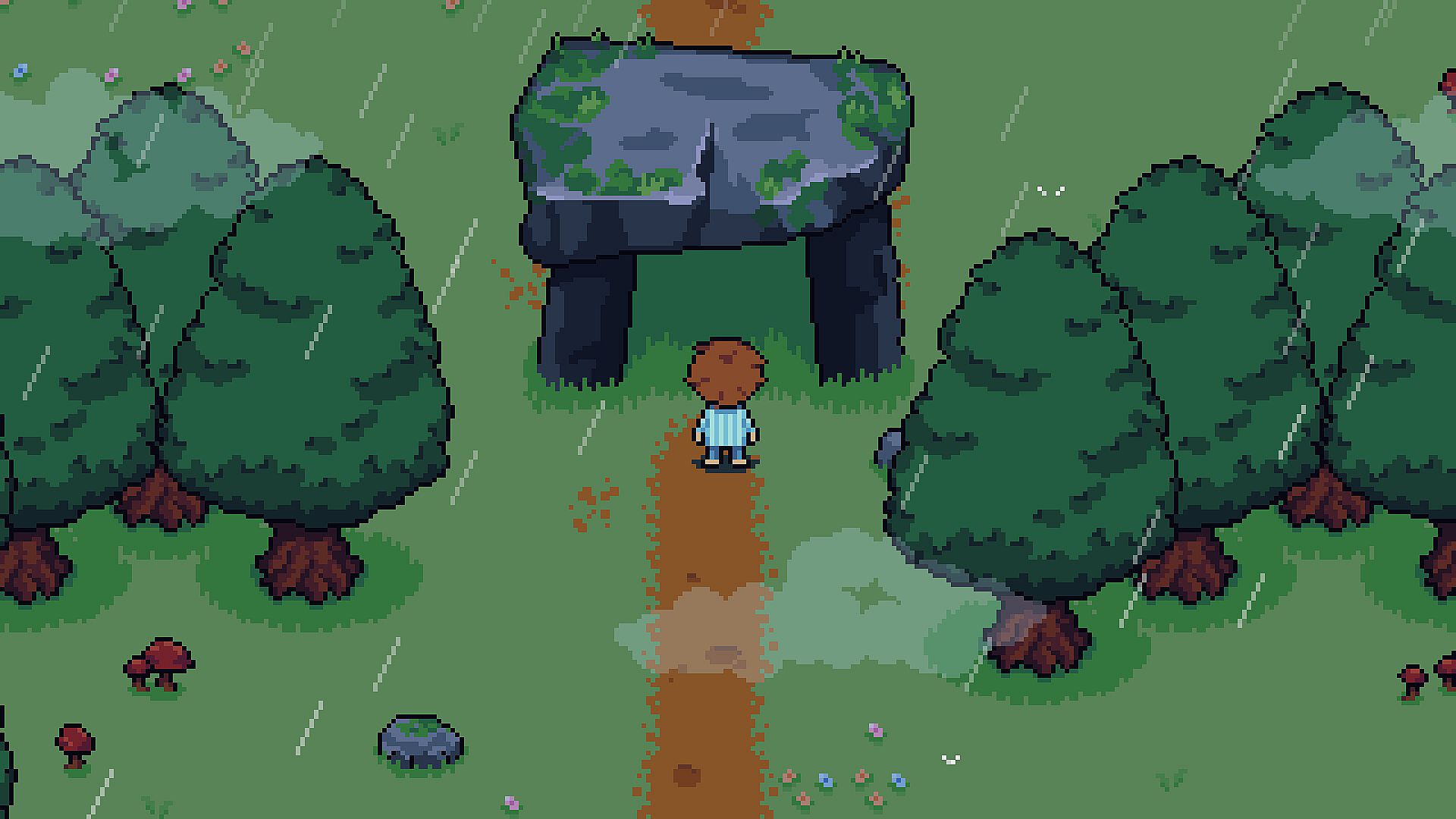
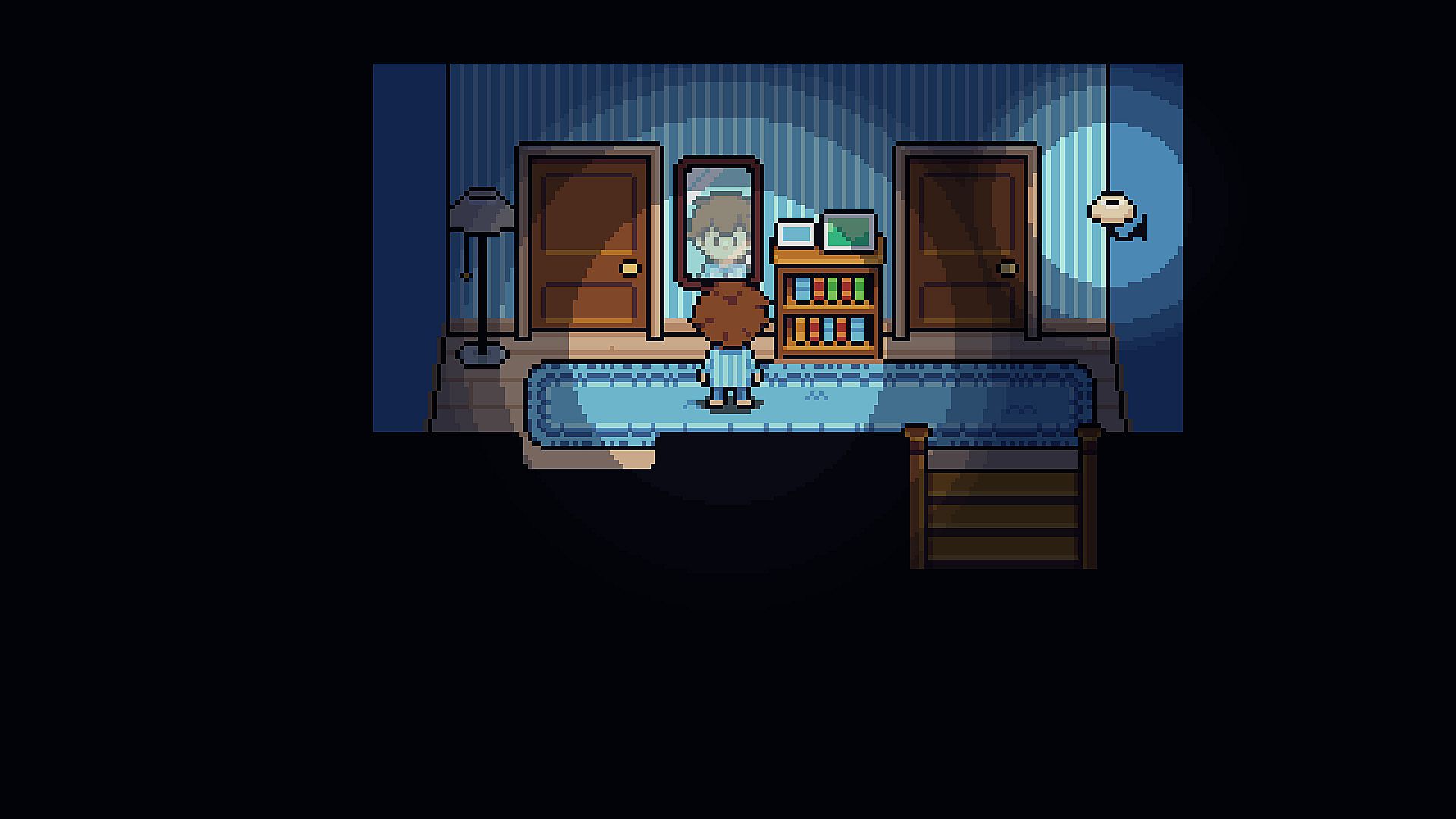
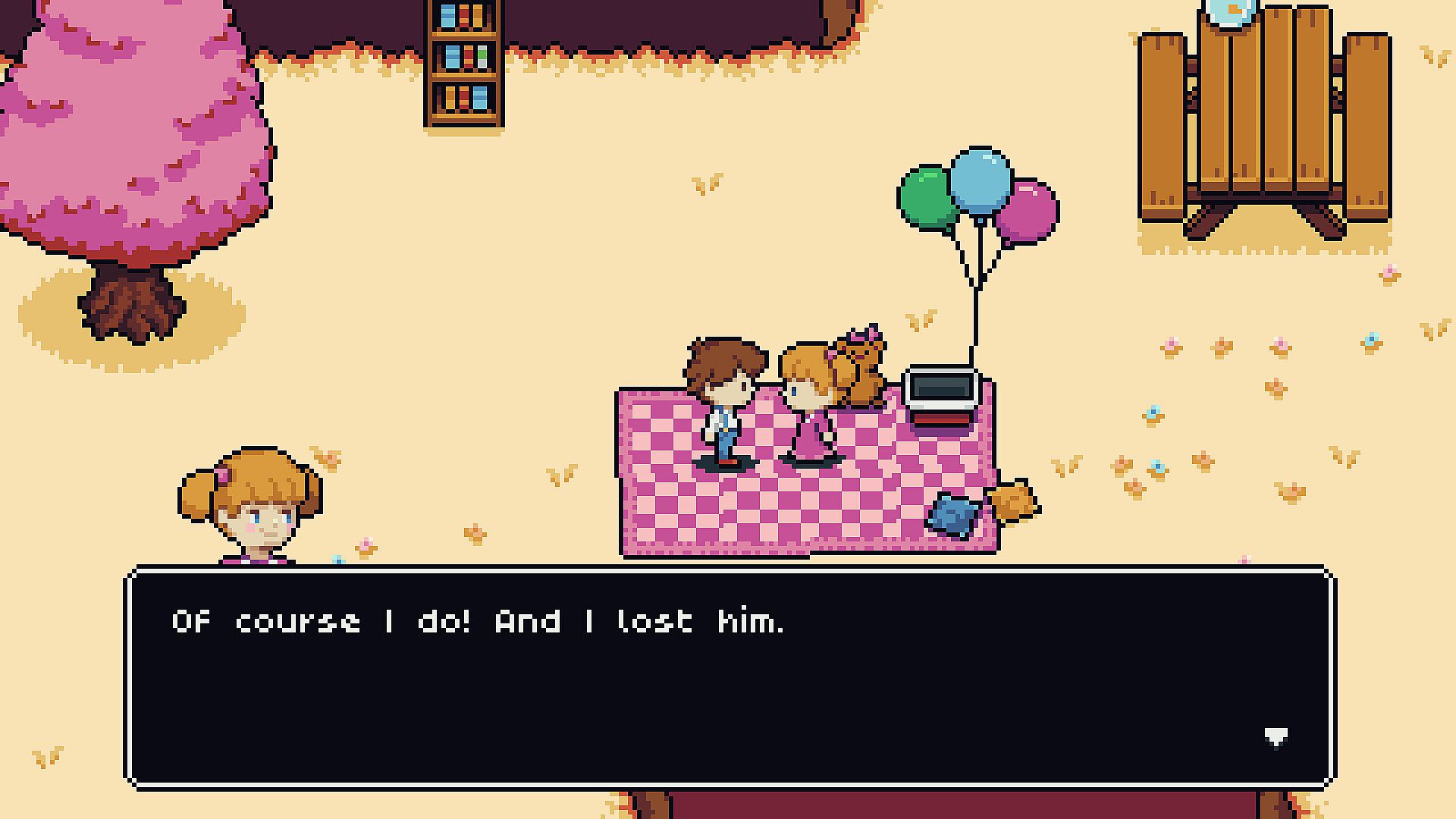
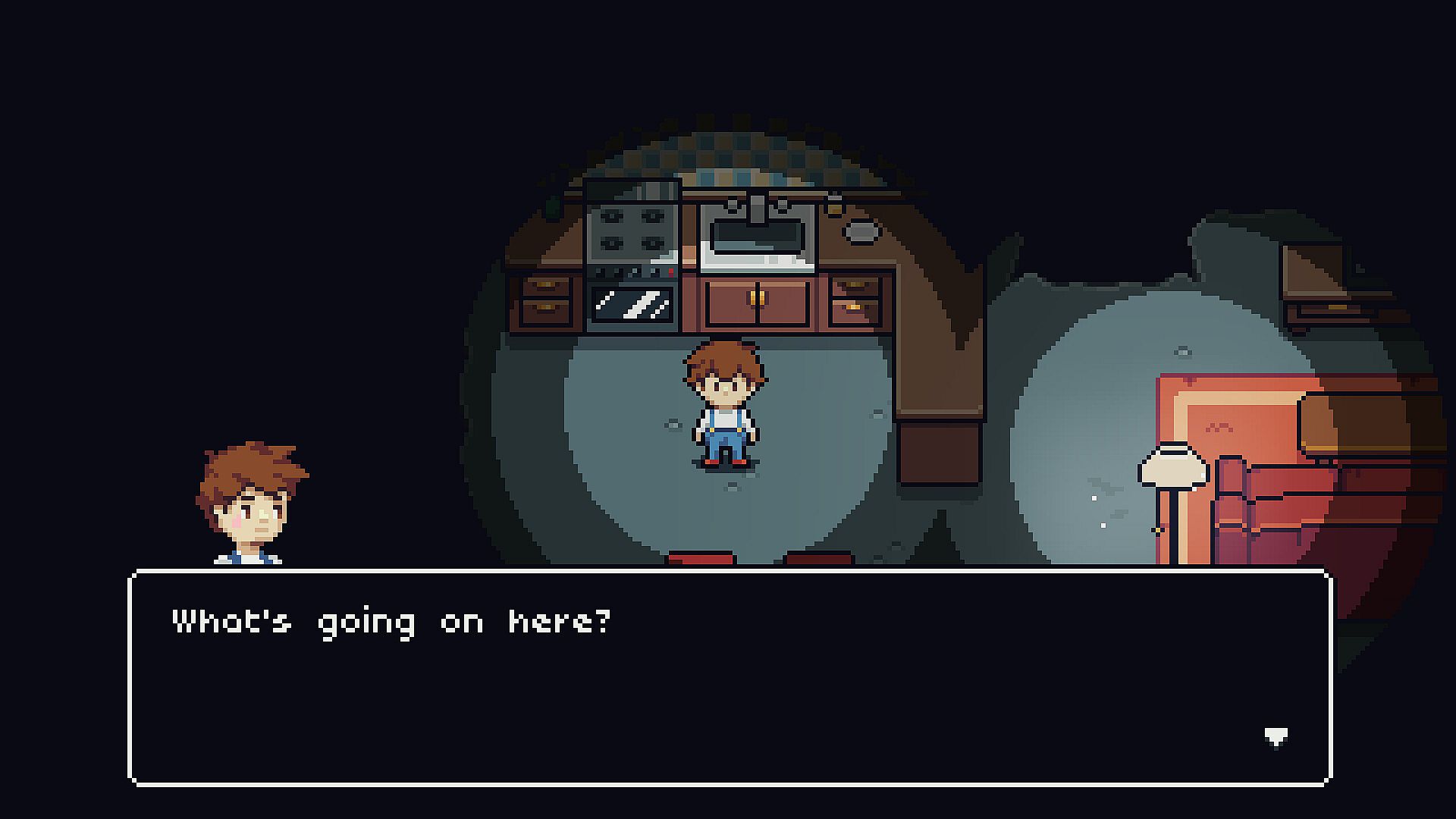
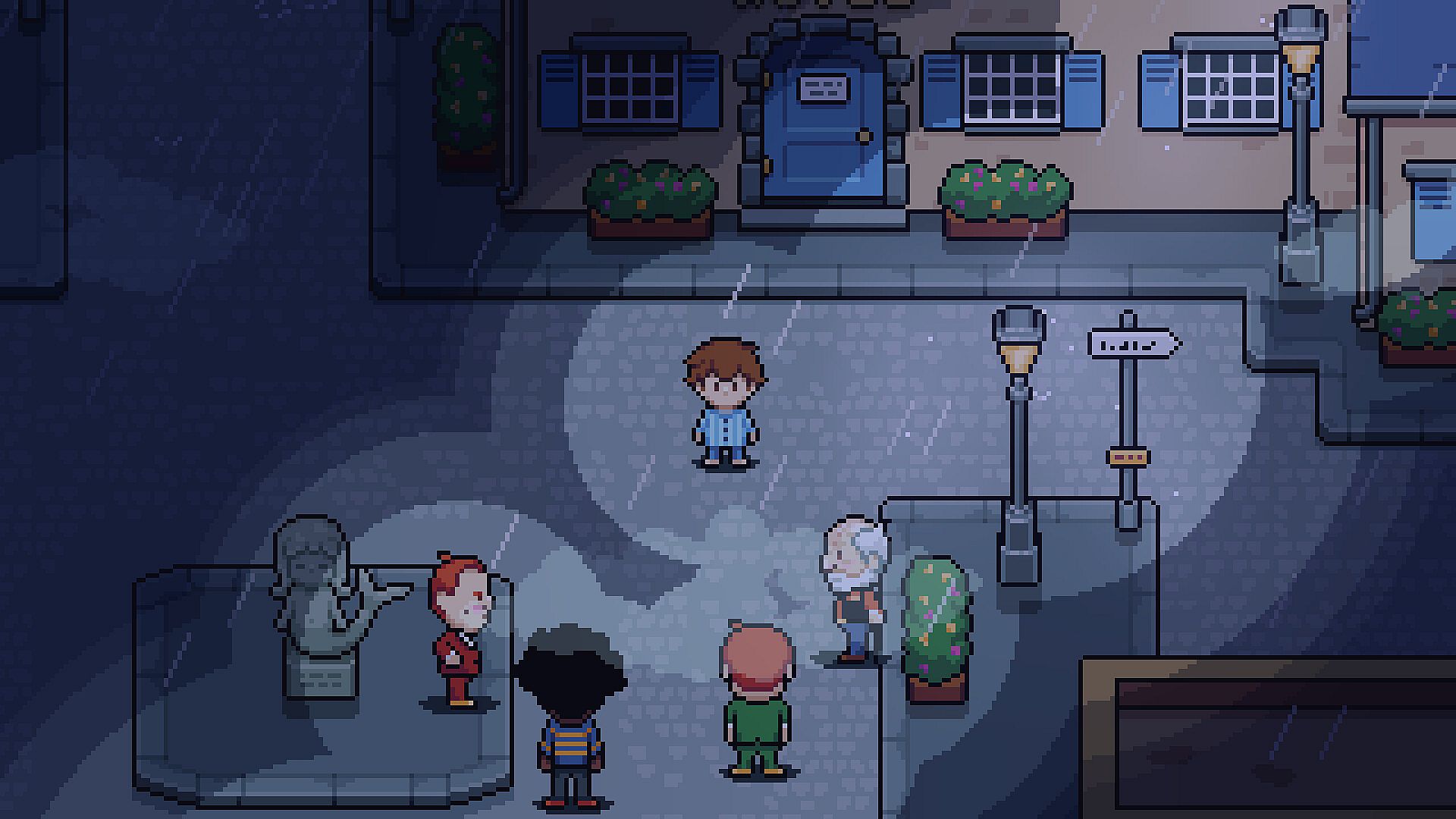
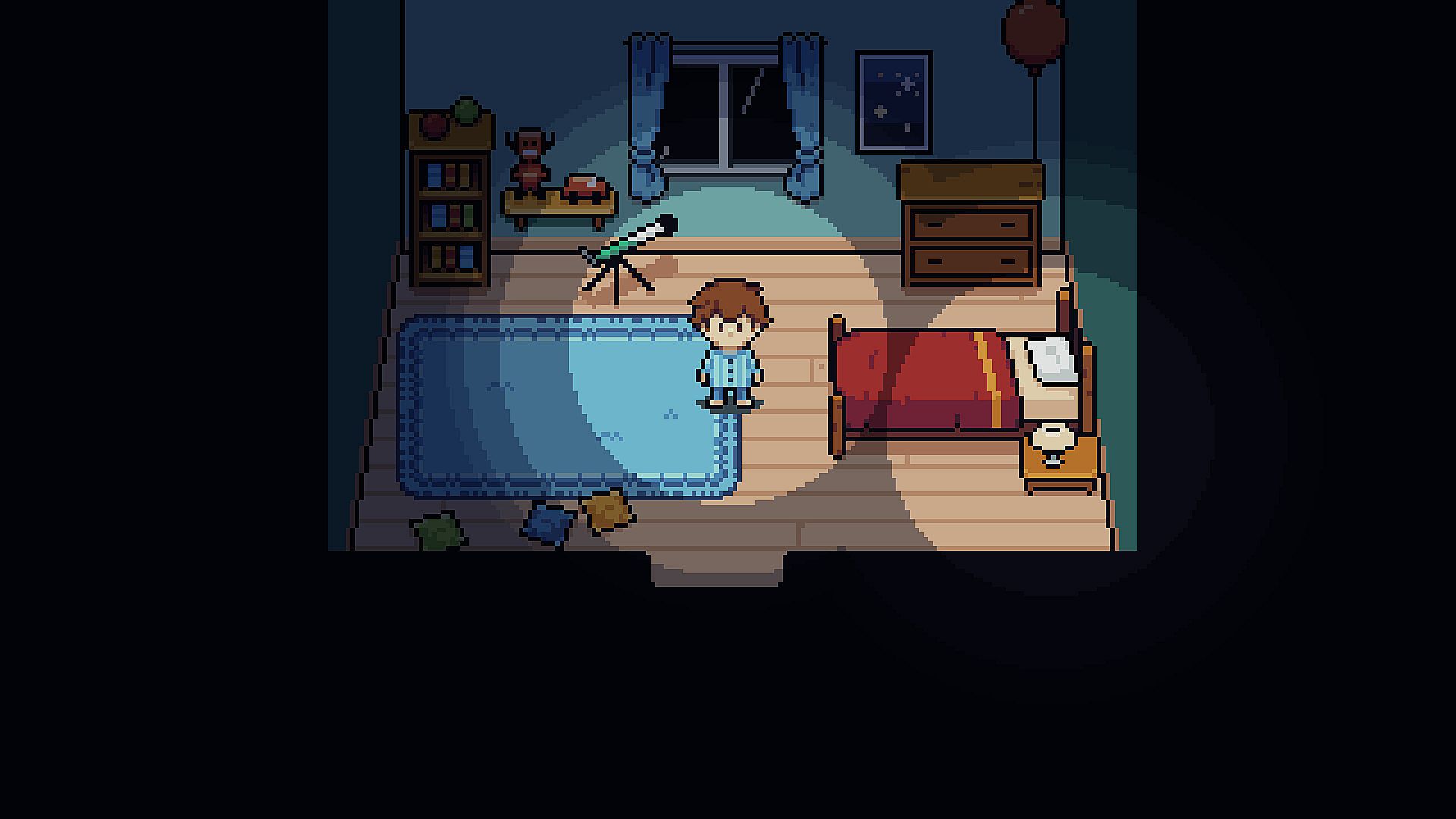
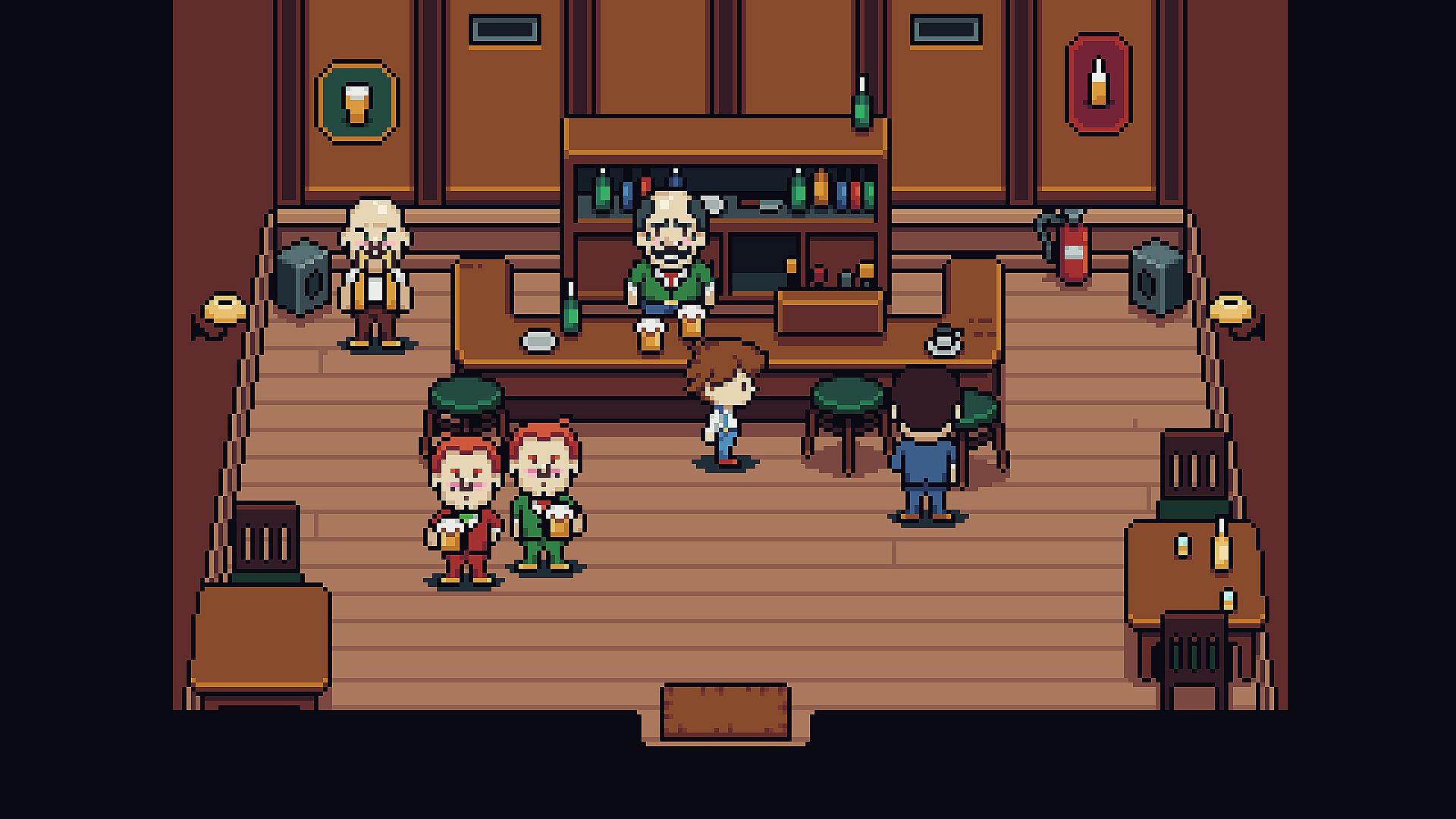
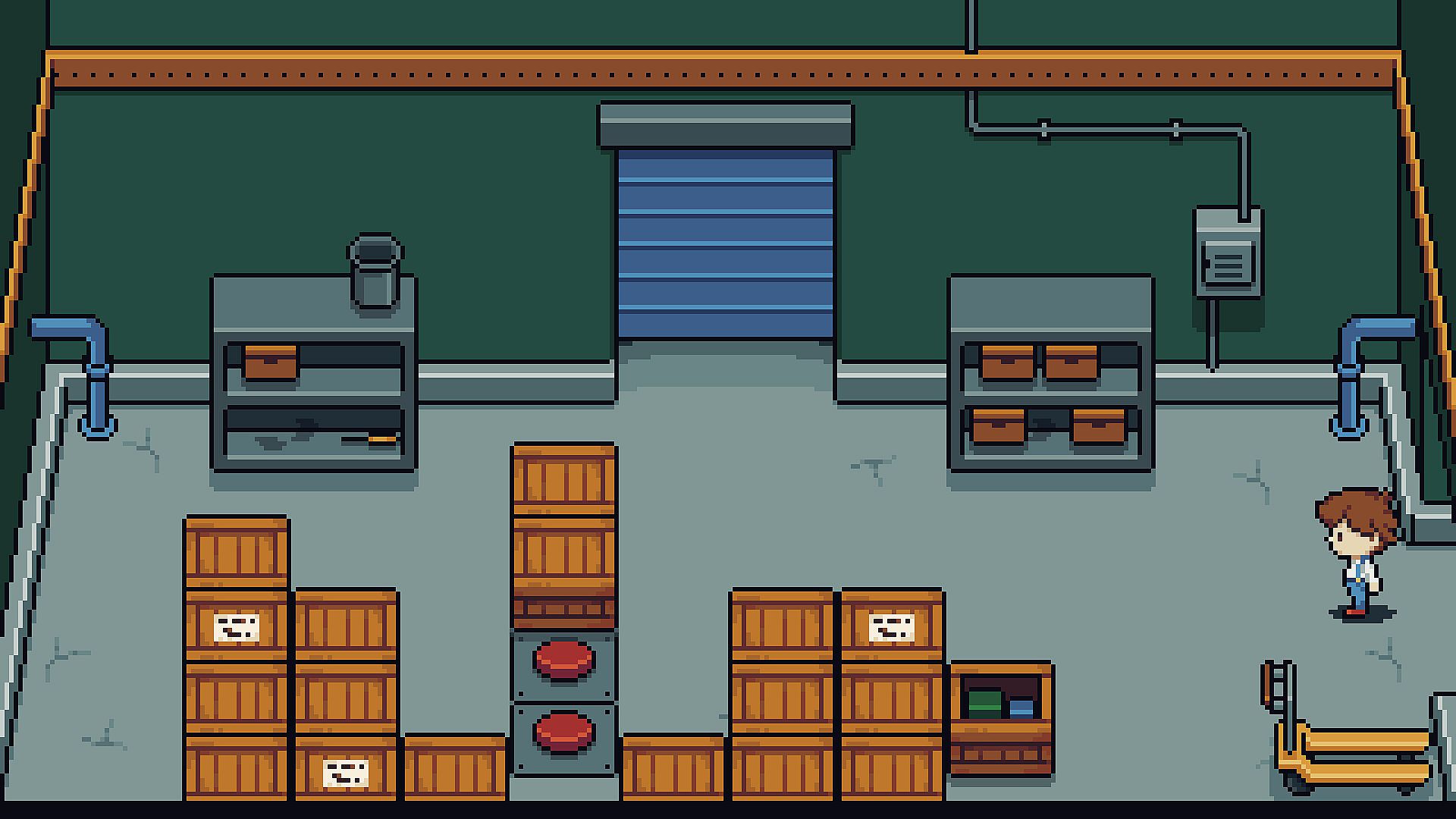
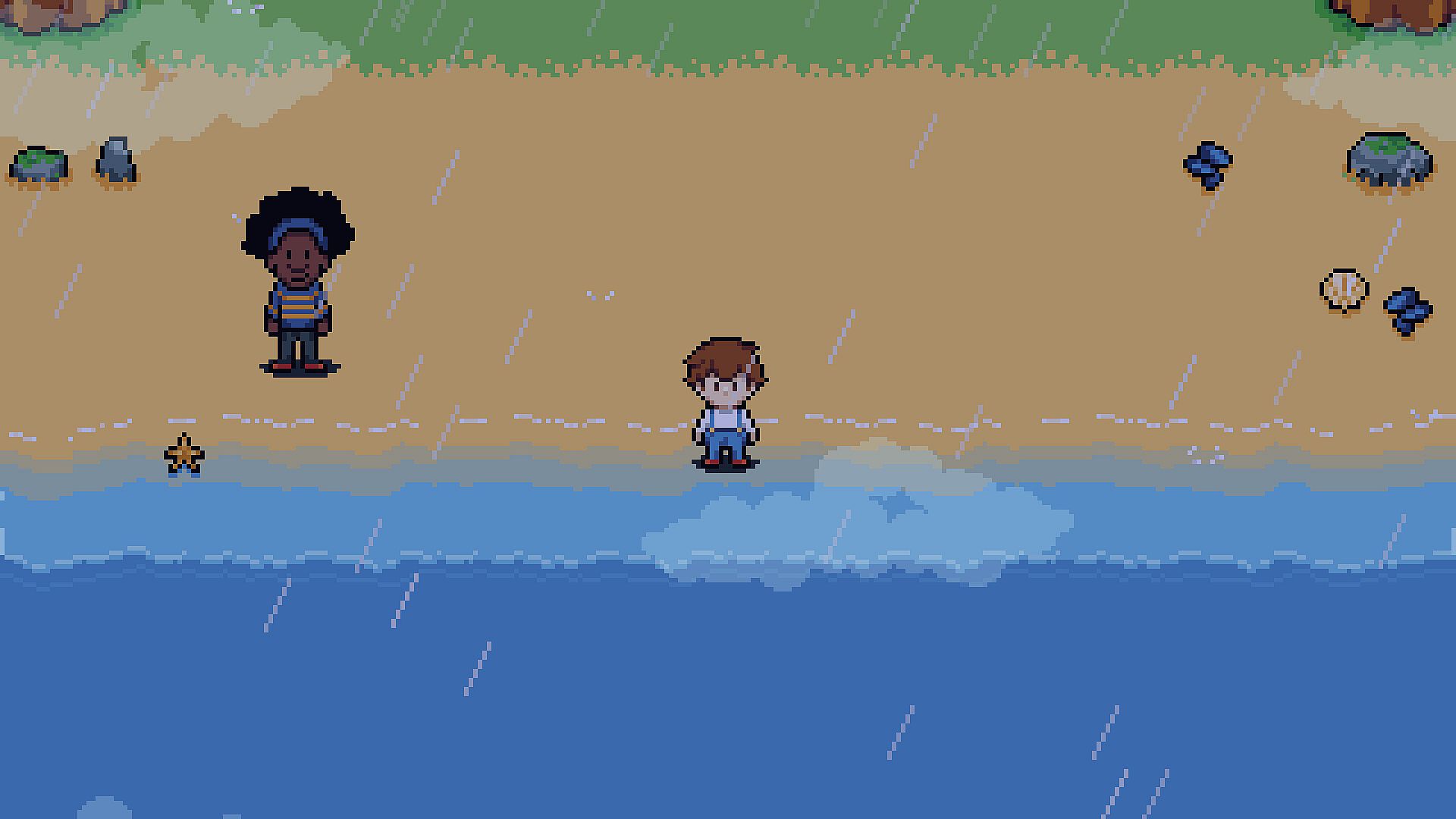
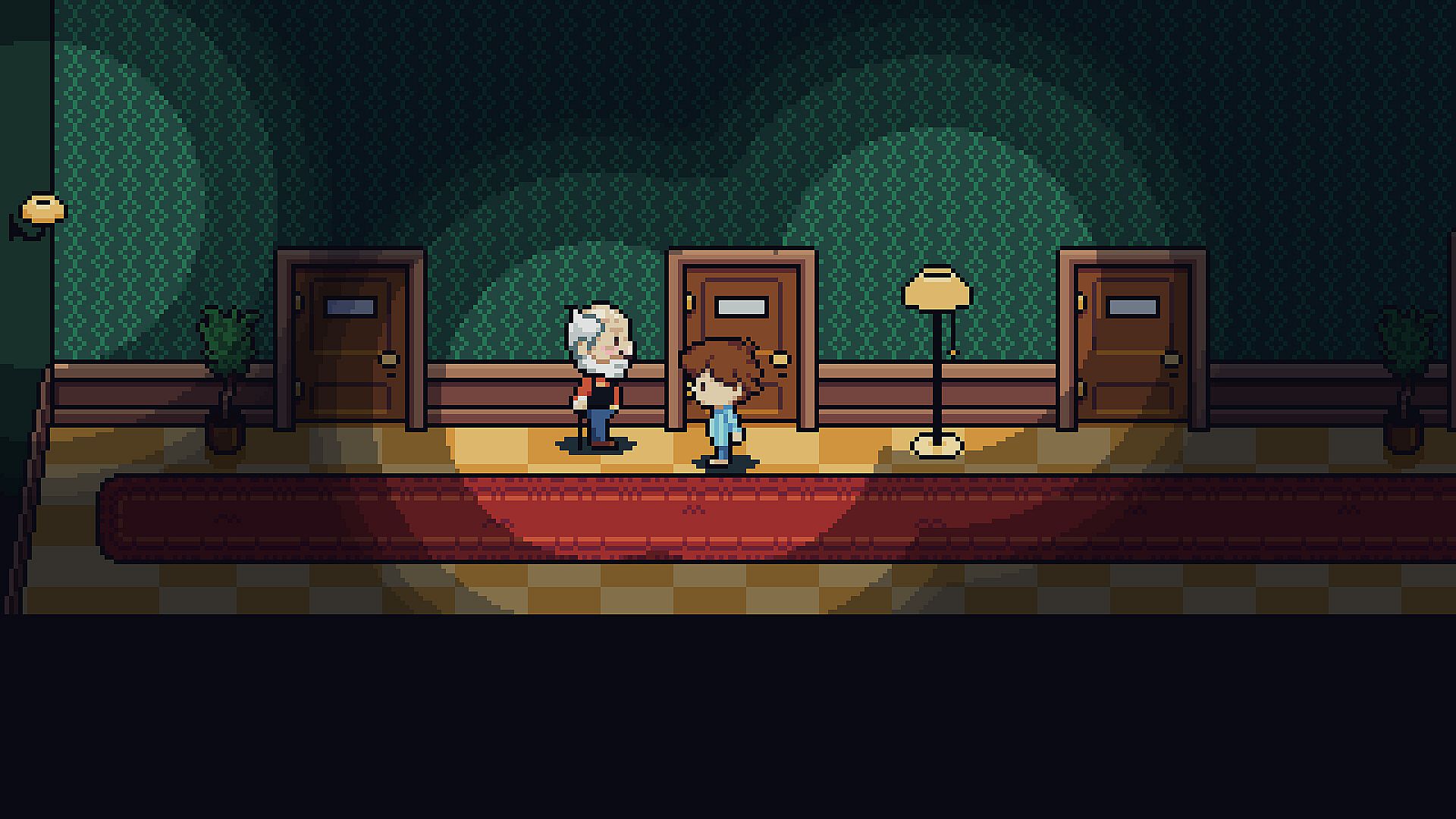
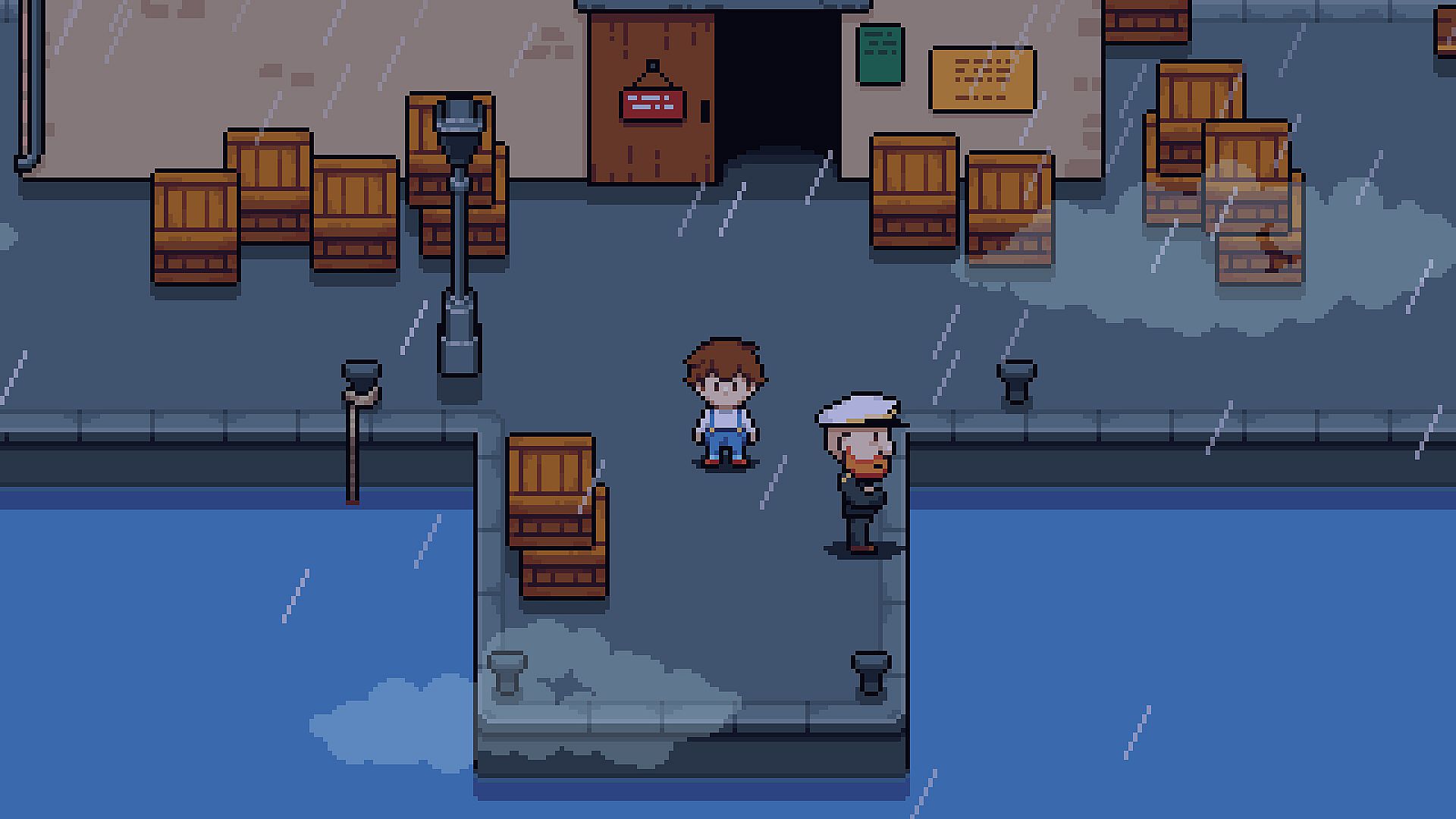
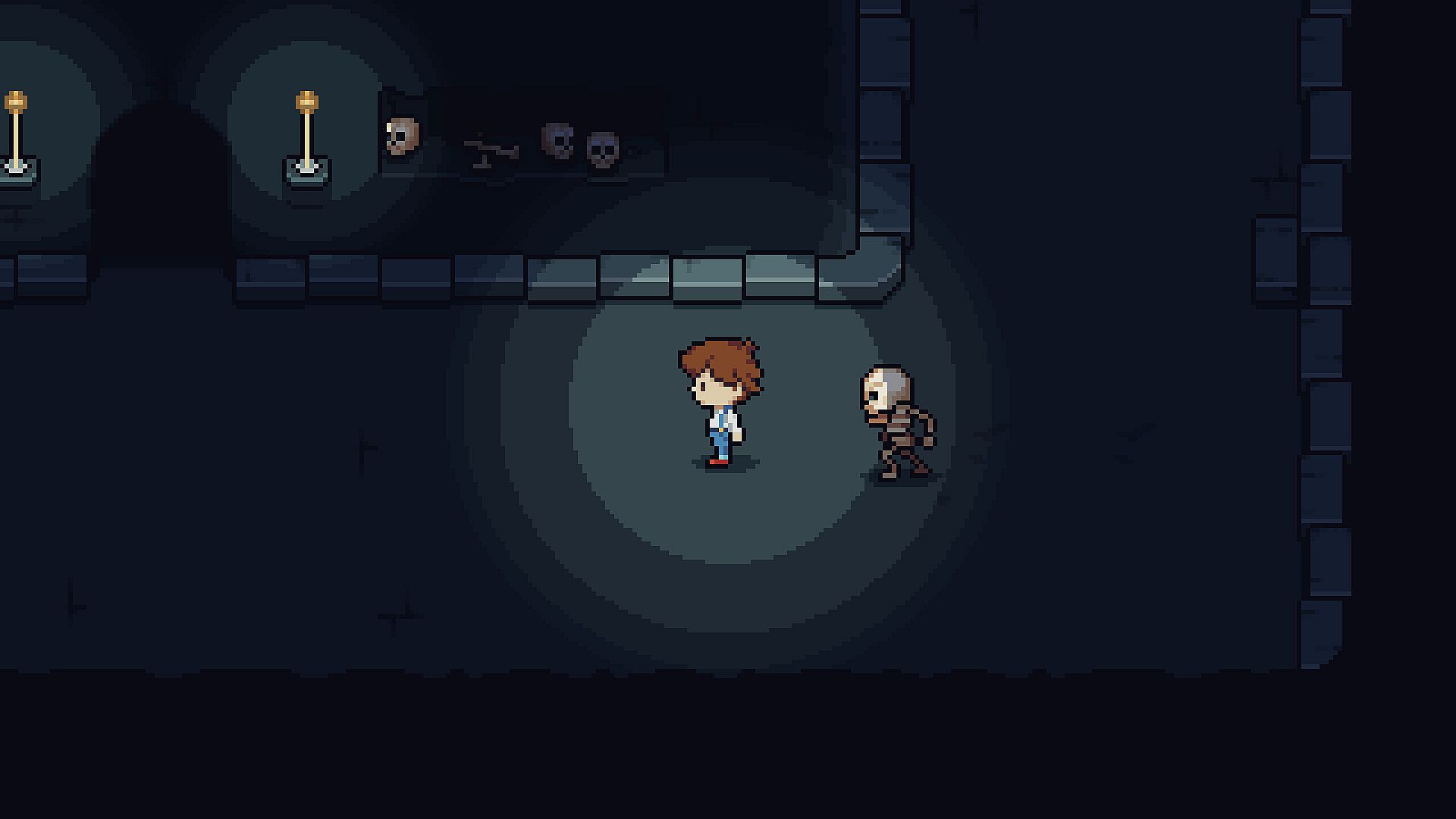
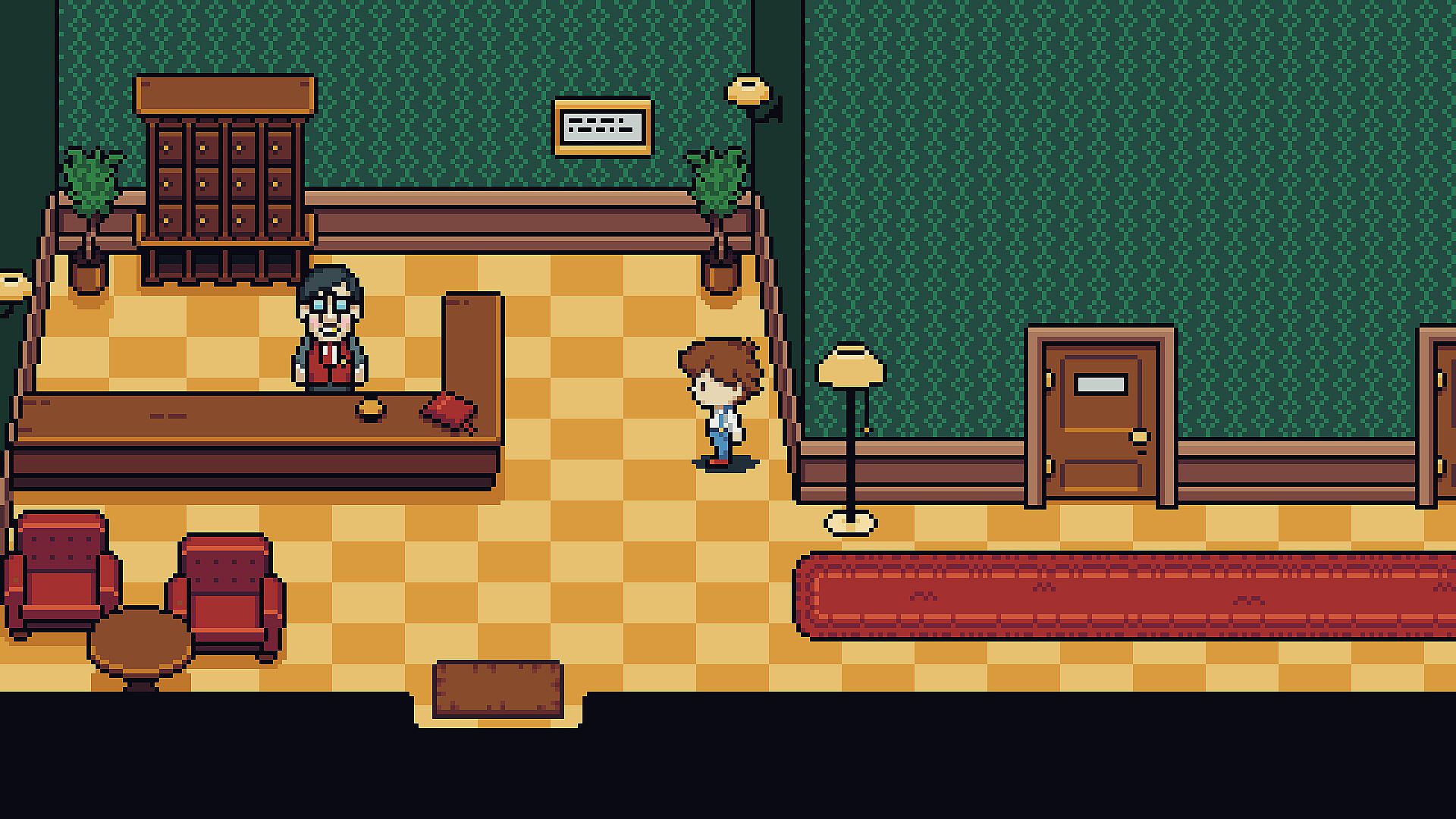
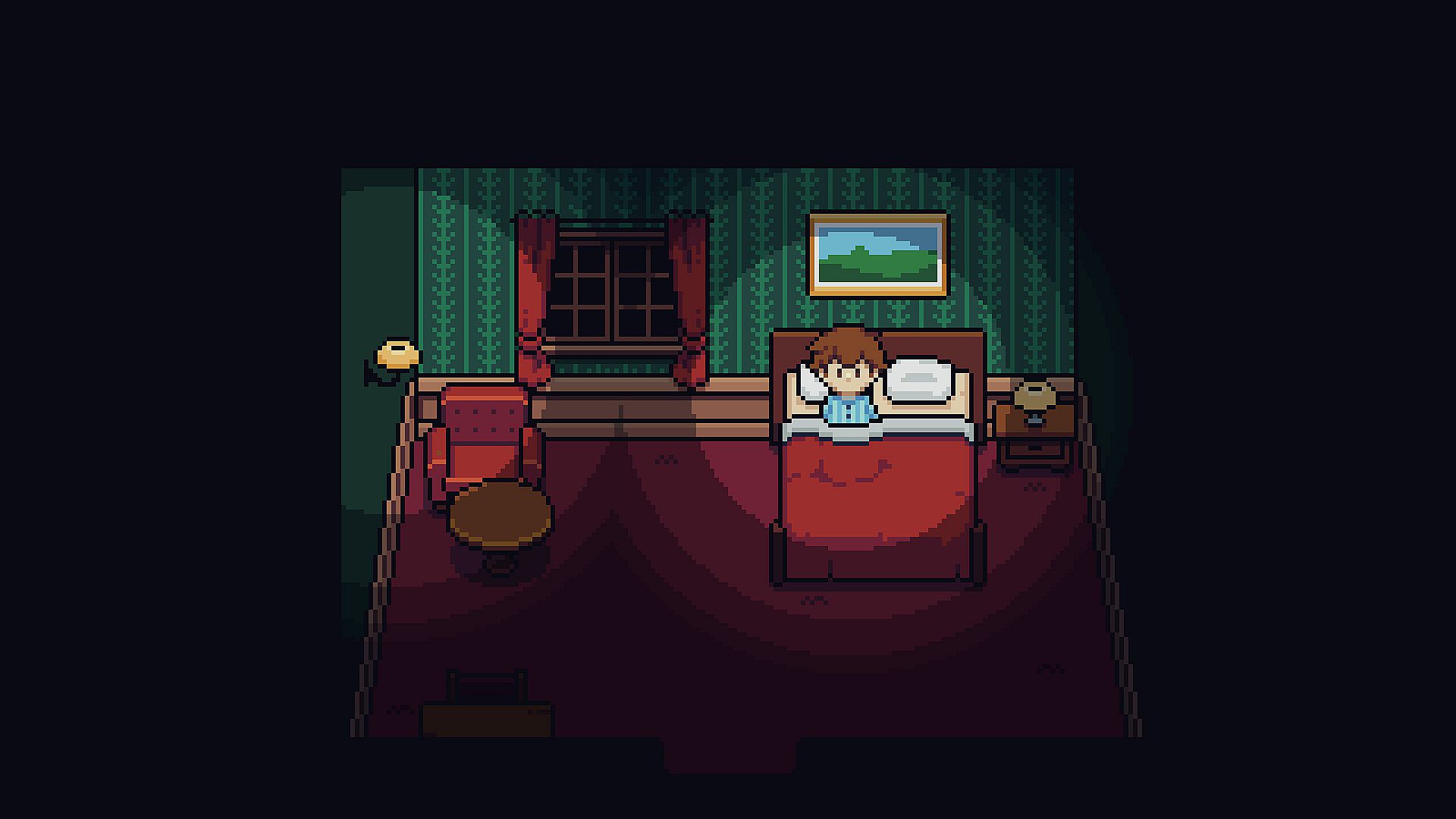
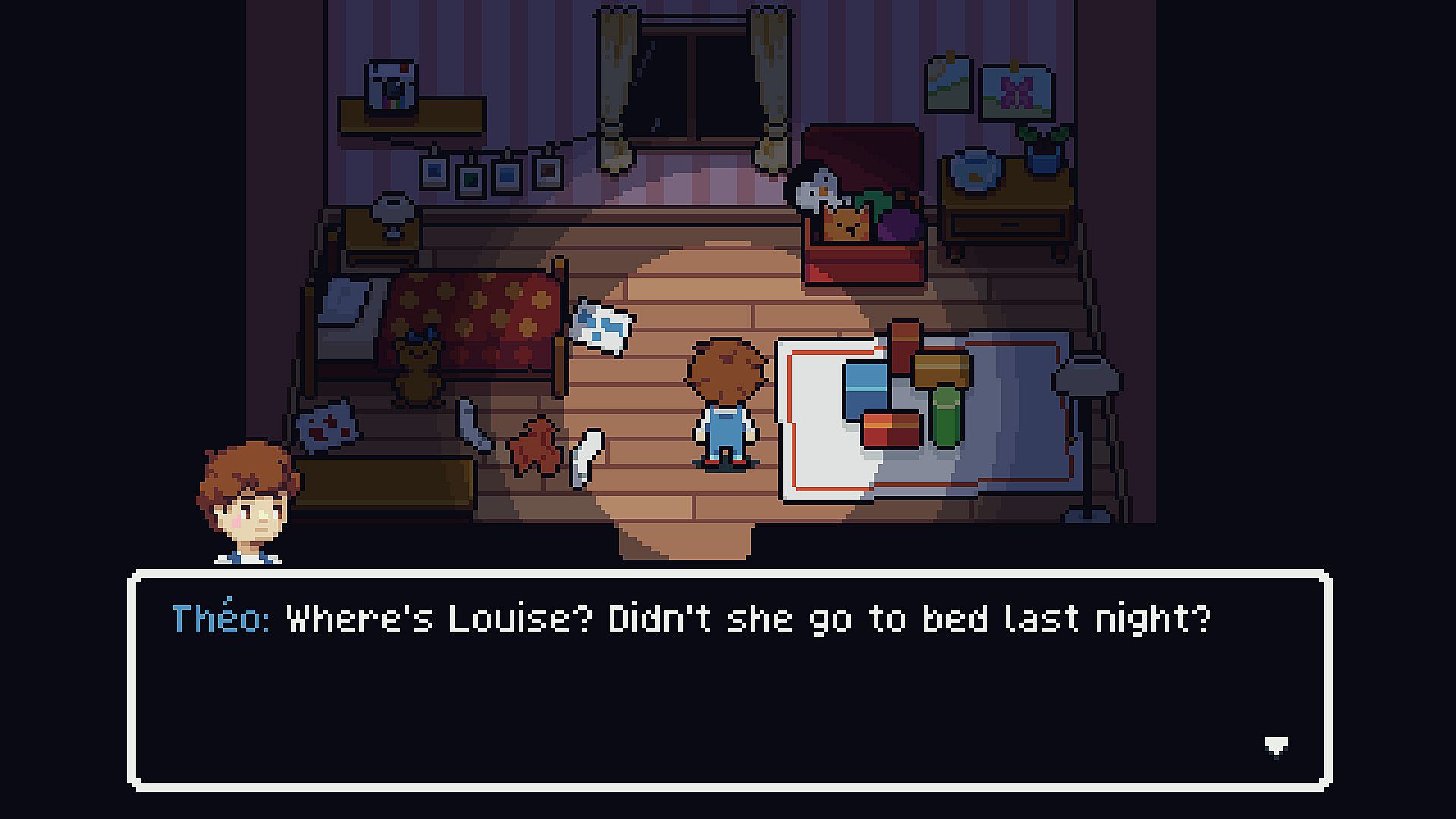
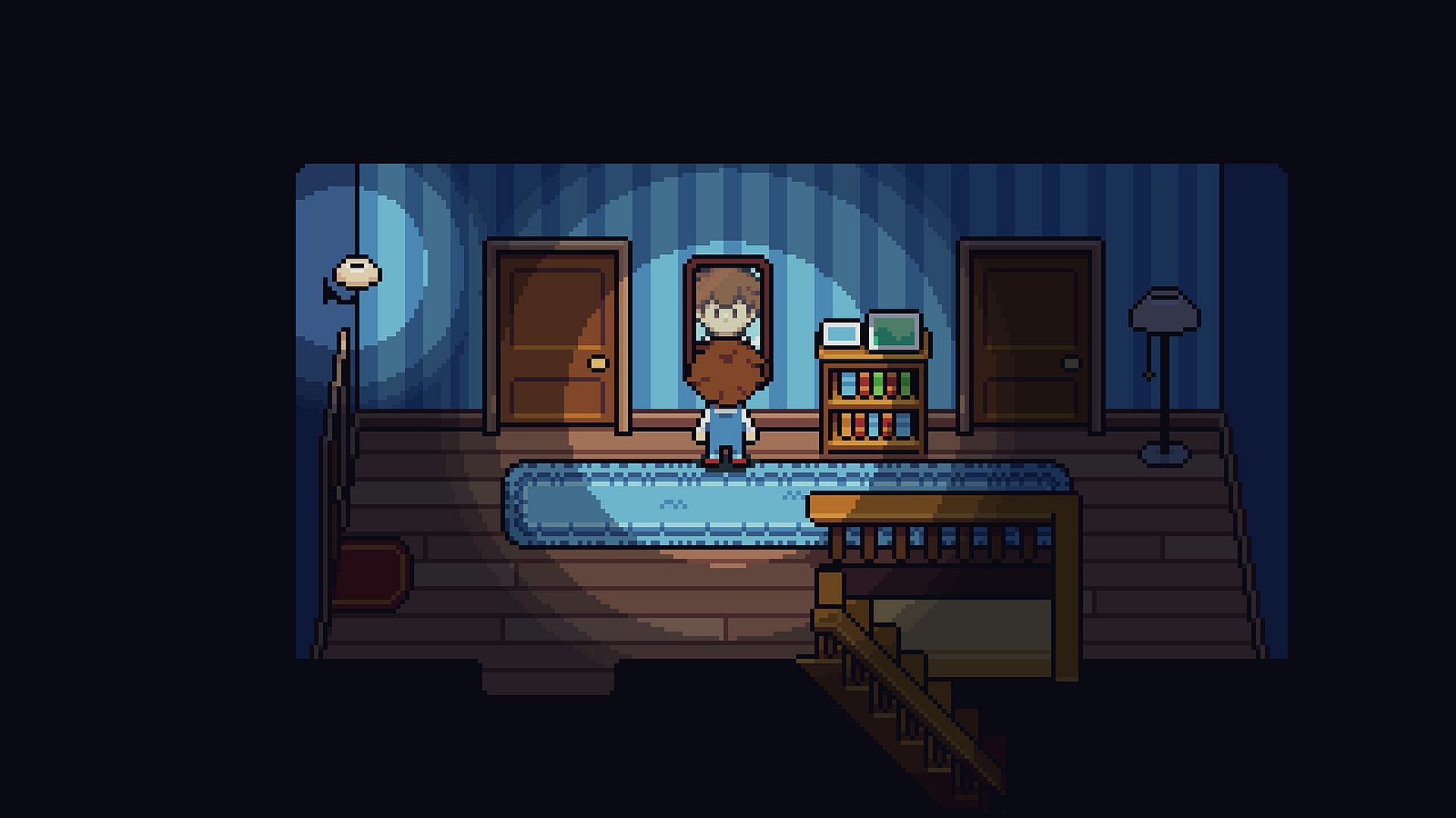
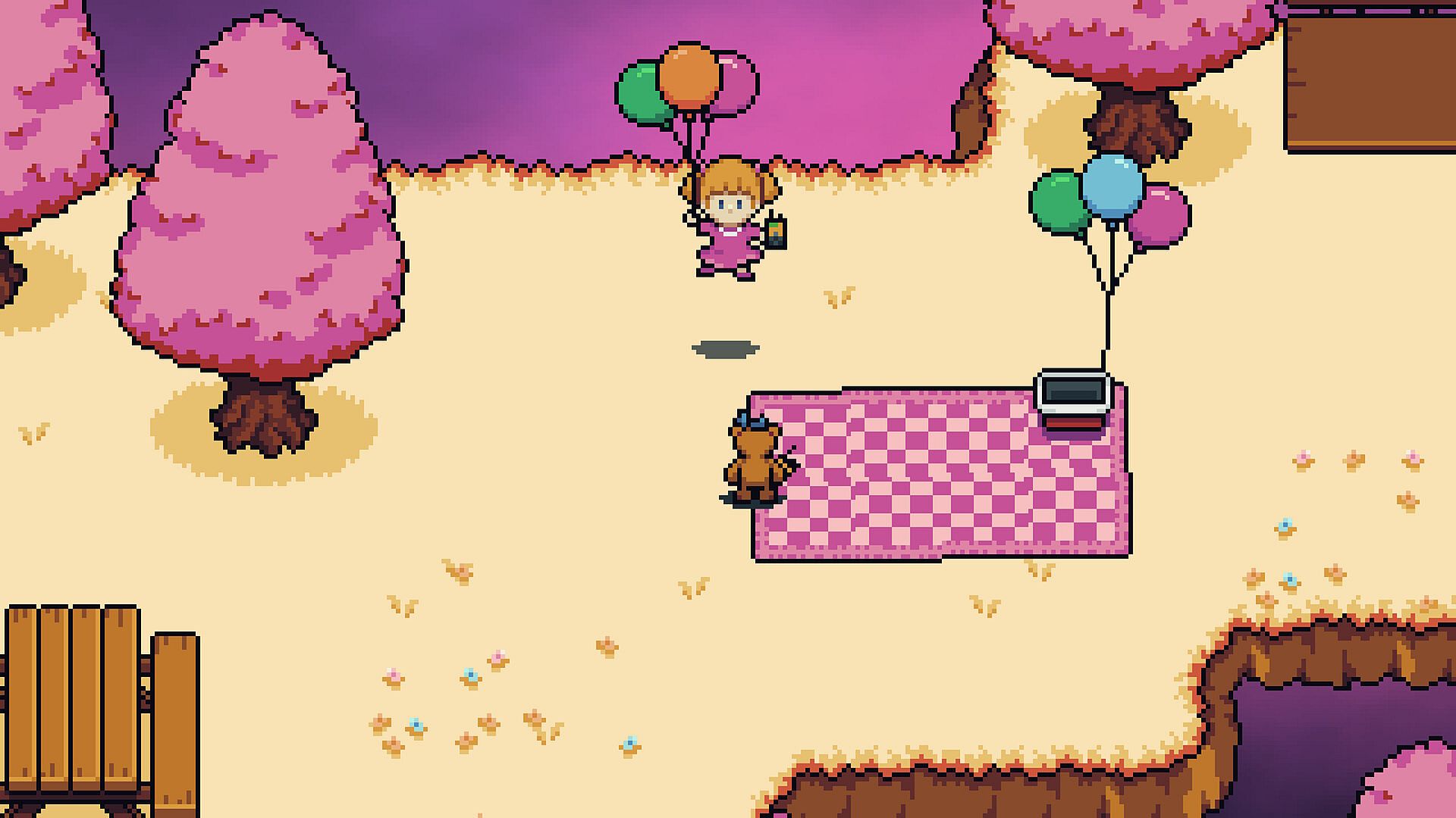
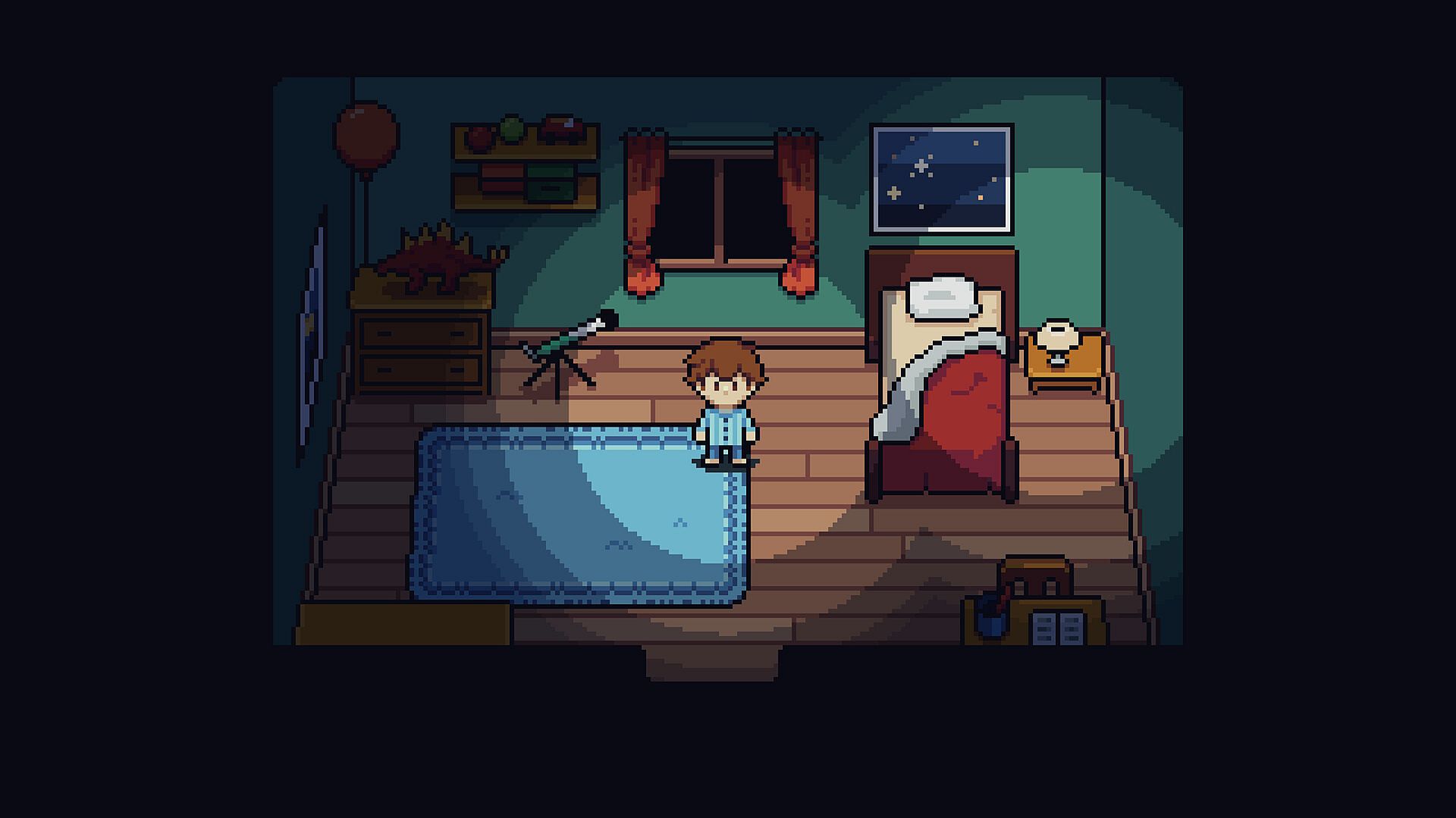
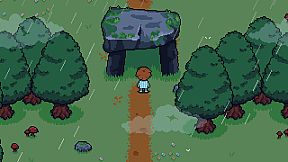
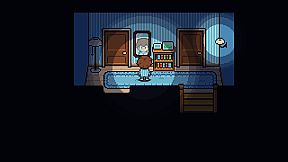
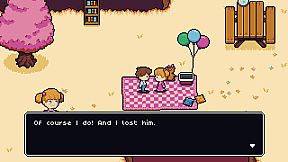
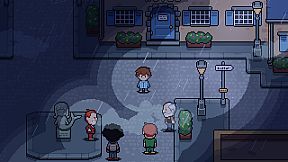
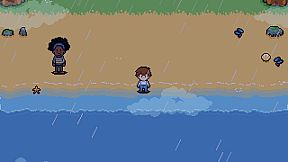
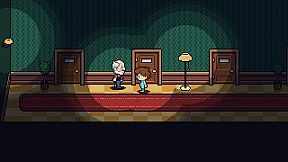
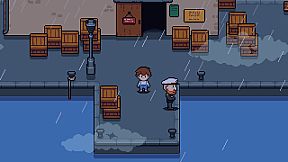
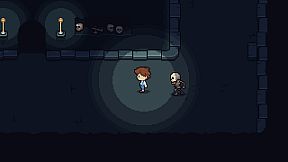
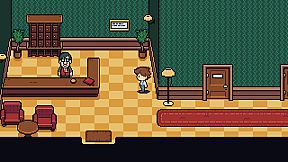
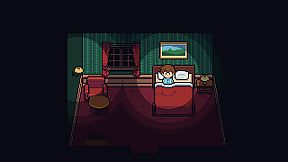
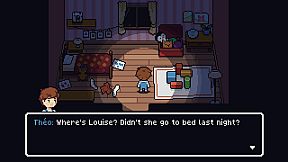
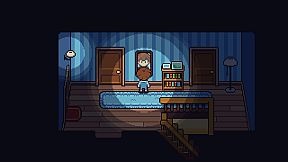
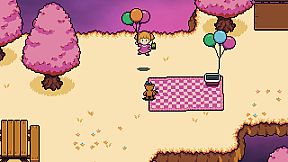
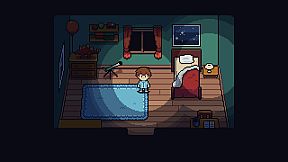
Dreamed Away é um RPG de ação e aventura para um jogador que combina terror psicológico com exploração e uma narrativa guiada por escolhas. Ambientado na França dos anos 1990, o jogo acompanha Théo enquanto ele explora uma versão distorcida de seu mundo após o desaparecimento de sua família em uma noite chuvosa. O jogador controla o jovem protagonista por cenários artesanais em pixel art detalhado, transitando entre bairros conhecidos e espaços subterrâneos sombrios repletos de ameaças sobrenaturais.
Jogabilidade
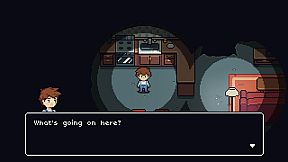
O ciclo principal gira em torno da exploração e de um avanço deliberado. Théo busca sua irmã Louise percorrendo catacumbas e locais sombrios, interagindo com vestígios do mundo antigo. Encontros com fantasmas, espectros e revenants acontecem apenas em áreas específicas, sem ativação aleatória, permitindo que o jogador se prepare ou evite os perigos quando possível.
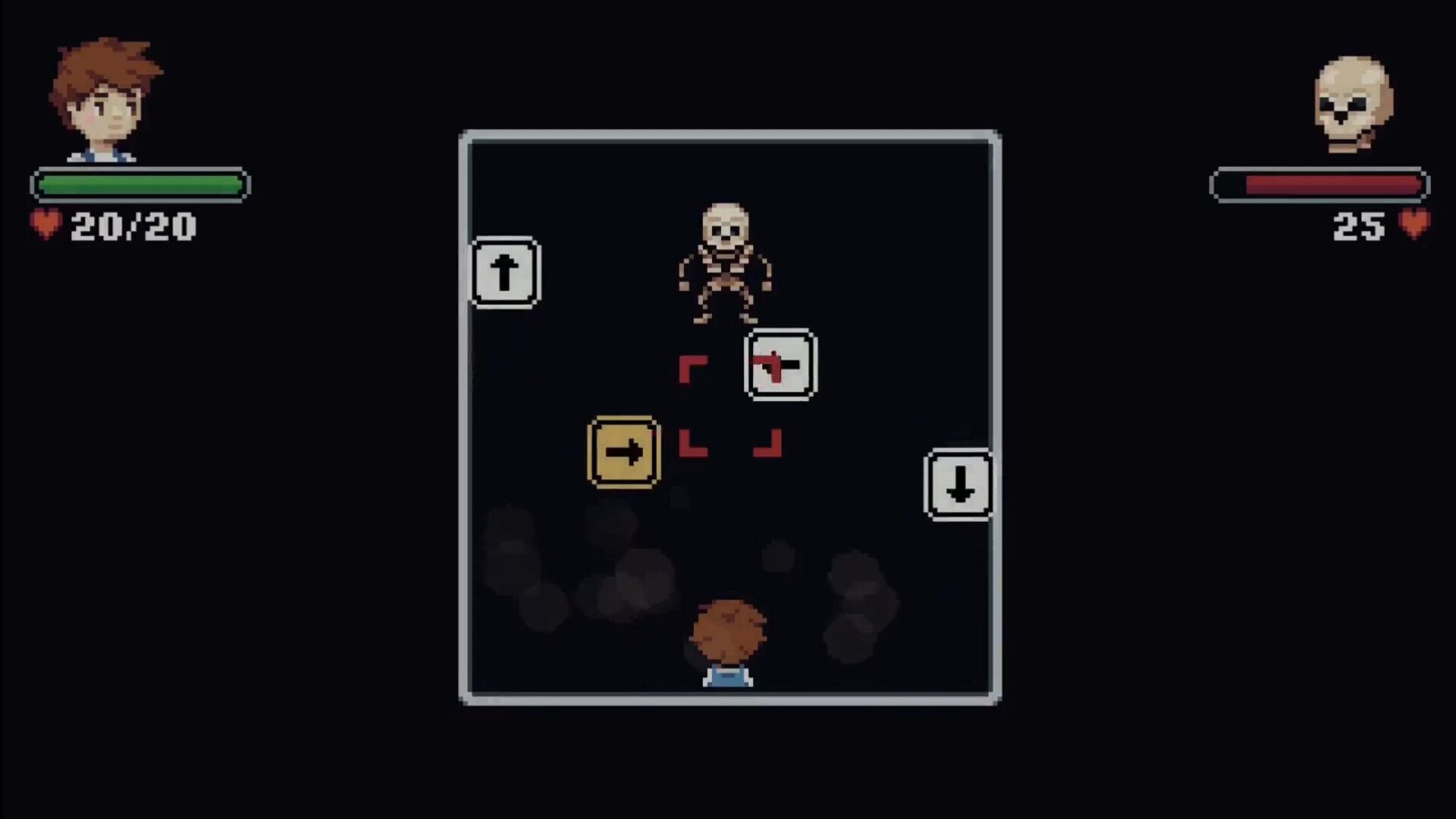
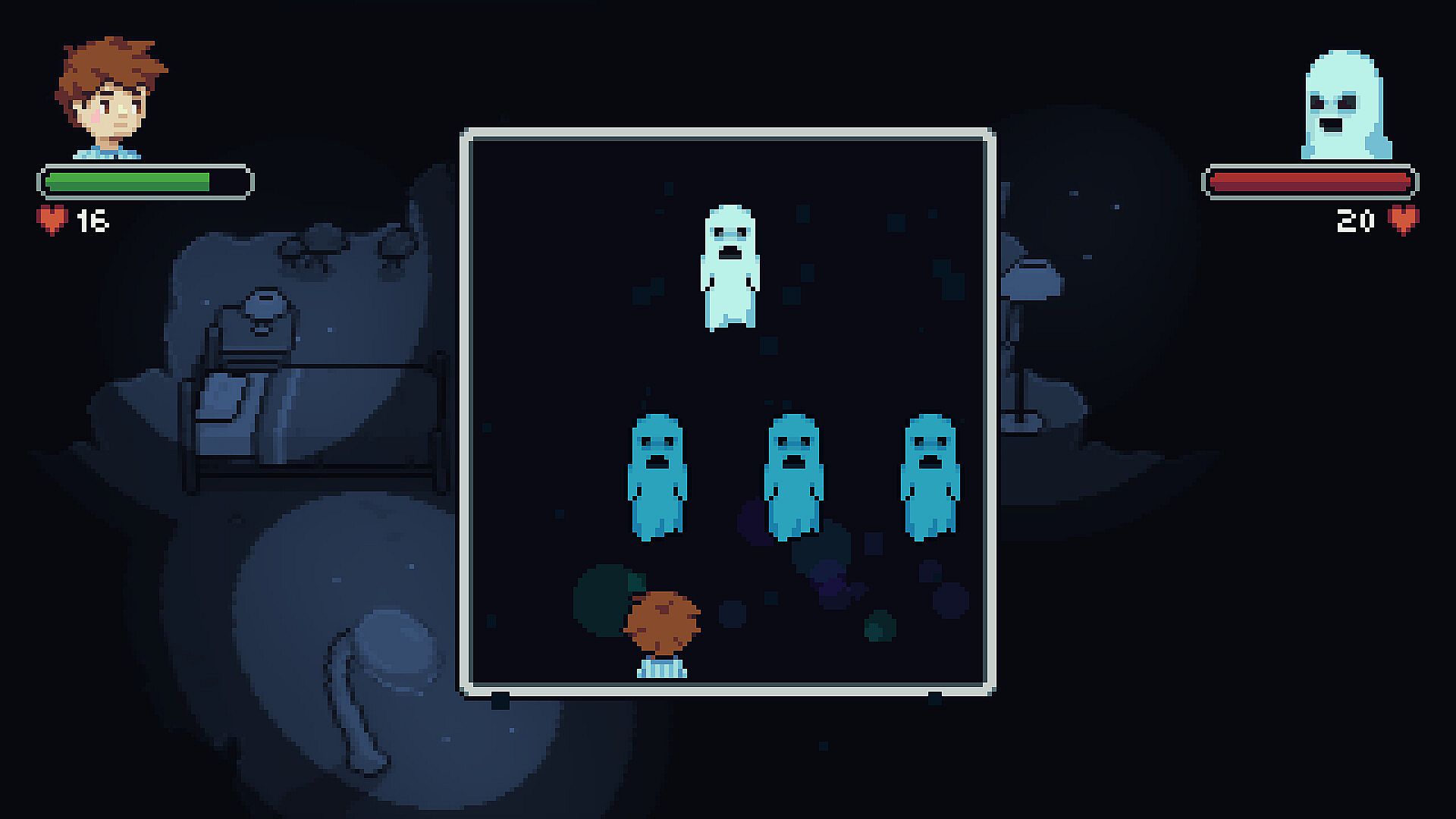
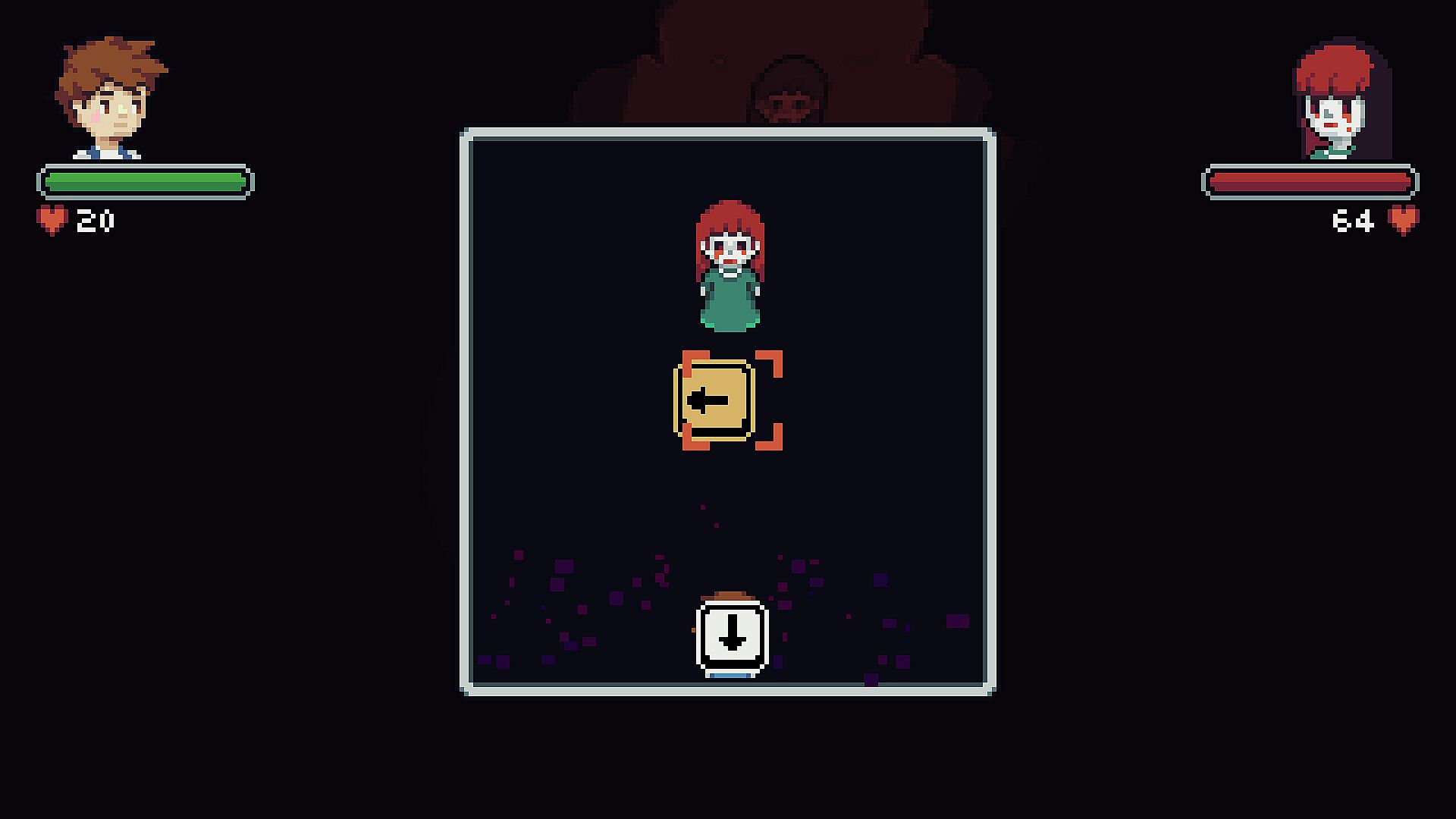
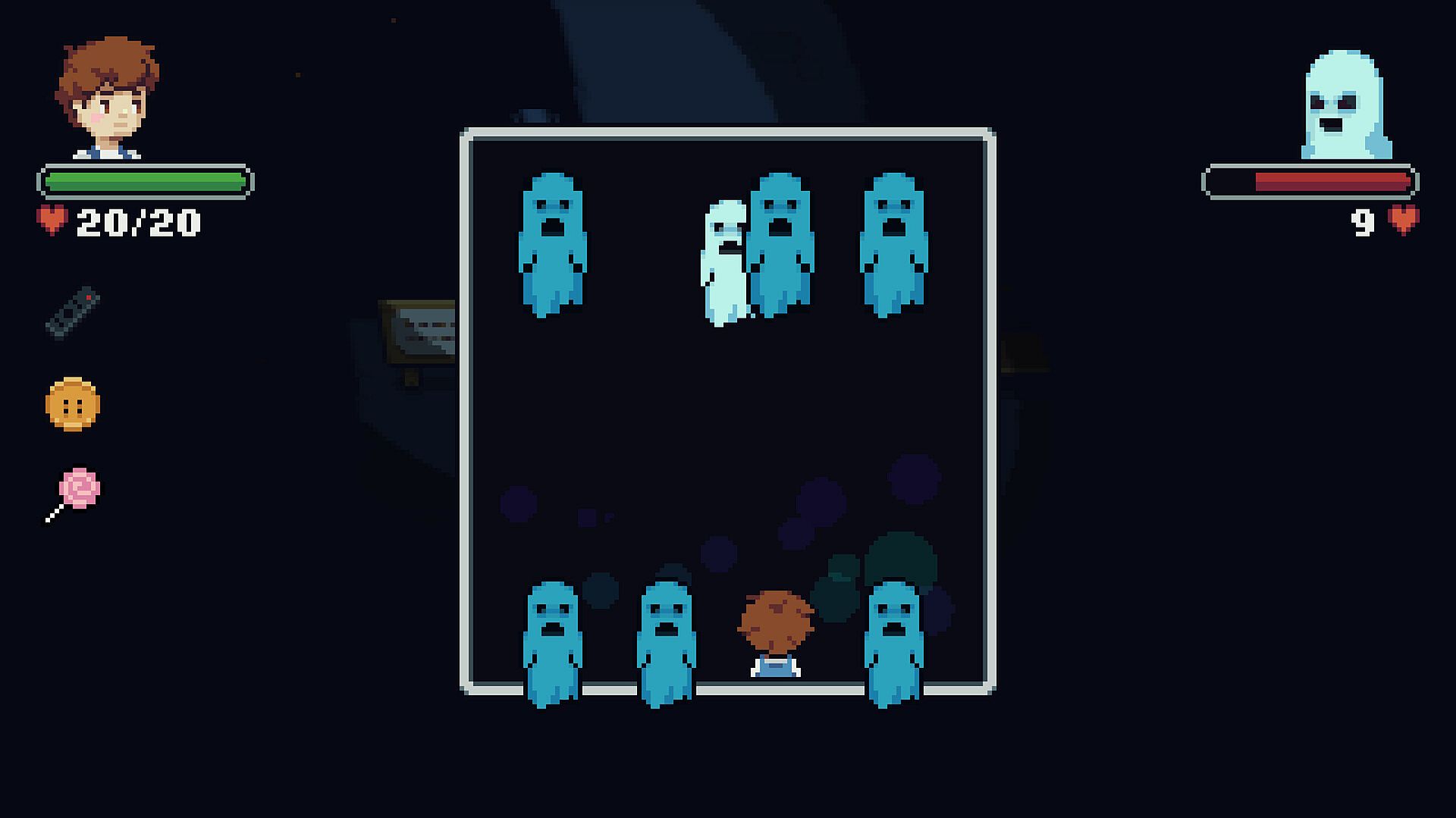
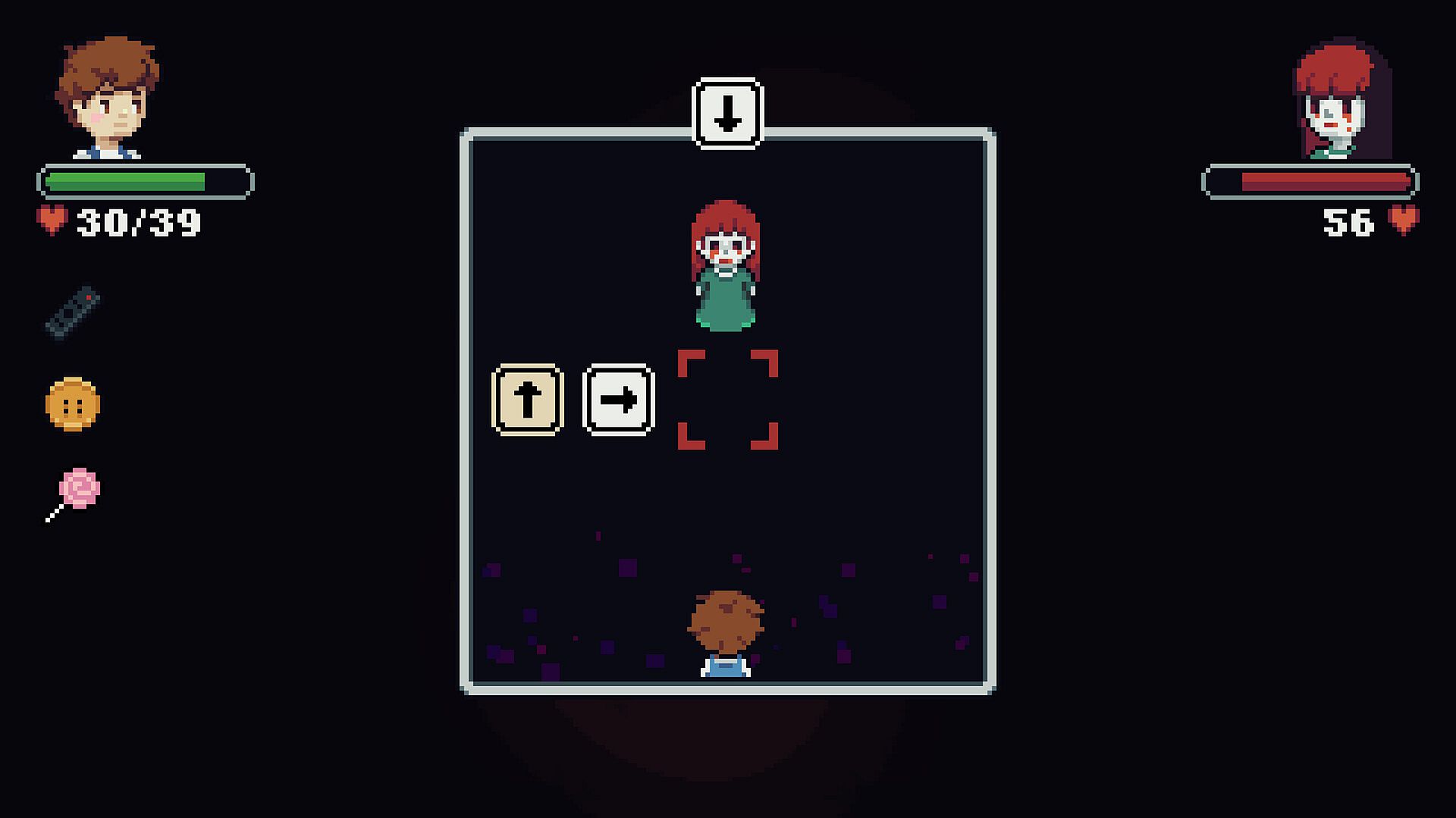
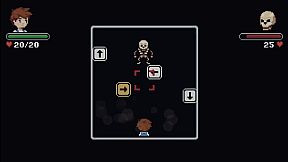
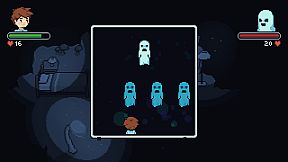
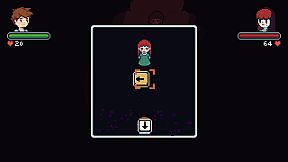
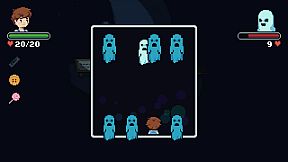
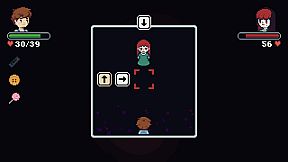
O combate substitui os menus tradicionais por uma série de minijogos baseados em tempo. Cada inimigo apresenta padrões únicos que exigem esquivas precisas e pressionamentos de botões para atacar ou defender com eficácia. O sucesso depende de ler medidores em movimento e acertar golpes nas zonas ideais para causar dano extra ou realizar ataques em sequência. Equipamentos e habilidades acrescentam camadas de estratégia, incentivando o jogador a adaptar suas táticas conforme a complexidade dos inimigos aumenta ao longo da jornada.
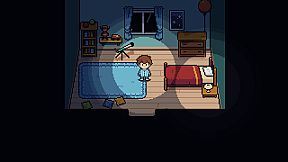
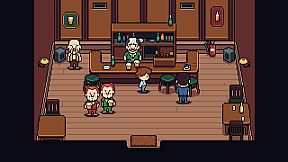
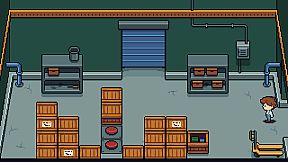
A variedade de ambientes reforça o tom narrativo. As primeiras áreas apresentam paletas mais claras e tranquilas, que vão gradualmente se tornando mais escuras e inquietantes. A trilha sonora original, composta por Nicolas Petton, acompanha essas transições com faixas atmosféricas que refletem a mudança de clima.
Modos de Jogo
Dreamed Away é uma experiência exclusivamente single-player, centrada na progressão narrativa. Não há componentes multiplayer ou modos competitivos separados. A campanha principal se desenvolve por meio de segmentos de exploração, escolhas em diálogos e encontros de combate que avançam o mistério central.
Caminhos alternativos e elementos ocultos incentivam novas partidas. Existem múltiplos finais baseados nas decisões tomadas durante a história, além de conquistas desbloqueáveis e segredos opcionais espalhados pelos cenários. Essa estrutura recompensa a exploração completa sem alterar o formato fundamental de jogo single-player.
História e Cenário
A narrativa explora temas como laços familiares, medo da perda e questionamentos sobre a própria realidade. Théo permanece um passo atrás de sua irmã desaparecida durante grande parte da aventura, reunindo pistas em um mundo que parece ao mesmo tempo familiar e profundamente alterado. O cenário francês dos anos 1990 serve como ponto de partida realista, contrastando com os elementos sobrenaturais que surgem ao longo do caminho.
A imersão narrativa avança por meio de detalhes ambientais e interações entre personagens, em vez de longas cutscenes. O estilo em pixel art reforça a sensação de lugar, com locais variados que acompanham o arco emocional, da confusão inicial até o confronto mais profundo com a escuridão.
Vale a Pena Jogar?
O feedback dos jogadores na versão do Steam tem sido bastante positivo, com 89% das avaliações iniciais classificando o jogo de forma favorável. Os críticos costumam destacar o sistema de combate diferenciado, o pixel art marcante e o peso emocional da história como pontos de destaque. O jogo agrada especialmente a quem busca RPGs indie narrativos com foco em atmosfera e descoberta pessoal.
Alguns jogadores mencionam que certas mecânicas podem parecer pouco polidas em alguns momentos e que o ritmo varia, mas a duração reduzida e o valor de replay proporcionado pelos múltiplos finais compensam esses aspectos para muitos. Quem se interessa por terror psicológico misturado a elementos de ação e aventura e combate baseado em habilidade encontrará mais a apreciar aqui. O título está disponível para PC e consoles, sendo acessível para fãs de experiências compactas e focadas em história.


