







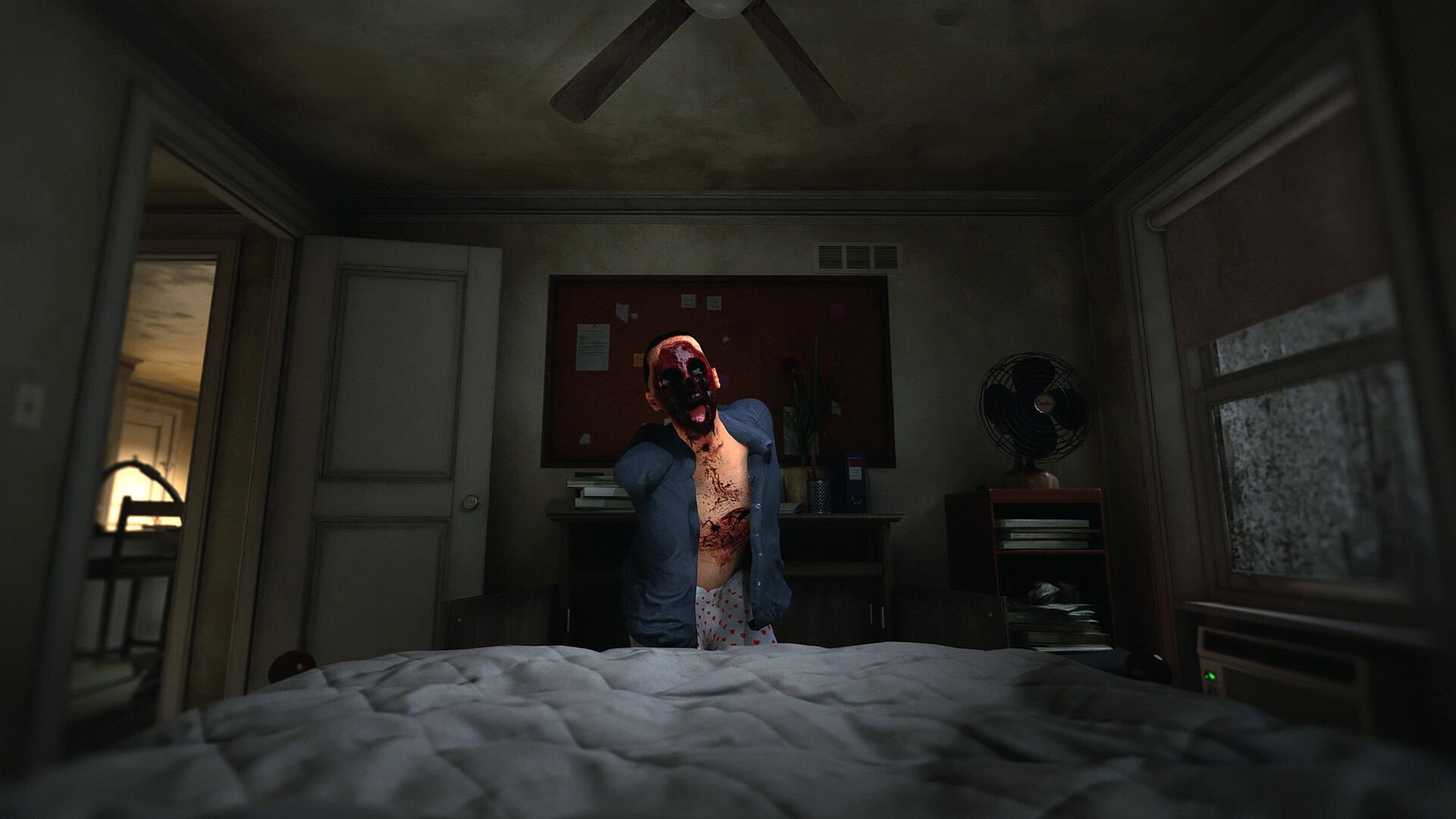
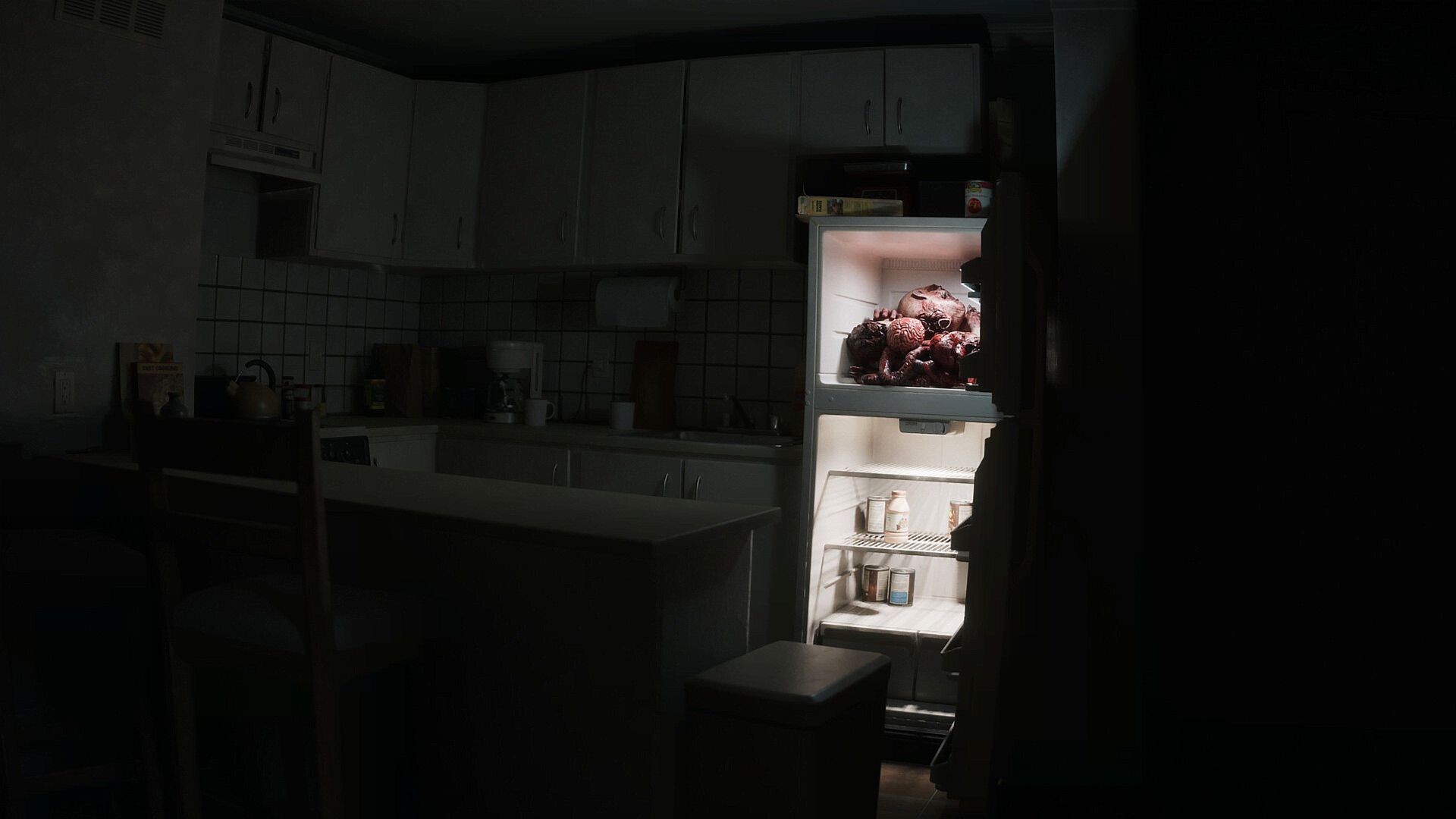
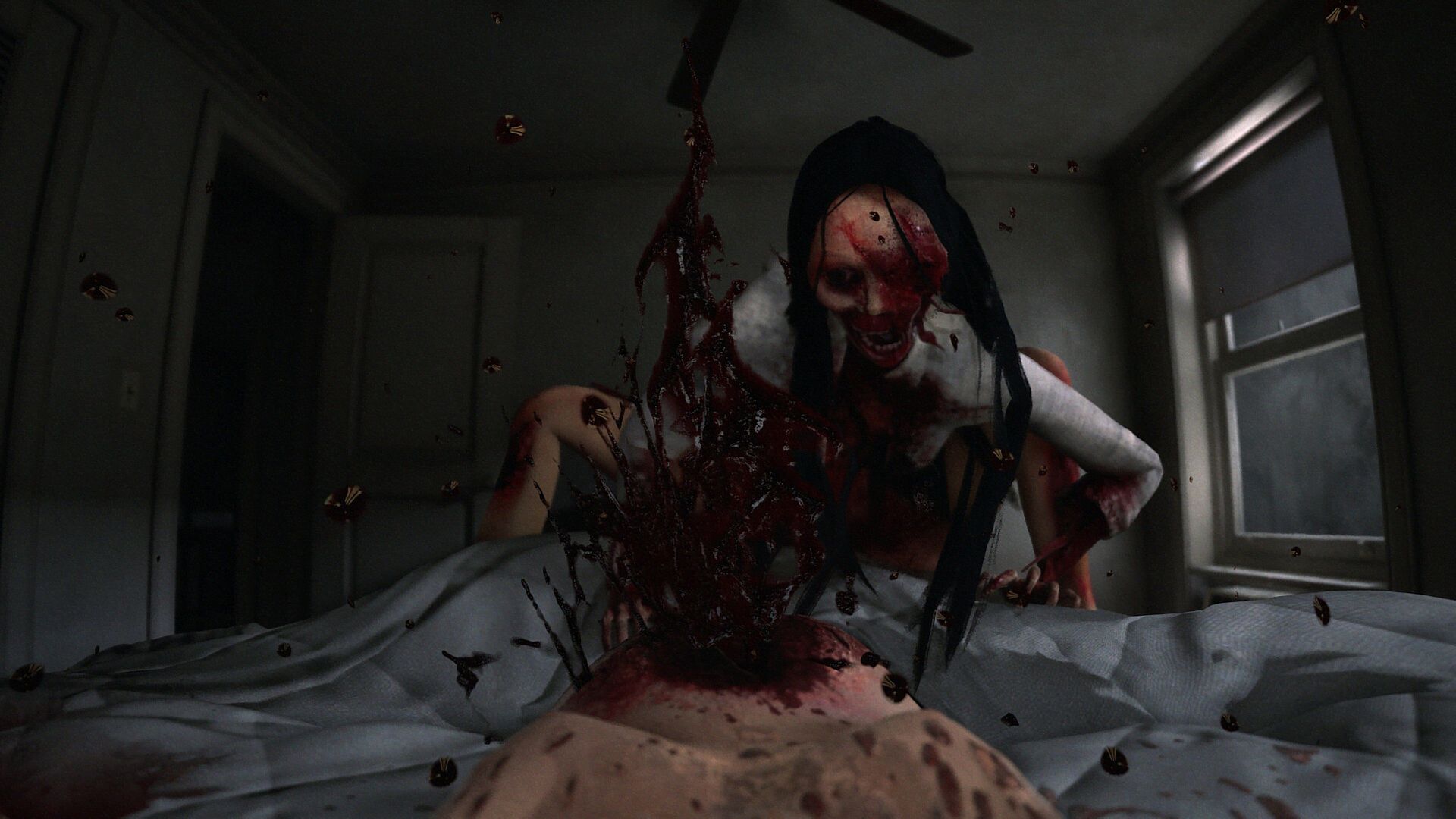
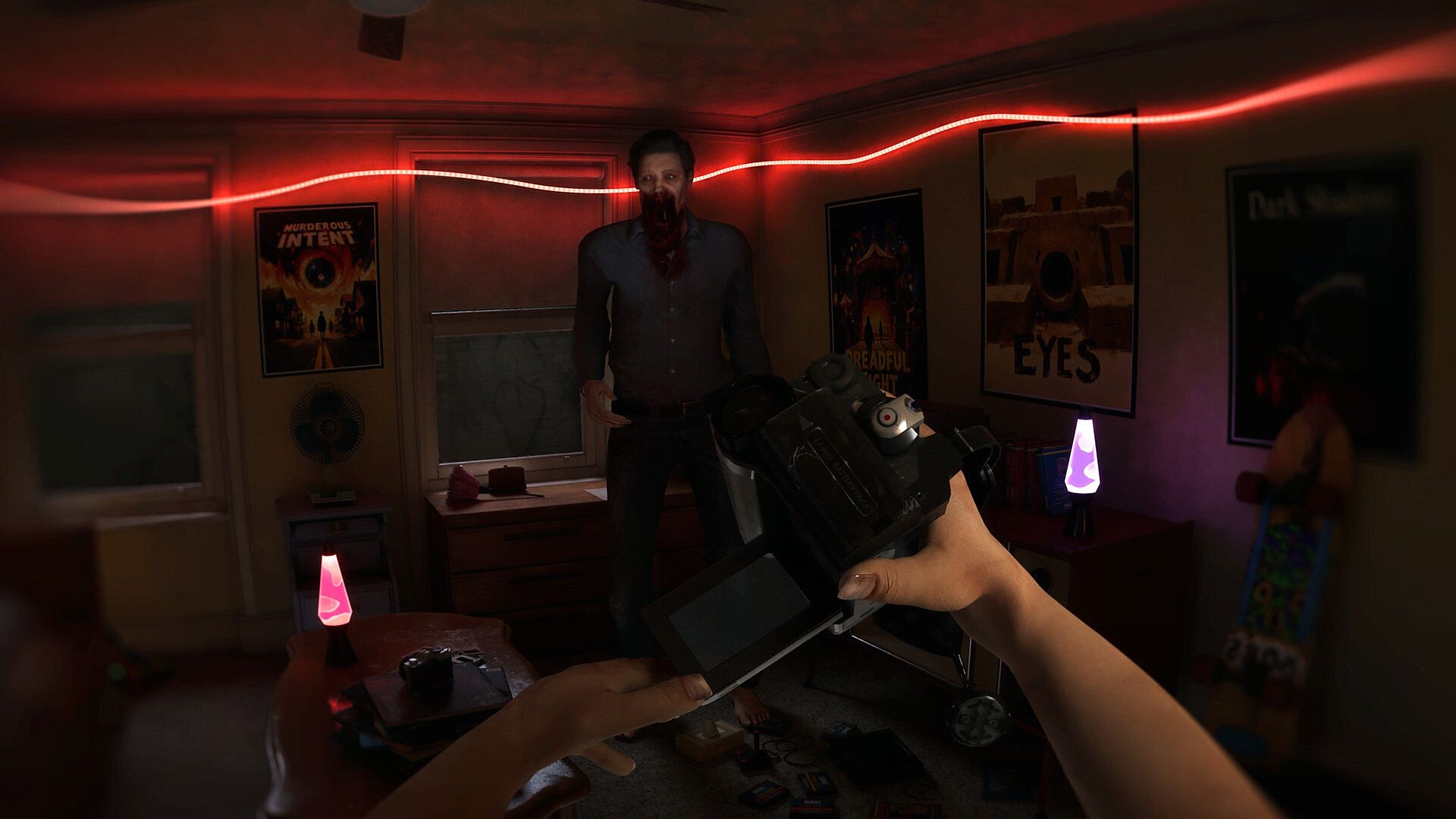
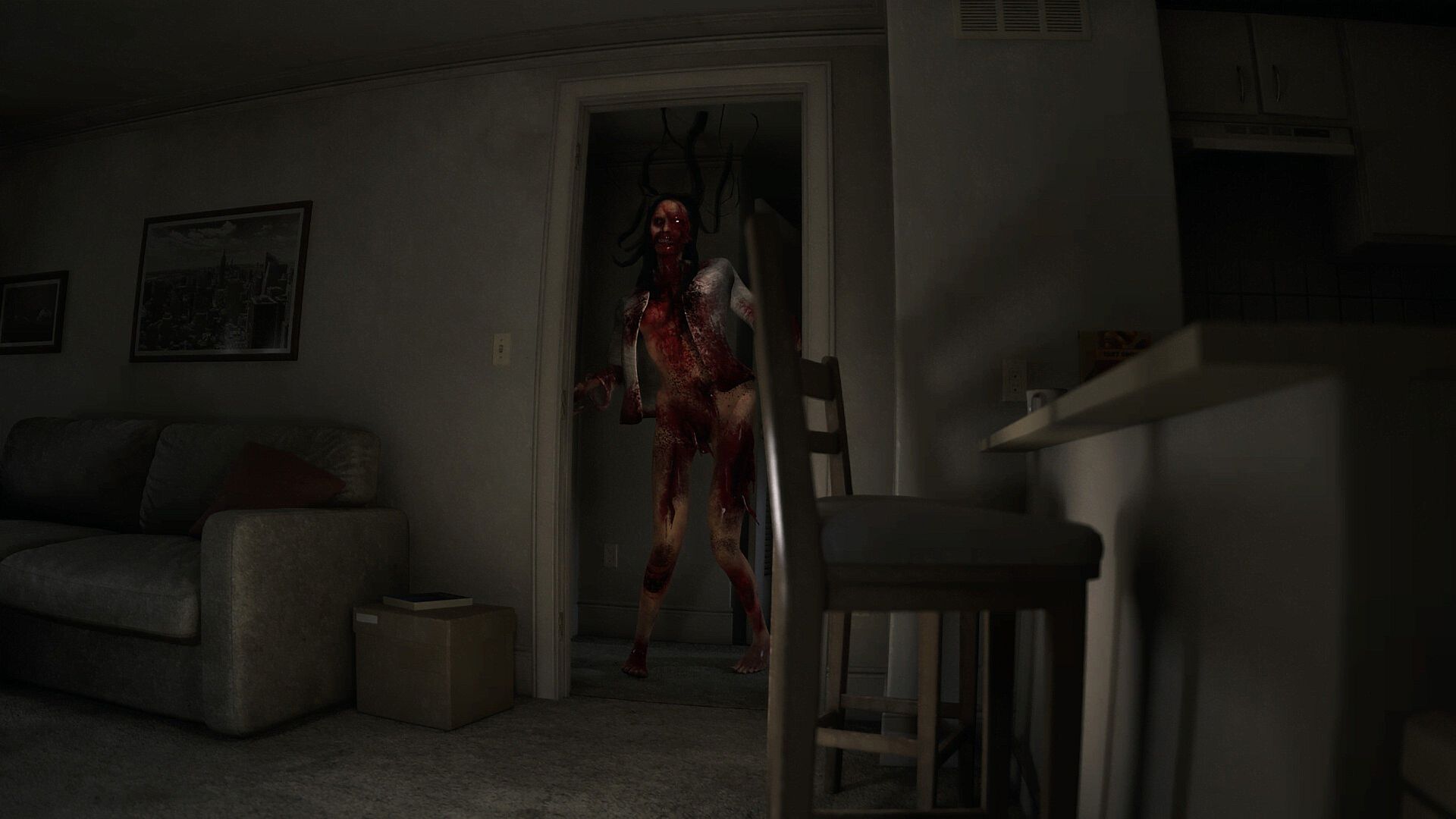
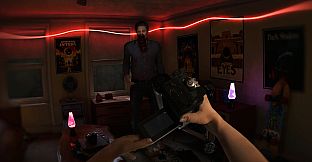
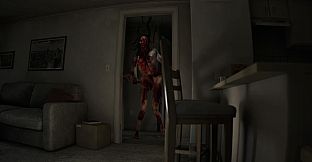
Dream Cage is a psychological horror adventure and simulation game that places players in the role of Robert, a 50-year-old man dealing with memory issues, insomnia, and recurring sleep paralysis. Developed for Xbox Series and PC, the title draws directly from real accounts of sleep paralysis to build its core experience across five nights of escalating tension. Players explore a confined environment while searching for hidden details that reveal the origins of Robert's condition, all while managing personal limitations that blur the line between reality and perception.
Gameplay
The central loop revolves around surviving each night without making noise. The game's microphone integration detects any vocal sounds or breathing, which can attract attention from the entities present. Players must navigate the space carefully, examining objects and environments to locate anomalies that advance the narrative and provide clues about Robert's past. Memory lapses interrupt progress at random intervals, forcing players to locate and use medication to regain focus and continue the search. Random hauntings occur during exploration, requiring quick decisions to avoid detection while maintaining silence. Five distinct entities appear across the nights, each with unique behaviors and animations designed to heighten the sense of vulnerability.
Progress depends on thorough observation rather than combat or direct confrontation. Finding all anomalies unlocks deeper story layers, while incomplete searches lead to limited conclusions. The simulation elements emphasize resource management through the pill system and environmental awareness, turning routine actions like looking around into high-stakes decisions under pressure.
Game Modes
Dream Cage operates as a single-player experience with no multiplayer components. The structure consists of five sequential nights, each functioning as a self-contained segment with its own entity, set of anomalies, and narrative fragments. Players progress through these nights in order, building toward one of two possible endings. Only the complete discovery of anomalies across all nights reveals the full story and the true conclusion. The mode encourages replay attempts focused on thorough exploration and sound control to achieve the preferred outcome.
Story and Setting
Robert's struggles with early memory decline and medication dependency form the foundation of the narrative. Each night peels back layers of his experiences, presenting anomalies that connect personal history to the sleep paralysis events. The setting remains grounded in a realistic bedroom environment that shifts subtly through hallucinations and entity interactions. Players piece together the truth by collecting journals and spotting inconsistencies, with the simulation of real-world symptoms adding weight to every discovery. The two endings reflect different levels of understanding, leaving players to decide how much of the mystery they wish to resolve.
Is It Worth Playing?
Player reception on Steam stands at mixed, with 63 percent positive reviews from several hundred submissions. The game suits those interested in short, focused psychological horror experiences that prioritize atmosphere and observation over action. Its length typically ranges from two to four hours depending on exploration thoroughness, making it accessible for a single sitting or targeted replays. The Xbox Series and PC versions deliver the same core systems, including microphone support and controller compatibility. Those drawn to themes of sleep paralysis, memory challenges, and anomaly hunting will find the verified mechanics engaging, while players seeking longer campaigns or varied modes may prefer other titles. The emphasis on silence and discovery creates a distinct tension that rewards careful play without relying on traditional scares alone.
