





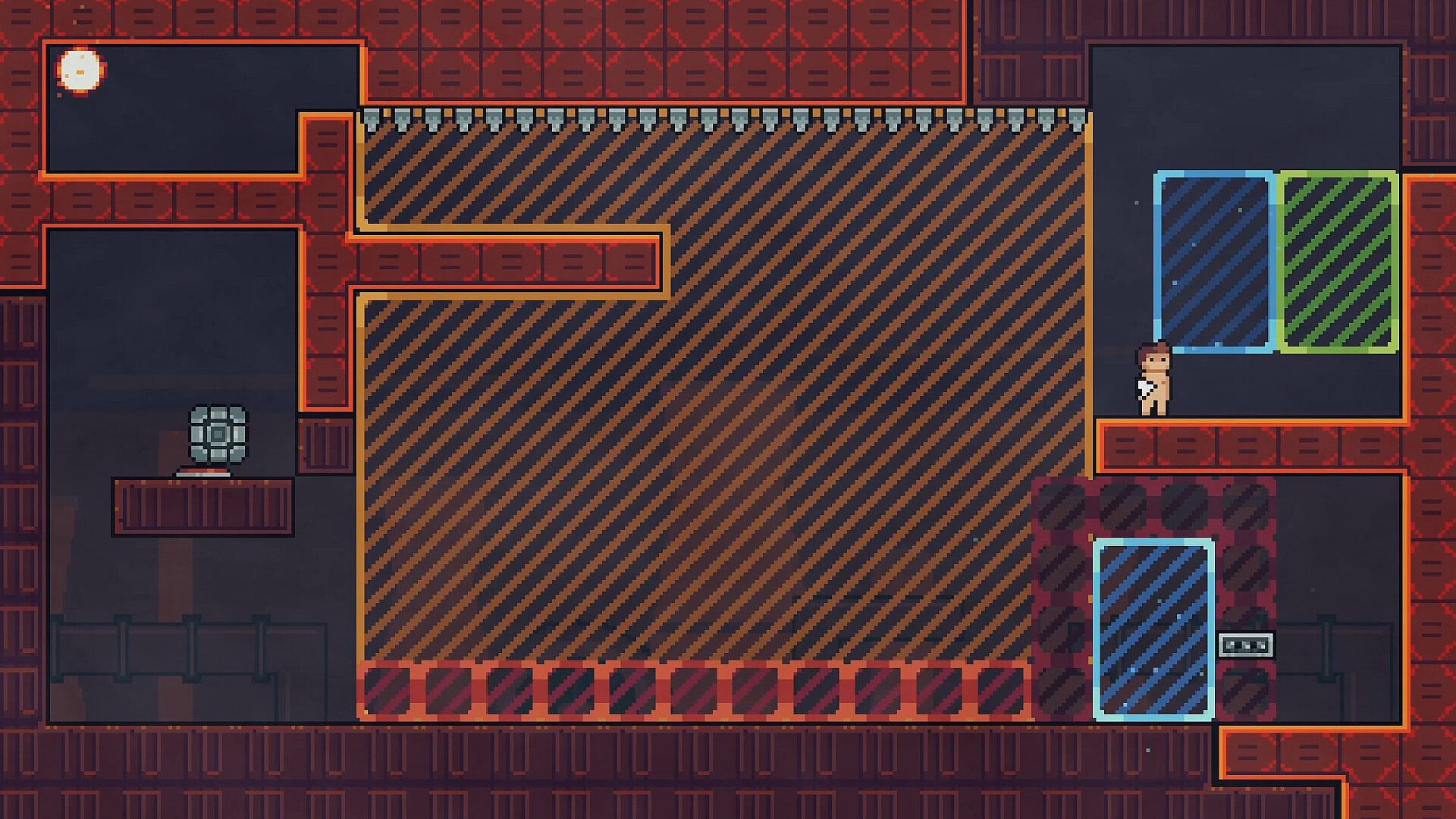
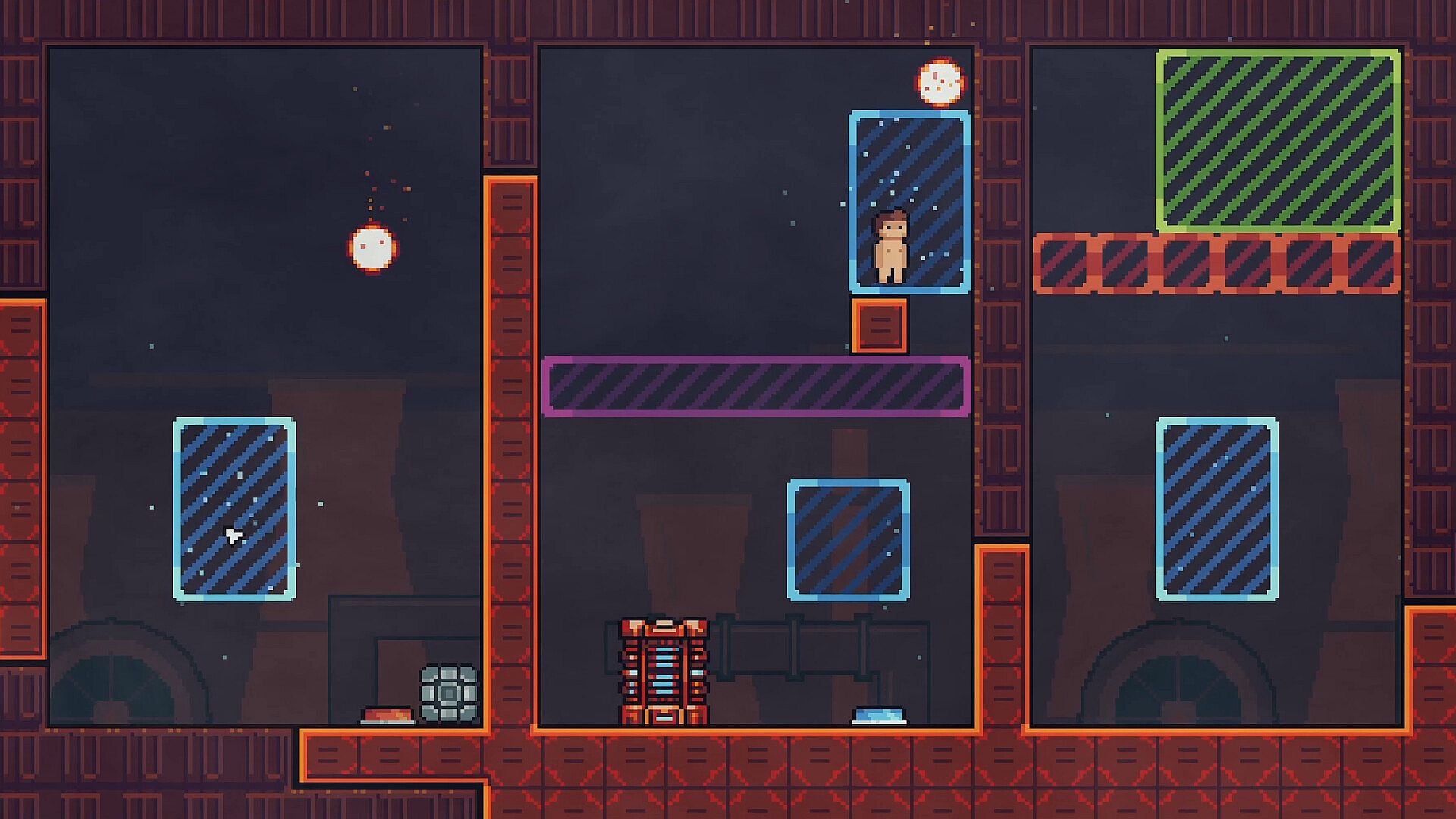
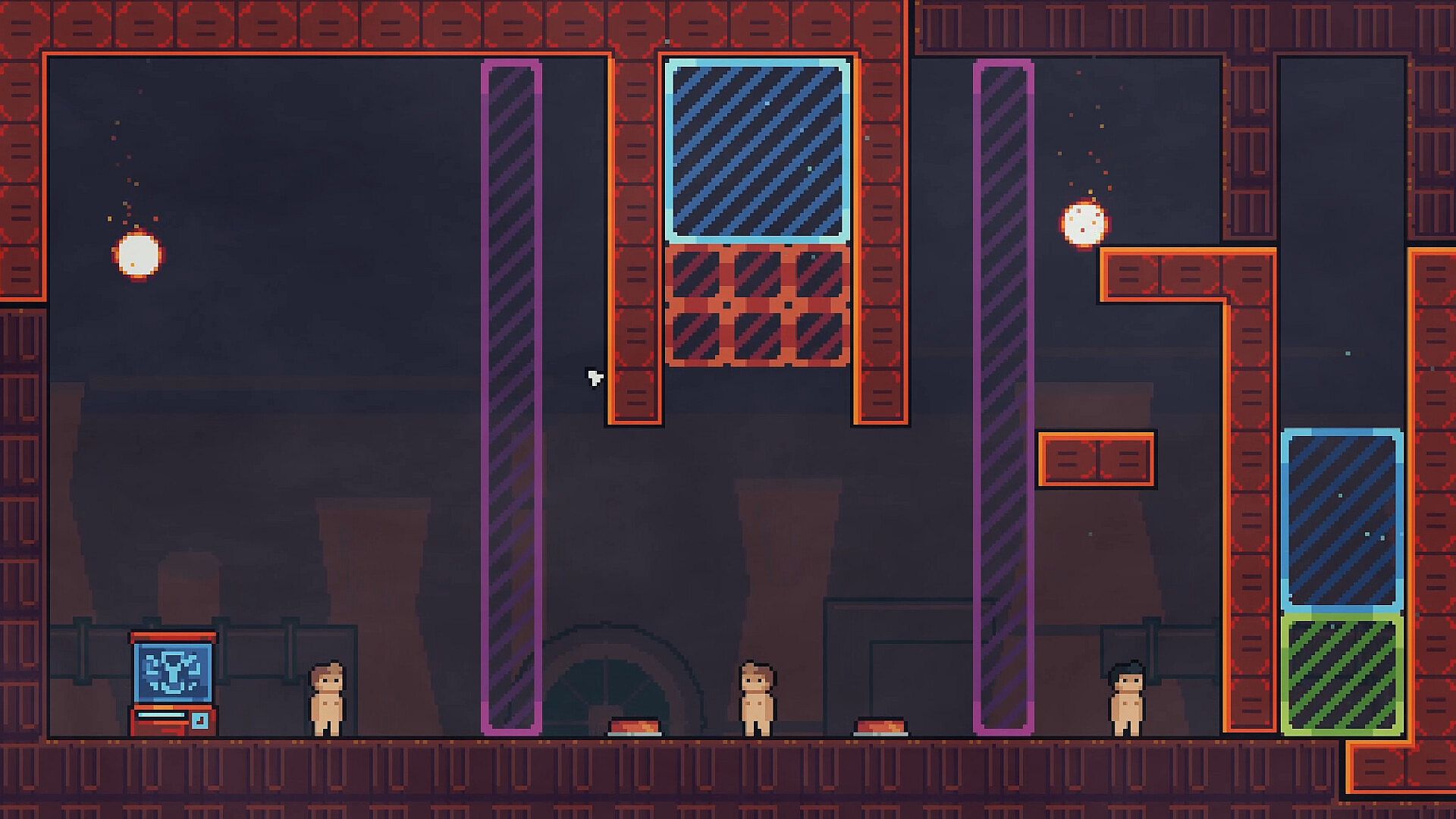
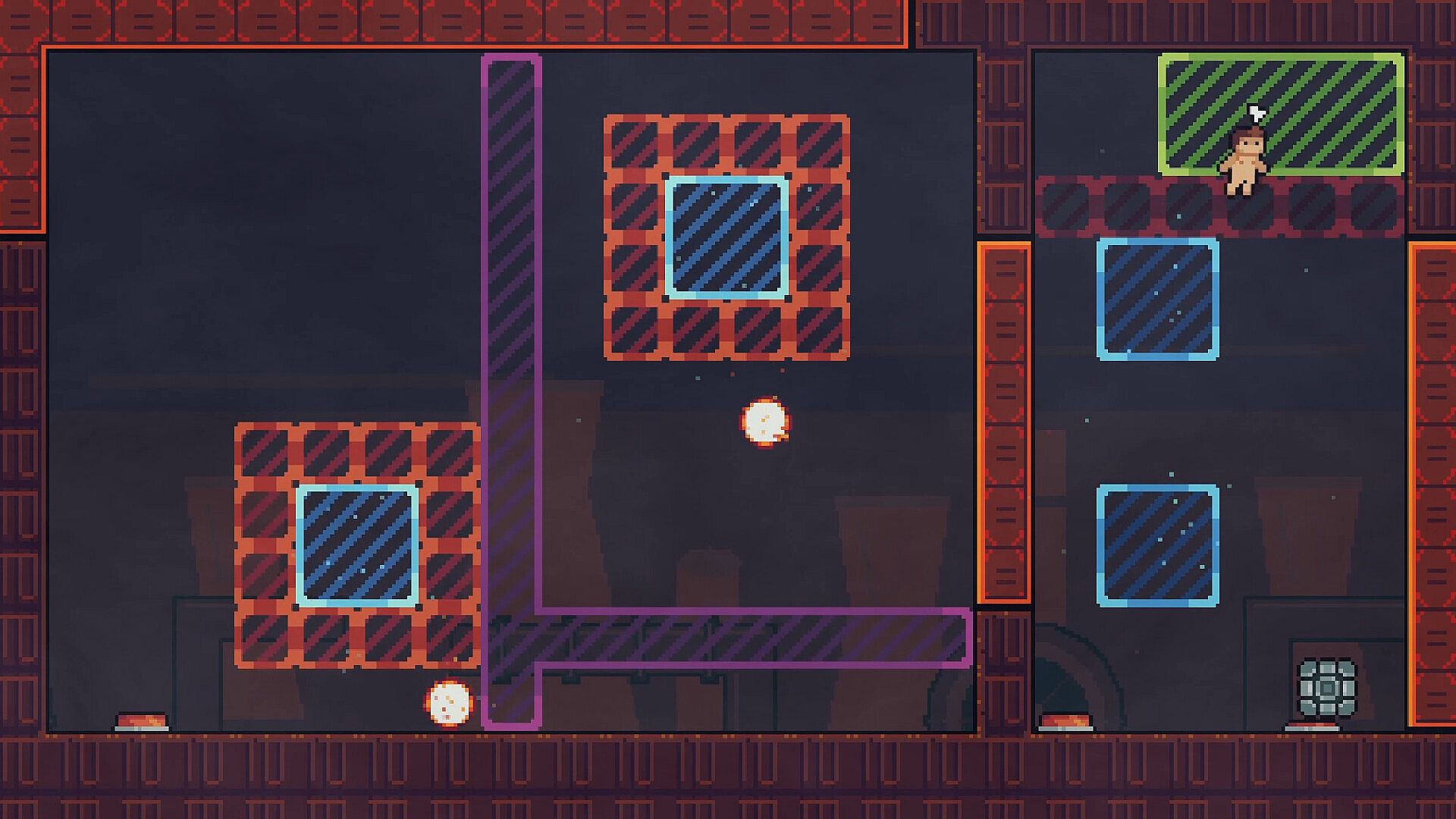
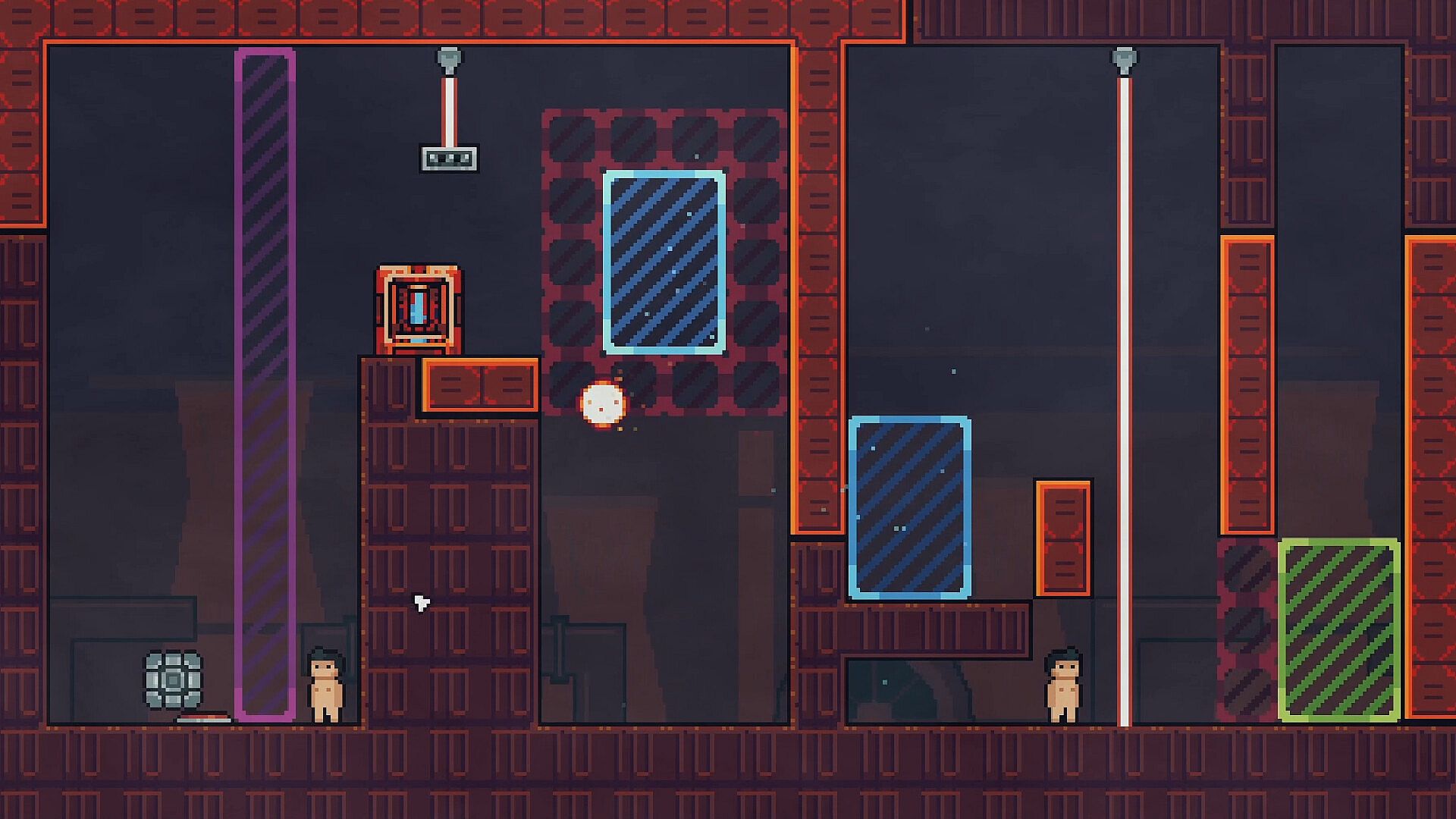
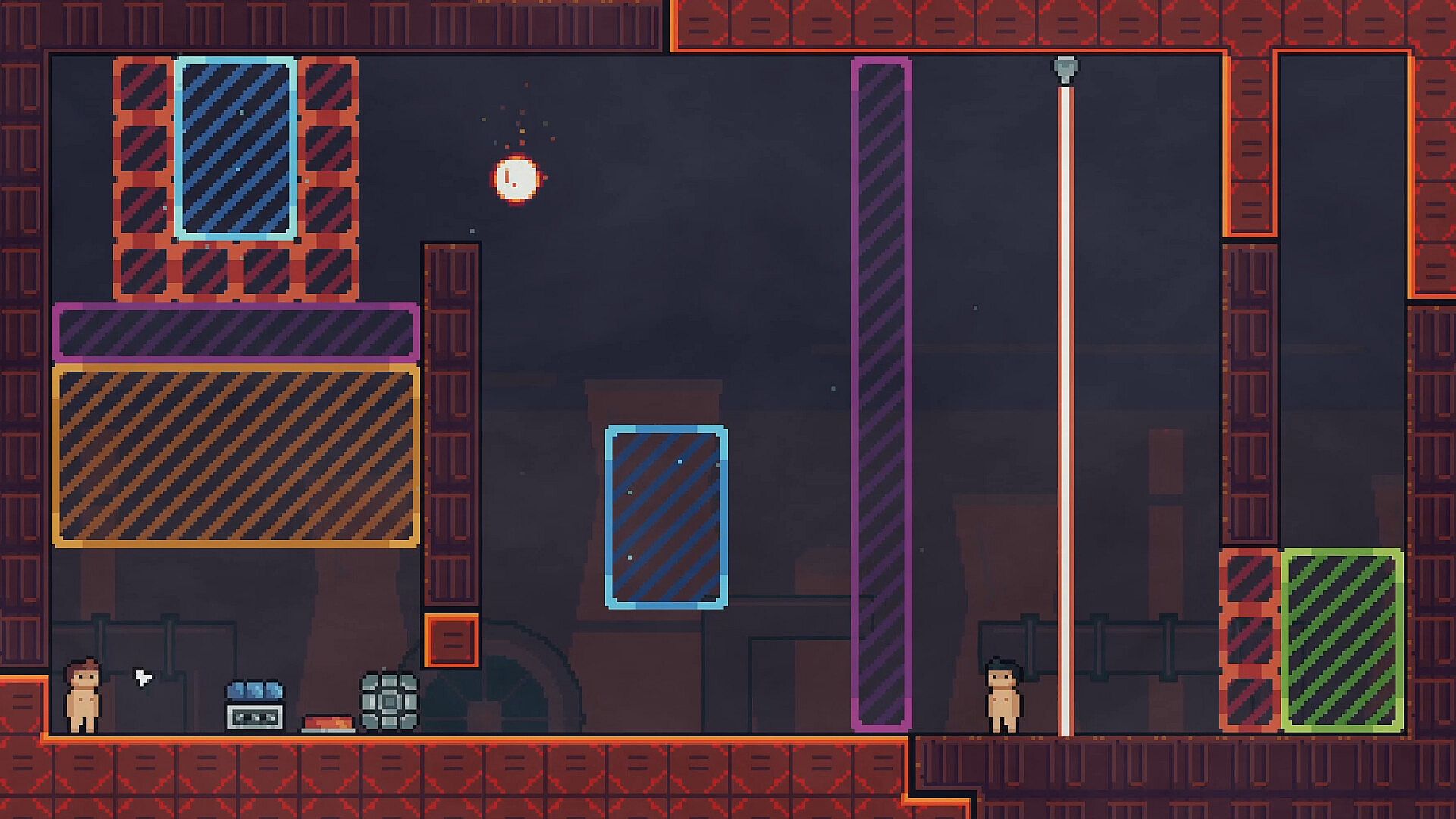
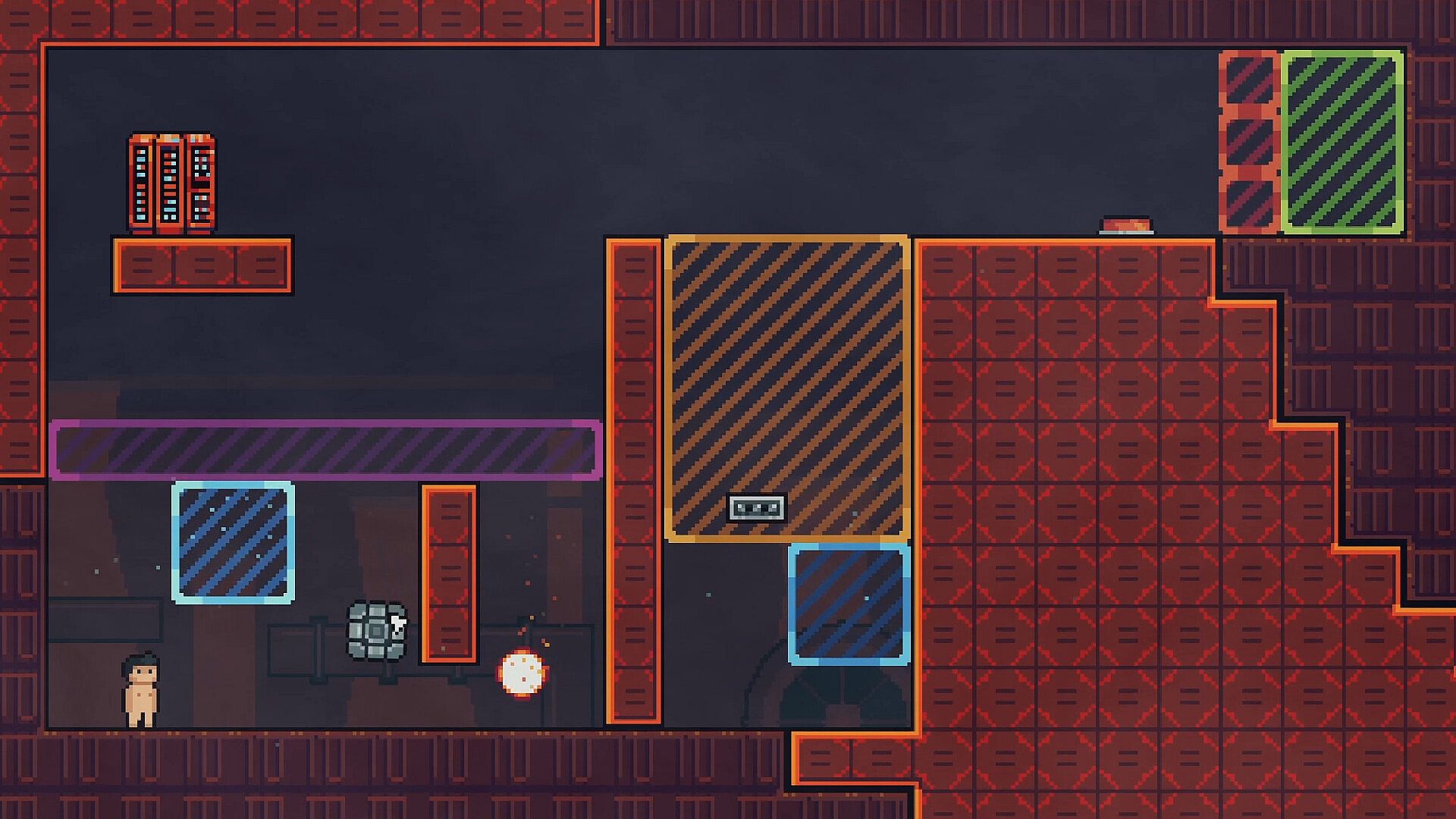
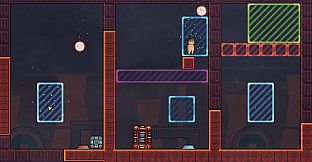
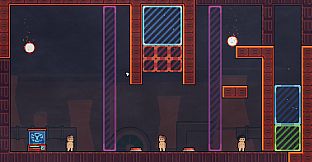
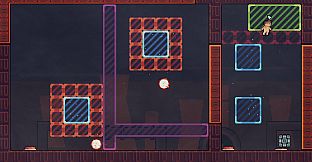
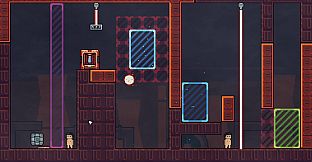
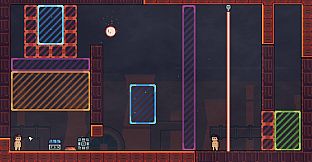
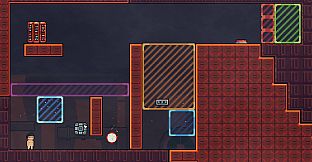
Drag and Drop: Enemies is a casual single-player puzzle game for PC that builds on drag-and-drop mechanics by adding active threats in a reactor environment. Players guide characters through hand-crafted challenges while hostile entities pursue them and disrupt paths to the exit.
Gameplay
The core loop centers on mouse-controlled movement where players grab and direct characters across puzzle layouts. The reactor continuously generates new enemies that chase the controlled figure, block routes, and create pressure to act quickly yet thoughtfully. Hesitation leads to encounters that end the attempt, so success depends on reading enemy spawn patterns and positioning.
Levels incorporate the environment as a tool. Corridors, open spaces, and reactor elements can be used to redirect or delay pursuers without direct confrontation. Since combat is not an option, every decision focuses on timing, pathing, and luring threats into positions that clear the way forward. The 40 levels progress in complexity, layering classic drag-and-drop navigation with these moving obstacles.
Pixel art renders the setting in dark reds and glowing reactor cores, paired with menacing creature designs that reinforce the tense atmosphere. Each stage feels distinct yet consistent in its grim tone and mechanical focus.
Game Modes
The game presents its content through a sequence of 40 single-player levels. There are no separate competitive or cooperative modes confirmed at this stage. All play revolves around completing these hand-crafted puzzles in order, with each one introducing or combining enemy behaviors and reactor mechanics in new ways.
Progression stays linear within the level structure, encouraging repeated attempts on individual stages to master enemy patterns and efficient routes. The emphasis remains on solo puzzle solving rather than any multiplayer or alternative formats.
Key Mechanics and Features
Hostile enemies represent the main addition to the series. They actively hunt the player character, close off passages, and punish slow reactions. Learning spawn locations from the reactor becomes essential for planning ahead rather than reacting in the moment.
The bloody reactor serves as both setting and dynamic element. It pulses and releases threats throughout a level, forcing players to account for ongoing spawns instead of static layouts. This turns every puzzle into a living challenge where the environment works against or occasionally for the player when used cleverly.
Outsmarting replaces direct action. Luring enemies into dead ends, using timing to slip past groups, and turning level geometry into an advantage define successful runs. The charming yet ominous pixel art supports this by making threats visually clear while maintaining a consistent visual style across all stages.
Is It Worth Playing?
Players who enjoy deliberate puzzle games with added tension will find the core loop engaging. The shift from passive navigation to active evasion adds a fresh layer without changing the fundamental drag-and-drop control scheme. Those seeking quick sessions or high-pressure decision making may appreciate the short, focused levels.
Because the game remains unreleased, current player reception data is not available. Its appeal will likely depend on how well the enemy AI and level design deliver consistent challenge without frustration. Fans of the prior entries in the series or similar casual puzzle titles stand to gain the most from the new hostile elements and reactor-driven threats.