







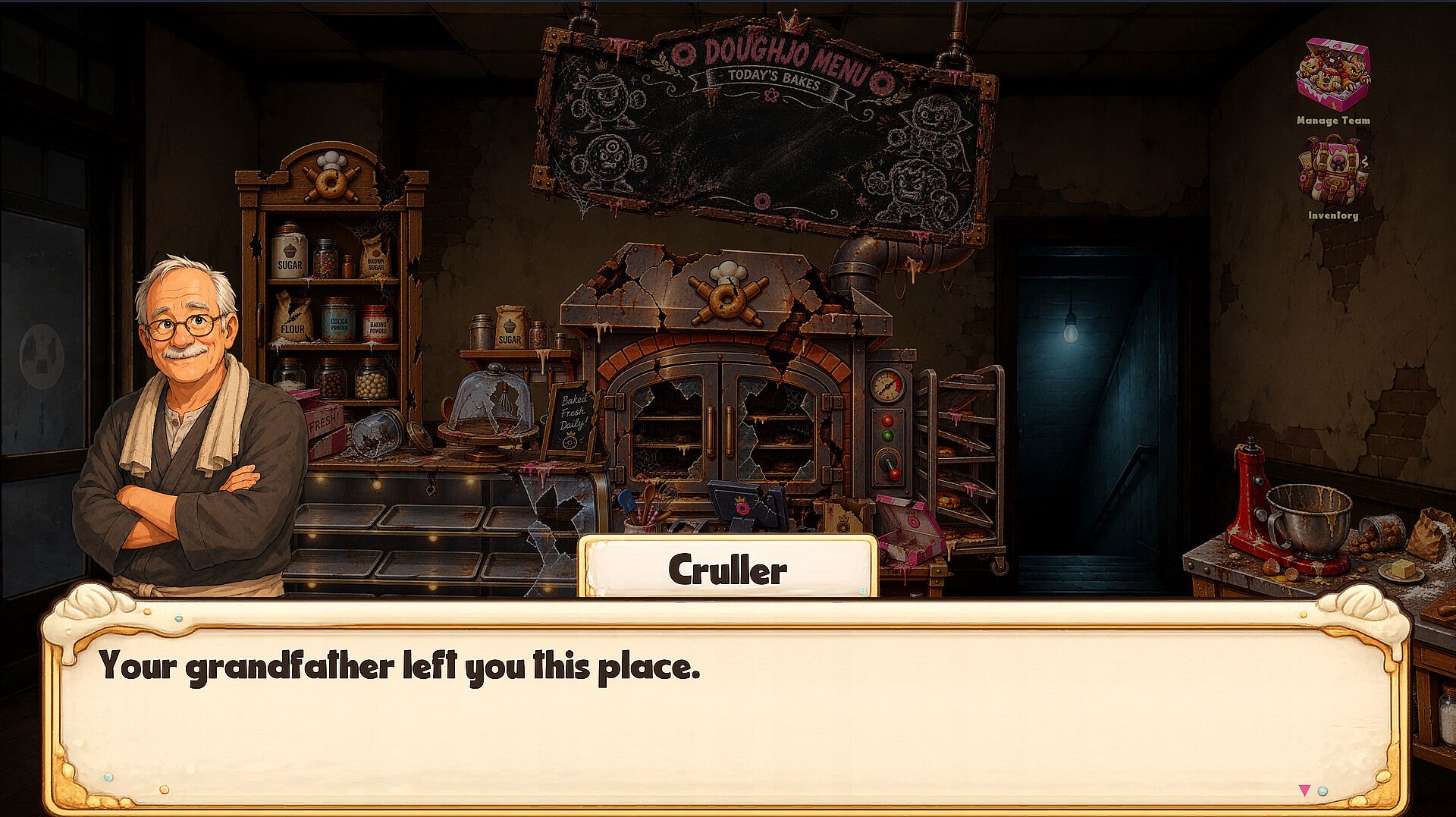
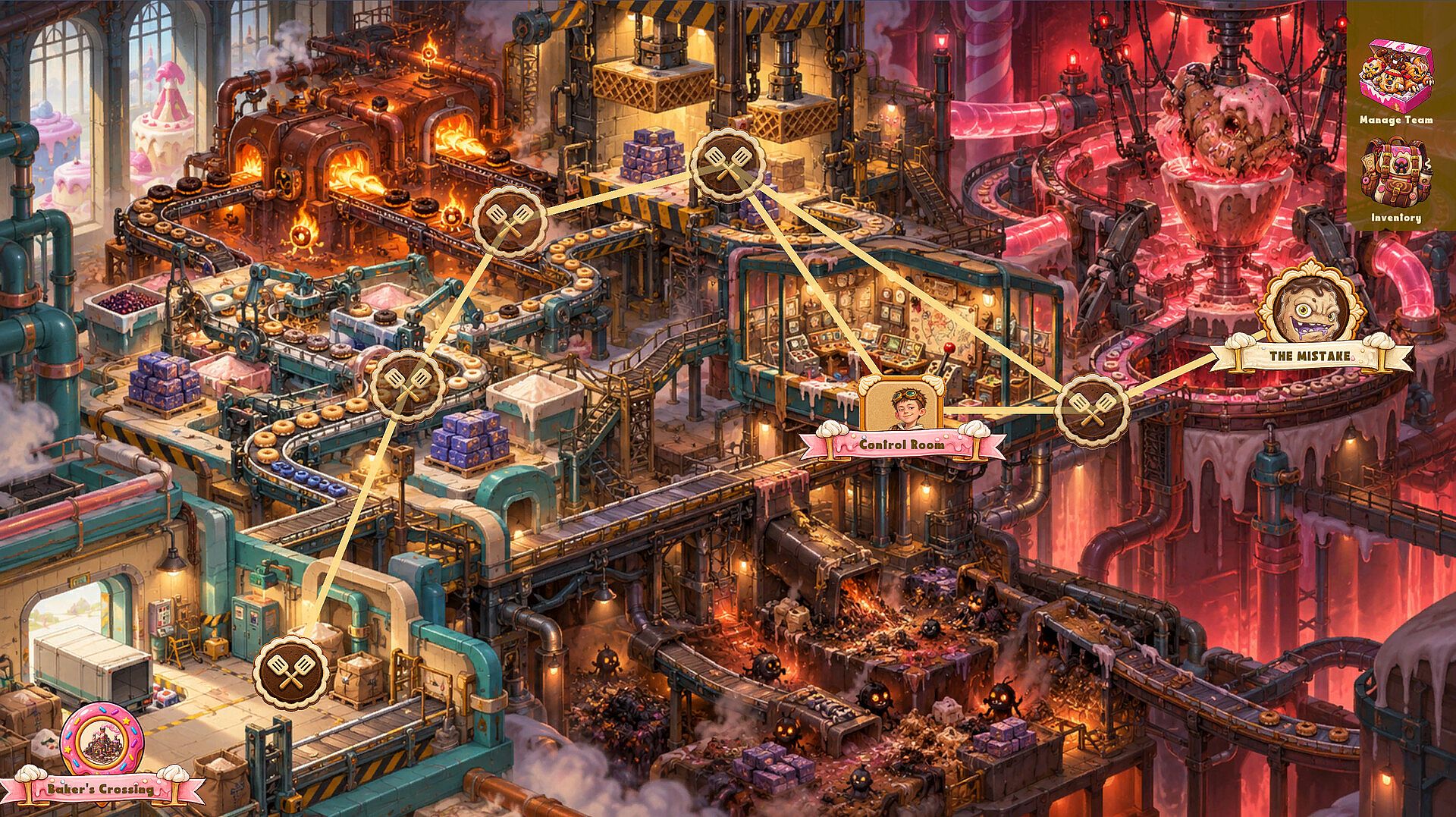
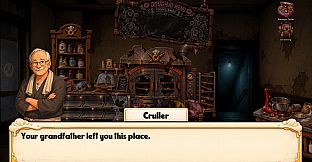
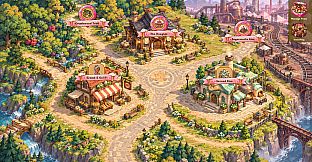
Doughjo is a turn-based strategy RPG set on PC in which players assemble teams of living pastries for tactical battles across a whimsical yet troubled world of baked goods. The premise centers on recruiting fighters drawn from various pastries, each with distinct abilities and personalities, then guiding them through grid-based encounters where positioning, timing, and resource management determine outcomes. Exploration ties into the core loop as players travel between locations filled with towns, forests, factories, and eccentric inhabitants while uncovering disruptions in the world's recipes.
Gameplay
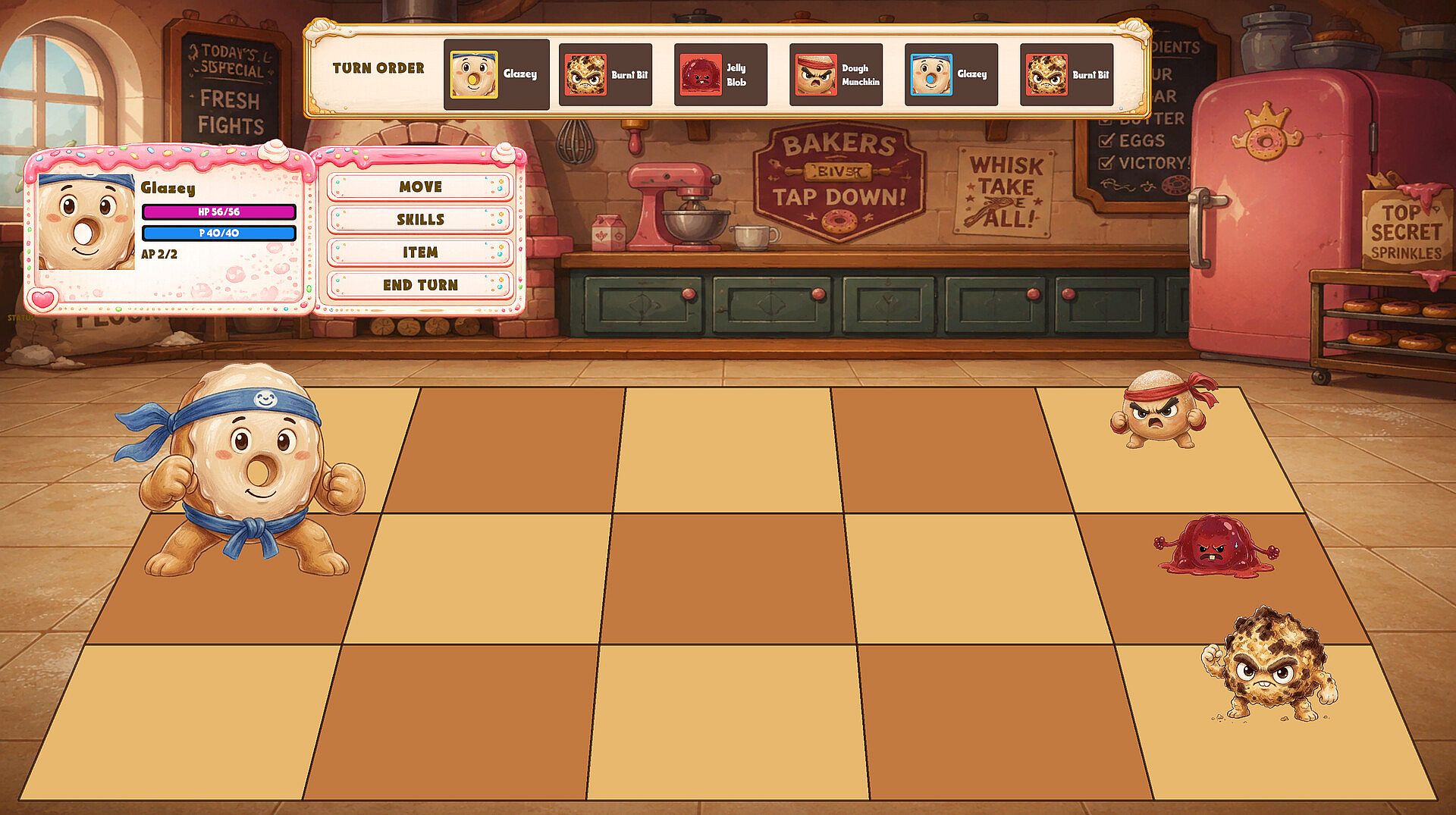
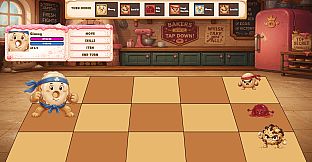
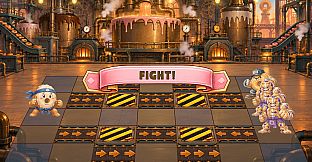
Combat unfolds on a tactical grid that rewards careful placement of fighters. Players move pastries to protect allies, seize key positions, and time skill activations amid shifting battlefield conditions. Speed dictates turn order rather than fixed alternation, allowing quicker units to act more frequently while slower, powerful ones require patience before striking. A resource called Proof fuels special abilities, and items provide additional options when plans encounter interference from enemies or environmental hazards.
Team composition forms the foundation of success. Recruits range from reliable glazed donuts suited for steady defense to heavier blueberry bricks that deliver strong impacts, fiery pepper donuts that emphasize aggressive effects, refined bear claws with elegant maneuvers, and caffeinated tiramisu variants that bring rapid or energizing traits. Experimentation with different combinations reveals synergies that adapt to varied threats encountered during travel.
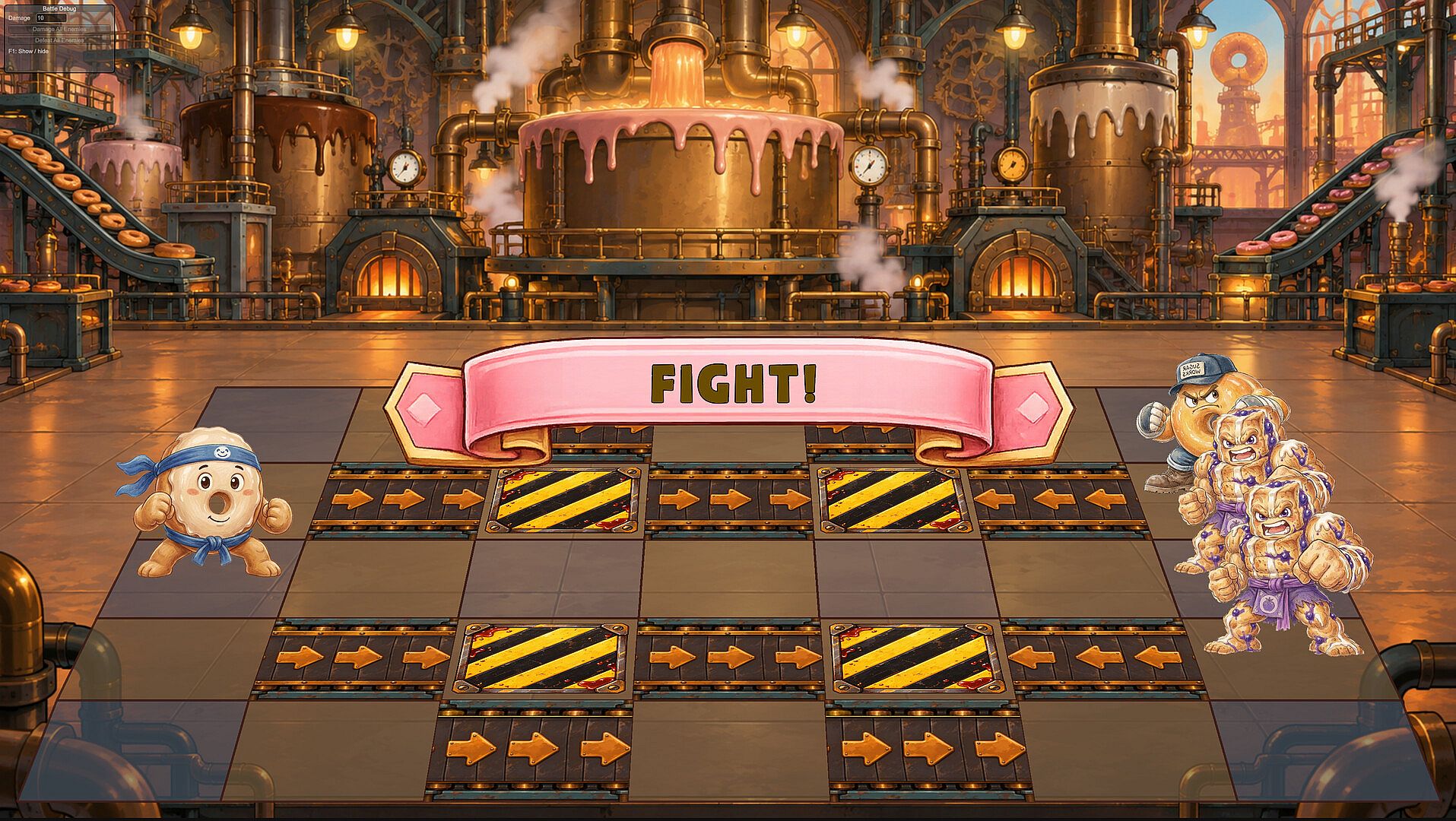
Outside battles, progression involves training existing fighters to unlock new abilities, gathering items that support both combat and exploration, and navigating side challenges that test strategic thinking. The world itself presents hazards and opportunities, from assisting characters along trails to navigating unsupervised facilities where baked goods have turned unpredictable.
Game Modes
The primary experience revolves around single-player progression through story-driven encounters and open exploration. Tactical battles serve as the central activity, blending turn-based decision making with real-time considerations around speed and positioning on the grid. Exploration segments connect these fights, encouraging players to discover new recruits, hidden routes, and narrative threads that explain the world's growing instability.
Side challenges supplement the main path by offering additional tactical scenarios and resource opportunities. These elements encourage repeated team adjustments and strategy refinement without altering the core turn-based structure. No separate competitive or cooperative modes appear in the design, keeping focus on individual mastery of pastry team tactics and world navigation.
Exploration and Progression
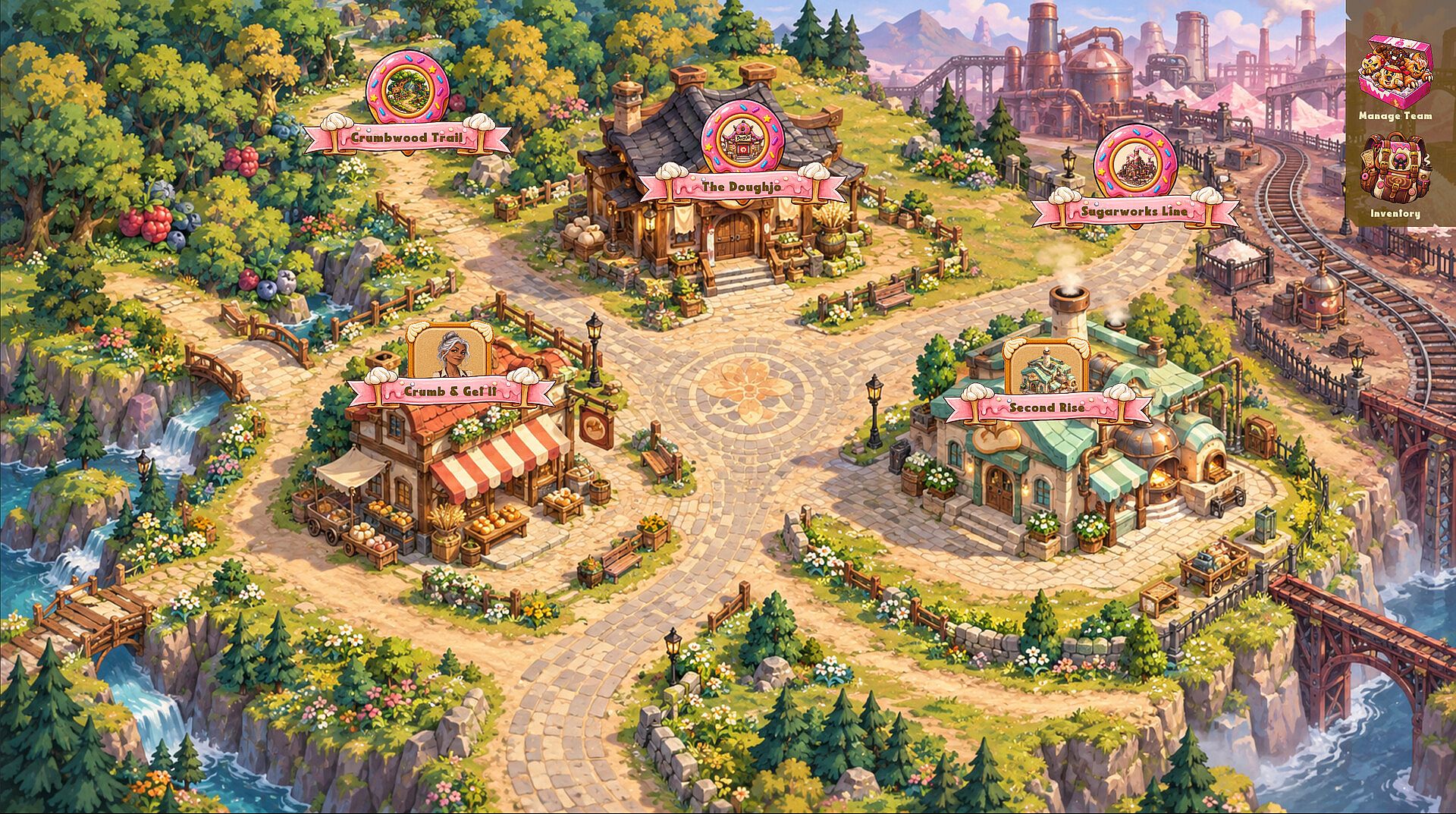
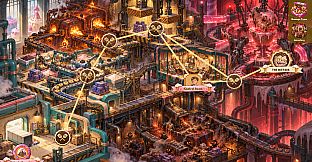
Travel spans colorful regions including trails, settlements, and industrial sites where living pastries interact with bakers, merchants, and unusual entities. One area might involve straightforward assistance tasks, while another demands careful movement through automated processes that treat pastries as ingredients. This variety supports steady advancement as players collect new fighters and refine strategies against escalating opposition.
Strengthening a team requires balancing immediate combat needs with long-term discovery. New abilities emerge through training, items enhance flexibility, and repeated exposure to different enemy types and hazards builds familiarity with effective lineups. The process rewards adaptation, as initial compositions may falter against later challenges that demand speed control or protective positioning.
Is It Worth Playing?
Doughjo suits players who enjoy turn-based strategy RPGs that emphasize tactical grid management and team building over fast action. The pastry theme provides a consistent visual and mechanical identity without overshadowing the core systems of speed-driven turns, Proof resource use, and positioning decisions. Those drawn to methodical combat planning and gradual world uncovering will find a focused experience centered on these elements.
Progression remains accessible through incremental recruitment and ability unlocks, while the absence of confirmed multiplayer features keeps attention on solo tactical refinement. For enthusiasts of similar grid-based titles, the unique setting and speed-influenced combat offer a fresh angle on familiar mechanics. Availability on PC supports straightforward access for those matching this preference profile.