


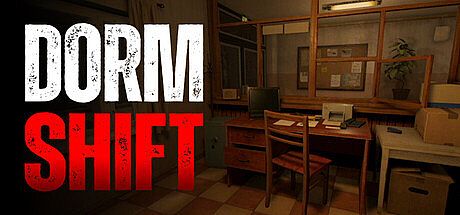


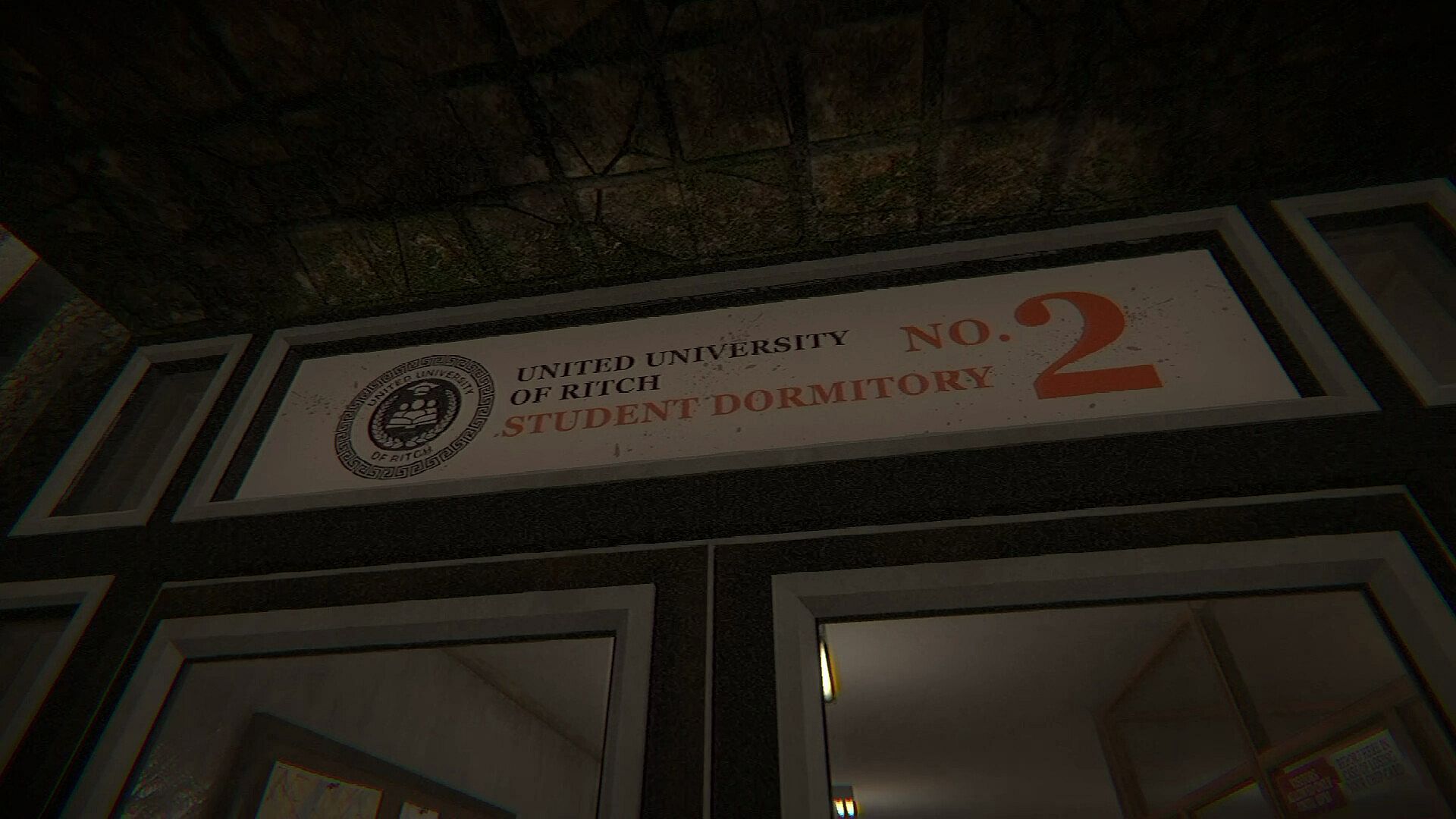
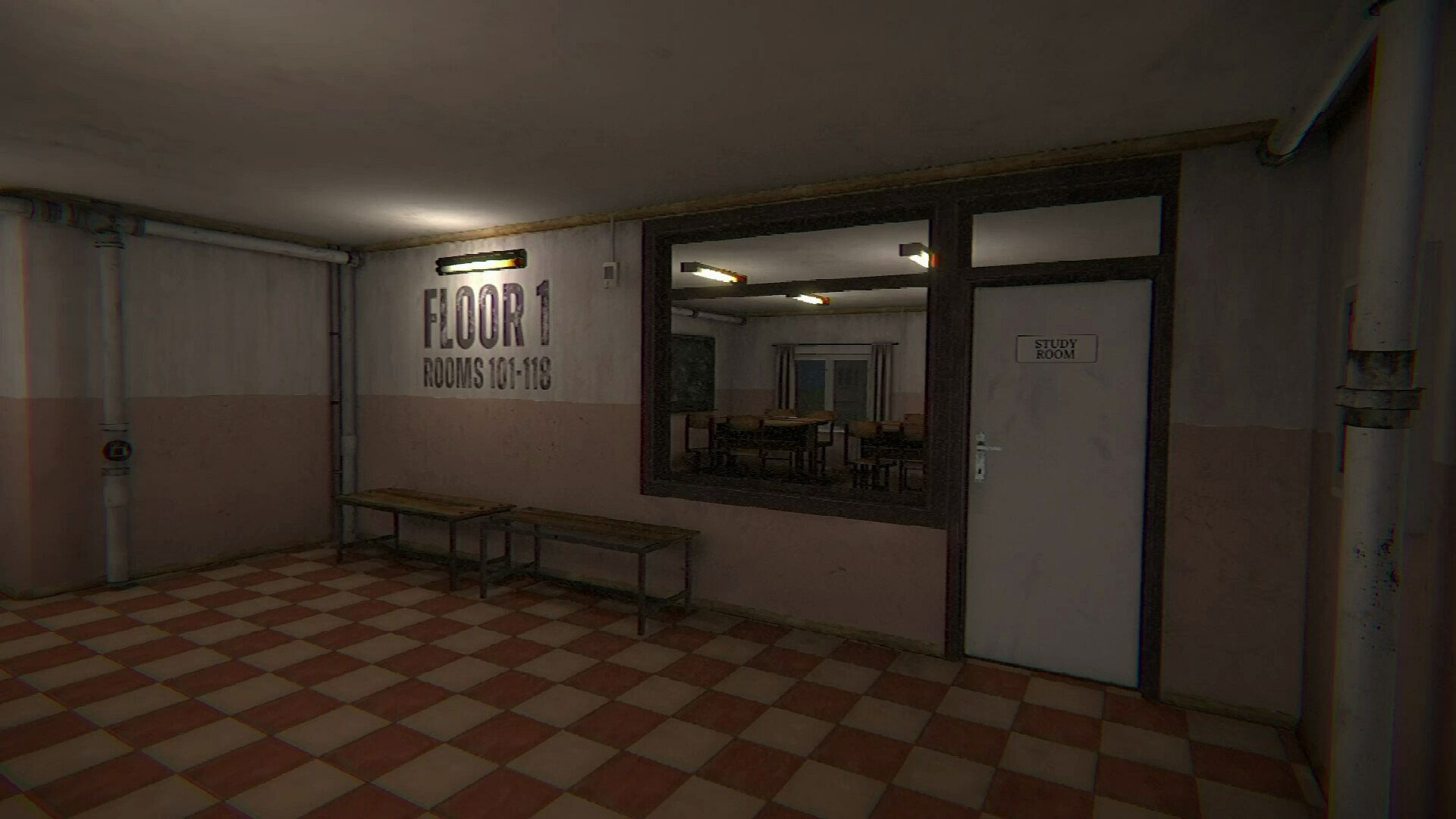
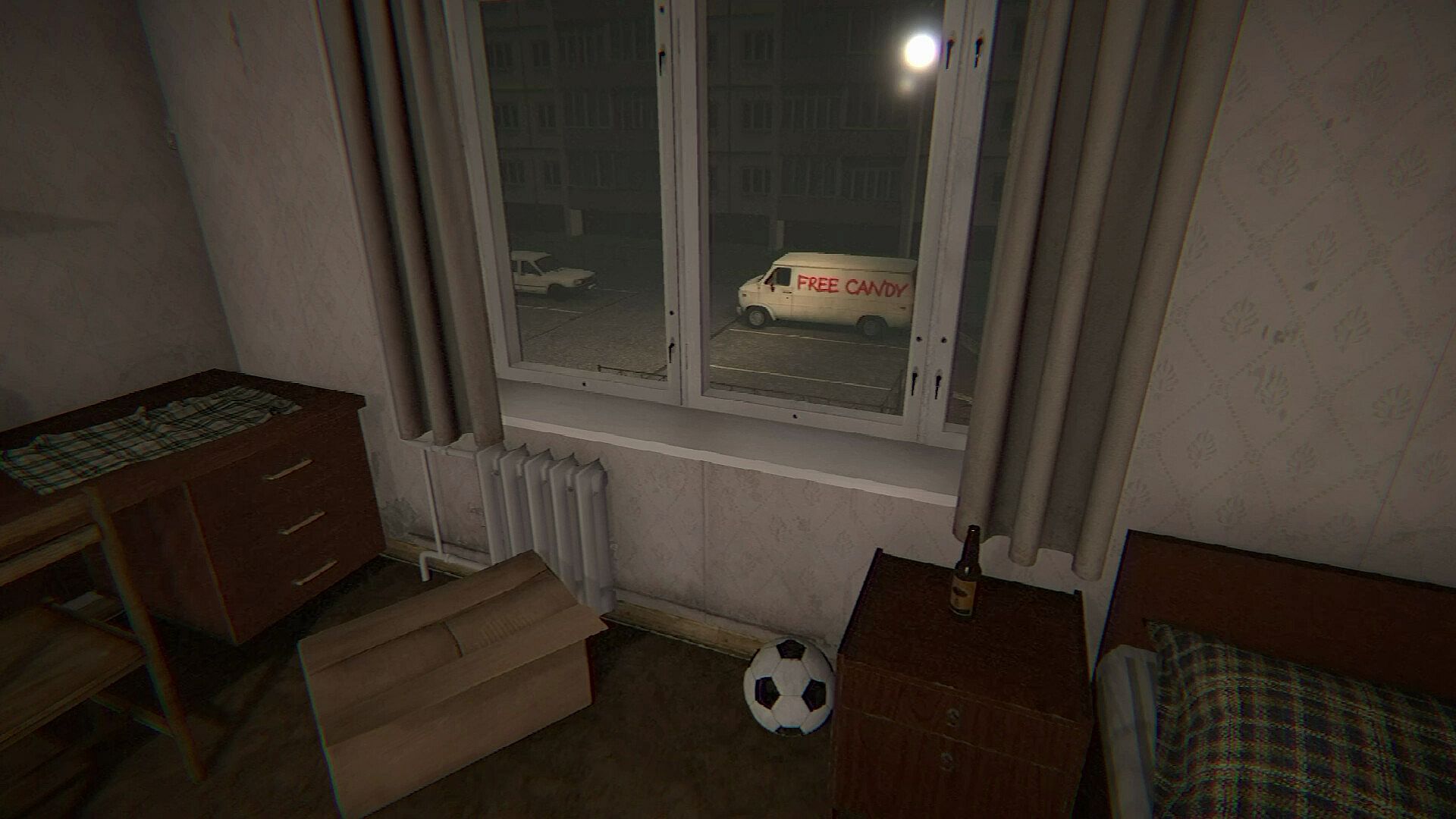
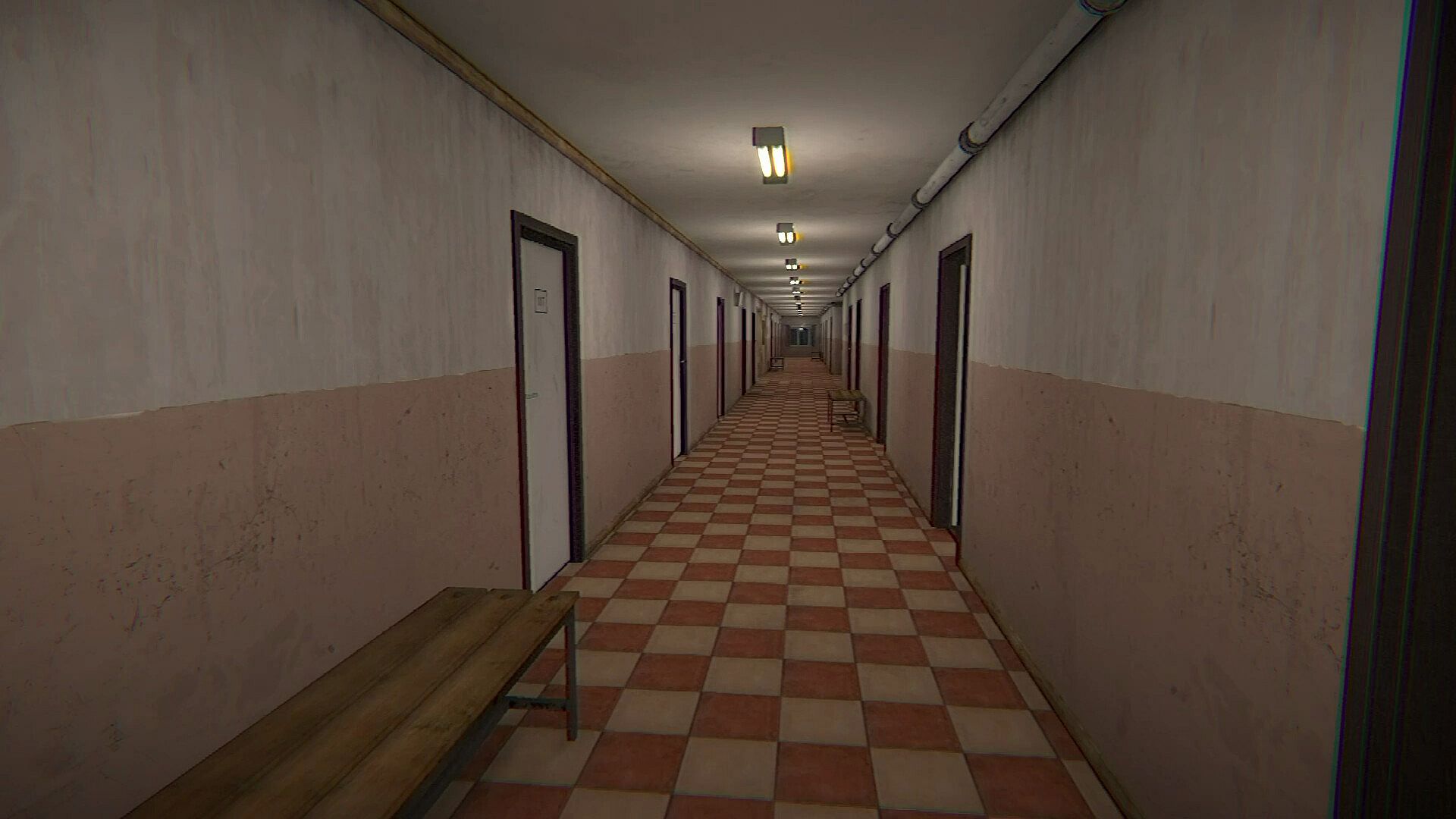
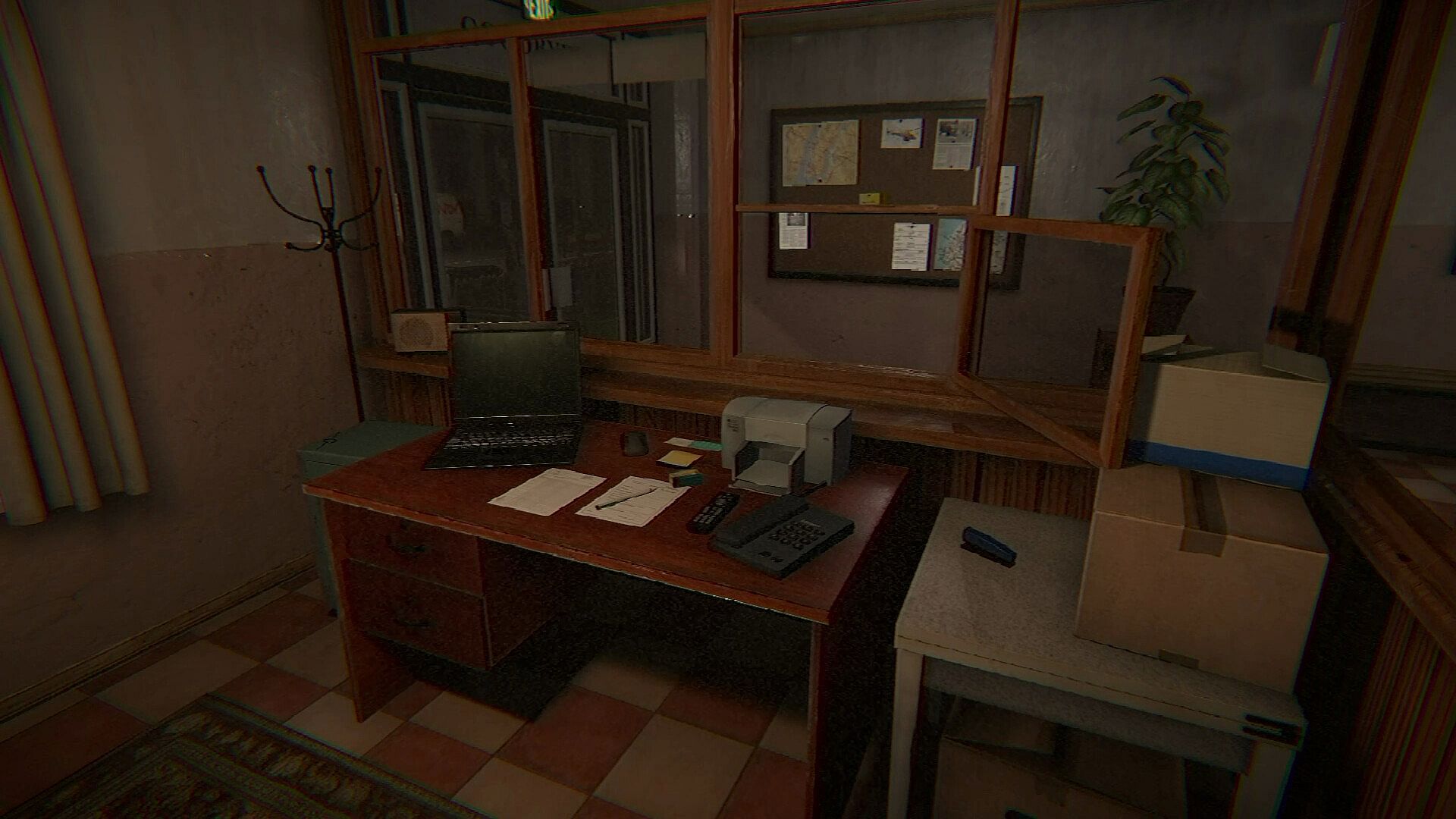
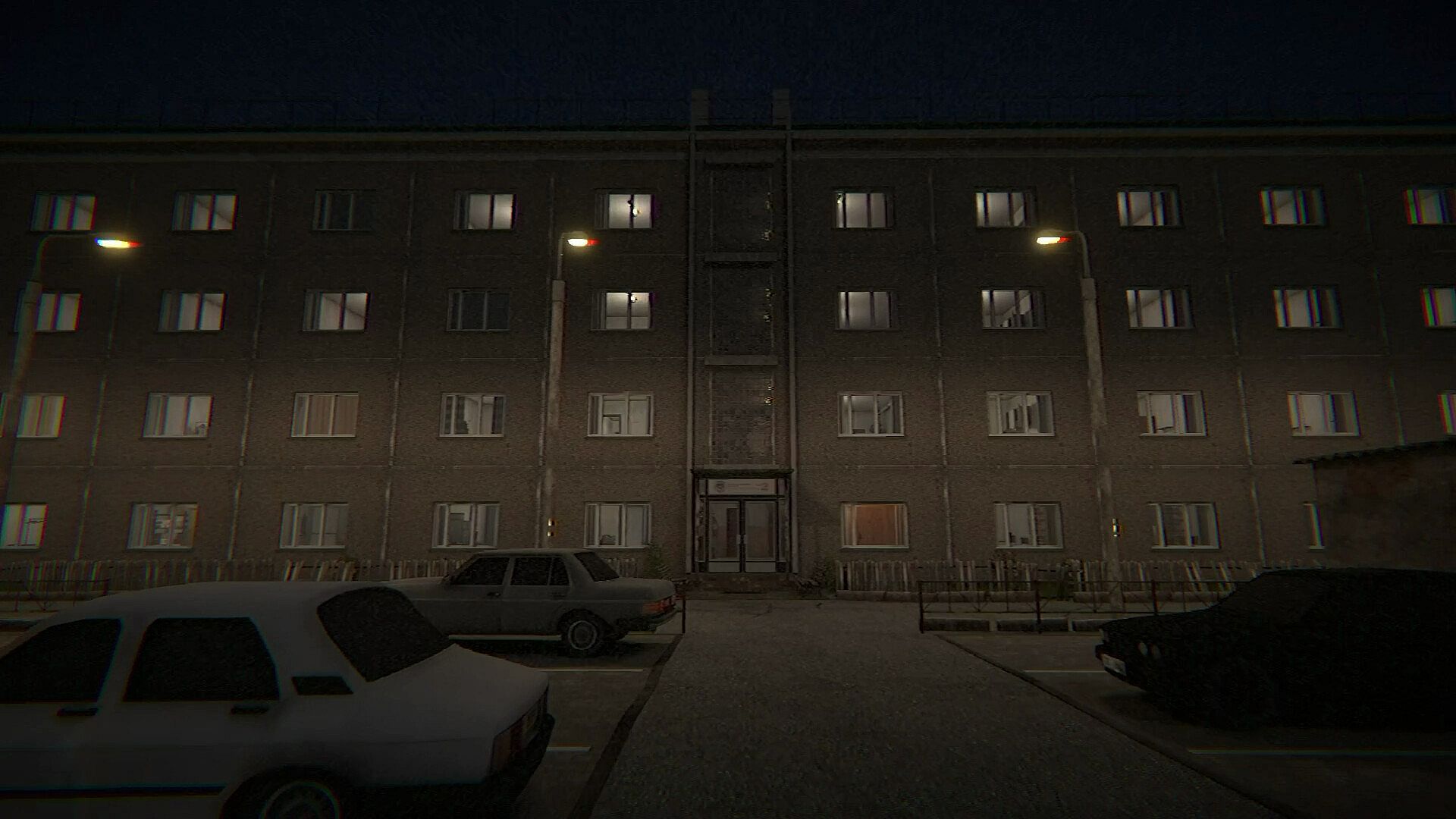
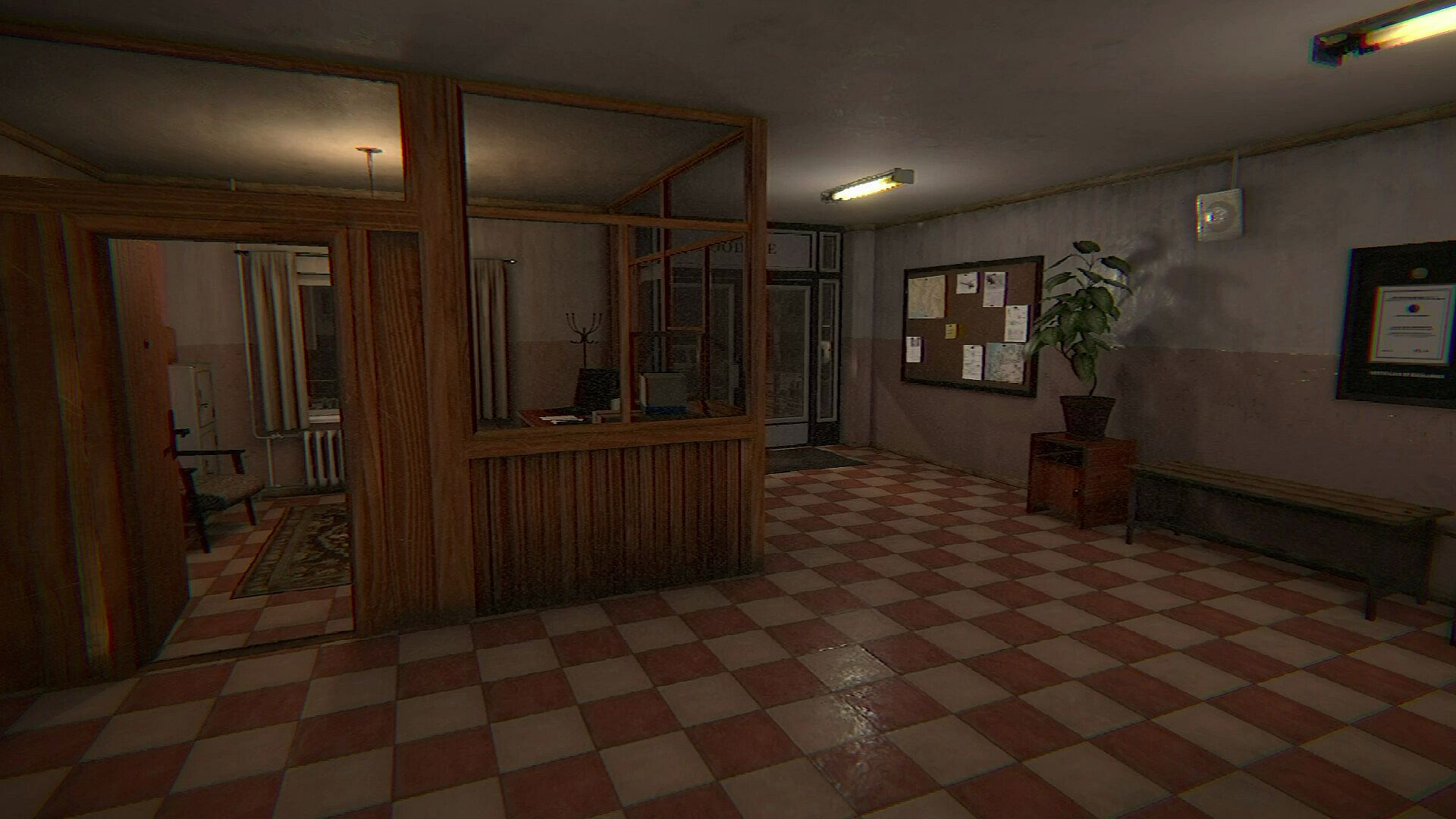
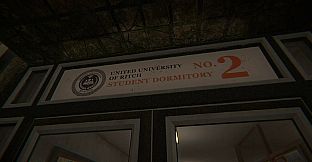
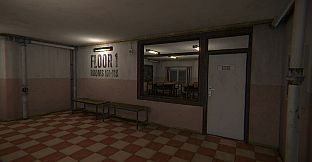
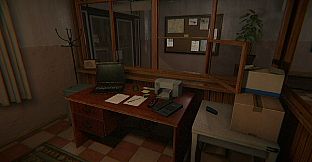
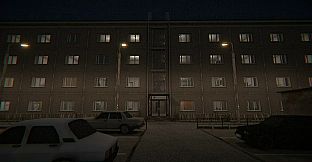
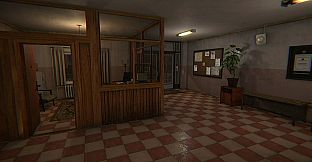
Dorm Shift is a single-player indie simulation adventure game that blends everyday job duties with creeping horror and mystery. Players take on the role of a night receptionist at a rundown university dorm, handling calls, assisting students, and maintaining the building through a series of six night shifts. The experience emphasizes exploration of personalized student rooms, routine maintenance tasks, and gradual revelation of unsettling events that suggest deeper problems within the facility.
Gameplay
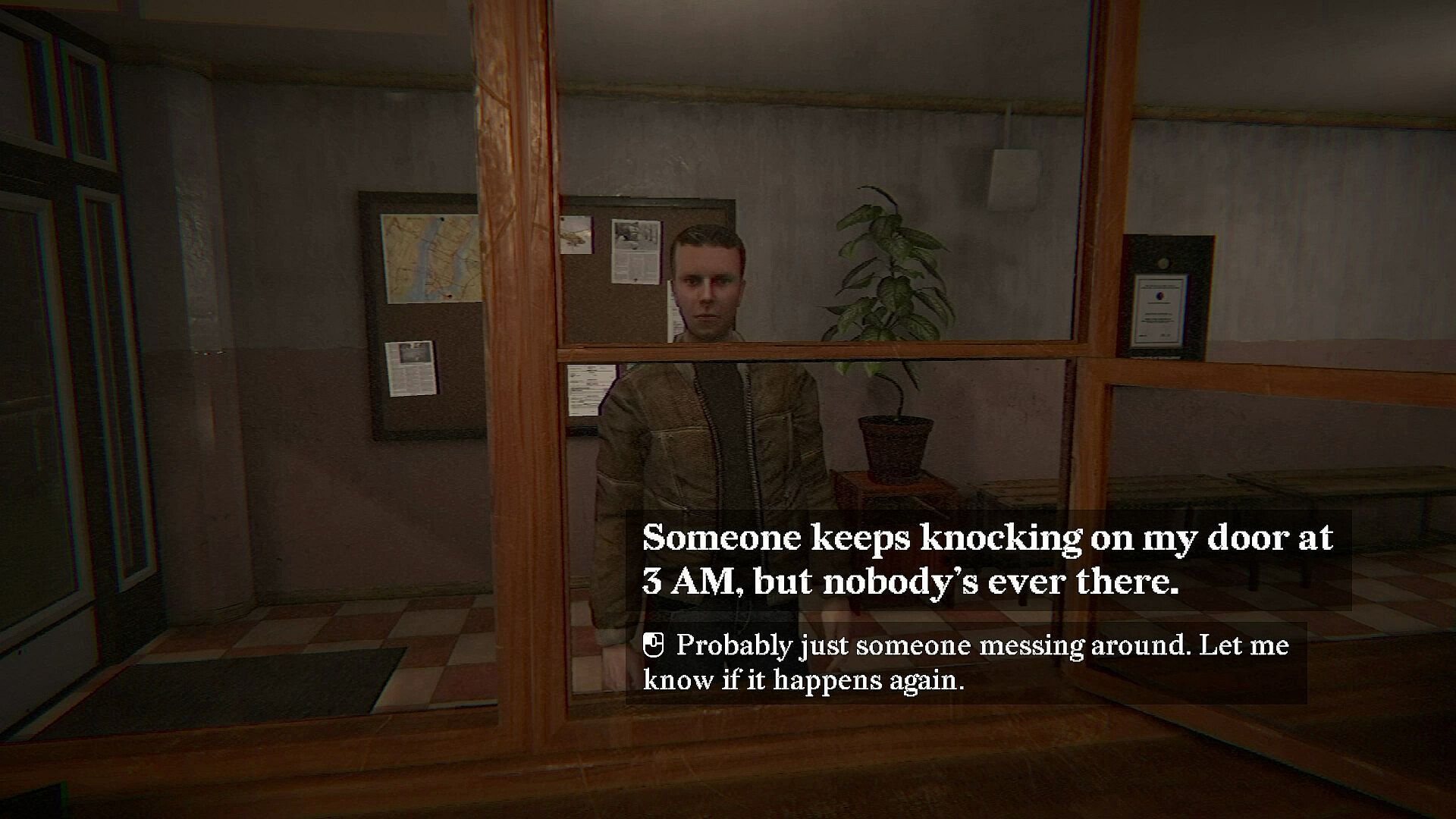
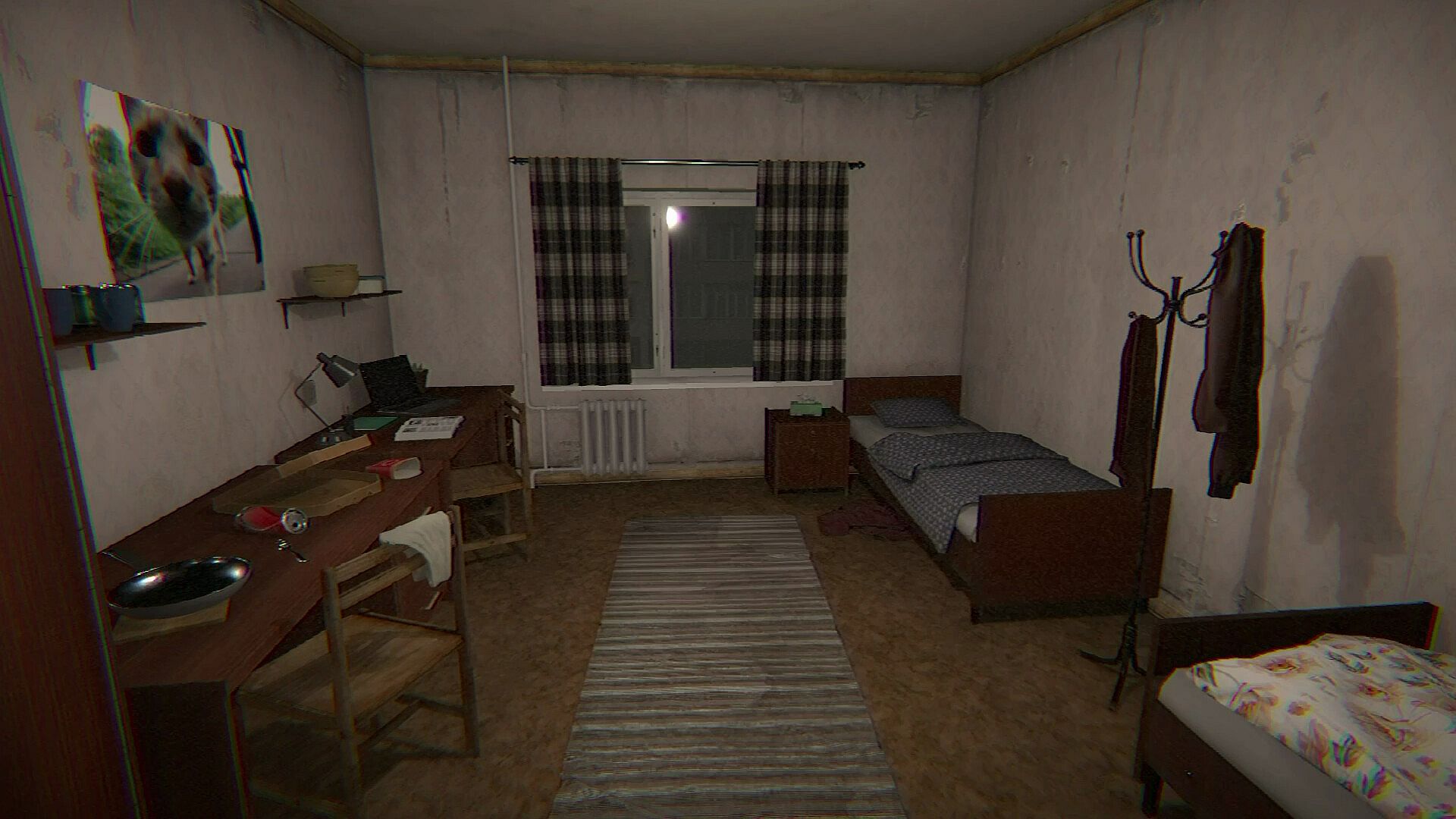
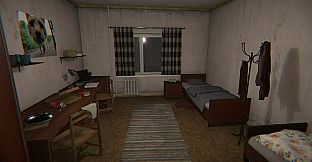
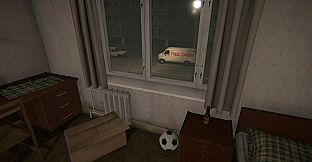
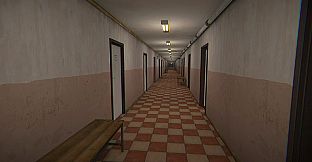
The core loop revolves around managing the front desk from evening until morning. Requests from residents send the player into the dark hallways to address issues such as broken equipment or unusual disturbances. Each visit to a room reveals details about its occupant through decorations and personal items, adding layers of narrative without requiring combat or complex controls. Players walk the corridors, interact with objects, and respond to calls while the atmosphere grows increasingly tense as the nights progress. The simulation elements focus on practical tasks like repairs and assistance, while adventure aspects encourage careful observation of the environment to piece together the underlying story.
Exploration forms a key part of the experience, with each room offering unique visual storytelling that reflects the lives of the students living there. Situations range from mundane fixes to strange or unsettling encounters that build suspense across the shifts. The first-person perspective keeps the focus on immersion in the confined dorm setting, where simple navigation and interaction drive progression. No advanced movement mechanics or combat systems appear, keeping the emphasis on the job routine and the mystery that unfolds through repeated nights of work.
Game Modes
Dorm Shift operates as a linear single-player narrative experience structured around six distinct night shifts. There are no separate multiplayer modes or competitive elements, as the game centers entirely on solo progression through the receptionist duties and building exploration. Each shift follows a similar structure of desk work interrupted by student requests, but the events and revelations change as the story advances, creating a sense of escalation without branching paths or alternative playstyles.
The shift-based format serves as the primary way to experience the content, with players returning to the front desk after handling tasks in the halls and rooms. This setup reinforces the simulation of a repetitive job that slowly reveals its darker side. No additional modes such as endless play, challenges, or co-op options are present, maintaining a focused story-driven approach throughout the six nights.
Story and Atmosphere
The narrative unfolds gradually through interactions with students and discoveries made while exploring the dorm. What begins as a straightforward job for extra money evolves into an investigation of strange occurrences that affect the entire building. Player choices in how to respond to requests and what to examine in the rooms contribute to the sense of uncovering hidden details about the residents and the institution itself.
Atmosphere plays a central role, with the old, underfunded dorm providing a fitting backdrop for tension. Dimly lit hallways, personalized room interiors, and the isolation of night work combine to create moments of unease that mix with lighter or odd situations. The horror elements build through implication and discovery rather than constant action, aligning with the story-driven focus of the experience.
Is It Worth Playing?
Dorm Shift appeals most to players who enjoy narrative-focused indie games that combine simulation tasks with horror and mystery elements. Those interested in exploring detailed environments and piecing together a slow-burning story will find the six-night structure engaging, especially if they appreciate games where routine activities lead to unsettling revelations. The emphasis on room exploration and student interactions adds personality that distinguishes it from more straightforward horror titles.
Since the game remains in development with no released version available yet, current player reception is limited to anticipation based on the described features. It suits fans of single-player adventures that prioritize atmosphere and subtle storytelling over intense action or complex systems. Anyone seeking a concise, focused experience centered on a unique job premise may find it worthwhile once it launches, particularly if they value the blend of everyday maintenance with creeping dread.