







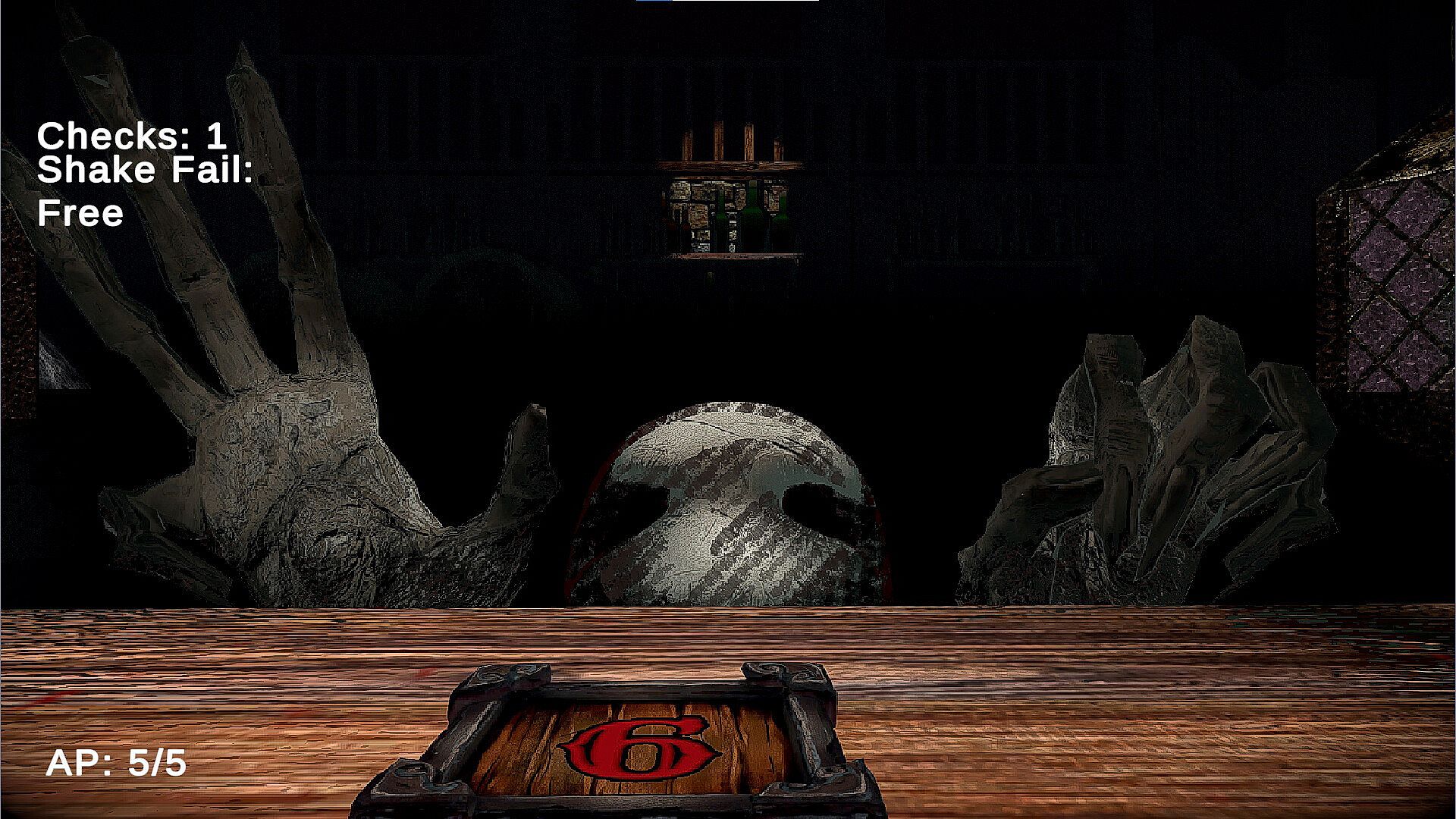
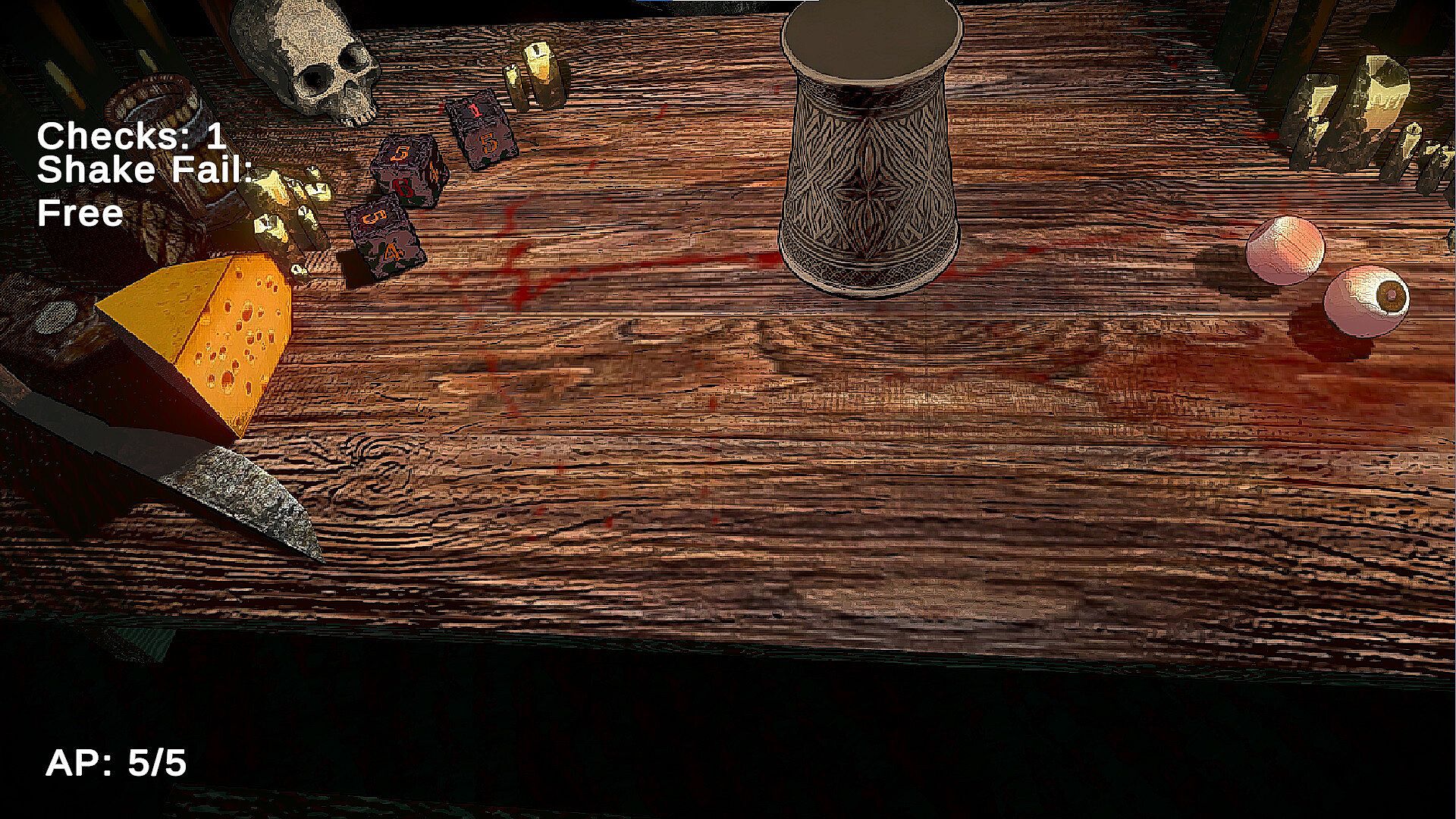
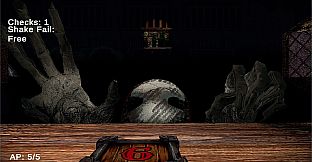
Don't Get Six is a first-person horror deduction game developed for PC that blends strategy and simulation elements. Players find themselves trapped in a tense, unfair dice game where revealing a six ends the round immediately. Success depends on careful observation, memory, and strategic decision-making rather than chance alone.
Gameplay
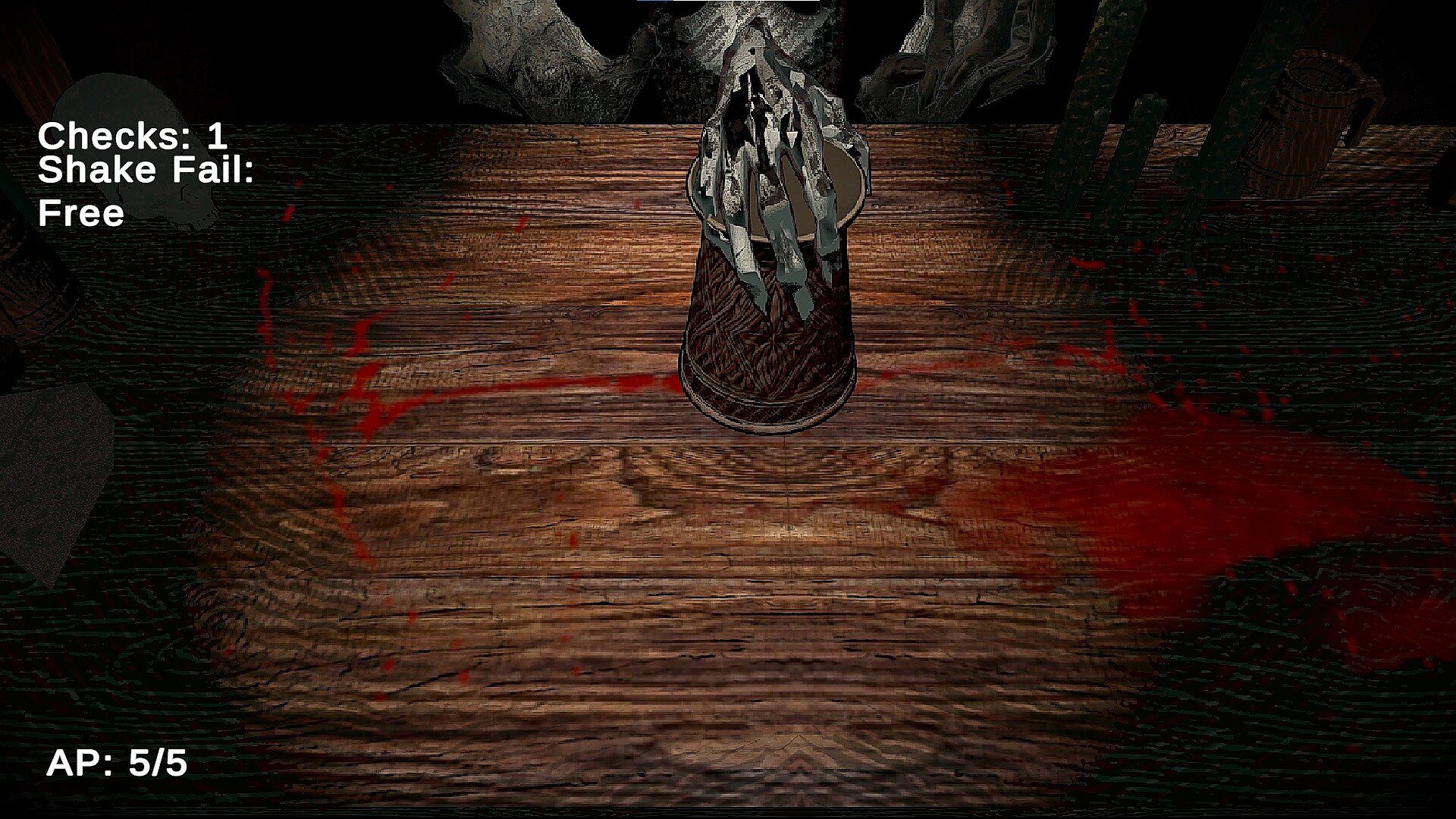
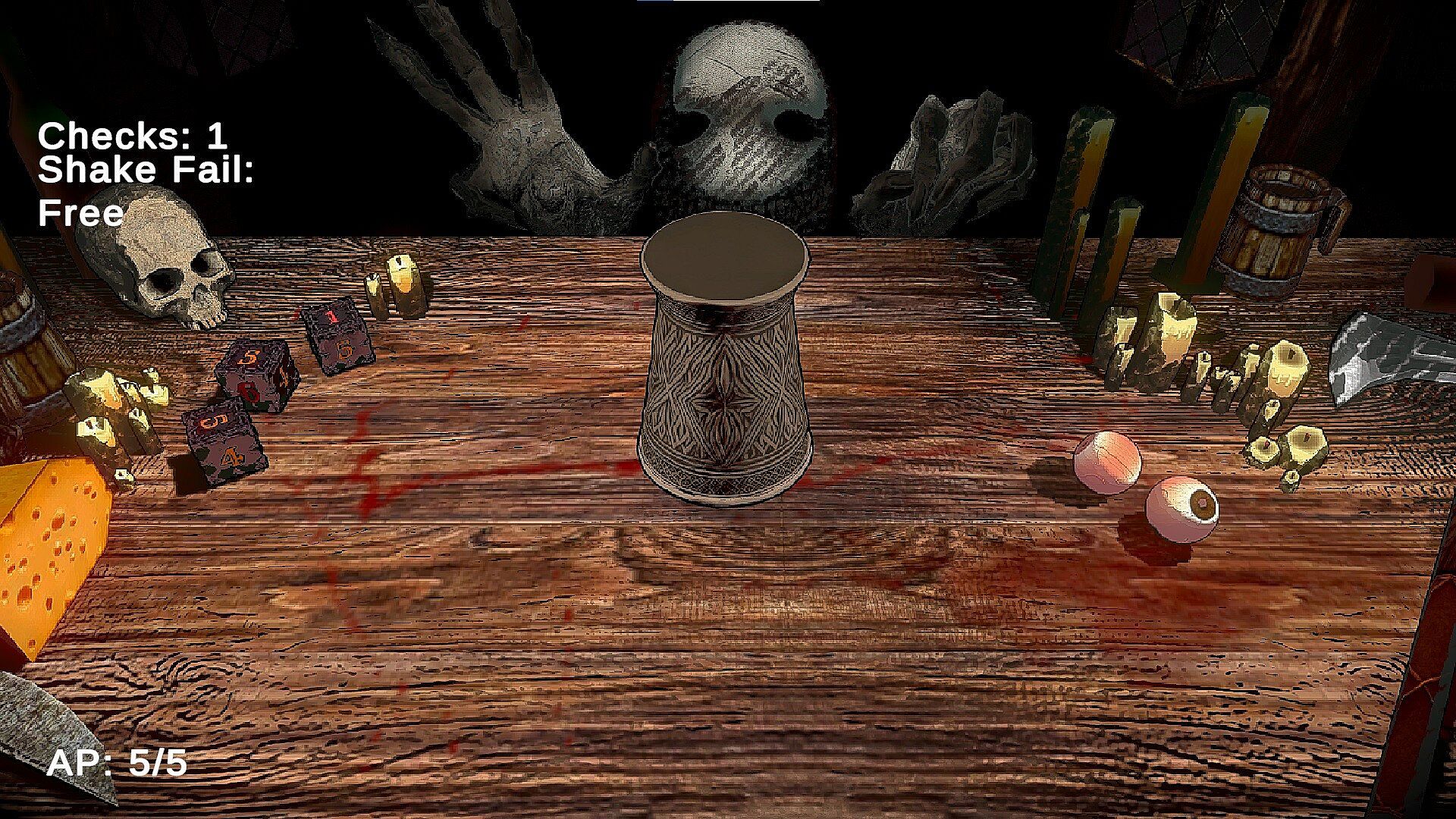
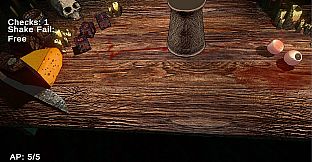
The core loop centers on interacting with a cup of dice in a confined environment. Players shake the cup repeatedly while deciding the right moment to stop and reveal the result. Shaking too long or revealing at the wrong time risks exposing a six and losing the round. The environment plays a key role, as scattered objects can hide anomalies that signal danger ahead.
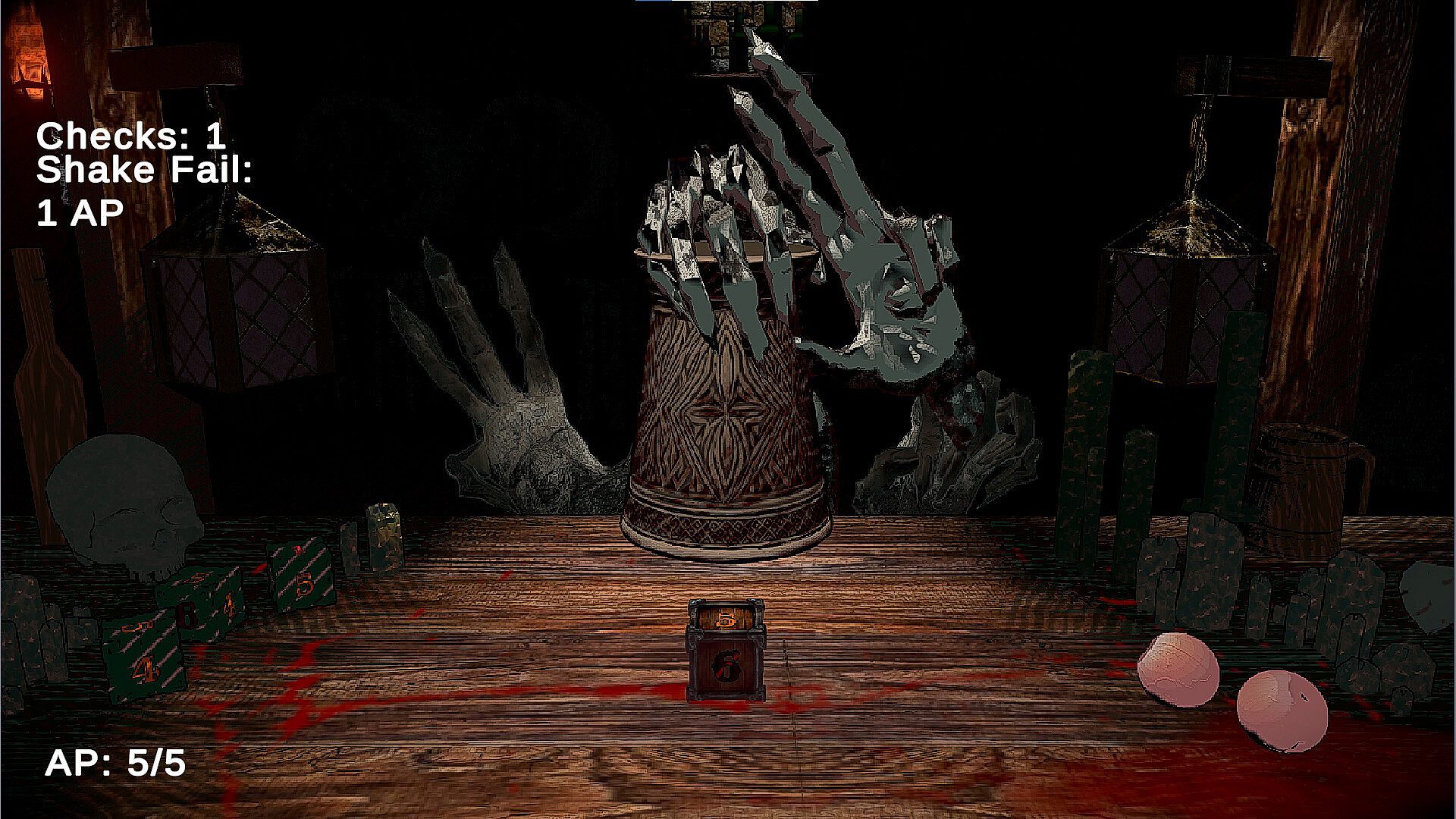
Interacting with these objects requires attention to detail. Spotting an anomaly indicates that the next reveal will show a six, forcing players to adjust their approach or use available tools to avoid disaster. Power cards provide special abilities that alter predictions or create opportunities to survive risky situations. Each failed attempt feeds into a learning process where patterns become clearer over time.
Memorization becomes essential because the setup changes subtly between rounds. Players track previous outcomes and environmental cues to improve predictions. The horror atmosphere builds through the pressure of one wrong move ending progress, emphasizing deduction over direct confrontation.
Game Modes
The experience revolves around surviving multiple rounds by avoiding sixes a set number of times. Rounds progress through repeated cup interactions, with increasing tension as anomalies appear and power cards come into play. There are no separate named modes beyond this core survival structure, keeping the focus on consistent deduction and adaptation.
Players refine their strategy across attempts, using observation skills to identify safe reveals and card effects to handle anomalies. The single-player format encourages repeated sessions to master the timing and environmental interactions without external competition.
Key Mechanics and Features
Shaking the cup offers control over reveal timing, but anomalies in the surroundings serve as critical warnings. Finding one guarantees a six on the next reveal, turning the environment into an active puzzle element. Power cards introduce variety by granting abilities that help predict results or escape immediate threats.
Adaptation forms the backbone of progress. Every round provides data on patterns, allowing better decisions in future attempts. The simulation aspects emerge through the consistent rules of the dice game combined with variable environmental hazards.
Is It Worth Playing?
Don't Get Six targets players who enjoy psychological horror combined with deduction and strategy. Its mechanics reward patience and careful analysis rather than fast reflexes. The upcoming release in Q4 2026 means the full version remains in development, though a demo offers an early look at the core systems.
Those drawn to indie titles focused on observation and memory will find the loop engaging. The absence of multiplayer keeps the challenge personal and repeatable. With no reviews available yet, potential players can evaluate the demo to determine if the tension and learning curve match their preferences.