


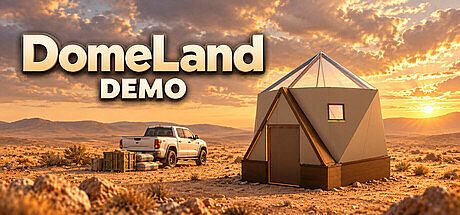


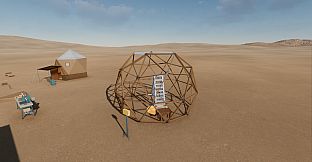
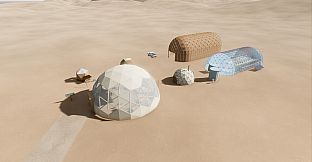
DomeLand is a first-person indie simulation game on PC that centers on hands-on construction, sustainable farming, and settlement management in a desert environment. Players begin by driving a pickup truck into the wilderness and assembling dome structures from basic materials before expanding into functional living spaces and production systems.
Gameplay
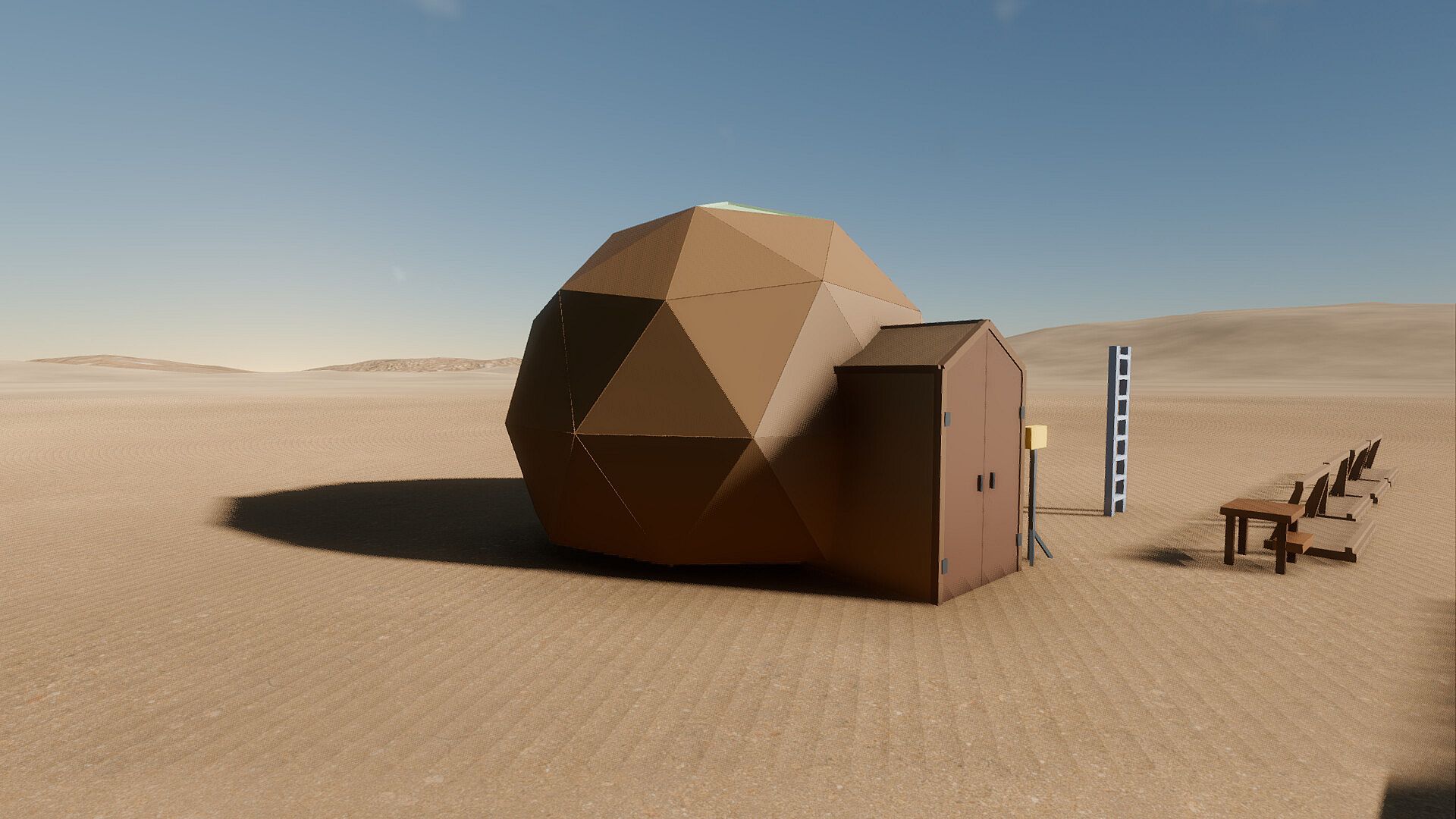
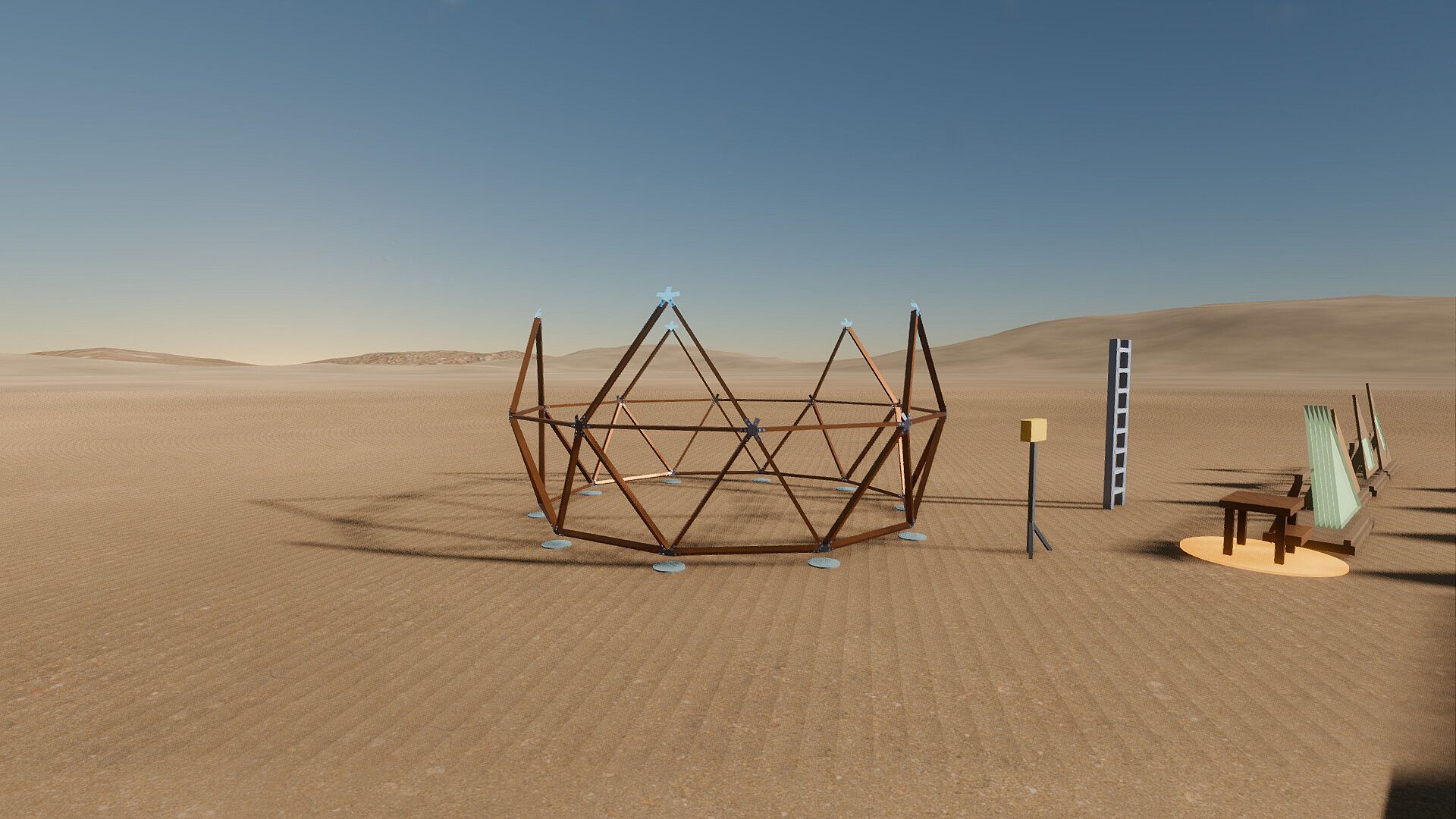
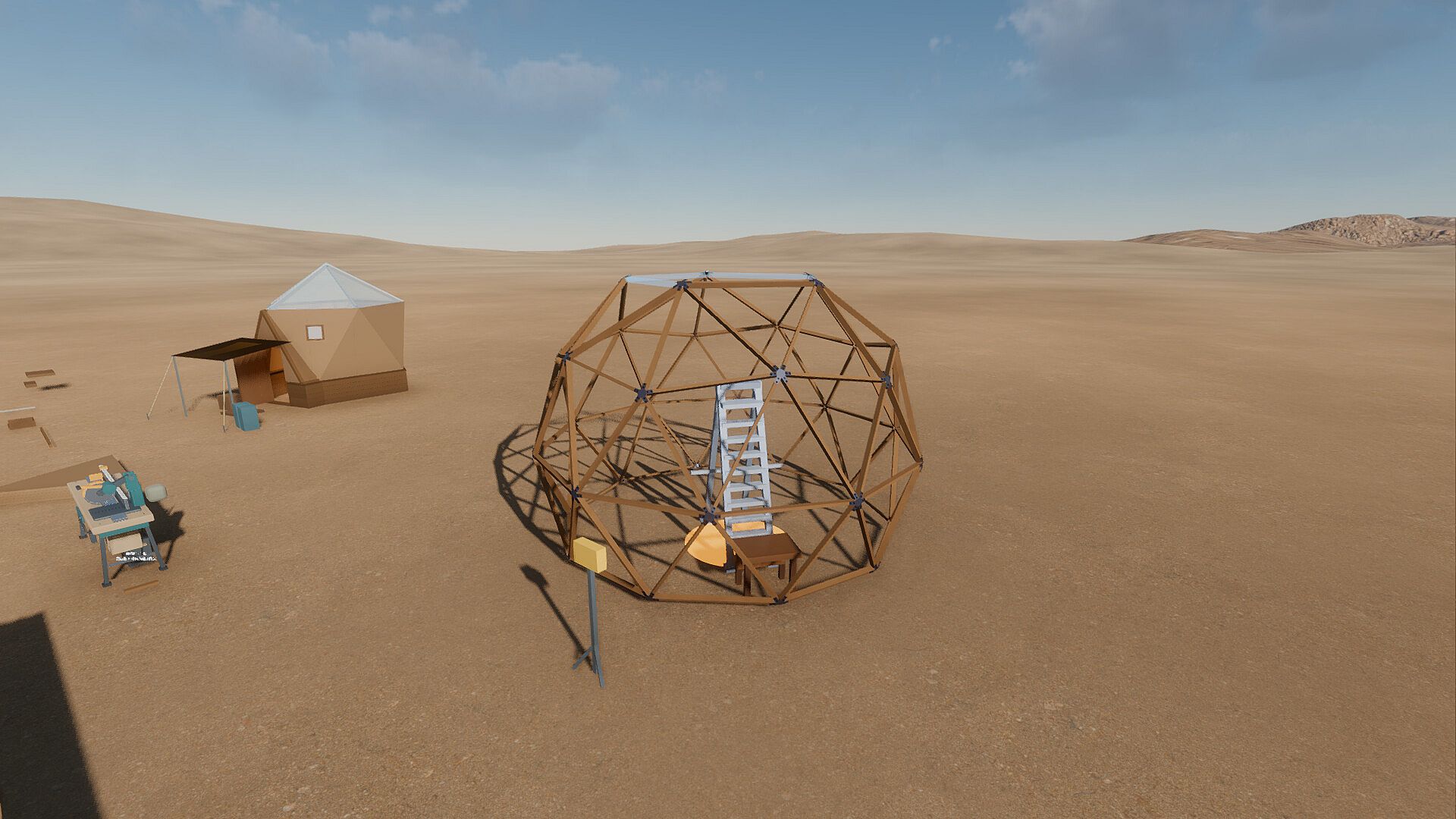
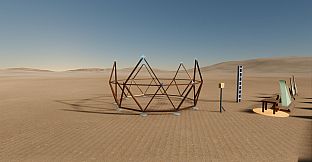
The core loop revolves around manual assembly and resource management. Players unload supplies from the vehicle tailgate, consult assembly plans, and position foundation modules before fitting connectors and raising timber frames. Triangular panels, doors, and windows complete the initial shelter, with adjustments made for changing weather conditions such as rain.
Progression involves learning dome geometry through practical construction. Early efforts focus on a basic 1V shelter using prepared timber, drilled holes, and fastened joints. Steps and ladders allow access to upper sections as the frame takes shape. Materials are packed away between builds to maintain an organized workspace.
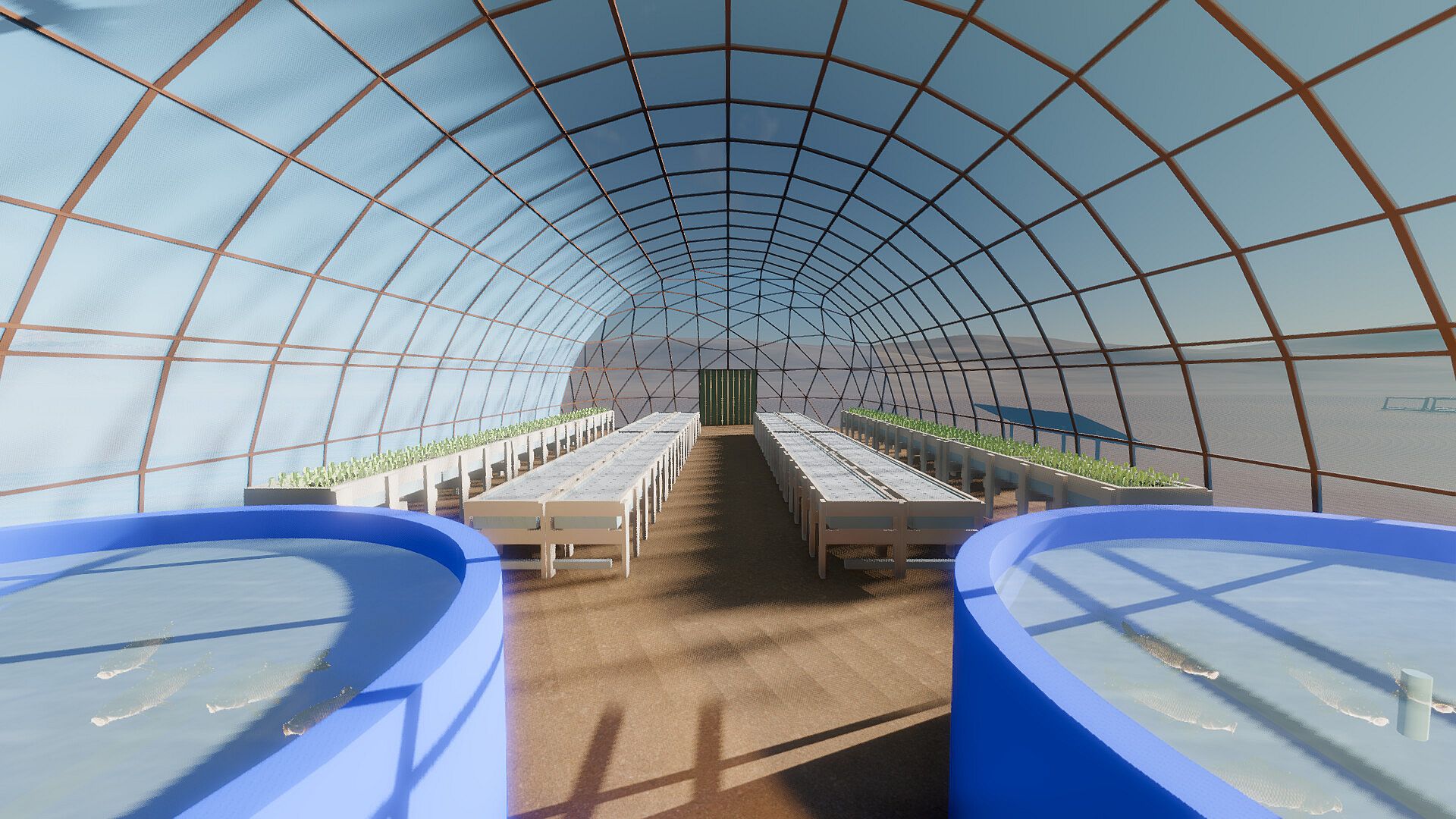
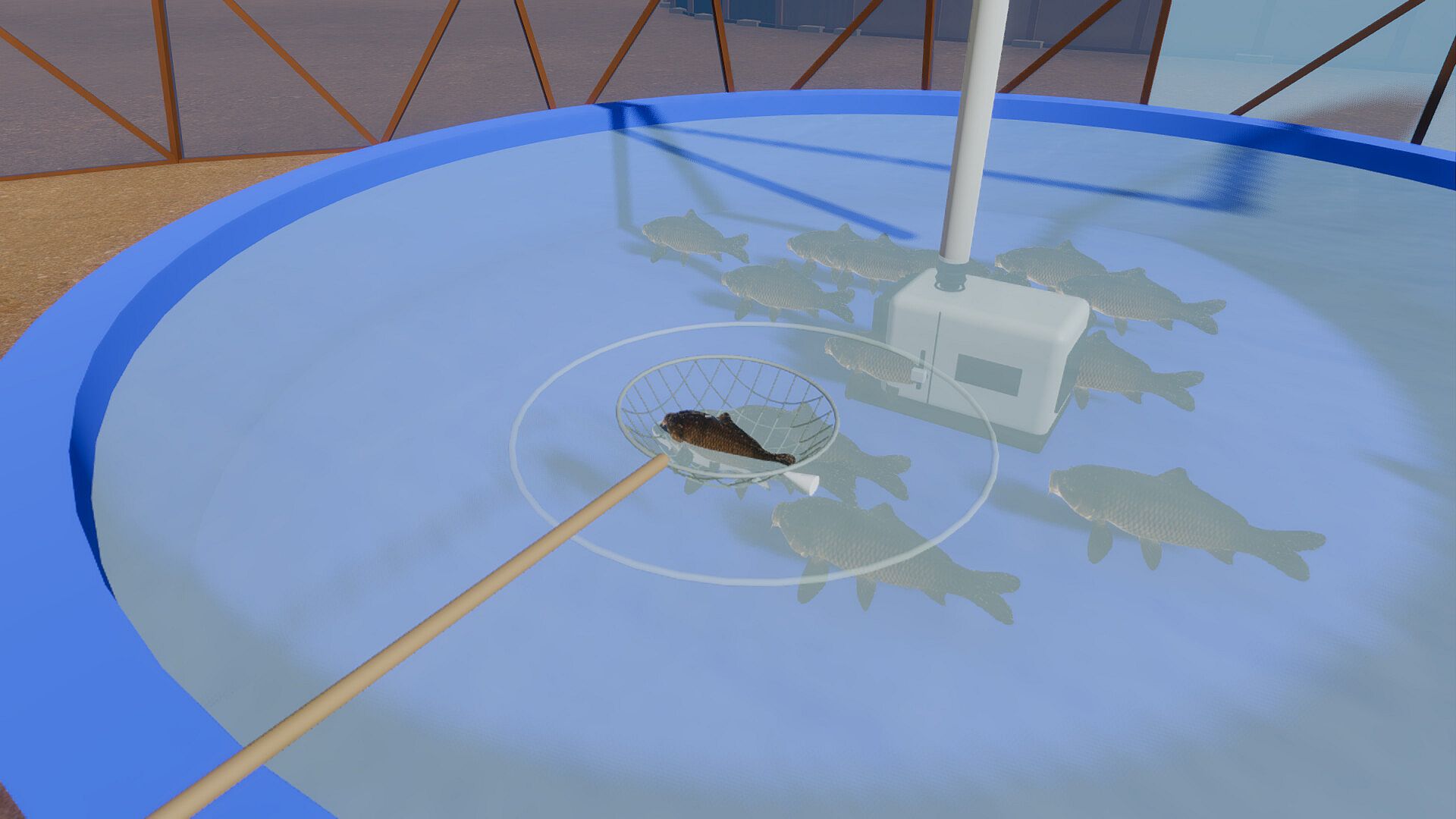
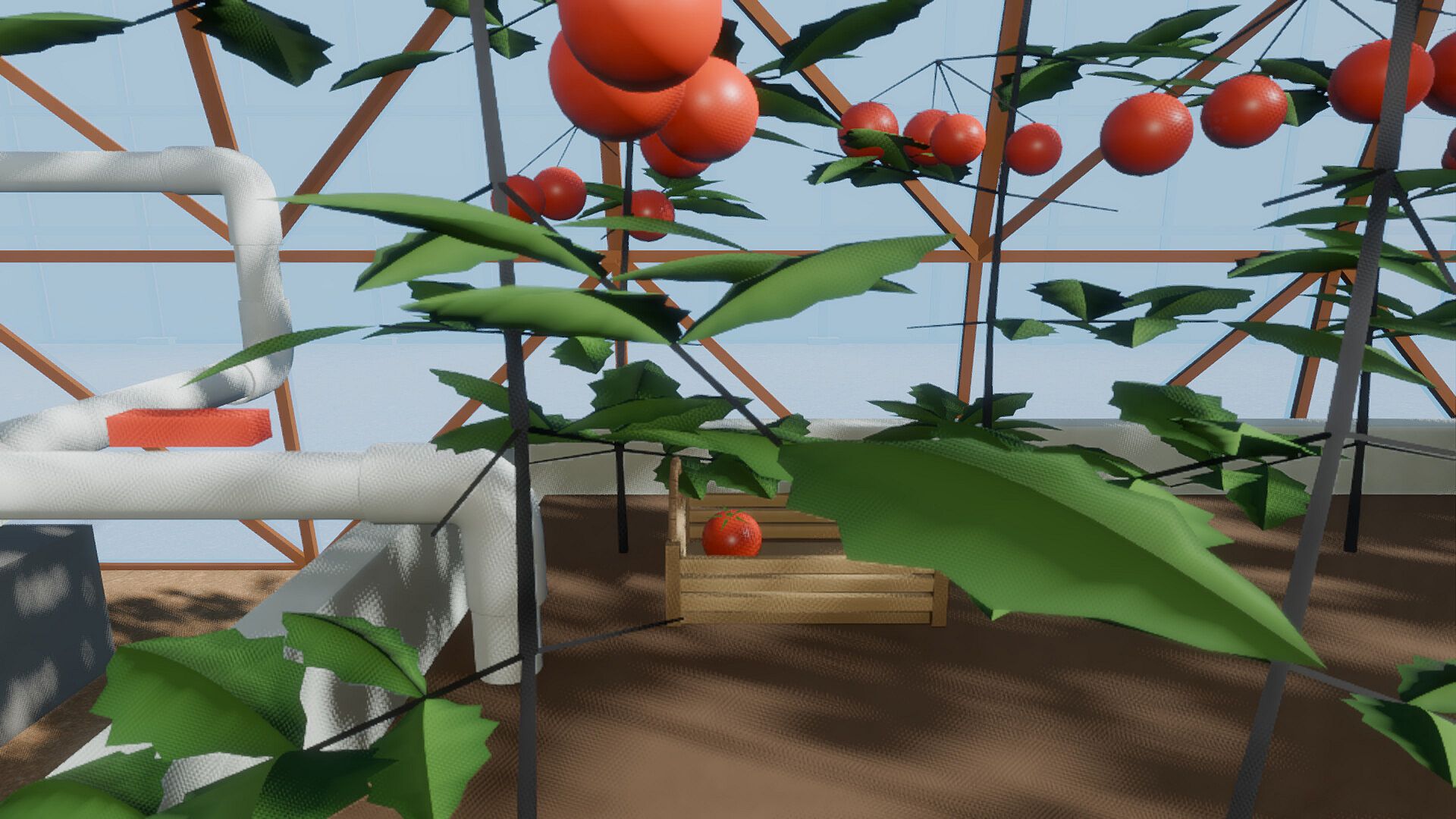
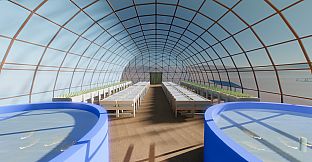
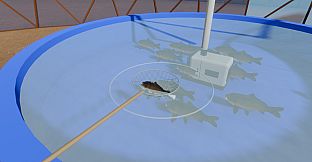
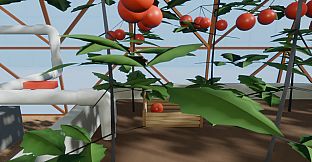
Once the shelter is habitable, attention shifts to integrated farming systems. A greenhouse connects fish tanks, grow beds, pumps, and return pipes to create a closed aquaponics loop. Fish and tomato seedlings are introduced, with regular feeding and monitoring of water circulation supporting growth cycles.
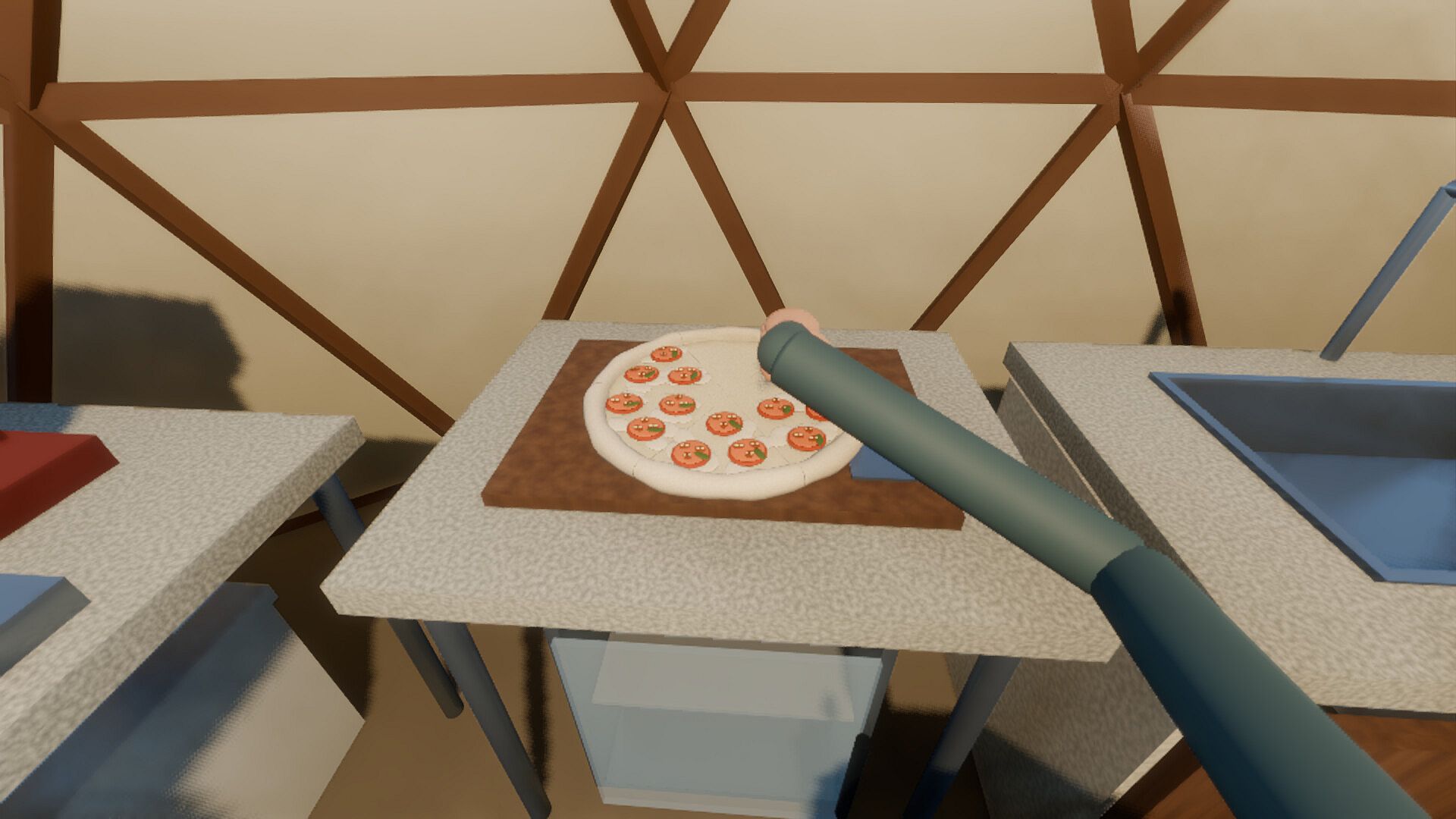
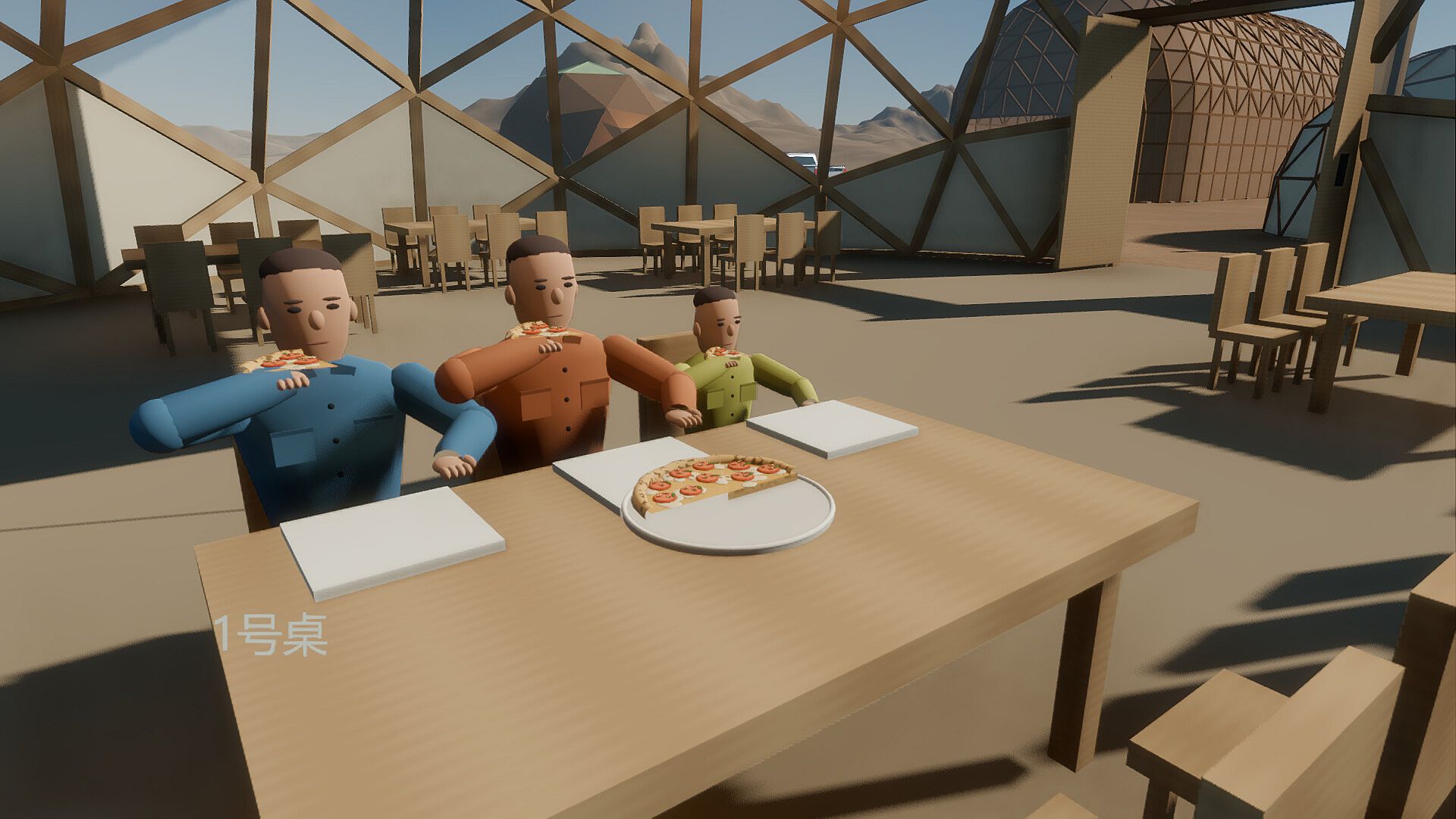
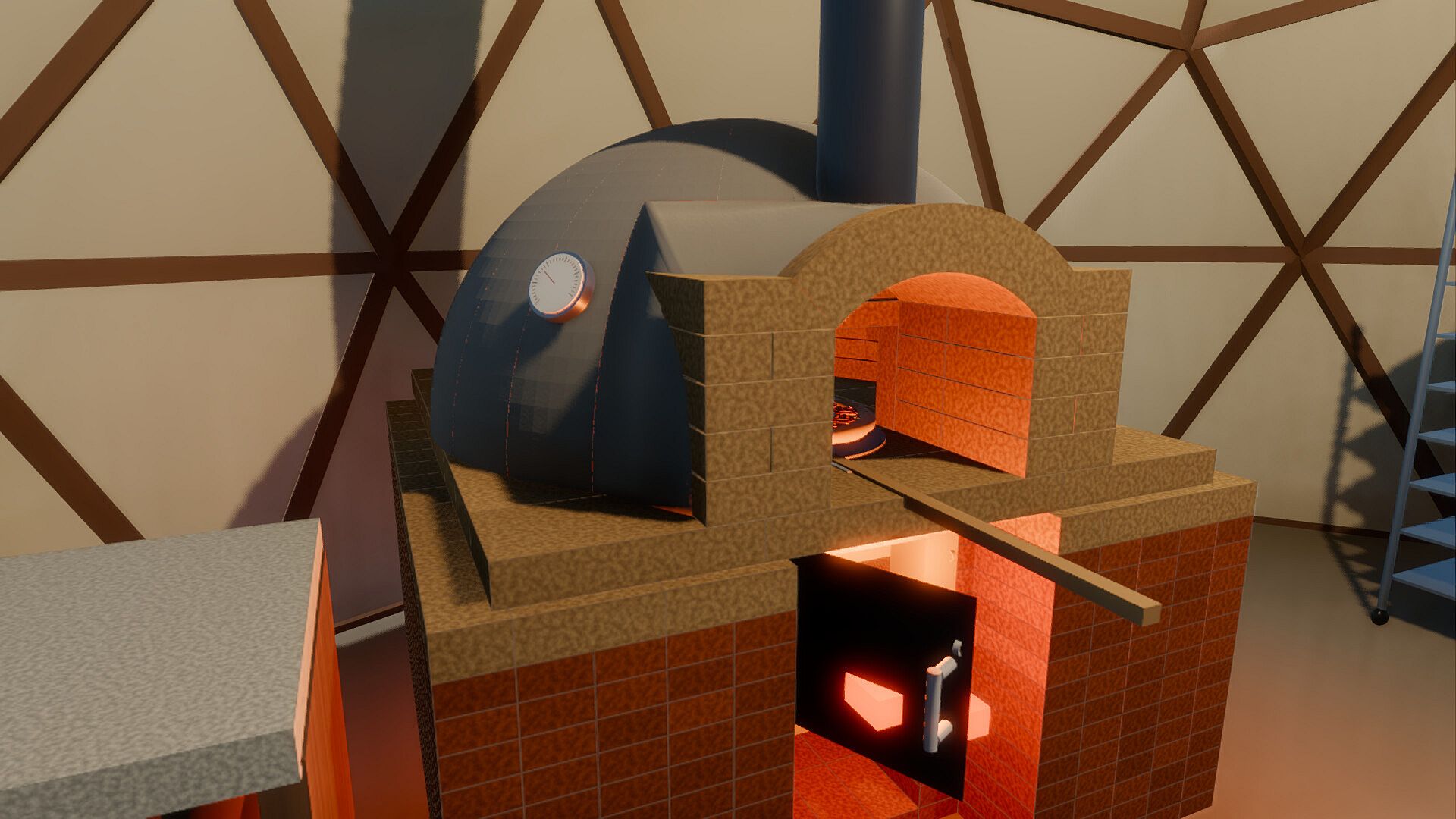
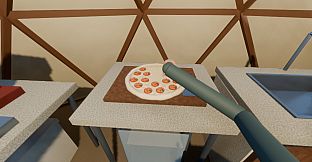
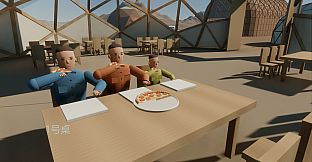
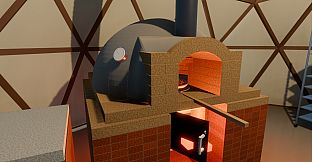
Harvested produce feeds into food preparation. A wood-fired oven handles dough mixing, shaping, proofing, and baking. Tomatoes are washed and used as toppings on pizza bases, while mature fish are caught for additional menu items. The process extends to serving and clearing tables within the completed dome structure.
Game Modes
DomeLand offers a single-player experience controlled exclusively with keyboard and mouse. There are no multiplayer options or additional modes confirmed at this stage. The design emphasizes solitary progression through sequential building and farming tasks without external competition or cooperative elements.
Building and Expansion
Construction begins with the simplest dome configuration and scales to more intricate designs. Each stage requires precise preparation of components and careful assembly to ensure structural integrity. The demo version limits players to the initial 1V shelter, including driving, unloading, frame erection, cladding installation, and overnight shelter during rain. Save functionality allows continuation of progress within these boundaries.
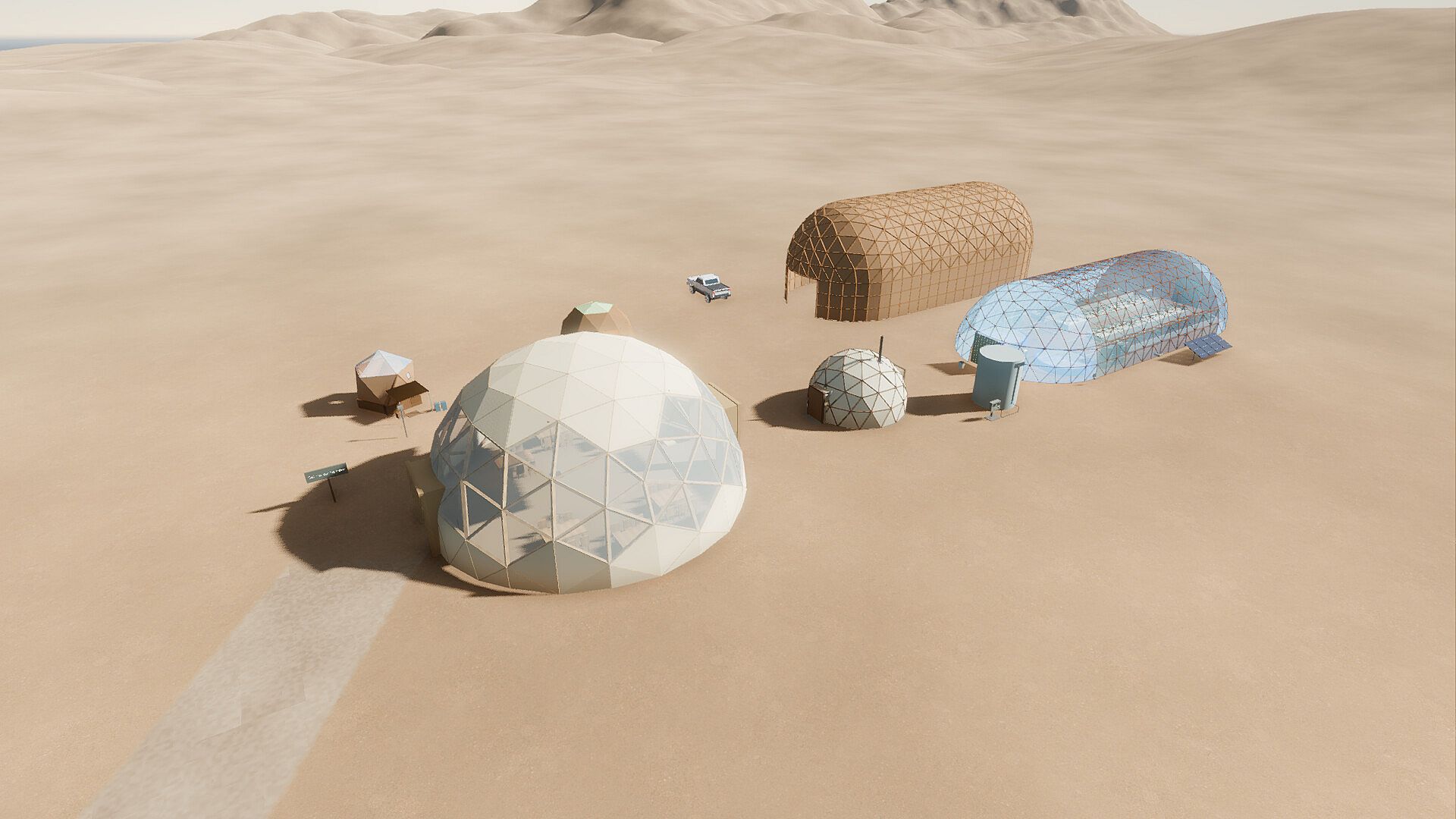
Later stages in the full release introduce additional structures such as workshops and expanded living areas. These build on the same modular principles but incorporate greater complexity in framing and integration with production systems.
Is It Worth Playing?
The game targets players interested in deliberate, methodical simulation gameplay focused on construction and self-sufficient farming. Its single-player format suits those who prefer independent pacing over social or competitive features. A playable demo provides a direct sample of the core shelter-building sequence, allowing evaluation before committing to the full title scheduled for release in Q1 2027.
With no user reviews available yet, reception remains undetermined. The emphasis on realistic assembly steps and interconnected systems like aquaponics appeals to fans of detailed indie simulations, though the current development stage means visuals and interactions are still being refined. Those drawn to first-person building and farm management in a contained desert setting will find the most alignment with the available content.