








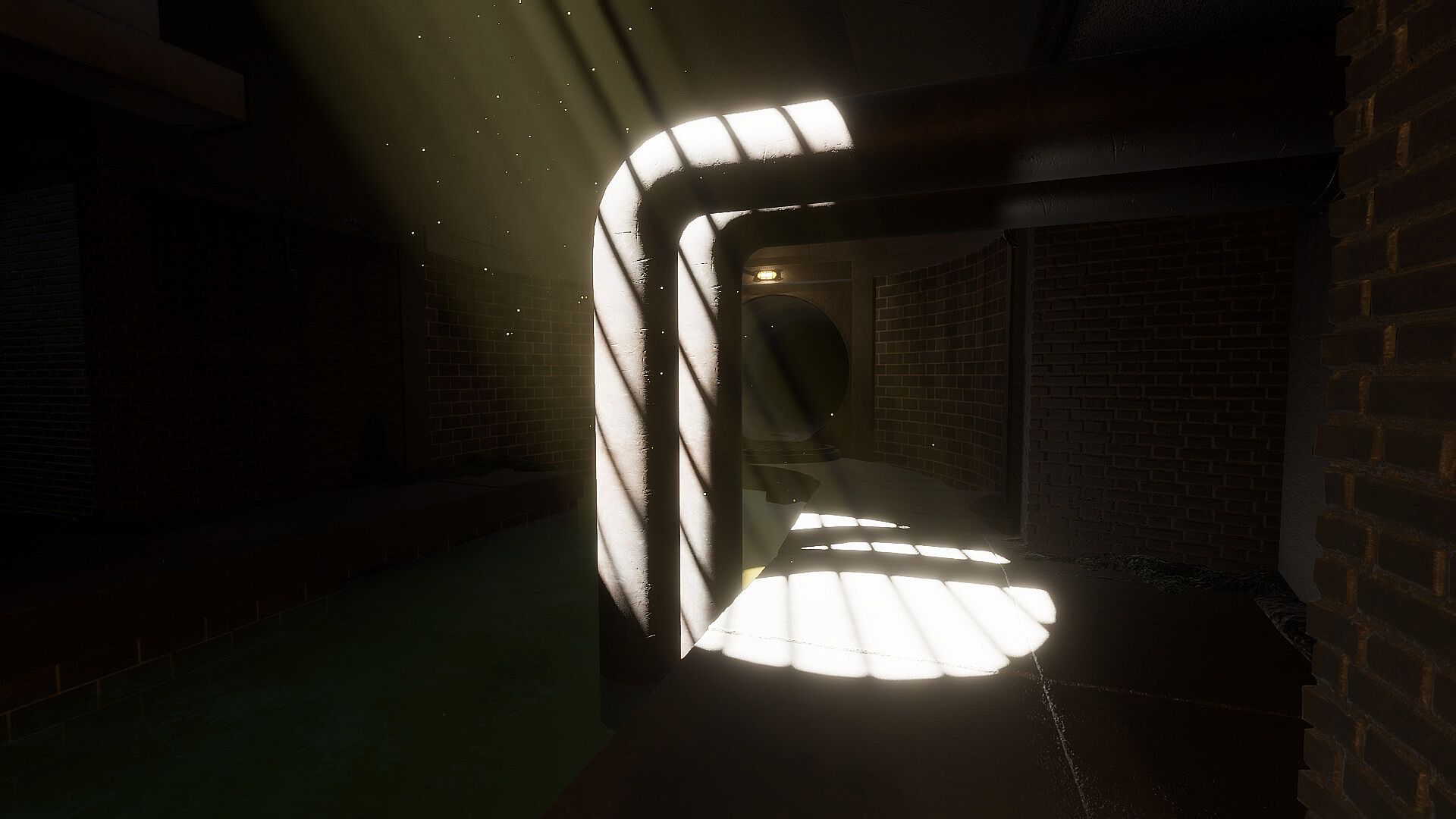
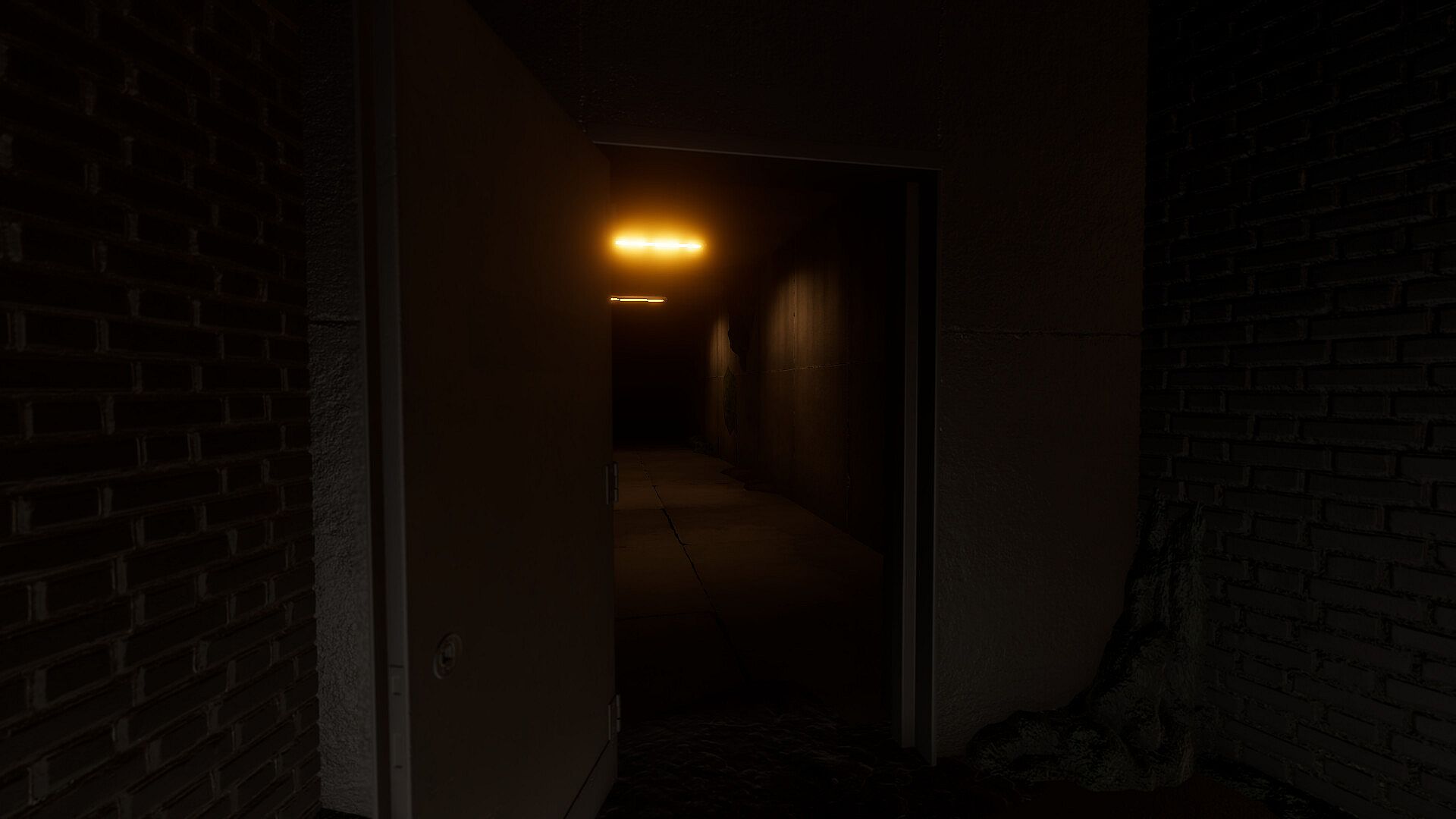





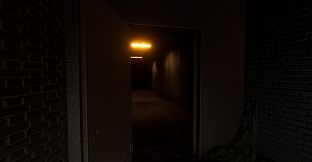

Domain Paradox: Growth is a first-person action horror title that places players in the role of a scientist navigating a looping, anomaly-filled domain. The core experience revolves around careful observation and survival in an environment where missing subtle changes can trigger resets and force repeated attempts at progression.
Gameplay
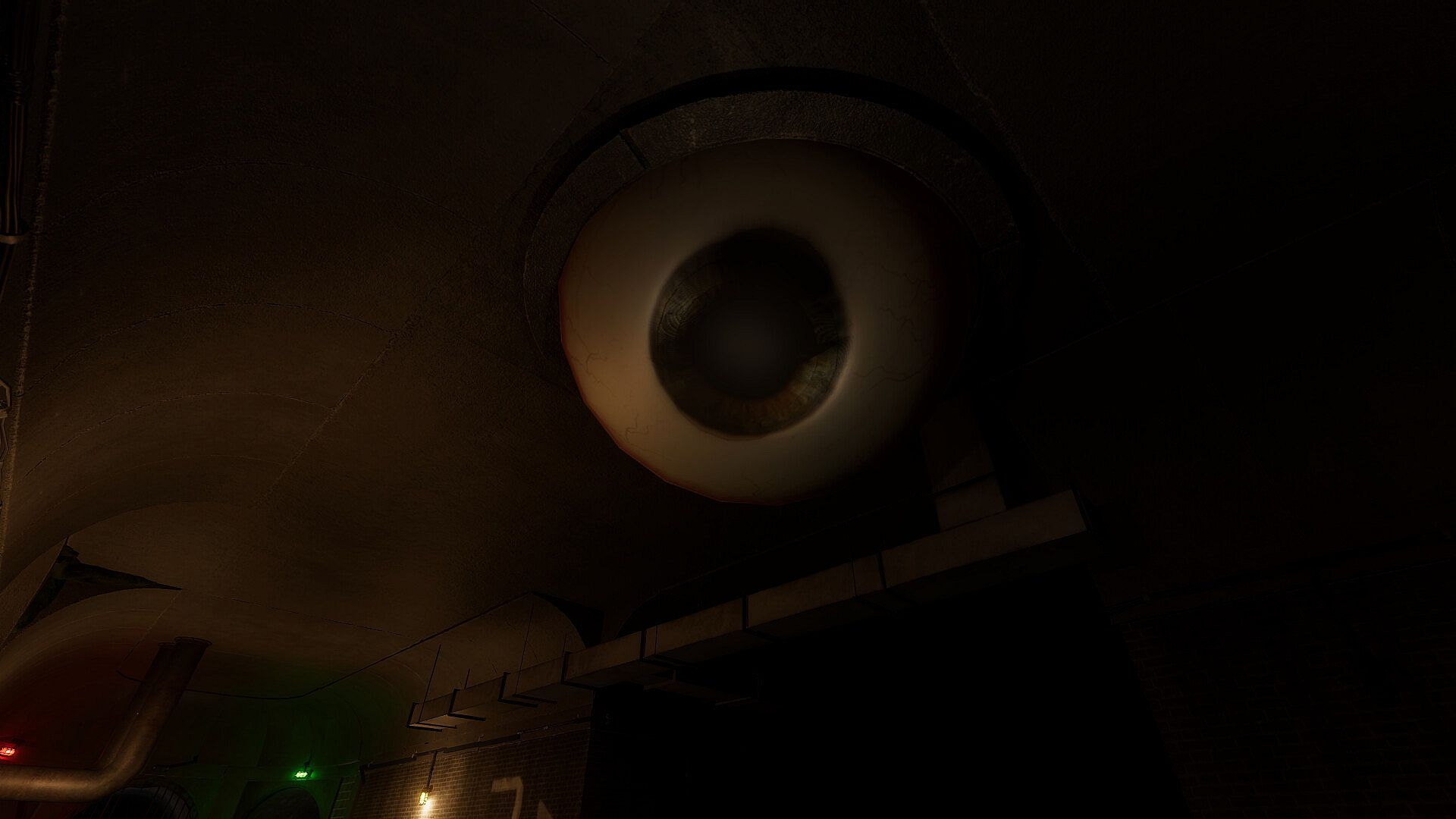
Players move through the domain on foot, scanning surroundings for anomalies that range from visual distortions to environmental shifts and entity behaviors. The logs describe encounters with collectors that mark progress points, where overlooking an anomaly sends the player back to an earlier stage. This creates a tense loop of exploration and correction without traditional objectives like collecting items or following markers.
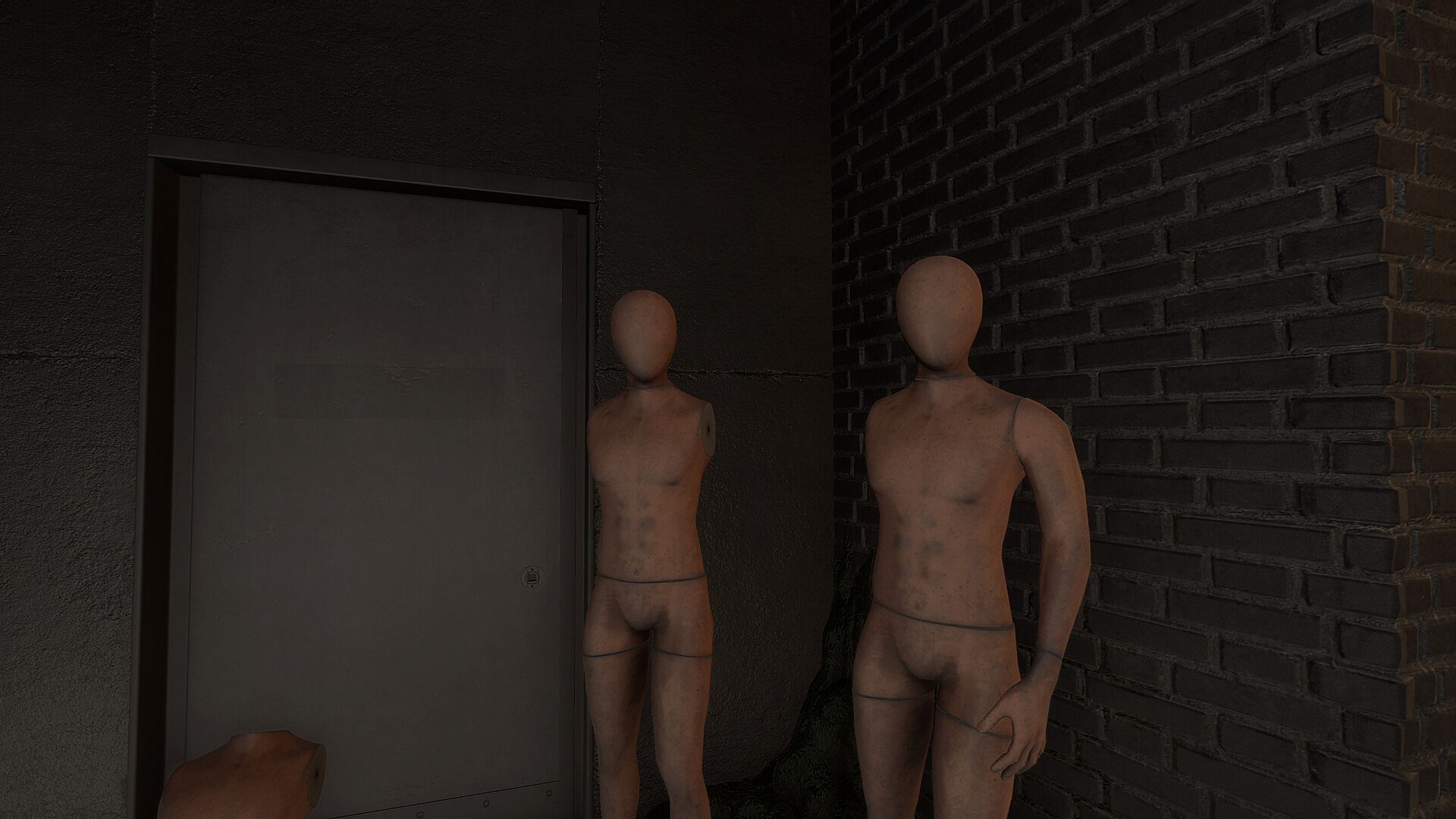
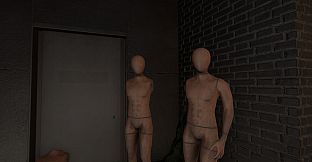
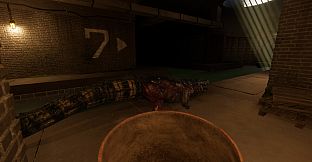
The game emphasizes realism through minimal guidance, requiring players to interpret environmental cues and audio signals independently. Mannequins appear in unsettling configurations, sometimes grouped around disassembled figures or positioned in hiding spots, adding layers of psychological pressure. A television sequence reveals a recording of the player from an unseen source, heightening the sense of being watched. These elements tie into a multi-layered narrative that reveals itself gradually through repeated domain traversals and personal logs.
Sound design plays a central role, with professional voice acting conveying fatigue, fear, and confusion in the logs. Custom audio effects accompany anomaly detections and environmental changes, reinforcing the oppressive atmosphere. The dynamic difficulty system adjusts based on player performance, maintaining pressure without explicit tutorials or checkpoints beyond the collector markers.
Game Modes
The experience centers on a single-player campaign structure. There are no multiplayer components or separate competitive modes. Progression relies on persistent exploration within the domain, where each run builds on the previous through story revelations and anomaly familiarity. Focused exploration removes filler elements such as keys, notes, or side quests, directing attention solely to anomaly detection and narrative discovery.
Atmosphere and Features
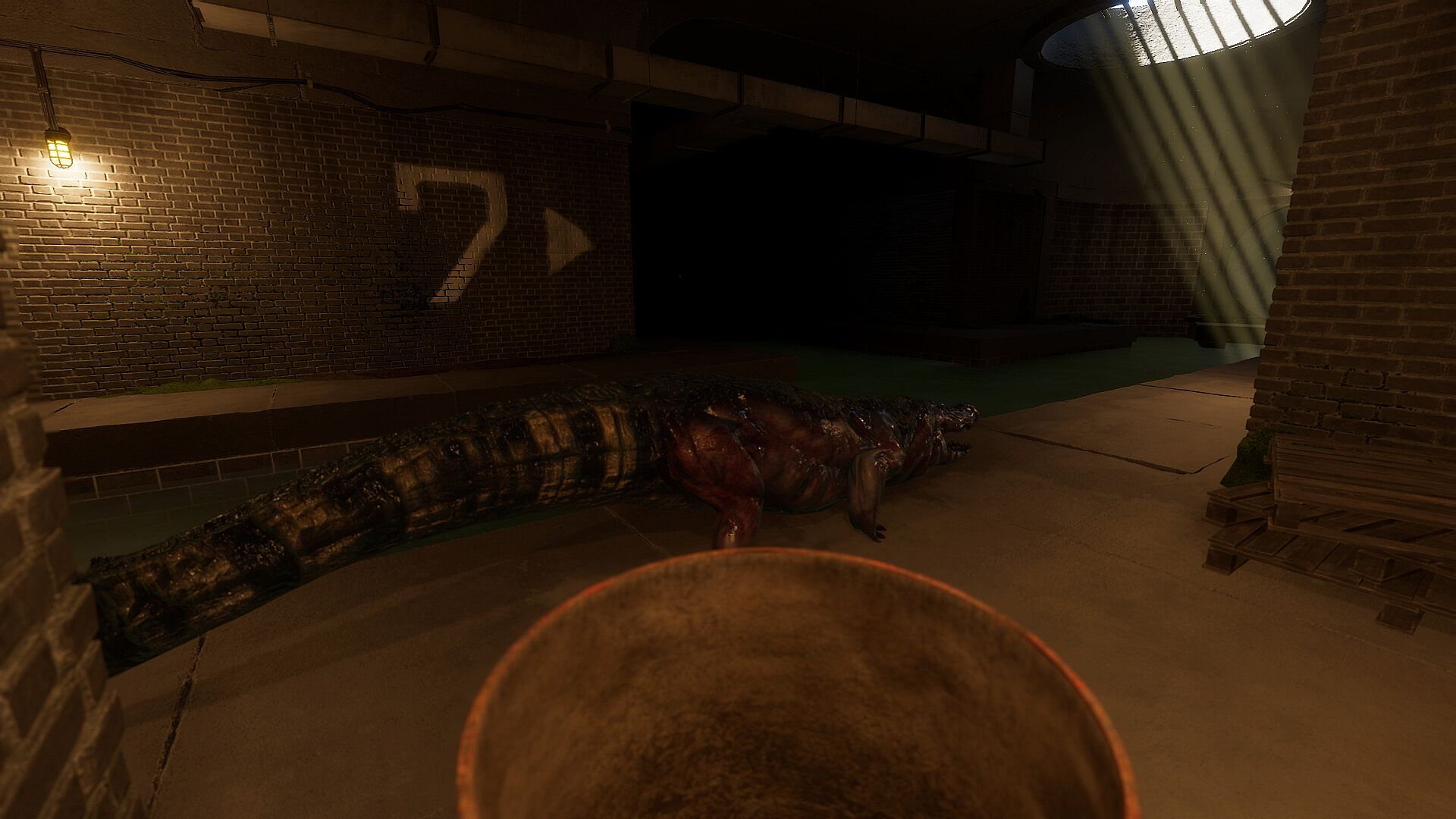
The domain presents over one hundred unique anomalies designed for immersion. These include noticeable visual and behavioral oddities that players must identify amid the tension of potential resets. Easter eggs scattered throughout reward thorough searching without disrupting the main loop. The absence of hand-holding mechanics demands constant vigilance, aligning with the pure realism approach described in the game's design.
Player movement feels deliberate and grounded, with encounters building dread through repetition and subtle variations. The first-person perspective keeps the focus on personal perception, making each anomaly sighting feel immediate and personal.
Is It Worth Playing?
This title suits players who enjoy deliberate, observation-based horror experiences similar to walking simulators with added tension from failure states and resets. The combination of anomaly spotting, unfolding lore, and atmospheric sound work creates a focused session that rewards patience and attention to detail. With its emphasis on single-player progression and lack of extraneous systems, it appeals to those seeking a contained, high-pressure exploration challenge rather than open-ended or multiplayer content. The game remains in development with a planned release in Q4 2026, so current interest centers on its core mechanics and atmospheric presentation as shown in available materials.