






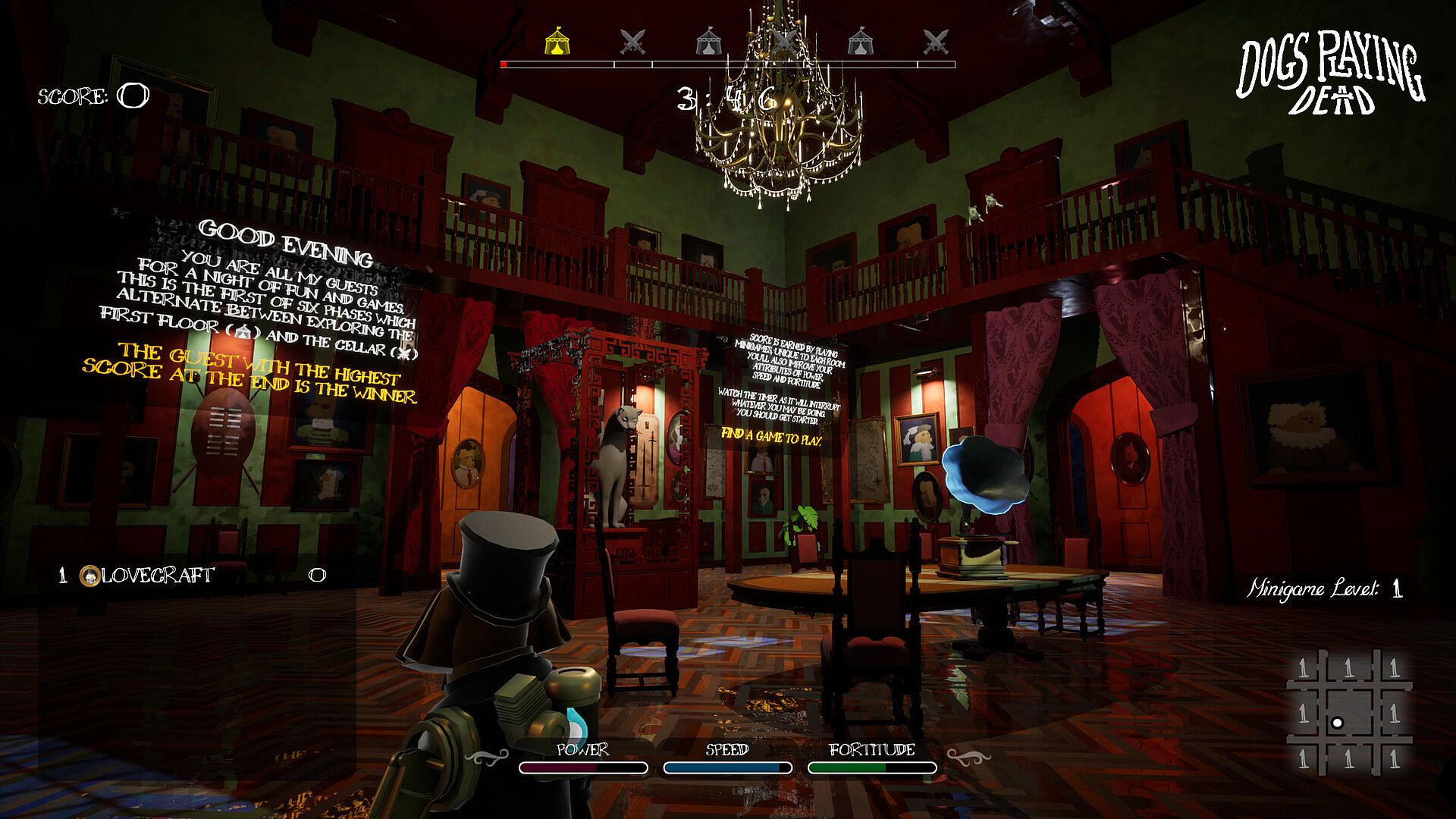
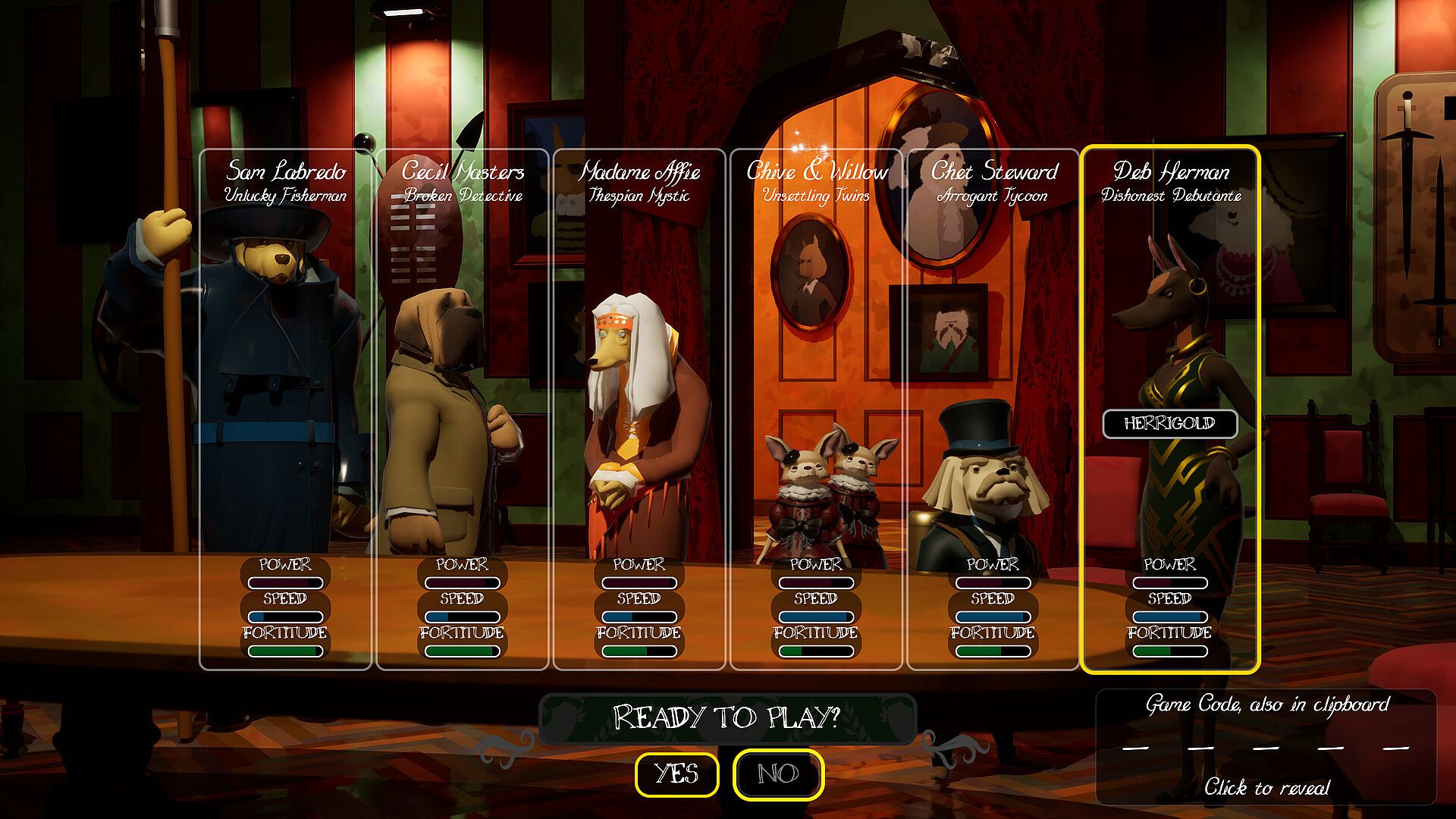
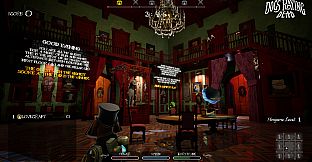

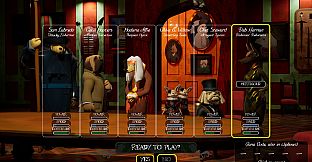
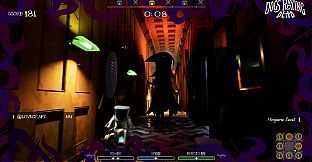
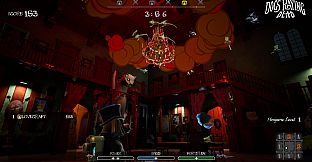
Dogs Playing Dead is an action casual game for PC that blends quick minigames with competitive interference and occasional brawls. Players take on the roles of six distinct canine characters inside a mansion setting, each bringing unique starting abilities and talents that shape how they approach challenges. The experience centers on a repeating cycle of room-based activities and forced confrontations, all wrapped in a twenty-minute session that rewards reflexes, strategy, and awareness of other participants.
Gameplay
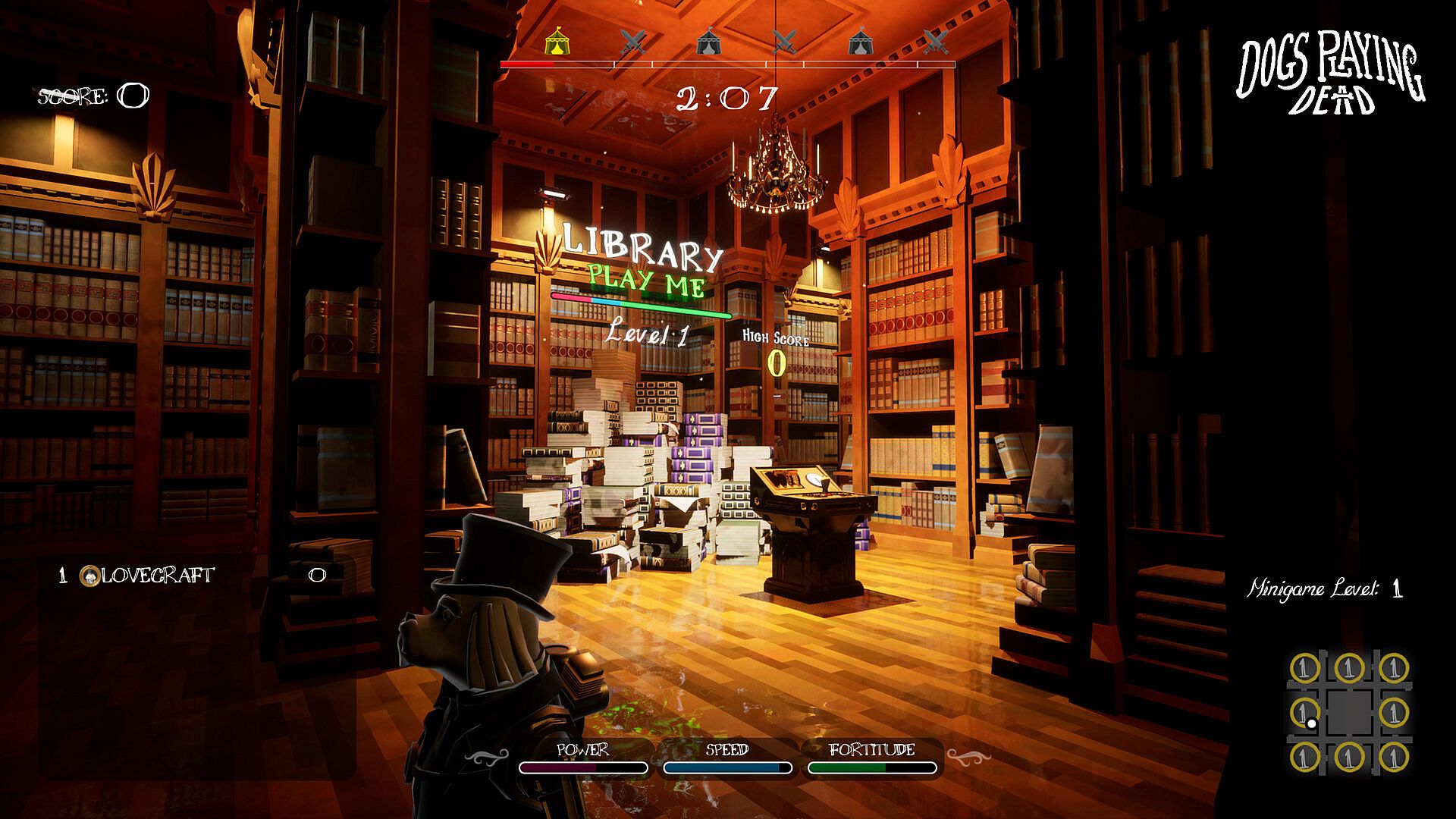
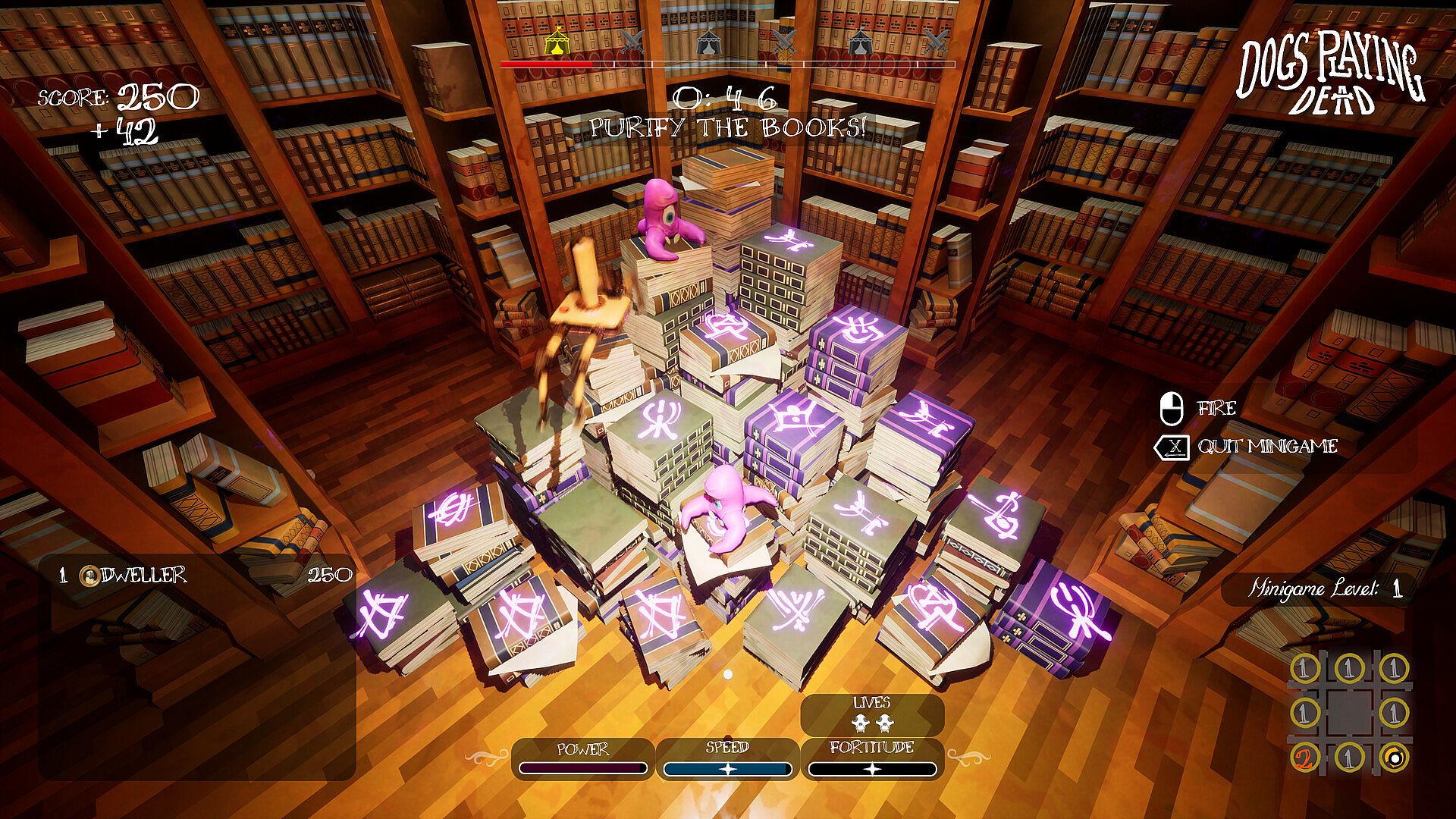
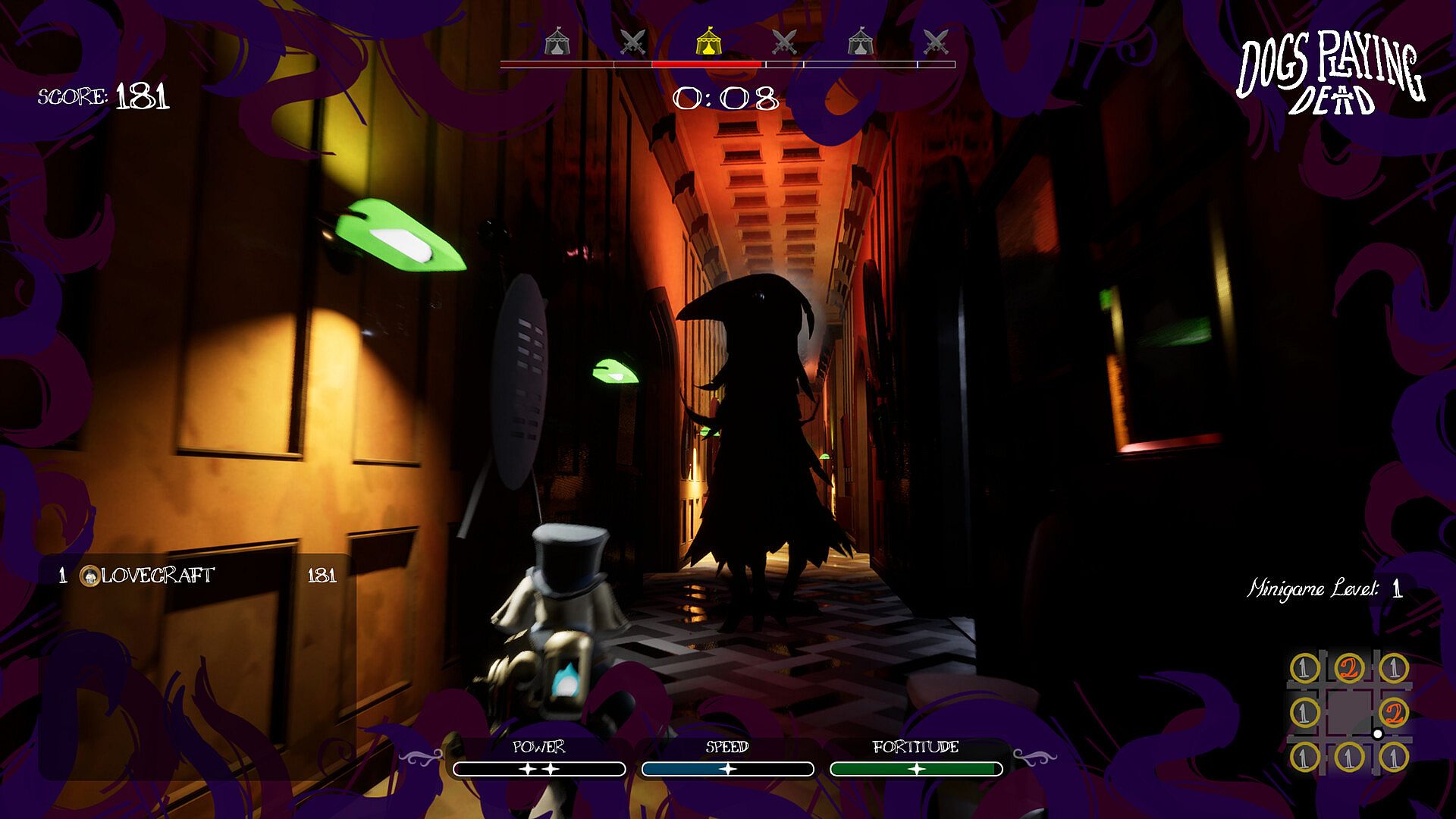
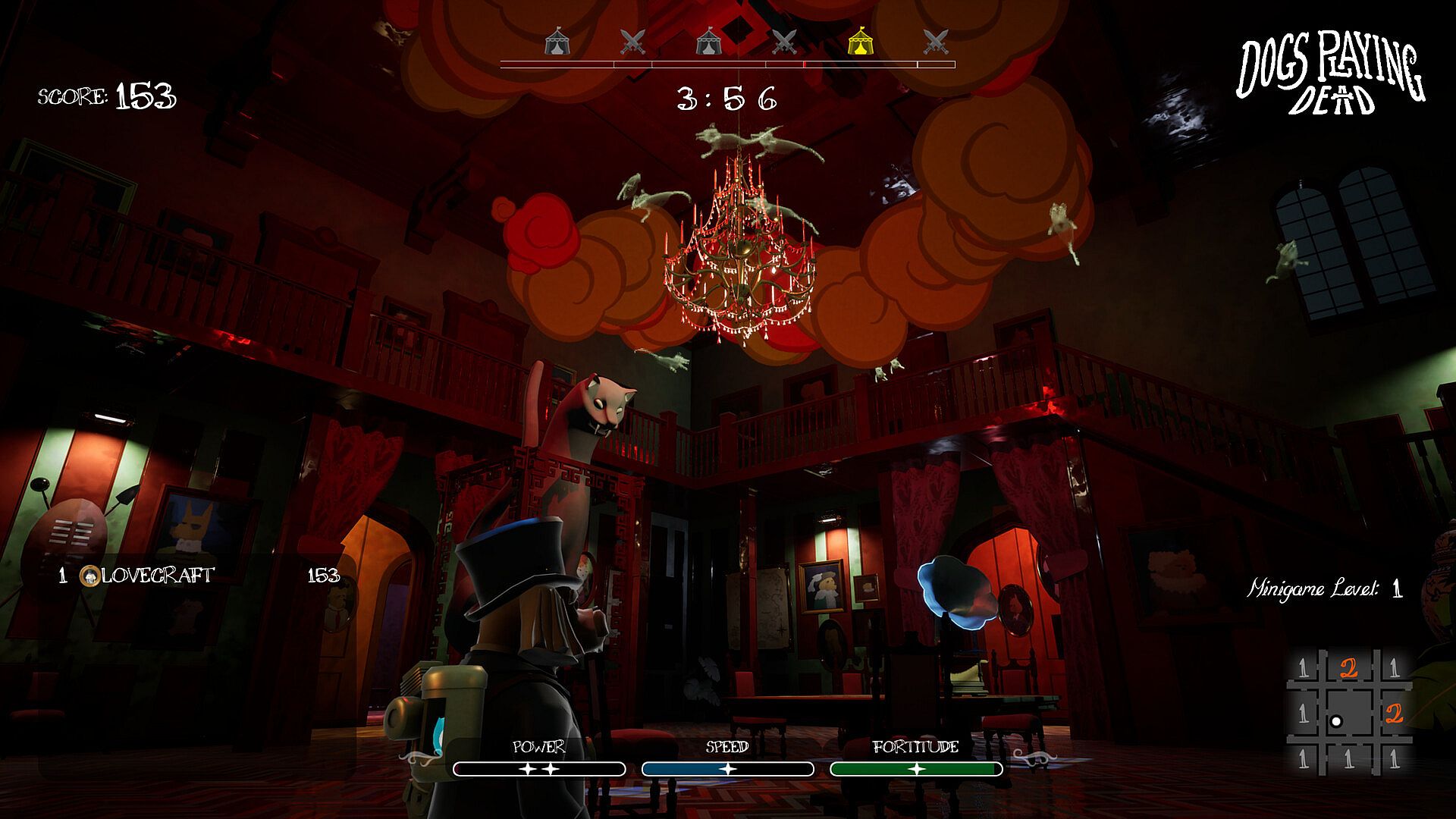
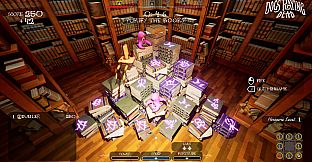
The core loop revolves around selecting a preferred room and completing its minigame to build score. Points earned feed directly into upgrades for power, speed, and health, allowing characters to tackle tougher versions of the same activities as the session progresses. Characters begin with different strengths, so early choices influence later performance when abilities scale up through accumulated points.
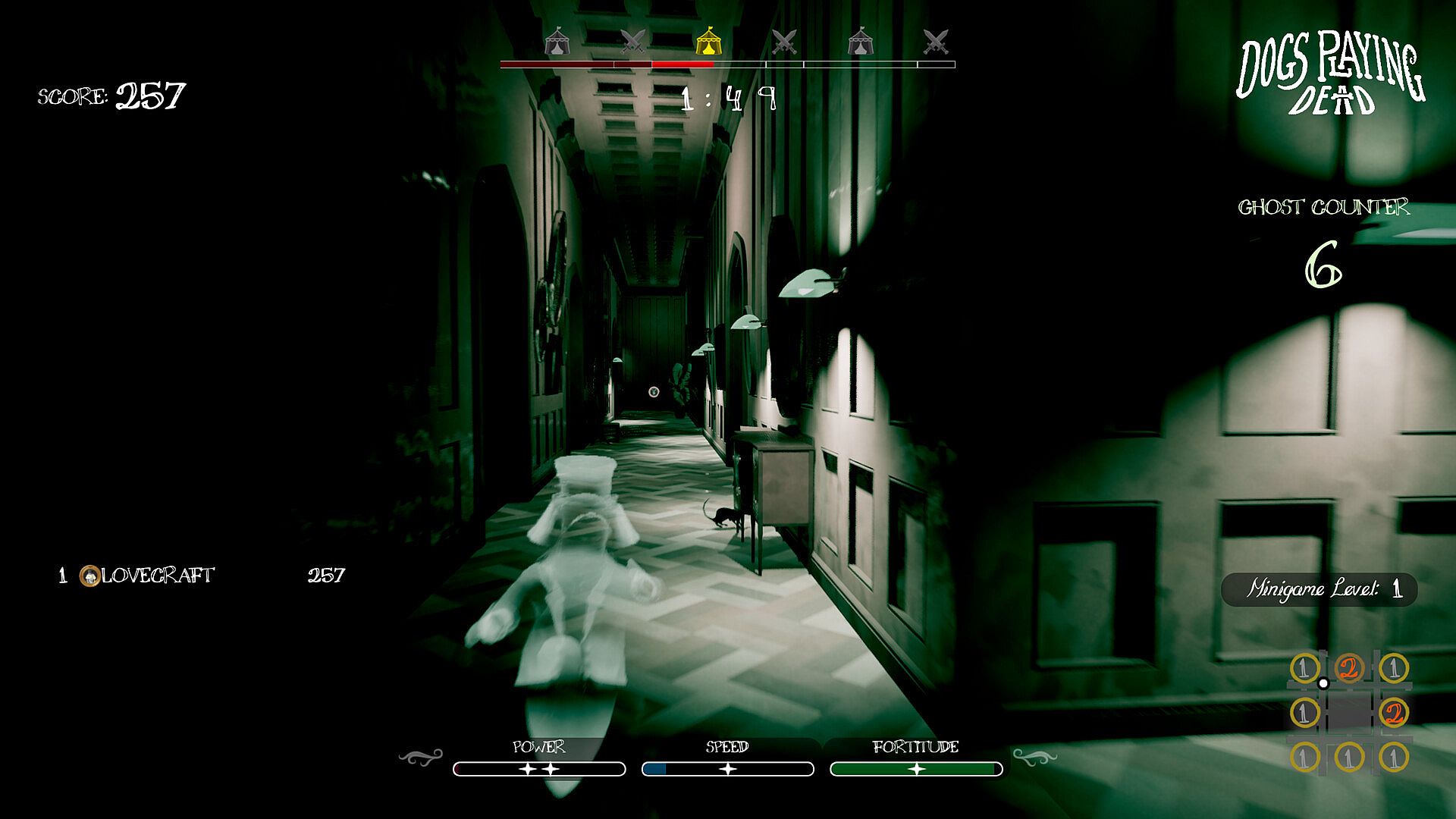
Interference forms a key layer. Other players can enter rooms and either assist or disrupt ongoing minigames, creating opportunities for teamwork or sabotage. Keeping track of who lingers nearby becomes essential, as sudden arrivals can shift momentum without warning. Death in a minigame triggers a temporary transformation into a ghost, during which the player gains the ability to influence the progress of remaining participants in limited ways.
Abilities tied to each of the six characters encourage experimentation across multiple sessions. Starting differences in power, speed, or health mean no two runs feel identical even when the same character is selected repeatedly.
Game Modes
The game structures play around two alternating phases that repeat three times within the twenty-minute window. The first phase focuses on room minigames, where individual or small-group efforts build score through repeated attempts at higher difficulties. Players move freely between rooms to find favorable matches for their current abilities and upgrades.
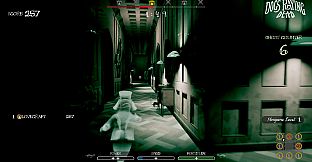
The second phase pulls everyone into the Cellar for direct confrontation. Here participants decide whether to remain peaceful while gathering further upgrades or to engage in combat. Drawing a weapon escalates the situation into active fighting, and coordinated efforts against the current leader become a viable tactic. The cycle returns to room activities afterward, carrying forward any upgrades or changes from the cellar encounter.
After three full cycles, final scores determine overall placement and recognize specific achievements. The structure keeps sessions contained while allowing social dynamics and strategic decisions to influence outcomes across both phases.
Character Selection and Progression
Each of the six characters offers a different entry point into the minigame loop. Varied starting abilities encourage players to test combinations of power, speed, and health upgrades as points accumulate. Progression feels incremental yet meaningful because upgrades directly affect performance in subsequent room attempts and cellar fights.
Ghost mechanics add a secondary layer once a character falls. Temporary ghost status lets the eliminated player continue contributing through interference rather than sitting out entirely. This keeps everyone engaged even after setbacks and adds another vector for strategy during active minigames.
Is It Worth Playing?
Dogs Playing Dead suits groups that enjoy short, repeatable sessions mixing light competition with opportunities for cooperation or disruption. The twenty-minute format and repeating phase structure make it accessible for quick matches without requiring long commitments. Social players who appreciate tracking opponents and reacting to interference will find the interference and ghost systems rewarding, while those who prefer pure solo minigame focus may encounter more friction from the multiplayer elements.
The game rewards familiarity with individual character strengths and the timing of cellar confrontations. Because upgrades carry forward within a session and the three-cycle format allows multiple chances to adapt, sessions reward both quick reflexes in minigames and longer-term planning around score leads. Players seeking a casual action experience with clear social and strategic layers will likely find repeated play engaging, particularly when groups experiment with different character lineups and interference tactics.