






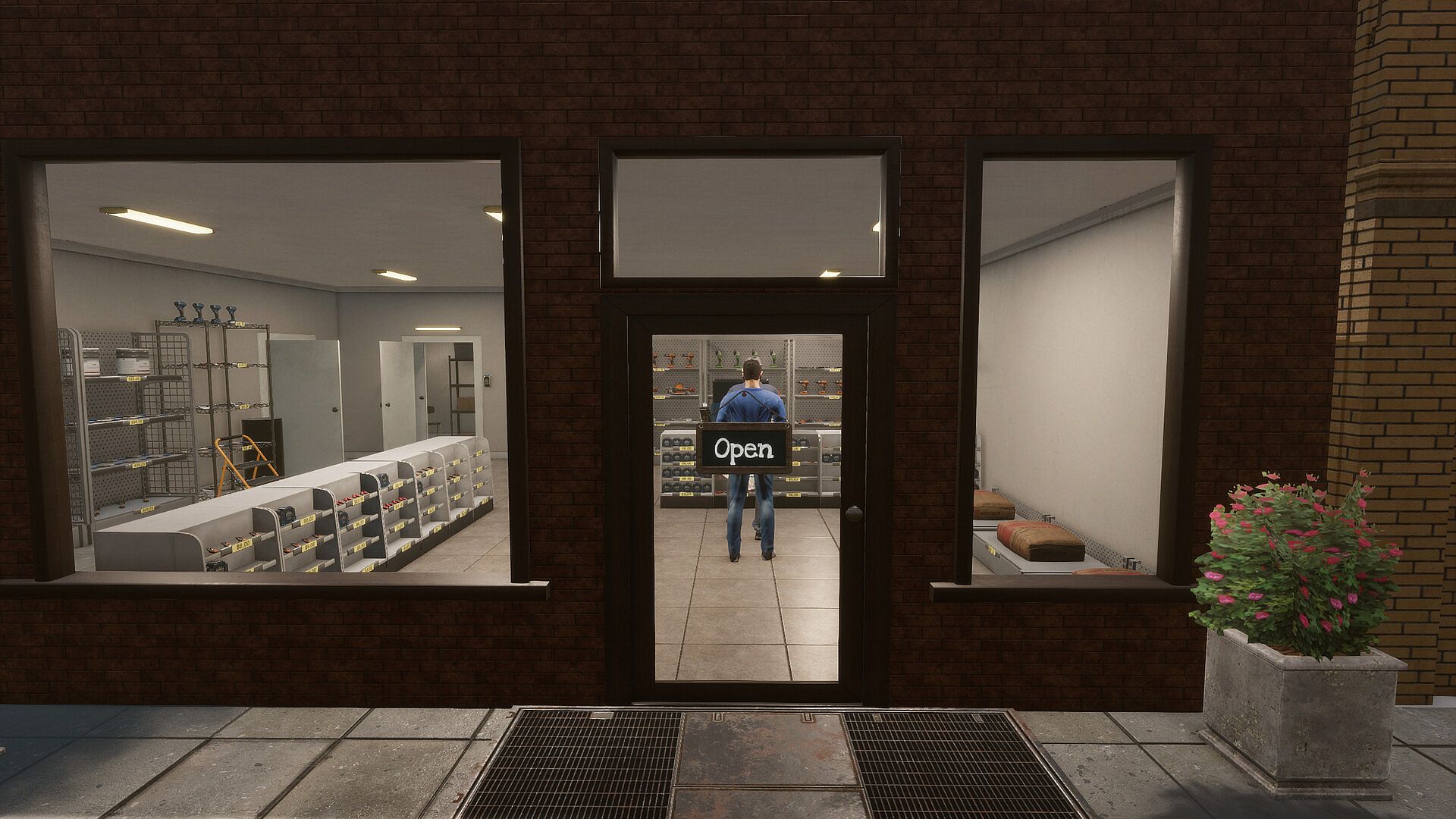


DIY Store Simulator é um simulador indie para PC que coloca o jogador no comando de uma loja de ferragens. A proposta gira em torno das tarefas cotidianas de reabastecer prateleiras, definir preços e atender clientes em um ciclo de varejo simples e relaxante.
Gameplay
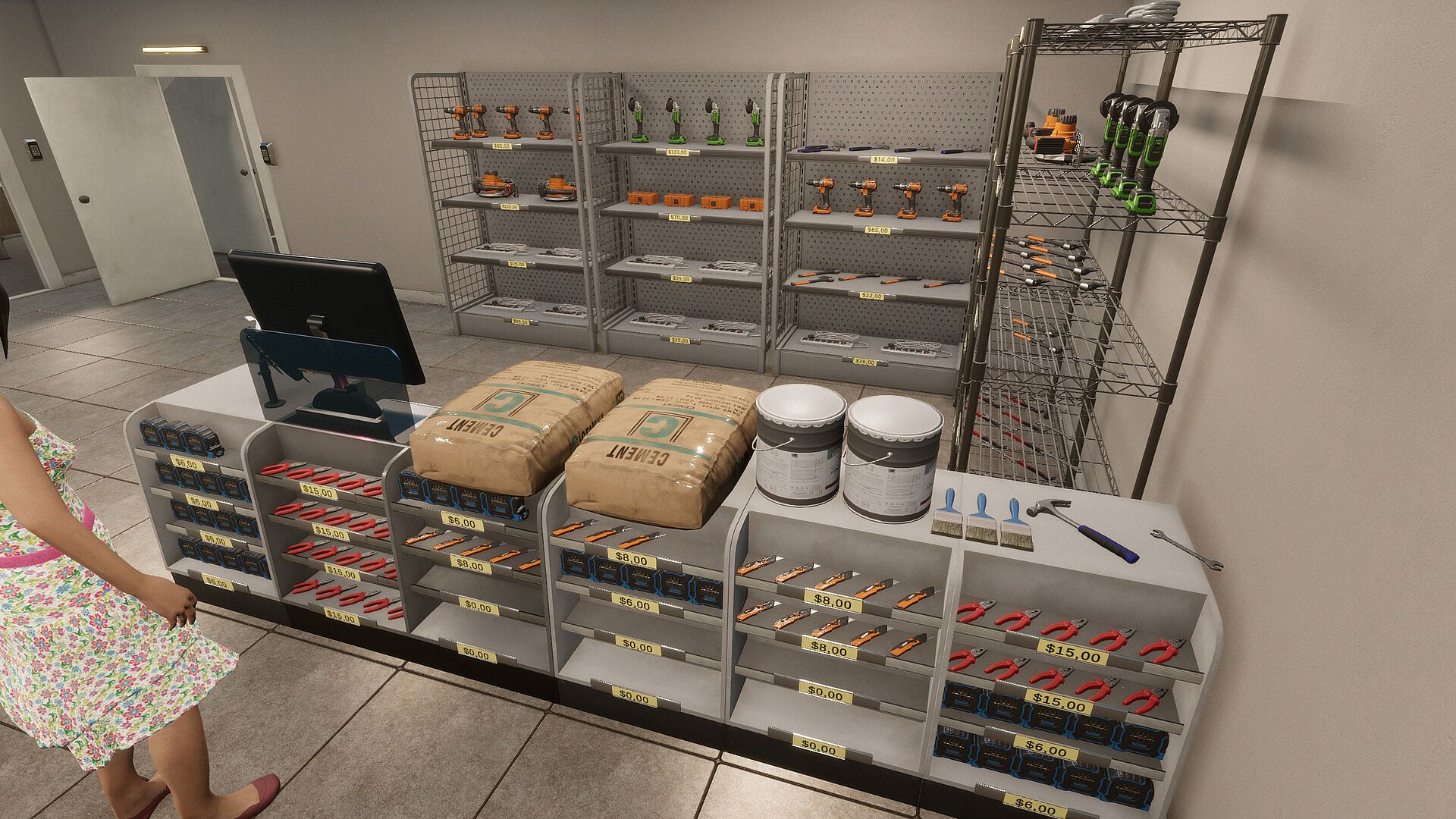
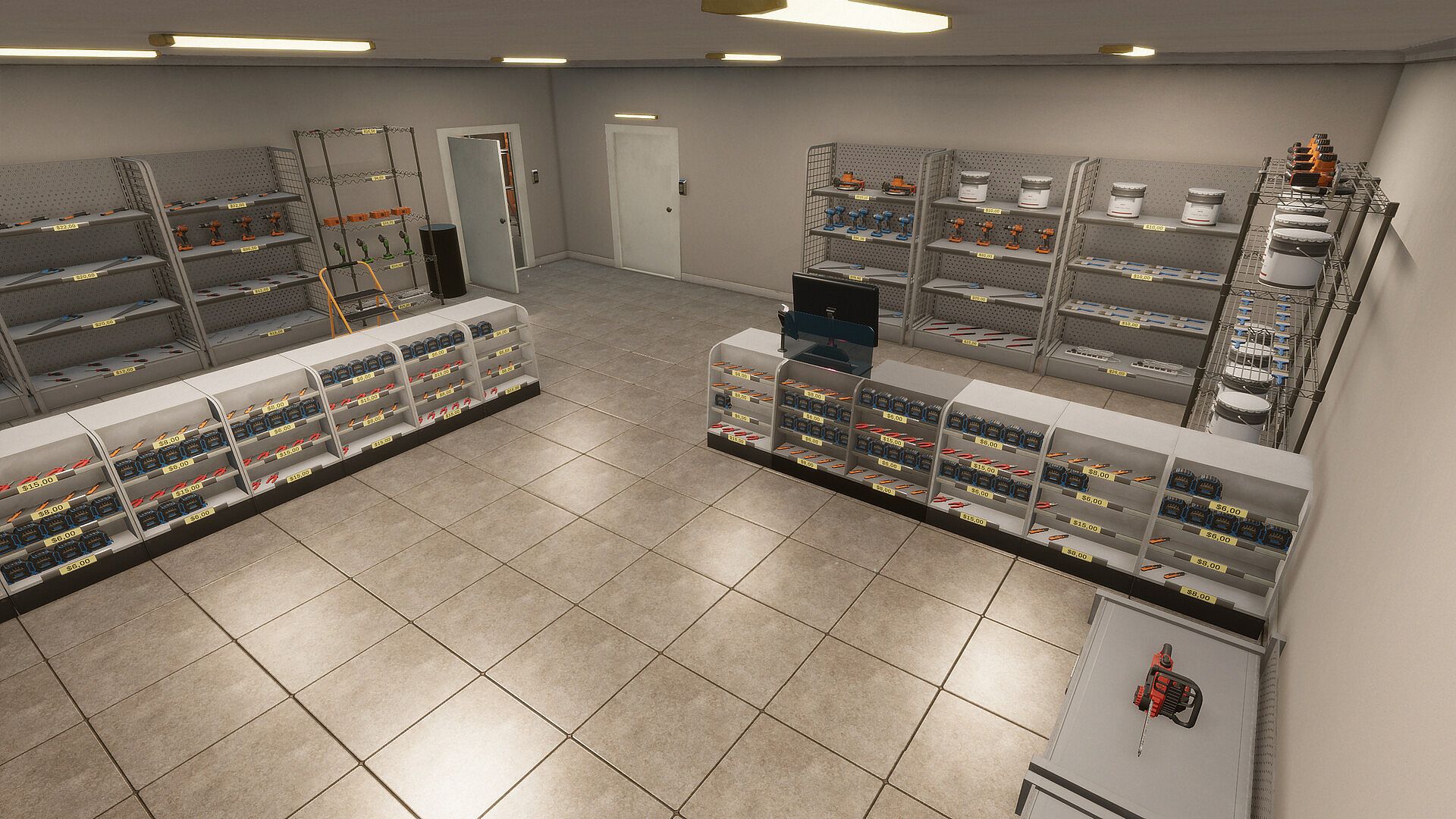
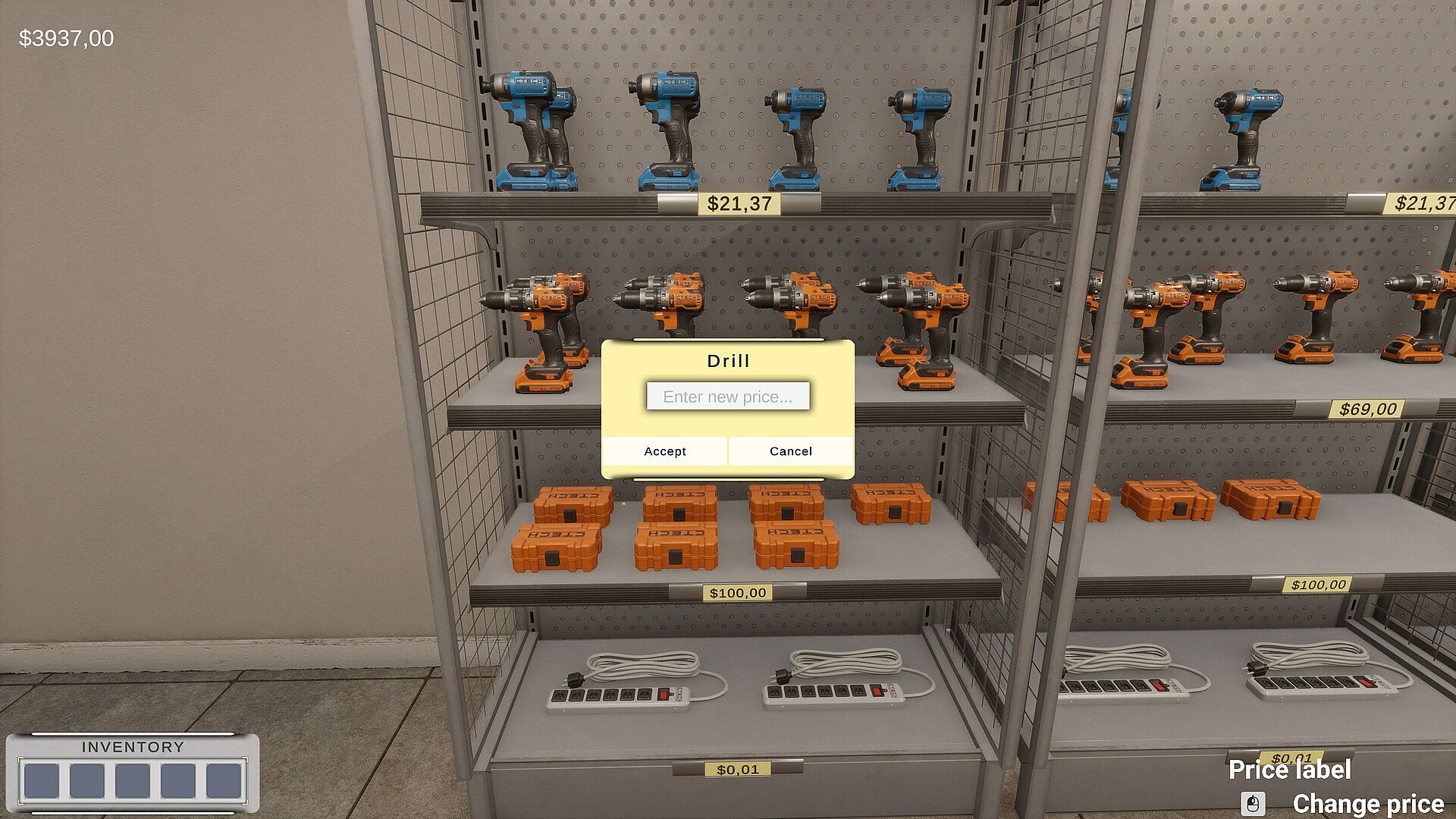
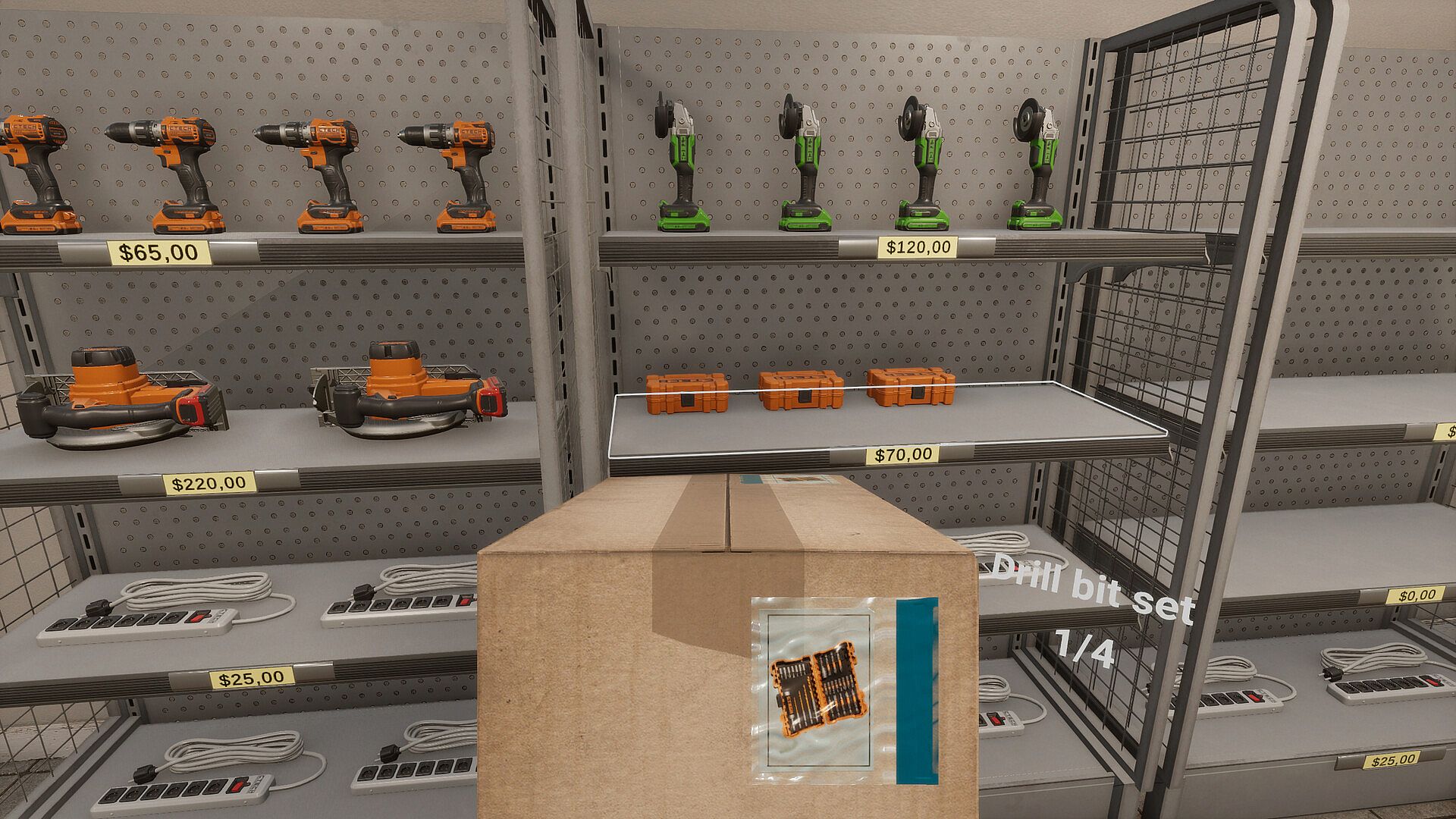
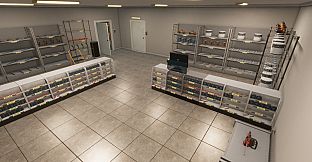
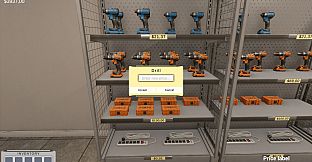
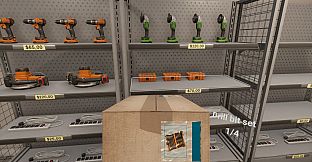
O núcleo do jogo envolve gerenciar todos os aspectos da loja desde o início. O jogador começa retirando os produtos do armazém e organizando-os nas prateleiras. Cada item recebe um preço definido pelo próprio jogador, o que afeta tanto a velocidade de venda quanto o lucro obtido em cada transação.
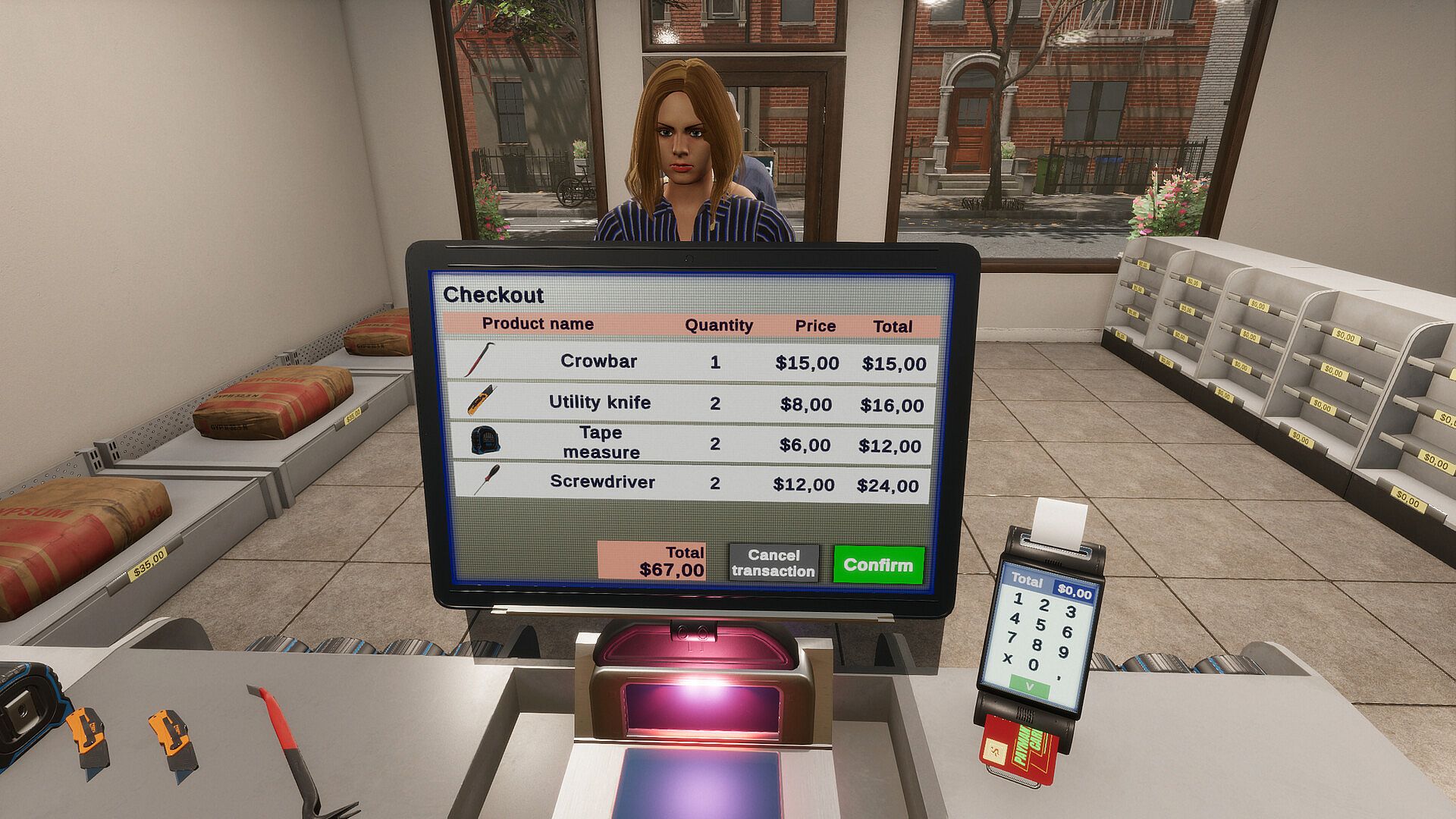
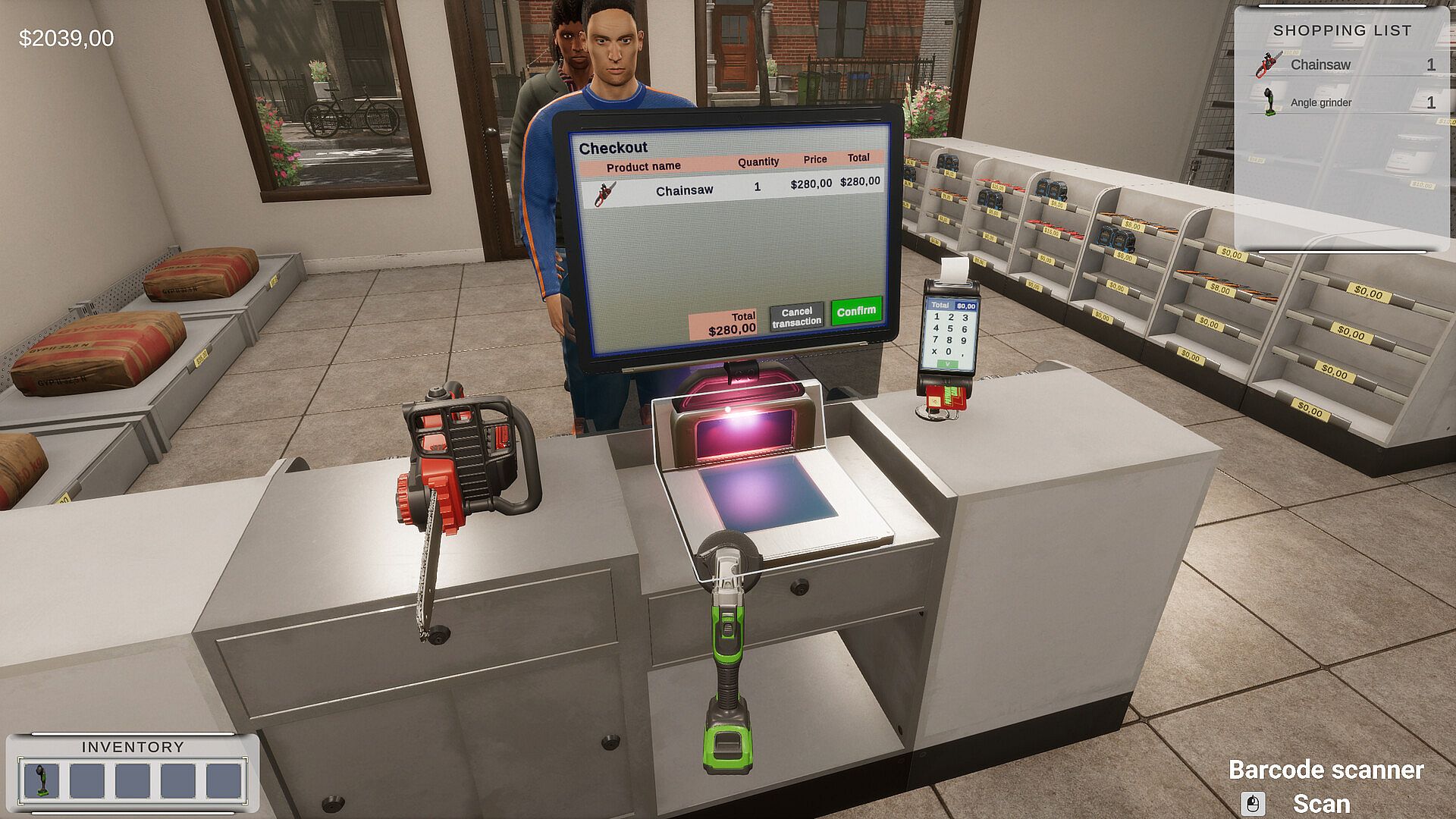
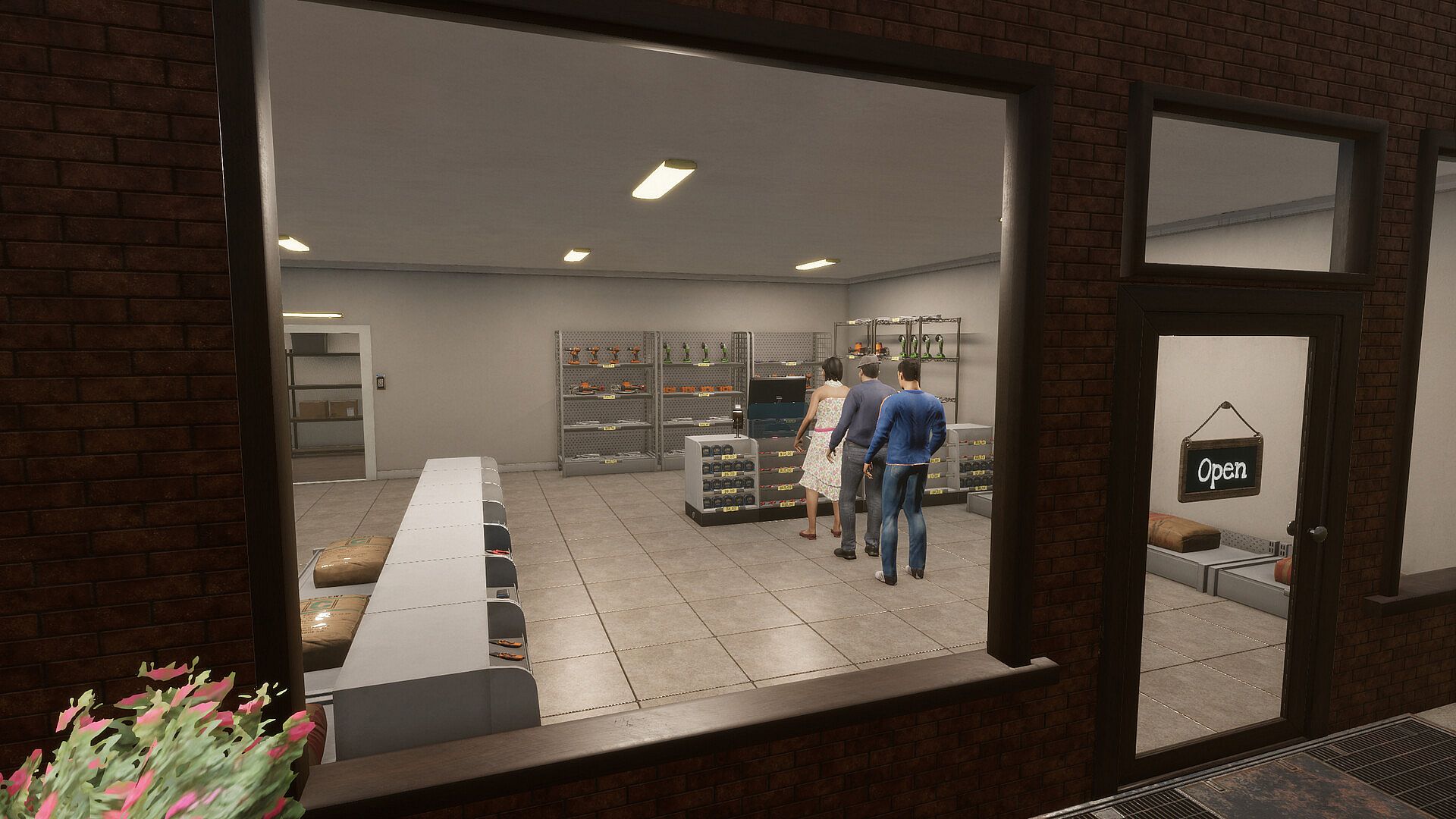
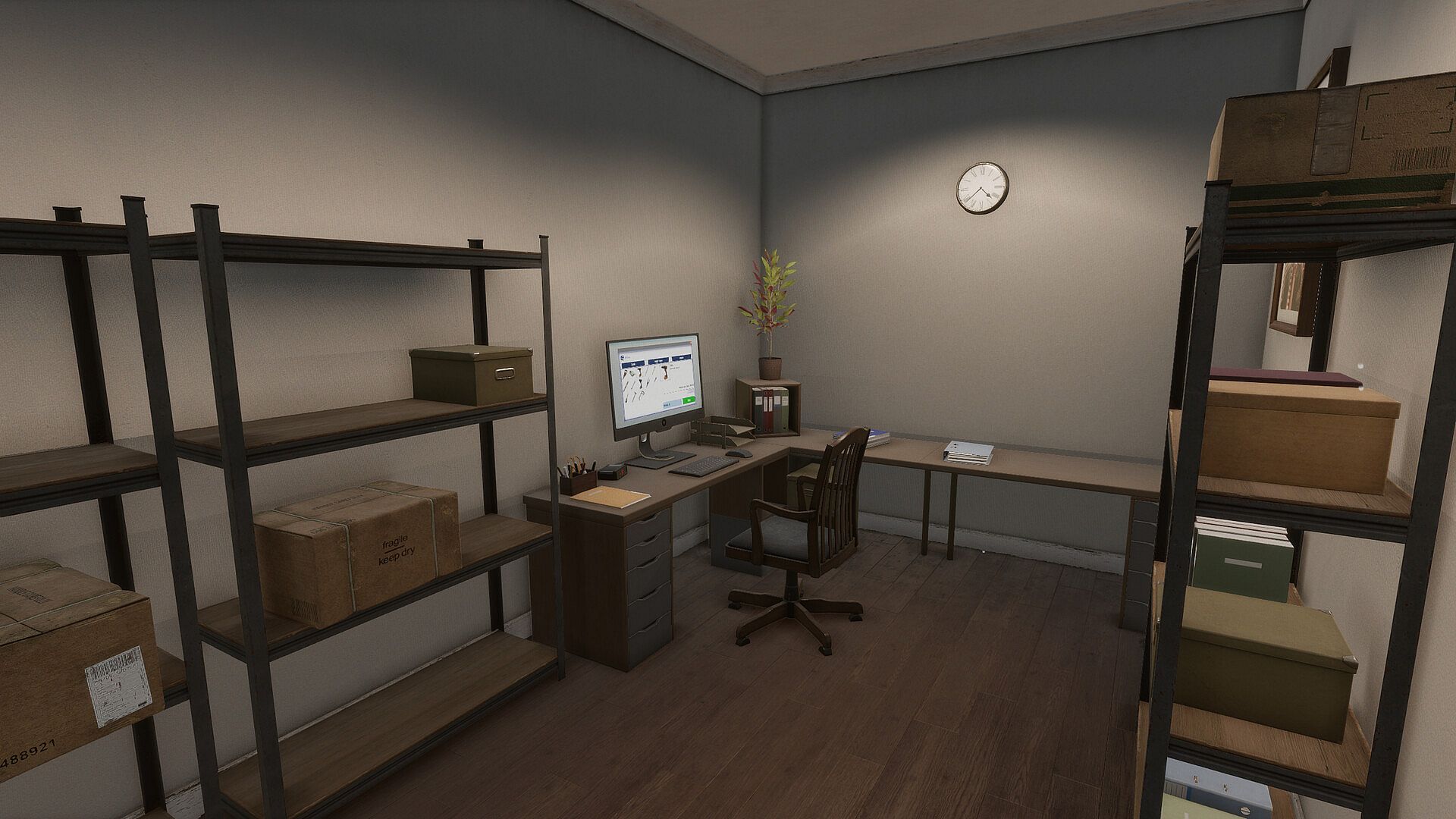
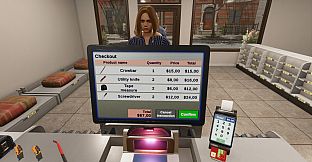
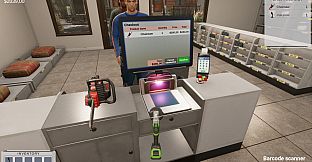
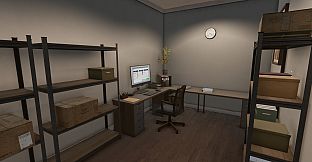
Os clientes chegam com listas de compras específicas, percorrem os corredores e seguem para o caixa. O atendimento consiste em selecionar os itens solicitados, registrá-los no caixa, processar o pagamento e concluir a venda. Esse processo se repete à medida que a loja cresce, com os lucros sendo usados para fazer novos pedidos pelo computador do escritório.
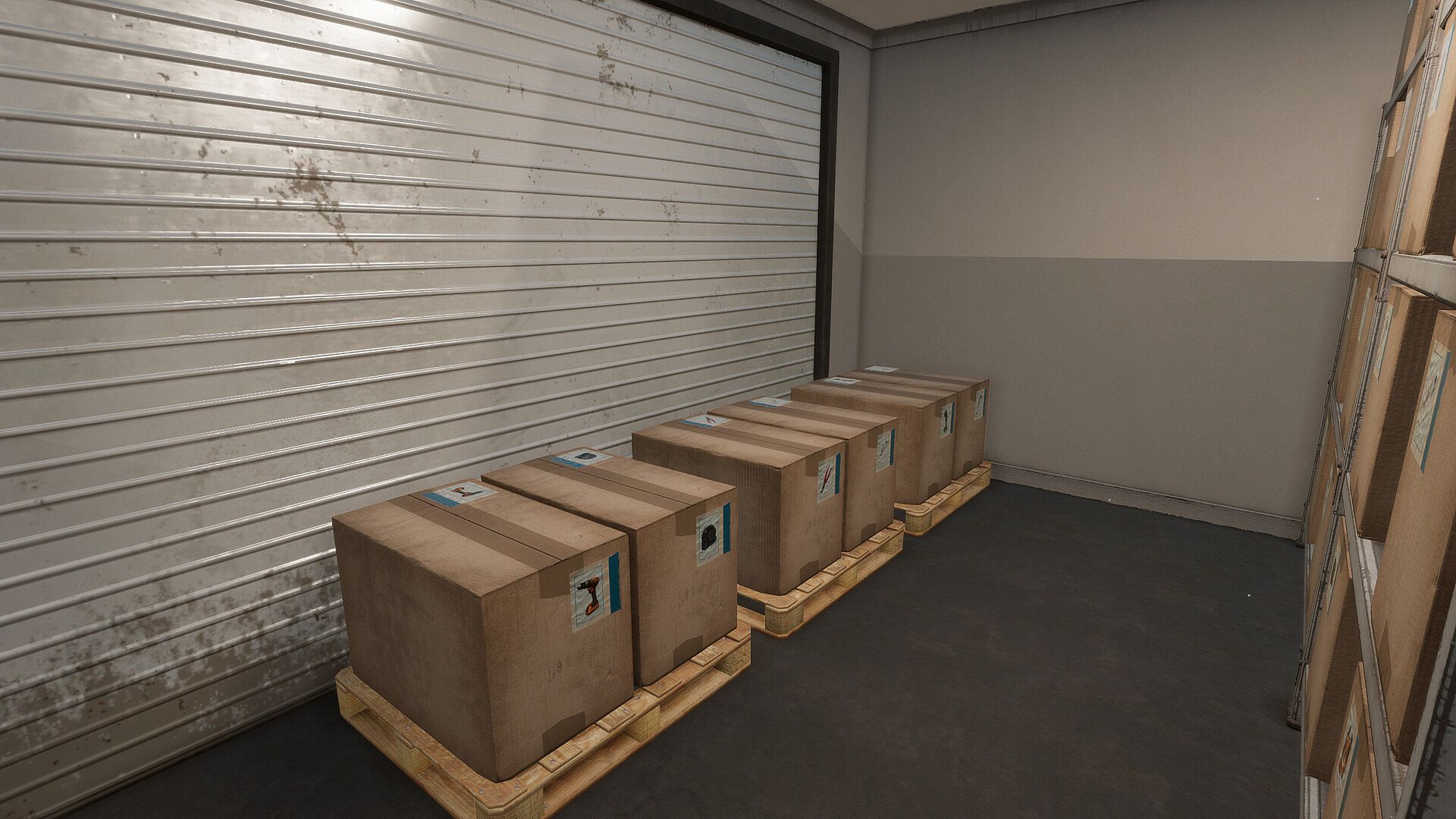
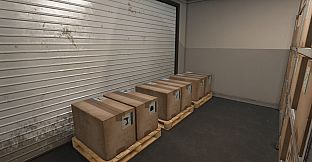
As entregas chegam ao armazém e precisam ser transportadas até a área de vendas. O catálogo inclui ferramentas elétricas como furadeiras, esmerilhadeiras, parafusadeiras de impacto e serras circulares, além de ferramentas manuais, serras e materiais de construção como cimento, gesso e tinta. Cada produto tem seu próprio preço e margem de lucro, exigindo decisões estratégicas sobre o que pedir e como precificar.
Um tutorial passo a passo apresenta todas as ações essenciais, como movimentação, organização de estoque, atendimento e realização de pedidos. Isso permite que novos jogadores se familiarizem rapidamente com as operações, mesmo sem experiência anterior em simuladores.
Modos de Jogo
DIY Store Simulator é uma experiência single-player sem modos de jogo separados. Todo o conteúdo gira em torno do ciclo contínuo de estocar, vender e reinvestir lucros para expandir o negócio. Não há cenários competitivos, cooperativos ou alternativos além dessa gestão central de varejo.
Gestão e Progressão
O progresso acontece por meio da reinversão constante dos lucros. O jogador decide quantidades e frequência dos pedidos, sempre atento ao fluxo de caixa para evitar ficar sem recursos. A estratégia de preços é fundamental: valores mais baixos aceleram a rotatividade, enquanto margens maiores aumentam o ganho por venda.
Manter as prateleiras abastecidas e oferecer um atendimento eficiente garante a lucratividade da loja. O sistema recompensa a atenção constante aos níveis de estoque e aos ajustes de preço conforme a variedade de ferramentas e materiais de construção aumenta.
Vale a Pena Jogar?
DIY Store Simulator é indicado para quem gosta de simuladores metódicos focados em operações de varejo e crescimento gradual de um negócio. A mecânica acessível e o ciclo satisfatório de organizar prateleiras e concluir vendas oferecem uma forma relaxante de gerenciar uma loja virtual. Quem busca sistemas complexos ou variedade além da rotina da loja pode achar a experiência limitada, mas o design direto cumpre exatamente o que promete, sem complicações desnecessárias. O jogo está disponível para PC para quem se interessa por esse tipo de simulação.