




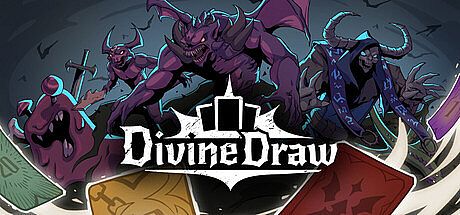


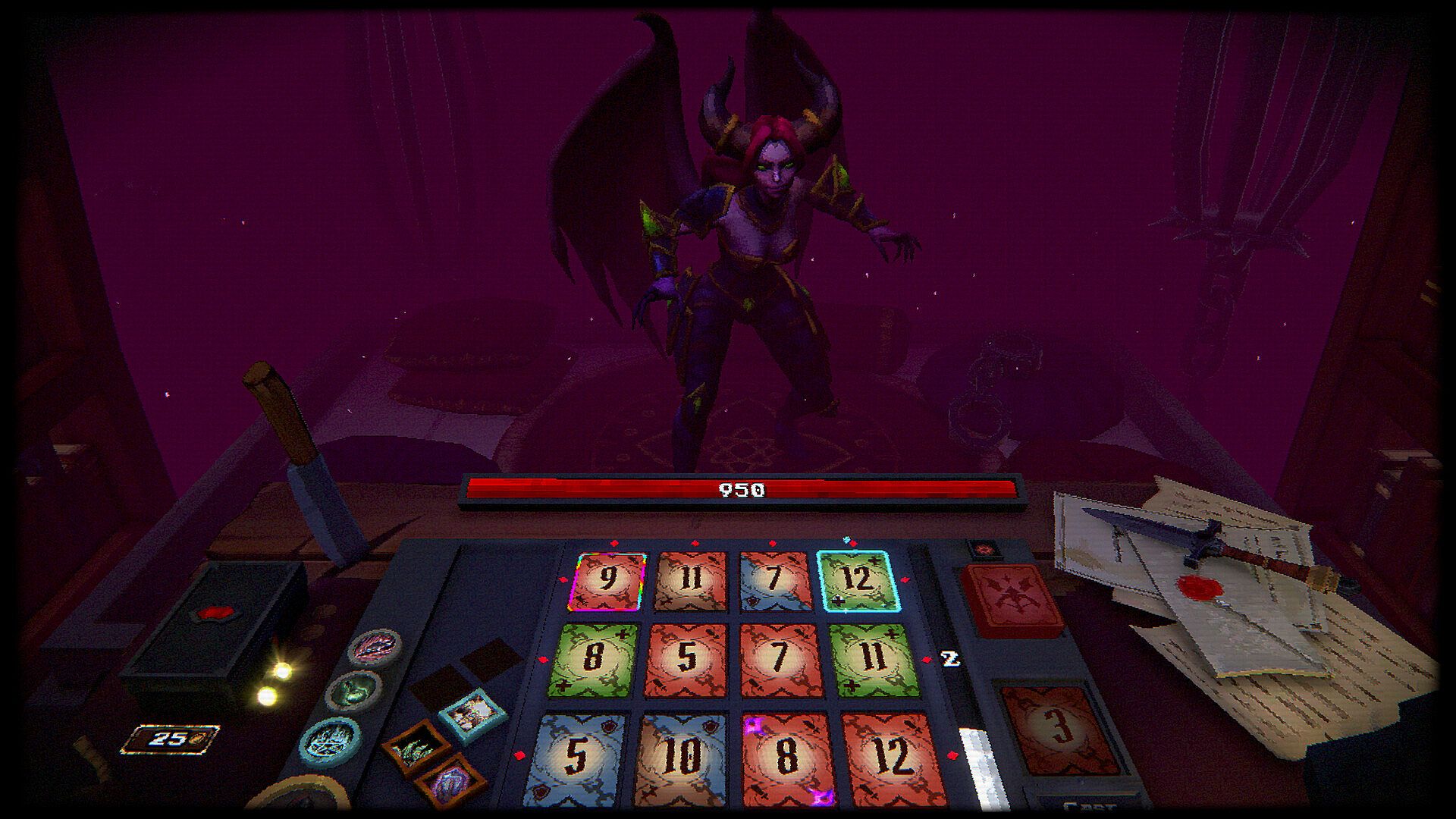
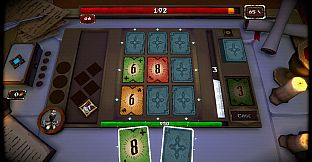
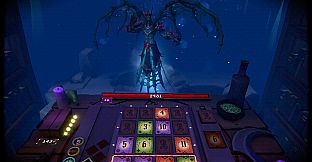
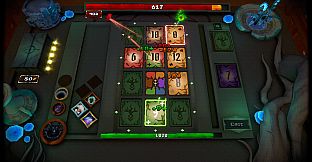

Divine Draw is a roguelite card battler developed for PC that centers on grid-based card placement, combo creation, and strategic decision making during each draw. Players build decks and experiment with synergies to defeat monsters across repeated runs, with permanent upgrades available between attempts.
Gameplay
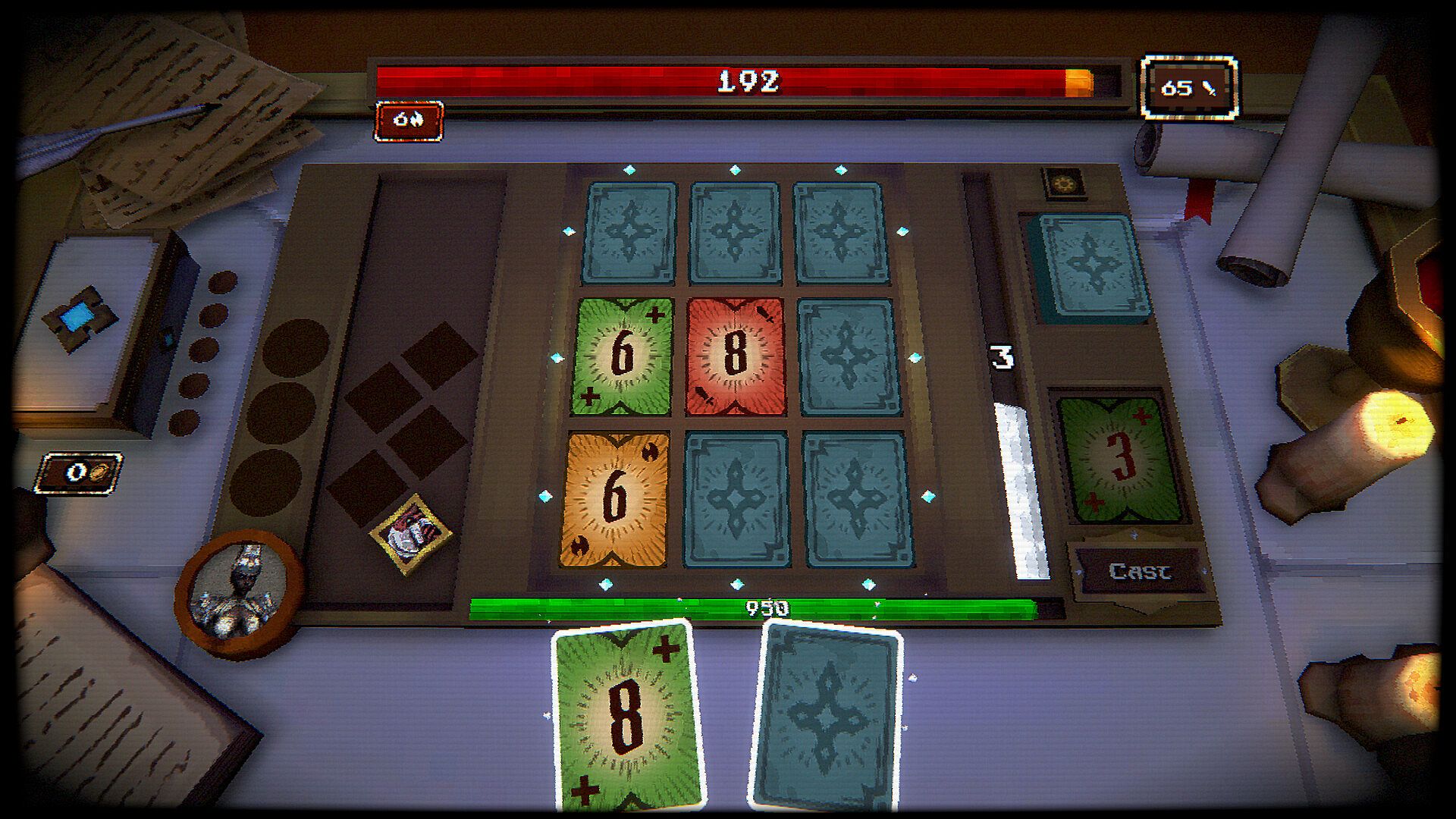
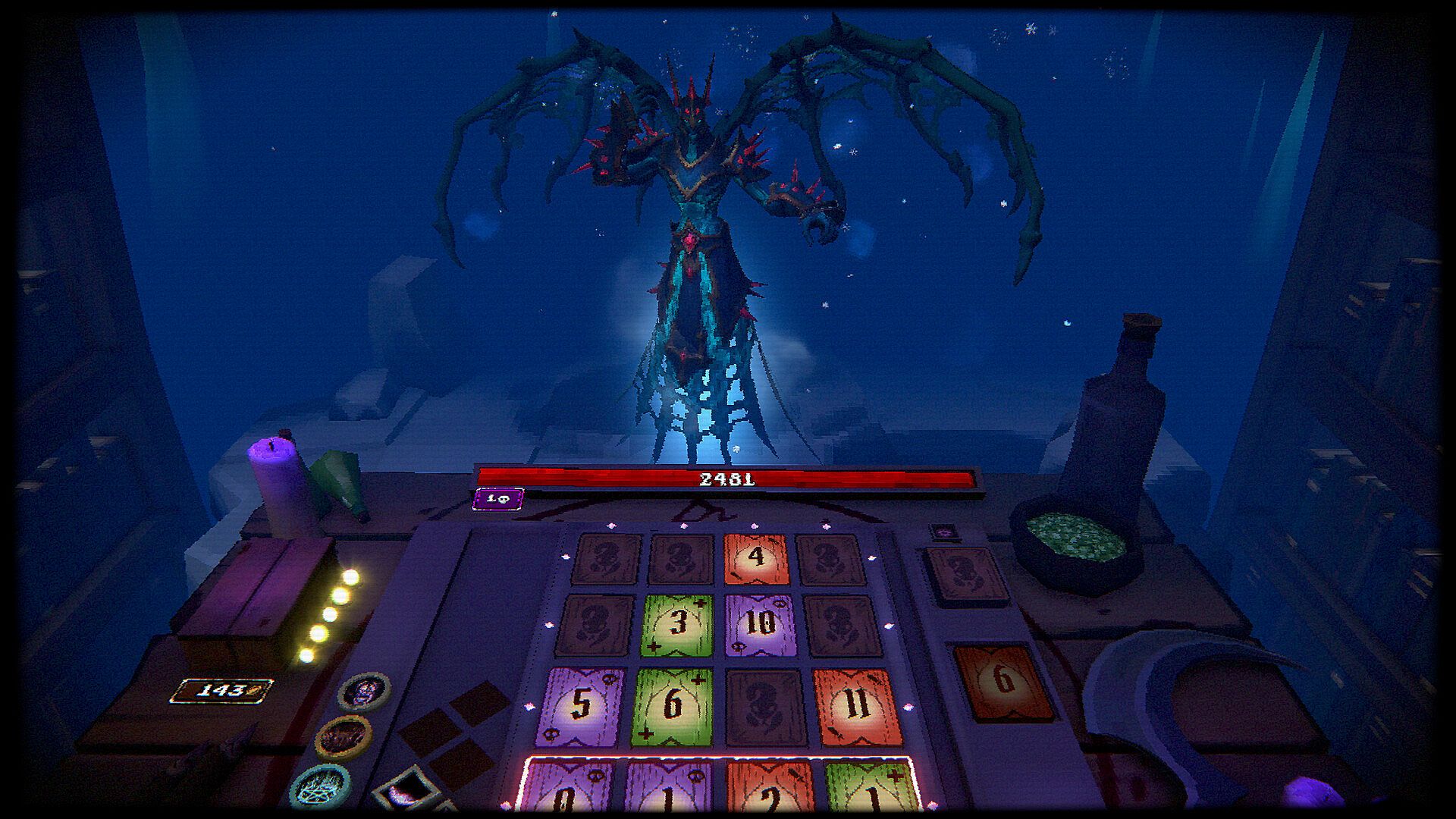
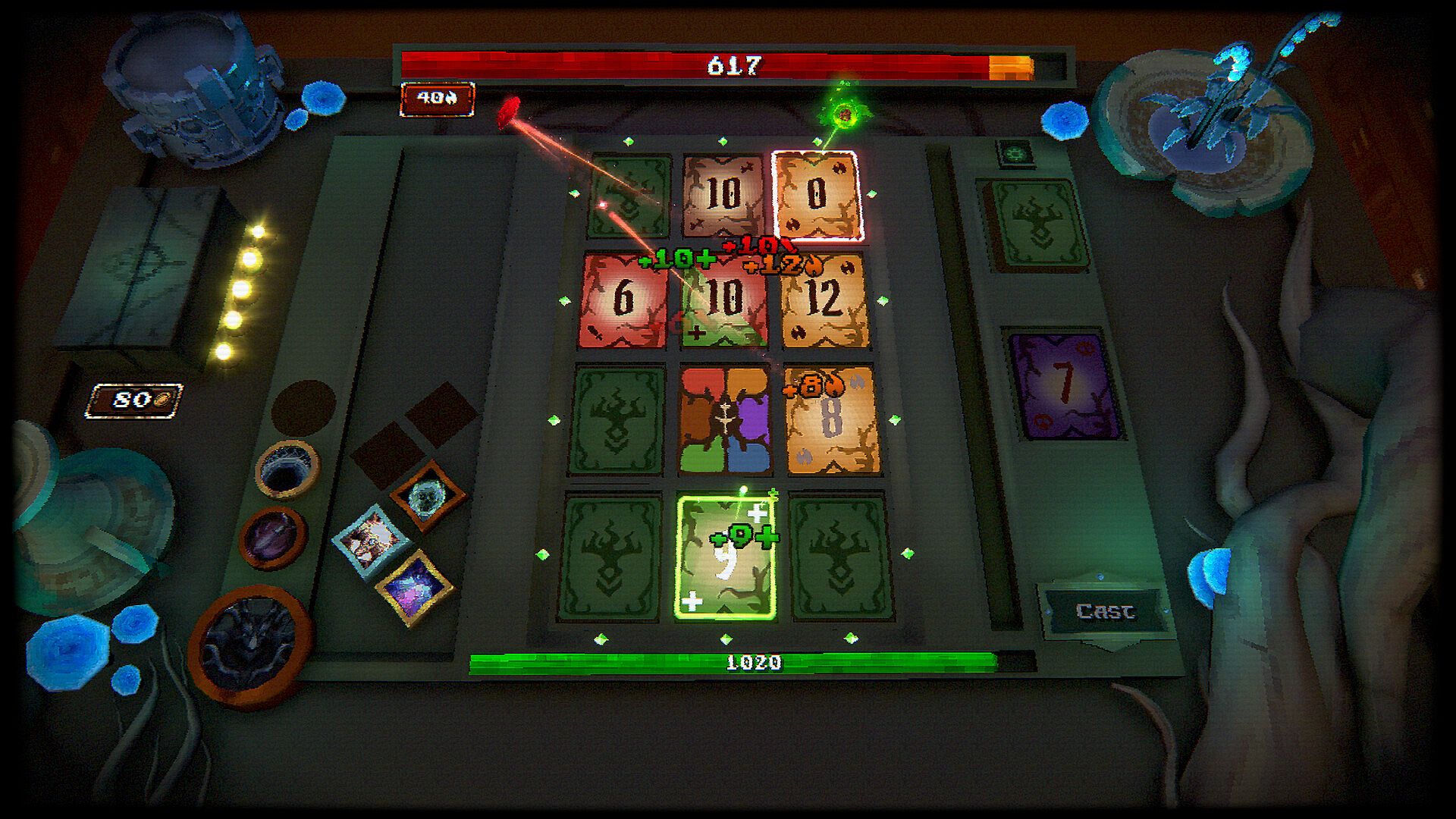
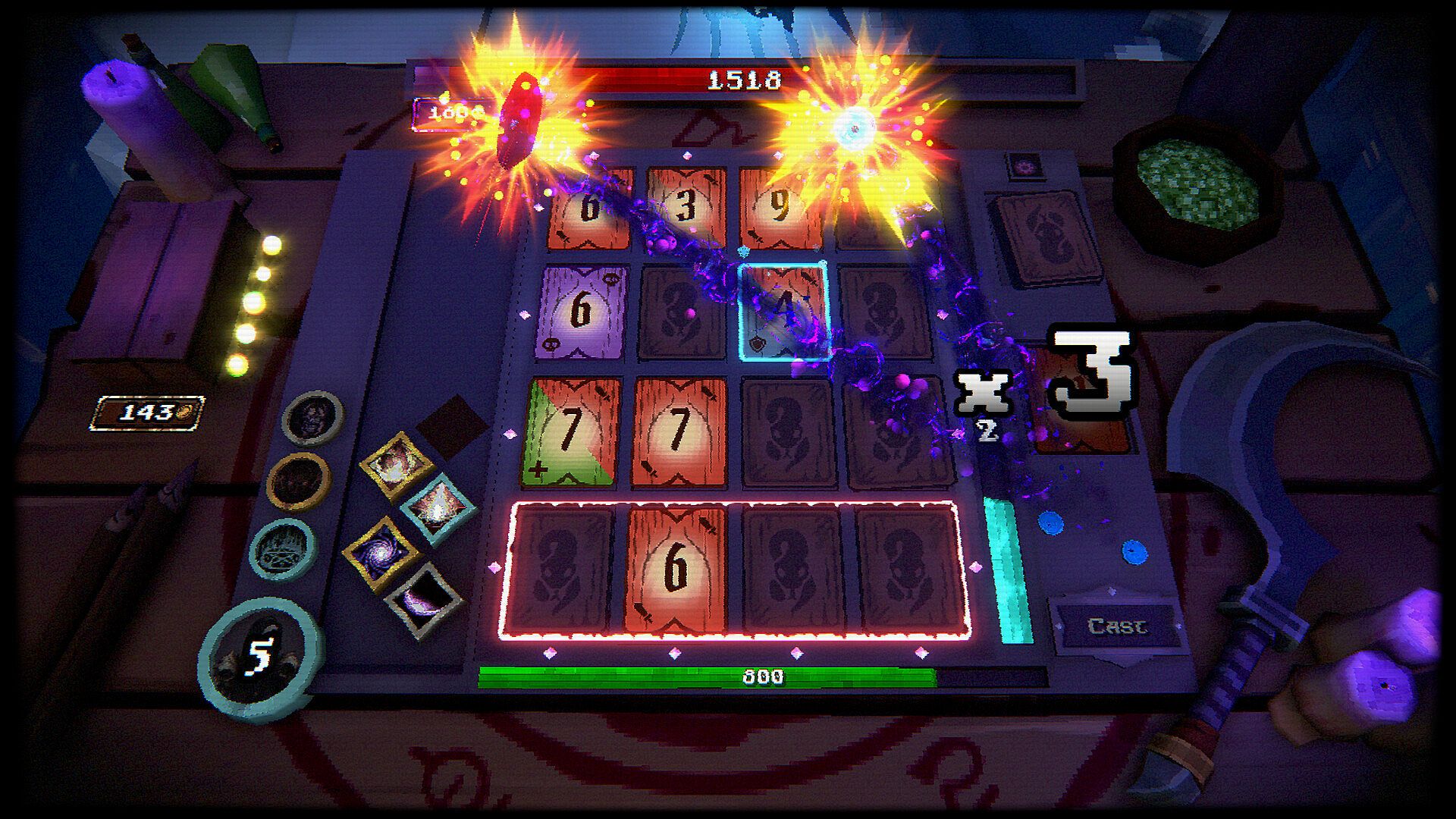
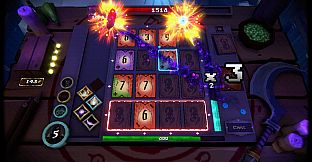
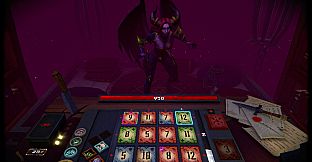
The core loop revolves around shaping a grid of cards to trigger matching effects and multiply damage output. Each draw requires careful positioning because aligned cards activate powerful chain reactions when conditions align. Relics provide ongoing build-defining bonuses that alter how cards interact, while Spells offer targeted interventions to adjust setups mid-combat or extend promising sequences.
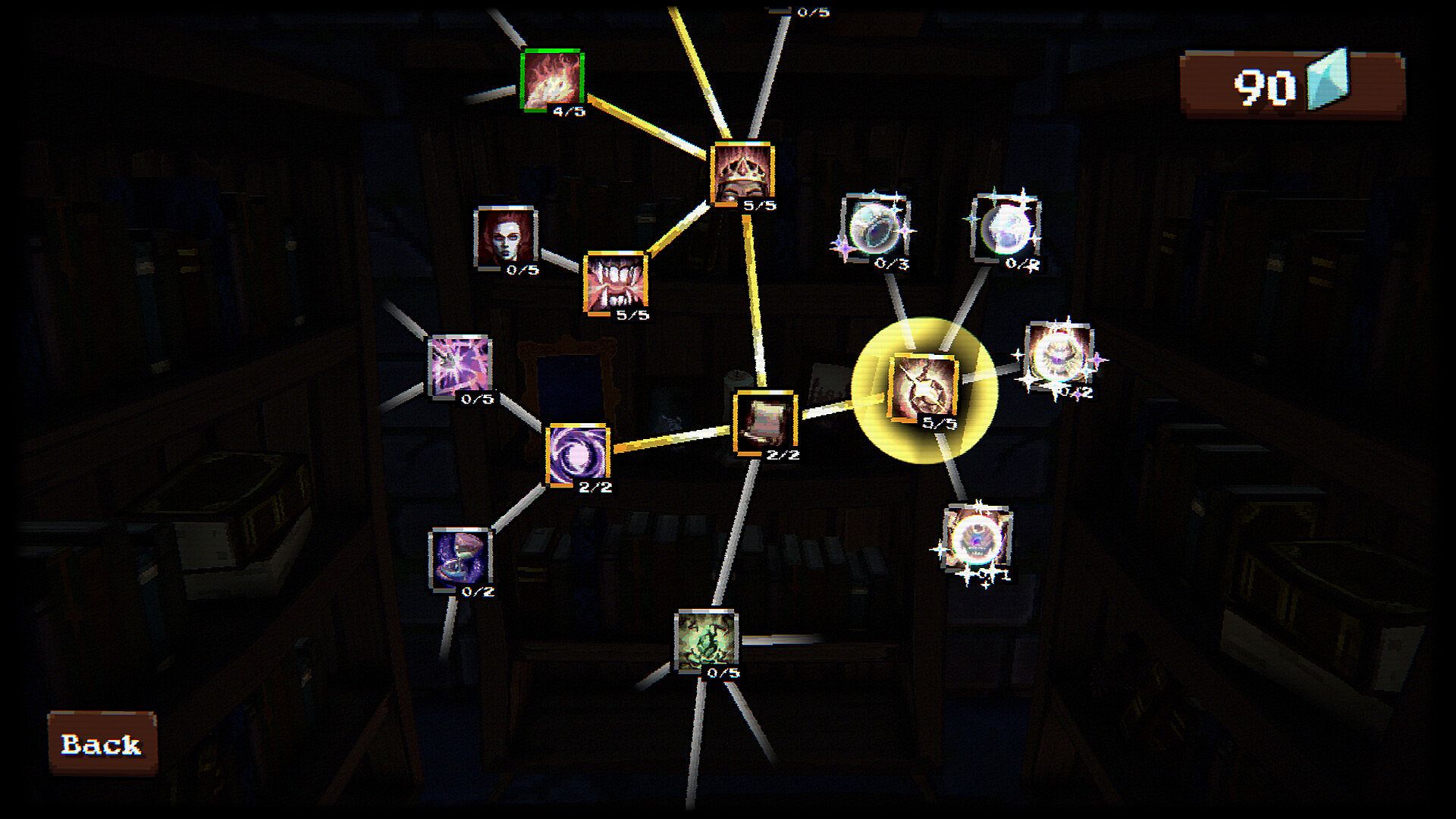
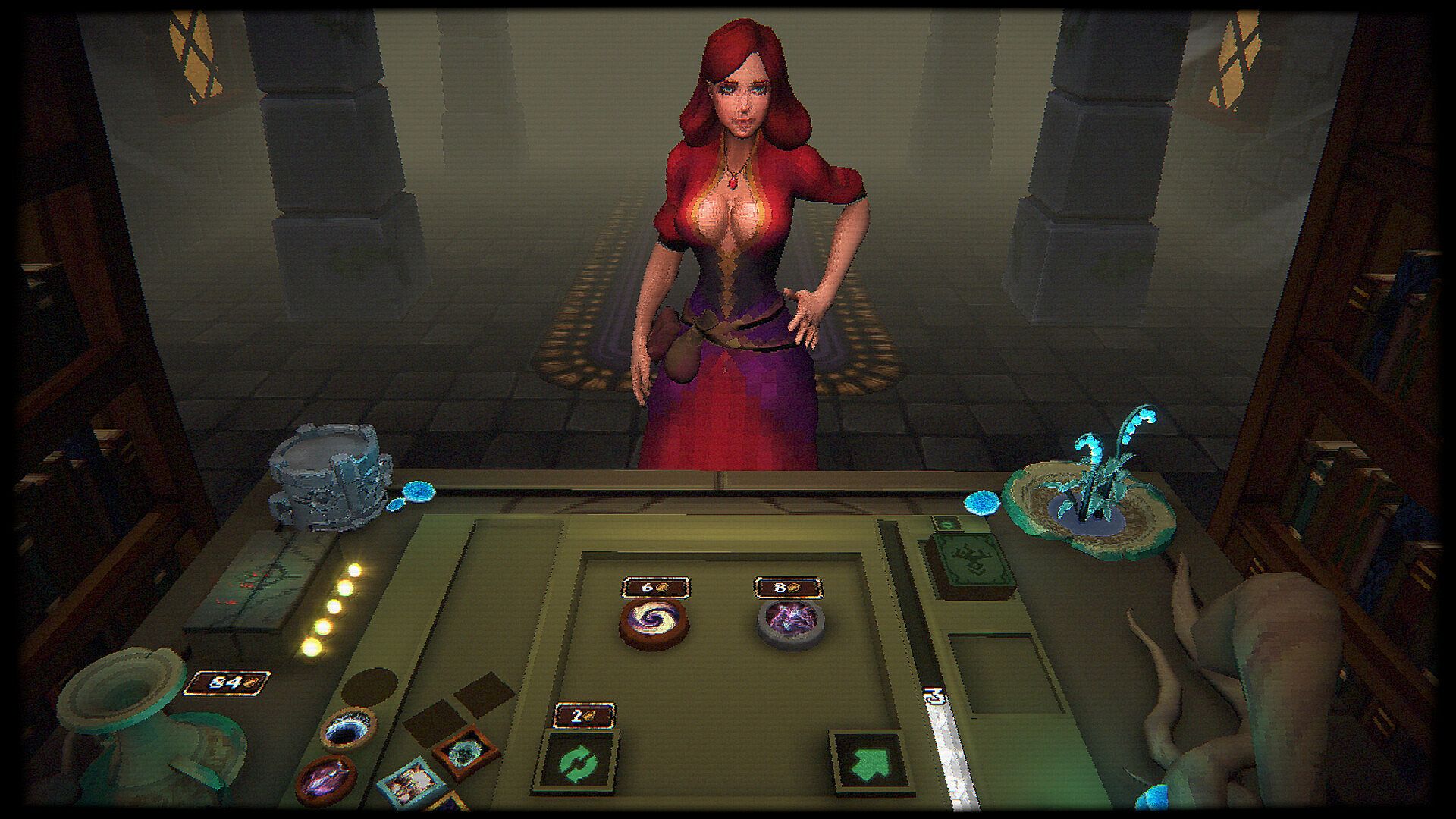
Success depends on calculated risks during placement and timing. Stronger setups produce larger payoffs once multiple effects fire simultaneously, turning individual cards into parts of larger explosive combinations. Between runs, players strengthen existing cards, acquire new items, and make choices that redirect the direction of future attempts. Resources collected from victories fund permanent upgrades that increase starting power and options for subsequent playthroughs.
Game Modes
Divine Draw structures its experience around successive runs that grow in difficulty. Players progress by overcoming increasingly challenging encounters, unlocking additional power through upgrades and new discoveries. The format emphasizes experimentation across multiple attempts, with each run serving as an opportunity to refine strategies and test different combinations of cards, relics, and spells.
Death ends the current attempt but allows collected resources to carry forward as permanent improvements. This structure supports repeated play focused on optimization and mastery of the available systems rather than a single linear campaign.
Key Mechanics and Systems
Card placement on the grid forms the foundation of combat. Matching adjacent cards multiplies their combined power, rewarding players who plan layouts that activate multiple effects at once. Relics shape long-term synergies by modifying card behavior or adding new rules, while Spells provide flexible tools for mid-run adjustments that can salvage or enhance a setup.
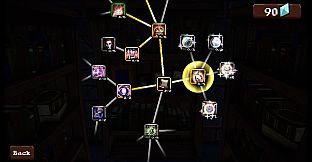
Progression includes card strengthening and item acquisition after successful runs. Choices encountered during play can alter the available options or direction of a build, encouraging adaptation. The roguelite elements ensure that each attempt offers fresh combinations even as permanent upgrades accumulate over time.
Is It Worth Playing?
Divine Draw targets players who enjoy roguelite progression combined with card-based strategy and grid management. The emphasis on combo setup, risk assessment during draws, and building increasingly powerful synergies across runs appeals to those who value experimentation and optimization in single-player experiences.
Because the game remains unreleased with no user reviews available, its reception cannot yet be assessed. Those interested in the described mechanics of grid shaping, relic synergies, and spell interventions may find the systems engaging once it launches on PC. The focus on permanent upgrades and escalating challenges provides a clear path for players seeking depth in deck construction and run-to-run improvement.