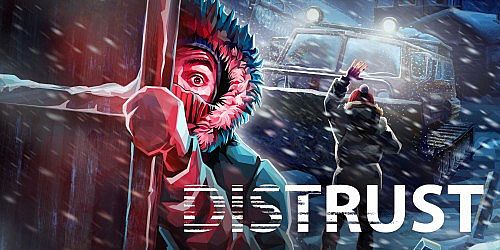



Distrust is a strategy and adventure survival game available on the Nintendo Switch. Players guide a small team of researchers through an abandoned Arctic research station after a helicopter crash strands them in the endless polar night. The core experience revolves around managing limited resources while navigating a procedurally generated facility filled with environmental hazards and mysterious threats.
Gameplay
The game places emphasis on resource management and careful planning in an isometric view. Survivors must balance hunger, warmth, and fatigue across randomized sections of the base. Gathering supplies from crates and rooms allows crafting of tools and repairs to generators or furnaces that provide heat. Characters can search buildings, open locked doors with found keys or tools, and prepare food to sustain the group.
Sleep restores energy but carries risks, as resting draws anomalies that drain life from the team. Unmet needs trigger madness effects that impose random penalties, such as increased food consumption or erratic behavior. Players select from a growing roster of up to fifteen characters, each with distinct skills that influence survival chances in different situations. Progress involves clearing puzzles to advance through six zones, with each new area presenting fresh layouts and challenges.
Game Modes
Two difficulty options shape the experience. Adventure mode provides guidance through hints and labels on the map to help newer players learn the systems. Challenge mode removes these aids, demanding greater attention to detail and unlocking additional content through successful runs. Both single-player campaigns and cooperative sessions with a friend are supported, with the procedural generation ensuring varied layouts regardless of the chosen mode.
Cooperative play allows two players to divide tasks such as exploration and resource handling while coordinating to handle anomalies and environmental threats. The structure encourages experimentation with different character combinations to optimize strategies for each attempt.
Core Mechanics and Progression
Exploration focuses on looting containers, repairing infrastructure, and crafting essential items to combat the cold and starvation. Anomalies appear in varied forms and require specific approaches to evade or counter, adding tension during longer expeditions. The narrative unfolds through discoveries in the station, revealing plot elements and leading toward multiple possible conclusions based on player choices and survival outcomes.
Each run builds familiarity with the systems while the randomization prevents repetition. Unlocking new survivors expands tactical options, rewarding persistence with fresh abilities for subsequent attempts. The emphasis remains on balancing immediate survival needs against long-term progress through the facility.
Is It Worth Playing?
Distrust appeals to players who enjoy deliberate survival gameplay combined with light horror elements in a compact package. Campaigns typically last around six hours on a successful run, though randomization often extends playtime across multiple attempts as players refine their approach. The game maintains steady support through its availability on the Nintendo Switch eShop with no major ongoing seasonal content.
Those drawn to procedural environments, character management, and atmospheric tension in a strategy-adventure framework will find consistent engagement. The title suits sessions focused on overcoming harsh conditions rather than fast-paced action, offering a distinct take on Arctic survival themes. Reception highlights its unique mechanics and replay value for fans of the genre, making it a solid choice for dedicated Switch owners seeking an indie survival experience.