




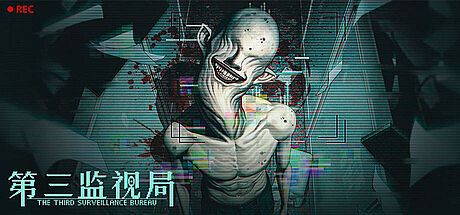


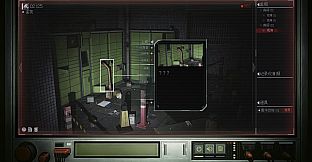
The Third Surveillance Bureau is a 2D indie horror simulation and adventure game set on PC. Players take on the role of a night shift operator at a remote surveillance bureau, monitoring camera feeds across a quiet district to identify subtle anomalies before they escalate into threats.
Gameplay
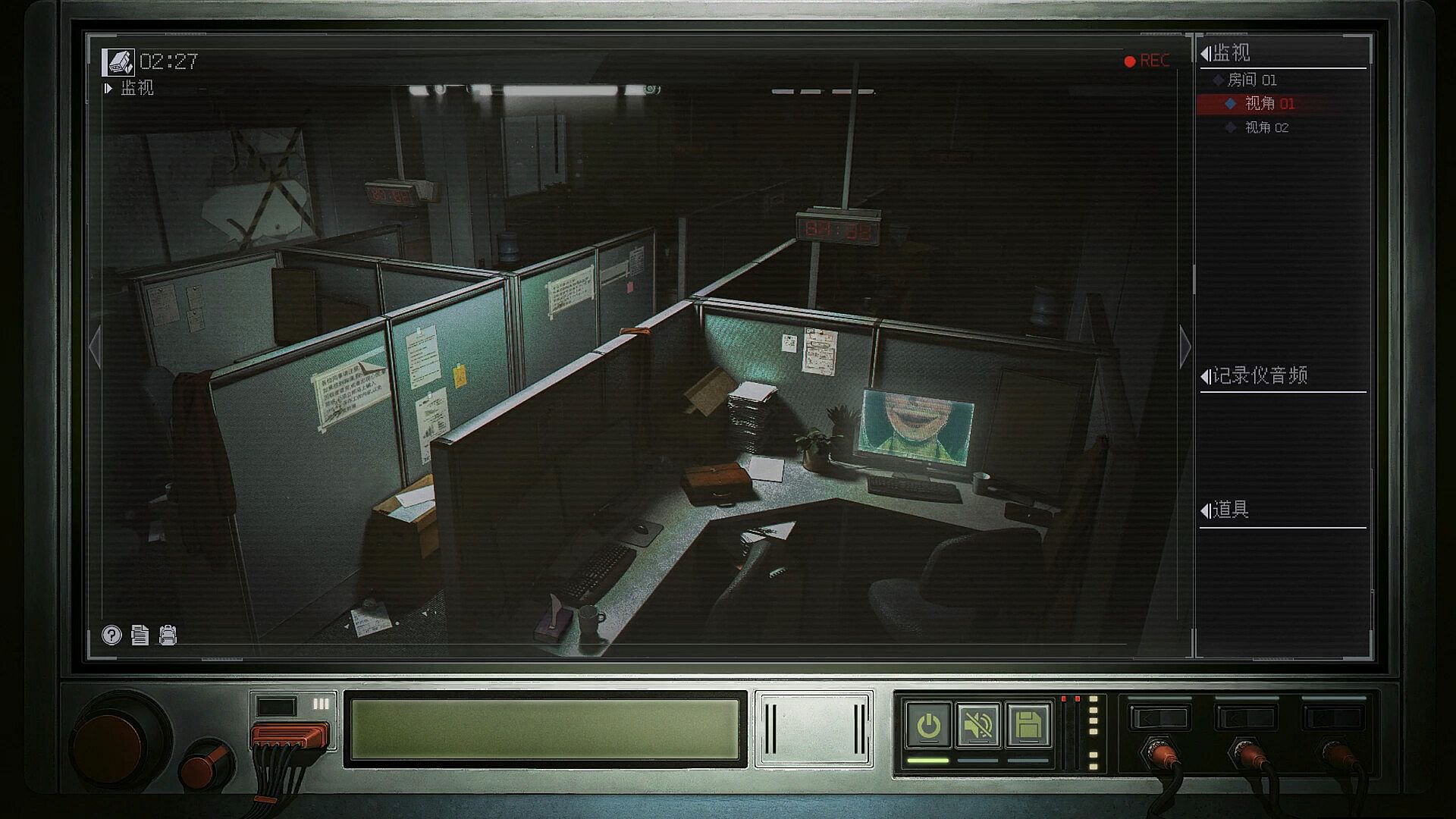
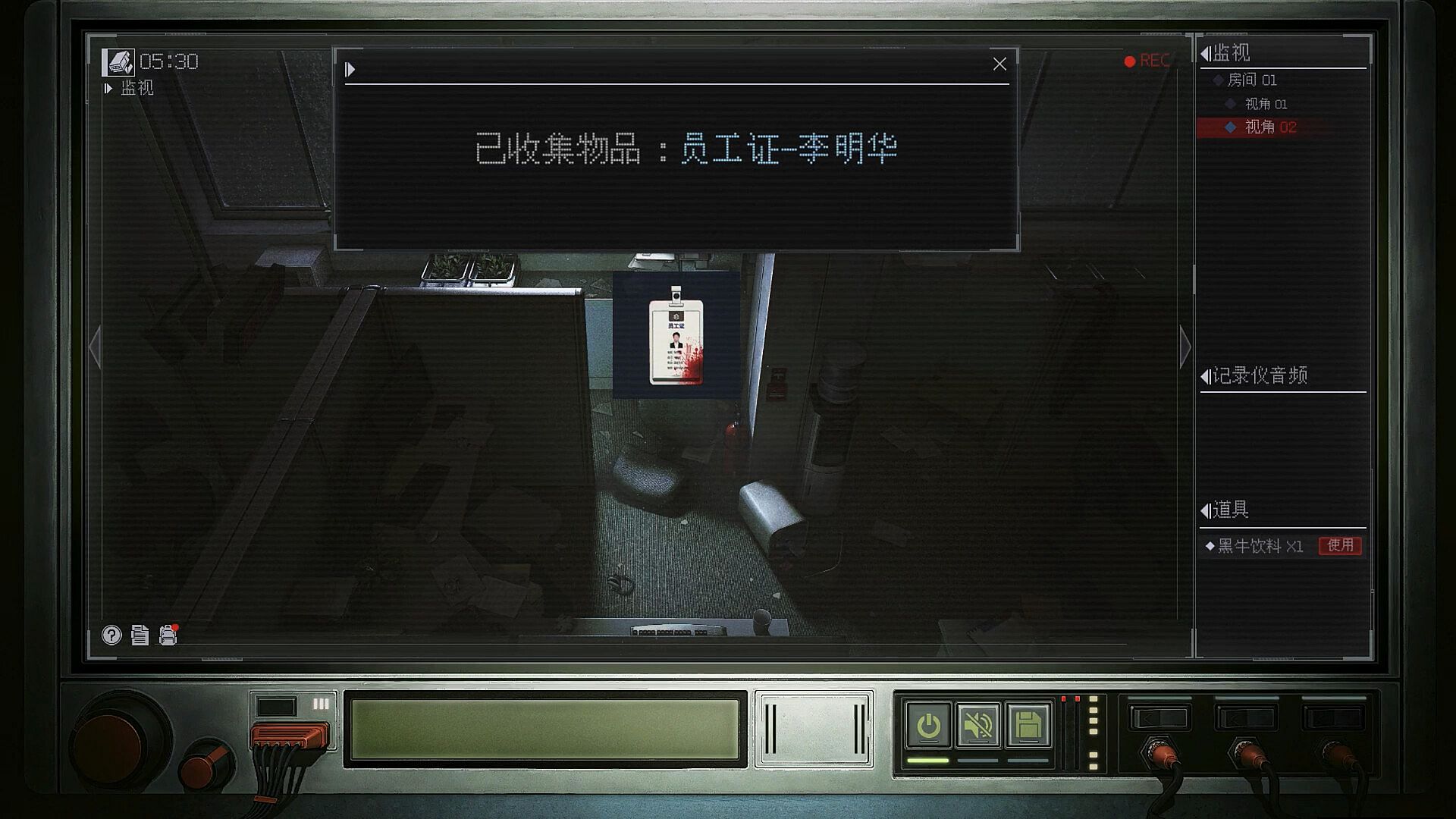
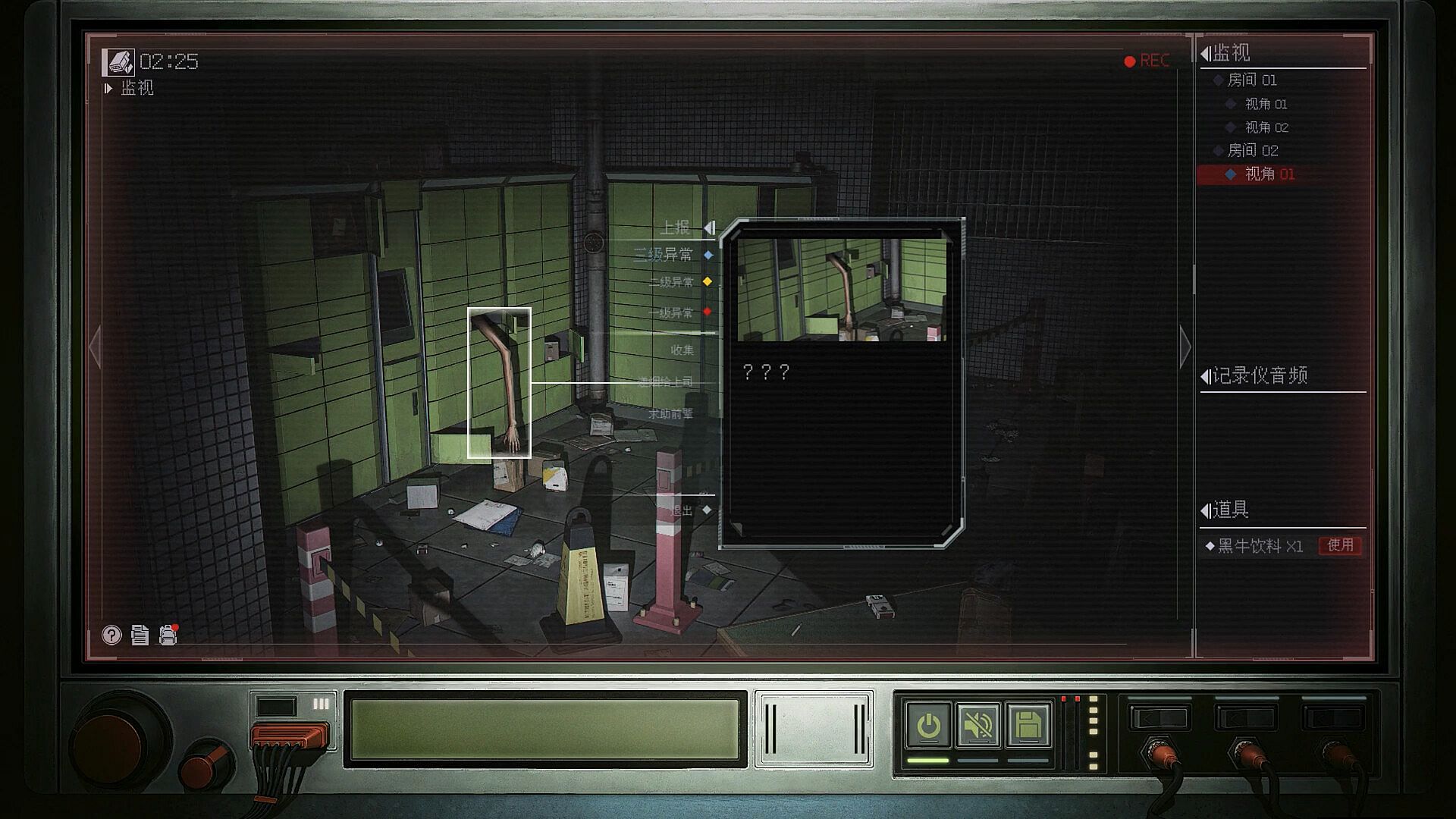
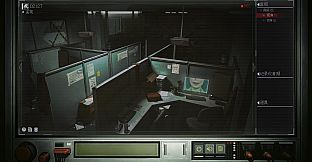
The core loop revolves around cycling through multiple security camera views in real time. Each feed shows static scenes of streets, buildings, and interiors that must be compared against prior observations for any deviations. Anomalies range from misplaced objects on desks to missing elements in familiar piles or entire areas that feel subtly altered in ways that defy immediate explanation. Success depends on sharp memory to track normal states across repeated footage refreshes and quick decision making to flag issues before danger advances.
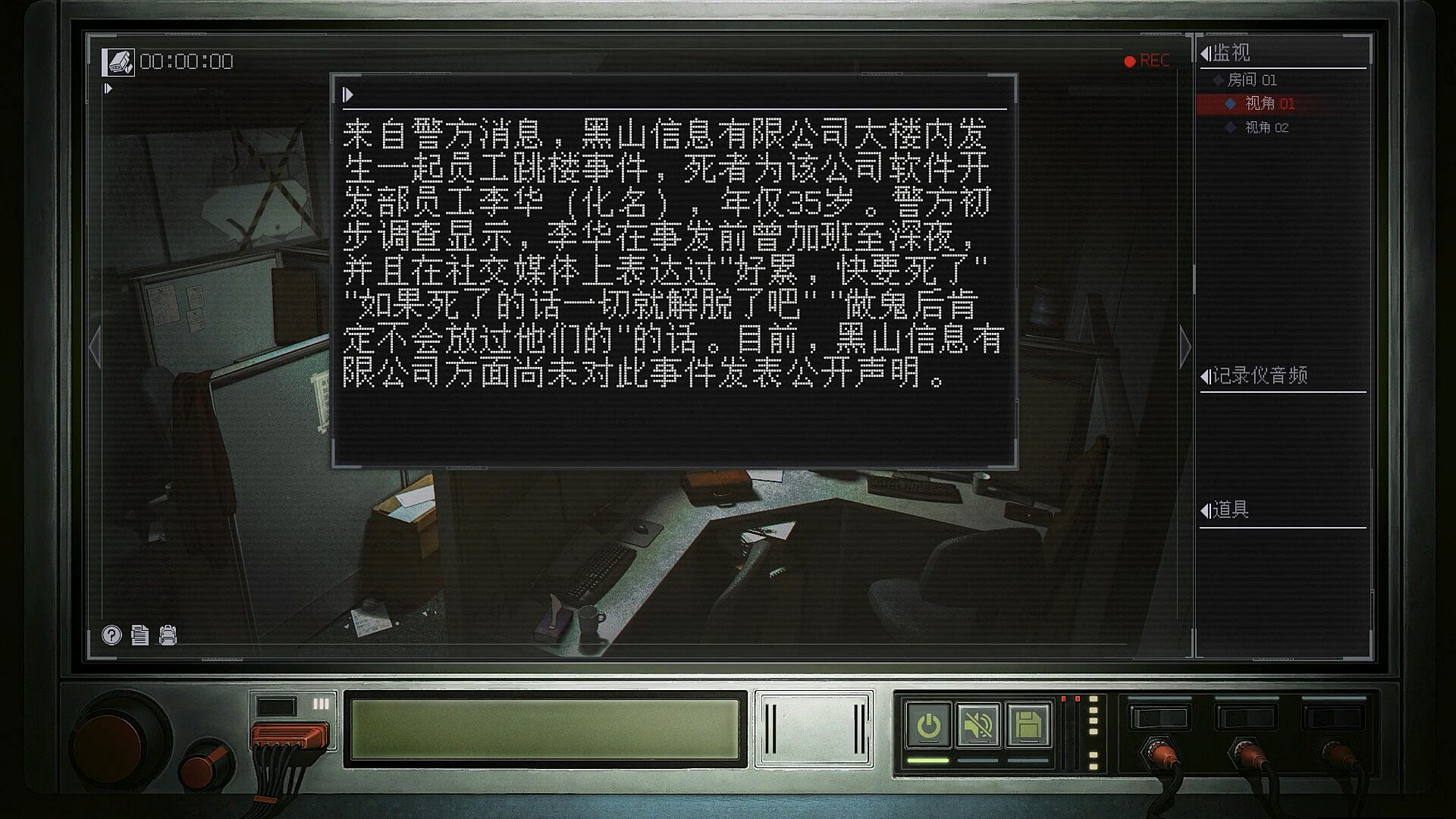
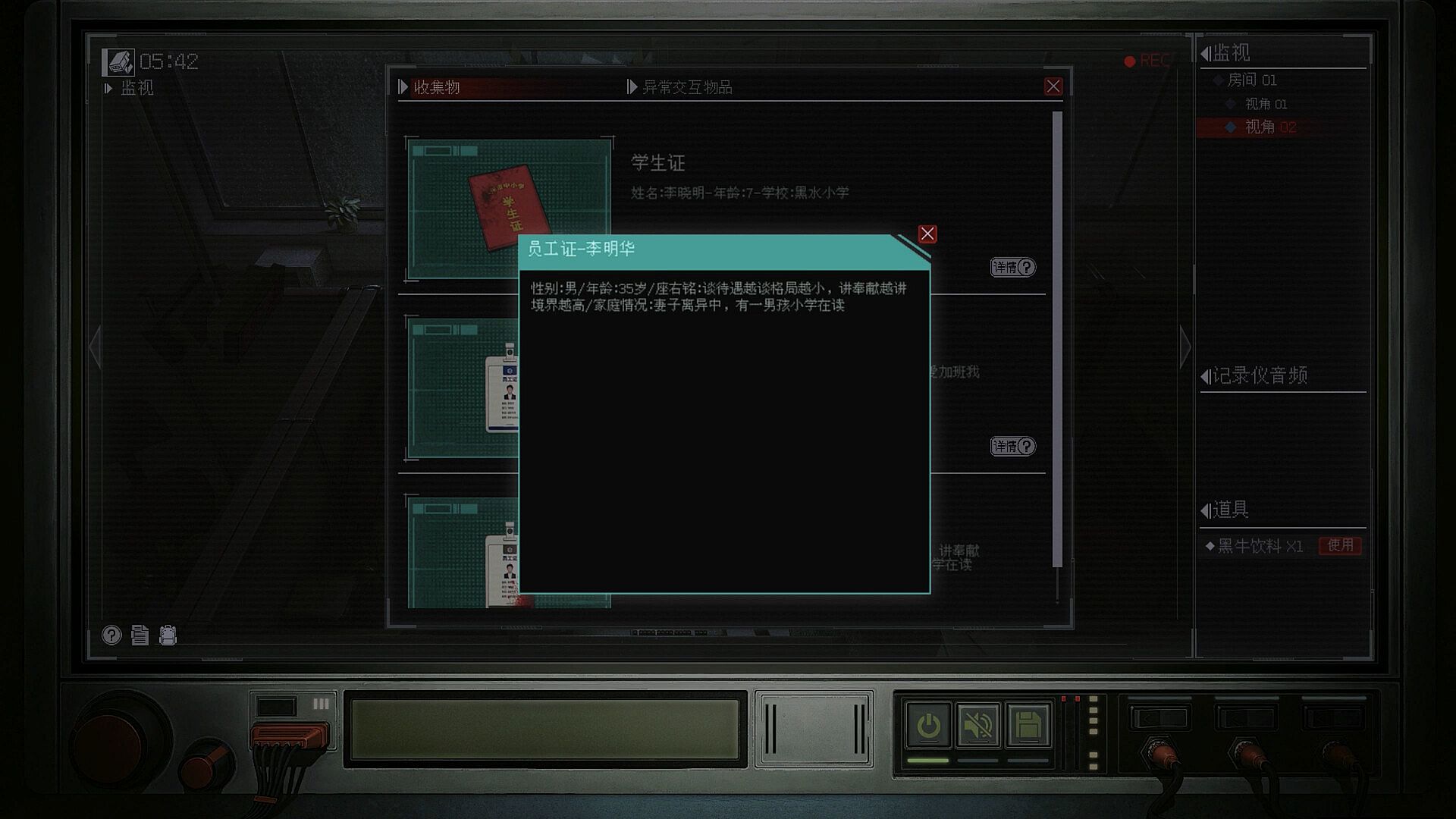
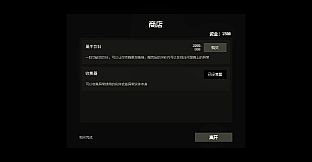
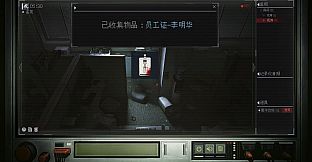
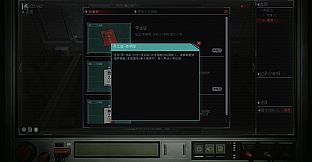
Shifts occur in a control room environment where external sounds are limited to equipment hums and the occasional flicker of streetlights visible on screen. Observation extends beyond simple spotting. Players also gather artifacts left by anomalies, reviewing associated records and logs to connect seemingly minor details into larger patterns. These items become resources for understanding events and occasionally serve as tools when standard reporting proves insufficient.
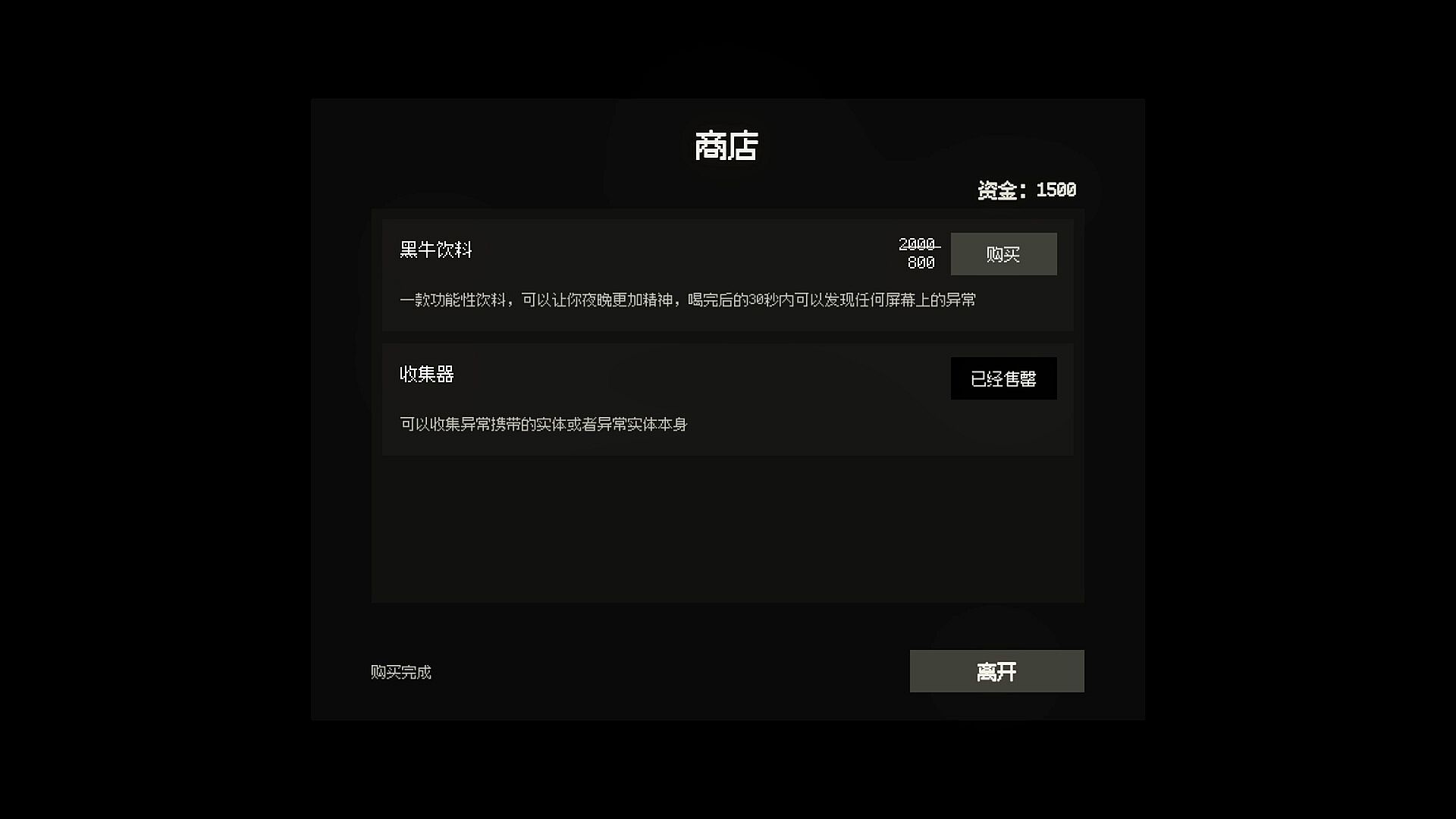
Mechanics emphasize careful assessment rather than direct confrontation. Reports must be filed accurately and promptly to contain threats, while anomalies themselves sometimes offer exploitable properties that can be turned against emerging problems. The 2D presentation keeps focus tightly on the monitors, with changes rendered through incremental visual shifts that reward repeated play sessions for pattern recognition.
Game Modes
The experience centers on sequential night shifts that grow longer and more complex as the story unfolds. Early shifts establish routine monitoring tasks, while later ones layer in interconnected anomalies, artifact collection, and narrative revelations that tie disparate events together. No separate competitive or cooperative modes exist, keeping the focus on solitary vigilance and progressive uncovering of underlying events.
Progression builds through repeated shifts where initial oddities on camera feeds evolve into broader implications. Players manage escalating tension by balancing report accuracy with the strategic use of collected anomalies. The structure supports multiple runs to explore different outcomes based on how anomalies are handled and which clues receive priority.
Atmosphere and Narrative
Setting plays a central role in building unease. The district outside remains outwardly calm with closed doors and occasional passersby, yet internal changes on the feeds suggest something irreversible has occurred. Narrative threads emerge gradually from anomaly patterns, artifact logs, and shift records rather than direct exposition. This approach creates a sense of discovery where the true source of dread lies in the altered reality behind the screens instead of overt monsters.
Sound design reinforces isolation through minimal ambient elements and the persistent refresh of camera footage. Visual style stays consistent with 2D pixel or illustrated frames that highlight small alterations without relying on jump scares. The result is a slow burn horror experience suited to players who enjoy methodical observation and piecing together clues over extended sessions.
Is It Worth Playing?
The Third Surveillance Bureau targets fans of surveillance based horror and anomaly spotting games who appreciate single player experiences built around memory, attention to detail, and gradual narrative payoff. Its mechanics reward careful play without introducing extraneous systems, and the focus on using anomalies as tools adds a layer of strategic depth to the reporting loop.
With a release scheduled for Q4 2026 and no player reviews available yet, the game remains an untested prospect. Those drawn to indie simulation adventures centered on observation and subtle horror elements may find the described systems compelling once it launches. Availability is limited to PC through standard digital storefronts, with system requirements that support modest hardware configurations.
Overall, the title stands out for its narrow but deliberate scope. It avoids broad action elements in favor of sustained tension derived from uncertainty on the monitors. Players seeking a focused, atmospheric shift based experience will likely appreciate the emphasis on observation and incremental discovery over faster paced alternatives.