







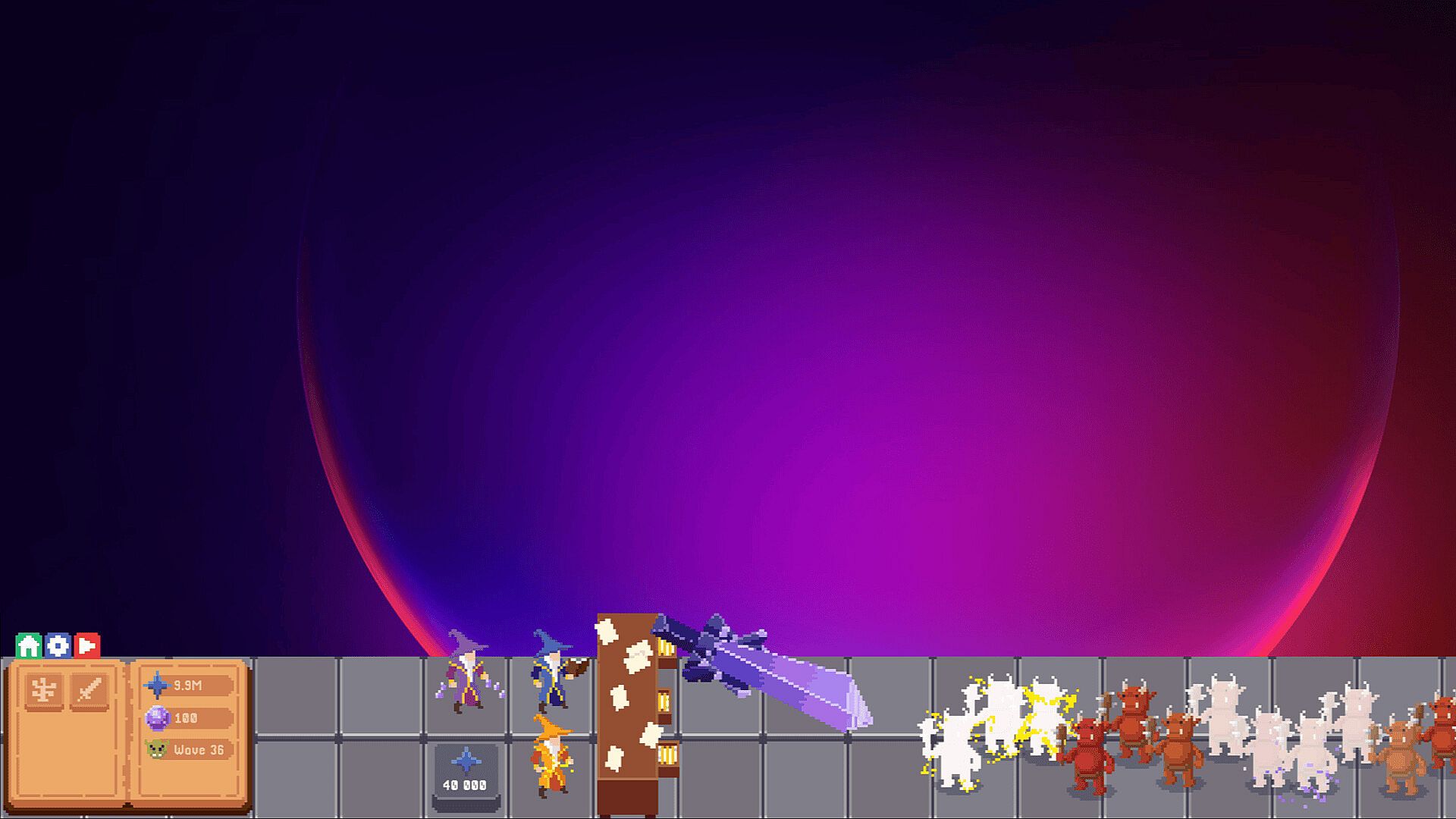
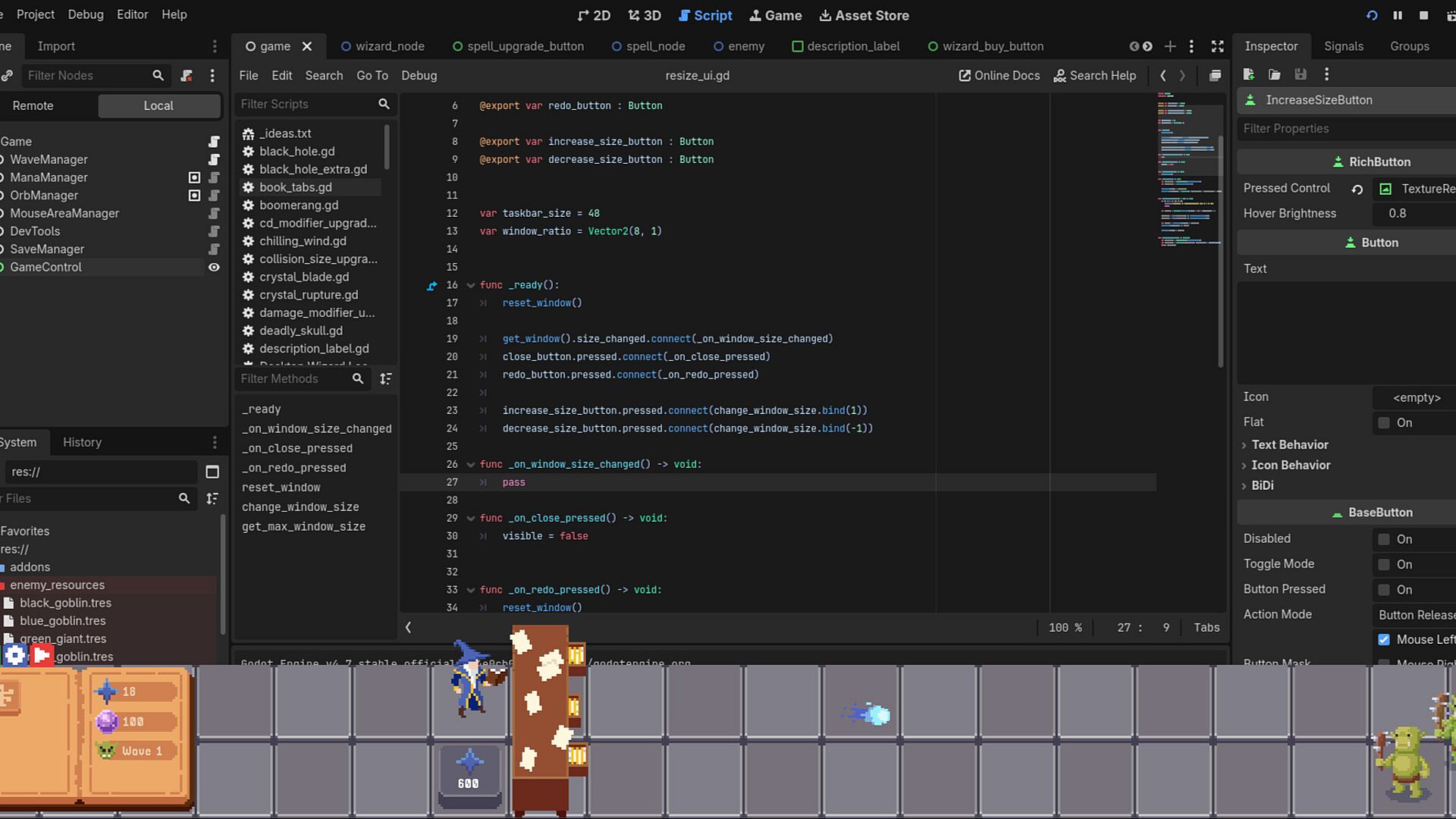
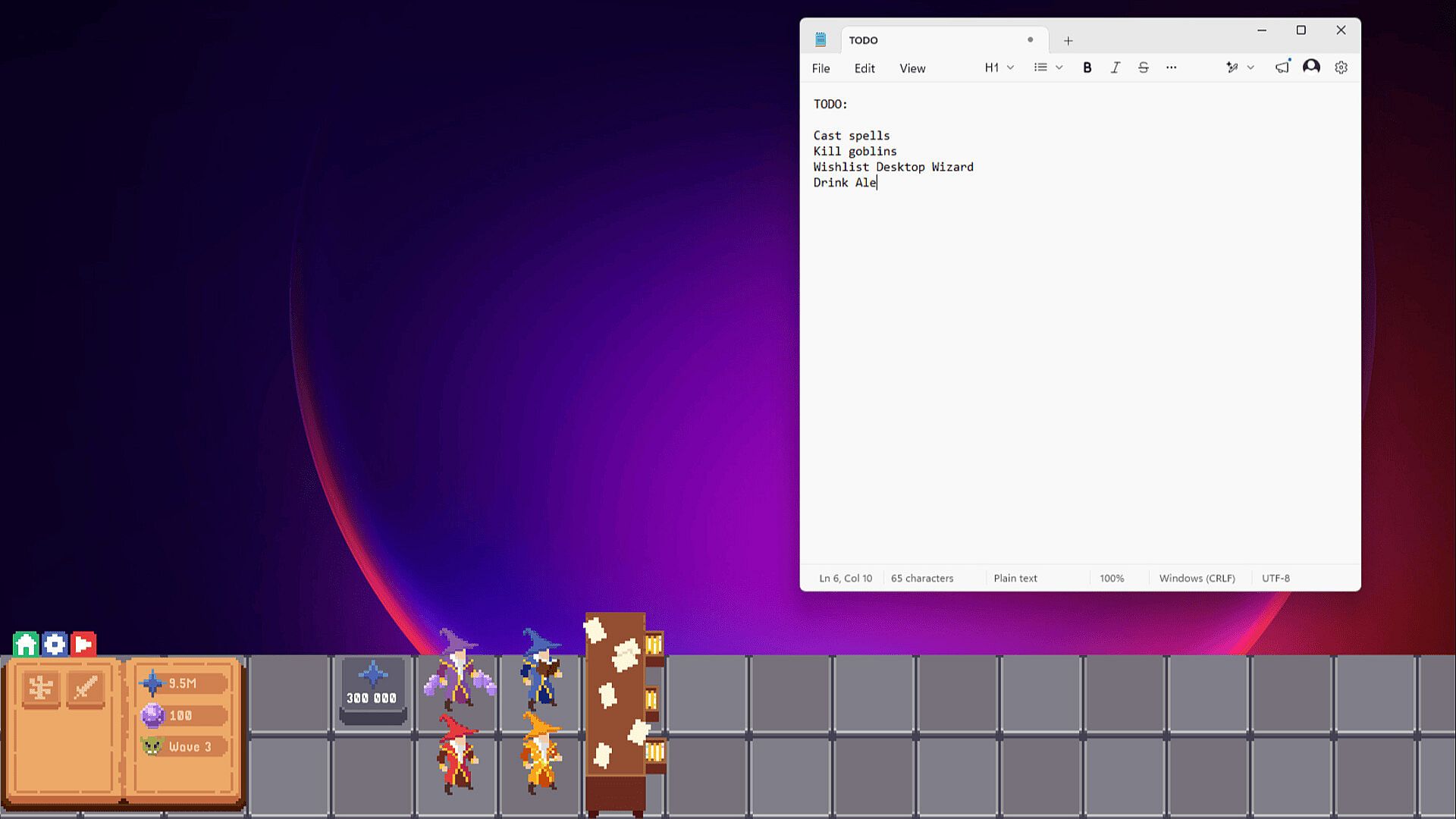
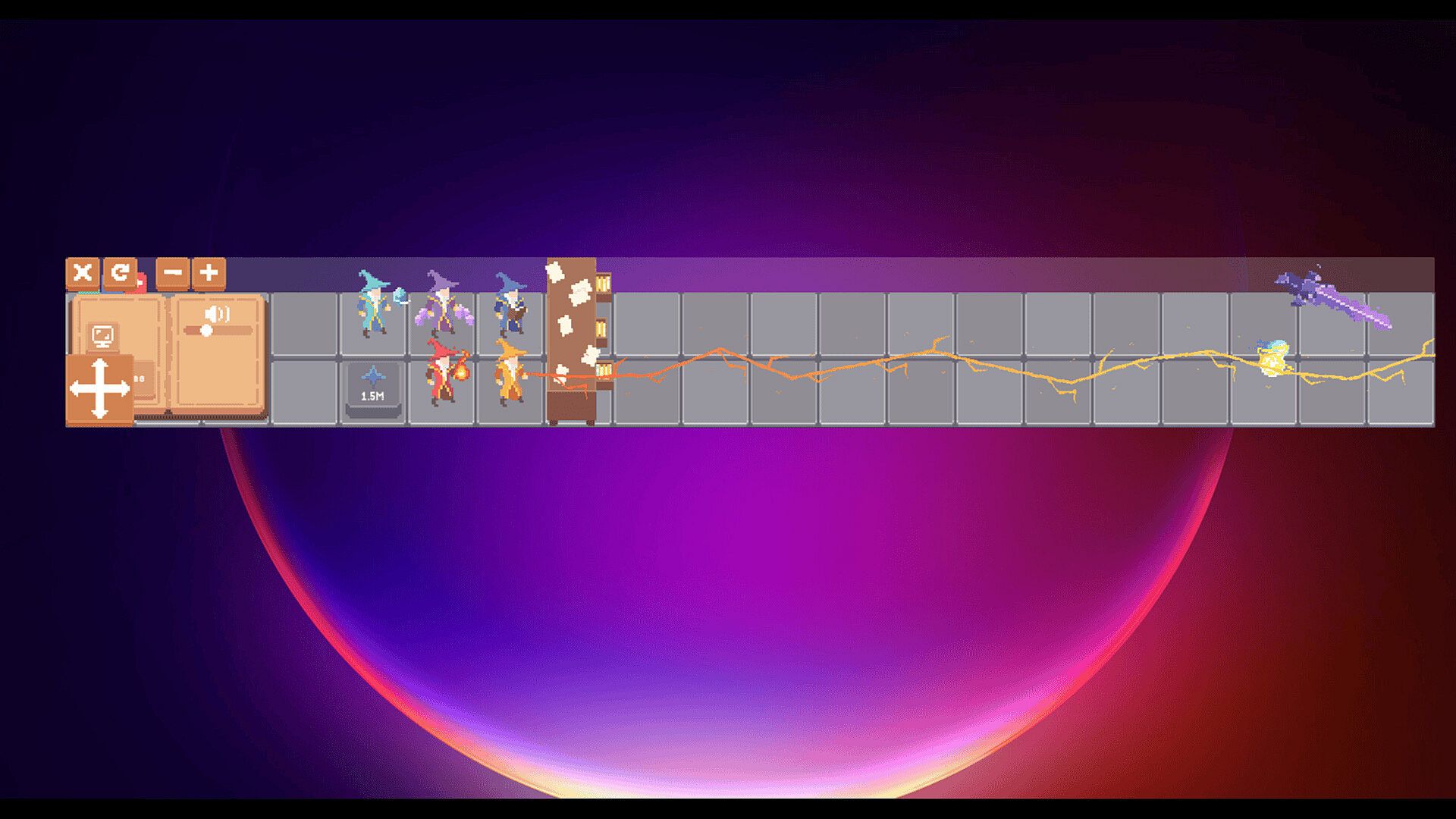
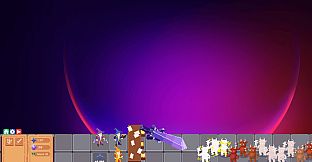
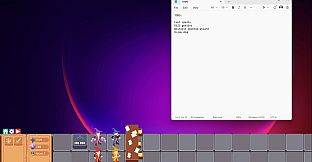
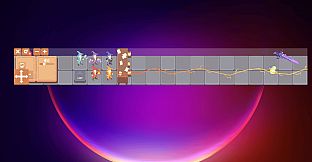
Desktop Wizard is an indie casual idle tower defense game developed for PC. Players defend their desktop from waves of invading goblins using wizards positioned along the bottom of the screen. The experience emphasizes relaxed progression that runs in the background while users handle other tasks on their computer.
Gameplay
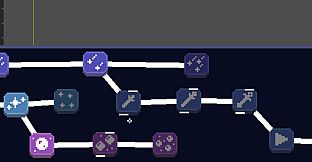
The core loop centers on placing and upgrading wizards to repel goblin attacks that approach from the edges of the desktop. Wizards automatically engage enemies with basic attacks, and players intervene periodically to recruit additional wizards, unlock new spells, and level up existing ones for greater effectiveness. Spells provide varied tools for crowd control and damage output against the goblin hordes.
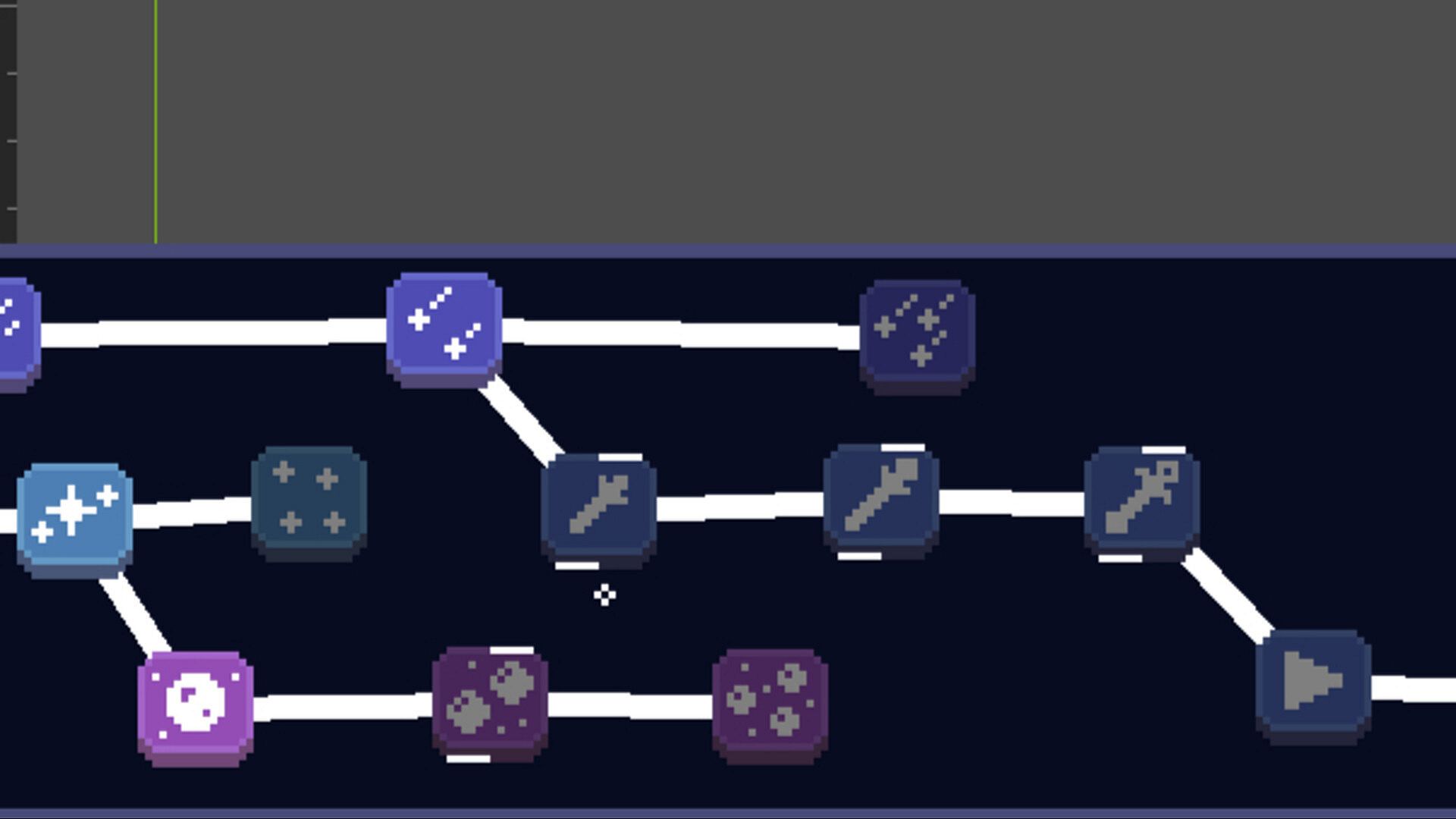
Ascension serves as a key long-term system. Completing runs or reaching milestones grants permanent buffs and new abilities that carry over across sessions. This creates steady growth without requiring constant active play. The idle nature means the defense continues even when the player minimizes the window or switches to other applications, making it suitable for background monitoring during work or browsing.
Mechanics focus on resource management tied to goblin defeats. These resources fuel upgrades and spell acquisitions, encouraging strategic choices about which wizards to prioritize and which spells to develop first. The visual setup keeps everything contained at the screen's bottom edge, leaving the rest of the desktop free for normal use.
Game Modes
Desktop Wizard operates primarily as a single-player idle experience with no separate competitive or cooperative modes confirmed. The main activity revolves around repeated defense sessions against goblin invasions, supported by the ascension system for ongoing advancement. Progression elements like spell leveling and wizard recruitment integrate directly into this core loop rather than branching into distinct modes.
Players engage through a continuous cycle of defense, upgrades, and ascensions. The design supports both short check-ins for quick upgrades and longer periods of passive play where the game handles threats autonomously. No additional named modes such as endless challenges or special events appear in available details.
Progression and Upgrades
Recruitment expands the defensive lineup by adding new wizards with unique strengths. Leveling spells improves their power, range, or special effects, allowing customization of the overall strategy. Ascension resets the current run but applies lasting improvements, such as increased starting resources or enhanced wizard capabilities, which accelerate future sessions.
This layered system rewards consistent play without demanding full attention. Upgrades build on one another, turning early goblin waves into manageable threats and later ones into opportunities for further gains. The casual focus keeps complexity low while still offering meaningful decisions about resource allocation.
Is It Worth Playing?
Desktop Wizard suits players seeking a low-commitment idle experience that combines tower defense elements with desktop integration. Its background operation and simple upgrade loop appeal to those who enjoy passive progression games in the indie casual space. The goblin defense theme and wizard spell system provide a light fantasy flavor without overwhelming mechanics.
Because the title is newly available, player feedback remains limited at this stage. Those who appreciate idle tower defense titles with ascension layers may find value in its relaxed pace and persistent buffs. It works best for users comfortable with games that run alongside other activities rather than demanding focused sessions.
Overall, the game delivers on its described idle tower defense premise through straightforward wizard management and spell progression. Potential buyers should consider their interest in background-running titles before purchasing, as the experience prioritizes steady, hands-off advancement over intense action.