


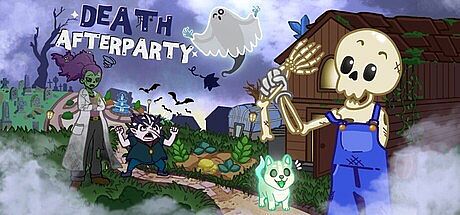


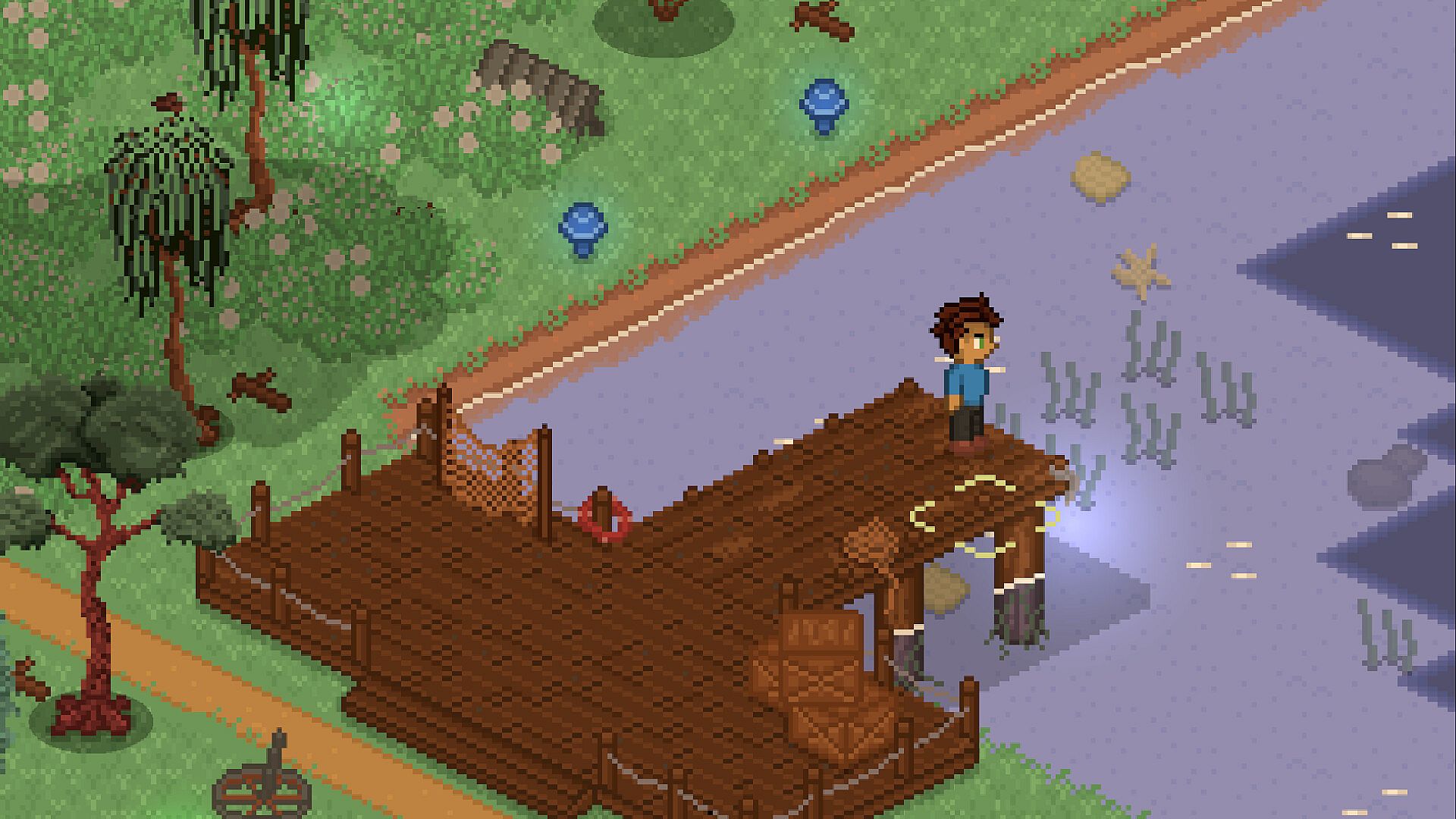
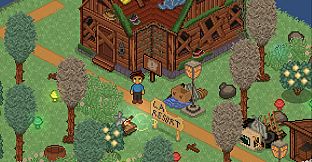
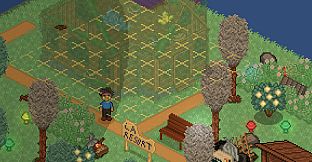
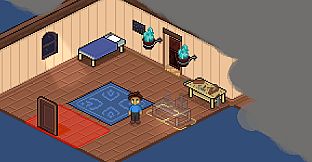
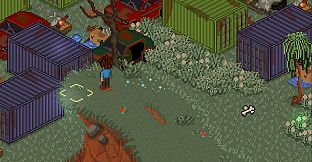
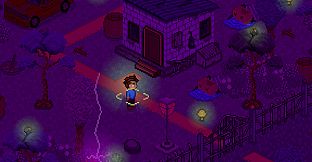
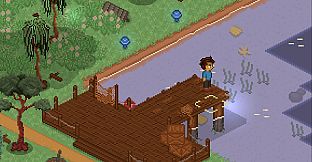
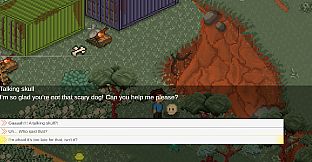
Death Afterparty is a single-player indie RPG and casual adventure game set in a cozy afterlife town. Players arrive in an abandoned settlement after an unexplained death and work to restore it while befriending undead residents and uncovering personal stories. The experience blends building, farming, narrative choices, and light simulation elements on PC.
Gameplay
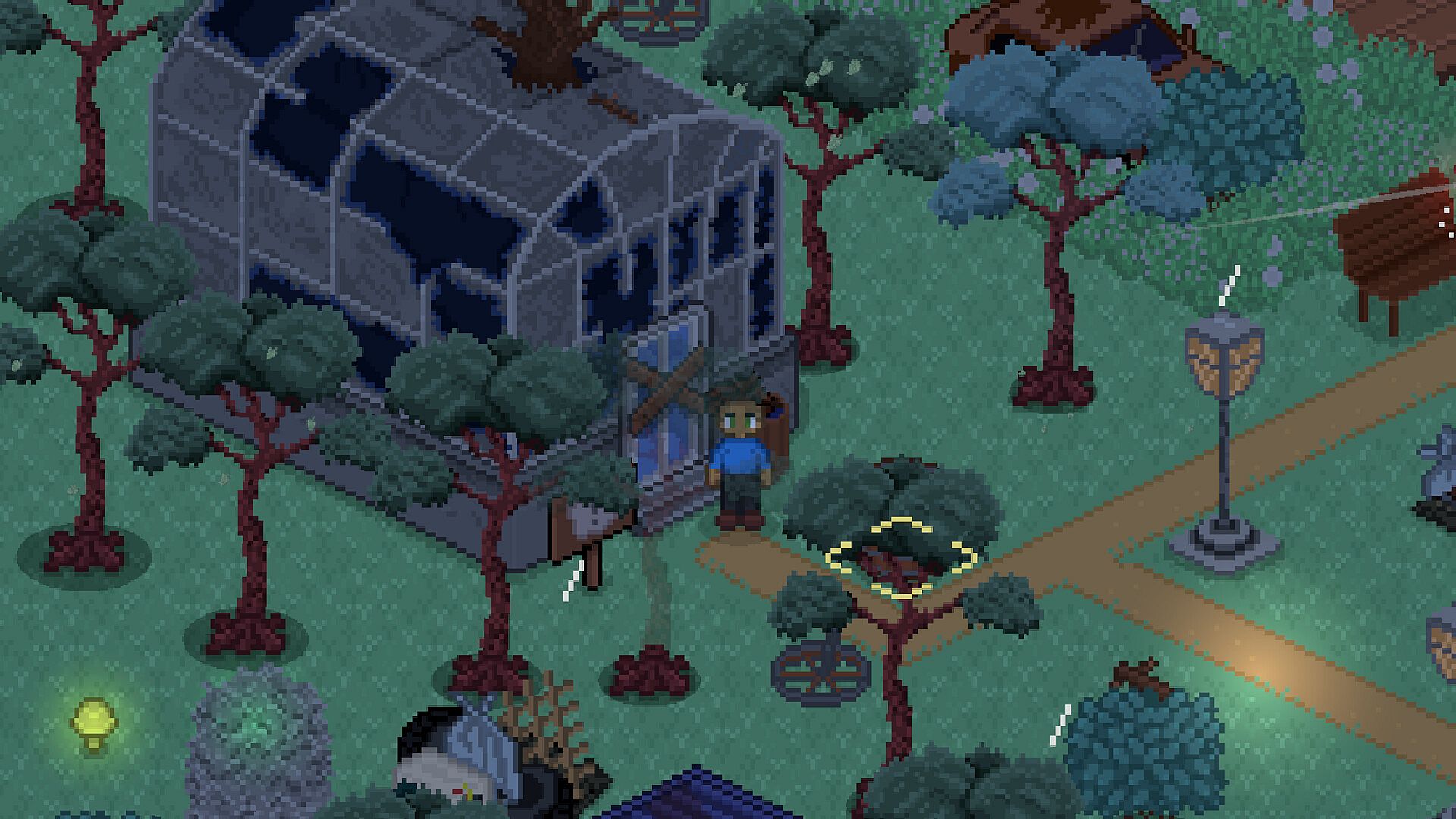
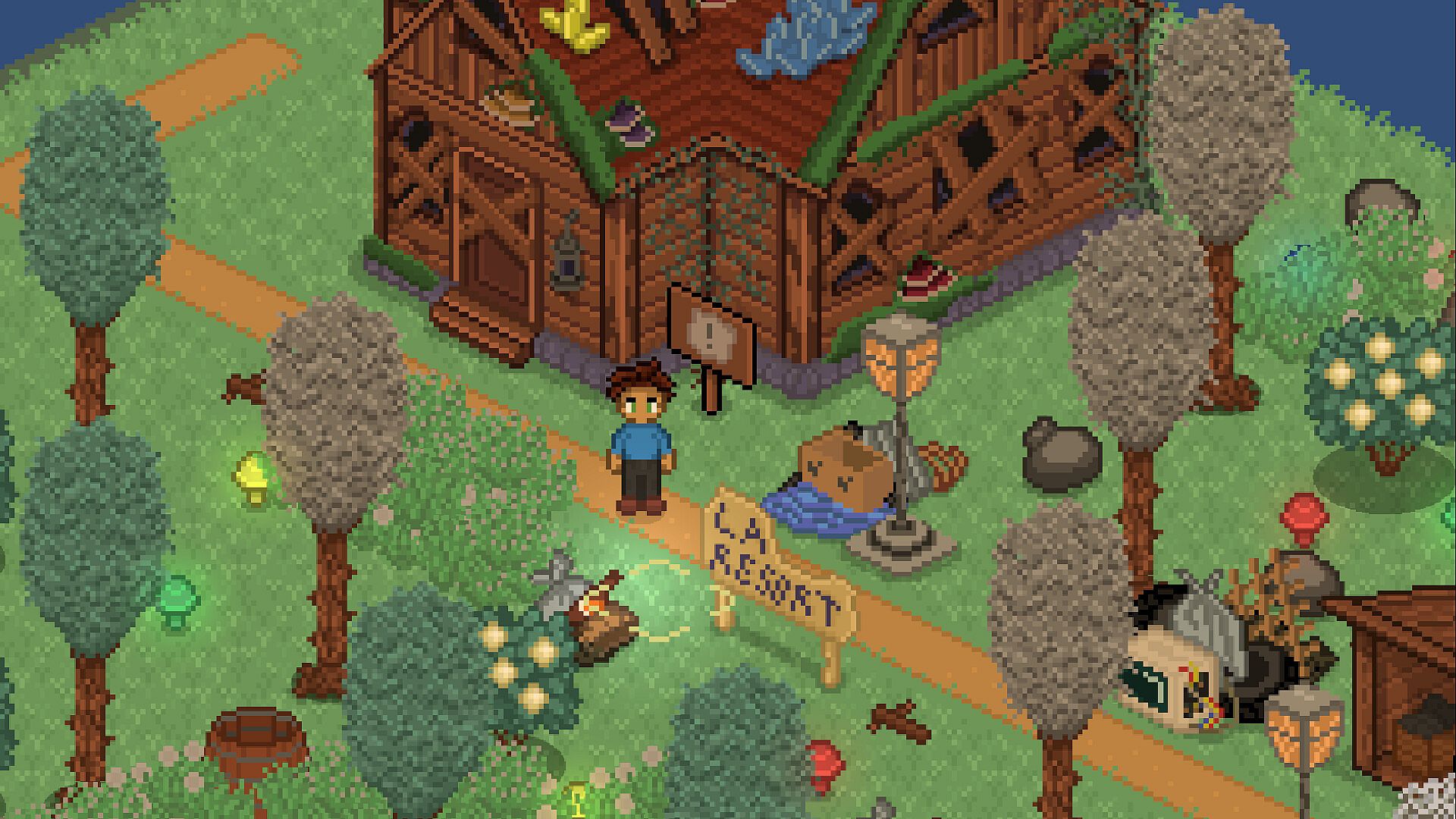
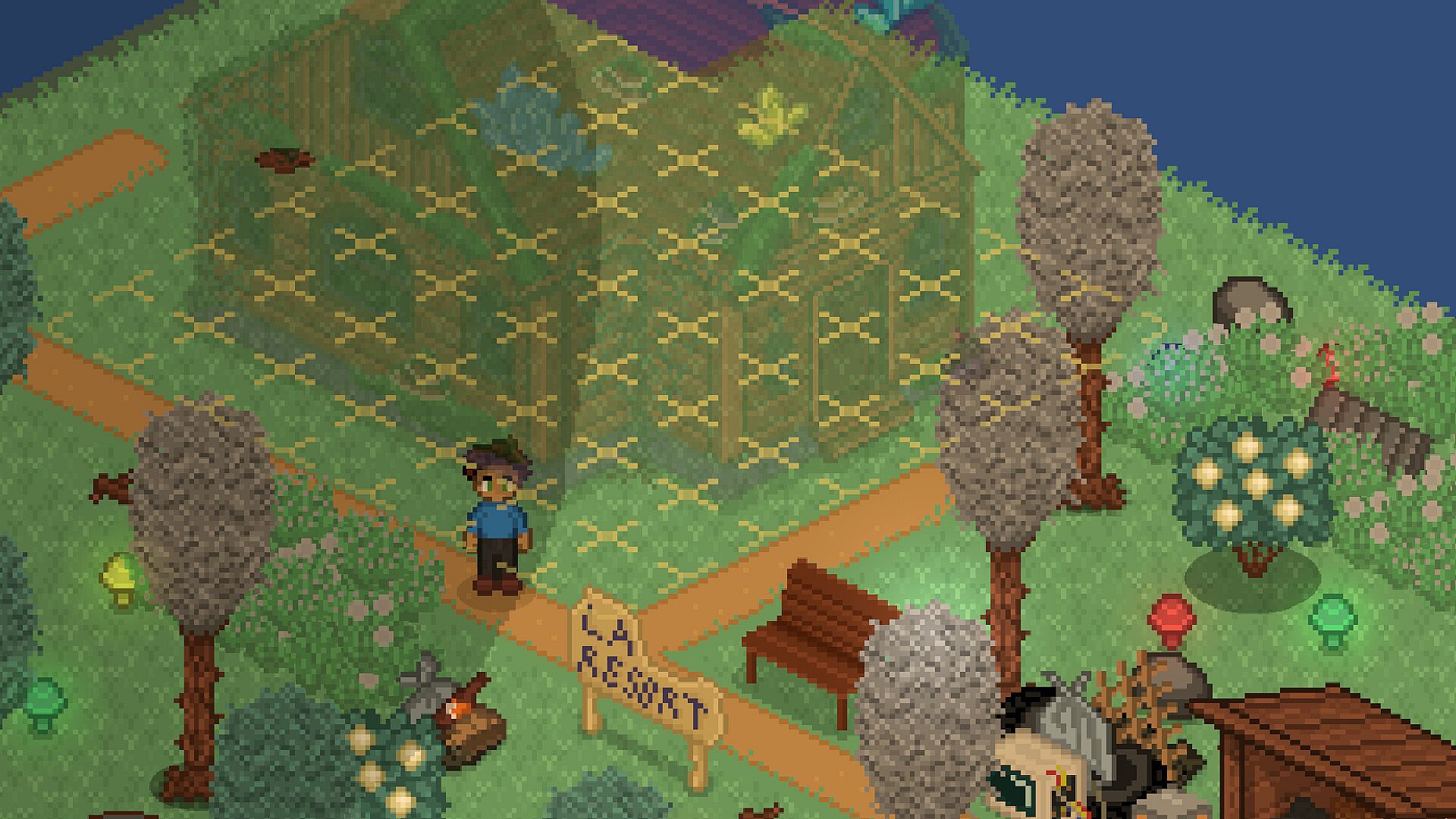
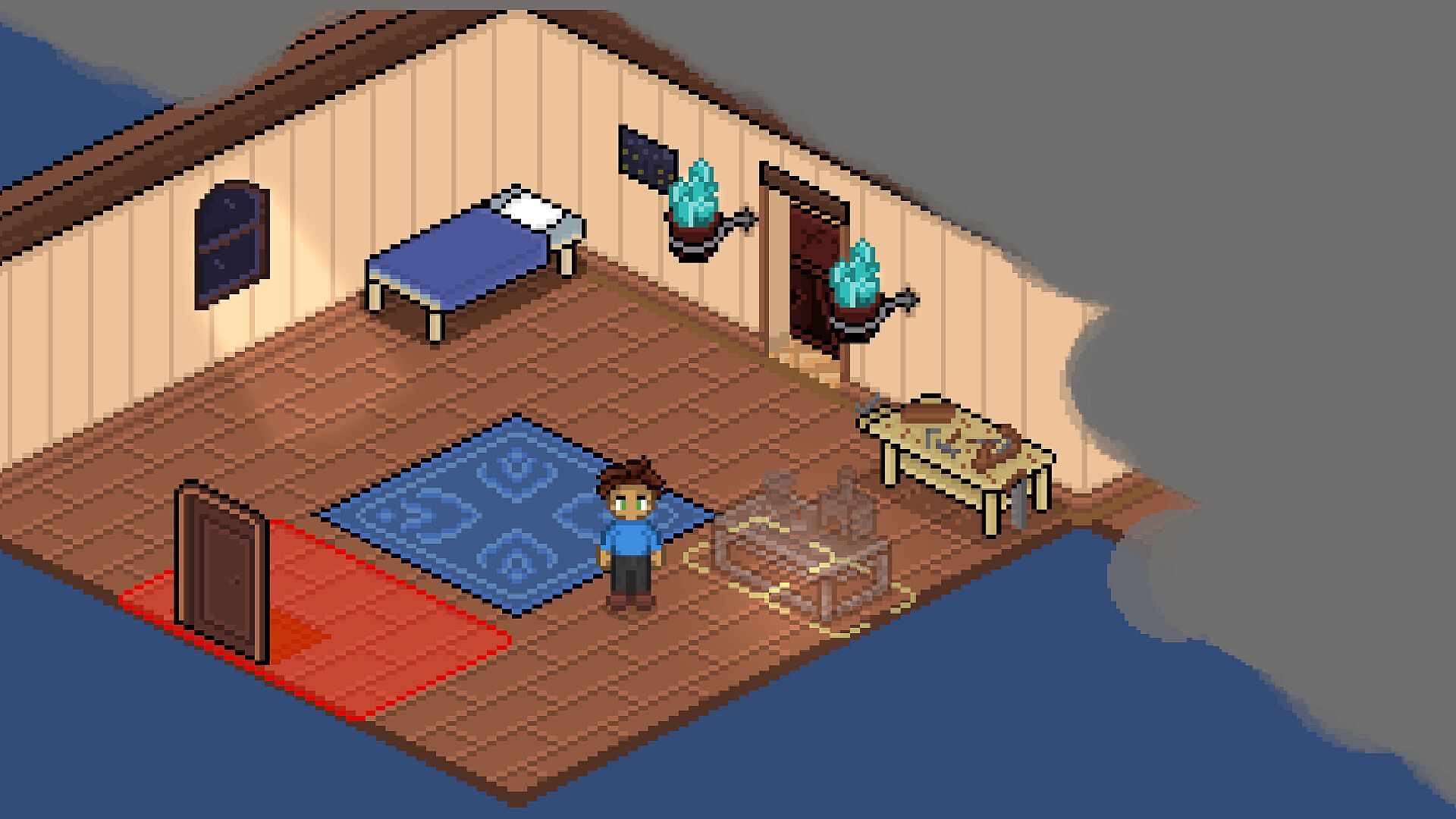
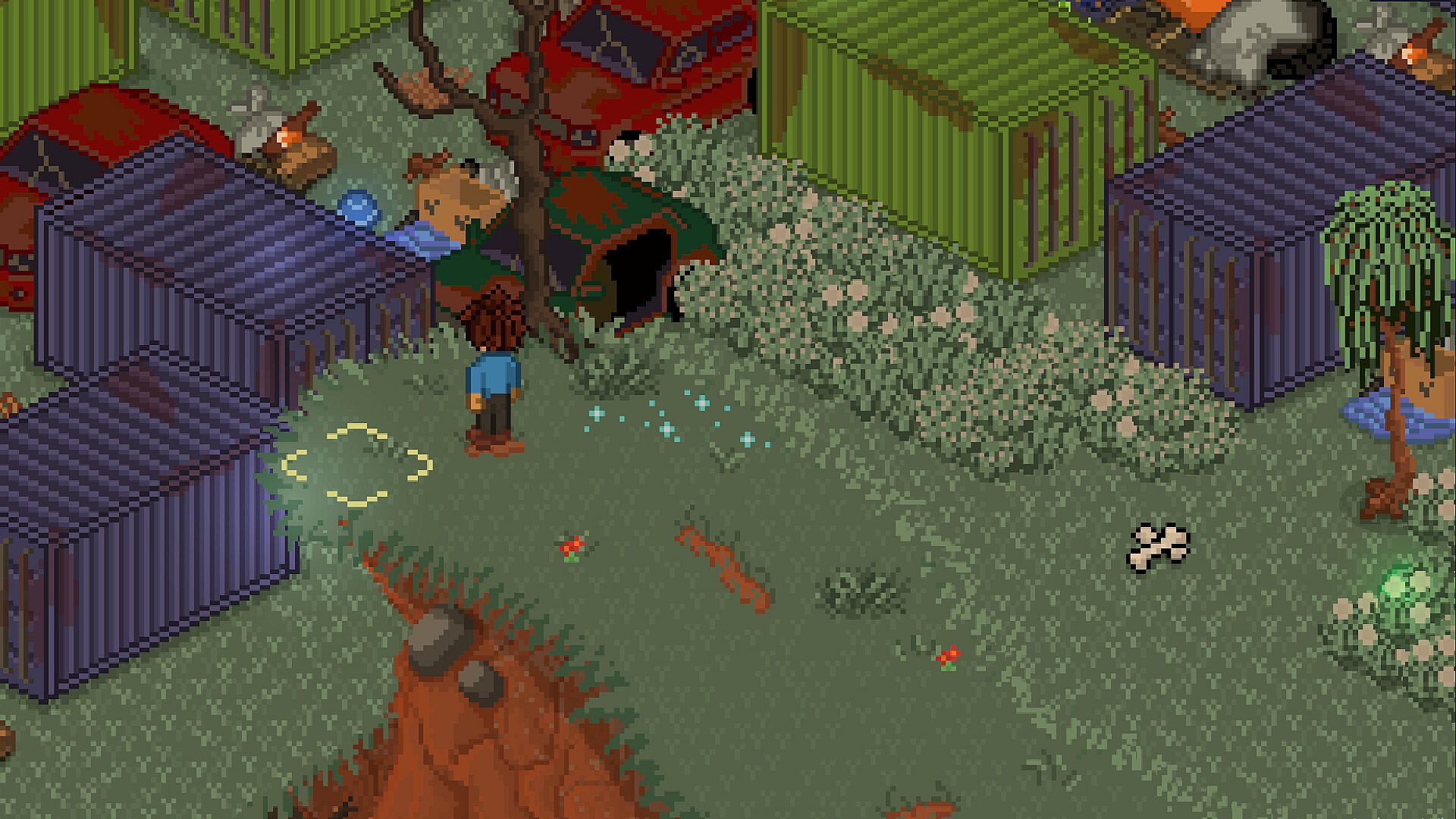
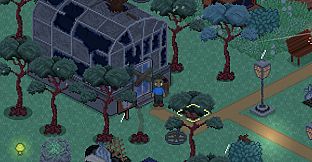
The core loop centers on town restoration and social interactions. Players clean debris, pave roads, construct homes, and arrange structures to influence how non-player characters move and spend their time throughout the day. Layout decisions directly affect NPC routines, such as whether residents can take walks in a newly added park.
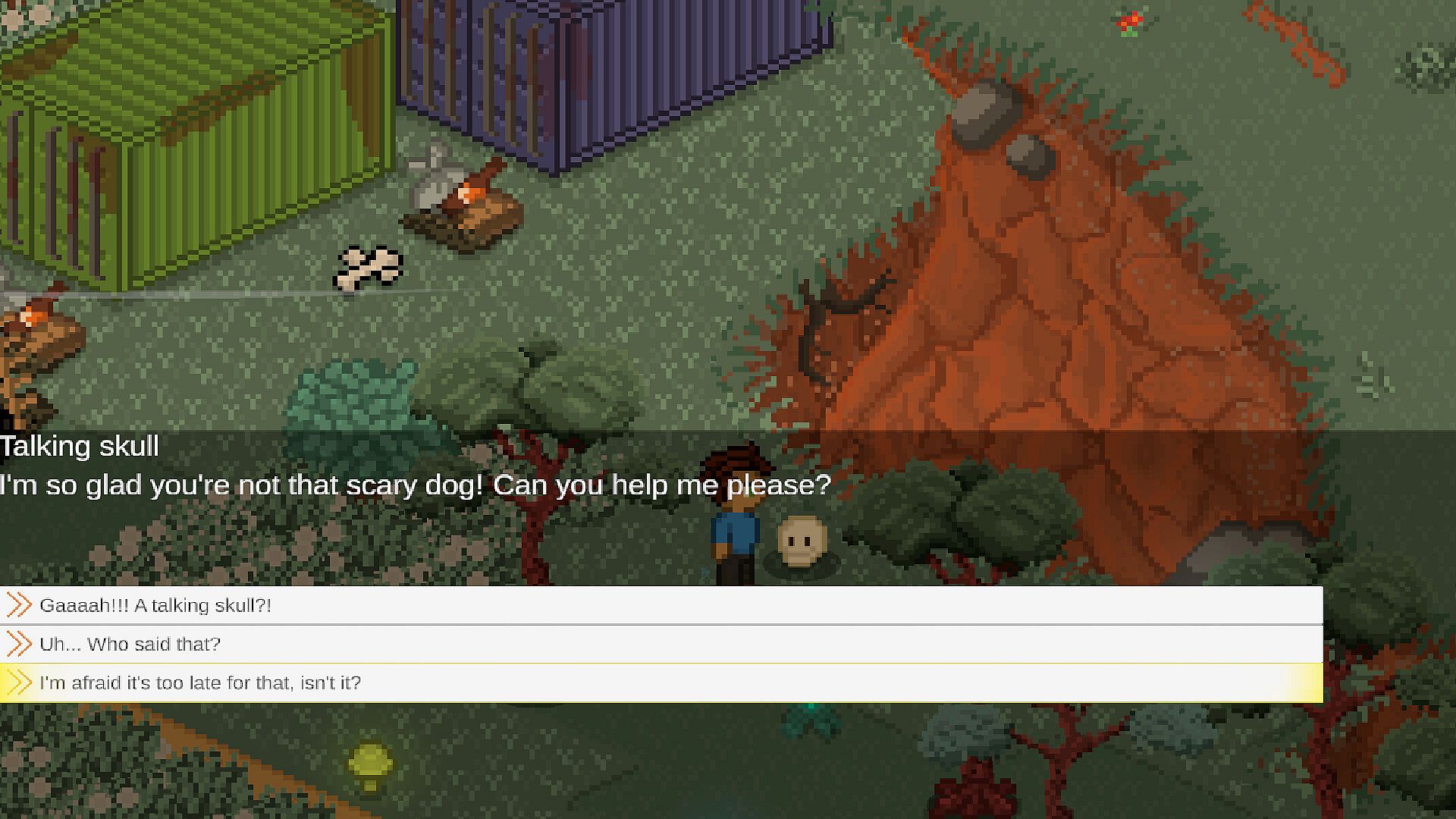
Story progression comes through conversations with ten unique undead characters. Branching dialogue reveals individual hopes and regrets tied to their former lives. Helping these figures resolve lingering issues forms a central thread alongside the mystery of the player's own arrival in the afterlife.
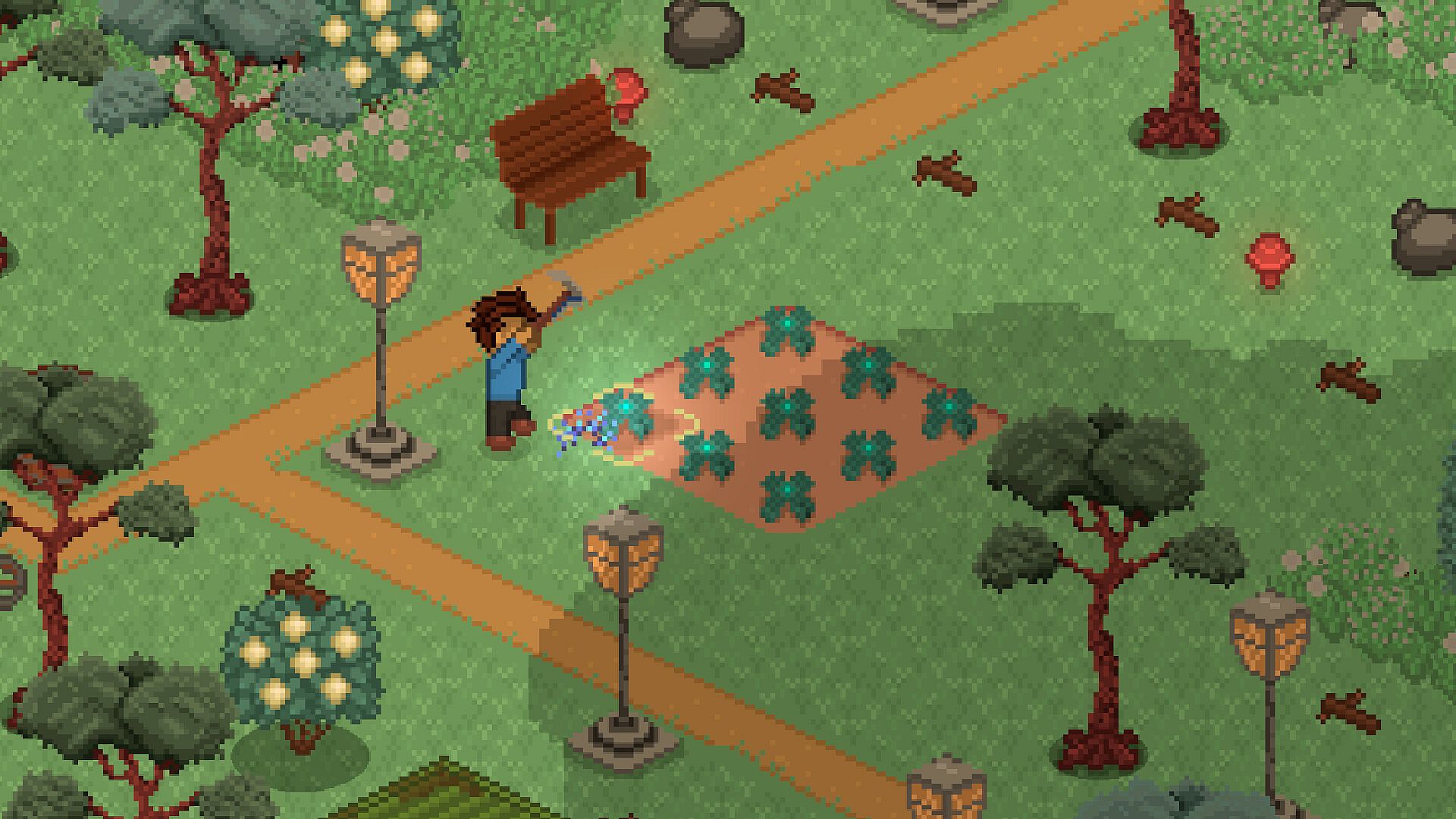
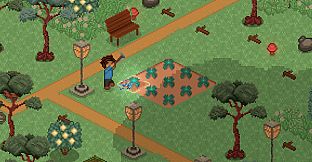
Farming and resource systems add depth. Players cultivate unusual crops including pungent mushrooms, floating plants, and shimmering crystals. Each plant type requires specific care discovered through scattered botanic diary pages. Harvested materials yield a strange essence used for crafting and trading instead of traditional currency.
Additional activities include locating and caring for dozens of undead pets that offer unexpected abilities once trust is earned. Side tasks such as fishing, cooking, and various mini-games appear as development continues.
Game Modes
Death Afterparty operates entirely as a single-player experience. All building, farming, dialogue, and exploration systems integrate into one continuous campaign without separate competitive or cooperative modes. Progress occurs through personal choices in town design and character relationships rather than distinct playlists or match types.
The structure encourages repeated playthroughs via different town layouts and dialogue paths that alter NPC schedules and story outcomes. No multiplayer components or seasonal events have been implemented at this stage.
Development and Current State
The project has been developed solo for three years and remains in an early phase. Regular developer updates document ongoing work on features such as expanded building options, cooking mechanics, and world boundaries. A demo is planned for release within the current development cycle, though no public version is available yet.
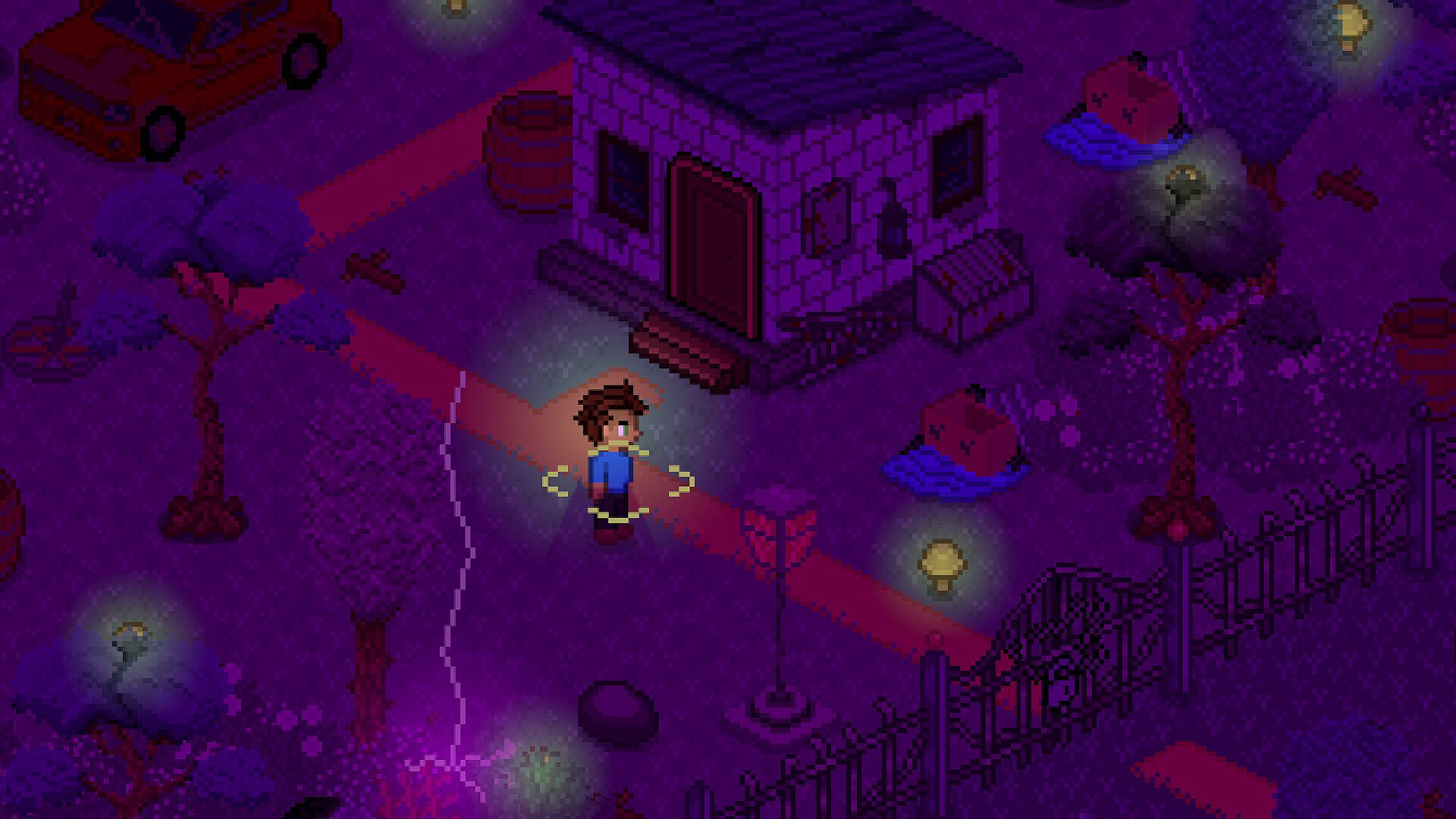
Visuals use 2D isometric pixel art with detailed hand-crafted assets, including large structures like cathedral ruins. Controller support is confirmed, and the game runs on Windows with family sharing enabled.
Is It Worth Playing?
Death Afterparty suits players who enjoy relaxed life simulation combined with light RPG storytelling and creative building. Those drawn to titles focused on community restoration, character backstories, and gentle resource management will find the described systems appealing once complete.
Because the game is still in early development with no released version or player reviews available, any final judgment depends on how the remaining features and polish come together. Interested players can monitor official channels for the upcoming demo to test the core loop firsthand. The emphasis on emotional narratives and customizable town life positions it as a niche option within the cozy indie genre rather than a broad mainstream release.