




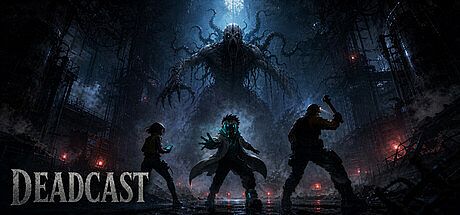


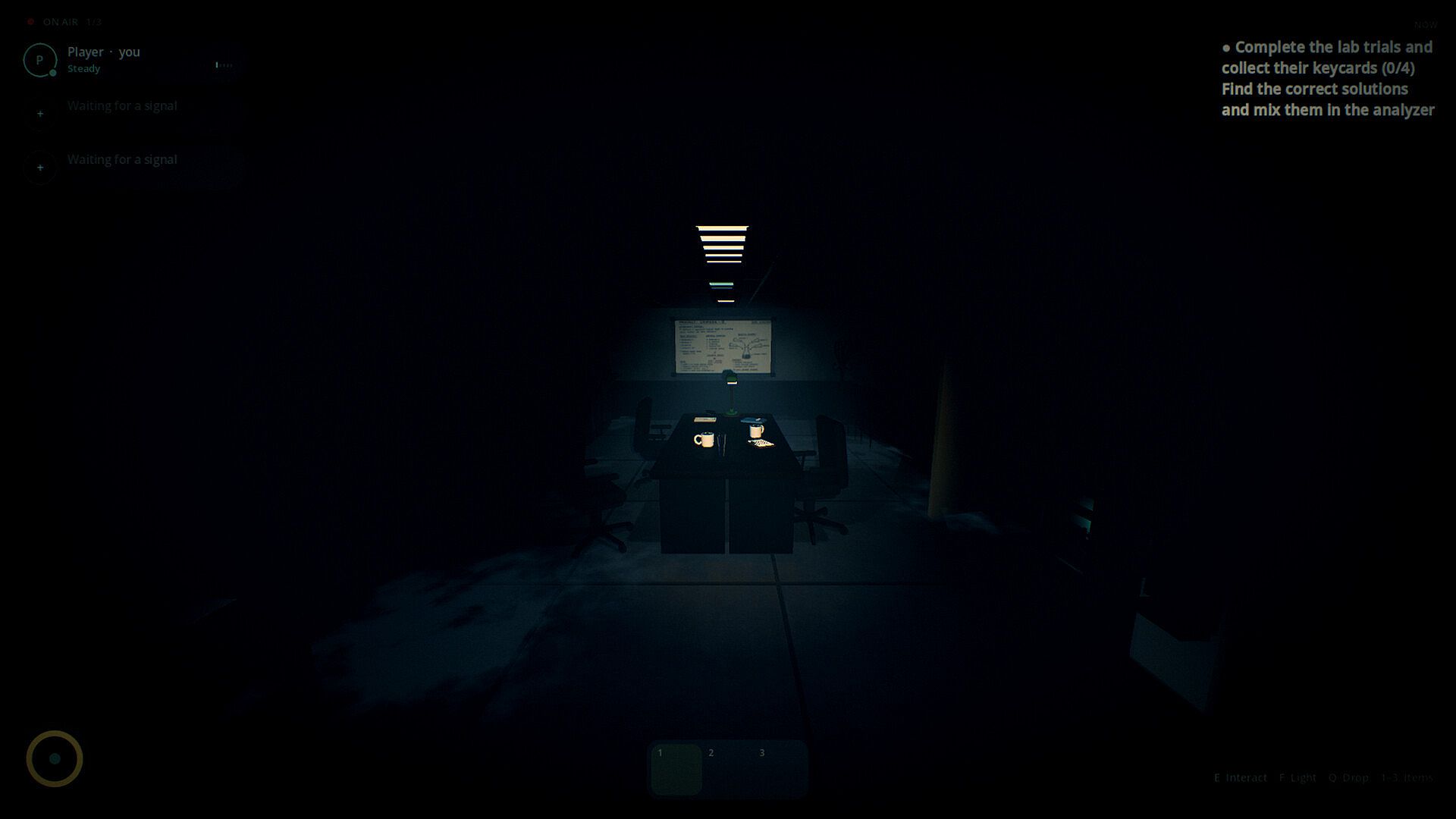
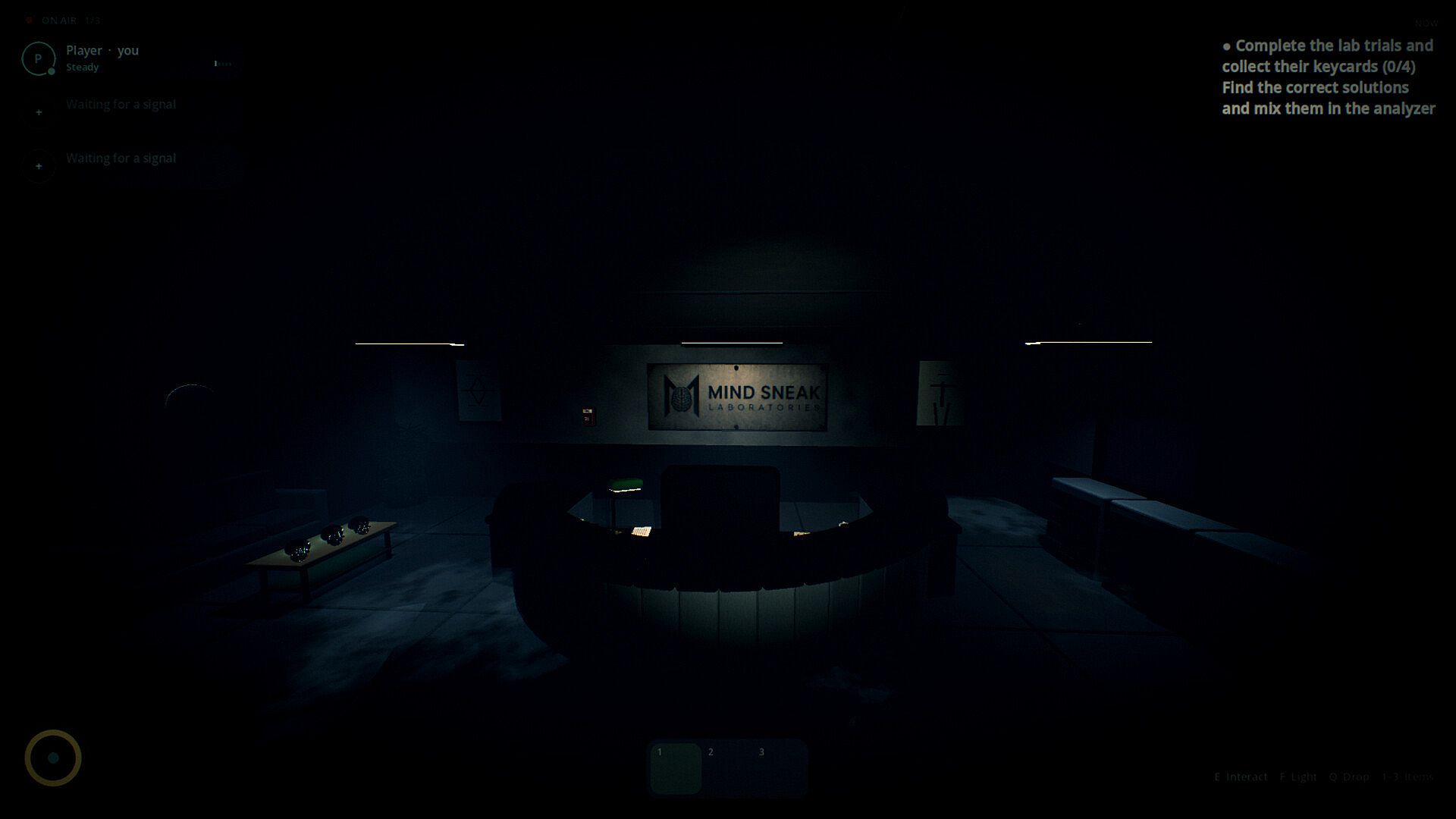
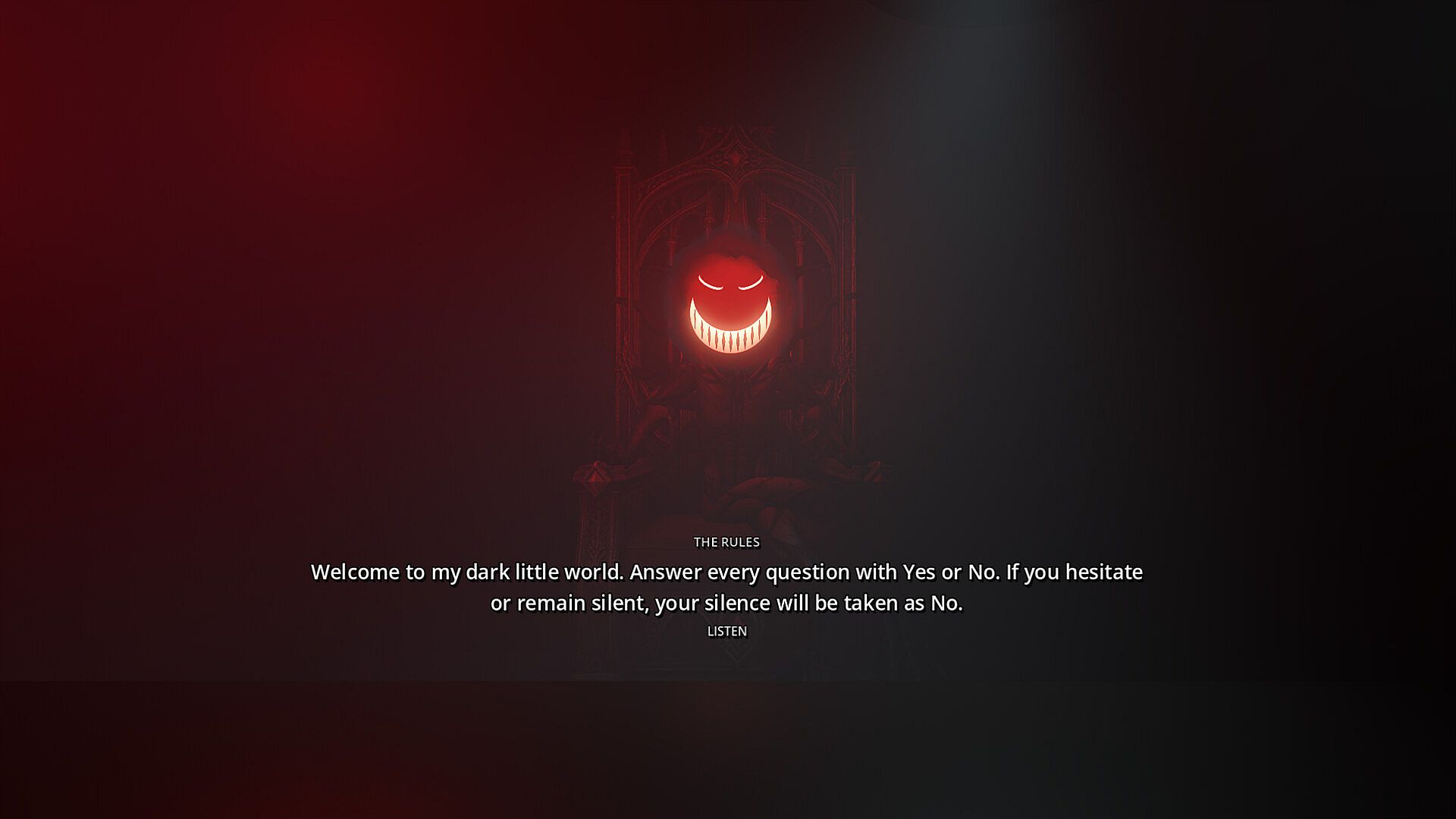
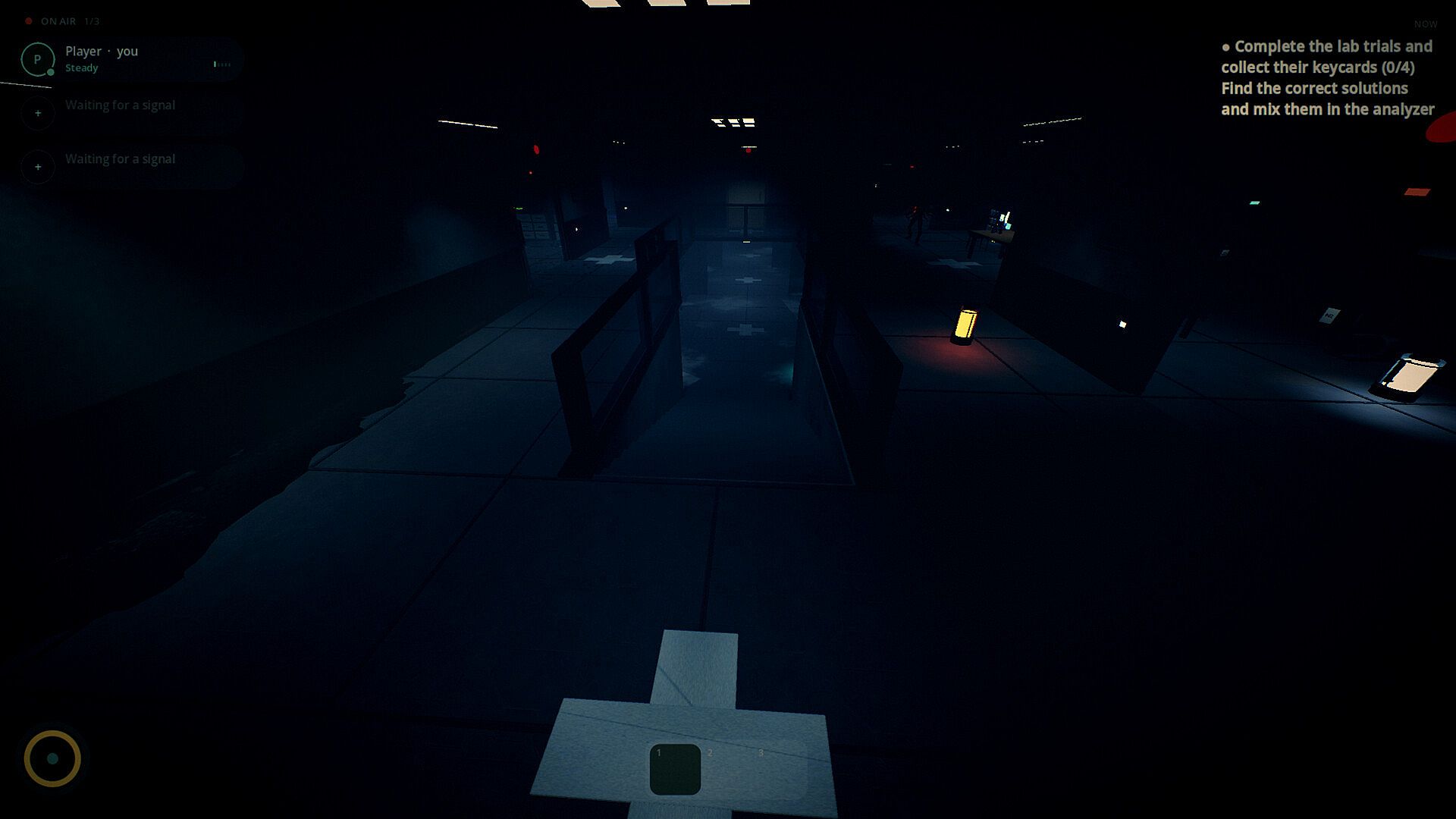

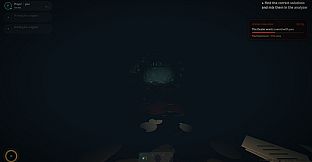
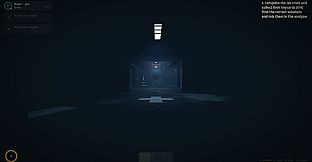
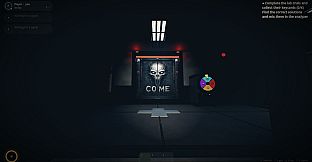
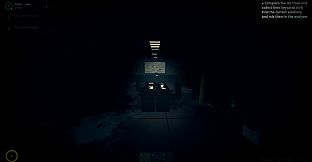
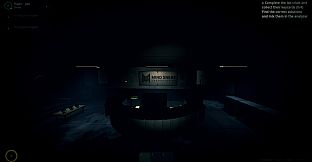
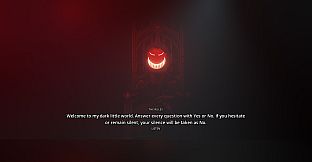
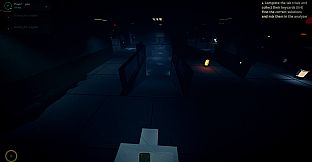
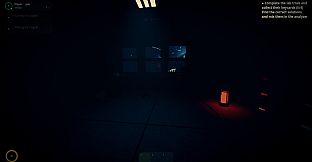
DEADCAST is a first-person psychological horror game developed for PC that blends exploration, puzzle-solving, and survival elements across procedurally varied maps. Players navigate abandoned facilities while completing objectives under constant threat from a reactive creature that responds to sound, movement, and player decisions. The experience supports both solo play and cooperative sessions with up to two additional players, emphasizing tension that arises from uncertain alliances and environmental hazards.
Gameplay
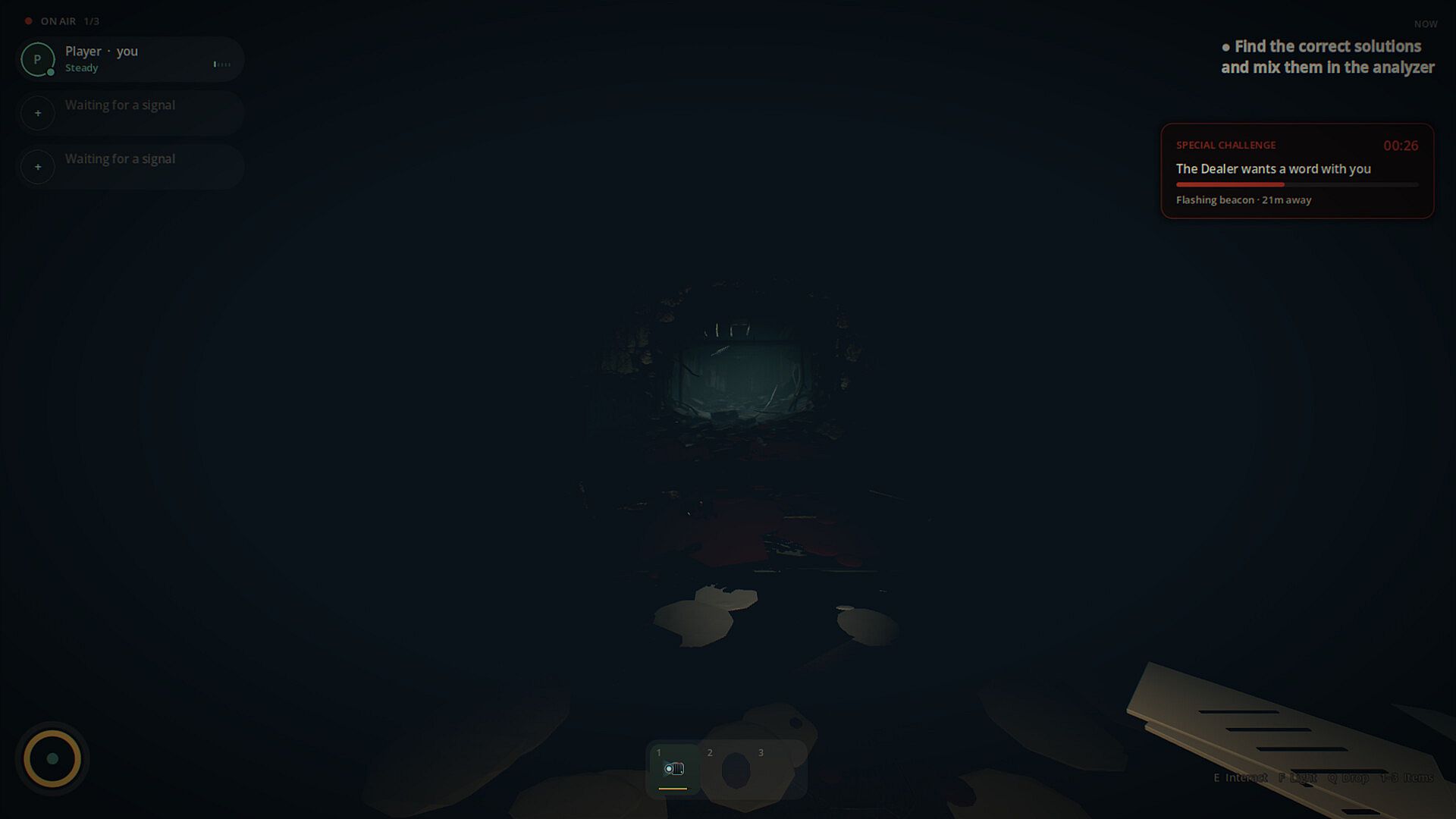
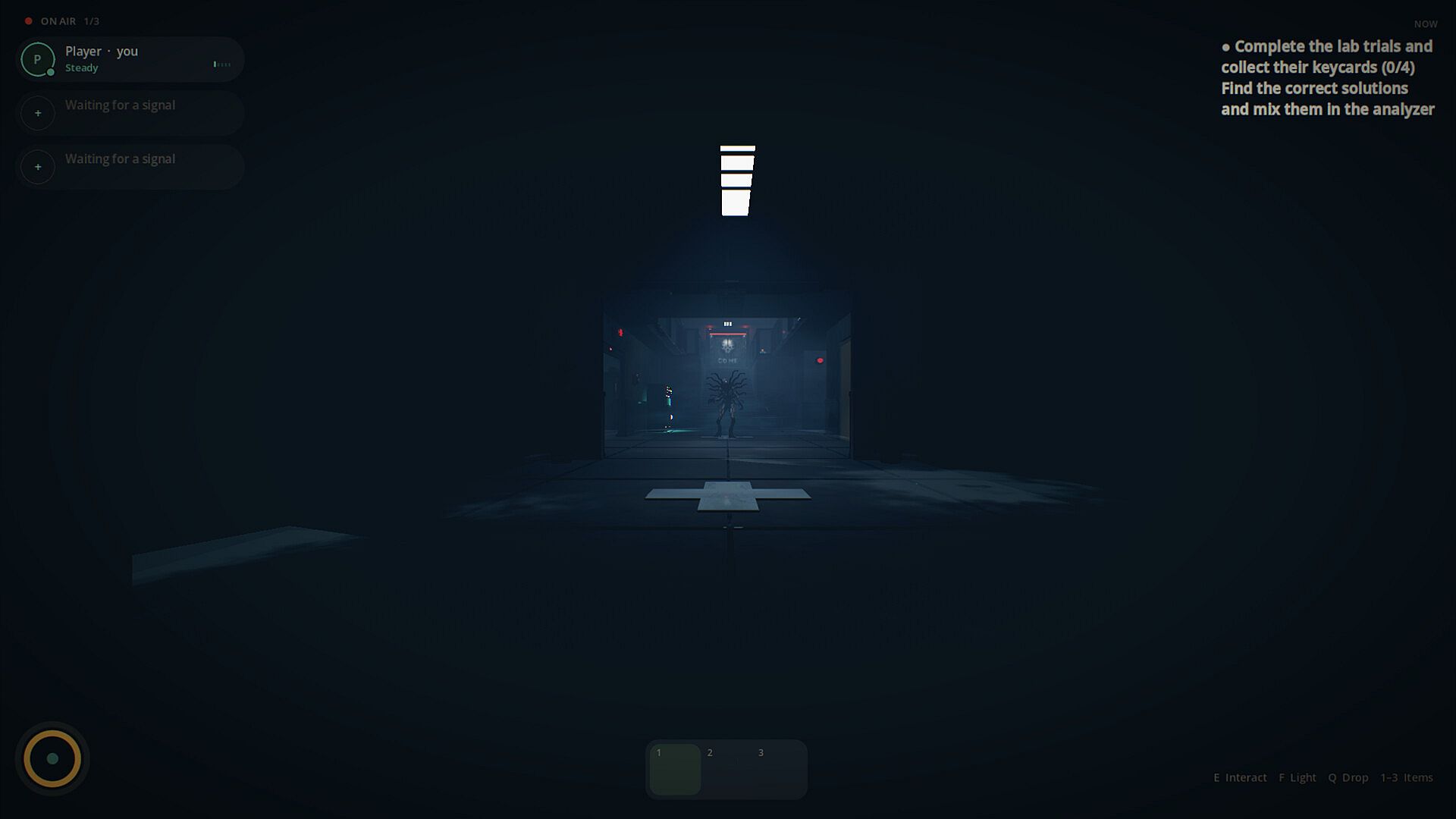
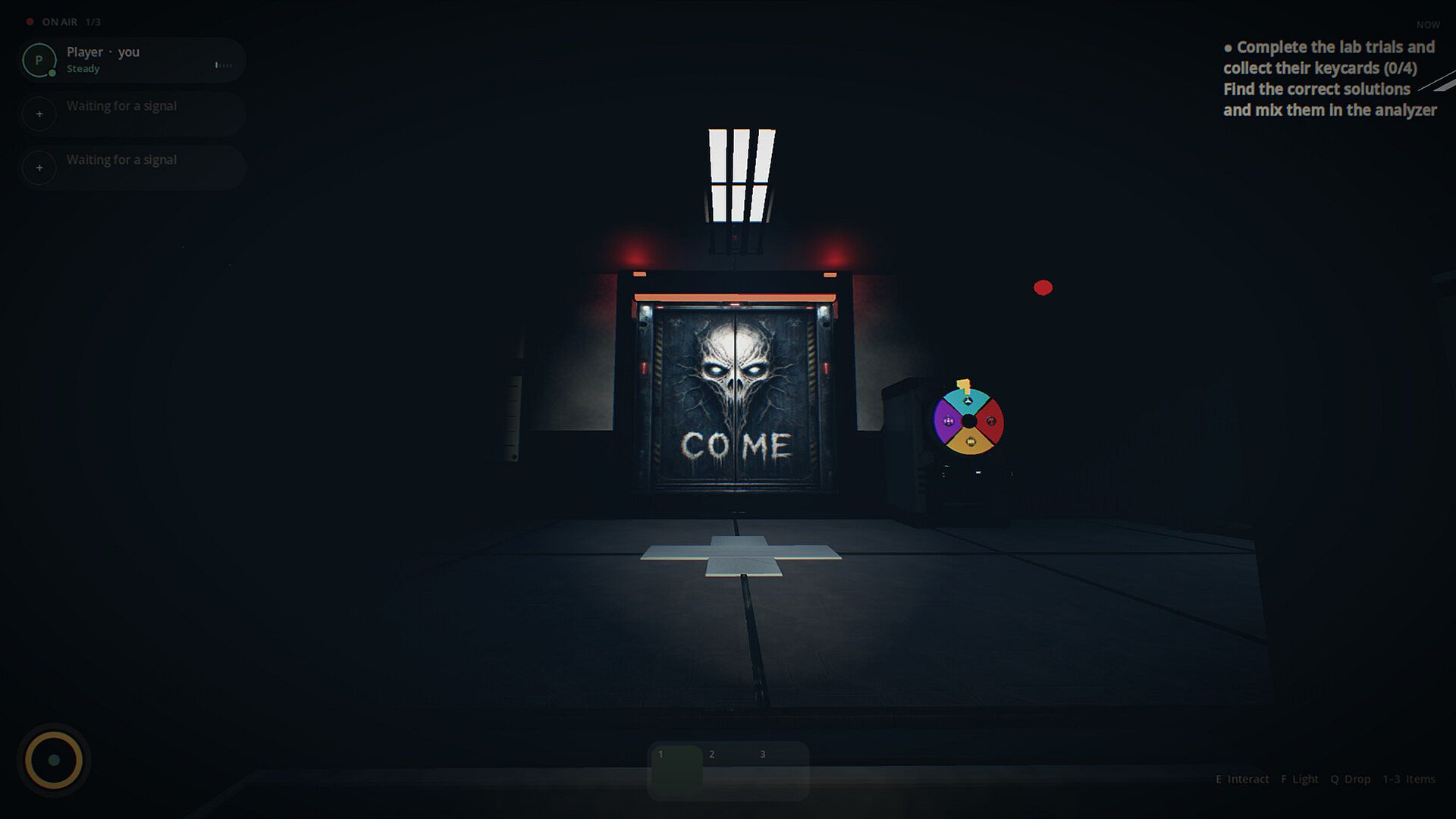
The core loop centers on entering a new map, identifying objectives, and executing tasks while avoiding detection. Objectives include operating machinery, conducting experiments, gathering items, accessing locked zones, and restoring systems to enable escape. Each action consumes time, during which the threat can close in based on audible cues or visible activity. Proximity voice chat heightens immersion, as spoken words can draw attention, forcing players to weigh communication against stealth.
Atmospheric lighting and environmental audio contribute to a reactive world where hallucinations and psychological effects alter perception. The creature adapts to player behavior rather than following fixed patrols, making every approach risky. Progression comes through repeated missions that grant experience for upgrades and ability unlocks, though these improvements never eliminate the core uncertainty of survival.
Exploration reveals map-specific secrets and hazards that change how objectives unfold. No two sessions follow identical paths because each location enforces its own rules for atmosphere, puzzle design, and threats. Resource management and quick decision-making determine whether a player completes the mission or falls to the pursuing entity.
Game Modes
Single-player mode places the full burden on one individual to handle all roles and objectives without external support. The focus remains on personal stealth, timing, and problem-solving against an adaptive monster that listens for any disturbance.
Cooperative sessions allow up to three players total, where each participant assumes an important role within the shared environment. Teams can divide tasks, share resources, and coordinate movements, yet the design permits deception, sabotage, or abandonment when pressure mounts. This optional cooperation creates scenarios where self-preservation may override group success, turning teammates into potential liabilities.
Betrayal mechanics operate without dedicated factions or separate competitive queues. Instead, they emerge naturally from the shared horror setting, where one player's choice to prioritize their own escape can doom the others. Voice chat and proximity systems amplify these interpersonal dynamics during tense moments.
Progression and Survival Systems
Experience earned from successful mission completions unlocks upgrades that enhance survival odds through improved abilities or resource efficiency. Players select development paths that suit their preferred approach, whether emphasizing stealth, speed, or puzzle efficiency. These systems add replayability across maps without removing the fundamental risk that no upgrade guarantees escape.
Map variety ensures repeated playthroughs feel distinct. Each environment introduces unique objectives, hazards, and secrets that interact with the monster's reactive behavior. Sound design and lighting shift to match the location, maintaining pressure even after multiple visits.
Is It Worth Playing?
DEADCAST targets players who enjoy psychological horror that incorporates multiplayer interaction and emergent betrayal alongside traditional survival and puzzle elements. The reactive monster, proximity voice features, and map-specific rules create consistent tension that rewards careful planning and adaptability. Those seeking straightforward action or guaranteed team success may find the uncertainty and optional cooperation less appealing.
The game remains in a pre-release state with no completed reviews or post-launch updates available. Its described systems align with fans of first-person horror experiences that emphasize atmosphere, sound-based threats, and player-driven drama over combat or large-scale modes. Availability on PC positions it for those interested in indie titles that blend solo tension with small-group dynamics once it launches.