




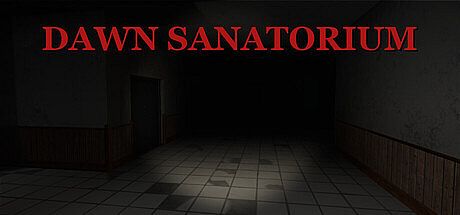




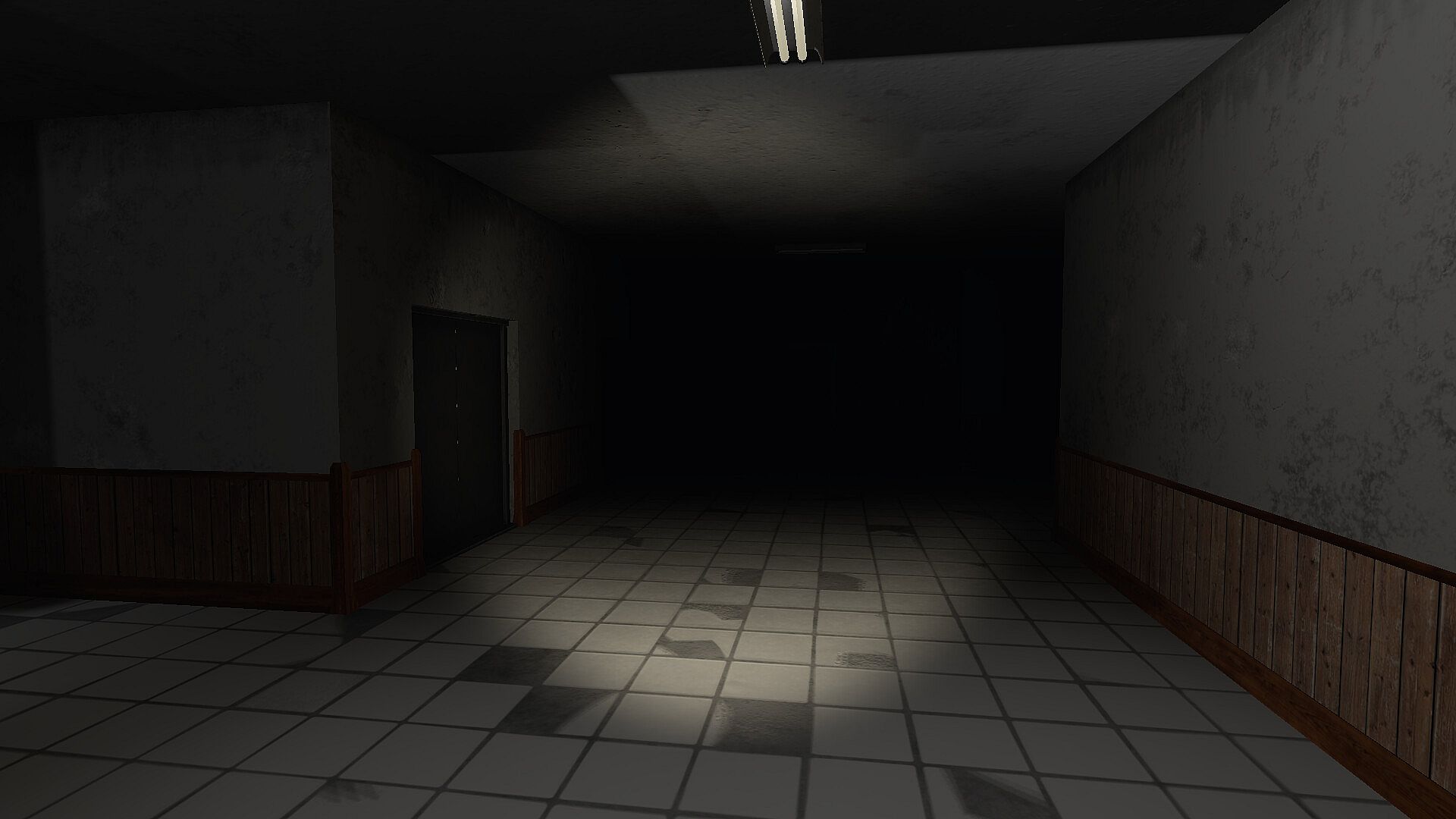
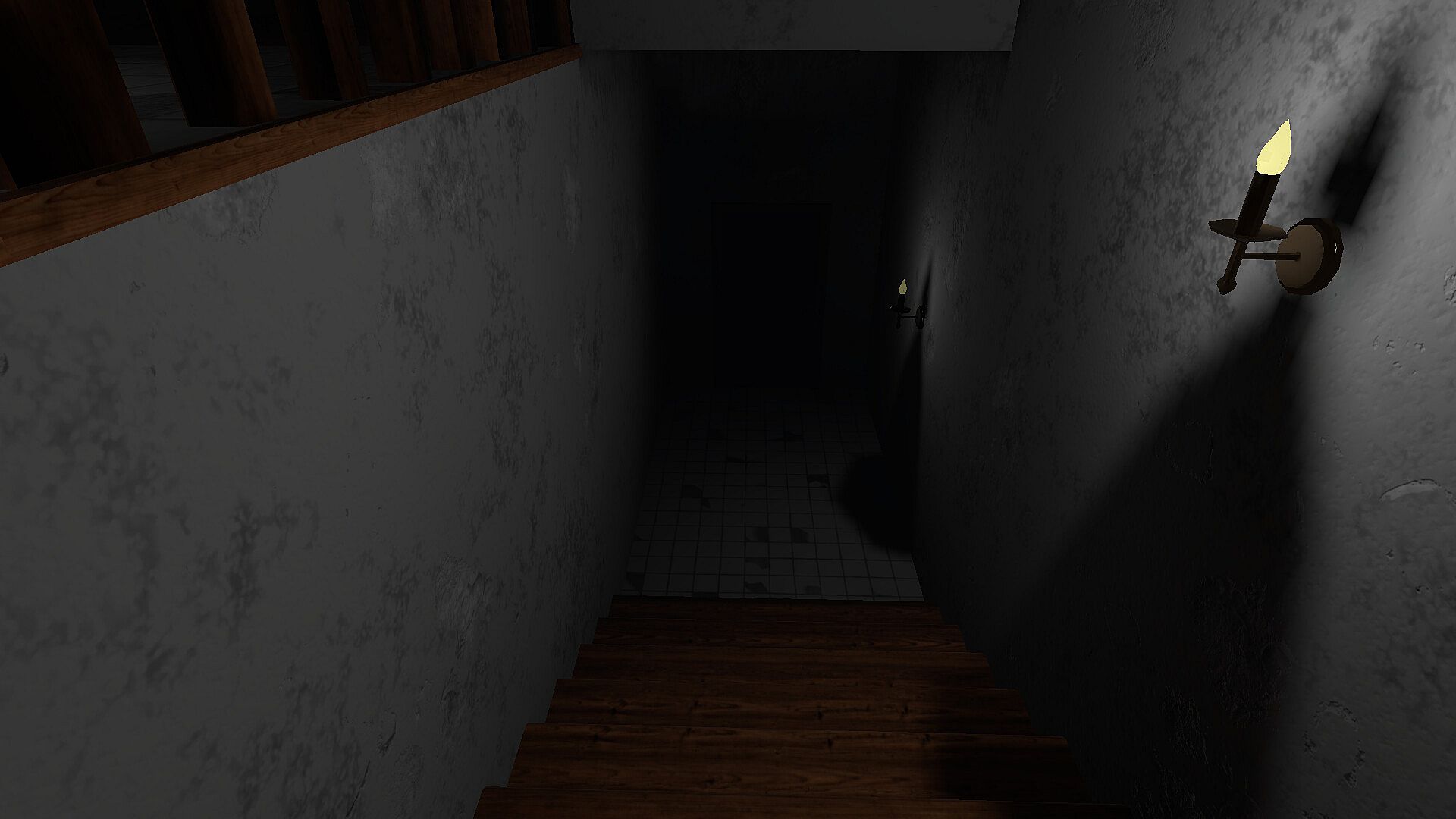
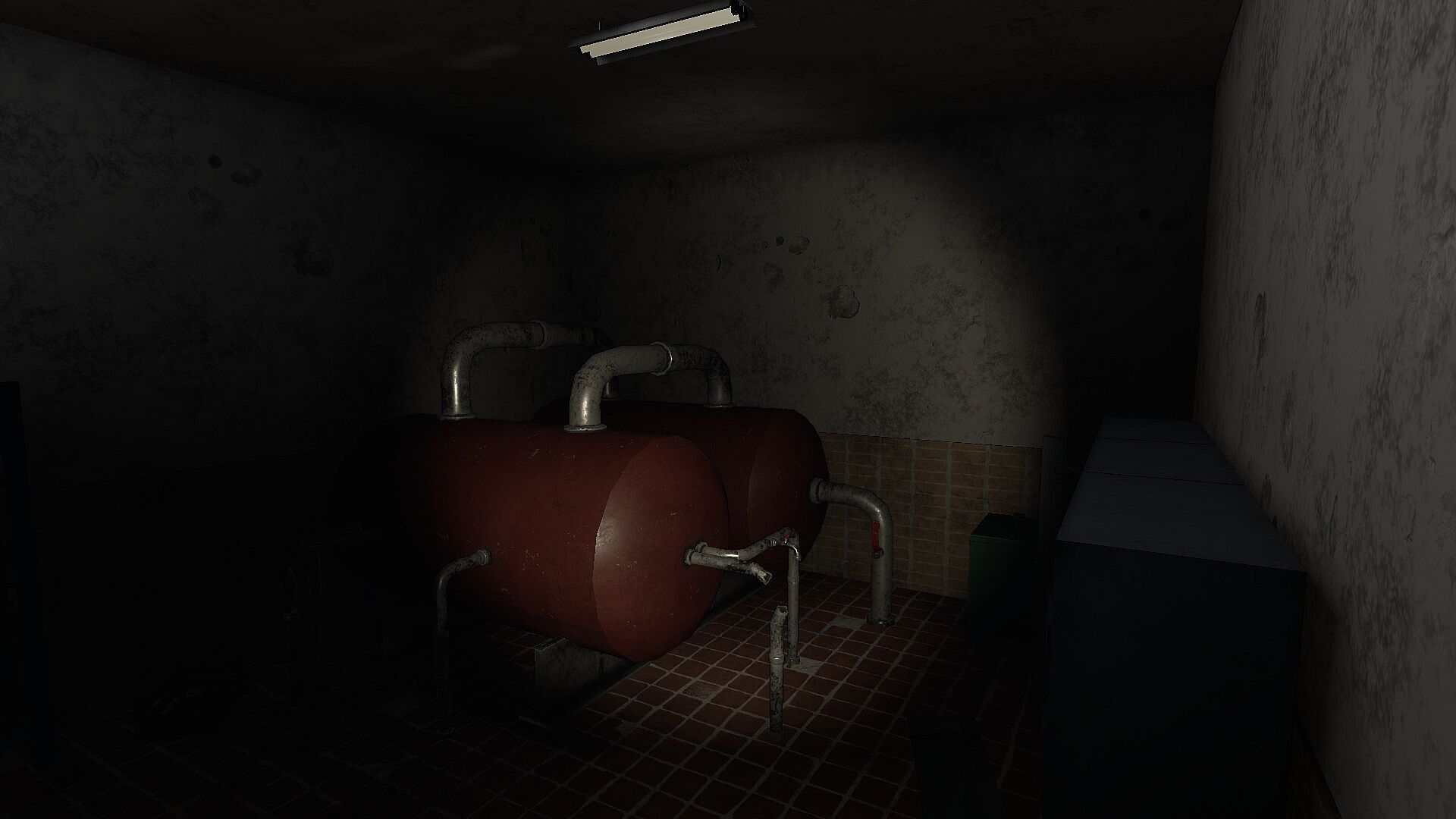
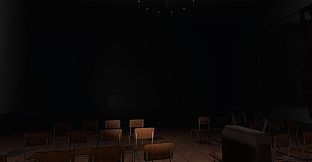
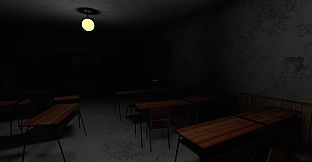
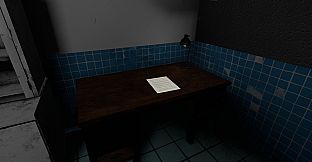
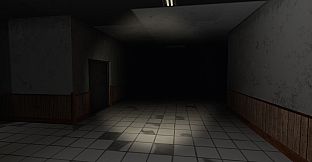
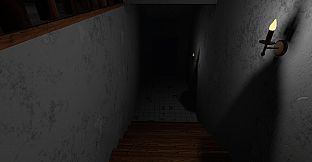
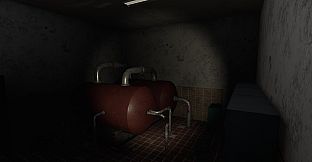
Dawn Sanatorium é uma aventura de terror psicológico em primeira pessoa, desenvolvida de forma independente para PC. O jogador assume o papel de alguém que retorna a uma antiga instalação abandonada atraído por um rolo de filme antigo, contendo fragmentos de uma infância esquecida. A experiência gira em torno da exploração de corredores mal iluminados, da recuperação de fragmentos de memória e do encontro com entidades que desafiam a percepção e a compostura, em vez de exigir velocidade ou habilidades de combate.
Gameplay
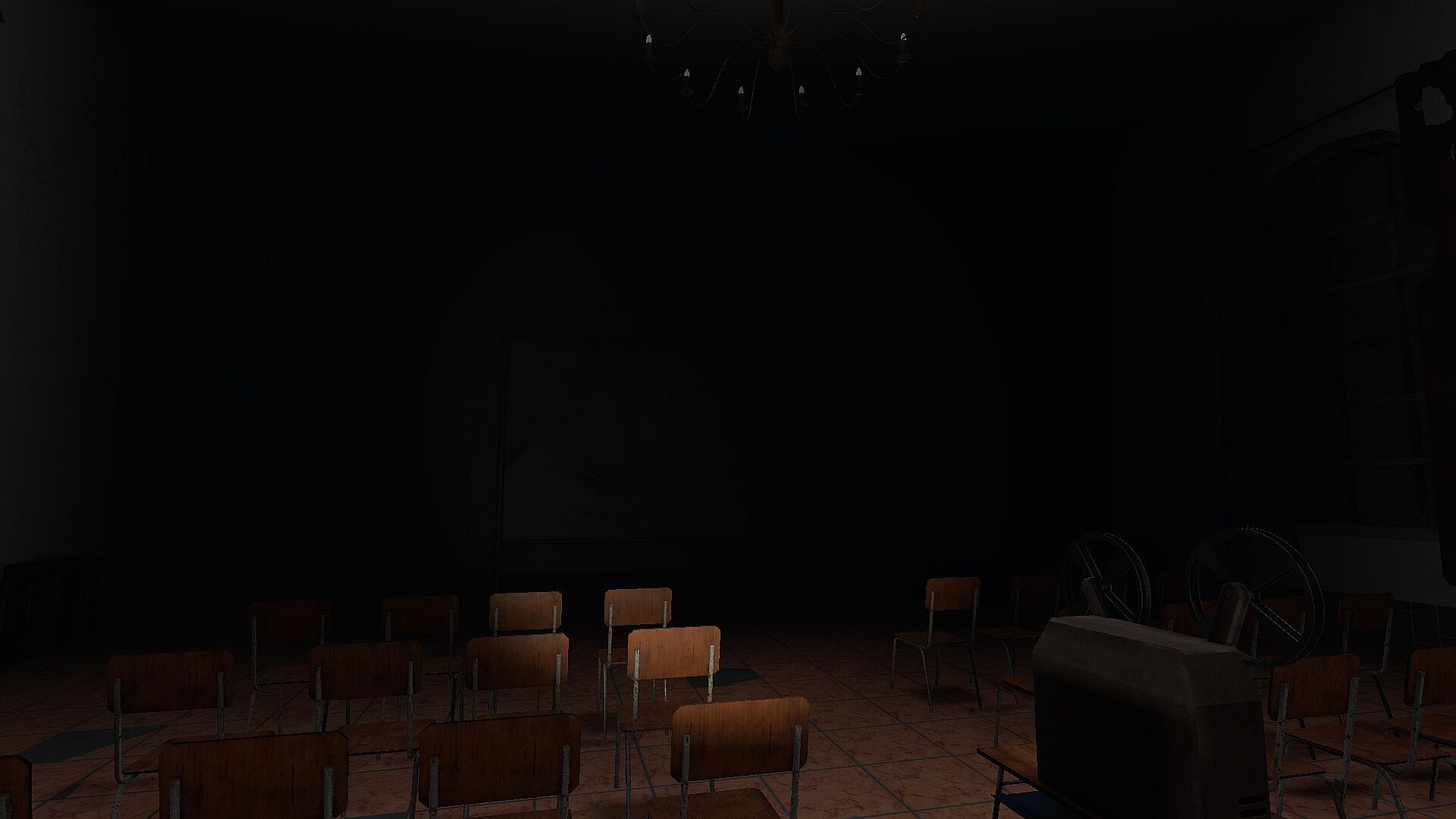
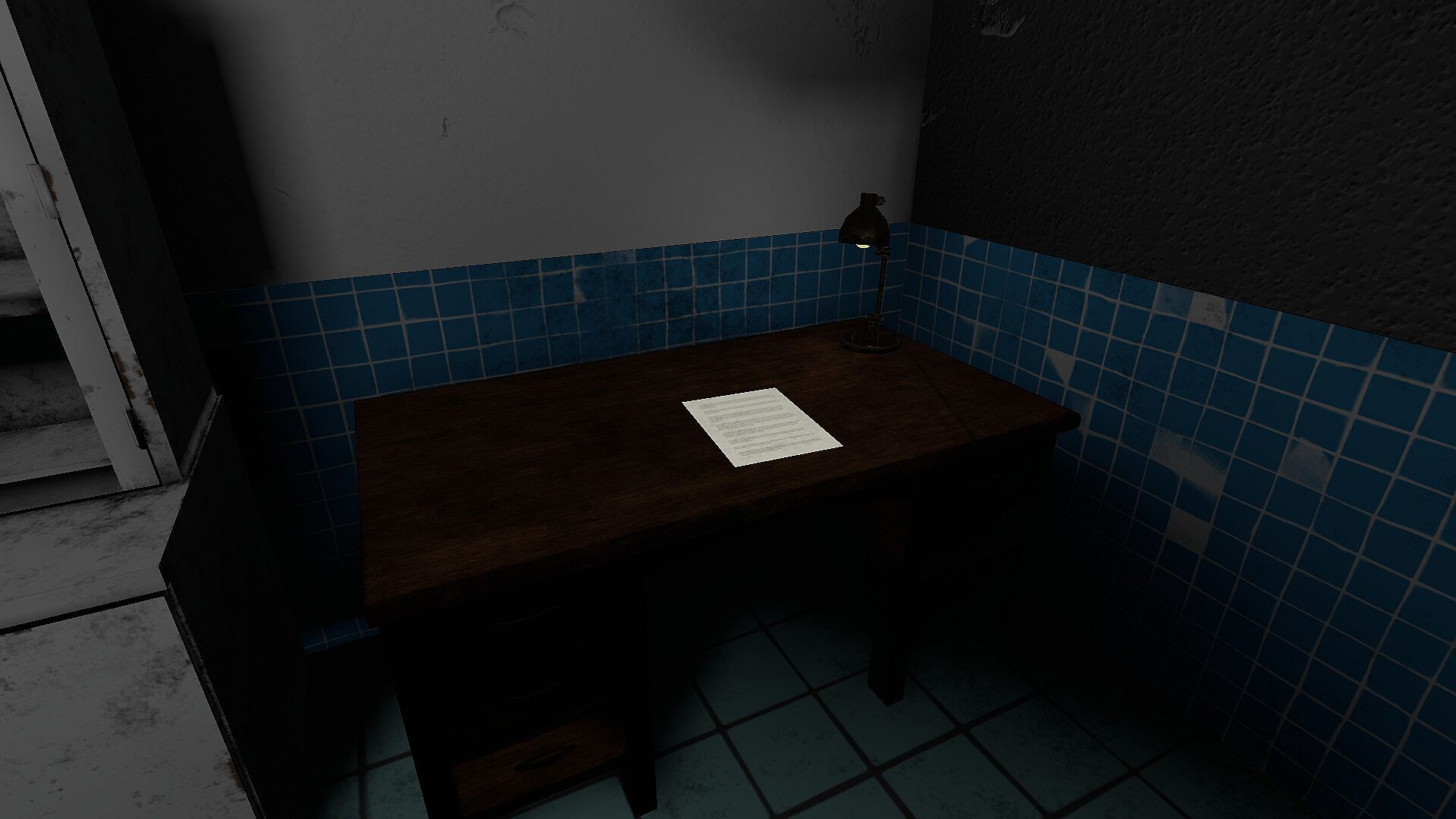
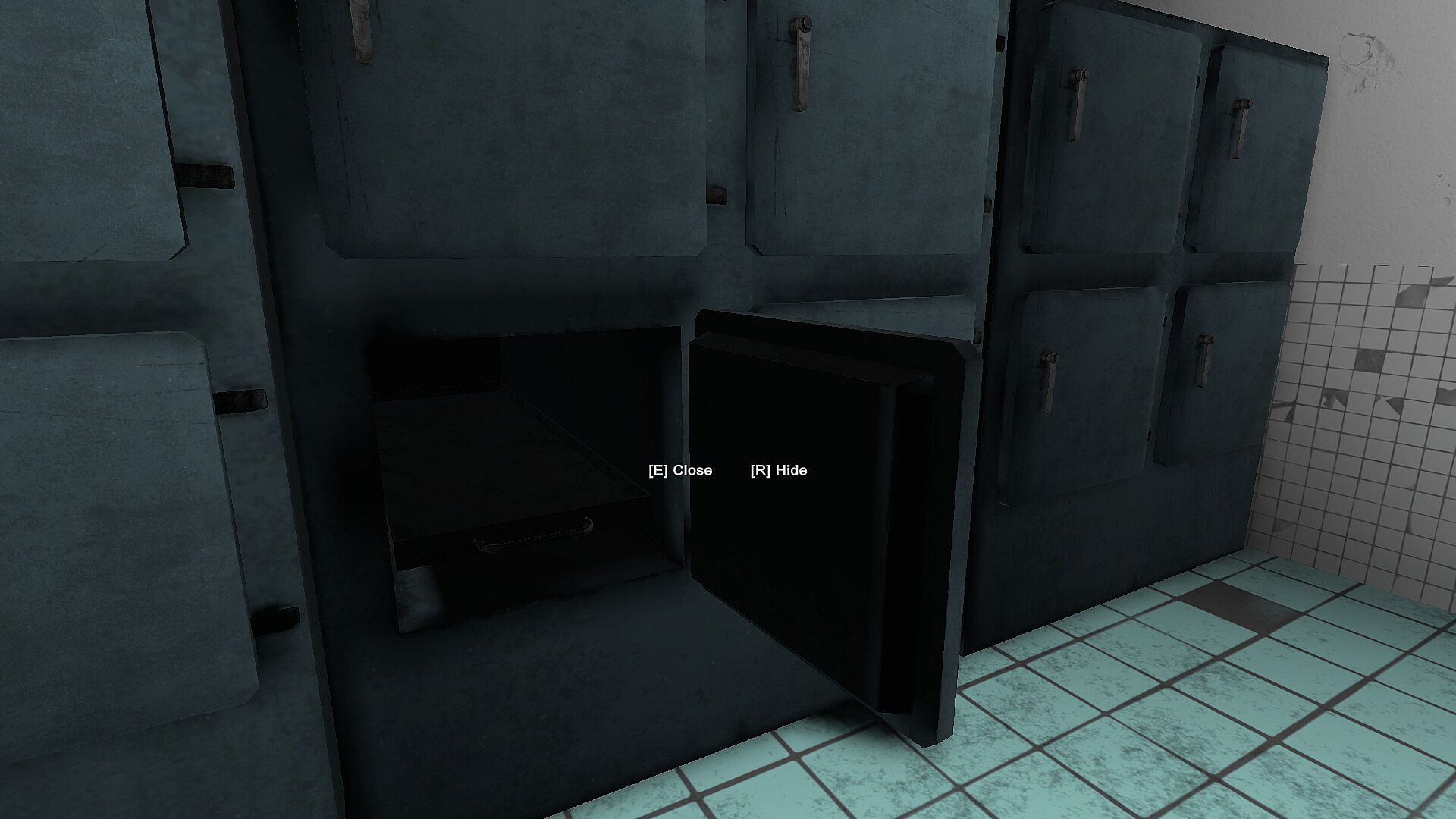
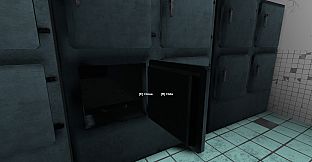
O ciclo principal consiste em navegar por um ambiente realmente escuro, onde a lanterna funciona tanto como ferramenta quanto como risco. A luz revela caminhos e objetos, mas também pode chamar atenção ou expor o jogador a ameaças que surgem em seu feixe. O progresso envolve encontrar itens específicos, como uma cama de infância no dormitório ou descer ao necrotério para examinar gavetas e restaurar energia por meio de quebra-cabeças de luz. Projetores e rolos de filme provocam alterações no ambiente, modificando salas e corredores à medida que as memórias vêm à tona e obrigam o jogador a reinterpretar o que já viu.
Os elementos de furtividade priorizam presença e som, em vez de evasão por meio de corrida. Uma entidade se manifesta sem perseguir, exigindo que o jogador desvie o olhar e continue em movimento para evitar se desestabilizar. Nos níveis inferiores, outra presença sensível ao som exige imobilidade total em espaços confinados, como gavetas do necrotério. Esses sistemas enfatizam observação cuidadosa e paciência, em vez de confronto direto, criando tensão pela consciência de que o jogador permanece sob observação constante.
Game Modes
O jogo oferece uma experiência narrativa para um único jogador, sem modos adicionais ou componentes multijogador. Toda a progressão acontece em uma única história contínua, que se desenvolve por meio da exploração e da recuperação de memórias. O jogador avança coletando fragmentos que esclarecem gradualmente os eventos no sanatório, ao mesmo tempo em que complicam a compreensão da própria identidade. A estrutura é linear em sua descida até os níveis mais baixos da instalação, embora as mudanças ambientais provocadas pelos rolos de filme ofereçam motivos para revisitar os espaços em busca de interpretações alternativas.
Atmosphere and Setting
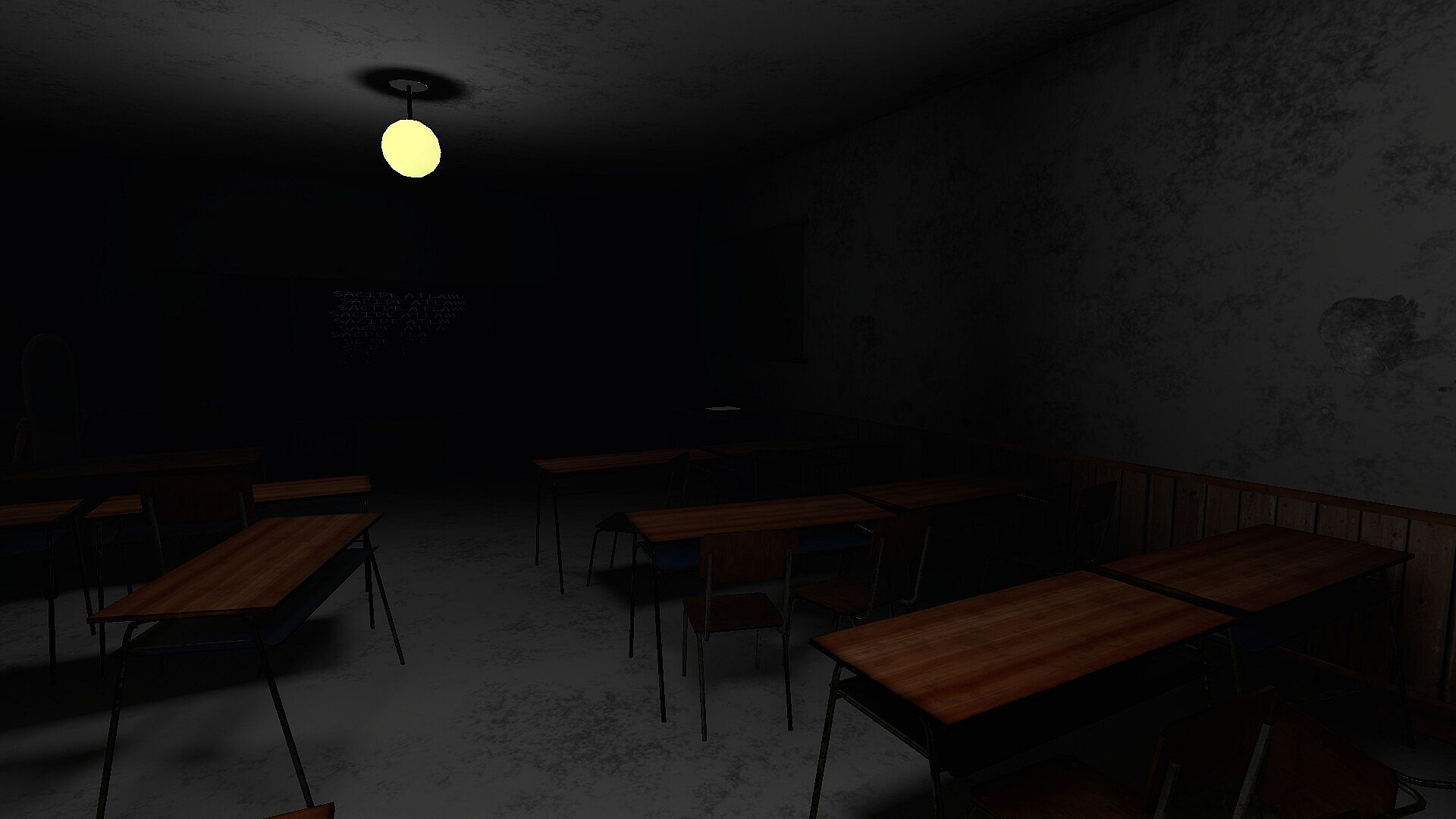
O próprio sanatório funciona como personagem, com corredores e salas envoltos em quase total escuridão, interrompida apenas pela luz do jogador. O uso de fones de ouvido valoriza o design de áudio, que inclui respiração, sons distantes e sinais sutis de entidades que não se anunciam por meio de passos. O cenário inspira-se no abandono institucional e na história médica, apresentando um lugar fechado há décadas, mas ainda habitado por vestígios que reagem à intrusão. Os quebra-cabeças são de complexidade leve, centrados na restauração de energia e na colocação de objetos, em vez de cadeias lógicas intrincadas.
Is It Worth Playing?
Dawn Sanatorium é voltado para jogadores que preferem ritmo deliberado e tensão psicológica em vez de ação ou sustos repentinos em sequência rápida. Suas mecânicas recompensam atenção aos detalhes e tolerância à ambiguidade na narrativa. O título ainda está em fase pré-lançamento, sem avaliações de usuários ou dados de jogadas completas disponíveis, por isso as expectativas devem se basear nos sistemas descritos de gerenciamento da lanterna, desvio do olhar e ocultação baseada em som. Quem se interessa por terror de ritmo lento centrado em memória e identidade encontrará os recursos listados alinhados a essa preferência. A disponibilidade será limitada ao PC após o lançamento, e a experiência foi pensada para sessões solitárias em condições de iluminação controlada.
