







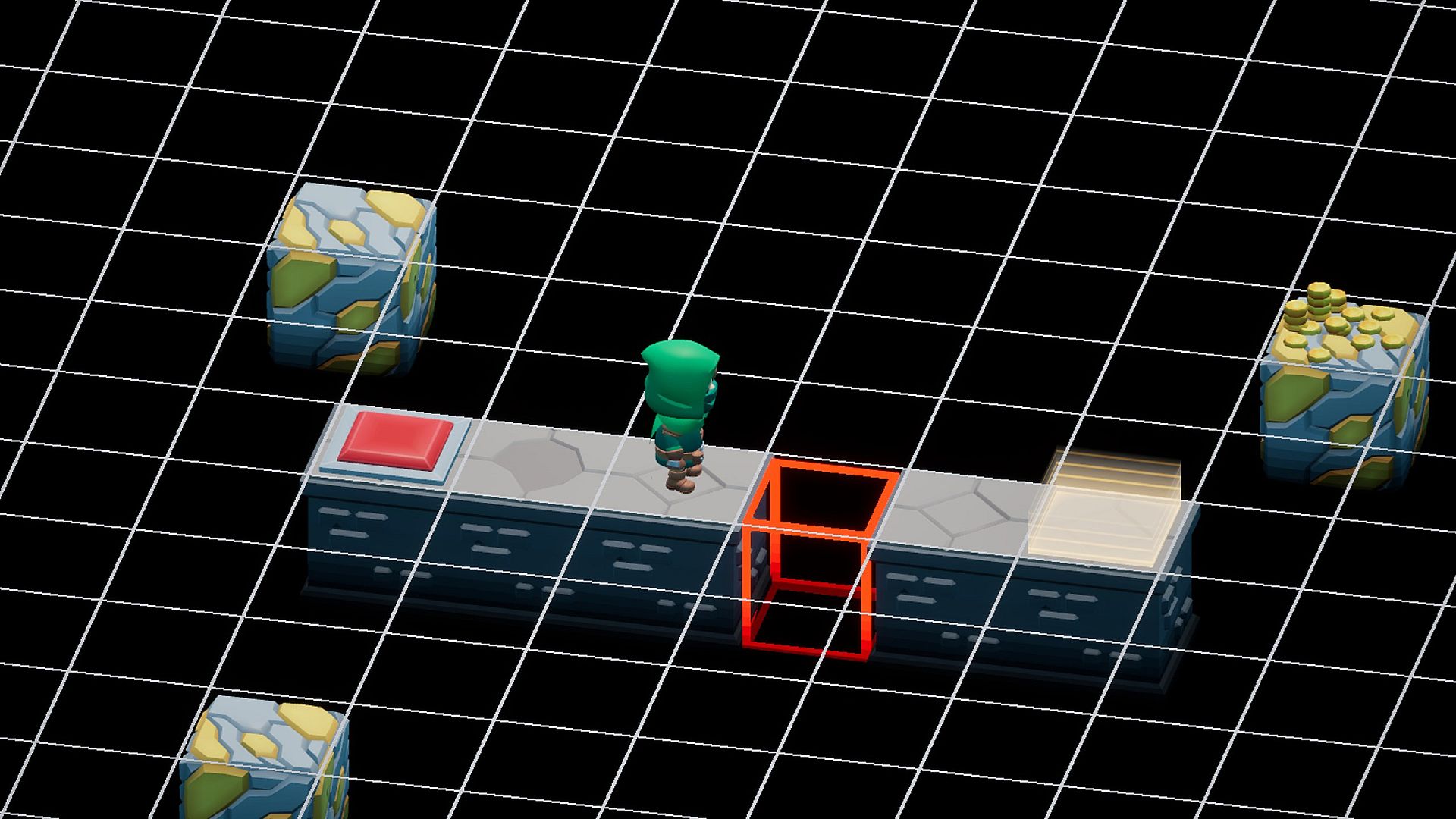
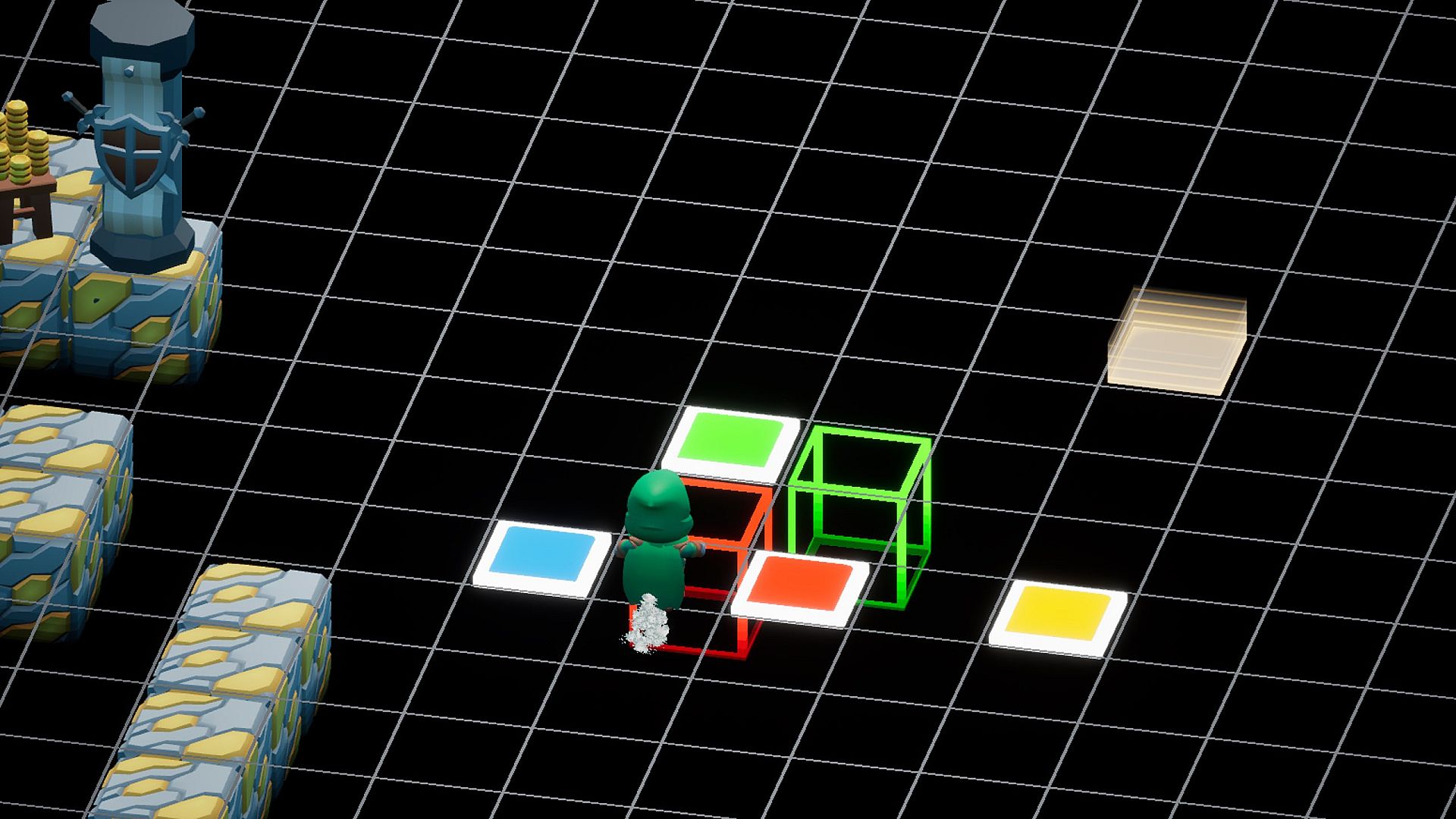
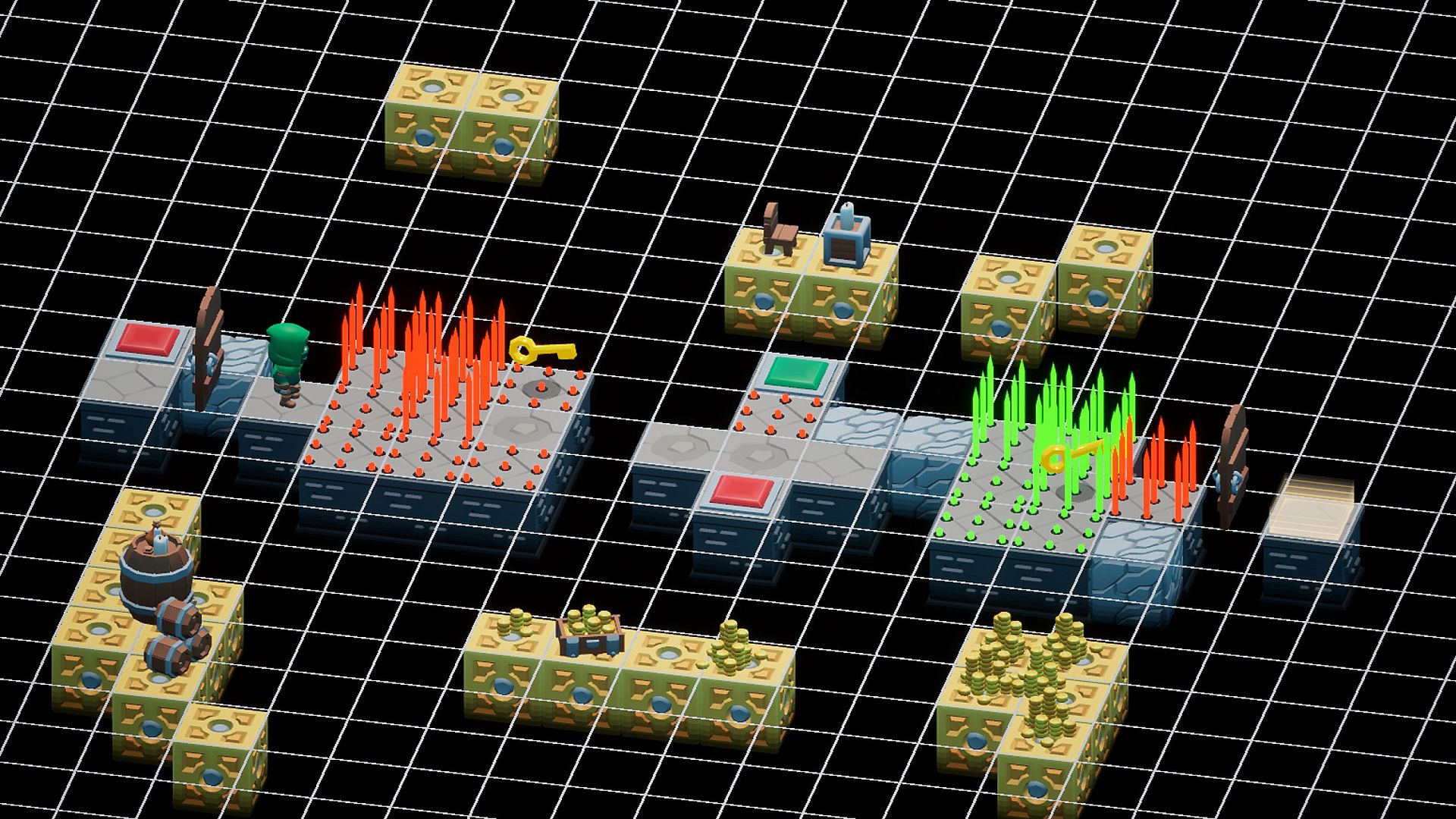
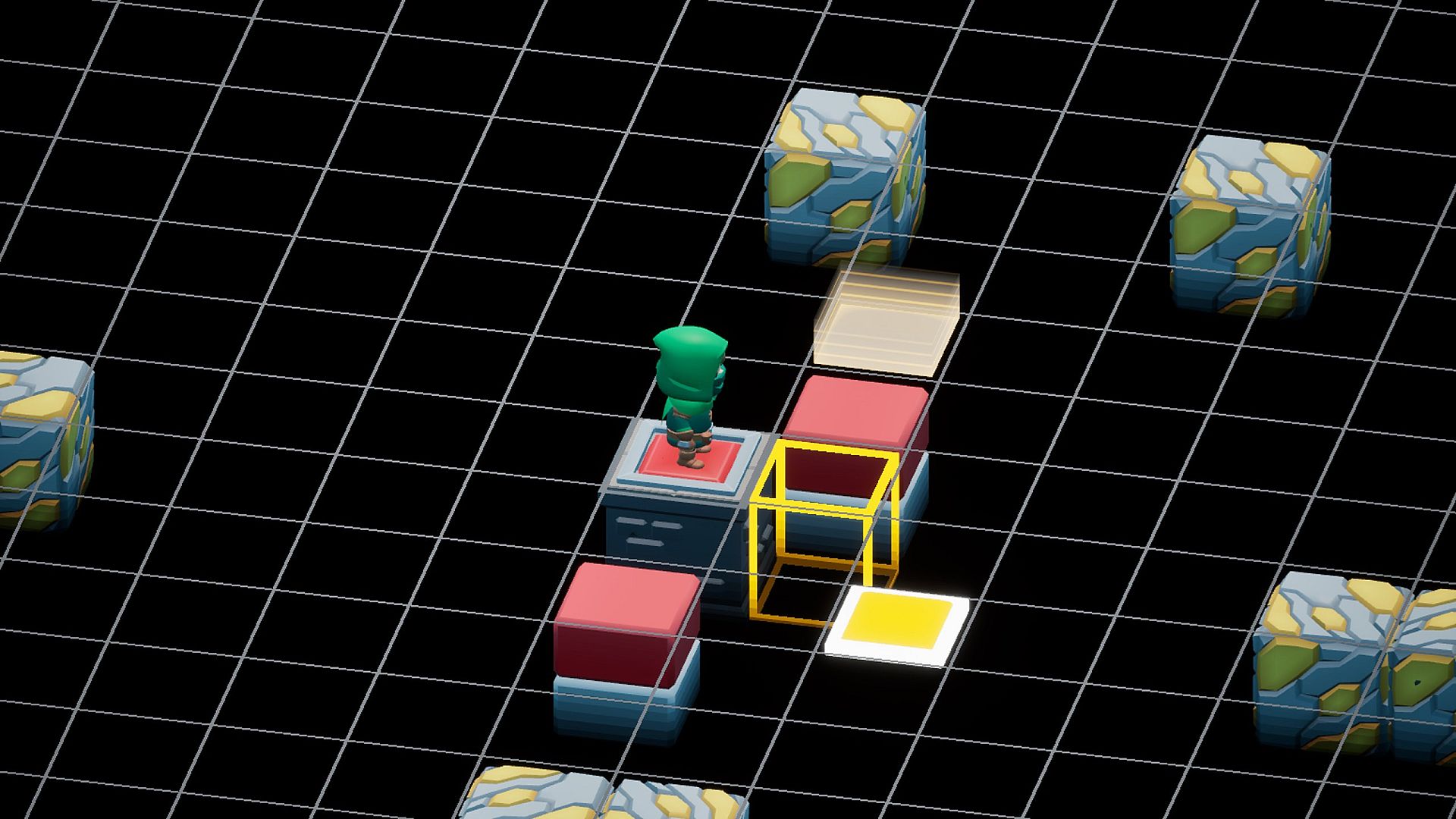
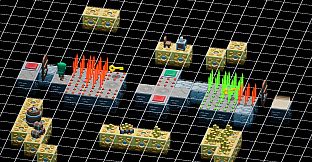
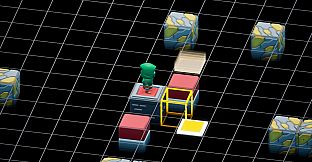
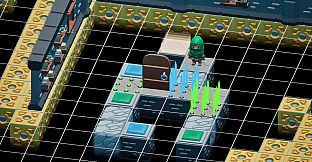
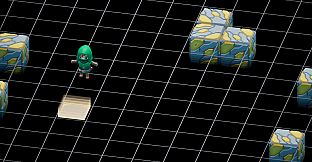
Dark Dungeon Head Haze is a casual puzzle game developed for Xbox Series X|S that challenges players with memory-based navigation in a 3D low poly isometric environment. The core premise follows a thief drawn into a dungeon by the promise of riches, only for darkness to envelop the path after the first step. This setup turns standard puzzle solving into an exercise in observation, recall, and careful movement across 40 distinct levels.
Gameplay
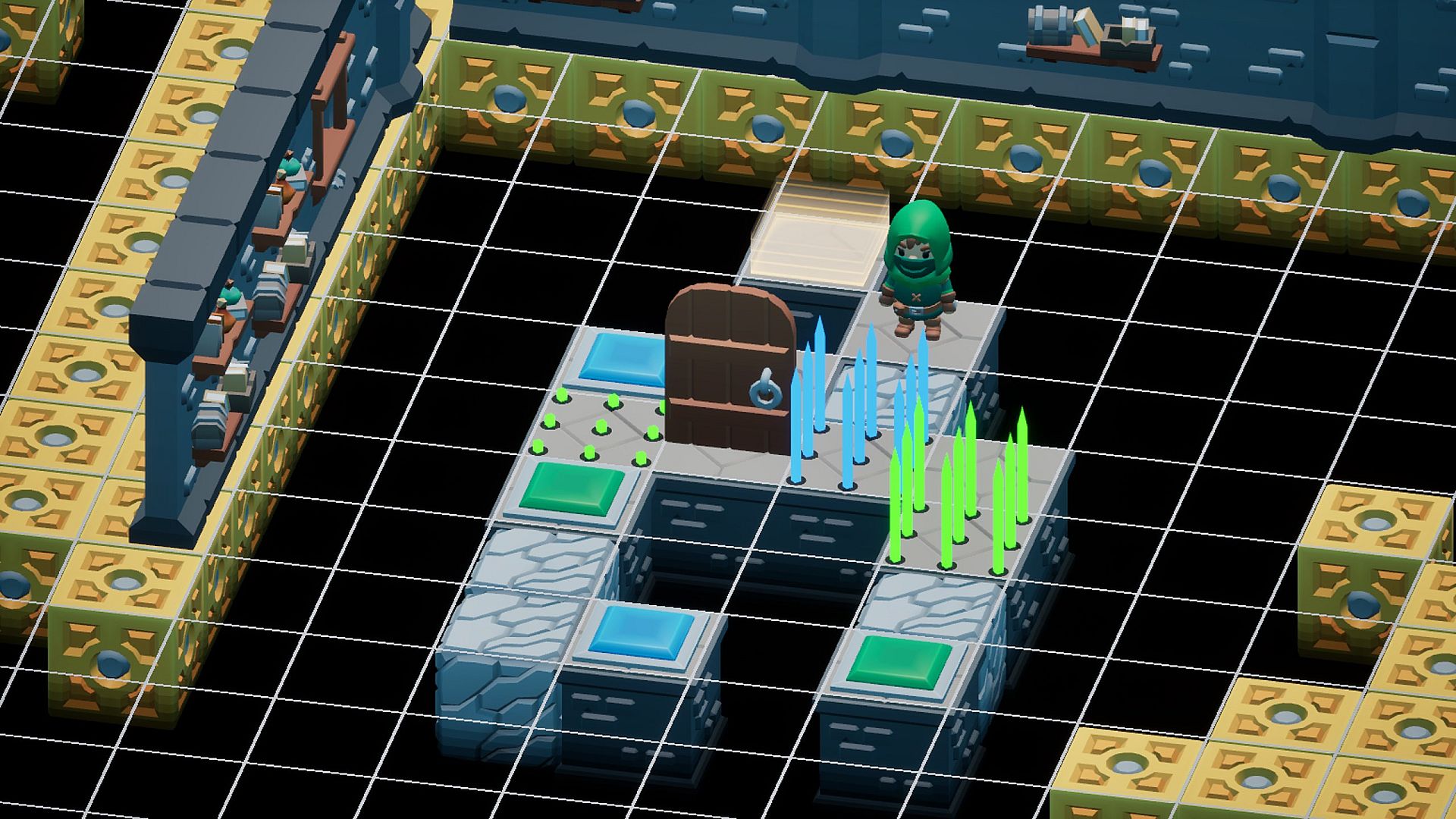
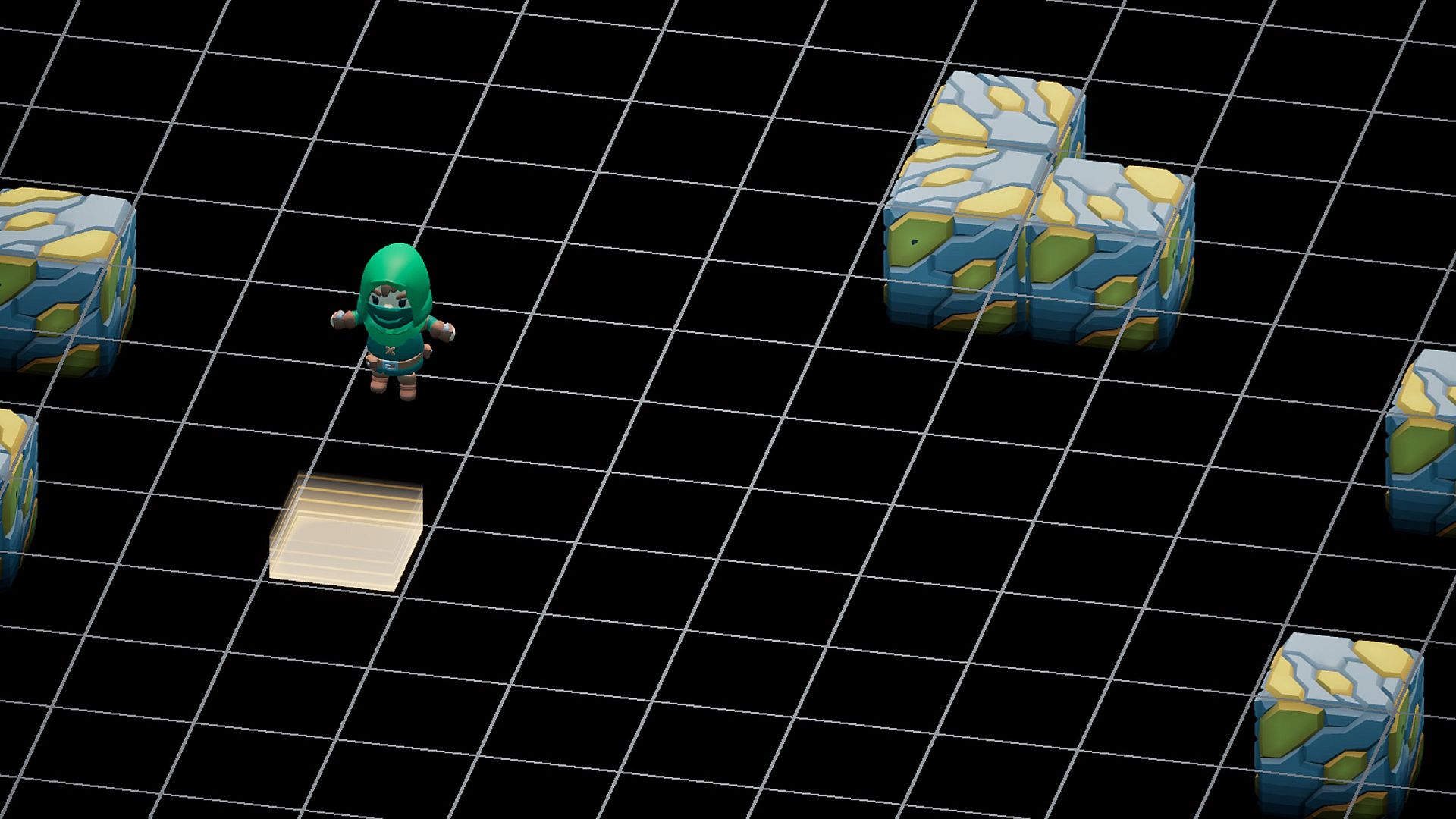
The gameplay centers on studying each puzzle room before committing to any action. Players view the full layout of platforms, gaps, doors, and interactive elements at the start of a level. Once movement begins, most of the visible path disappears into pitch black, forcing reliance on mental mapping to proceed. Movement uses simple directional inputs paired with a single jump button, keeping the focus squarely on spatial awareness rather than complex button combinations.
Levels incorporate several hazards that demand precise planning. Sections of floor can collapse underfoot, requiring jumps across open spaces. Doors block progress until the correct path is found, while transparent blocks activate only through button presses. Those same buttons sometimes trigger spike traps, adding risk to experimentation. The low poly aesthetic maintains a gloomy yet approachable visual style that suits the theme without overwhelming the player with detail.
Atmospheric audio supports the tense yet contained mood of each room. Because the game targets all ages, the mechanics remain accessible while still scaling in difficulty across the full set of 40 puzzle rooms. A skip option exists for any individual puzzle that proves too frustrating, allowing continued progress without mandatory completion of every challenge.
Game Modes
Dark Dungeon Head Haze operates as a single continuous experience built around sequential puzzle rooms. There are no separate competitive or cooperative modes; the entire game consists of progressing through the 40 levels in order. Each room functions as an independent test of memory and intuition, with cumulative challenge building as players advance from early straightforward layouts to later rooms that layer multiple mechanics.
Progression tracks naturally through level completion milestones, reflected in achievement lists that mark milestones such as finishing the first five, ten, or fifteen rooms. The structure encourages replay of earlier levels to refine routes or attempt them without skips, though the core loop remains the same across all content: observe, memorize, navigate in darkness, and adapt.
Visuals and Controls
The presentation uses cozy low poly 3D models that emphasize clean shapes and limited color palettes suited to the dungeon setting. Isometric perspective provides clear overviews of each room before movement starts, which is essential for the memory mechanic. Controls stay minimal by design, limited to directional movement and jumping, so players spend mental energy on puzzle solutions instead of learning input schemes.
This restraint makes the game suitable for shorter sessions or players who prefer focused puzzle experiences over lengthy campaigns with extensive tutorials. The soundtrack reinforces the isolated atmosphere without distracting from the spatial demands of each room.
Is It Worth Playing?
Dark Dungeon Head Haze suits players who enjoy memory and spatial reasoning puzzles in a compact package. Its emphasis on pre-move observation followed by navigation in darkness creates a distinct loop that differentiates it from typical visible-path puzzle games. The inclusion of a skip feature for difficult rooms reduces frustration and supports steady forward momentum through all 40 levels.
Simple directional controls and an all-ages design make it approachable for a wide audience, including those new to 3D isometric puzzles. Availability on Xbox Series X|S positions it as a straightforward addition to a console library for anyone seeking a contained, repeatable challenge without multiplayer elements or ongoing seasonal content. Those who value precise mental mapping over reaction-based gameplay will find the core loop rewarding through repeated play of individual rooms.
