




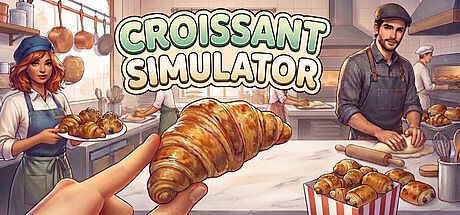


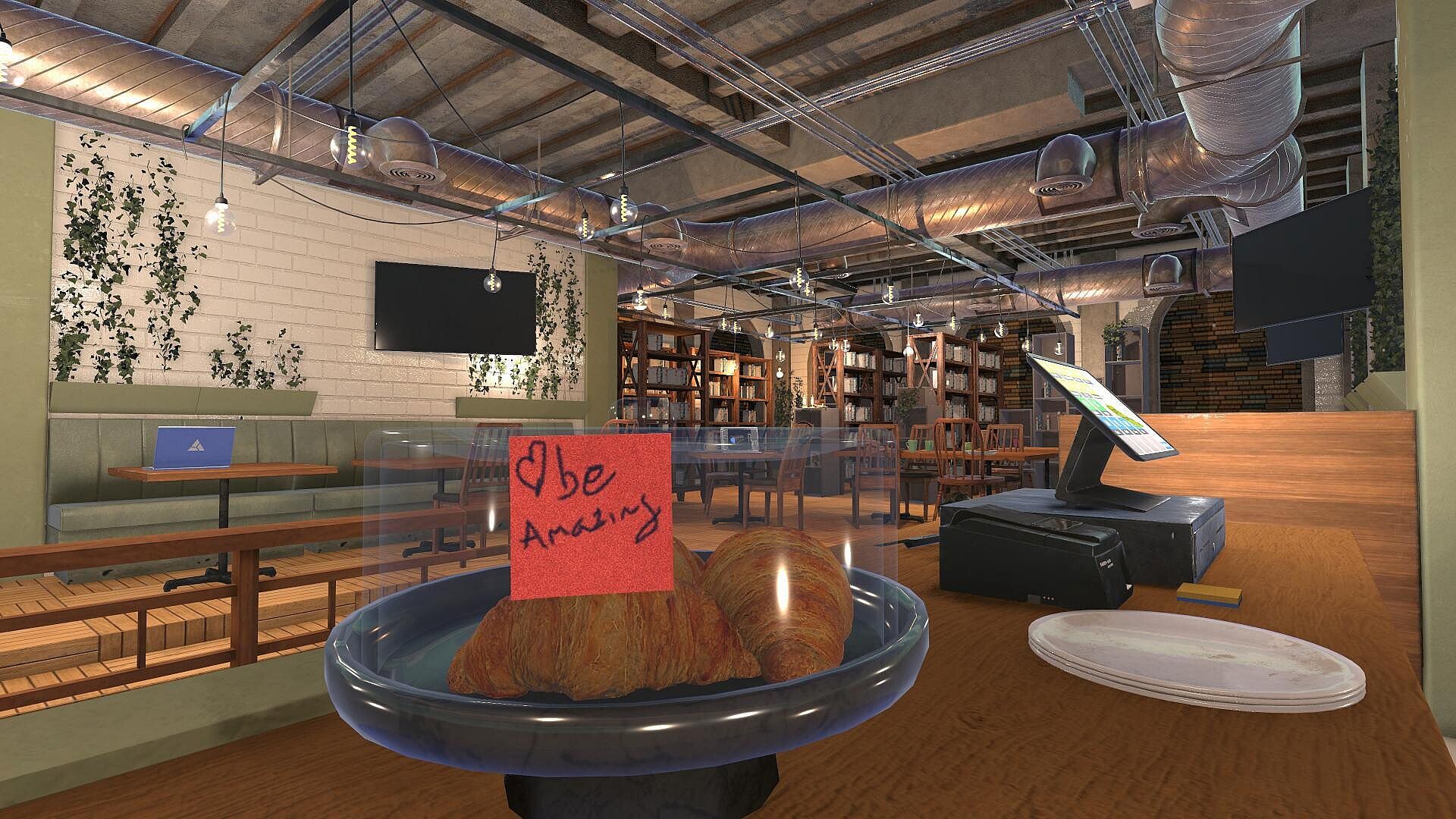
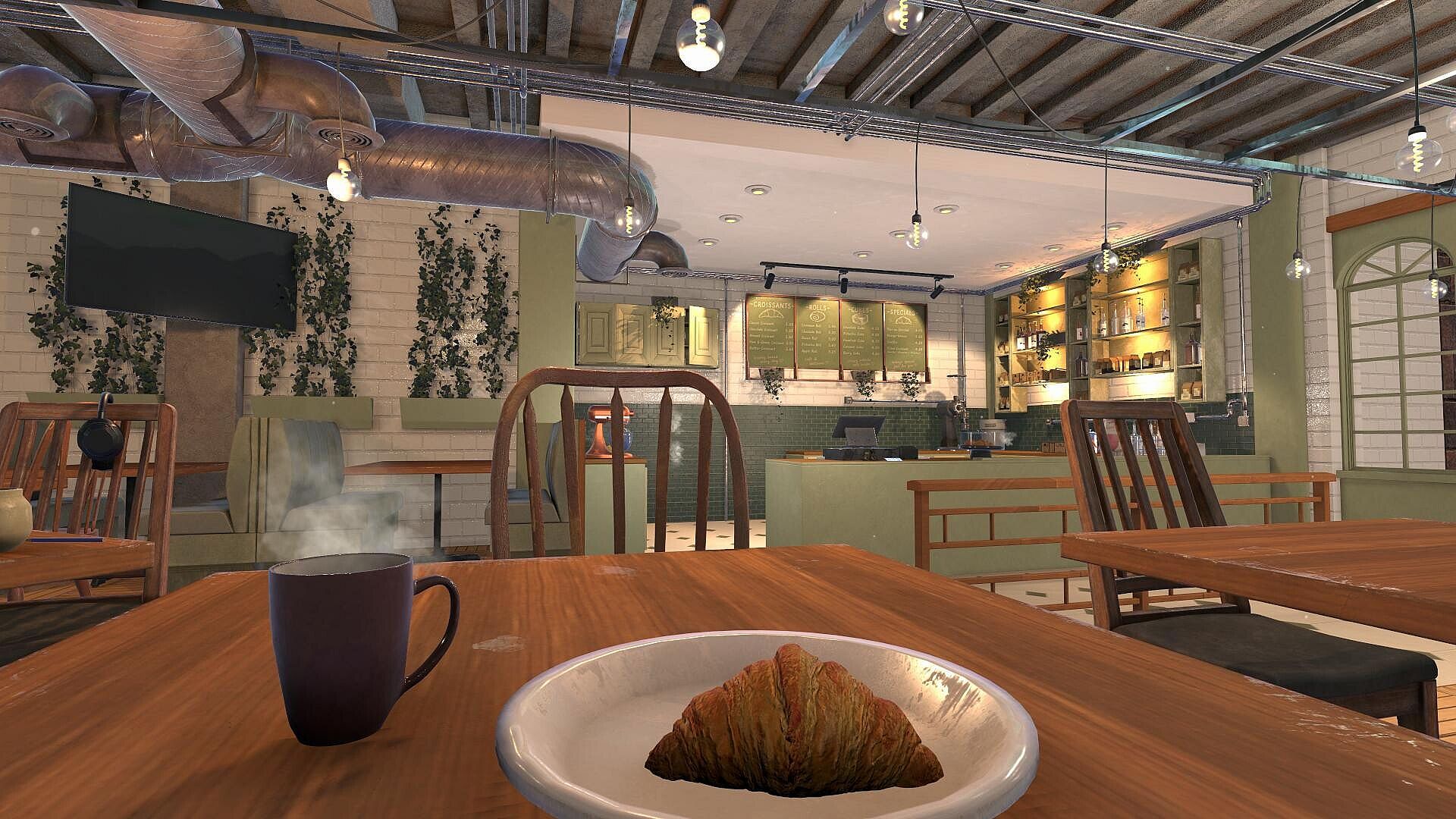
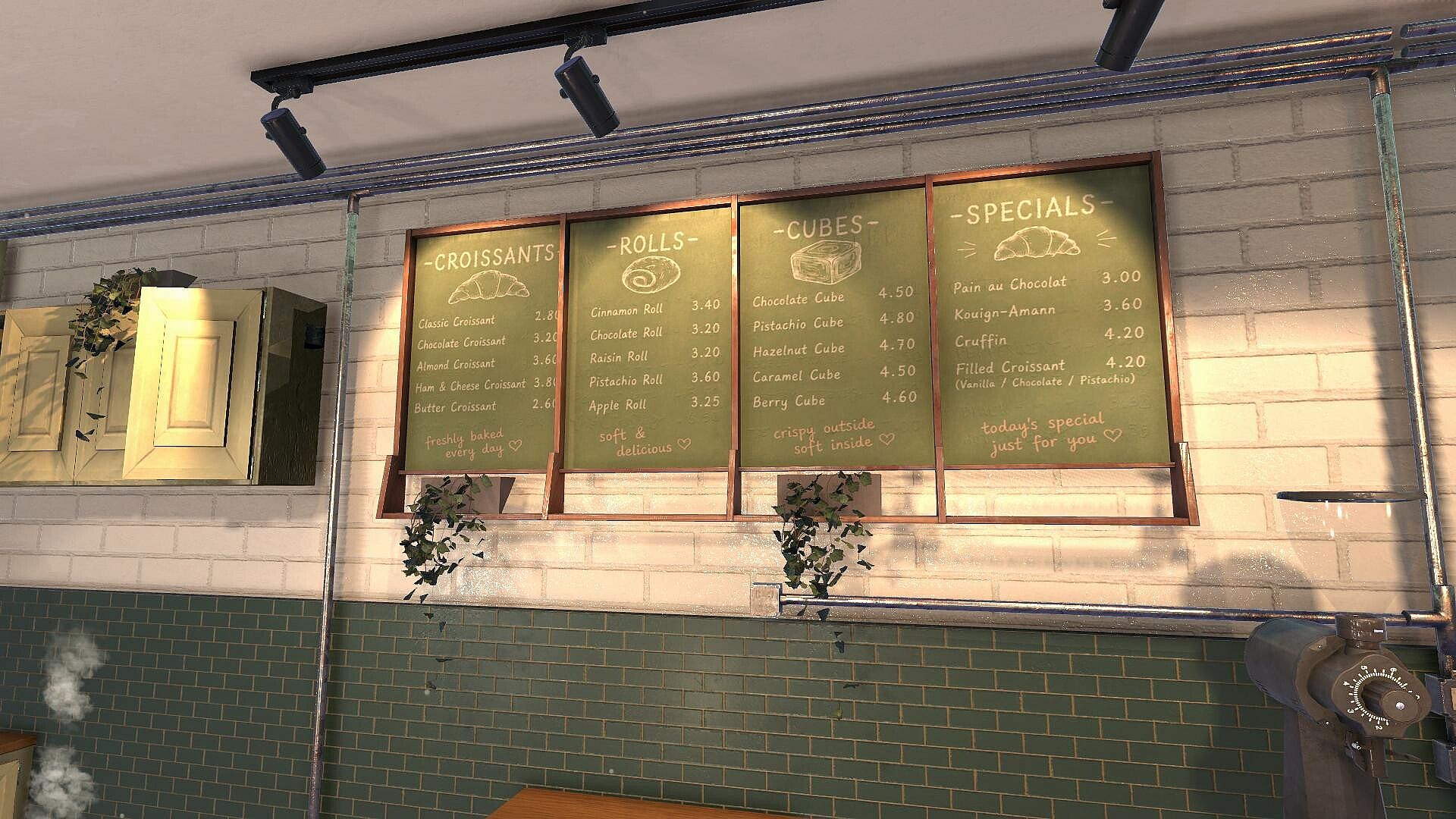
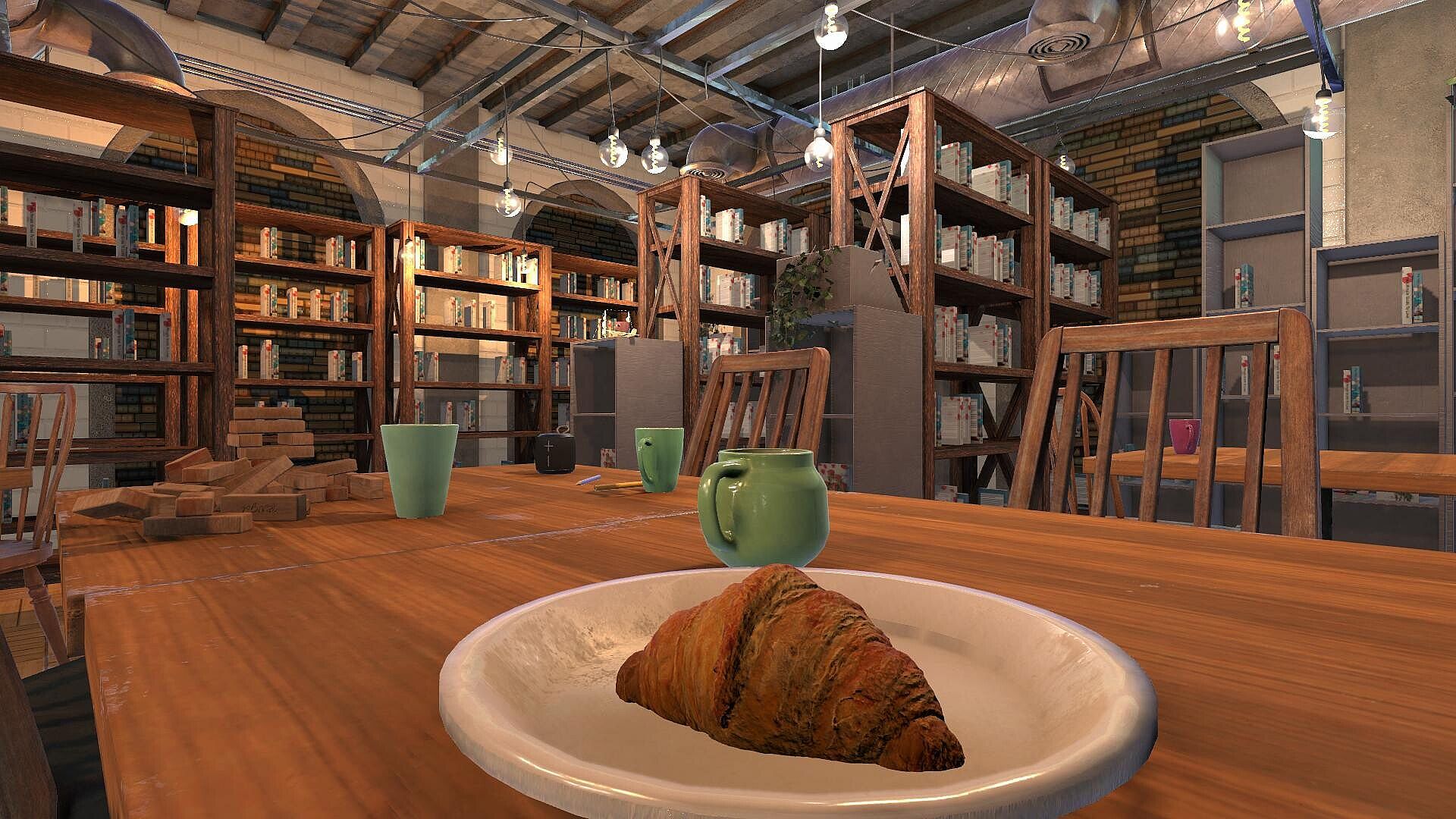
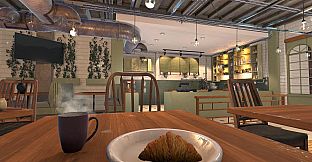
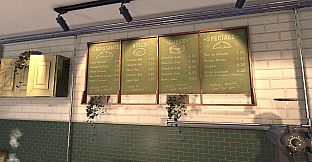
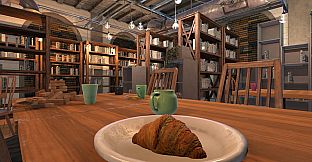
Croissant Simulator is a casual indie simulation game focused on running a small croissant restaurant on PC. Players handle every aspect of the kitchen and service area, from ordering ingredients to preparing fresh pastries and delivering orders to customers. The experience emphasizes a straightforward, relaxing workflow without complex systems or external distractions.
Gameplay
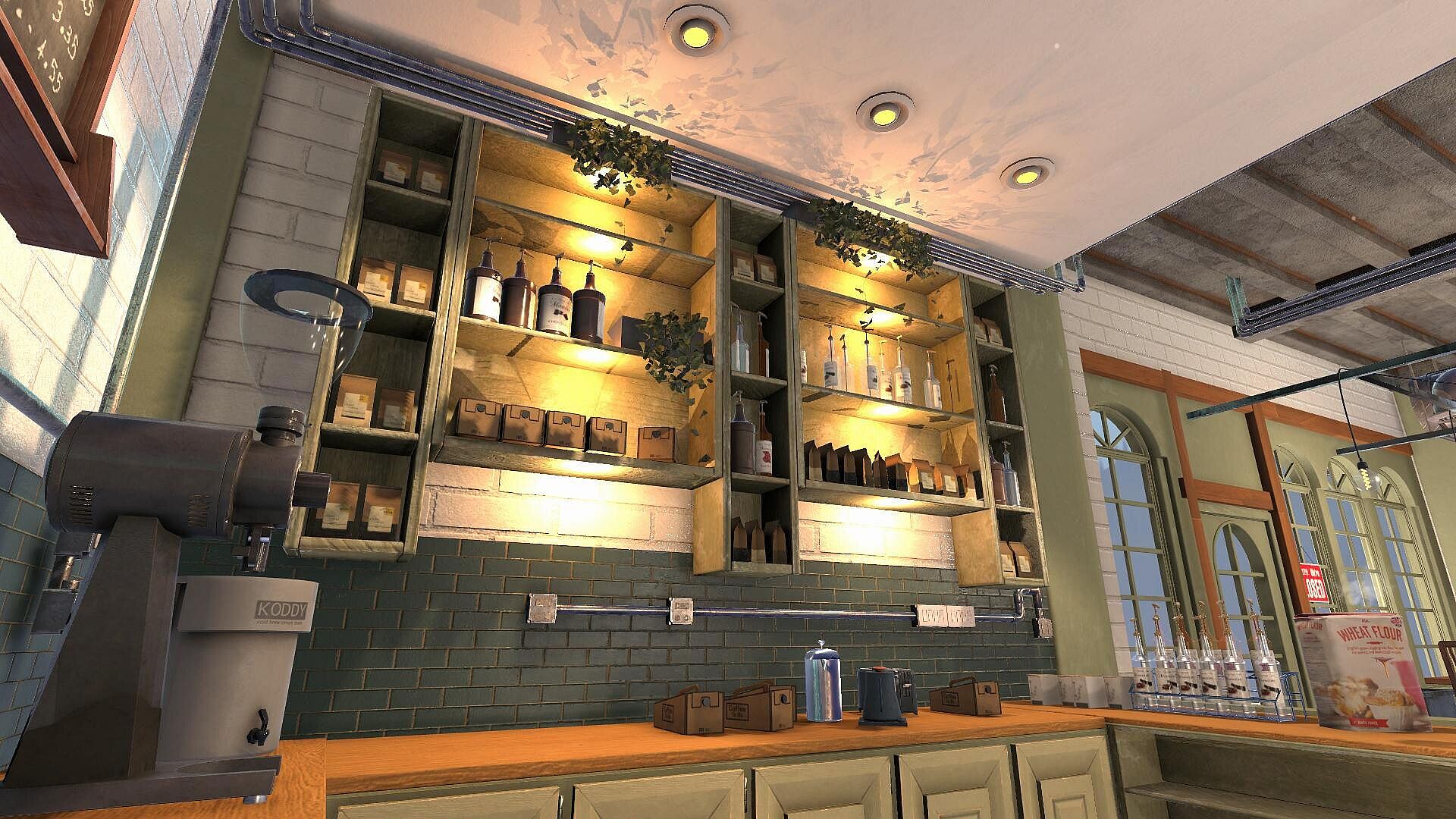
The core loop centers on managing daily operations in a compact restaurant setting. Players order ingredients in advance and store them in cabinets for easy access during service. When orders come in, the process involves selecting the right components according to available recipes and combining them through simple, hands-on mechanics that feel intuitive and responsive. Preparation steps remain consistent and controlled, allowing steady progress through each shift.
Customer service forms the other half of the routine. Orders appear from the menu, and timely delivery keeps patrons satisfied while gradually building the restaurant's reputation in the surrounding area. This leads to more visitors over time, increasing the volume of work without introducing sudden changes in difficulty. Efficiency comes from organizing the workspace and refining the sequence of tasks, turning repetitive actions into a smoother, more satisfying rhythm as familiarity grows.
Stock management and ingredient handling add a layer of planning. Keeping the cabinet organized prevents delays, and the emphasis stays on the physical kitchen tasks rather than menus, upgrades, or external progression systems. The entire session stays contained within the restaurant space, creating a self-contained loop of preparation and service.
Game Modes
Croissant Simulator presents a single continuous experience built around restaurant management. There are no separate named modes or variations; instead, the gameplay revolves around handling successive days of orders, ingredient stocking, and customer service in the same kitchen environment. Progression occurs naturally through increased customer volume and personal improvements to workflow organization.
The design keeps all activity in one location, with the focus remaining on croissant preparation and timely service. Players repeat and refine the same core tasks, adjusting their approach based on the growing workload. This structure suits sessions of varying length, as each day follows a clear, repeatable pattern without branching paths or alternative rulesets.
Core Mechanics and Progression
Ingredient storage and retrieval form a practical foundation. Players decide what to keep on hand and pull items as needed, which directly affects how quickly orders can be completed. Recipe combinations require matching specific ingredients in the right sequence, using dedicated preparation steps that stay consistent across different dishes.
Customer satisfaction ties directly to speed and accuracy. Serving orders promptly contributes to city-wide popularity, which in turn brings more business and a busier service area. Over repeated shifts, the emphasis shifts toward personal efficiency gains, such as better cabinet layout and smoother movement between stations, rather than unlocking new content or external features.
The simulation avoids outside elements like city exploration or staff management. Everything stays centered on the kitchen counter, ovens, and service counter, reinforcing a focused routine that rewards steady attention to detail and consistent timing.
Who the Game Appeals To
This title targets players who enjoy low-pressure simulation experiences with clear, repetitive tasks. The casual pace and emphasis on tactile preparation steps make it accessible for short or extended play sessions. Those who appreciate organizing a workspace and seeing incremental improvements in daily routines will find the structure rewarding.
The absence of competitive elements or complex systems keeps the attention on the satisfaction of completing orders and maintaining a tidy, efficient kitchen. It suits anyone looking for a straightforward management sim centered on food preparation rather than broader business empire building.
Is It Worth Playing?
Croissant Simulator delivers a relaxed, self-contained restaurant management loop that stays true to its kitchen-focused design. The intuitive controls and emphasis on preparation mechanics provide a steady sense of progress through better organization and faster service. Players who value calm, repetitive tasks in a simulation setting will likely appreciate the consistent daily rhythm and the gradual increase in customer volume.
The game offers no additional modes, live service updates, or external features beyond the core restaurant experience described. It remains a single-player title centered entirely on croissant preparation and customer service. Those seeking a simple, focused casual simulation may find it a pleasant fit for occasional play, while anyone preferring deeper systems or variety might look elsewhere.