















Cras is an indie life-sim RPG set on PC that centers on daily routines in a city filled with recurring characters and hidden personal stories. Players manage a schedule of work, study, and side jobs while navigating relationships and uncovering details about a roommate named Sam who appears in memories and records but remains elusive to direct introduction.
Gameplay
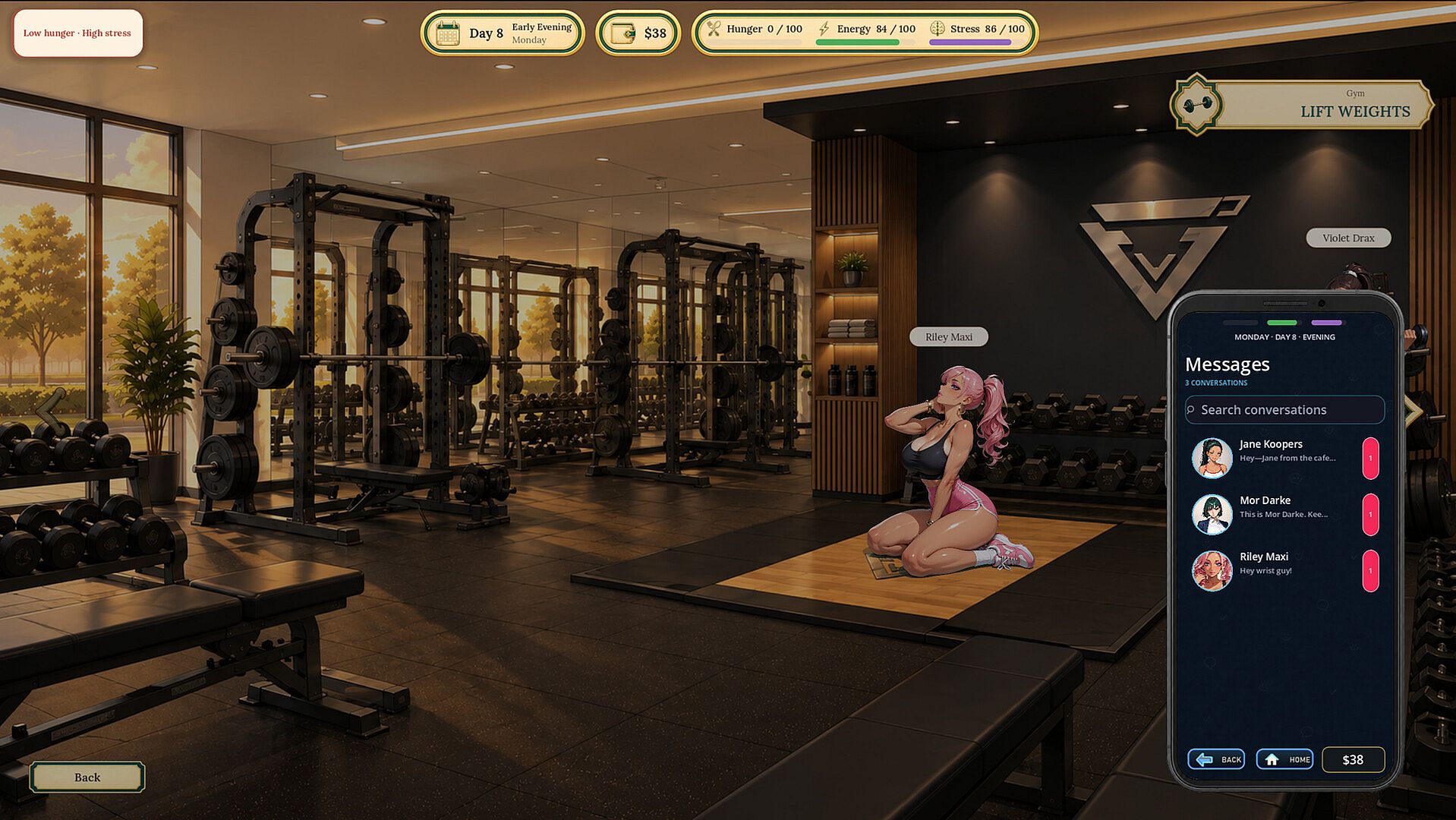
The core loop revolves around dividing each day into morning, afternoon, evening, and night time slots. Characters follow their own schedules, which means shops, jobs, and specific route scenes only become available when conditions align with the clock. Players track and balance hunger, energy, stress, money, and inventory items to decide what actions fit into the available hours without running out of resources.
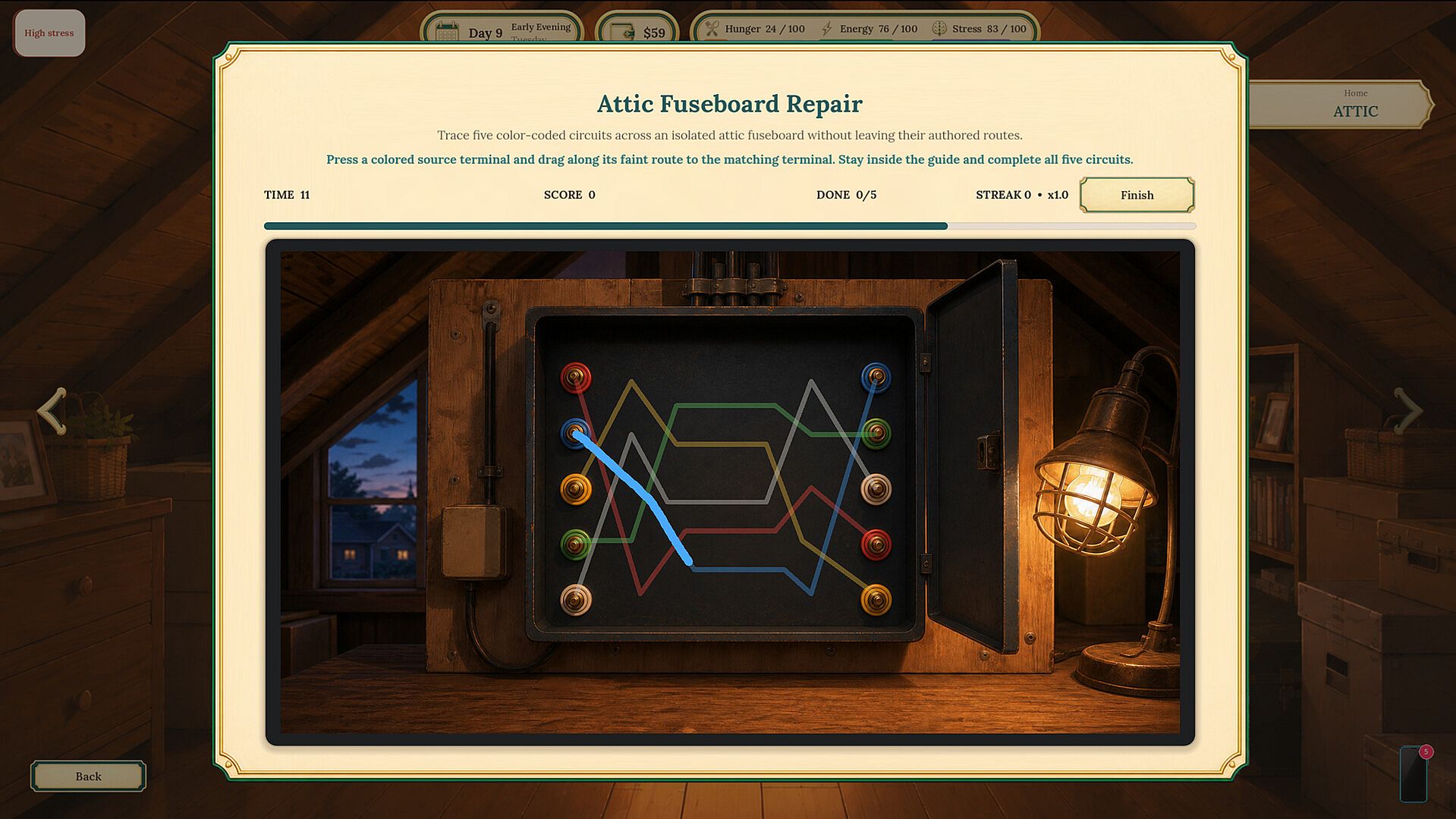
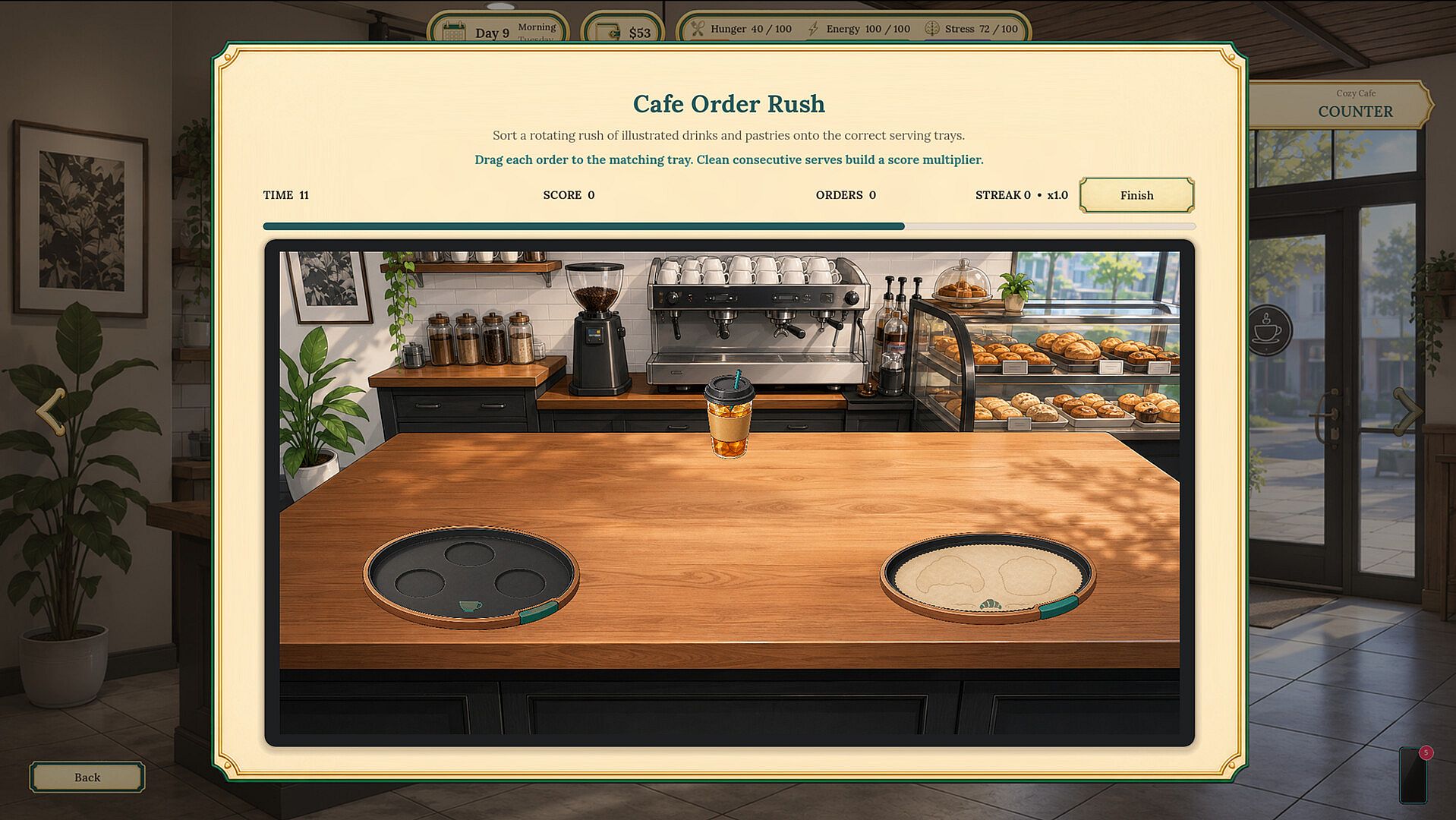
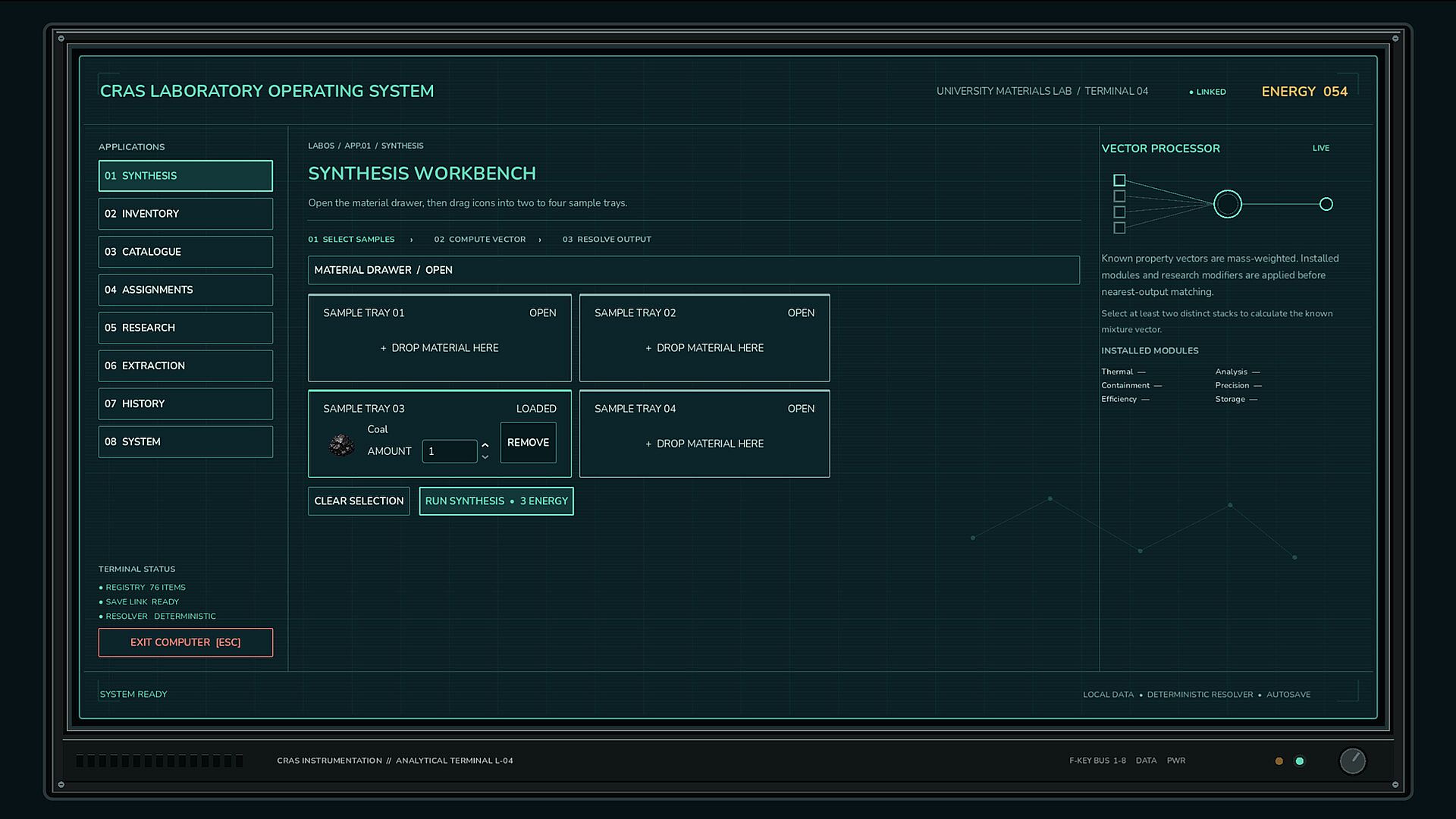
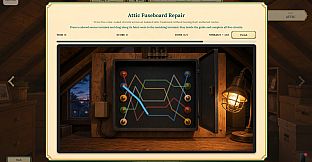
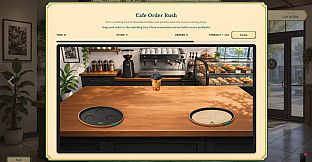
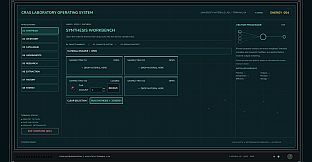
Minigames appear during work or study sessions, and crafting takes place in a lab where players connect components and shape materials into samples. These samples support assignments, jobs, gifts, or progress along character routes. Messages and social feeds provide ongoing connections to the city's residents, allowing players to stay informed about opportunities or changes in relationships.
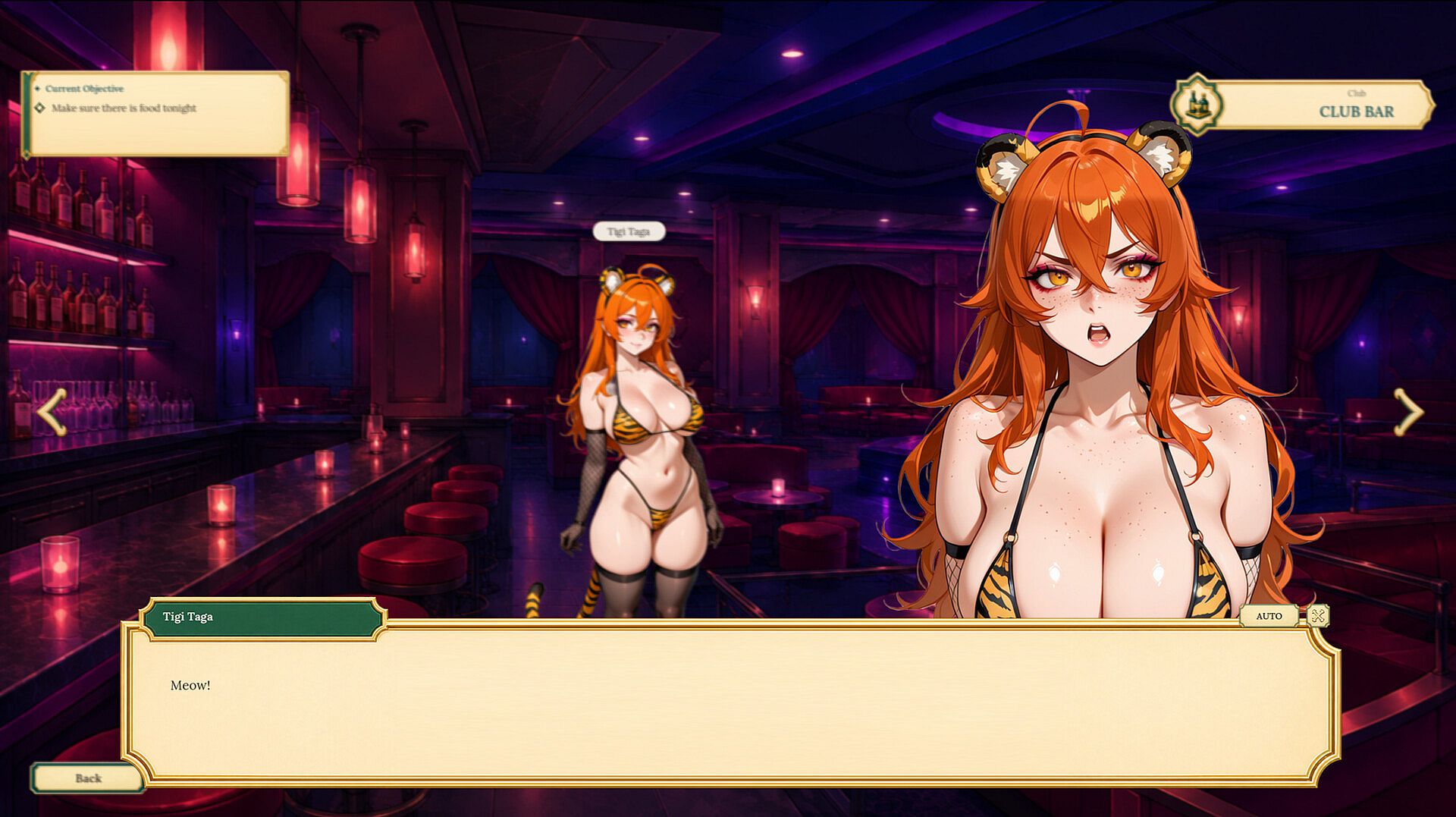
More than fifteen recurring characters populate locations such as the university, café, bar, gym, factory, shops, park, and club. Each has a distinct personality, set of hobbies, and personal schedule. Major routes develop through repeated interactions, favors, work collaborations, disagreements, visits to private locations, and character-specific milestones. Some choices alter tone or affinity immediately, while others set longer-term events in motion that return later through different dialogue or invitations.
Game Modes
Cras operates as a single continuous experience without separate named modes. Progression occurs through the daily time-slot system and the branching outcomes of choices that affect affinity, available scenes, and world access. Adult scenes integrate directly with relationship development rather than advancing on a single meter; trust, romance, sexual access, and commitment each follow their own paths based on prior interactions. Encounters in different city locations can vary depending on the established closeness with individuals.
Exploration of the city reveals additional scenes once specific conditions are met, encouraging players to revisit locations at the right times and maintain multiple relationships simultaneously. The absence of traditional multiplayer or competitive modes keeps focus on personal scheduling, resource management, and narrative branching tied to the recurring cast.
Character Routes and Relationships
Building connections requires consistent effort across multiple days. Repeated meetings lead to favors, work opportunities, and private moments that unlock deeper story elements. Each character carries unique fantasies or backstories that surface only after certain milestones. Becoming closer changes not only dialogue and responses but also the parts of the city and other characters' lives that become accessible.
Sam functions as a constant background presence. Messages arrive regularly, and references appear in attendance sheets, orders, and other people's recollections, yet direct meetings remain impossible. This creates an ongoing mystery that threads through many routes without requiring a separate quest structure.
Is It Worth Playing?
Cras suits players who enjoy detailed life-simulation mechanics combined with relationship management and time-based decision making. The emphasis on recurring routines, character schedules, and choice consequences that echo across days provides a steady sense of progression for those interested in adult-themed narrative RPGs. Resource balancing adds tension to daily planning, while the city's interconnected cast rewards long-term investment in multiple storylines.
Those seeking fast-paced action or clearly defined competitive modes will find the experience slower and more deliberate. The game's strength lies in its consistent focus on personal schedules and evolving interpersonal dynamics rather than external events or large-scale systems. Availability on PC makes it accessible for extended play sessions where players can experiment with different daily structures and relationship paths.