




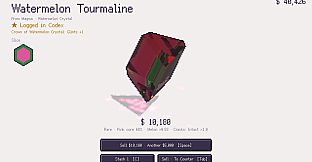
Crack of Strike is an indie casual simulation game built around the deliberate process of cracking open rocks in search of valuable gems. Players work as a gem cutter in a pixel-art world where each stone holds the potential for a high-value find or simple disappointment. The core loop revolves around careful strikes, resource management, and turning raw discoveries into finished jewelry while balancing the demands of a day job against personal goals.
Gameplay
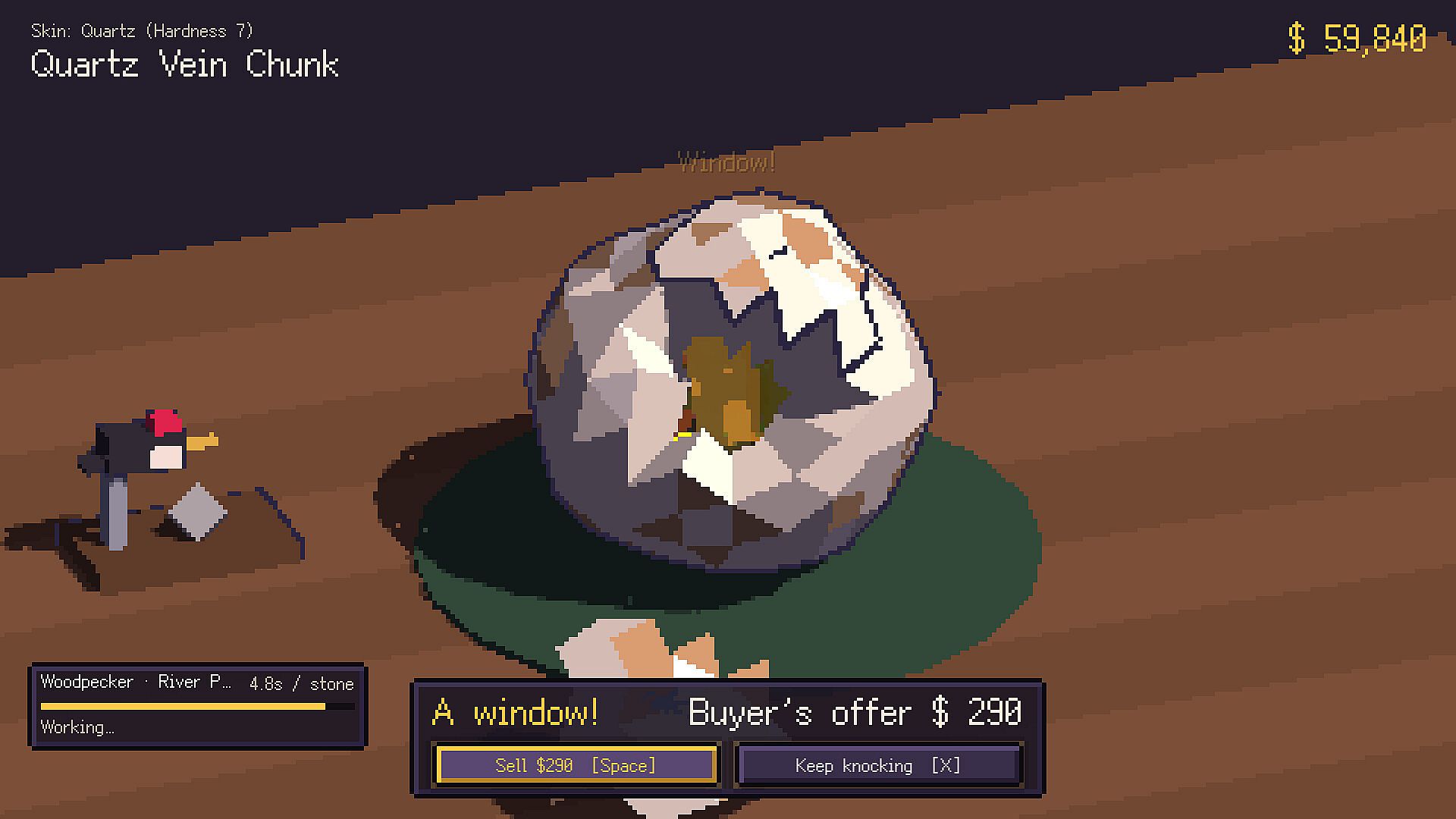
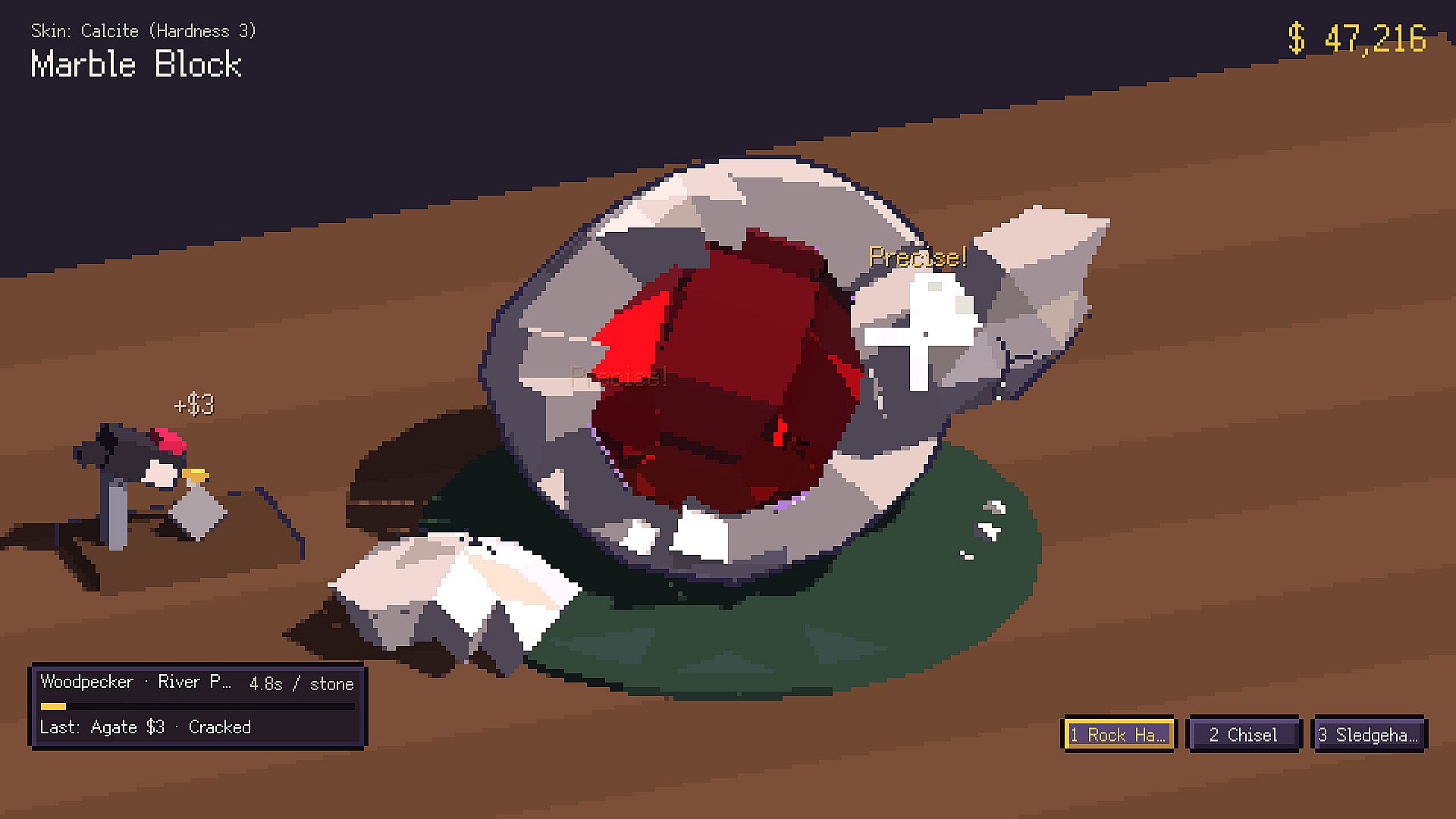
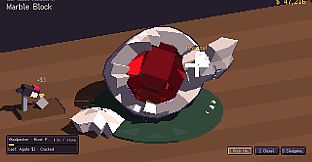
The experience centers on a hands-on rock-breaking mechanic. Players rotate stones on a workbench, tap to probe the surface, and charge strikes with tools that start as a basic rock hammer before expanding to a chisel and sledgehammer. Each blow removes material, but excessive force risks damaging or destroying the gem inside. Factors such as a stone's hardness and cleavage planes influence outcomes, requiring players to learn patterns and adjust approach for different materials.
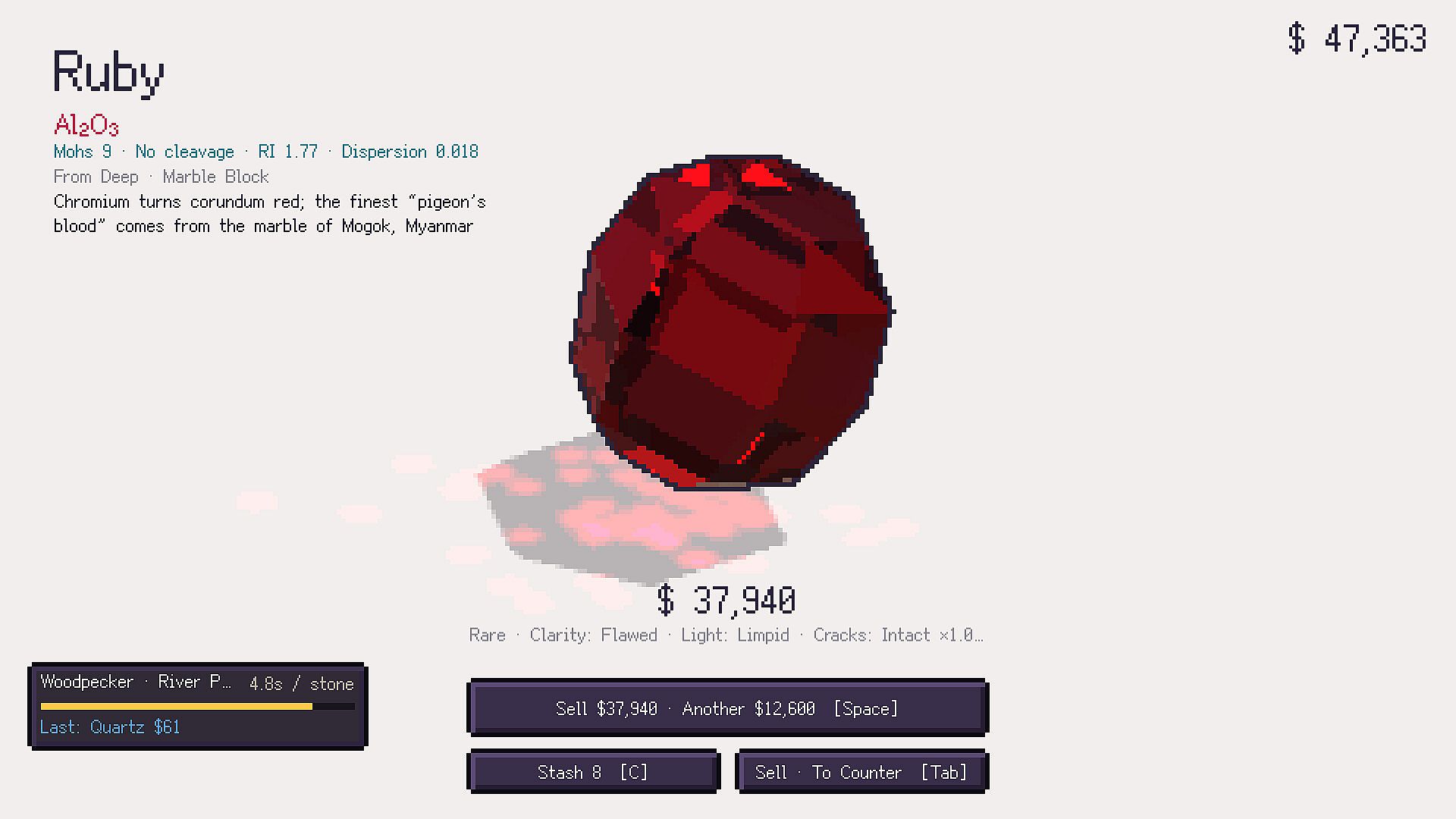
Progression involves unlocking talents that reveal more information about hidden contents. One key ability shows a glimpse of color inside a partially opened rock, prompting a choice between accepting a buyer's offer or continuing to crack further. River pebbles serve as the starting point, with access expanding to higher-value rough stones over time. Limited stash space per shift forces decisions on which finds to keep versus turn in.
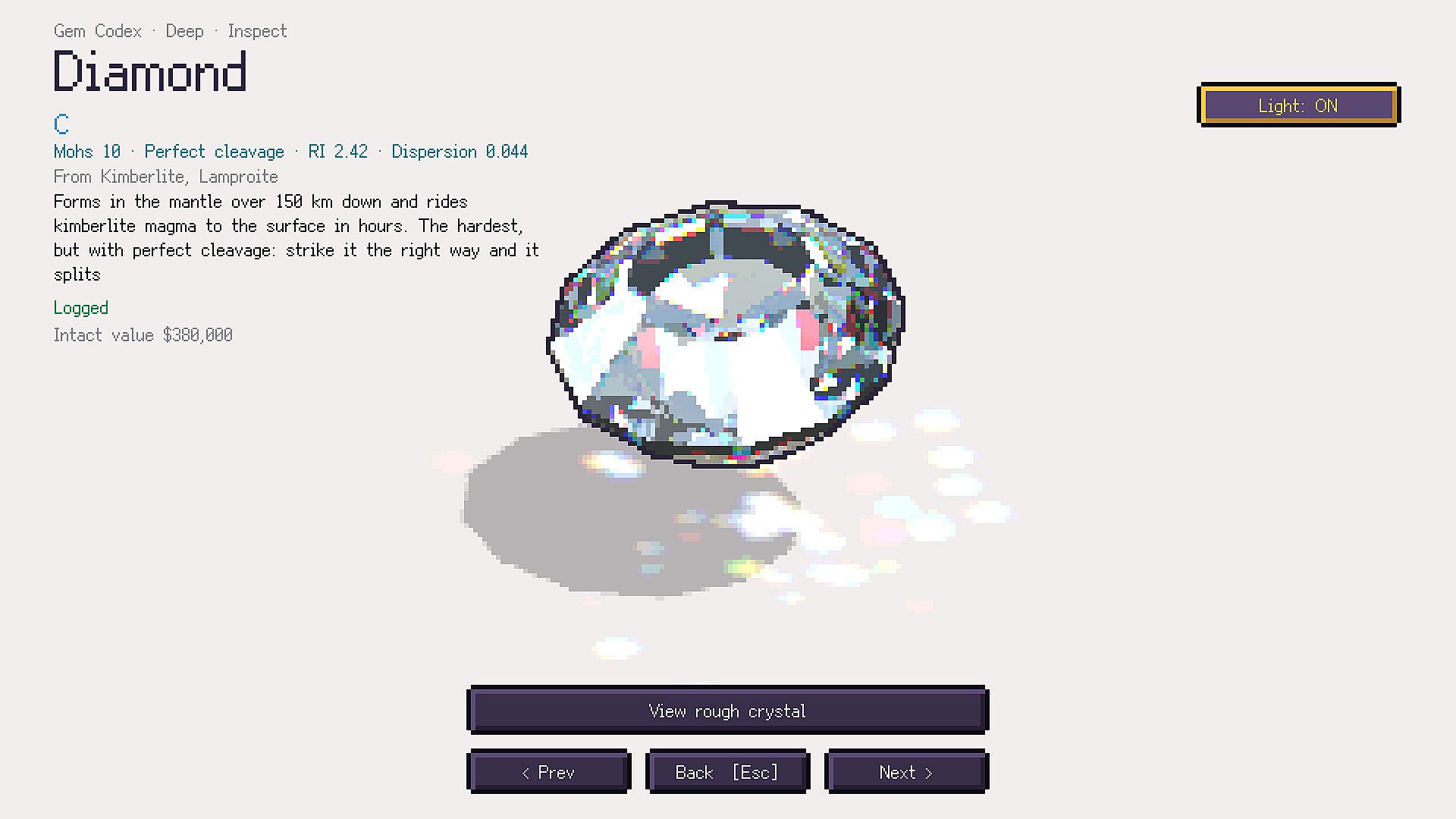
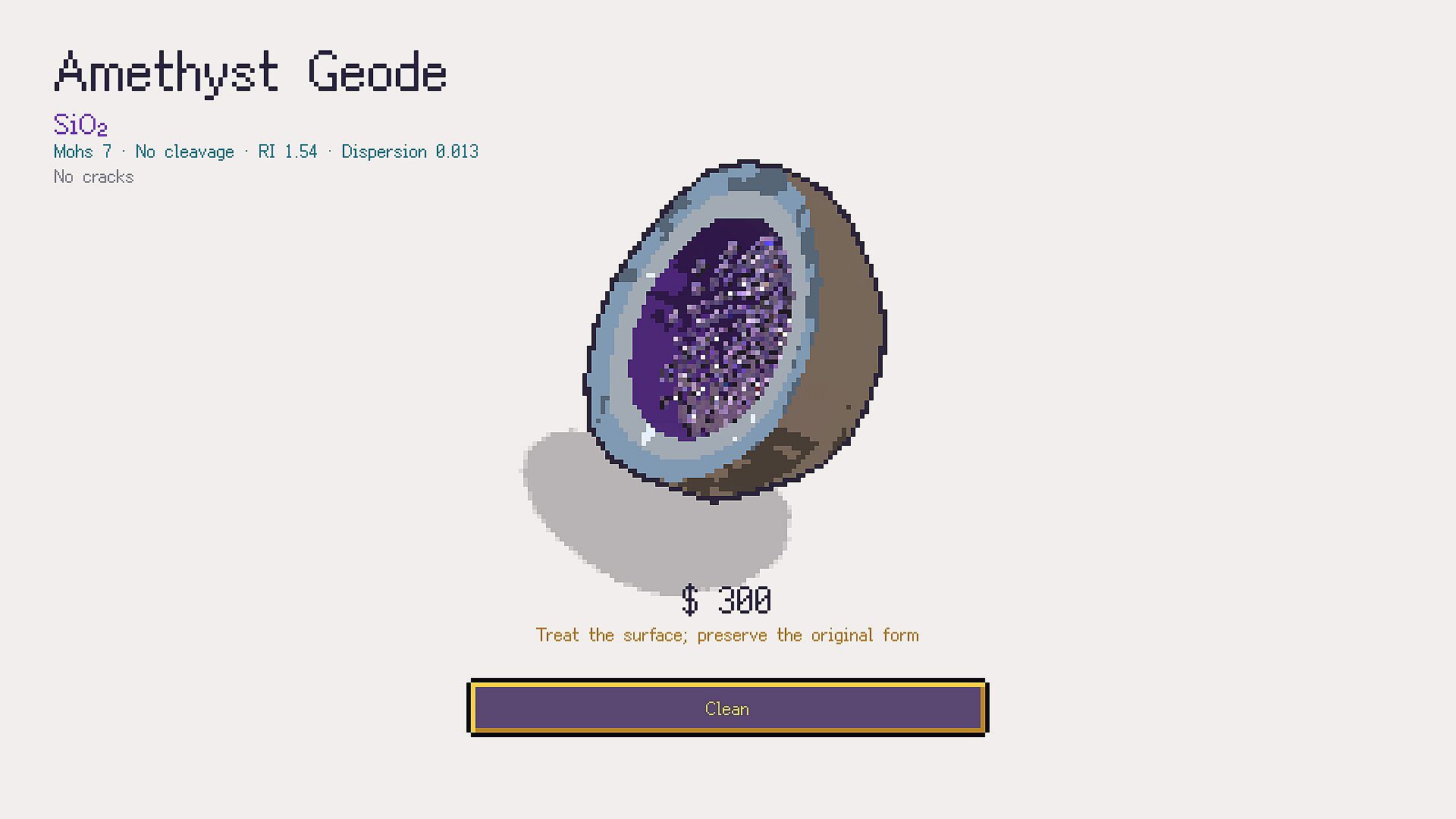
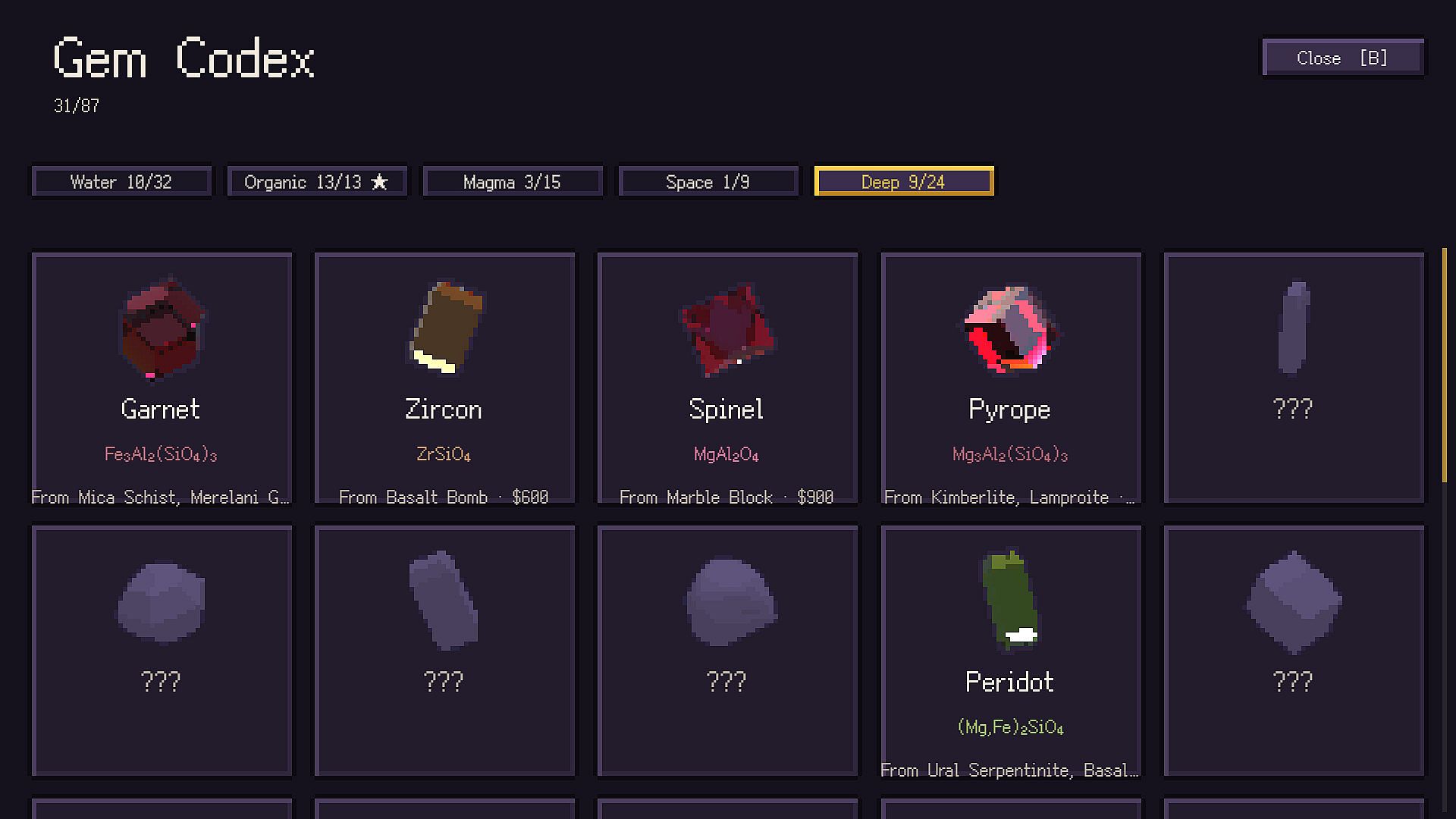
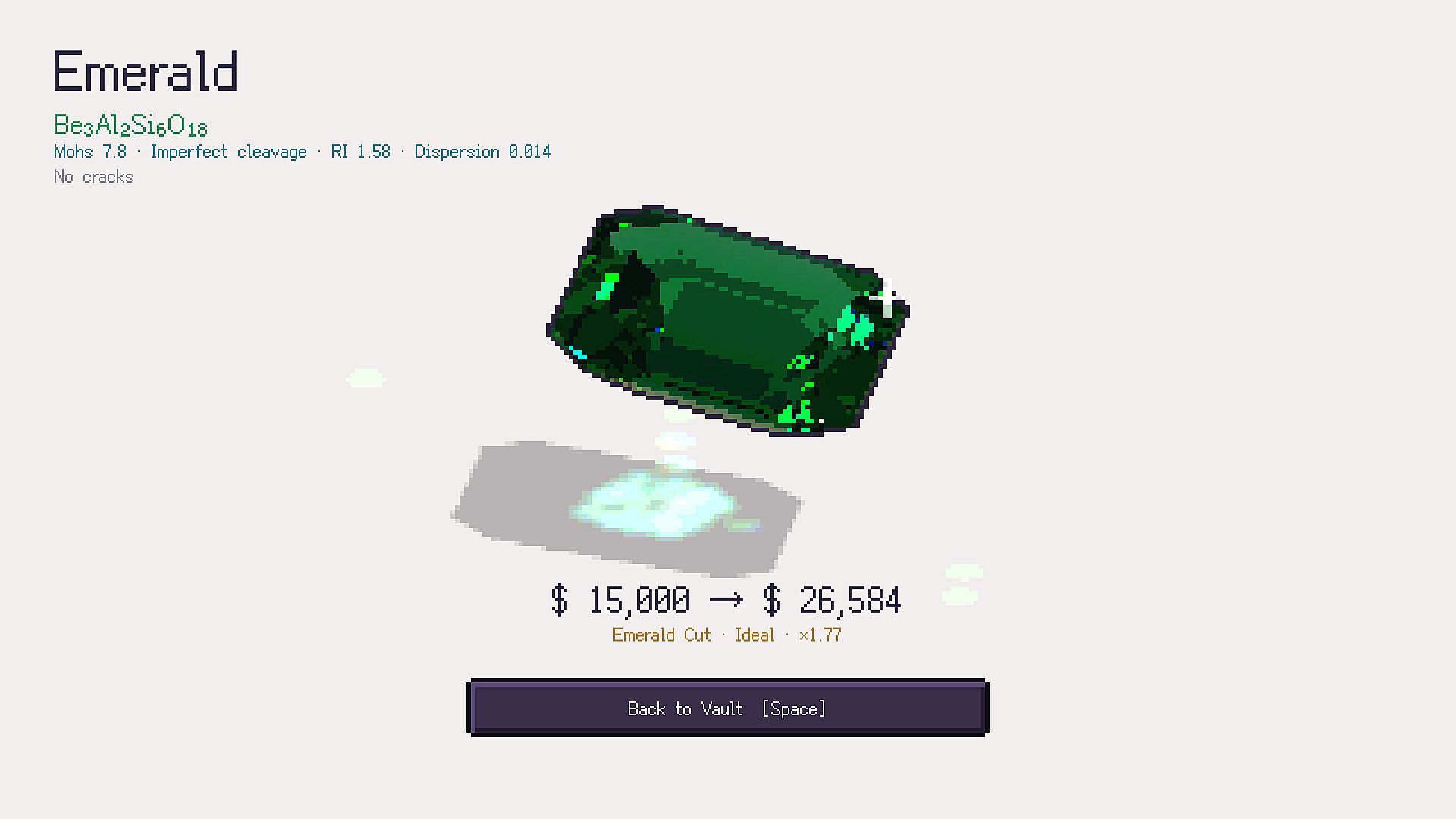
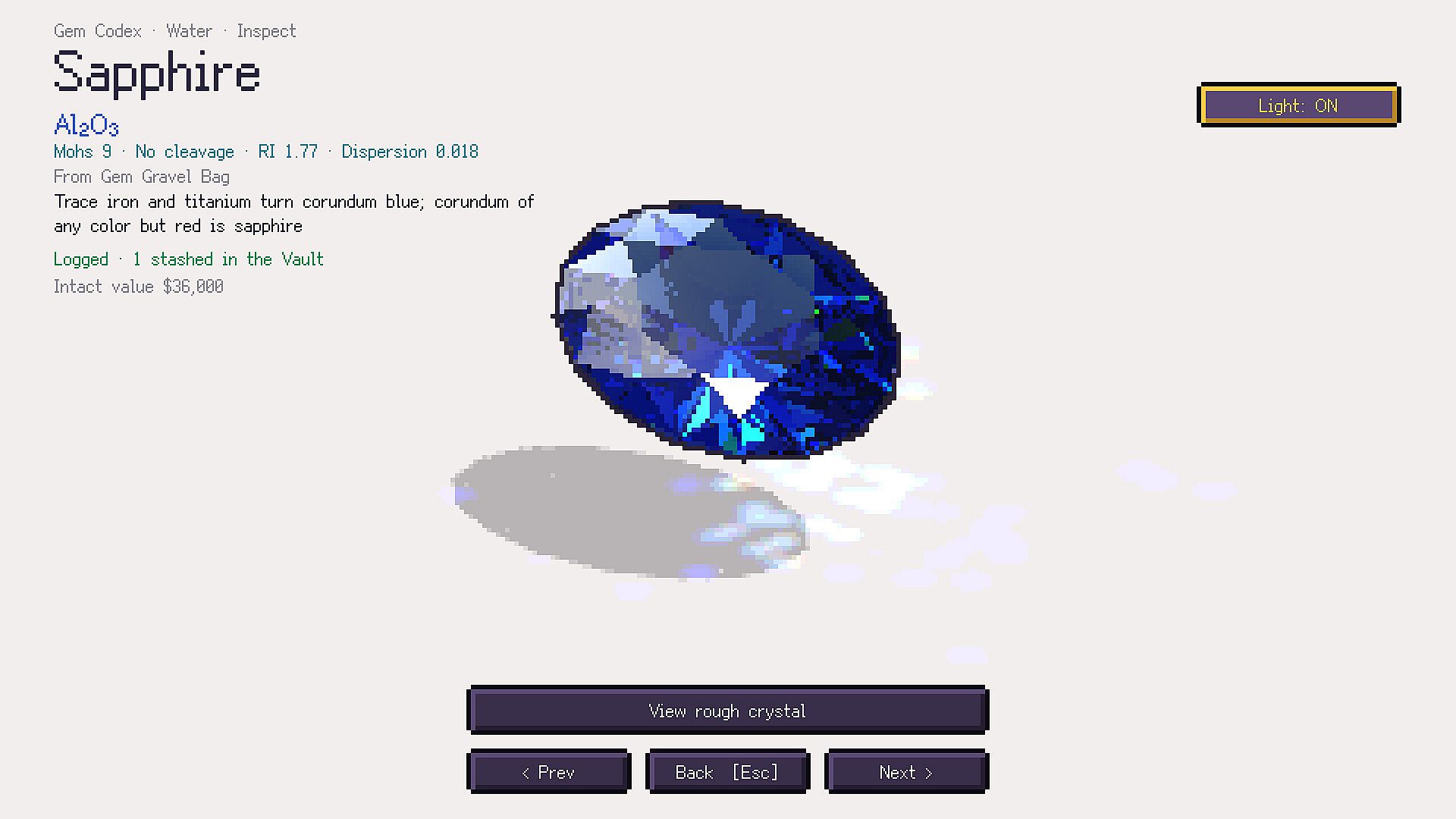
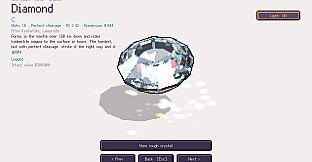
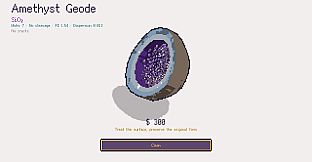
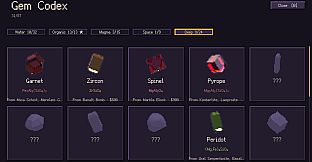
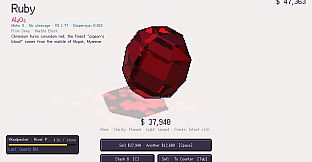
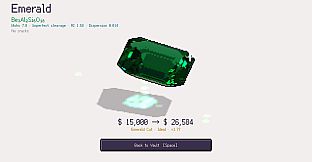
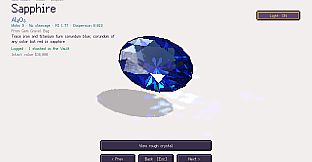
At home, players polish and cut gems using six available cuts, along with specialized treatments for geodes, pearls, and similar items. Finished pieces become rings, earrings, necklaces, brooches, or crowns that can be worn for shift bonuses or sold outright. Black-market orders provide additional income opportunities but carry penalties for missed deadlines. A gem codex tracks discoveries including rubies, sapphires, jade, opals, insect amber, geodes, and meteorites, with options to rotate finds and examine details such as inner structures or cleavage planes.
Game Modes
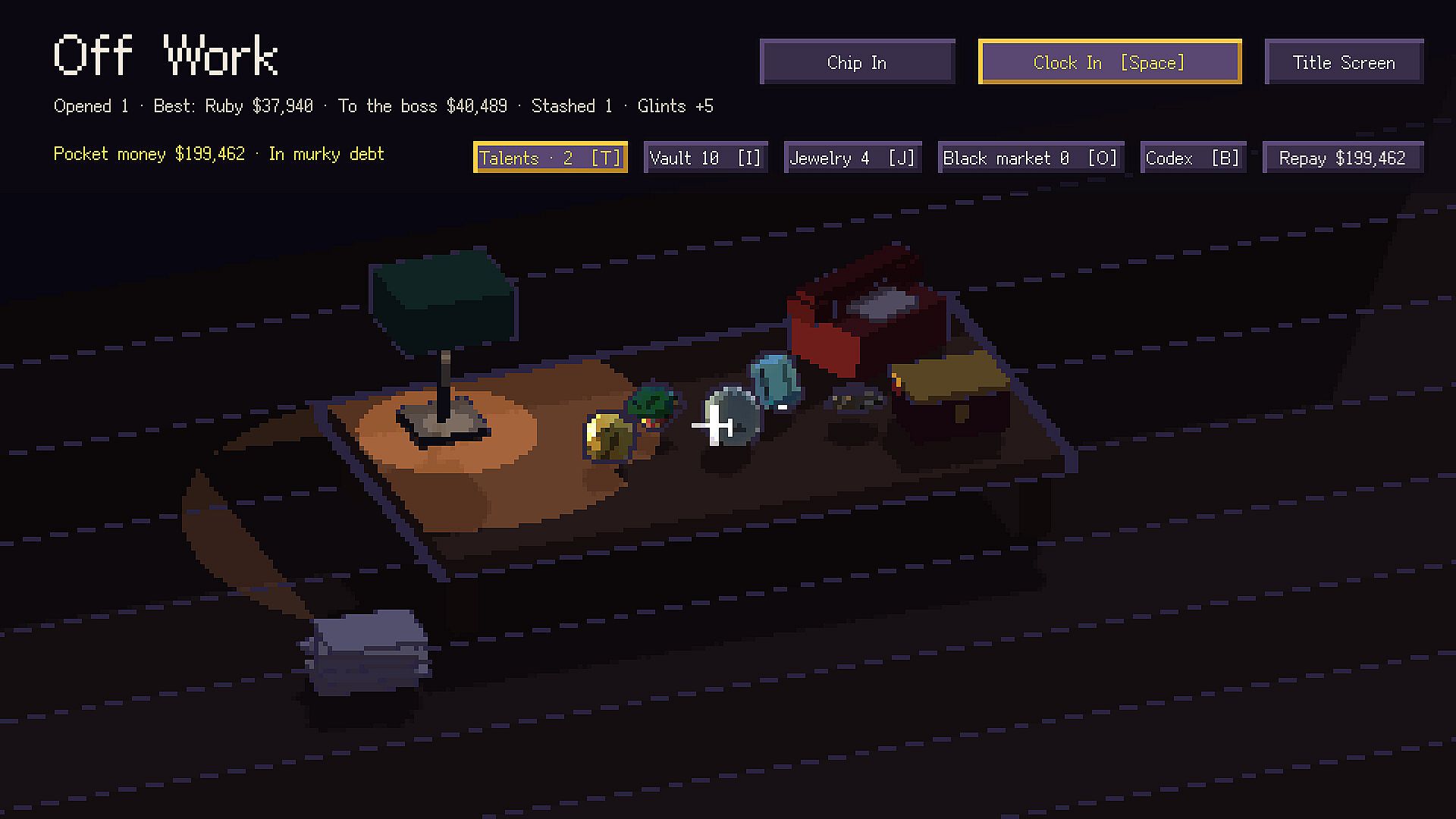
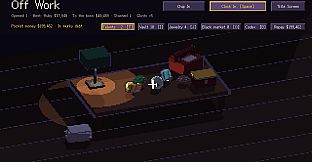
Crack of Strike operates as a single-player experience with no separate multiplayer or competitive modes. The structure follows a shift-based loop that alternates between workbench sessions at the shop and personal crafting time at home. Progression occurs through repeated shifts that unlock new tools, talents, and stone types while building toward a personal collection and debt repayment goals.
Within this framework, players manage risk and reward on each stone. Early offers from buyers create branching decisions, while polishing and crafting add layers of customization and value improvement. The codex and talent system encourage repeated play to discover new gem varieties and refine techniques for better results.
Progression and Systems
Advancement ties directly to gem handling and crafting. Limited stash capacity per shift creates ongoing choices about what to retain for personal use. Home activities focus on transforming rough finds into sellable or wearable items, with different materials requiring distinct preparation steps. Black-market work adds optional high-risk tasks that can accelerate progress if deadlines are met.
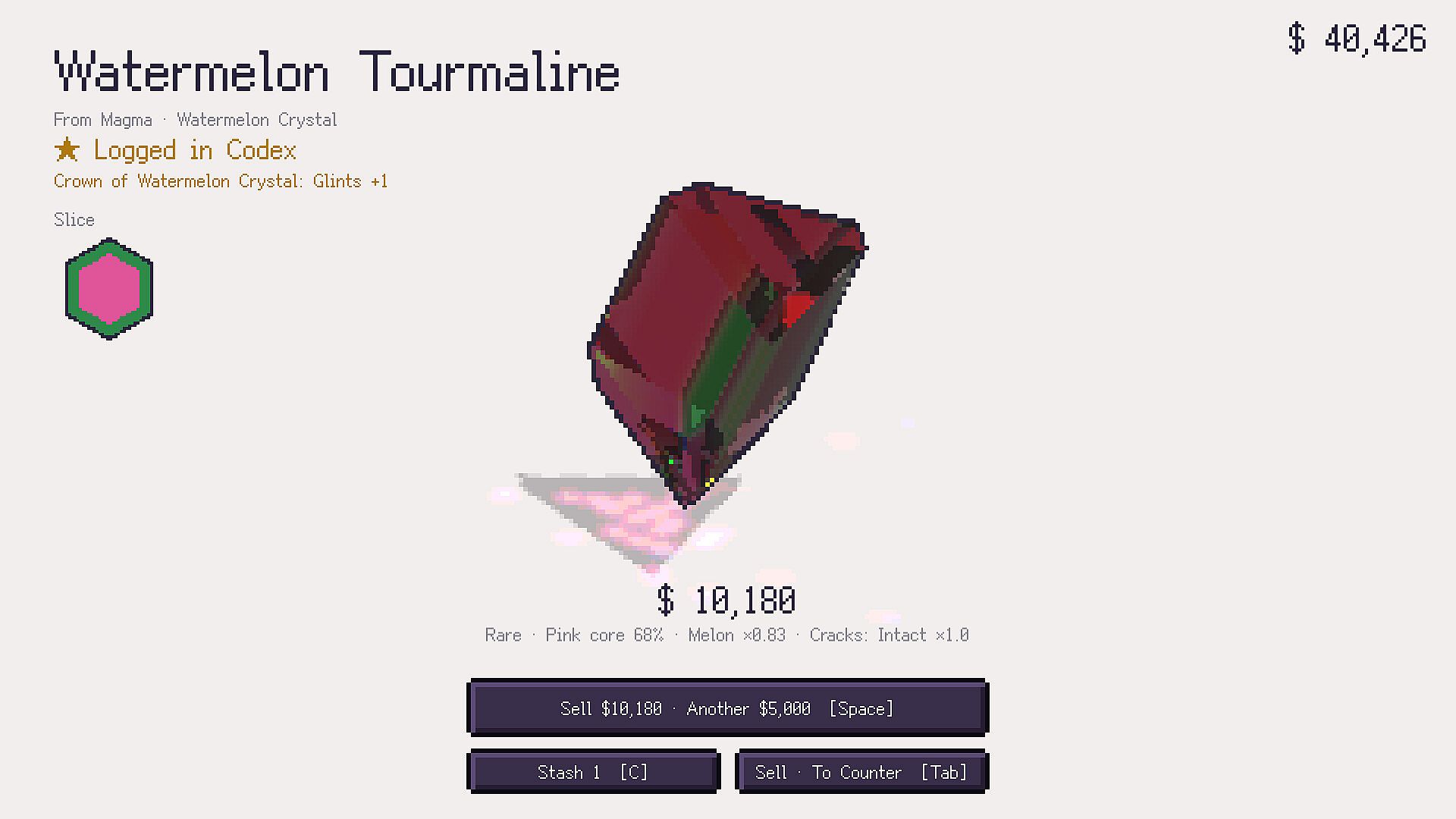
Talents unlocked through the codex improve inspection skills, crafting efficiency, and the amount that can be kept from each shift. These systems reward observation and careful decision-making rather than speed alone. The pixel-art presentation highlights details such as crystal linings in geodes or the internal patterns of tourmaline slices.
Is It Worth Playing?
Crack of Strike suits players who enjoy methodical simulation gameplay focused on resource gathering, risk assessment, and incremental crafting. The single-player format emphasizes personal progression through repeated shifts and home projects without external competition or time pressure from other participants. With a planned release in Q4 2026 and no reviews available yet, the game remains an upcoming title whose appeal will depend on how well the rock-breaking and jewelry-crafting loop holds interest over extended sessions. Those drawn to pixel-art indie simulations centered on precise mechanics and collection building may find the described systems engaging once it launches.