








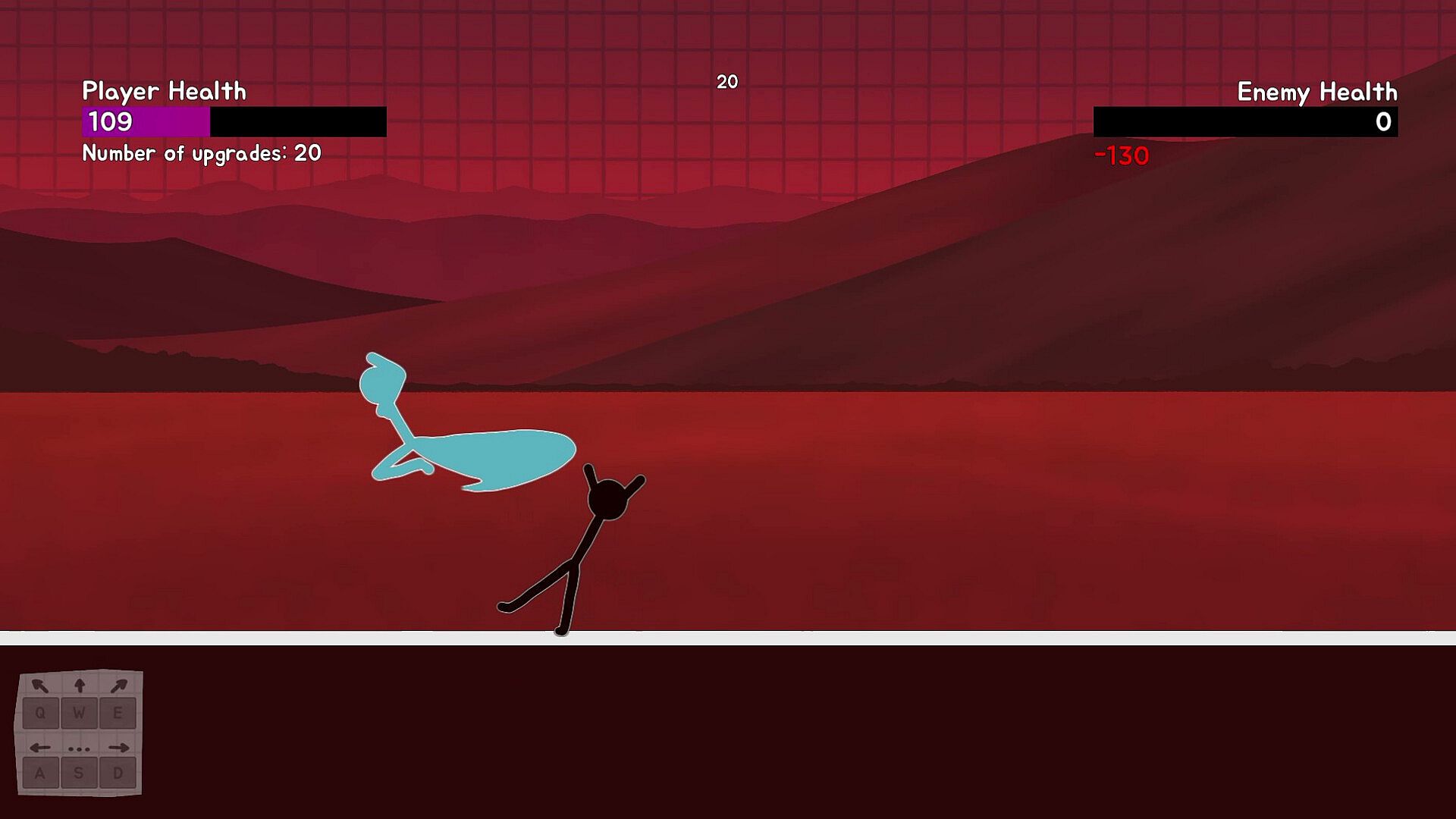
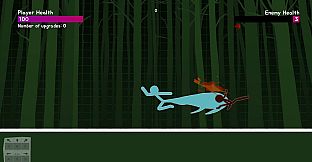
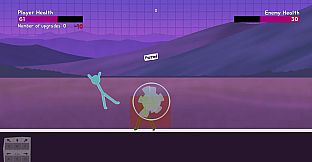


Counterstep Arena delivers a distinctive turn-based 2D fighter experience on PC that blends strategic combat with roguelike progression. Players step into a series of encounters against successive opponents, building power through upgrades while refining a personal set of techniques. The game emphasizes careful planning over reflexes, requiring participants to anticipate enemy actions and execute precise sequences that reward foresight and adaptation.
Gameplay
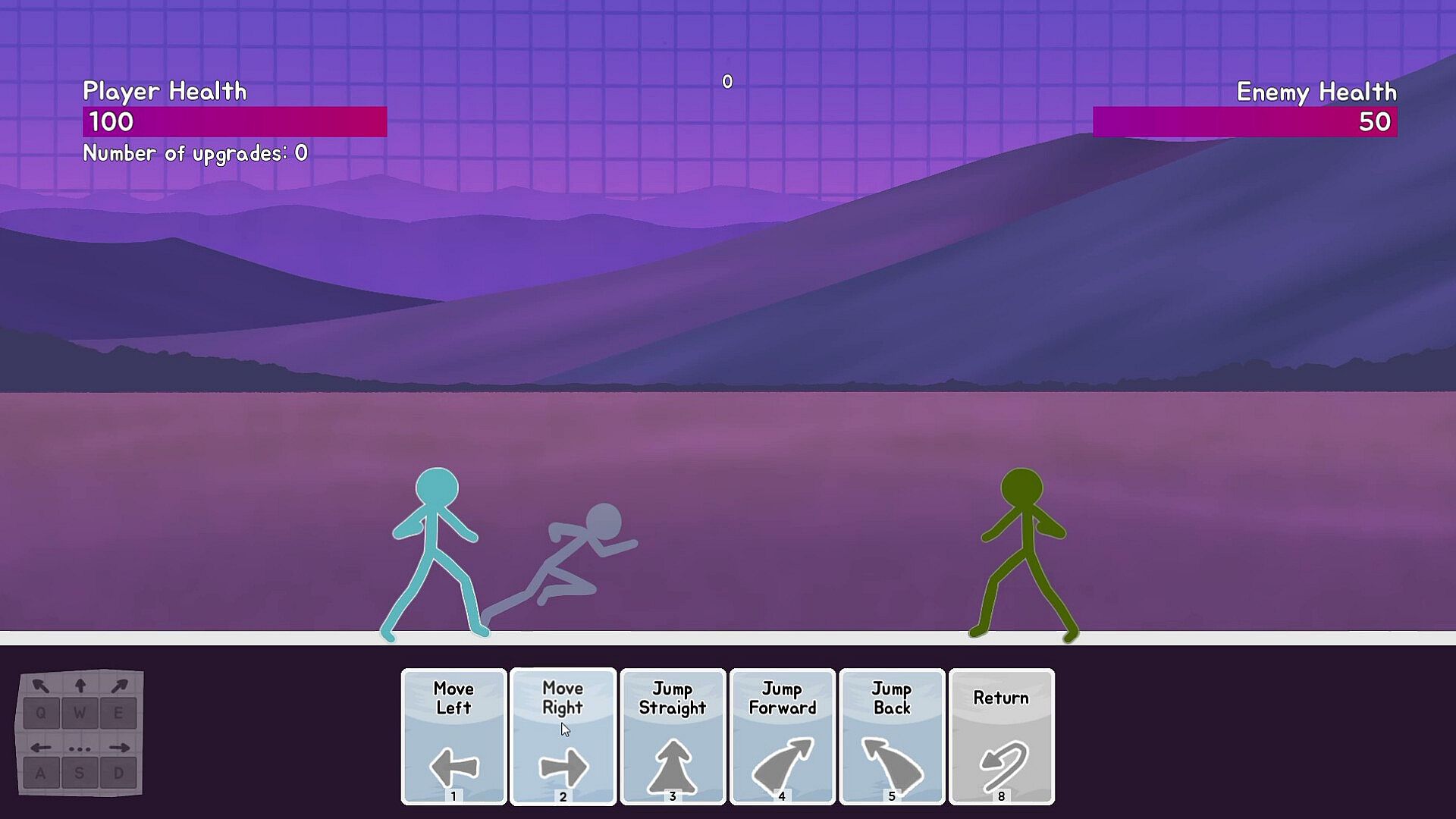
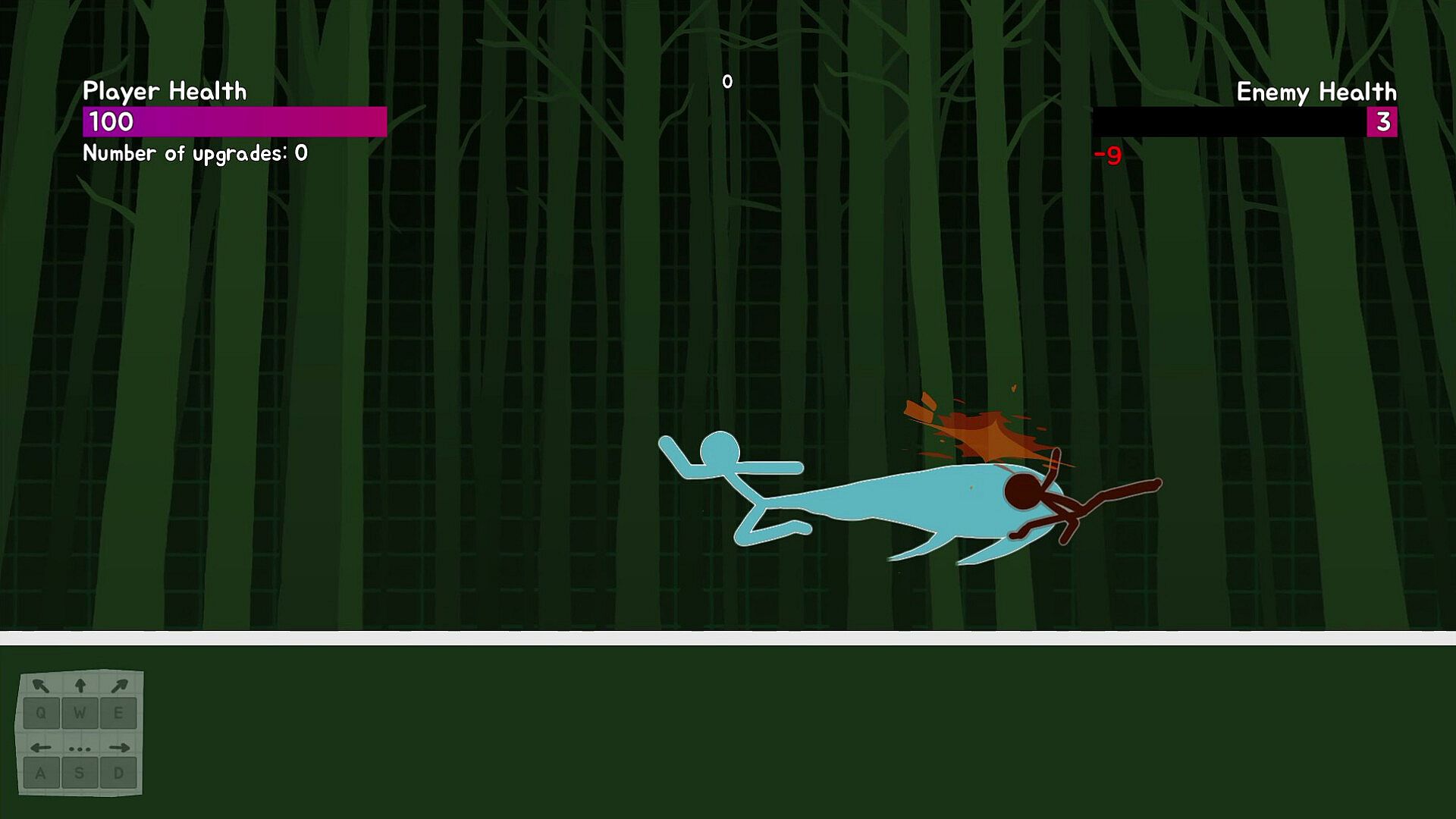
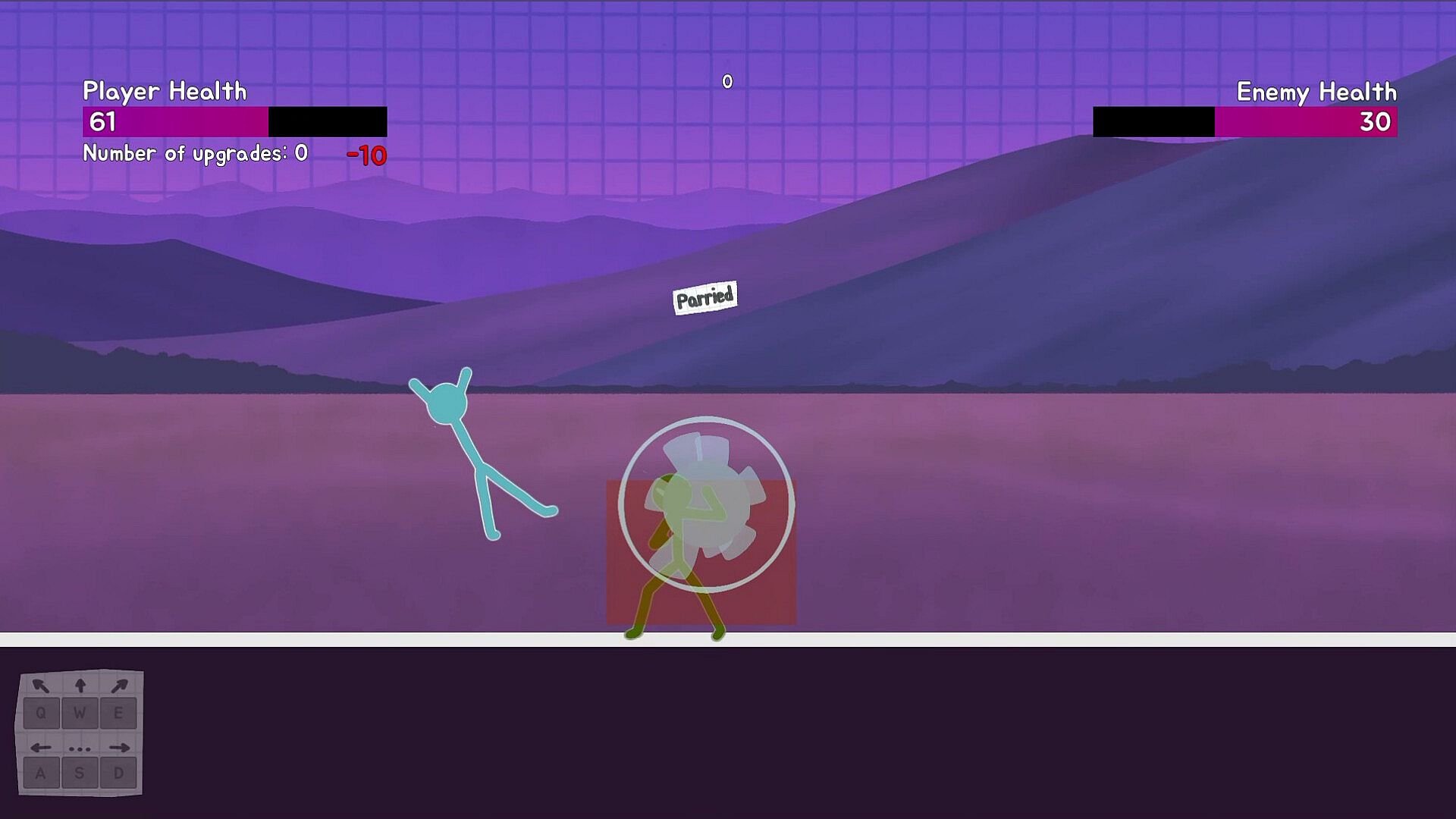
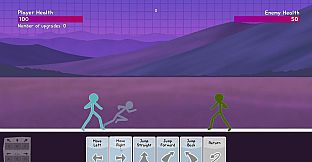
The core loop revolves around simultaneous turn resolution in a 2D arena setting. Each round presents move previews that reveal what the opponent intends to do next, allowing time to select counters or aggressive options that avoid incoming damage while landing hits. Success depends on hitting without being hit, which creates tense decision-making as runs progress toward tougher foes.
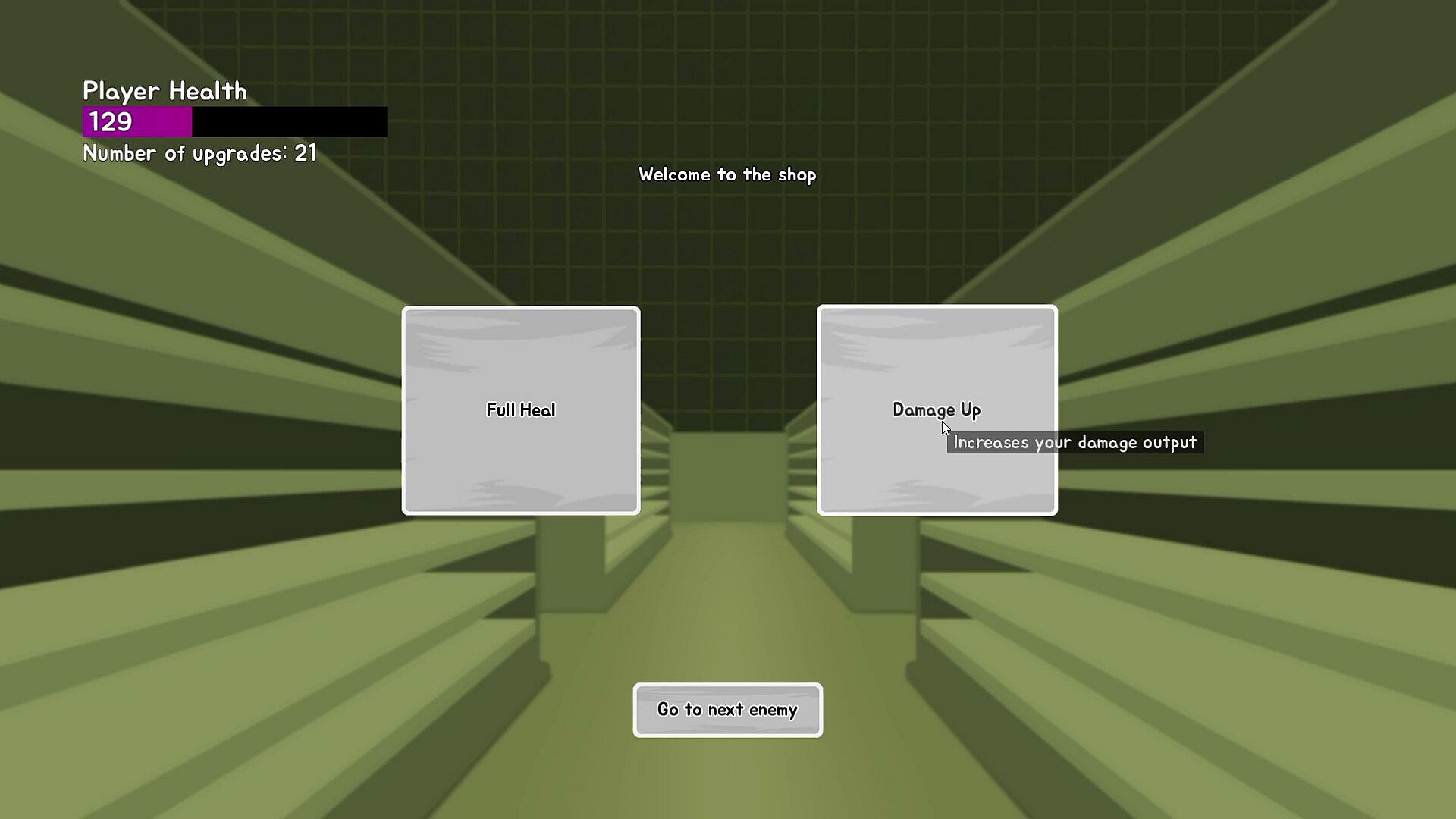
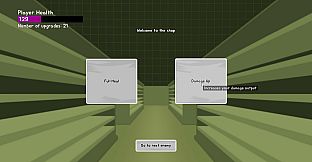
Upgrades appear after victories and expand the available moveset in meaningful ways. New techniques integrate into existing combinations, encouraging experimentation with different sequences that suit emerging playstyles. This system supports deep customization because every run offers fresh opportunities to layer abilities onto the foundation established earlier in the campaign.
Observation plays a central role. After each fight concludes, the full sequence replays automatically so players can review timing, positioning, and the effectiveness of their choices. The emphasis on analysis helps refine future decisions without relying on trial-and-error alone.
Game Modes
Counterstep Arena focuses on a single-player roguelike campaign built around successive enemy encounters. Runs begin with a basic moveset and grow through accumulated upgrades that persist only for the current attempt, forcing players to adapt strategies as difficulty scales. The structure rewards consistent performance because stronger opponents appear as progress continues, testing mastery of the expanded toolkit.
Within each encounter, the turn-based system remains consistent, yet the roguelike layer introduces variety through different upgrade paths. Players craft unique combinations that evolve across fights, creating distinct approaches to the same core rules. This progression model keeps sessions focused on incremental improvement and discovery rather than repetition.
Progression and Customization
Roguelike elements drive long-term engagement by tying advancement directly to combat performance. Each victory grants access to new techniques that permanently alter the moveset for that run, allowing builds to branch in multiple directions. The result is a growing arsenal that rewards thoughtful selection over random accumulation.
Players learn to balance offense and defense as they expand options. Early upgrades might emphasize safe counters, while later choices open aggressive chains that capitalize on openings created by prior moves. This layered development encourages revisiting earlier encounters with fresh perspectives gained from later challenges.
Visual and Replay Features
The 2D presentation keeps attention on the tactical layer rather than visual spectacle. Clean animations highlight move timing and positioning, making previews easy to parse during planning phases. After combat ends, the automatic replay provides clear feedback on what worked and what did not.
Players can capture standout sequences as GIFs directly from the replay tool. This feature supports sharing impressive combinations or analyzing personal highlights outside the game itself, adding a creative outlet to the strategic focus.
Is It Worth Playing?
Counterstep Arena suits players who enjoy deliberate, turn-based combat paired with roguelike risk and reward. The emphasis on move previews and post-fight analysis appeals to those who prefer planning and iteration over fast reflexes. Its indie scale and focused mechanics make it accessible for short sessions while the progression system supports longer campaigns of experimentation.
Those drawn to strategy-action hybrids or simulation-style fighter customization will find the core loop satisfying. The absence of multiplayer or additional named modes keeps the experience streamlined around single-player mastery. Anyone seeking a thoughtful alternative to traditional action fighters should consider trying the game to see whether the preview-and-counter rhythm matches their preferences.