




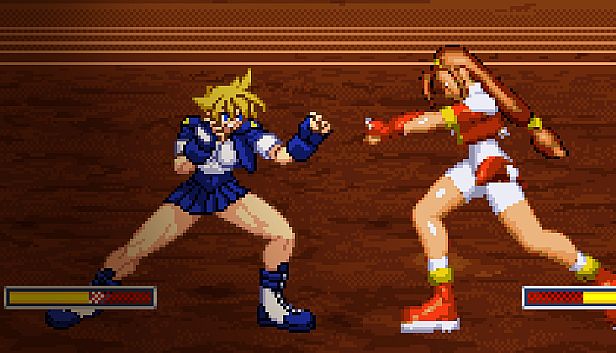



Console Archives Touki Denshou Angel Eyes traz para o hardware atual o port de PlayStation de 1997 do jogo de luta da Tecmo. Lançado originalmente em fliperamas em 1996, o título é um jogo de luta um contra um em que o jogador escolhe entre um elenco feminino conhecido como as Oito Anjos e compete pelo título de Arcanjo. A nova versão mantém a ROM japonesa original e inclui recursos modernos, como ajustes de tela e configurações de botões.
Gameplay
O ciclo principal segue as regras clássicas de jogos de luta, com rounds em melhor de três nas partidas versus. O combate combina sprites desenhados à mão para a maioria dos personagens com modelos poligonais ocasionais, criando um visual característico dos títulos de meados dos anos 1990. O movimento inclui dashes no chão, saltos altos e várias opções aéreas que permitem mais tempo no ar e perseguição aos oponentes. Um sistema especial chamado Angel Synchro oferece habilidades extras durante as lutas. Esses elementos valorizam a mobilidade vertical mais do que muitos jogos da época, fazendo com que as partidas alternem com frequência entre combates no solo e no ar. Os comandos seguem layouts clássicos, com golpes especiais executados por combinações de direção e botões de ataque.
Modos de Jogo
O Modo Arcade reproduz a experiência original do fliperama, com uma sequência de oponentes. O Modo História amplia a versão de console com introduções totalmente dubladas, finais e sequências ilustradas de diálogo que avançam após cada vitória. O Modo Treino permite praticar golpes, timing e combos contra um oponente parado ou gravado. Dentre os conteúdos extras, há uma galeria de CGs que é liberada após concluir o Modo Arcade. A edição Console Archives oferece suporte a multijogador local, além das opções single-player, e inclui funções de salvar e carregar em qualquer momento da partida ou do menu.
Seleção de Personagens e Elenco
O jogador começa escolhendo uma das oito lutadoras principais. Cada personagem possui ataques normais, golpes especiais e manobras aéreas exclusivos, adaptados a diferentes estilos de jogo. Ao derrotar a sequência do arcade, são desbloqueadas versões alternativas do elenco com movimentos modificados. O foco está em aprender as ferramentas individuais de cada personagem, em vez de personalização ampla, priorizando o conhecimento de matchup e a execução.
Apresentação Técnica e Recursos
A reedição mantém o trabalho original de sprites e o design de som, ao mesmo tempo que oferece ajustes de qualidade de vida ausentes na versão de 1997. Filtros de tela, opções de proporção de aspecto e remapeamento de botões ajudam a adaptar a experiência aos monitores e controles atuais. O suporte a idiomas para menus e manual inclui inglês e várias línguas europeias, embora o texto e a voz do jogo permaneçam em japonês. Esses acréscimos tornam o título mais acessível sem alterar o equilíbrio ou o conteúdo original.
Vale a Pena Jogar?
Este lançamento arquivístico é indicado para quem se interessa por jogos de luta dos anos 1990 que exploraram mecânicas de combate aéreo. A inclusão dos Modos História e Treino oferece formas estruturadas de conhecer o elenco além de partidas rápidas. Na época, a recepção foi modesta, com críticos destacando os elementos verticais inovadores e algumas peculiaridades de execução. Jogadores atuais que apreciam fighters retrô ou as primeiras produções da Tecmo encontrarão valor na jogabilidade preservada e nas conveniências adicionadas. Quem busca netcode moderno ou recursos online extensos deve procurar outros títulos, já que o foco está na reprodução fiel para single-player e multijogador local.
