





Competition is a simulation game blending sports and racing elements, placing players in charge of a college track and field and cross country program. The experience centers on long-term program building in a shared online environment where every decision about recruitment, training, and competition shapes team performance across realistic seasonal cycles.
Gameplay
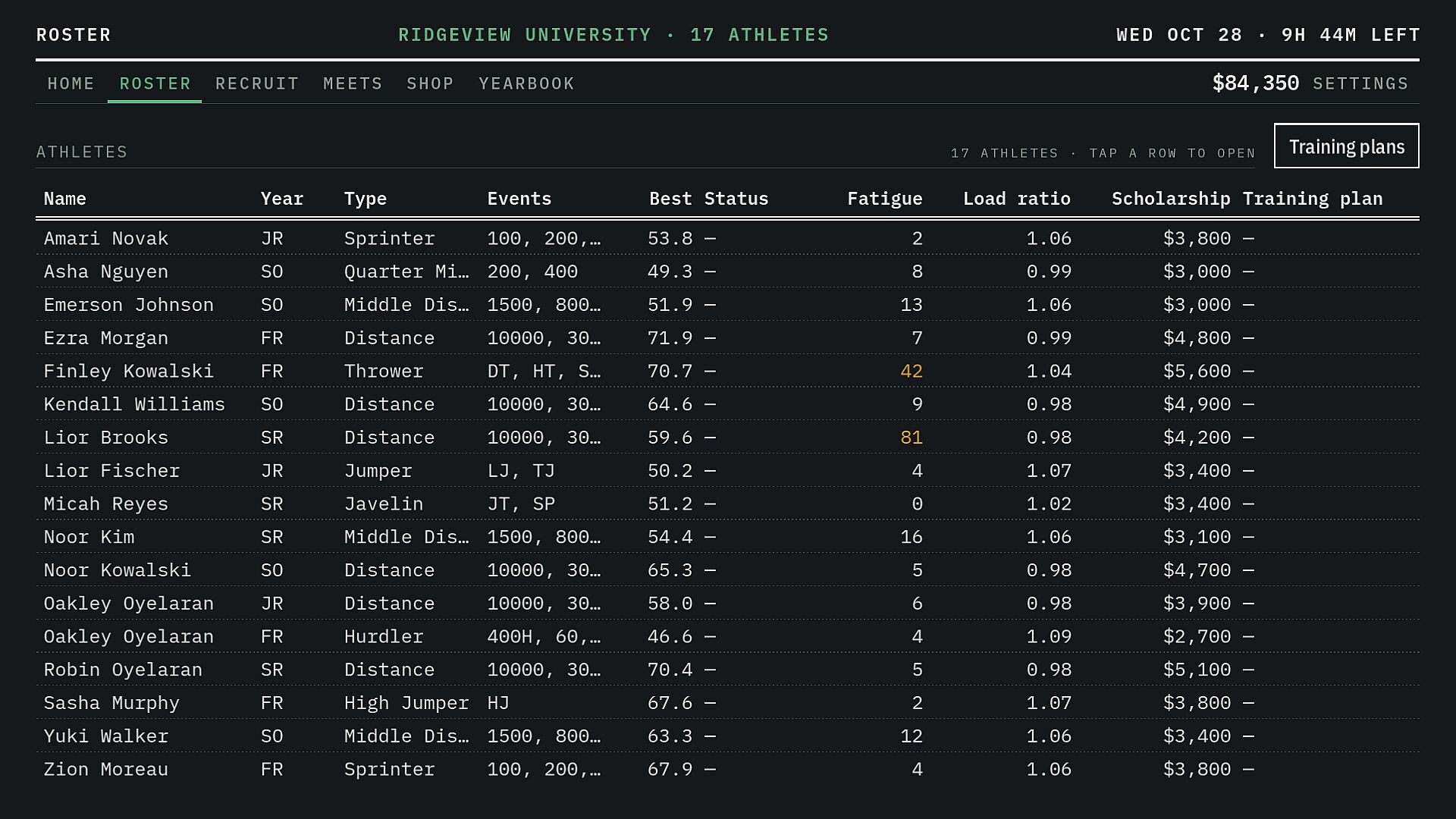
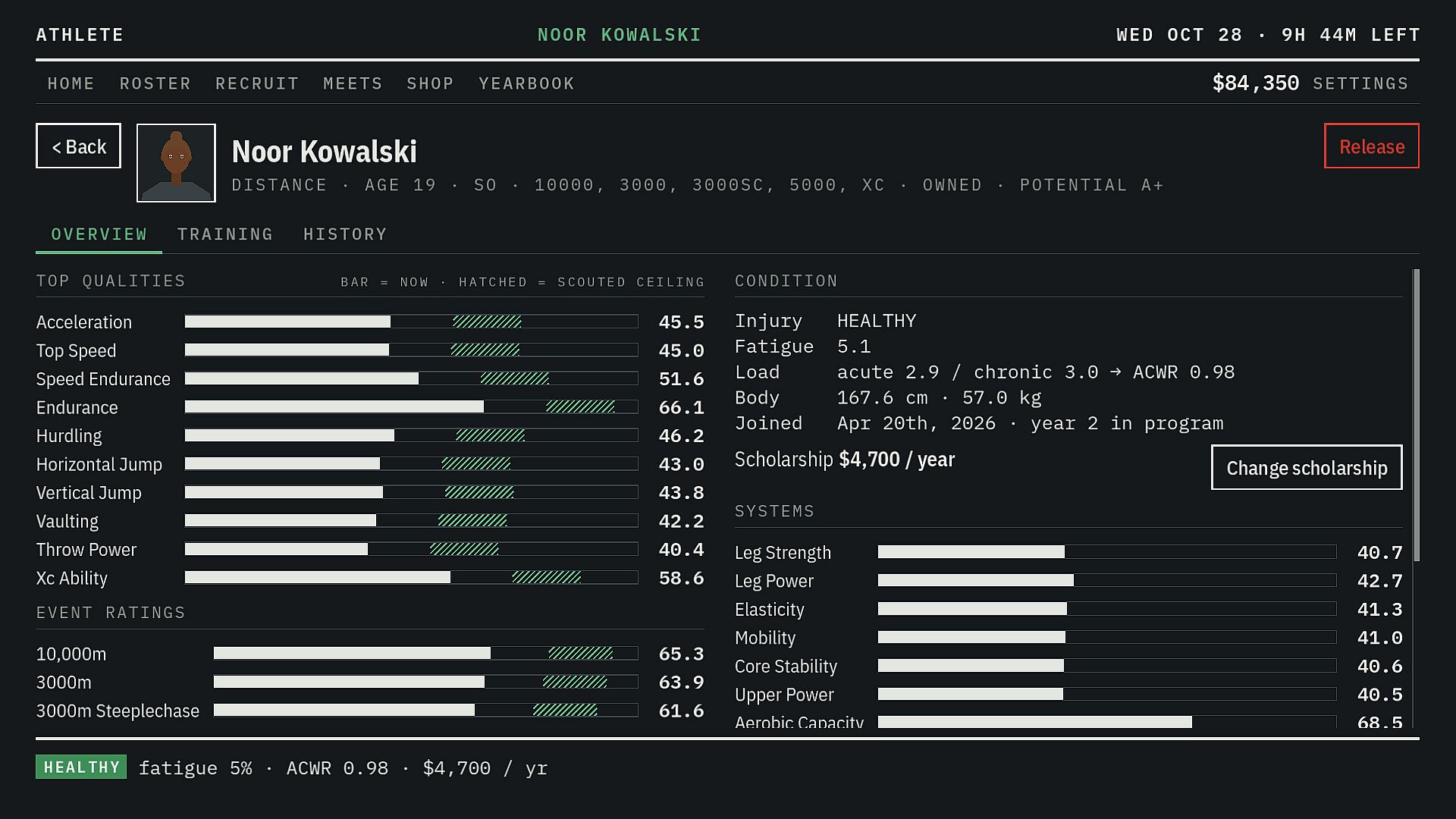
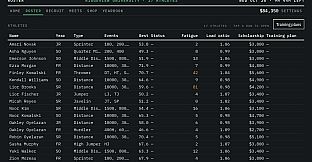
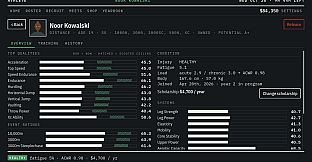
Core systems revolve around detailed athlete management. Each competitor starts with 50 individual attributes covering muscle groups, tendons, aerobic capacity, technique, and related factors. These feed into broader performance metrics like speed, endurance, power, and event-specific skill. Coaches select from 28 training session types, such as tempo runs, long runs, VO2 intervals, hill repeats, plyometrics, Olympic lifting, and targeted technique drills, then organize them into weekly plans.
Progress follows realistic constraints. Gains taper as athletes approach genetic ceilings. Training carries trade-offs, including added mass from heavy lifting that can reduce speed or high mileage that dulls quickness. Unused skills fade over time. Fatigue accumulates, and rapid load increases raise injury risks. Some athletes prove more injury-prone than others. Better medical spending accelerates recovery from tweaks or full injuries triggered by high fatigue, sudden training spikes, or consecutive hard sessions.
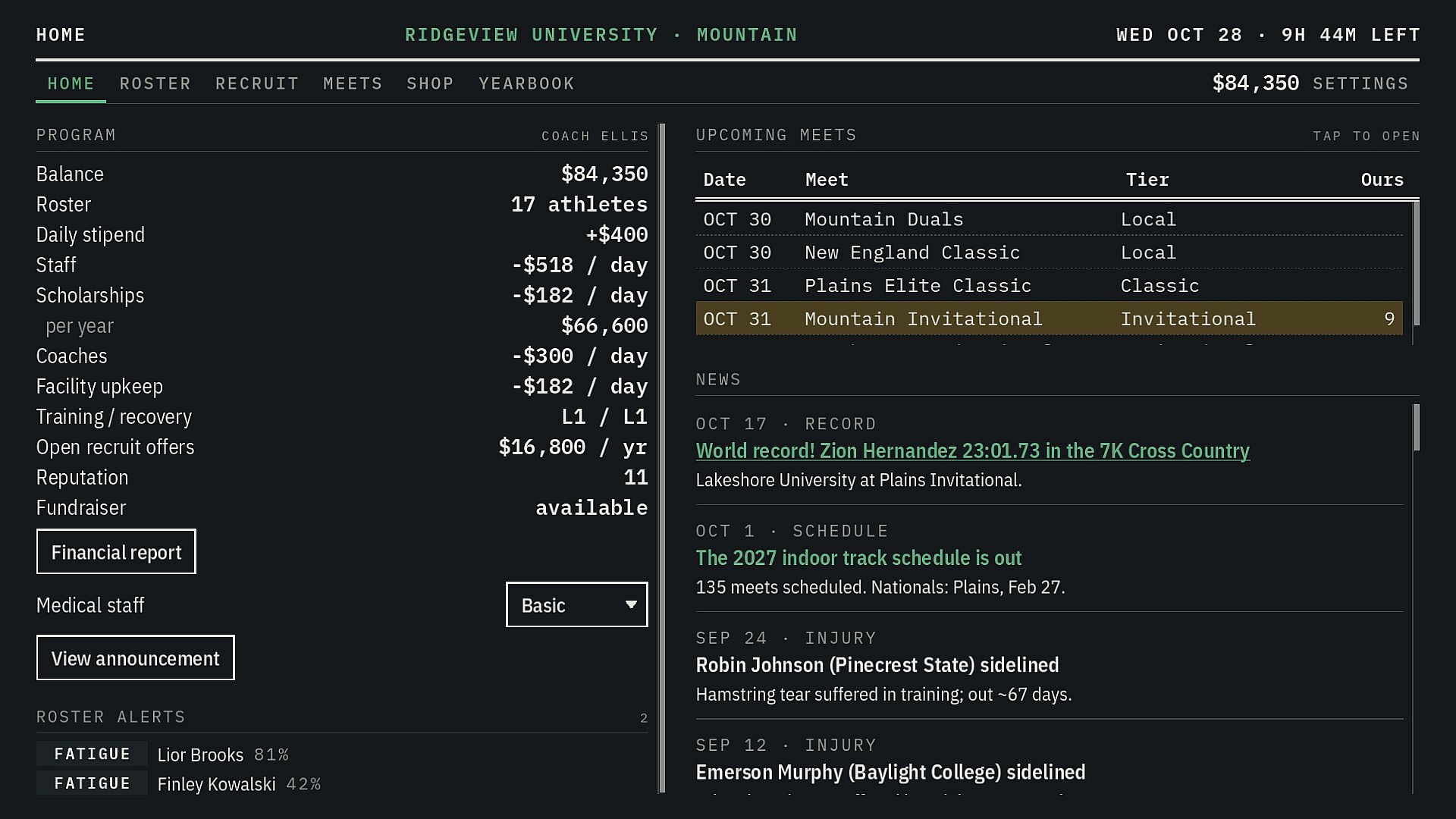
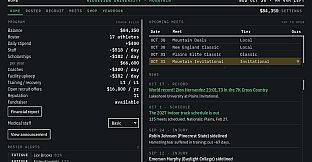
Budget management ties directly into operations. Funds cover scholarships, staff hires, travel, and entry fees. Revenue comes from strong meet finishes, fundraisers, and alumni gifts. Upgrades to training and recovery facilities or specialist coaches for event groups improve long-term results.
Game Modes
The game operates through a continuous seasonal structure aligned with the real calendar. Cross country spans September through November, indoor track runs November to February, and outdoor track covers March to June. One in-game day equals one real day, with training processed nightly and meets occurring on their actual scheduled dates and times.
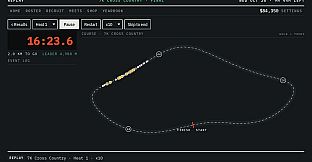
Competition unfolds across 24 events in sprints, hurdles, middle distance, distance, steeplechase, jumps, pole vault, and throws. Progression moves from free local meets to invitationals, classics, regional championships, and nationals, requiring athletes to meet entry standards. Formats include heats, prelims, and finals, with wind affecting outdoor sprints and jumps. Field events feature full attempt rounds and adjustable bars in high jump and pole vault. Team scoring applies in both track and cross country, while championship races emphasize tactical elements like late-race kicks.
Recruiting forms another key layer. New classes arrive each summer across 10 regions, with additional prospects available year-round. Scholarship offers compete against other coaches, and scouting provides only estimates of potential. Successful athletes later negotiate raises, while underpaid ones may depart.
Program Building and Competition
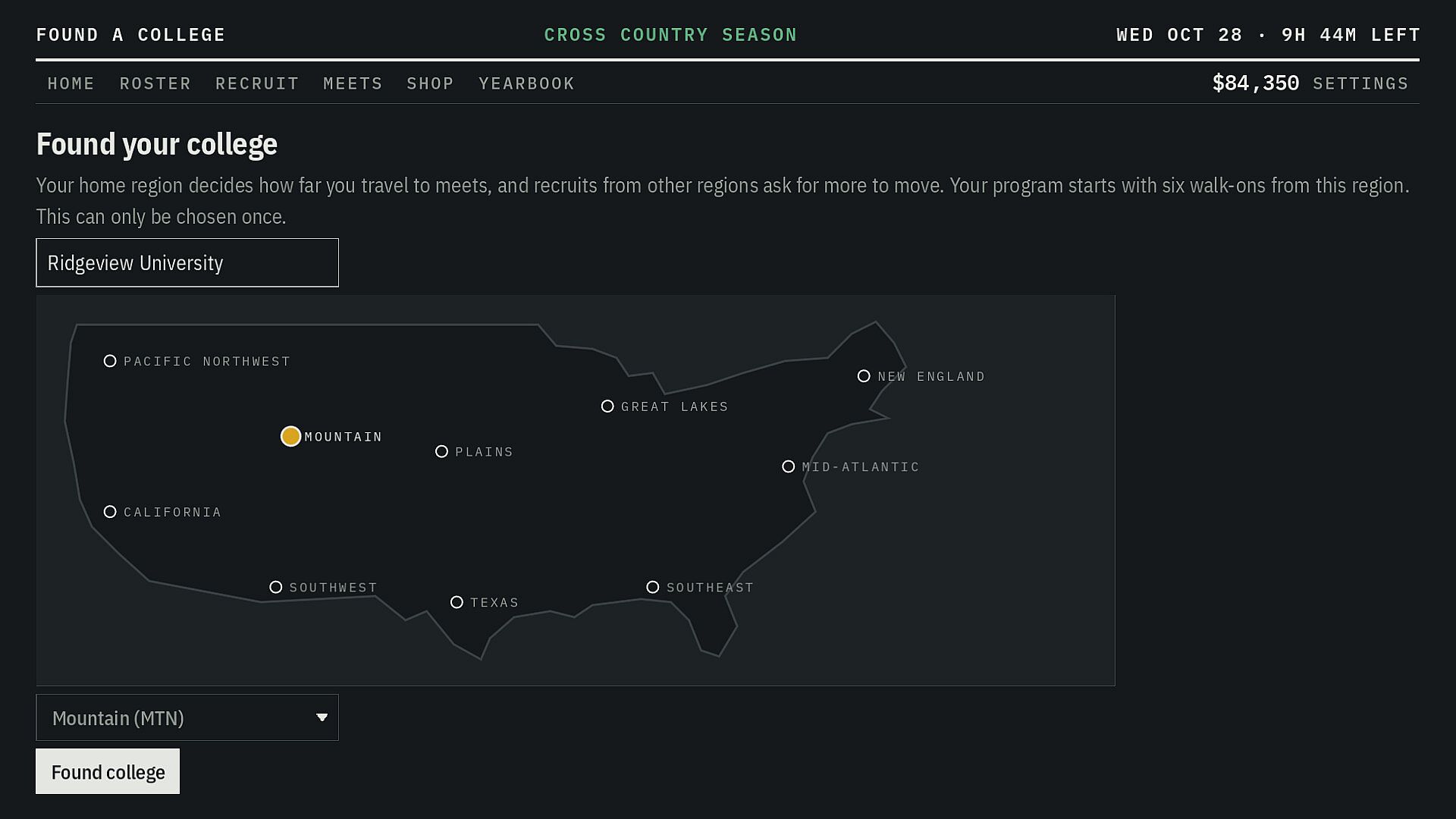
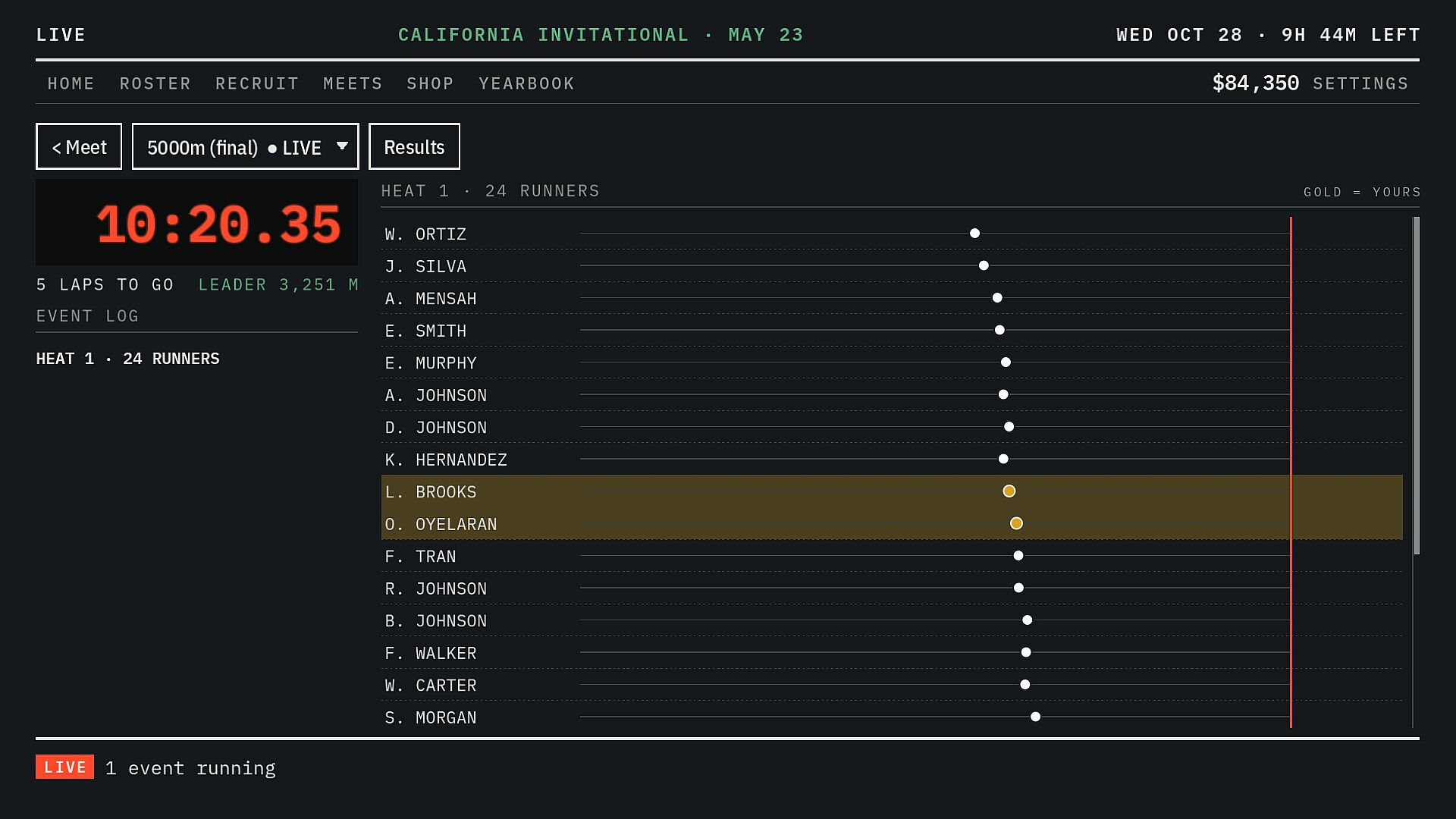
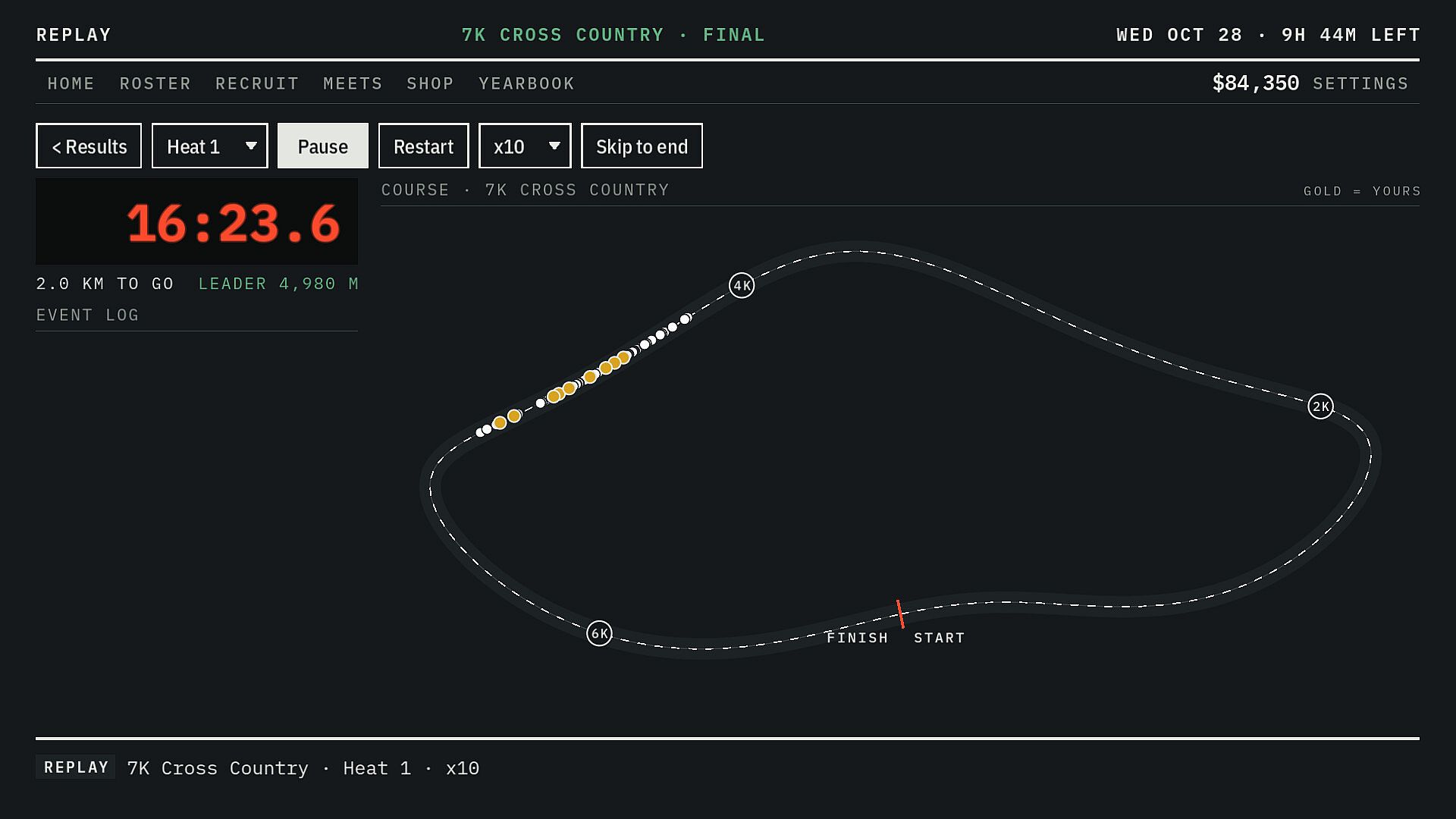
Players begin with a small roster of six walk-on athletes and limited resources, selecting a college location on the map. The goal is steady growth toward national titles through careful resource allocation and performance gains. Meets allow live viewing of athletes on the track or cross country course, with replays and complete results available afterward.
Athletes possess hidden mental traits including toughness, composure, consistency, and racing IQ. These influence big-stage performances without direct visibility, revealed only through observed race outcomes. The shared world means every coach participates in the same environment, with computer-controlled athletes filling fields as needed. An internet connection remains required at all times.
Legacy and Long-Term Progression
Athletes compete for four years before graduating into a yearbook that records school marks, meet history, and achievements. Players track world records, monitor a news feed of major performances, signings, and injuries, and pursue 52 Steam achievements. Facilities and staff upgrades support sustained improvement across multiple seasons.
Is It Worth Playing?
Competition targets players who enjoy deep, systems-driven management simulations with strategic layers in recruitment, training optimization, injury mitigation, and meet scheduling. The always-online shared world adds persistence and indirect competition against other coaches without direct player-versus-player control during races. No user reviews exist yet because the game has not released. Its December 2026 launch date positions it as an upcoming title for fans of realistic college athletics progression and long-term dynasty building. Those seeking lighter or arcade-style sports experiences may find the attribute depth and daily processing pace too demanding.