






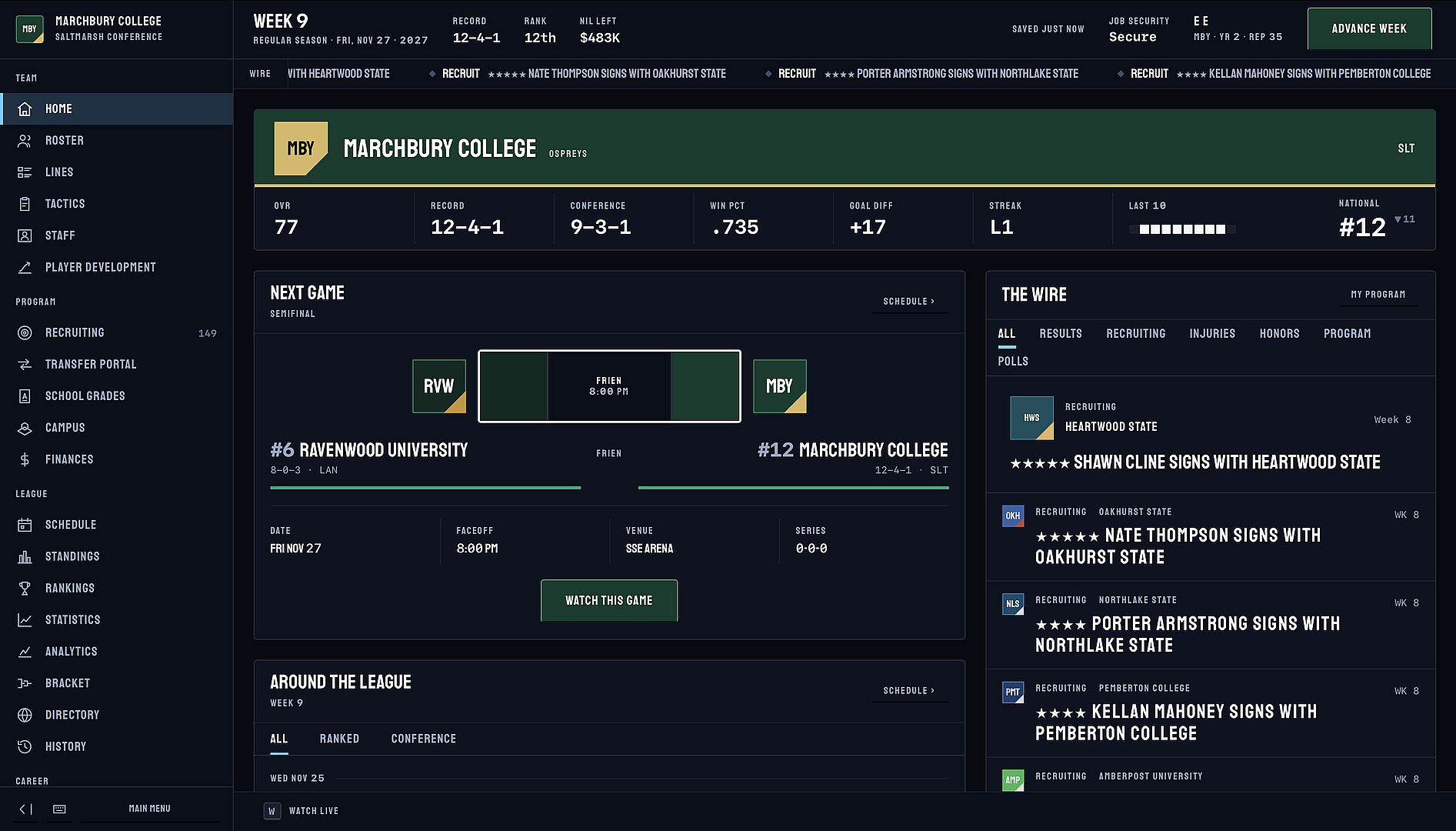
College Hockey 27 is a strategy and simulation sports game for PC that puts players in charge of a college hockey program. The experience centers on long-term program building through recruiting, on-ice coaching decisions, player development, and campus management, all while aiming for national titles and tracking alumni success in the professional ranks.
Gameplay
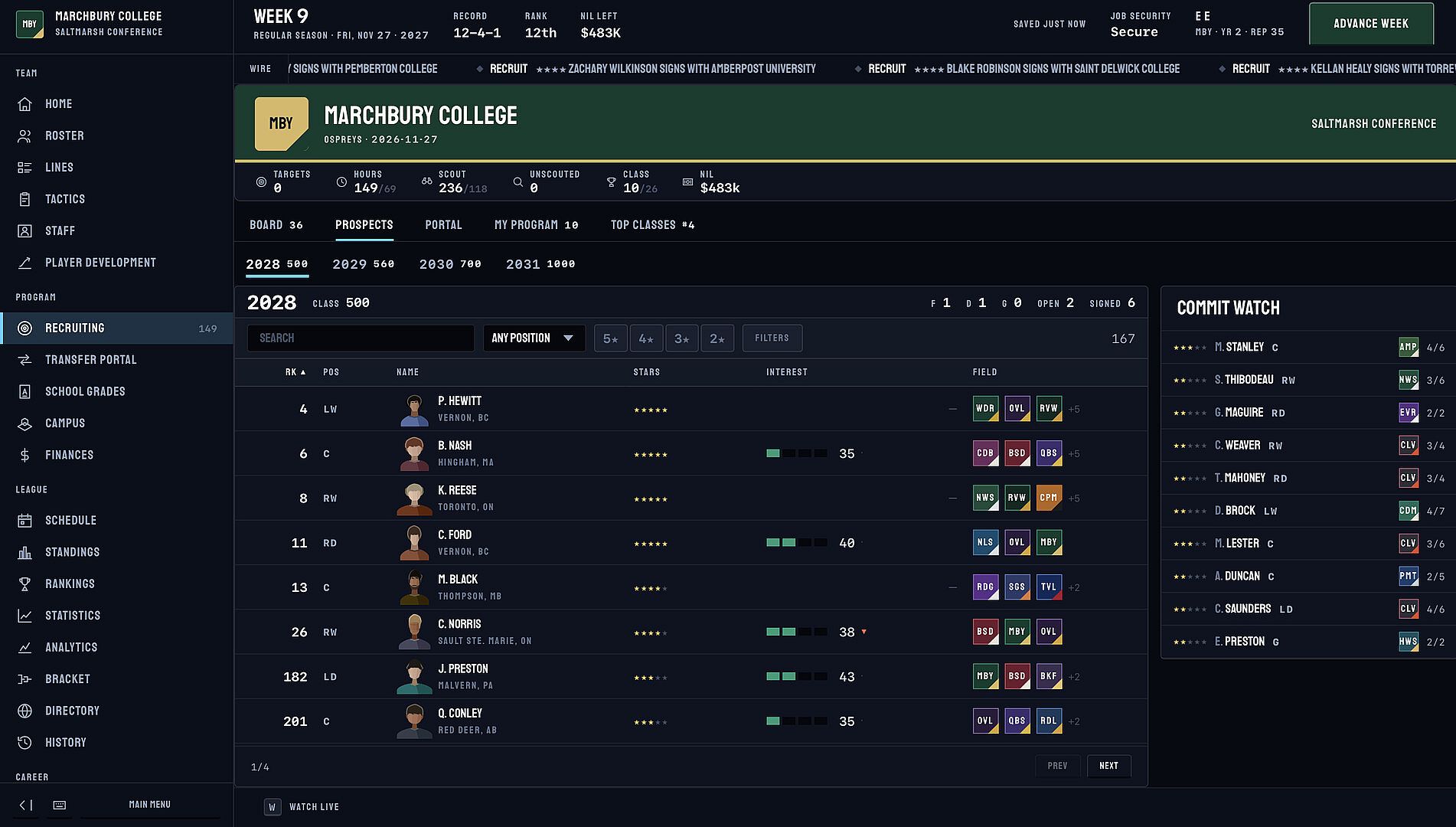
The core loop revolves around weekly recruiting efforts that now follow a structured timeline. The recruiting board sorts prospects by their arrival year, allowing coaches to view needs for forwards, defensemen, and goalies in each upcoming class. Players can adjust commit timelines by pulling talent forward to address immediate roster gaps or pushing them back to balance future classes, though aggressive moves risk losing prospects with other options.
Every recruiting action consumes hours from a limited weekly budget. Options include calling the player, contacting family members, reaching out to junior coaches, hosting campus visits, or making house calls. Each choice displays its projected impact before confirmation. The pitch itself carries weight, as mismatched offers on playing time or development paths damage credibility that proves difficult to recover. Recruits arrive through multiple pathways from different leagues, each applying distinct strength multipliers to their profiles.
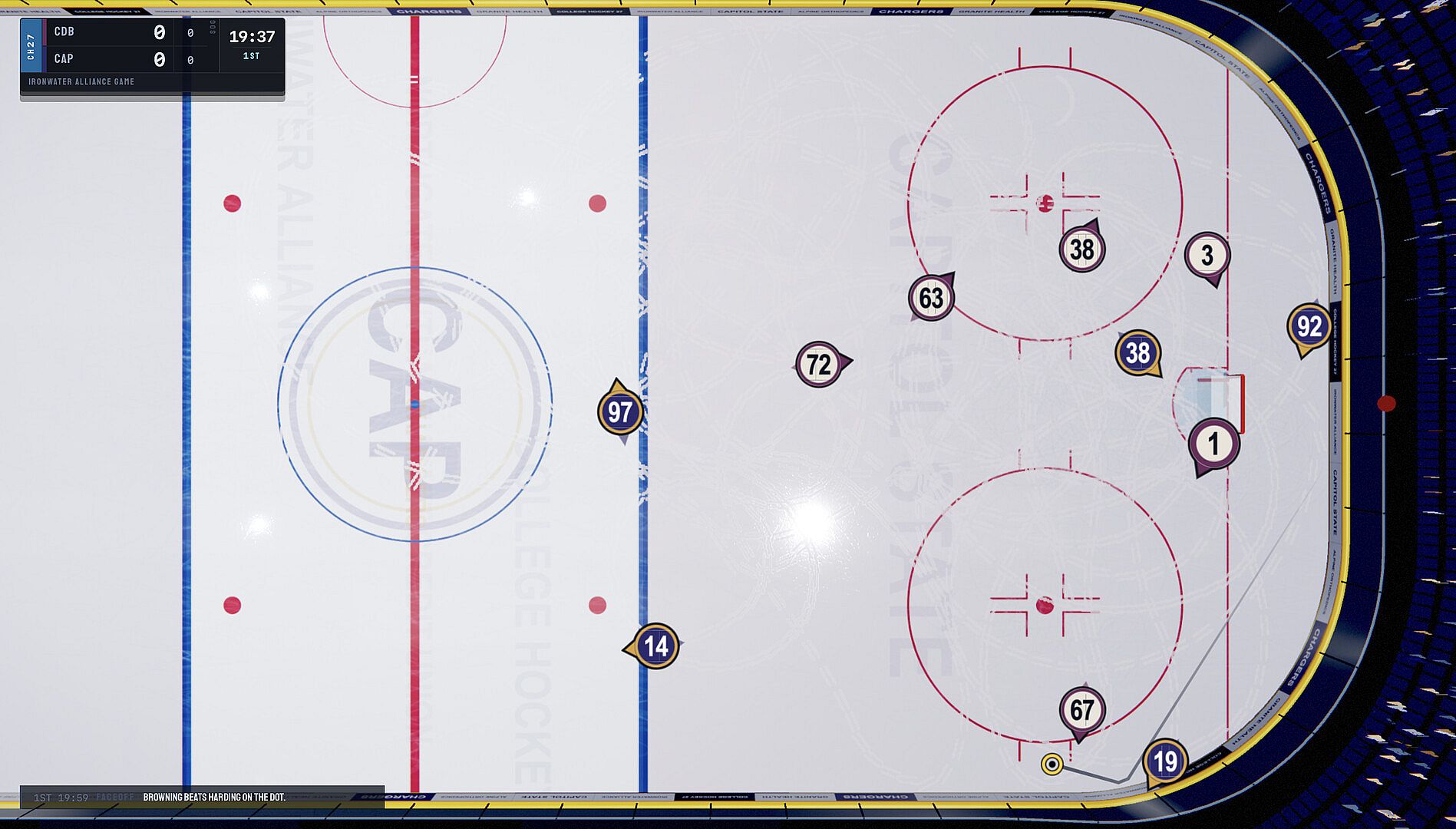
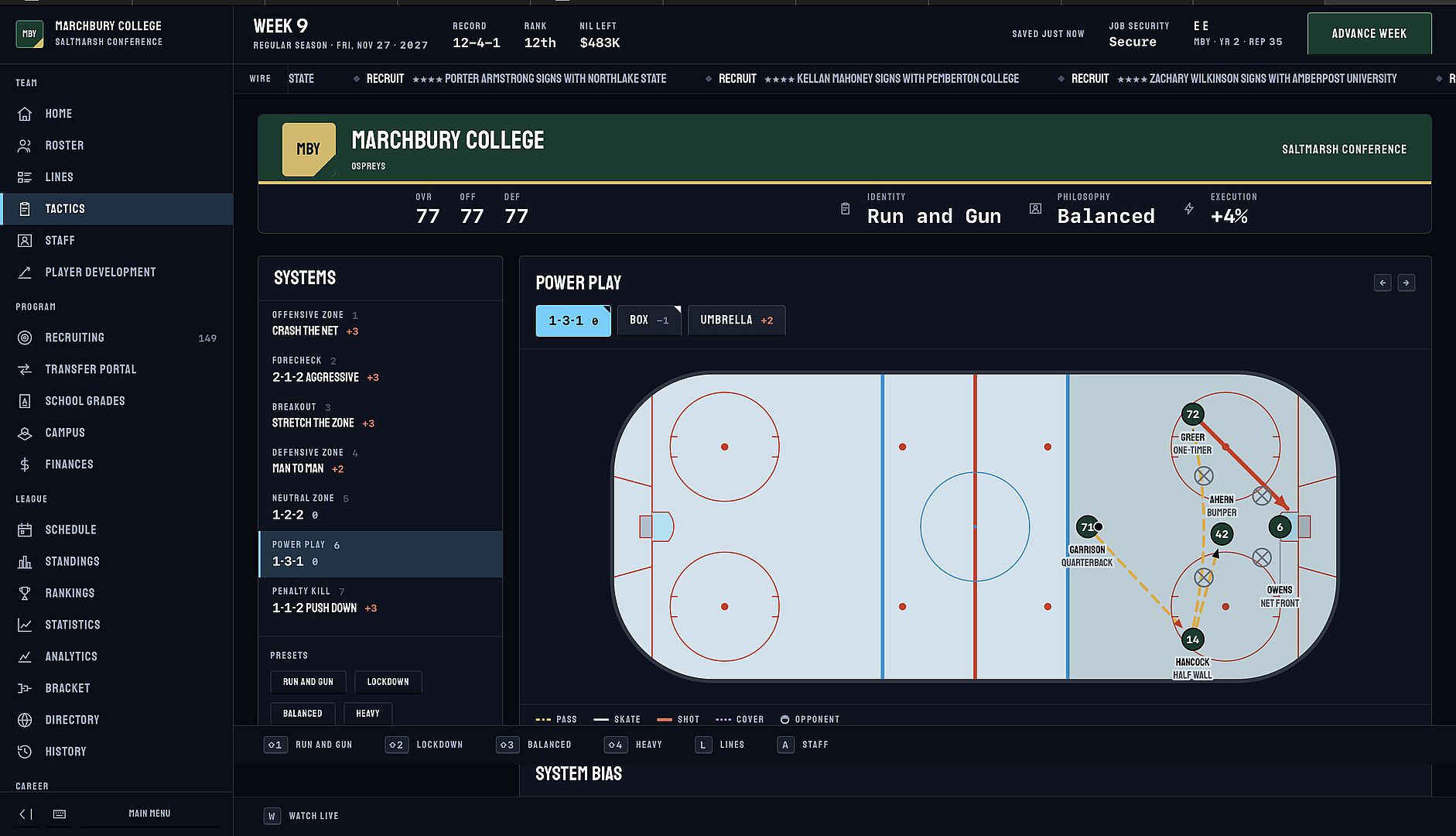
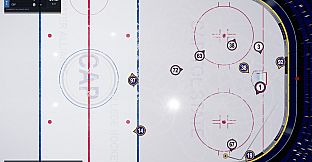
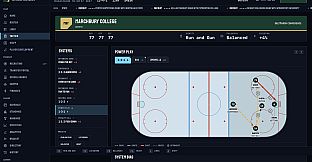
During matches, a top-down broadcast view tracks play with a visible puck trail. Coaches make real-time hockey decisions such as dump-ins, chips, cutbacks, D-to-D passes, and stretch passes. Line and pair management, power-play and penalty-kill unit selection, goalie pulls, and forecheck adjustments occur from the bench. An always-on scorebug displays the live clock, shots, and momentum shifts. The underlying match engine draws from real ice hockey data to generate outcomes supported by built-in scores, stats, and advanced analytics.
Game Modes
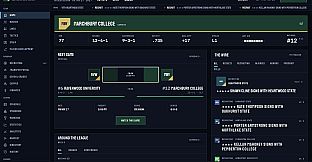
The game structures play around distinct seasonal phases that blend management and simulation elements. Recruiting occupies a dedicated weekly cycle focused on talent acquisition and relationship building. Match viewing allows direct coaching input within the top-down engine during games. Offseason progression includes a new draft day step where eligible players are selected by professional clubs, after which their rights and progress can be monitored across leagues and continents.
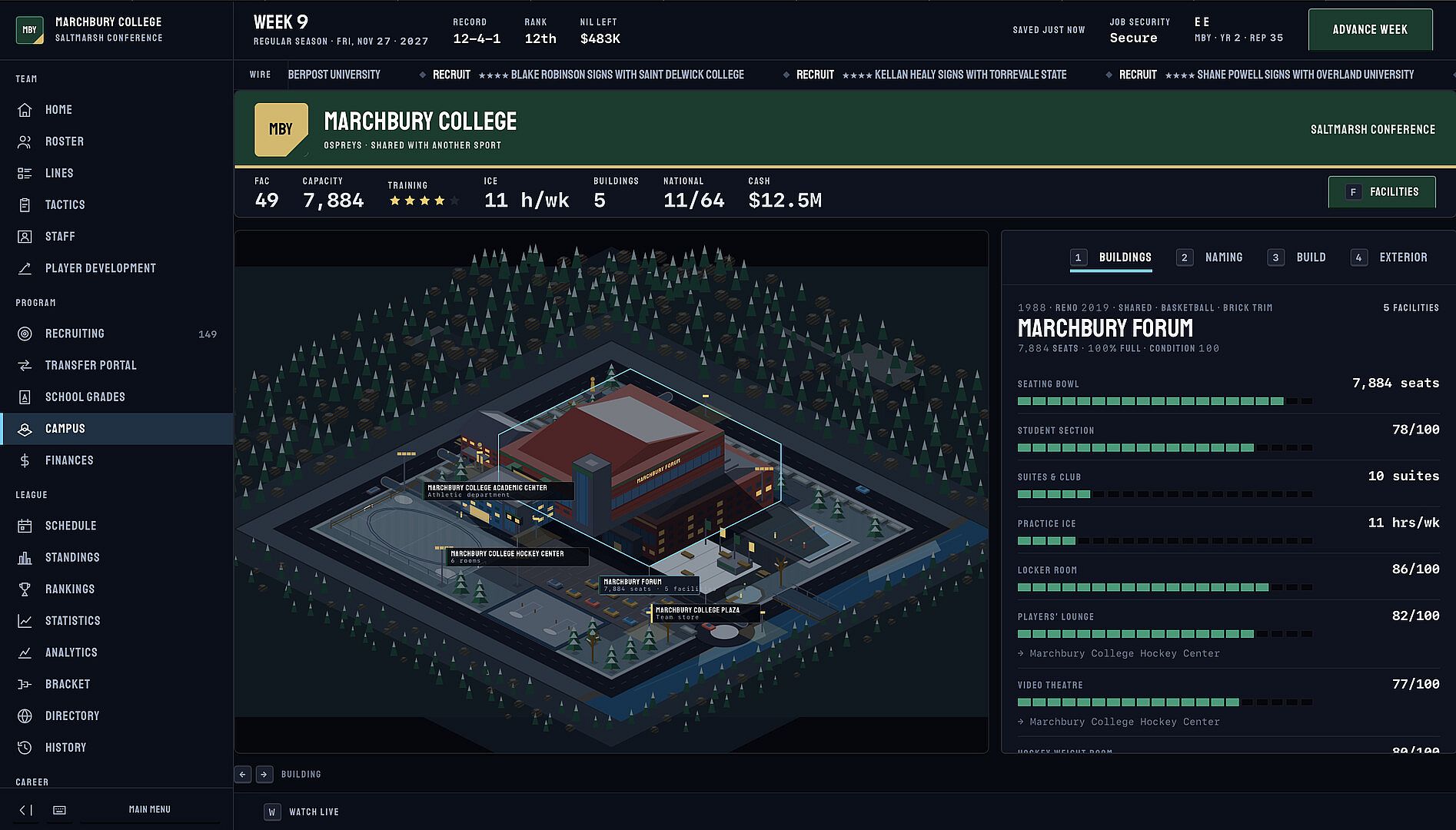
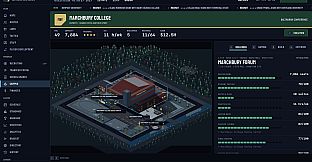
Player tracking extends beyond active rosters through persistent cards that log every former player's journey, from commitment date through professional milestones. Campus development operates as an ongoing building and revenue system where naming rights sales generate annual income and facility placement decisions affect operations. Academic schools face restricted recruiting pools based on institutional policies, adding a layer of strategic constraint to roster construction.
Player Development and Analytics
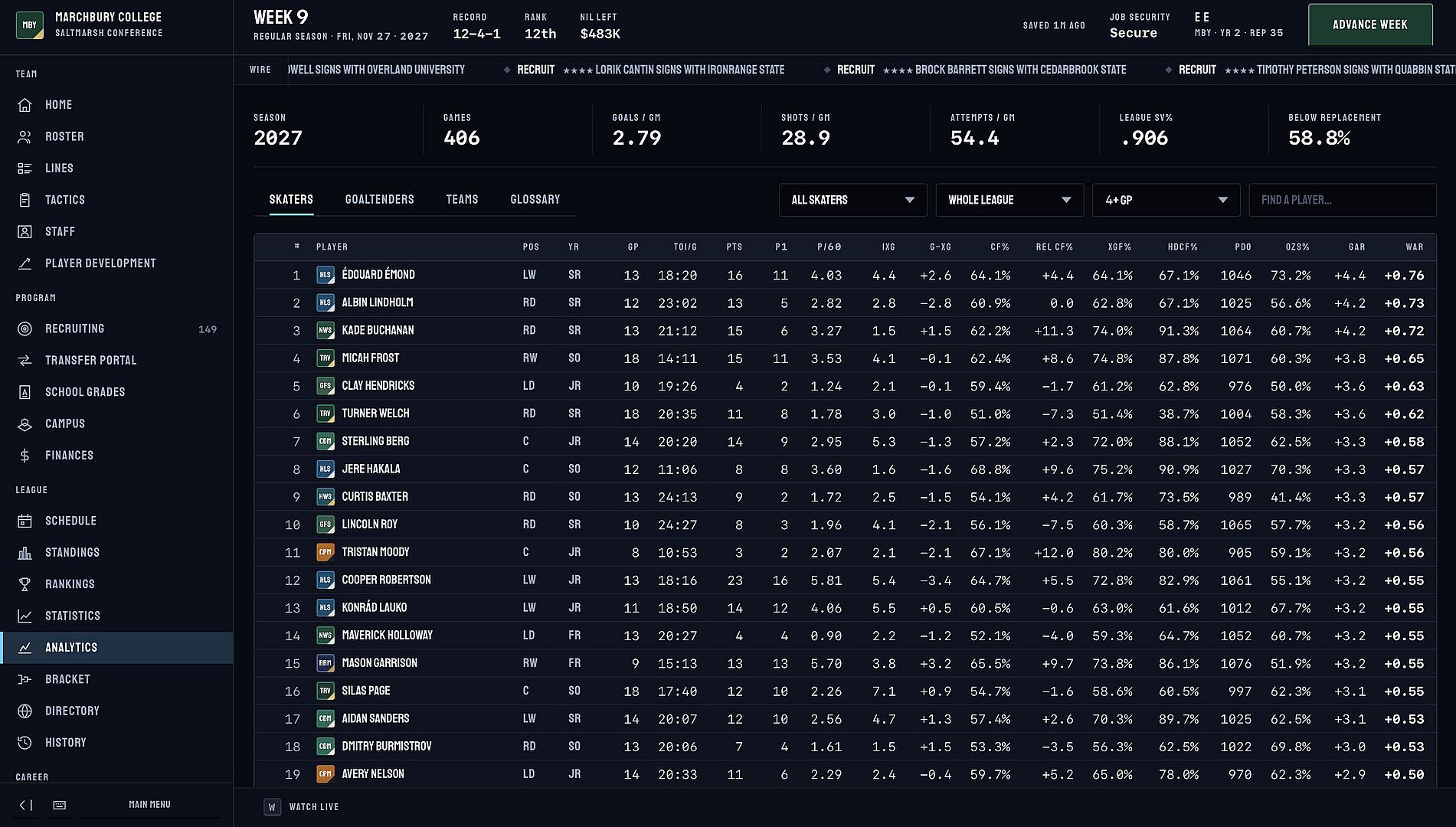
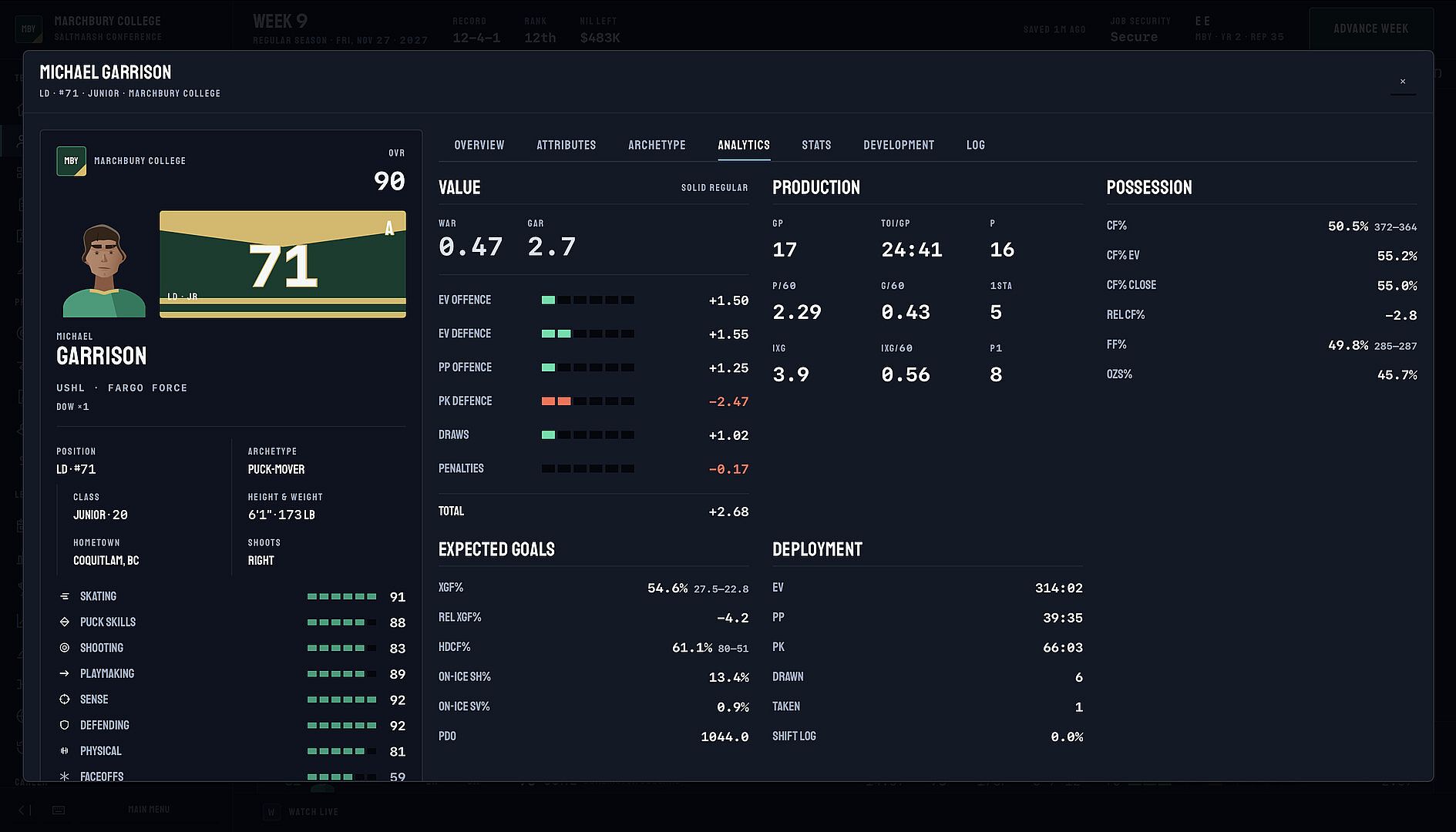
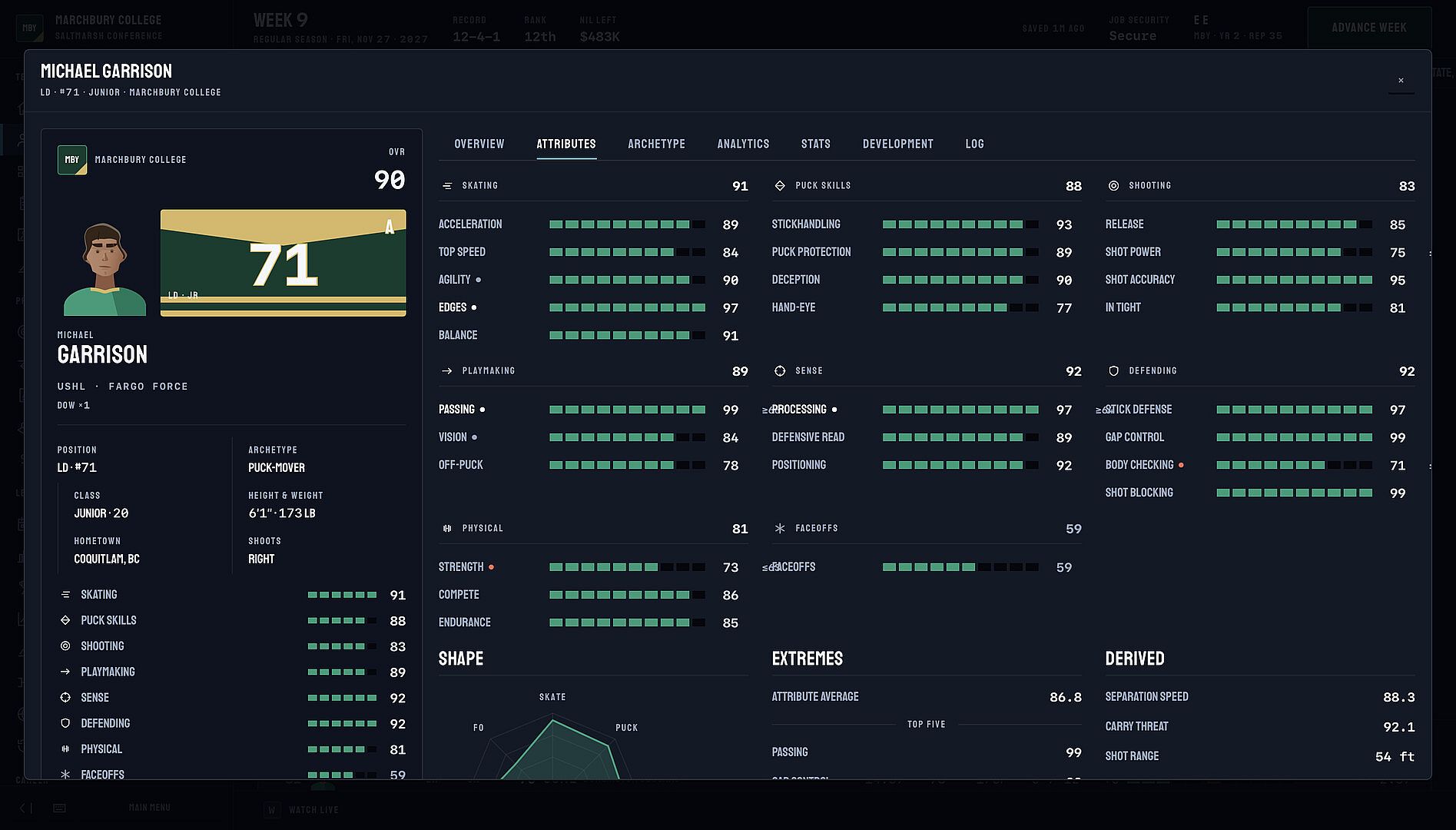
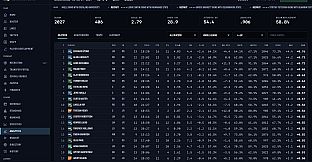
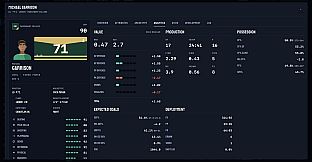
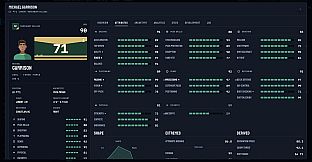
Updated attribute systems provide twice the previous number of micro-stats, each influencing the simulation engine in specific ways. Player builds now emphasize specialization, ranging from playmaking power forwards to dual-threat scorers, creating more distinct individual profiles. Advanced metrics such as expected goals, Corsi, WAR, and goals saved above expected integrate directly into evaluations, with the league calibrated against a decade of real scoring data.
Record-keeping tools include program and national record books, retired numbers, seasonal captain elections, and all-time series results against scheduled opponents. These elements support long-term legacy tracking across multiple seasons.
Is It Worth Playing?
College Hockey 27 targets players who enjoy deep strategy and simulation in a college sports context. The detailed recruiting timeline, direct coaching controls during matches, pro pathway tracking, and campus customization deliver a focused management experience without traditional multiplayer emphasis. As the title remains in development with a coming-soon release, no player reviews or ratings are available yet. Those drawn to realistic hockey mechanics, roster building over multiple years, and data-driven decisions will find the verified systems align closely with that interest. Fans seeking lighter arcade-style play or immediate competitive online modes may want to monitor further updates before committing.