




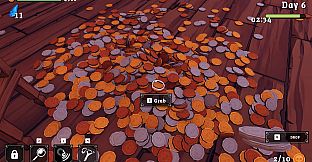


Coins in Place is an indie casual simulation game built around incremental progression and a focused coin collection loop set inside a tavern. Players step into the role of a cleaning service worker tasked with clearing scattered coins from the floor before the week ends. The experience centers on steady, hands-on collection that grows more demanding each day, rewarding careful planning and efficient movement as the mess expands.
Gameplay
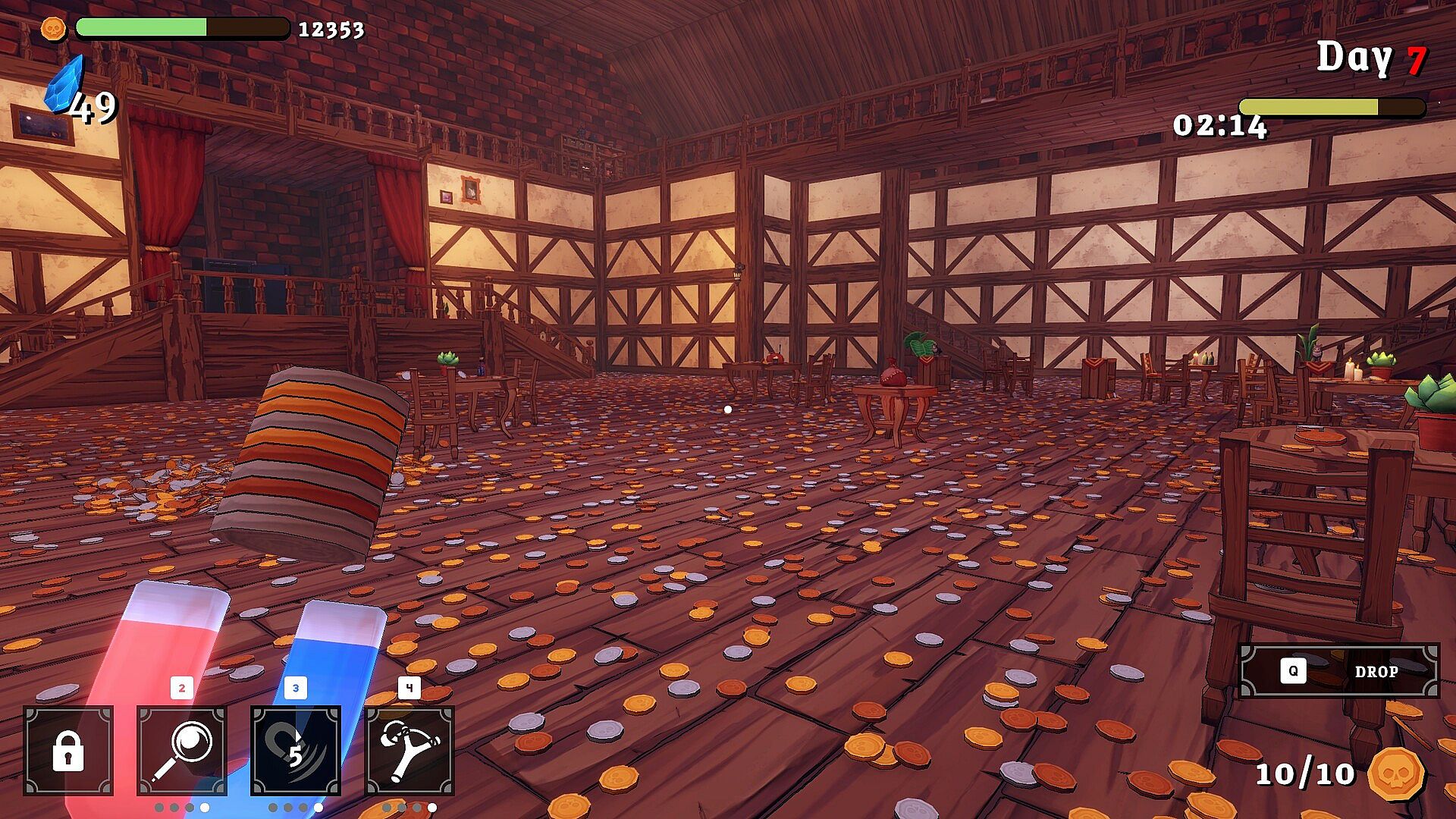
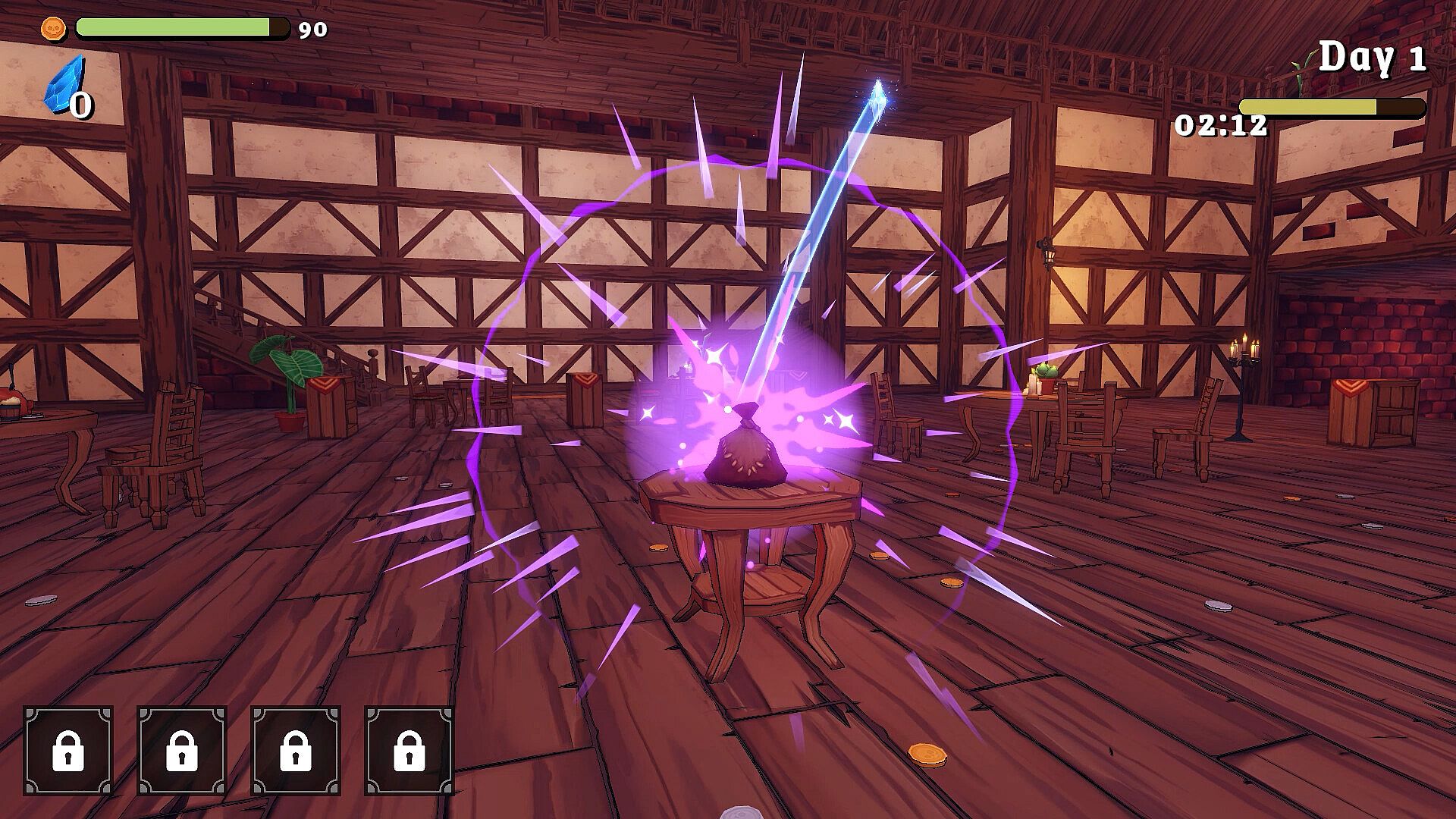
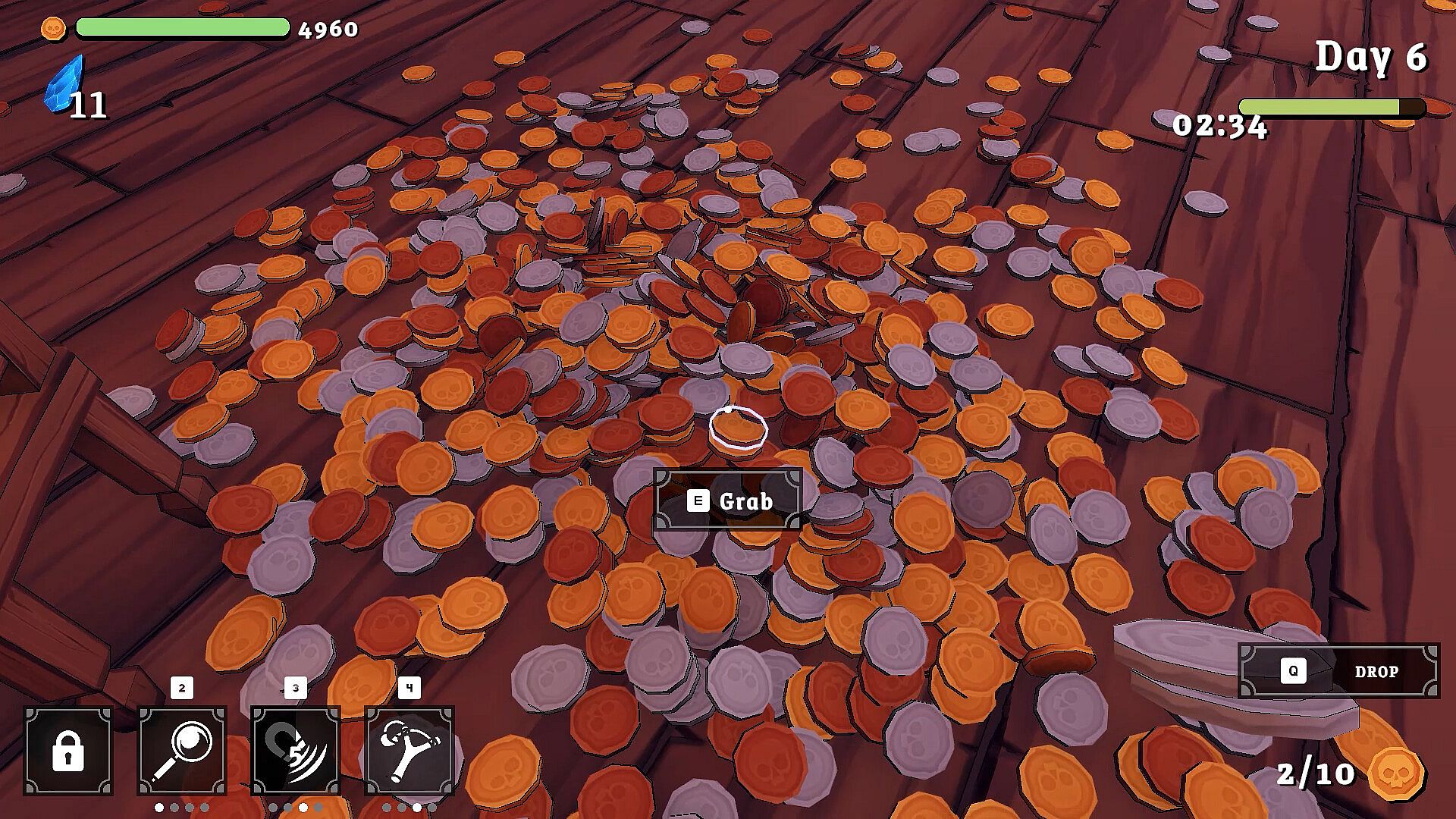
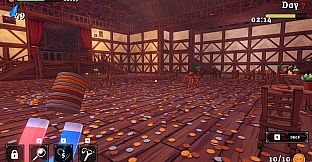
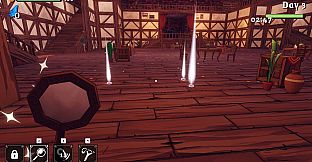
The core loop involves walking the tavern floor to locate and pick up individual coins, then depositing them into a bag. Each successful deposit contributes to daily totals while the environment gradually accumulates more coins. Early days allow a measured pace, but the challenge intensifies toward the end of the week when the floor becomes densely covered. Time limits per day force players to prioritize high-density areas and optimize routes to avoid leaving any coin behind.
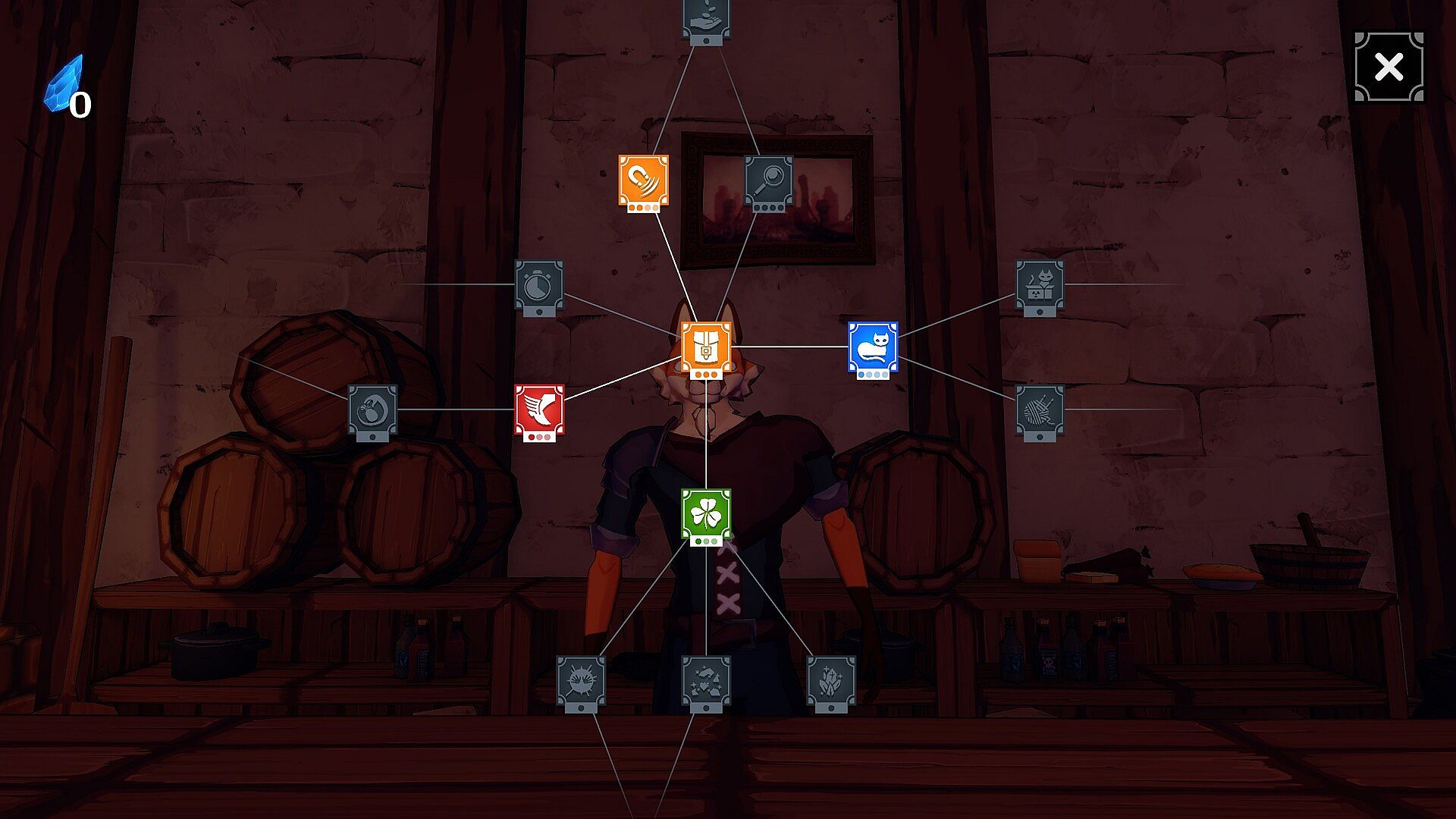
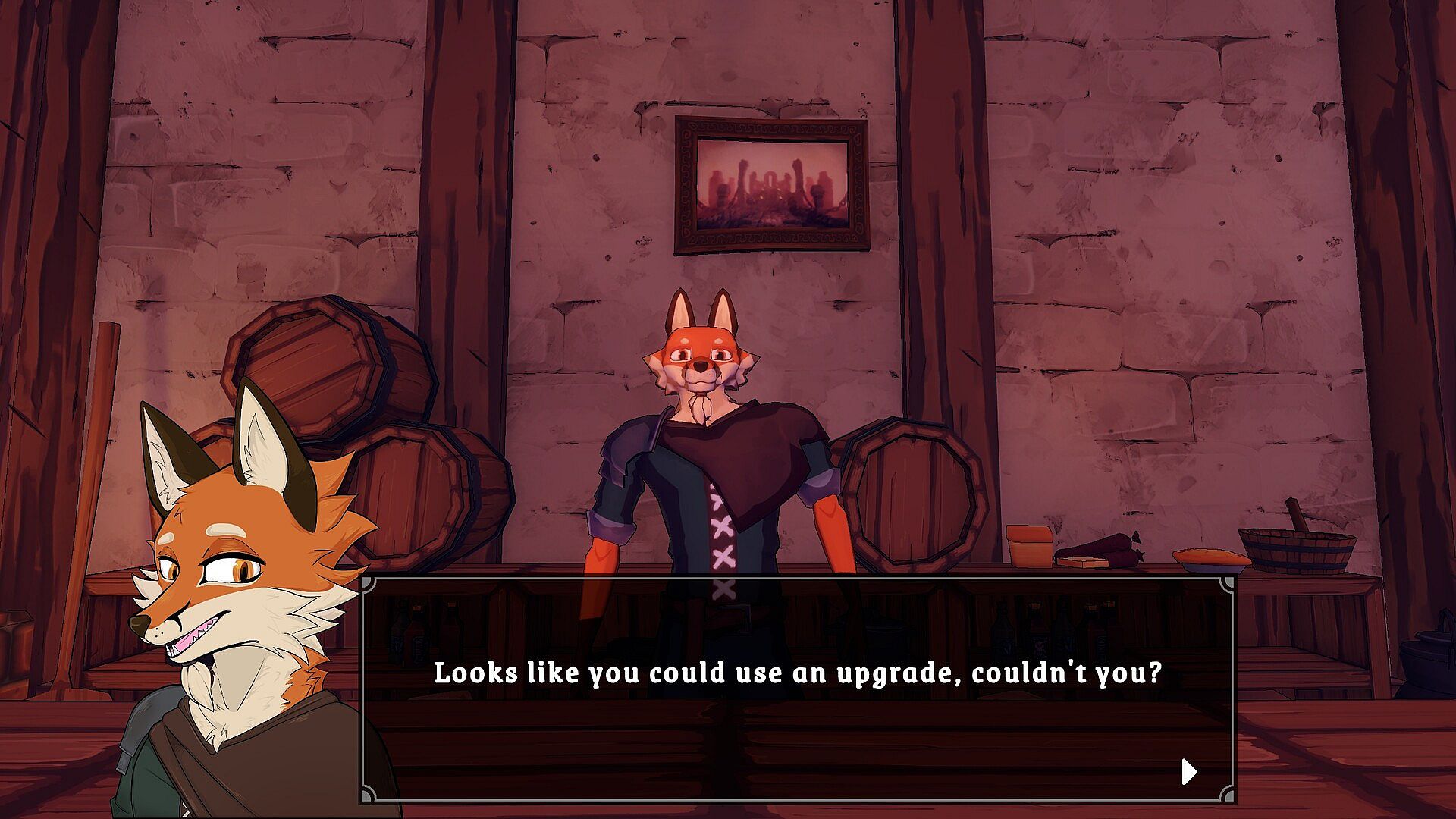
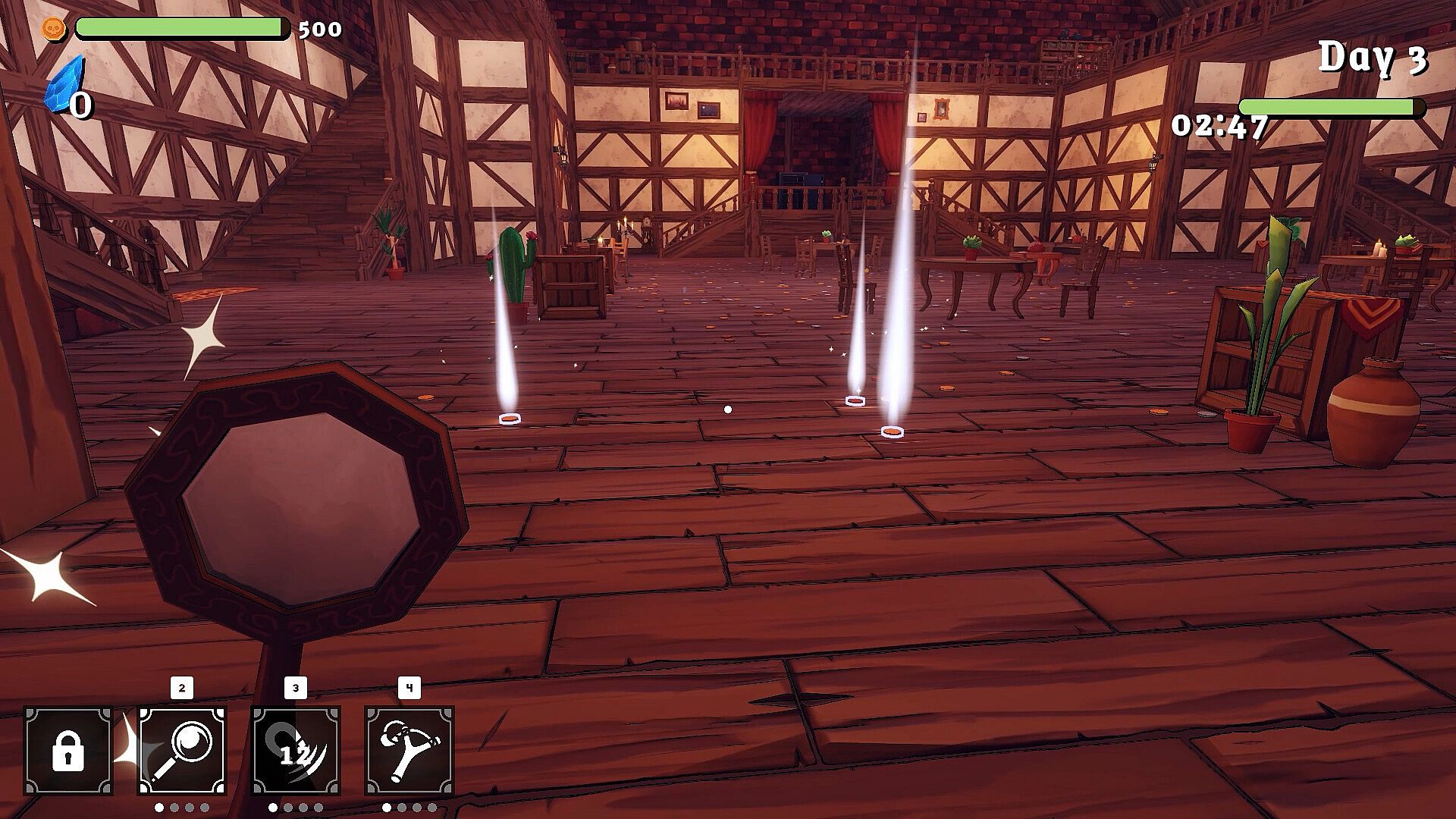
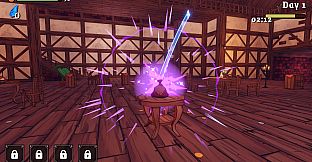
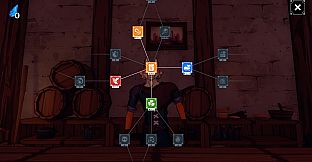
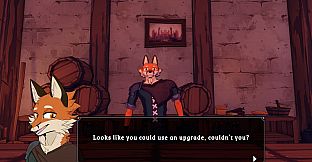
Progression ties directly to collection volume. Depositing coins generates gems that can be spent with the bartender on upgrades. These improvements expand carrying capacity, add attraction effects for nearby coins, highlight hidden coins, or introduce tools that launch coins toward the bag from a distance. Movement speed and daily time allowances also increase through purchases, allowing players to cover larger areas more quickly. Upgrades fall into three broad categories that players can mix and match: agility for faster traversal, utility for better collection tools, and automation elements that reduce manual effort over time.
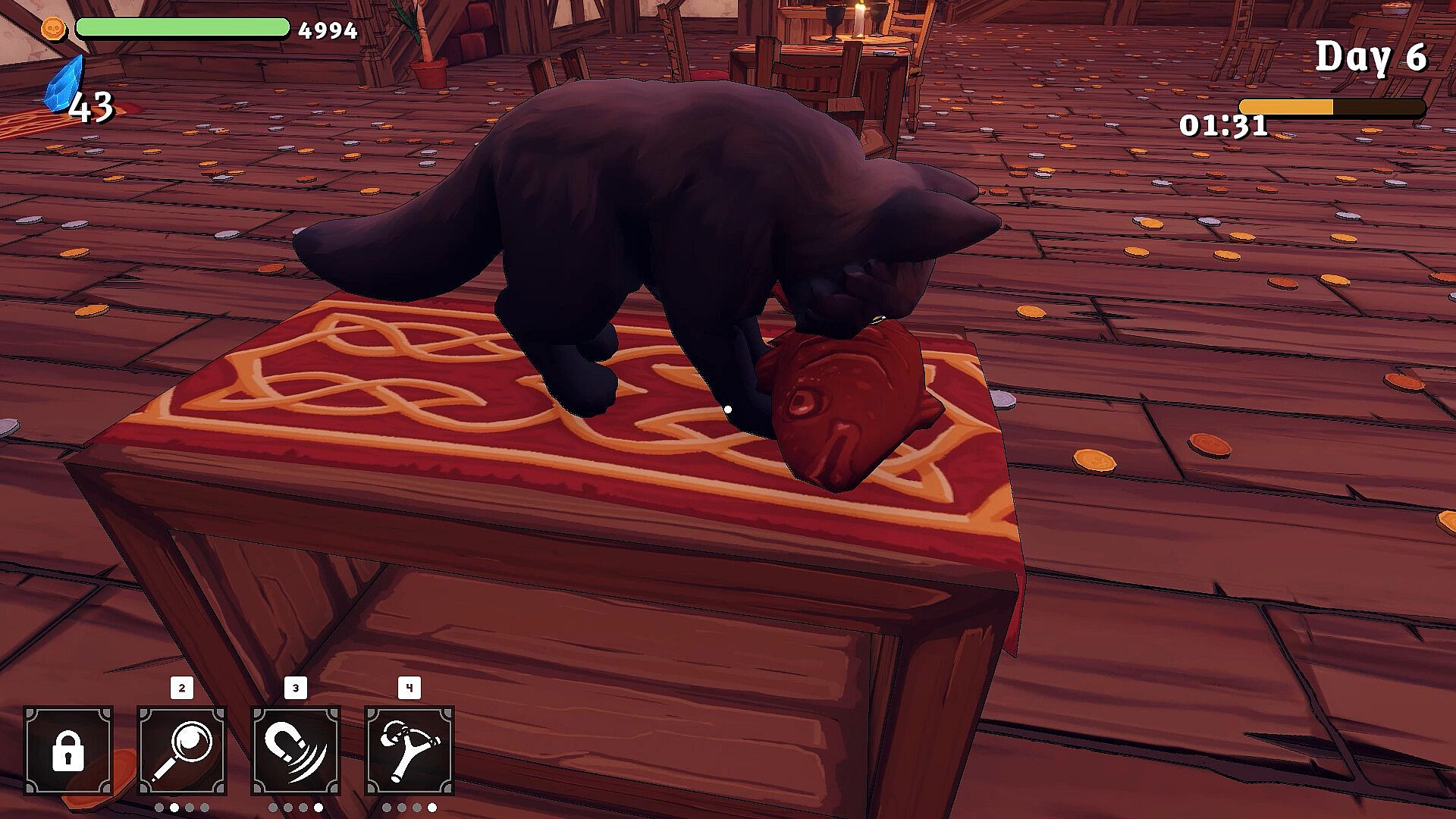
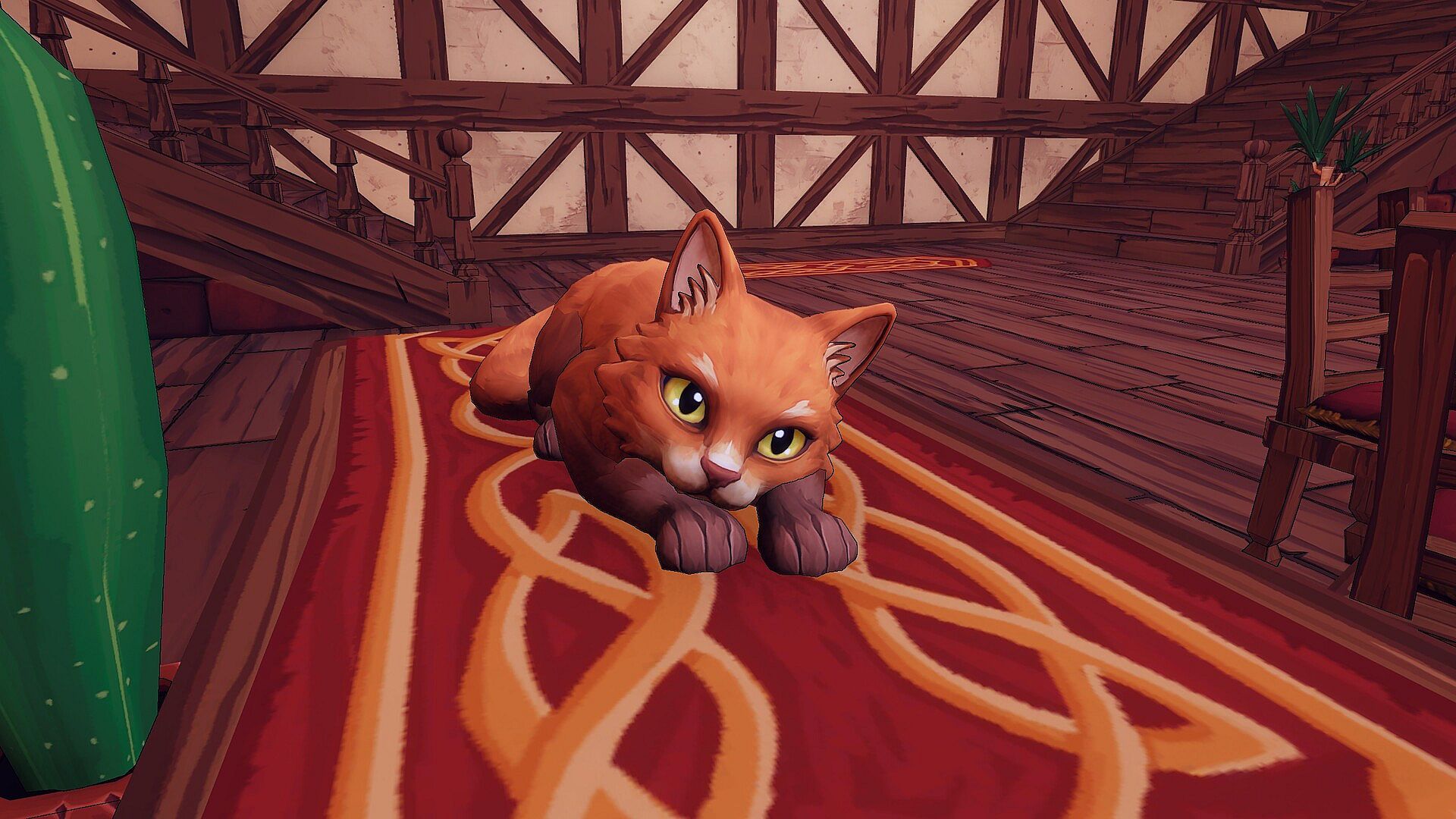
Four-legged assistants appear as the player advances. Cats roam the tavern independently, gathering coins and delivering them to the bag. Acquiring more cats lightens the workload, and players can interact with them directly through petting animations that provide a brief moment of calm amid the collection tasks.
Game Modes
The game operates as a single continuous campaign structured around a seven-day period. Each day presents a fresh layer of coins on the tavern floor, with totals increasing steadily until the final day delivers the largest accumulation. Success requires clearing every coin within the allotted time; missing even one extends the job into another full week. There are no separate competitive or cooperative modes, keeping the focus on personal efficiency and incremental improvement across repeated attempts at the same week-long structure.
Players shape their approach through the upgrade system rather than through distinct modes. Choices between agility-focused paths for quick coverage, utility tools for targeted collection, or automation helpers like additional cats create different rhythms within the same daily framework. The tavern setting remains consistent, with the growing coin density serving as the primary variable that tests adapted strategies.
Progression and Upgrades
Gem earnings scale with the number of coins deposited, creating a steady feedback loop that encourages thorough daily clears. Early upgrades emphasize basic improvements such as larger bags and simple attraction mechanics. Later purchases introduce more specialized options like detectors that reveal coins through obstacles or launchers that move coins without direct contact. The bartender serves as the central hub for these transactions, with each item offering permanent benefits that carry forward through subsequent days and weeks.
Cats function as a passive progression layer. They operate without constant player input once acquired, gradually reducing the active collection burden. Their presence adds a light management element, as more cats require space but deliver compounding returns on the player's time investment.
Is It Worth Playing?
Coins in Place appeals to players who enjoy incremental games and casual simulation titles centered on methodical tasks and visible environmental change. The one-week structure provides a clear short-term goal while the upgrade and cat systems offer longer-term optimization depth. Those who appreciate relaxing collection mechanics paired with light strategy around route planning and resource allocation will find a consistent loop that rewards persistence without overwhelming complexity. The absence of multiplayer or additional campaigns keeps the experience tightly focused on the tavern cleaning premise, making it suitable for short sessions or extended playthroughs aimed at perfecting a single week.