






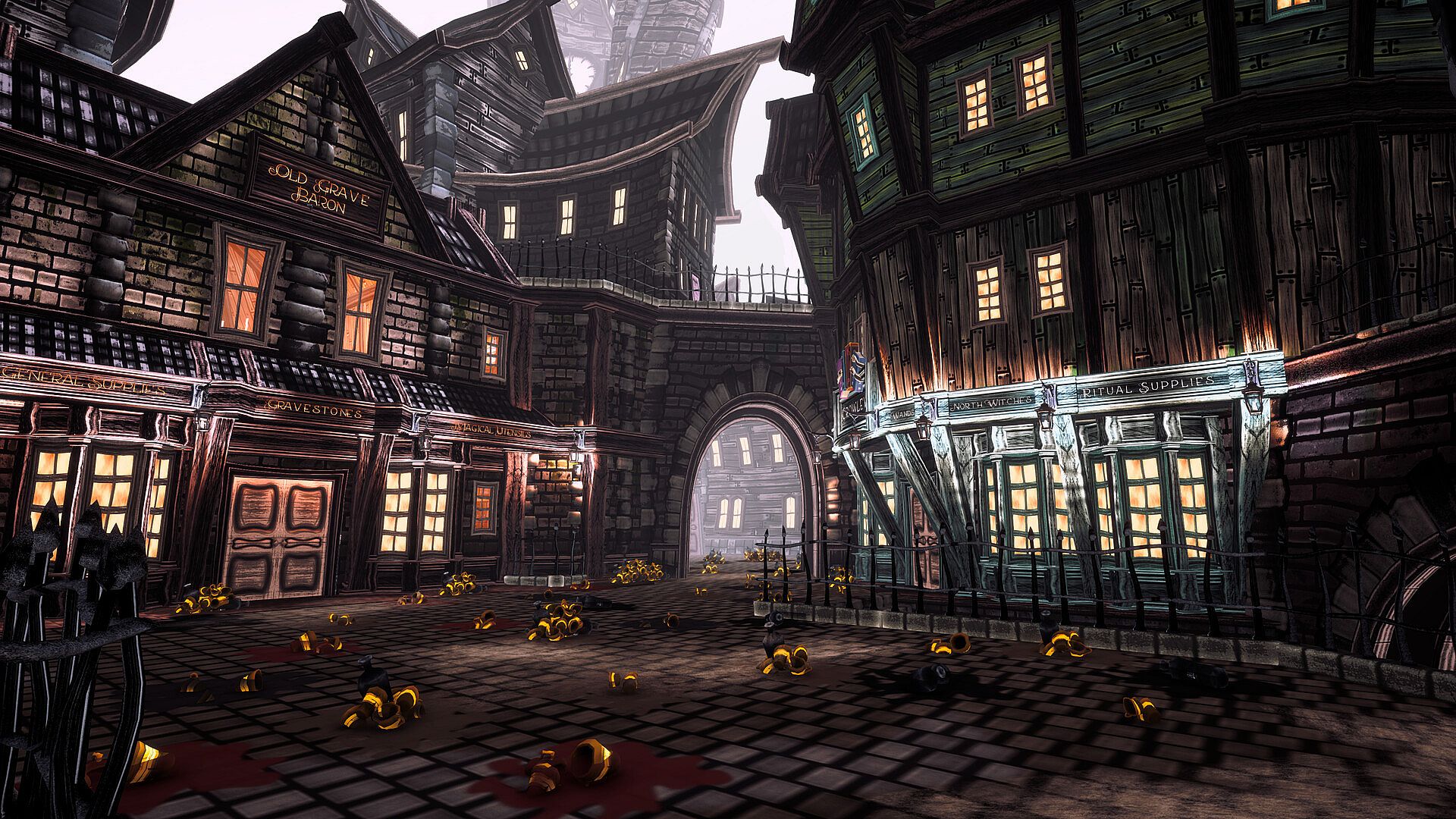
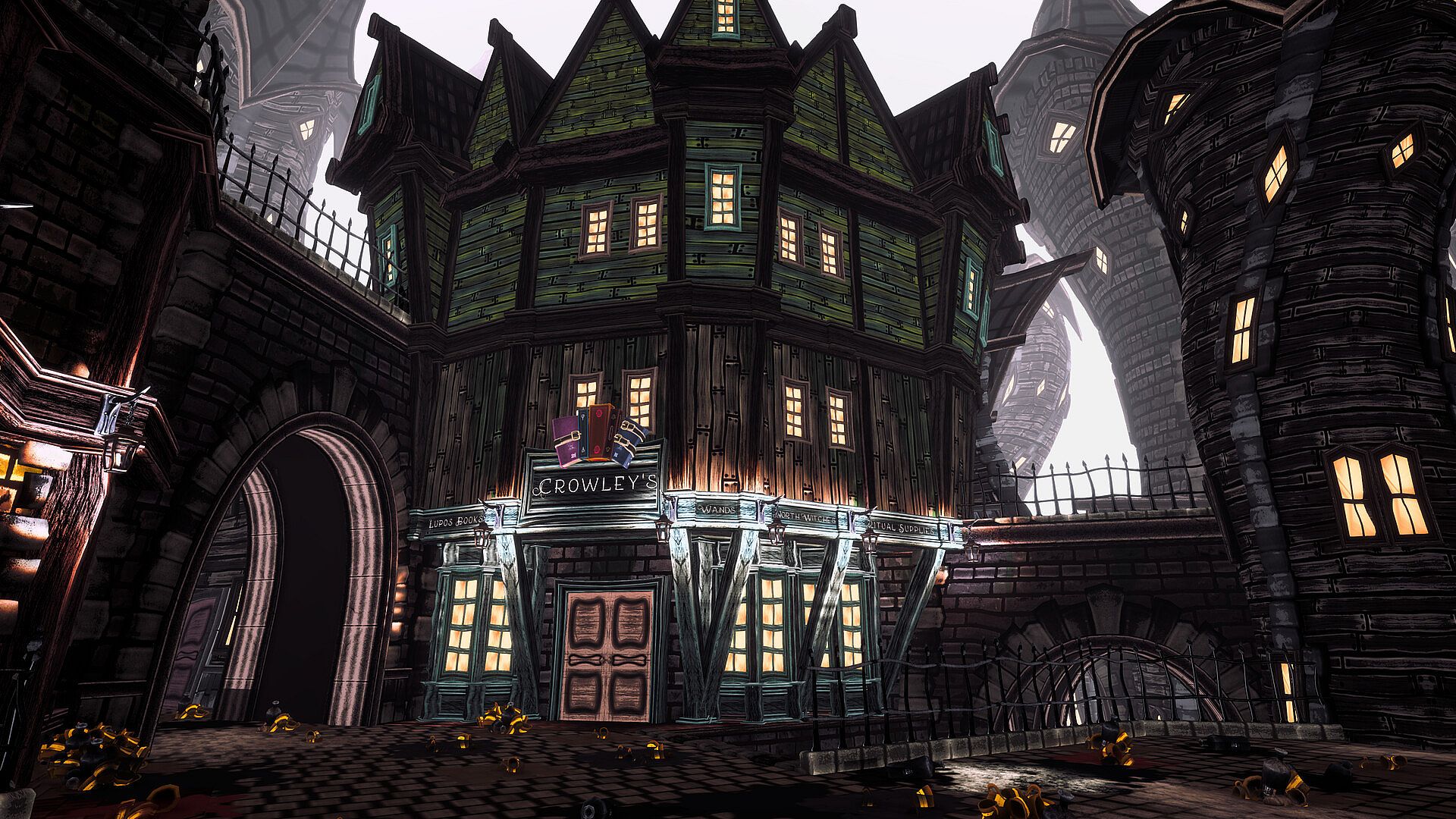
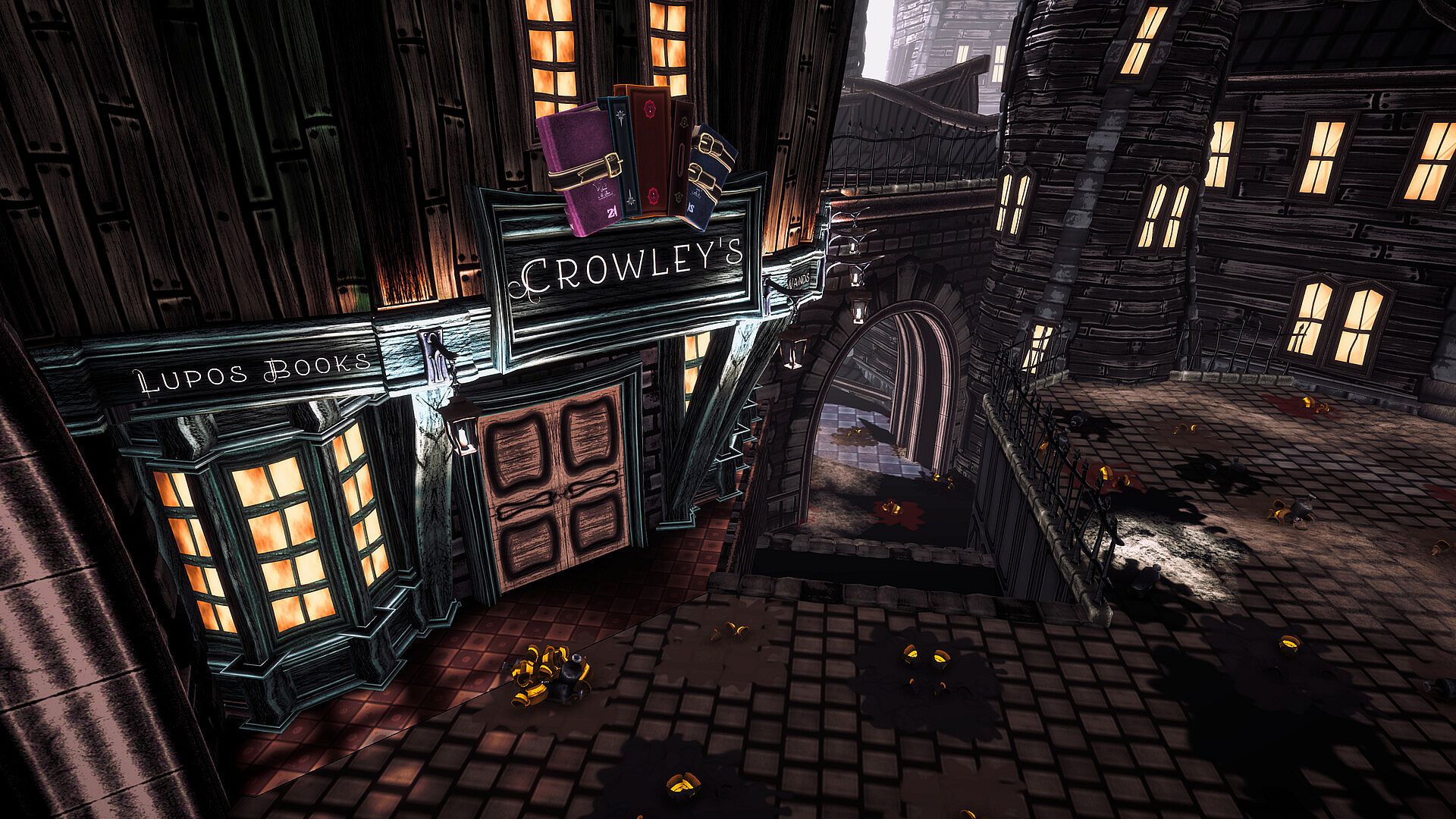
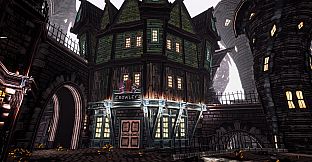
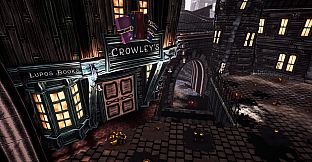
Cluttermancer: Tidy Up the Nightmare Alley is an indie casual simulation game built around methodical sorting and organization in a magical setting. Players step into the role of a cleaner tasked with restoring order to five distinct shops along a crooked alley filled with misplaced items.
Gameplay
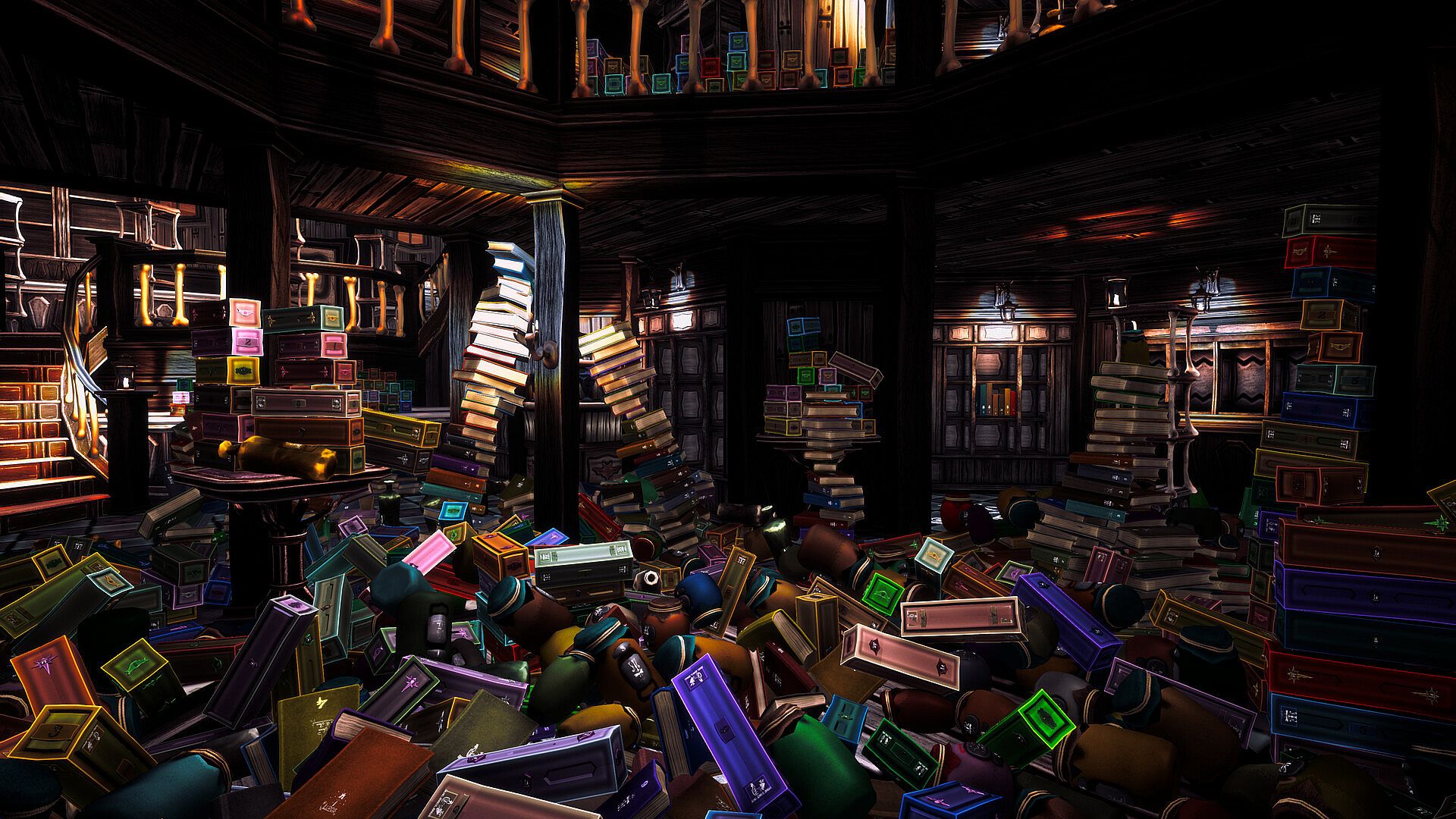
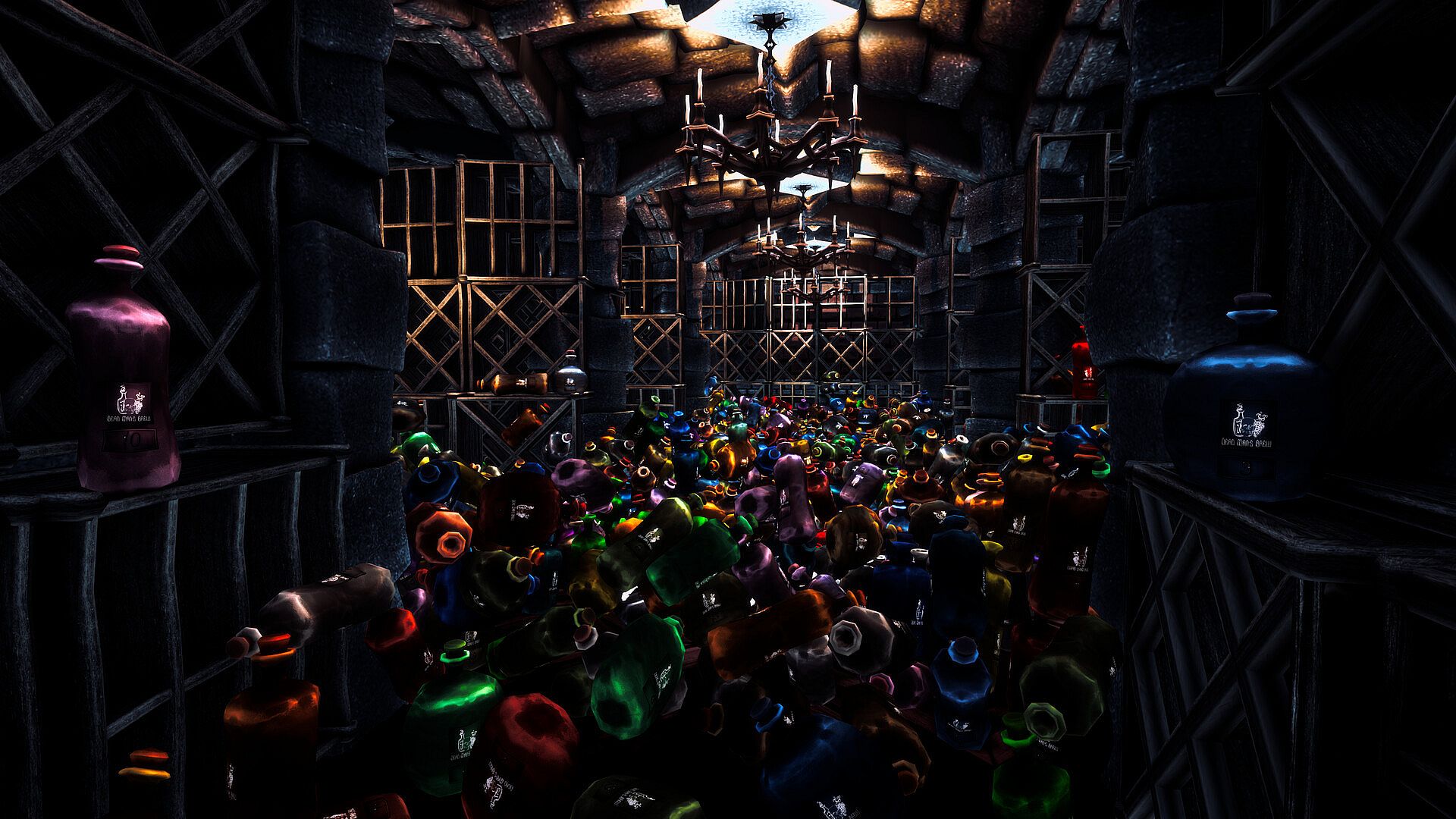
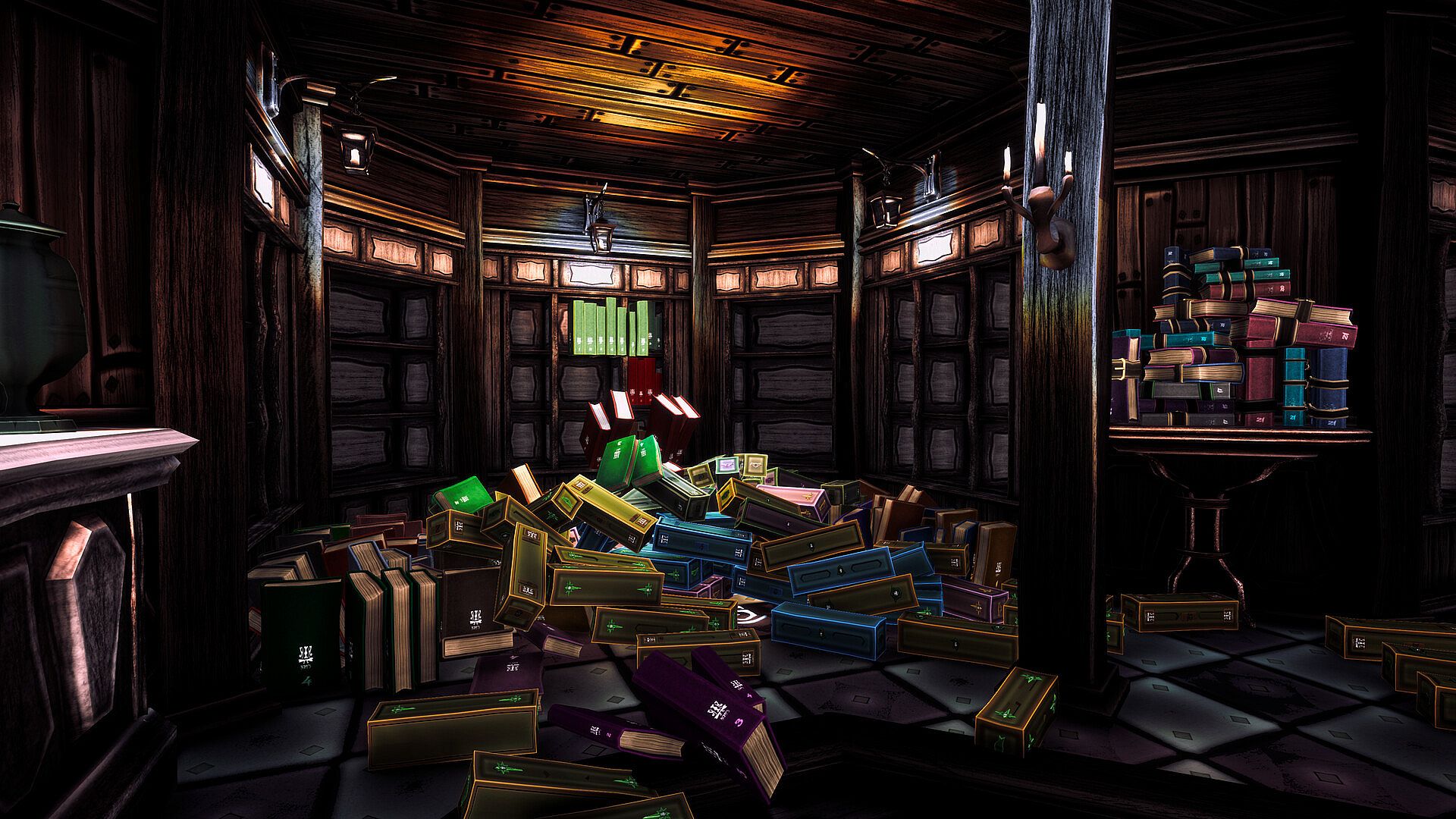
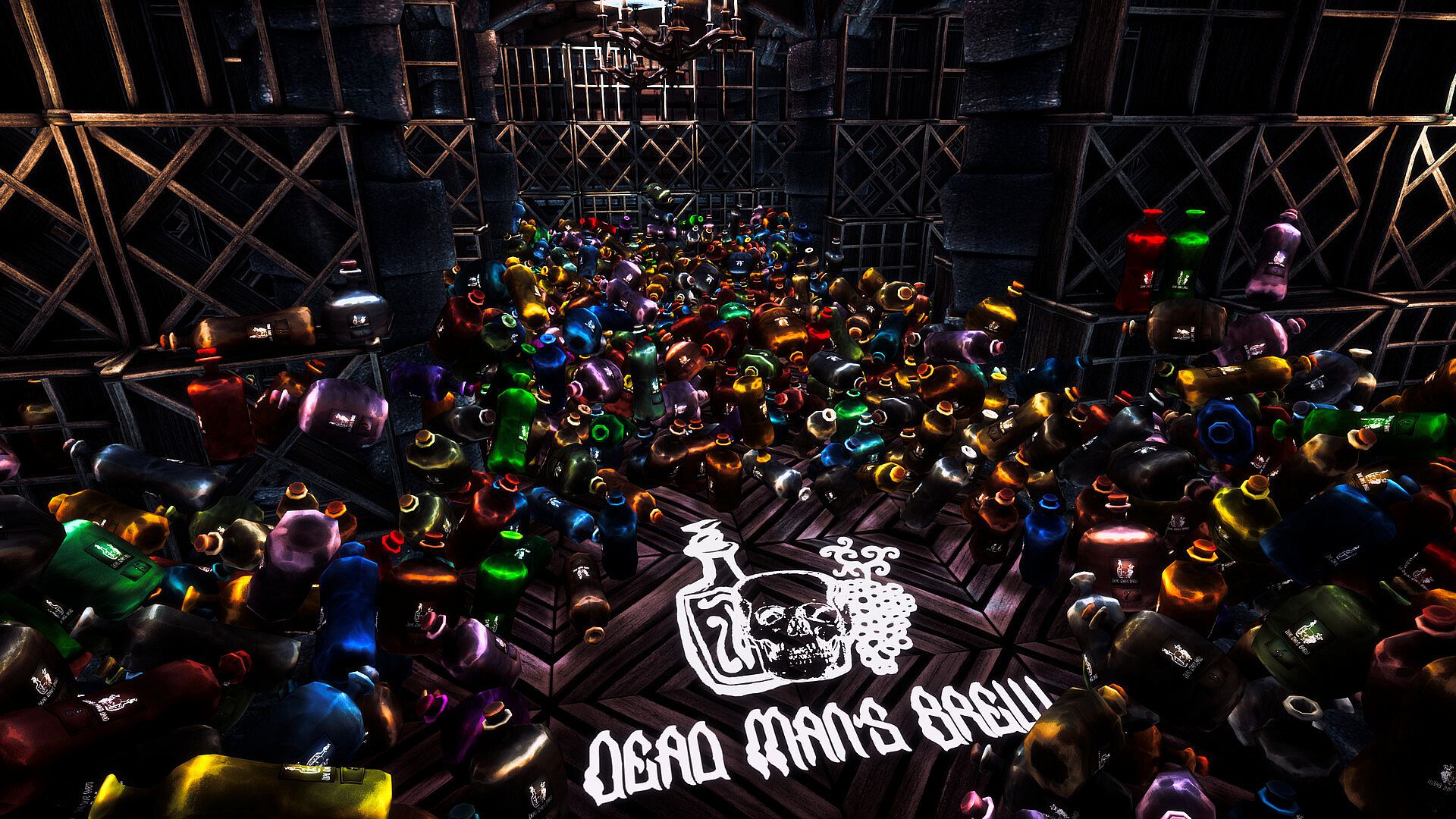
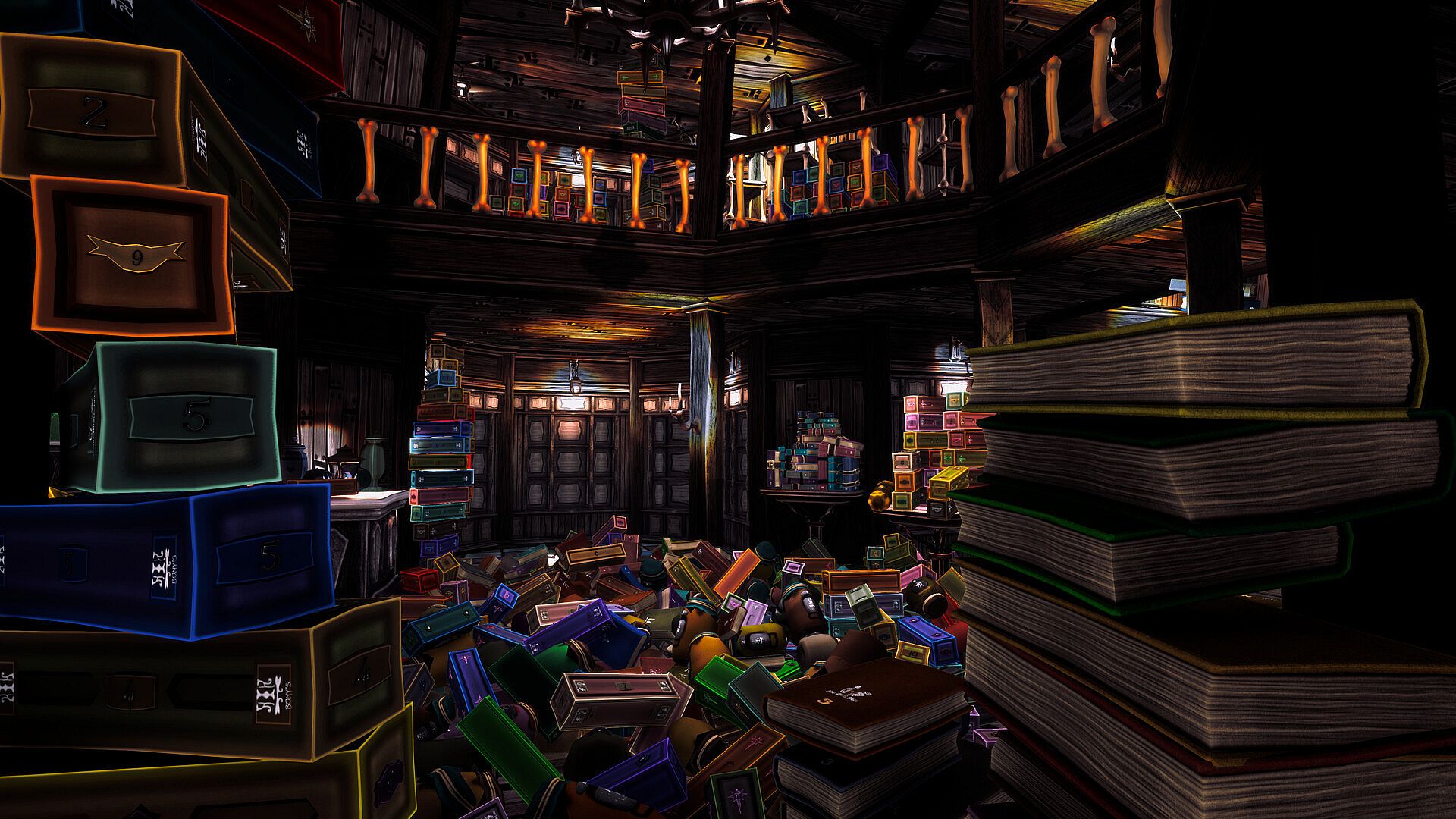
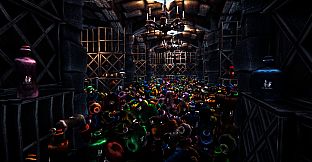
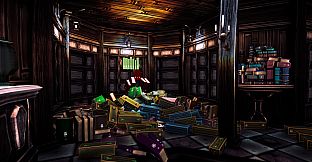
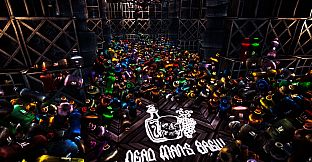
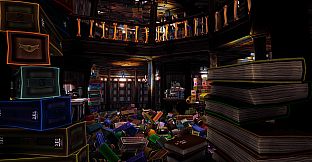
The core loop centers on identifying and relocating thousands of individual objects to their correct shelves and locations. With 6,666 items scattered across the shops, each one carries visual and contextual clues that guide placement decisions. The wand shop features humming wands that signal their proper spots through subtle animations and sounds. The bookshop holds whispering tomes whose faint voices hint at correct shelving. The apothecary contains jars of unidentified substances that require careful matching based on appearance and labels.
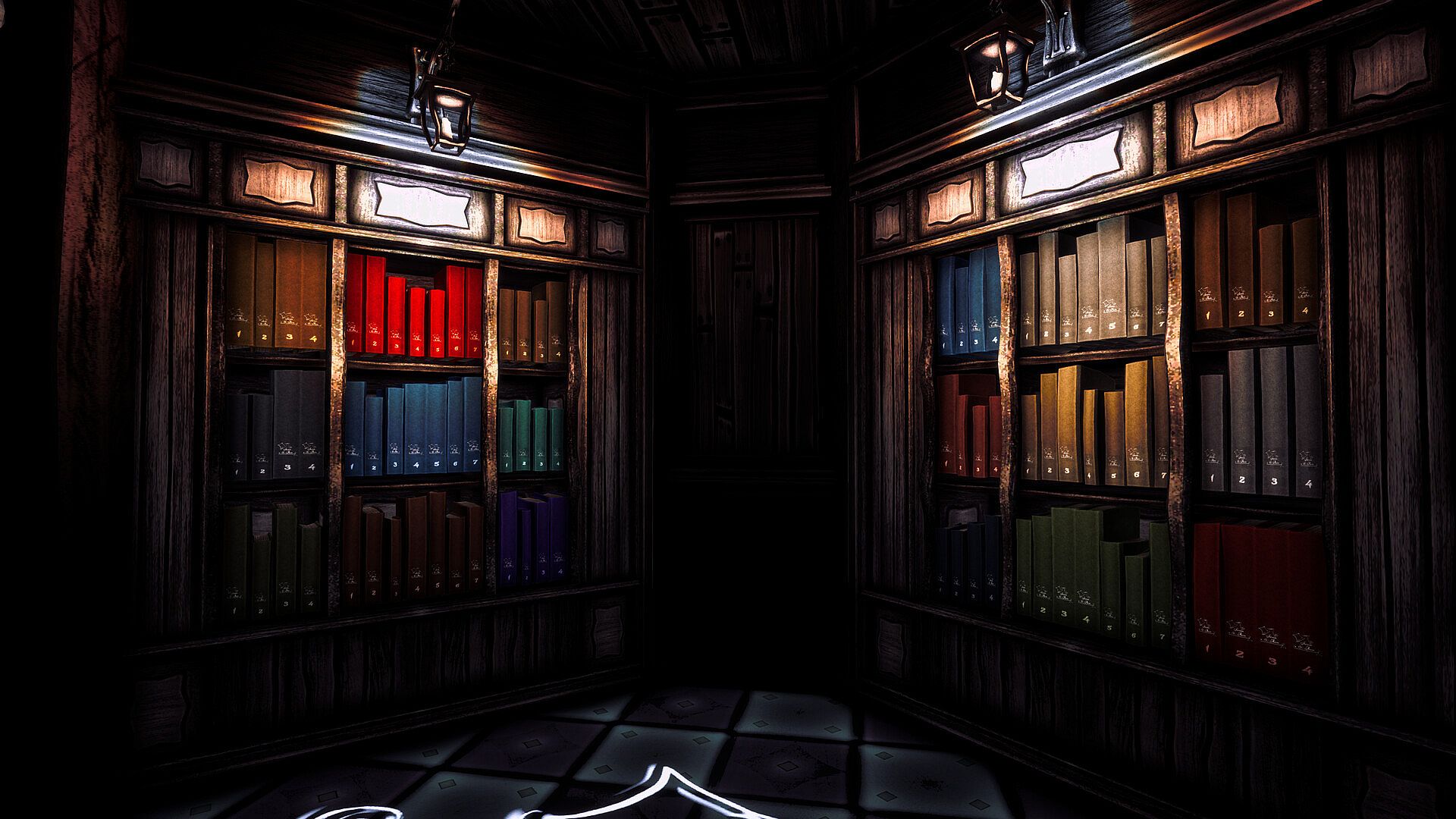
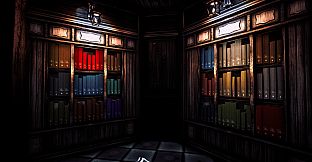
Progress unfolds shop by shop. Completing the organization in one location reveals the next, allowing players to focus on one self-contained area at a time while building familiarity with the overall street layout. Visual feedback plays a central role: as clutter clears and shelves fill, the environment transforms from disarray into a polished, functional space. Closer inspection rewards attention to small details, in-jokes, and unique clutter pieces that populate every corner.
Mastery comes through repetition and speed. Faster, more accurate sorting unlocks new abilities that streamline the process, shifting the experience from deliberate single-item placement into a smoother, rhythmic workflow. The single-player structure emphasizes personal pacing without timers or external pressure, encouraging players to savor the satisfaction of each completed shelf.
Game Modes
The game operates as a single-player experience with no multiplayer components. Progression follows a linear shop-by-shop sequence that builds familiarity and skill over time. Each shop presents its own personality and arrangement challenges, creating variety within the consistent sorting framework. Players revisit areas as needed to refine placement or apply newly unlocked abilities, though the primary path remains focused on sequential completion across the five locations.
Visual and Audio Design
Every shop receives distinct visual treatment that reflects its theme. The wand shop emphasizes glowing and vibrating objects, the bookshop highlights stacked volumes with animated pages, and the apothecary showcases rows of labeled and unlabeled containers. Audio cues reinforce the magical atmosphere through humming, whispering, and ambient street sounds that fade as order returns. These elements combine to create a cohesive sense of place without overwhelming the central sorting task.
Is It Worth Playing?
This title suits players who enjoy deliberate, detail-oriented simulation games centered on organization and gradual improvement. The emphasis on visual feedback and ability progression rewards consistent effort, turning repetitive actions into satisfying sequences once mastery develops. Those drawn to cozy, low-pressure experiences with clear goals and tangible results will find the shop-by-shop structure engaging. The game remains in active development with its core sorting systems intact, making it a solid choice for fans of indie casual simulations who appreciate focused mechanics over expansive narratives or competitive elements.