






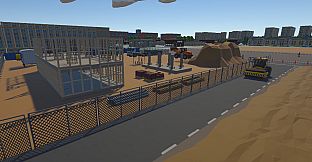
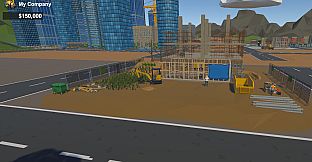
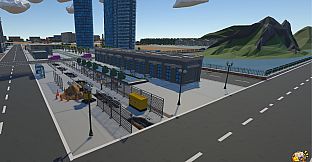
City Contractor is a single-player strategy and simulation game focused on hands-on construction management. Players take direct control of heavy machinery to complete contracts, progressing from small jobs to larger urban projects while building a fleet and expanding a business.
Gameplay
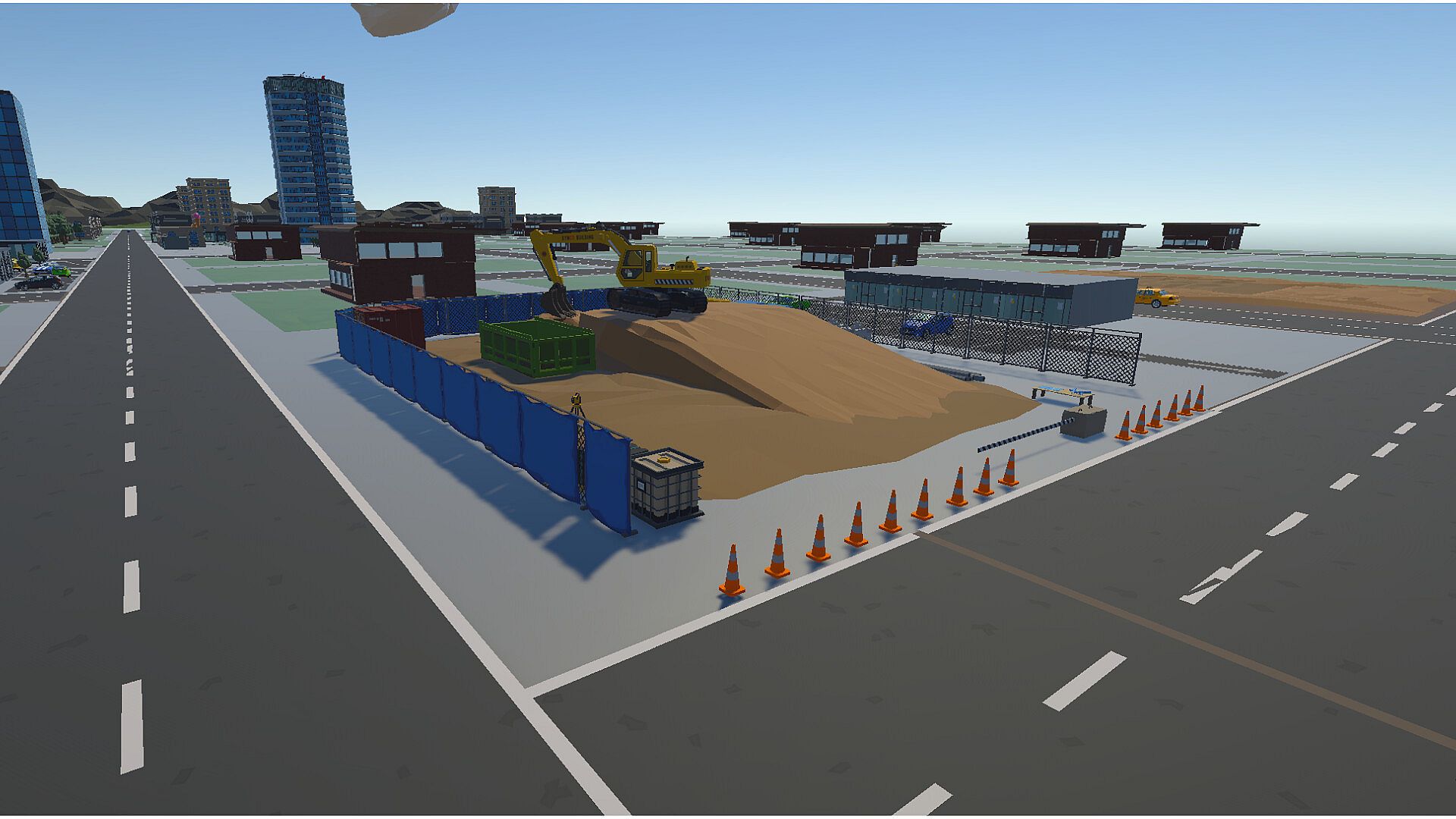
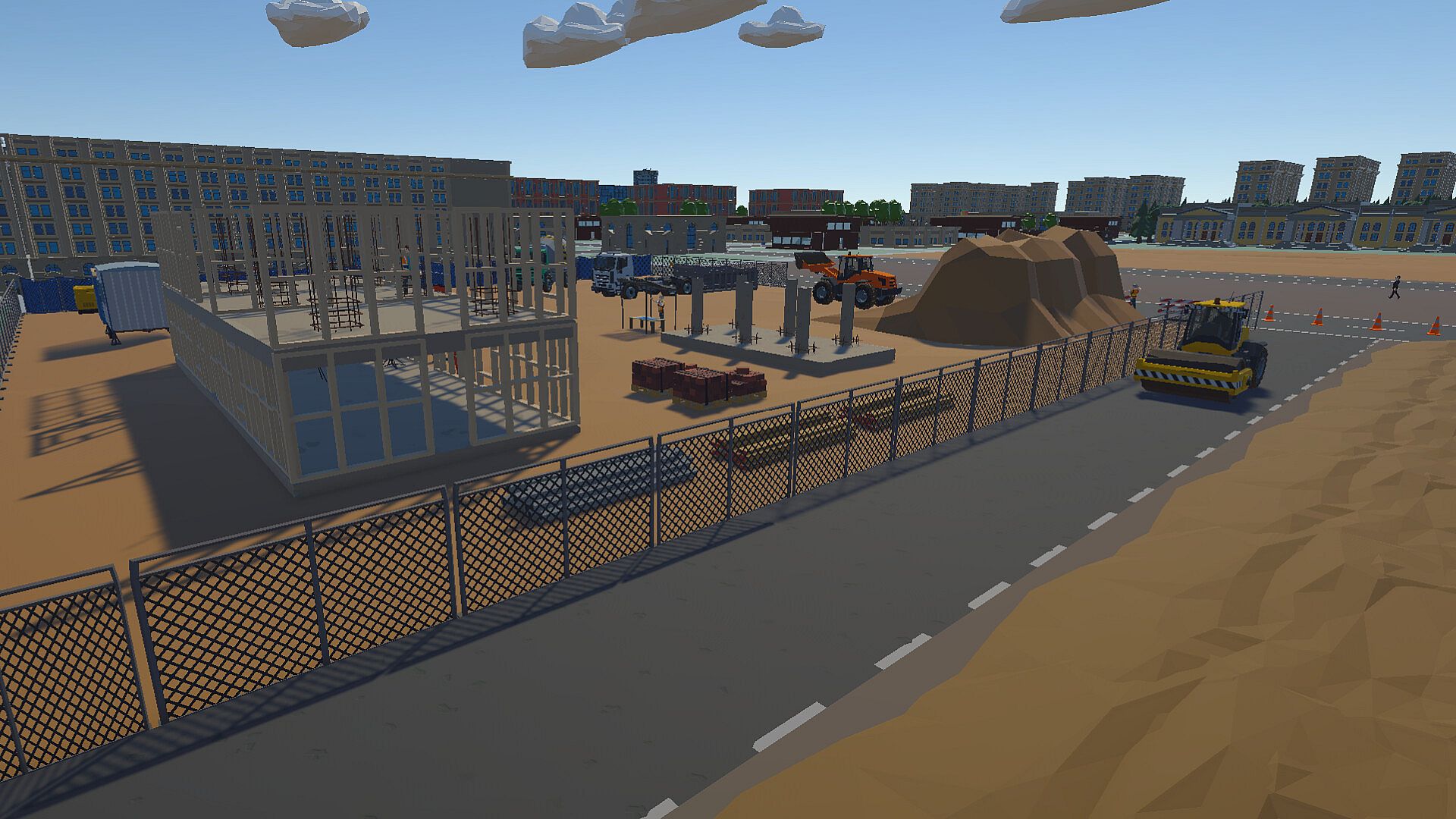
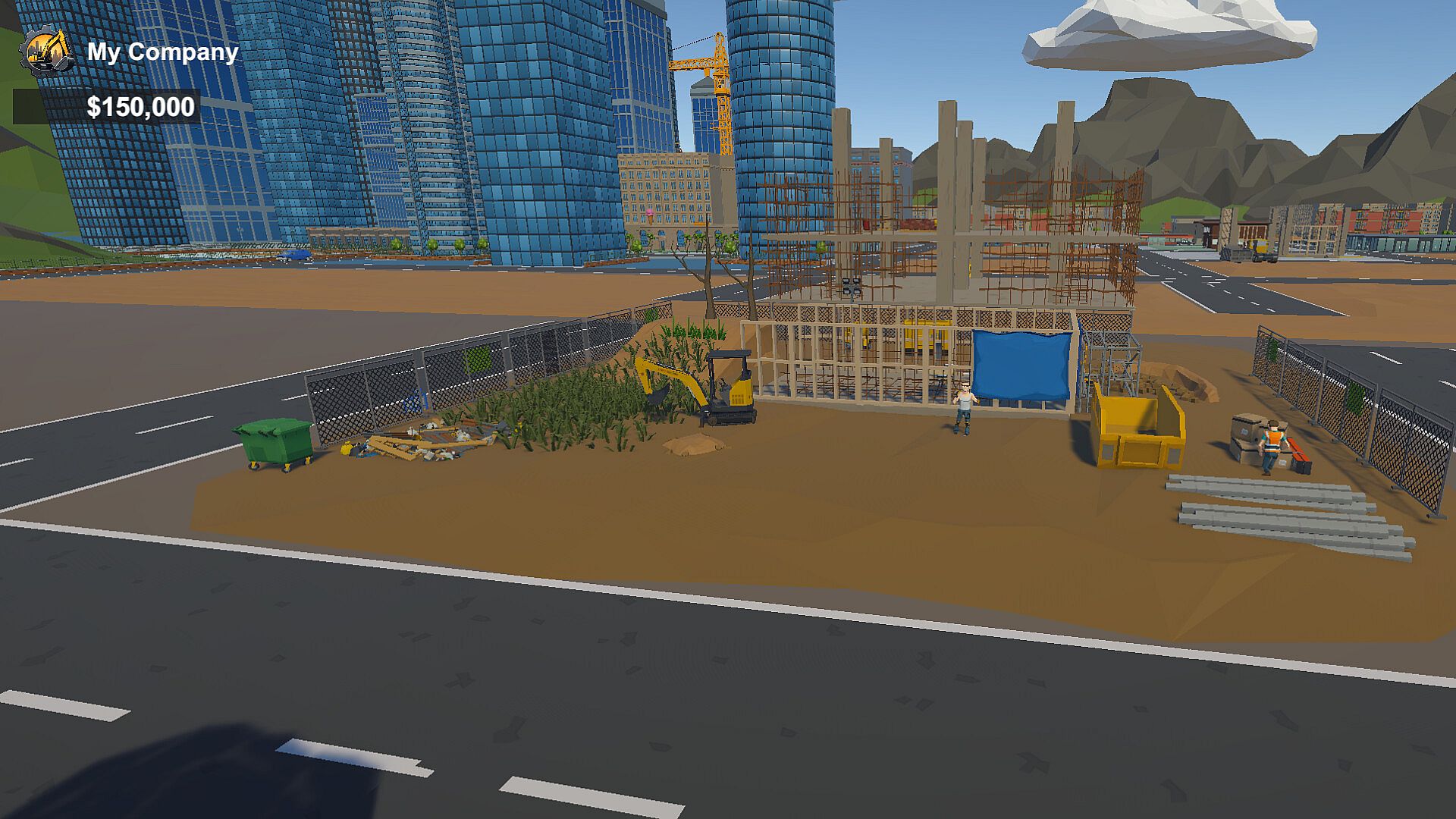
The core loop centers on operating equipment to advance construction projects in real time. Each site begins as undeveloped land, and progress unfolds through distinct stages that include excavation, foundation preparation, reinforcement installation, concrete pouring, structural assembly, wall construction, and roofing. The sequence varies by contract type, but every action performed with machinery contributes directly to completion.
Available machines include excavators for digging, loaders for moving material, dump trucks for transport, bulldozers for leveling, rollers for compaction, and telehandlers for placement tasks. Controls allow precise maneuvering on site, with the work performed determining how quickly and successfully a project finishes. Profits from completed contracts fund new equipment purchases, unlocking access to more demanding jobs across the city.
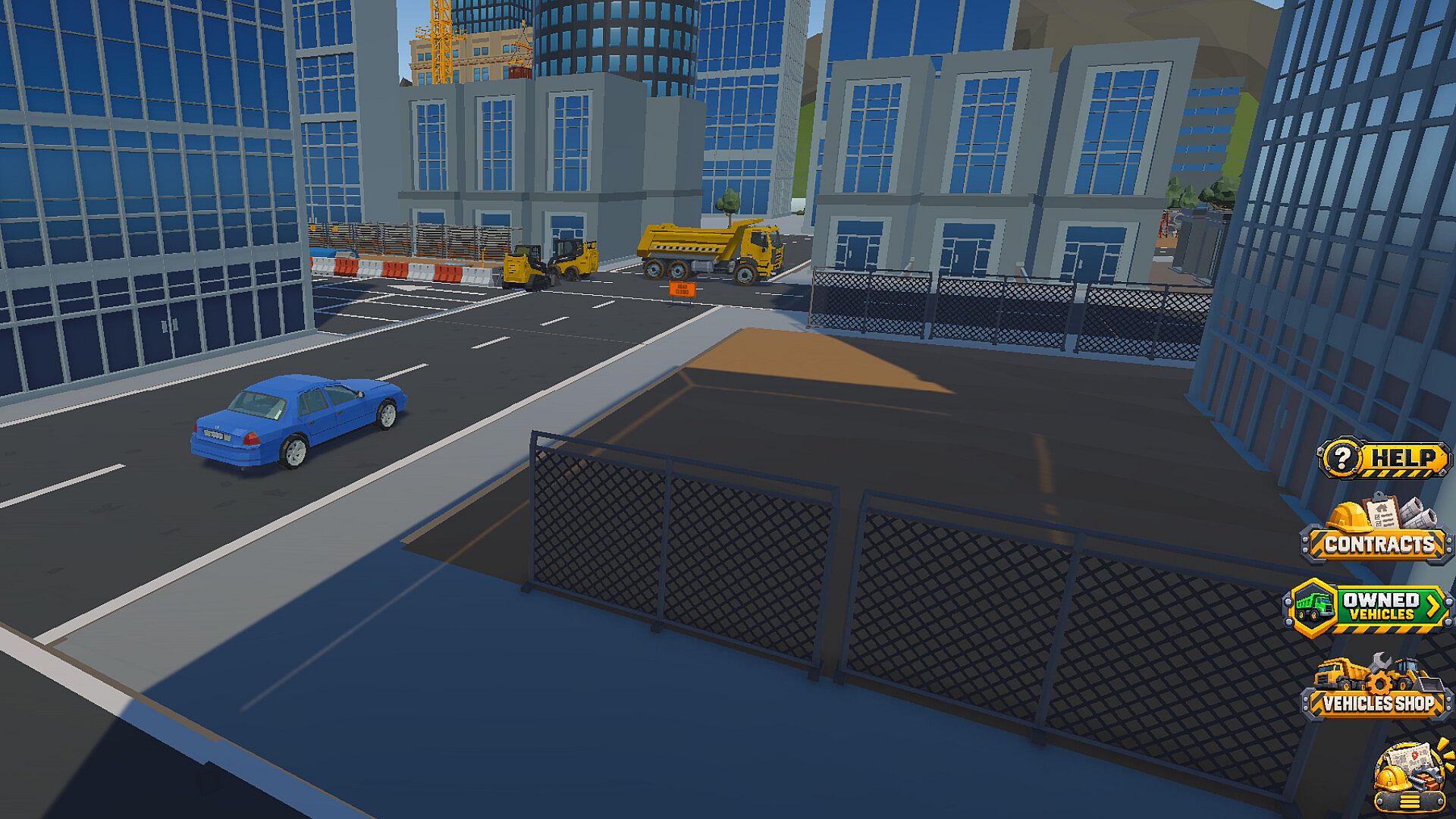
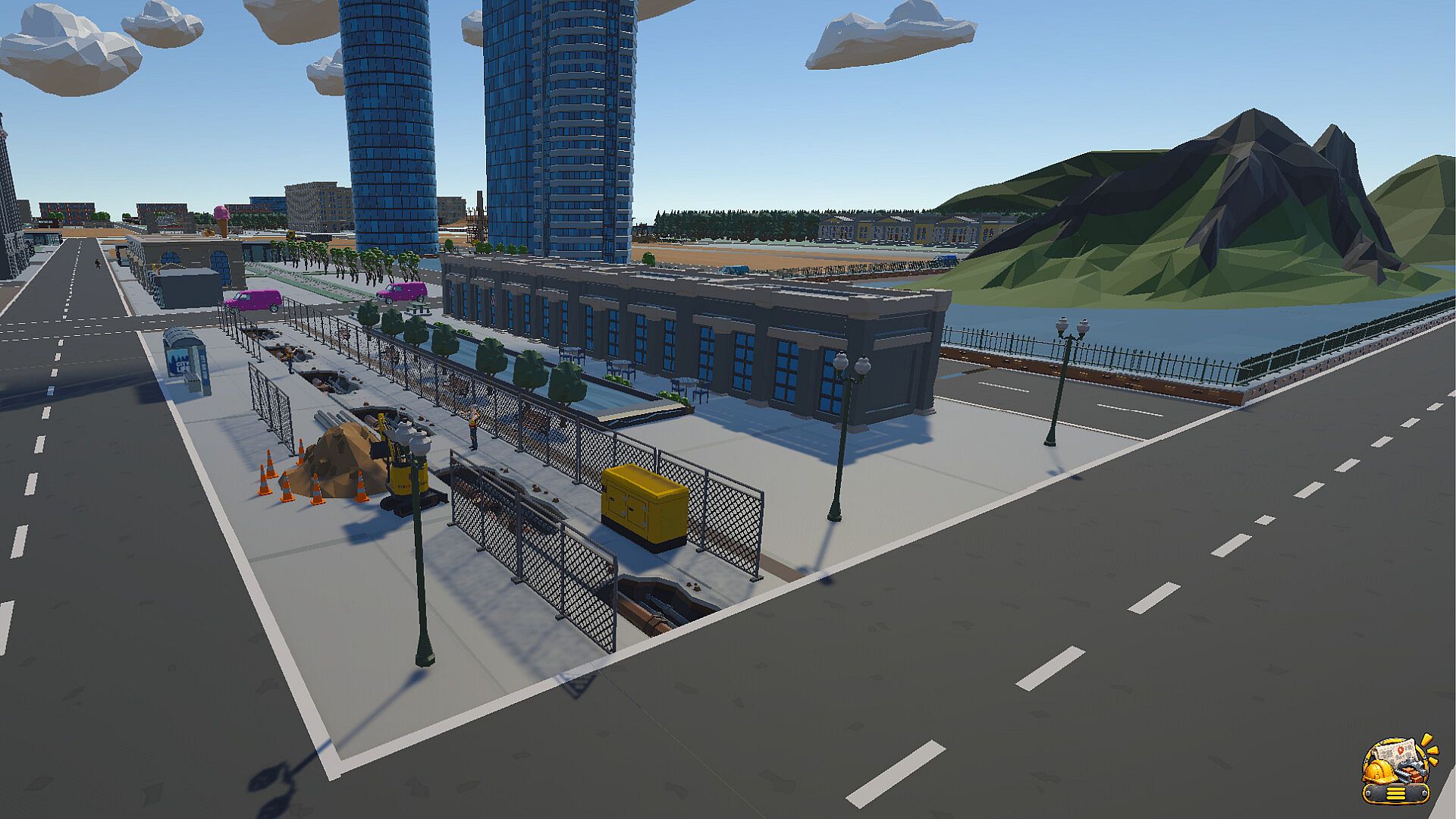
Contracts cover a range of tasks such as earthworks, water pipeline repair, road construction, house building, office structures, site preparation, land clearing, and material delivery. Each assignment specifies required equipment, stages, costs, and rewards, encouraging players to match tools to the job and manage resources efficiently.
Game Modes
City Contractor operates as a single-player experience with no separate multiplayer or competitive modes confirmed. Progression occurs through a contract system where players select available jobs, complete them using controlled machinery, and reinvest earnings to grow the company. The structure supports a steady campaign-style flow, starting with basic tasks and scaling to complex multi-stage builds.
Contracts function as the primary activity, each with unique requirements and outcomes. Completing them advances the business, revealing larger opportunities. There are no additional named modes such as free build, challenge, or sandbox variants detailed at this time.
Business Progression and Fleet Management
Success depends on balancing contract selection with equipment availability. Early jobs provide modest returns that allow gradual fleet expansion. As the company grows, players gain access to bigger projects that demand more specialized or numerous machines. The emphasis remains on active operation rather than passive oversight, with every machine movement advancing the physical build on screen.
Site visuals update in stages to reflect ongoing work, giving clear feedback on progress. This visual evolution reinforces the connection between player actions and results, from bare ground to finished structures like houses, roads, or pipelines.
Is It Worth Playing?
City Contractor targets players who enjoy simulation games that combine management decisions with direct vehicle control. The hands-on machinery operation sets it apart from purely top-down construction titles, offering tangible involvement in each project's development. With a planned release in November 2026 and no user reviews available yet, the experience remains untested by the broader community.
Those drawn to methodical progression, equipment variety, and watching builds take shape step by step may find the gameplay loop engaging. The single-player focus and contract variety provide a self-contained campaign without reliance on live service elements. Potential buyers should monitor post-launch feedback once the game becomes available, as reception will clarify its depth and replay value for strategy and simulation enthusiasts.