


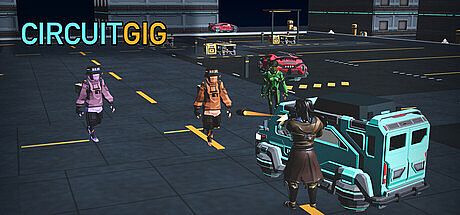


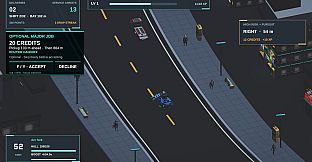
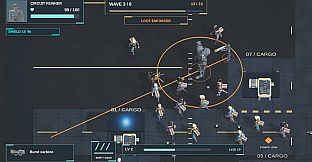
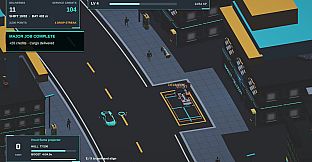
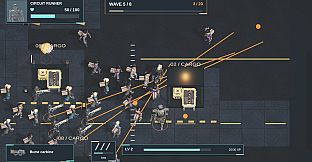
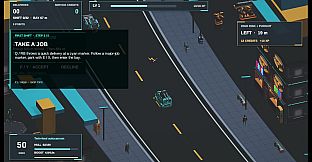
CircuitGig is a top-down delivery action roguelite for PC that blends vehicle-based courier work with intense combat. Players select a vehicle and courier pairing to handle jobs across a city where traffic, pursuers, arena fights, and district bosses create constant pressure. The core experience revolves around completing deliveries while managing damage and adapting builds on the fly in an Early Access title focused on single-player runs.
Gameplay
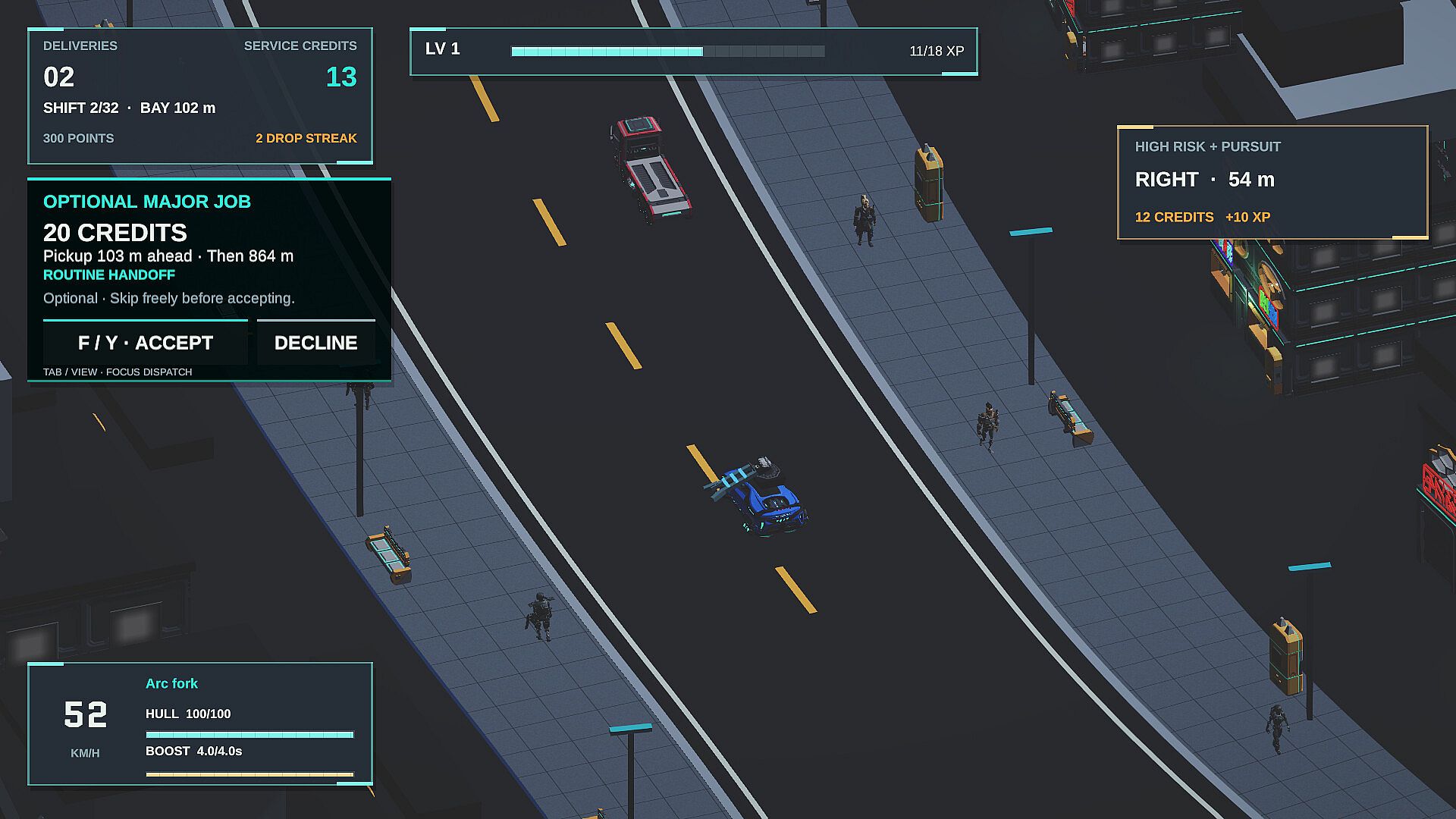
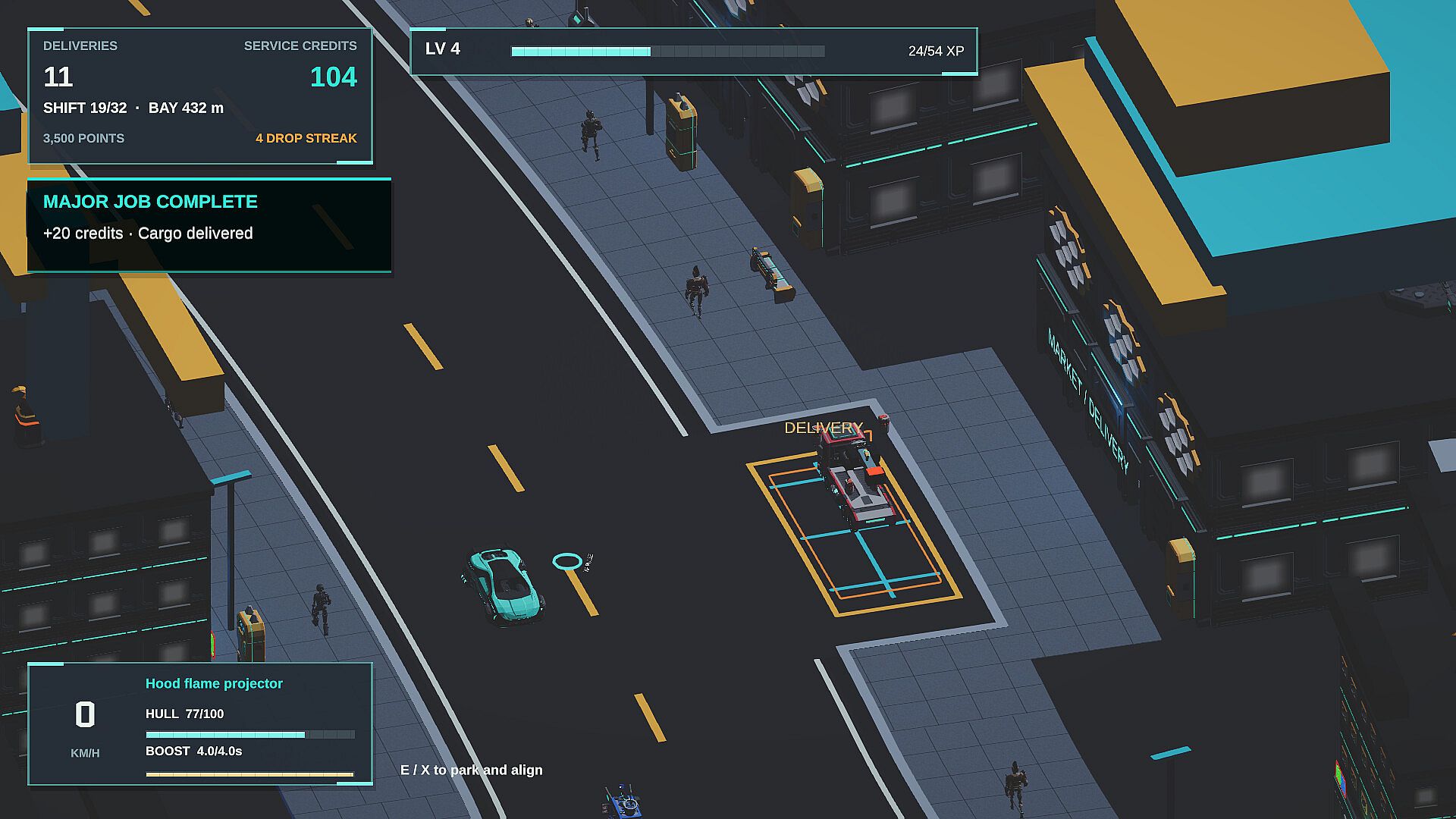
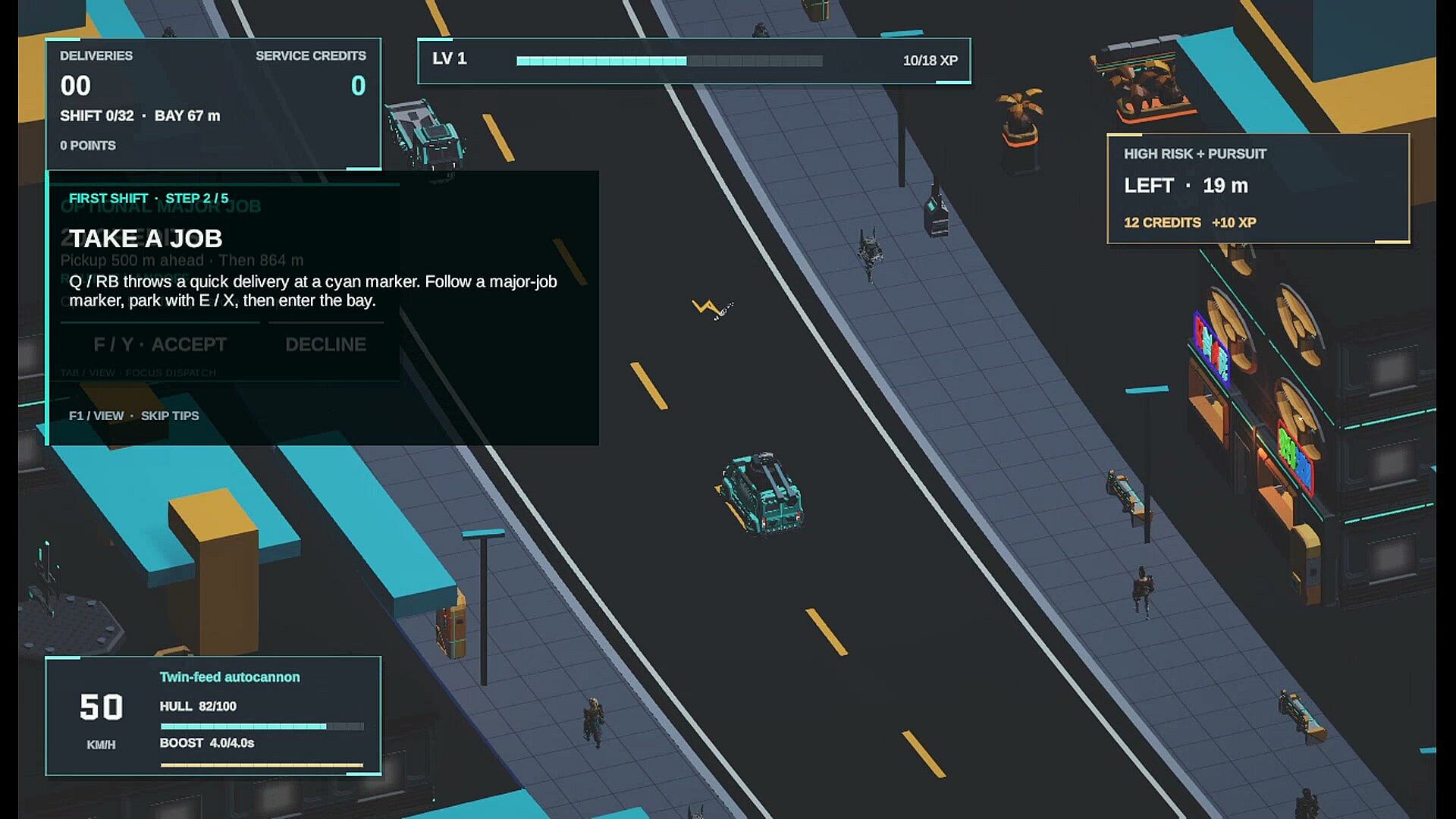
The gameplay centers on a repeating cycle of driving routes, exiting the vehicle for direct combat, and returning to the road. Each shift begins with route navigation through city streets, where players must reach marked destinations while avoiding or handling threats that close in. Vehicle damage accumulates over time, forcing decisions about when to push forward or engage threats directly.
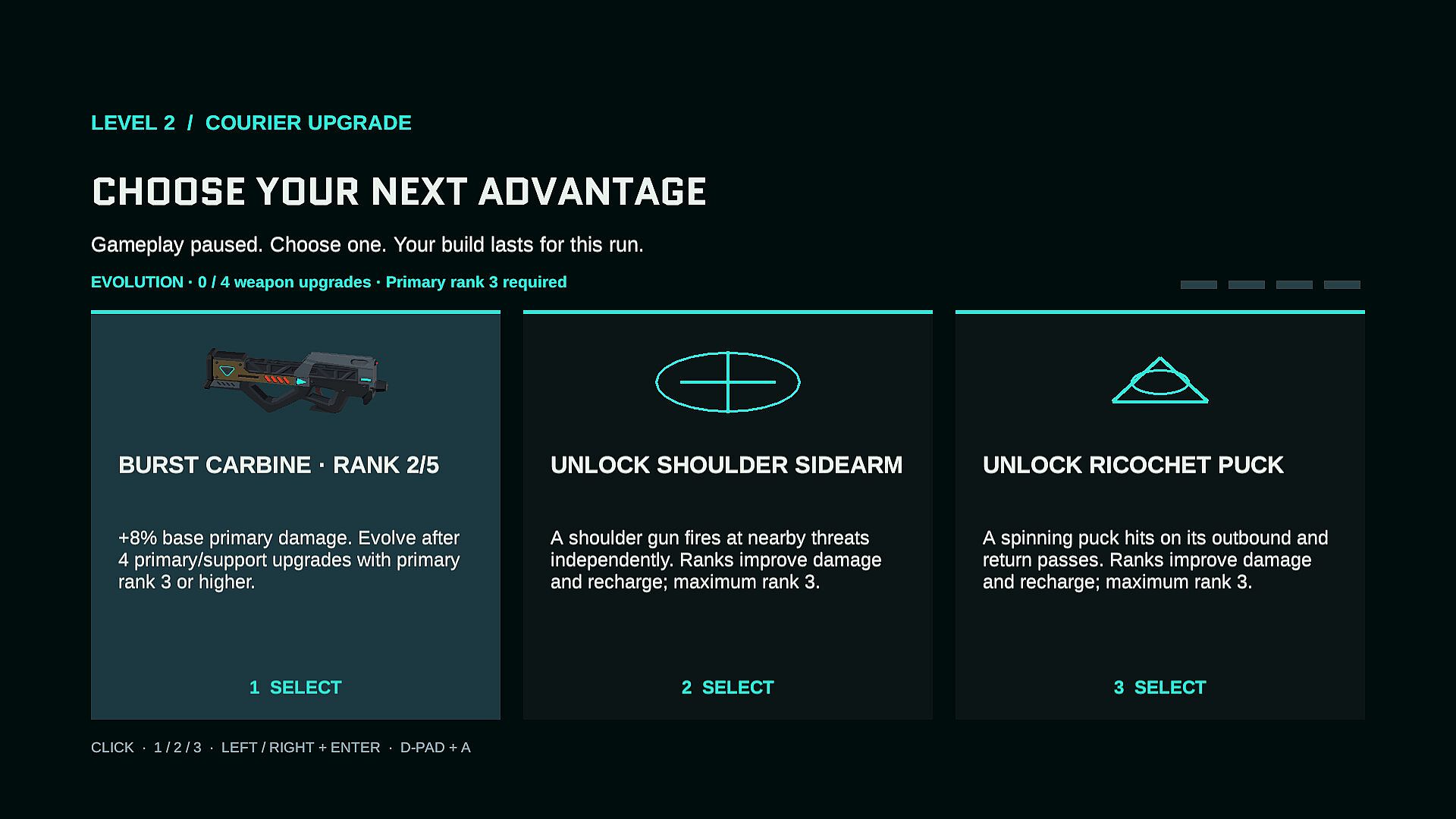
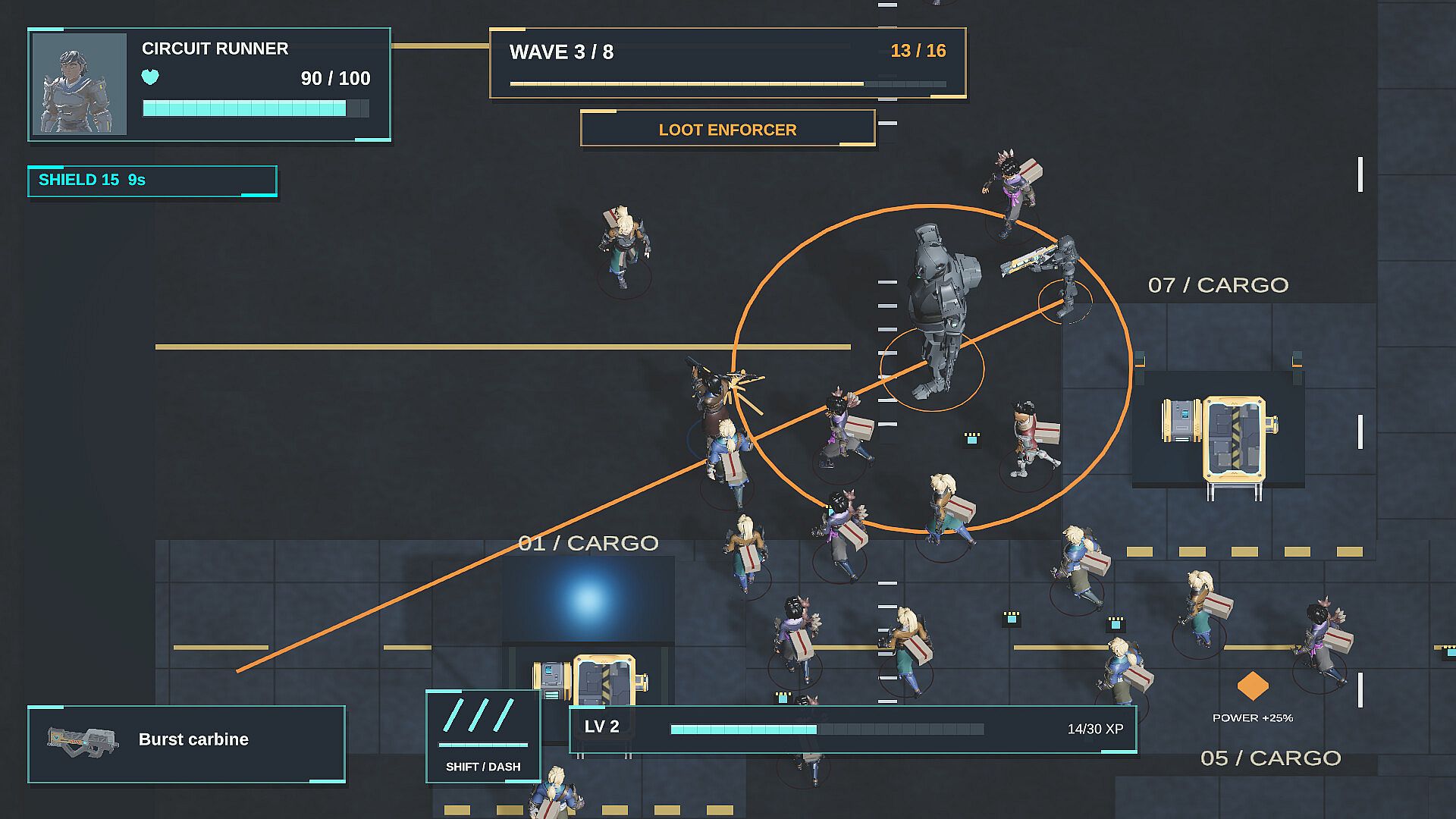
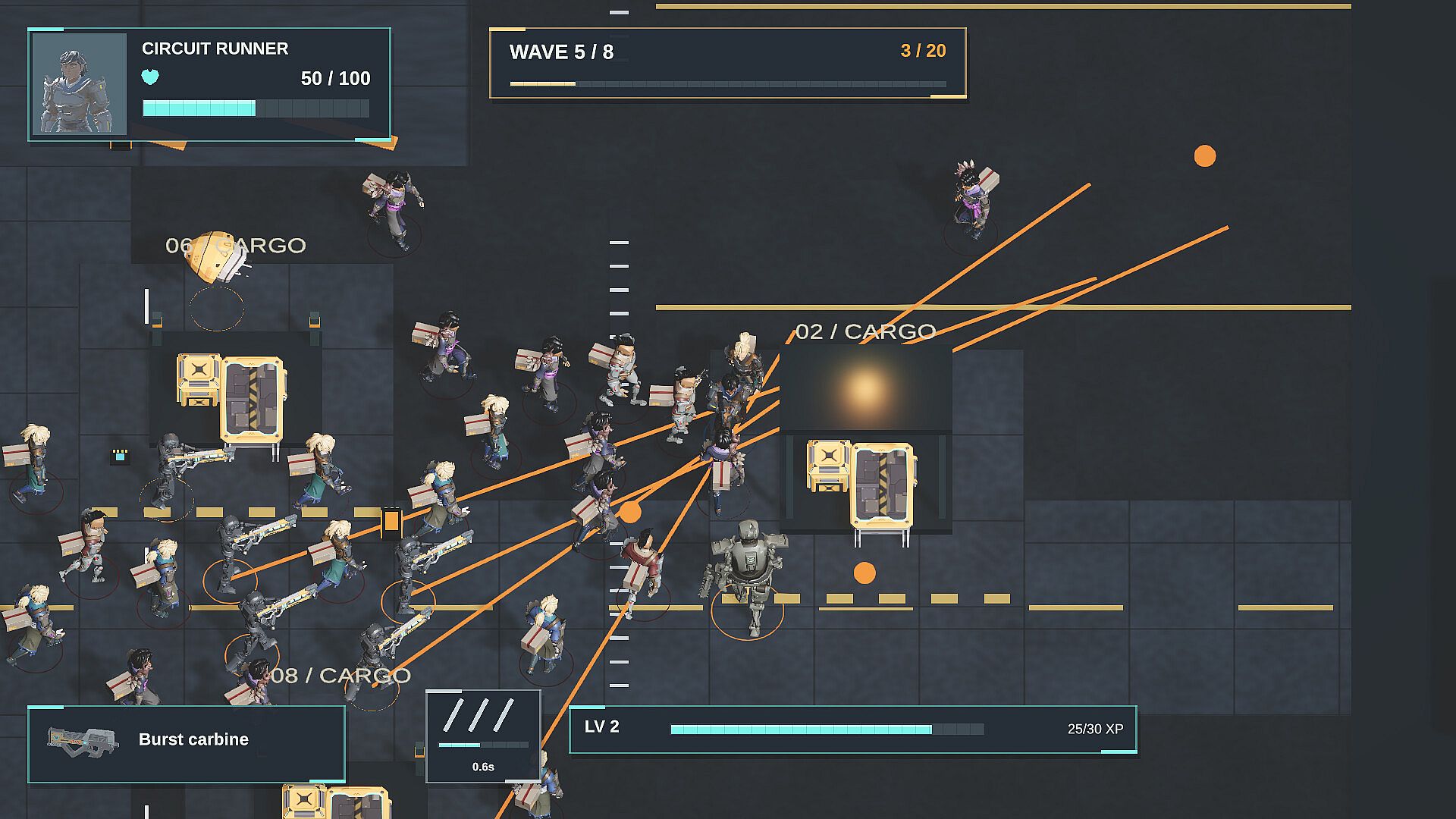
Combat shifts to top-down encounters once players leave the vehicle. These sections involve surviving waves of enemies that escalate in difficulty before facing district bosses. Success here allows a return to driving, with earned upgrades carrying forward to influence the next attempt. Builds form around roof-mounted primaries in ballistic, electrical, and fire categories, supported by automatic tools, run upgrades, and weapon evolutions that change with each pairing of vehicle and courier.
Adaptation defines every attempt. Different vehicle-courier combinations alter movement speed, combat style, and overall approach to threats. Players experiment with these pairings across runs, responding to the specific route and enemy composition encountered while carrying lessons from prior shifts into new ones.
Game Modes
CircuitGig structures its experience around a single core loop rather than separate named modes. Every job follows the same three-phase pattern of delivery navigation, street-level combat encounters, and boss confrontations at the end of the route. This format keeps the focus on roguelite progression through repeated attempts that test survival under increasing pressure.
Within each run, players manage vehicle integrity during the driving phase while preparing for the combat phase where they dismount for wave-based fights. The final pressure comes from district bosses that demand full use of the build assembled during the shift. No additional standalone modes appear in the current development state, keeping the emphasis on refining pairings and kits through successive runs.
Build Systems and Progression
Progression happens through in-run upgrades and the carryover of experience between attempts. Players choose combinations of primaries, support tools, and evolutions that suit their preferred playstyle, whether that leans toward heavy damage output, crowd control, or sustained mobility. Nine weapon classes receive ongoing balance attention to ensure distinct roles in crowded fights.
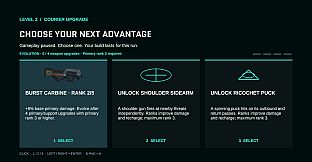
Vehicle and courier selections serve as the foundation for these builds. Each pairing changes how the vehicle handles routes and how combat feels once players step out. Upgrades earned mid-shift can evolve weapons further, creating varied outcomes depending on the threats that appear along the way. This system rewards experimentation across multiple runs without locking players into a single path.
Is It Worth Playing?
CircuitGig suits players who enjoy roguelite structure combined with top-down action and vehicle mechanics. The loop of delivery under pressure, dismounted combat, and boss encounters provides a focused test of build adaptation and survival. As an Early Access title still in active development, the experience centers on core systems like weapon balancing and readability improvements rather than finished content breadth.
Those drawn to indie action games with repeated run experimentation will find the pairing system and upgrade paths engaging. The absence of confirmed player review scores or large-scale updates at this stage means expectations should align with an ongoing project rather than a complete release. Fans of similar delivery or combat roguelites may appreciate the blend of road navigation and arena fights if the Early Access phase matches their tolerance for iterative development.