


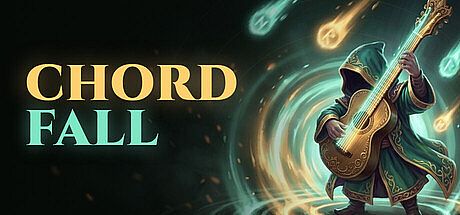


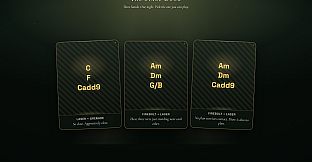
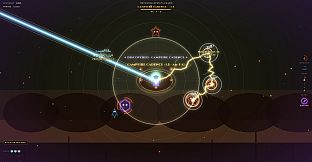
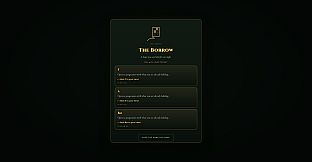
Chordfall is a single-player roguelite action strategy game for PC that blends real instrument play with procedural runs. Players use an acoustic or clean electric guitar or a piano, captured through a microphone, to cast spells by forming chords during combat encounters.
Gameplay
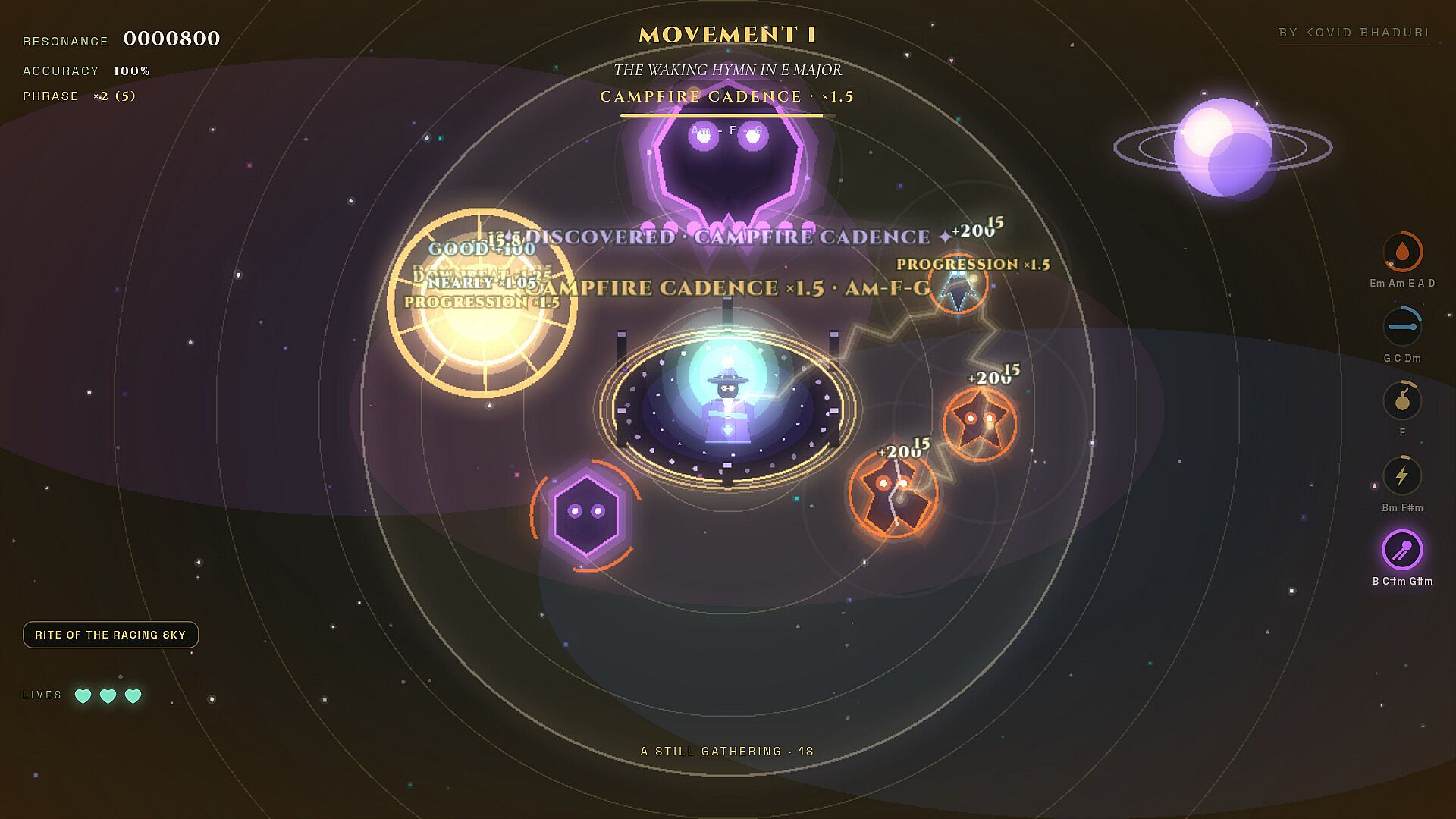
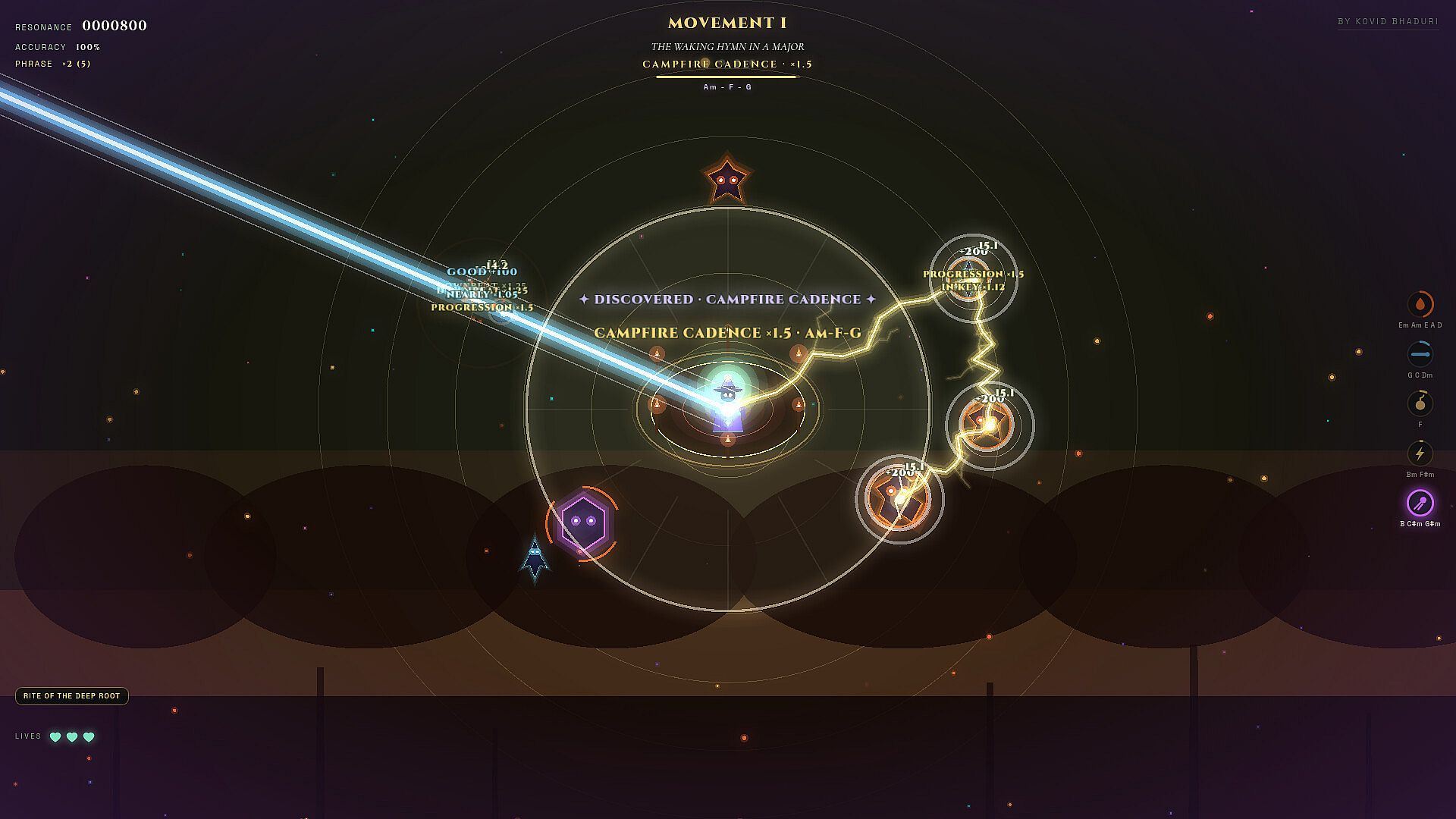
Chordfall places the instrument at the center of every decision. Easy chords launch quick projectiles while complex shapes trigger powerful effects such as lasers, grenades, chain lightning, or a falling comet. Each spell requires a short recharge, forcing players to choose the next chord carefully in the middle of a fight.
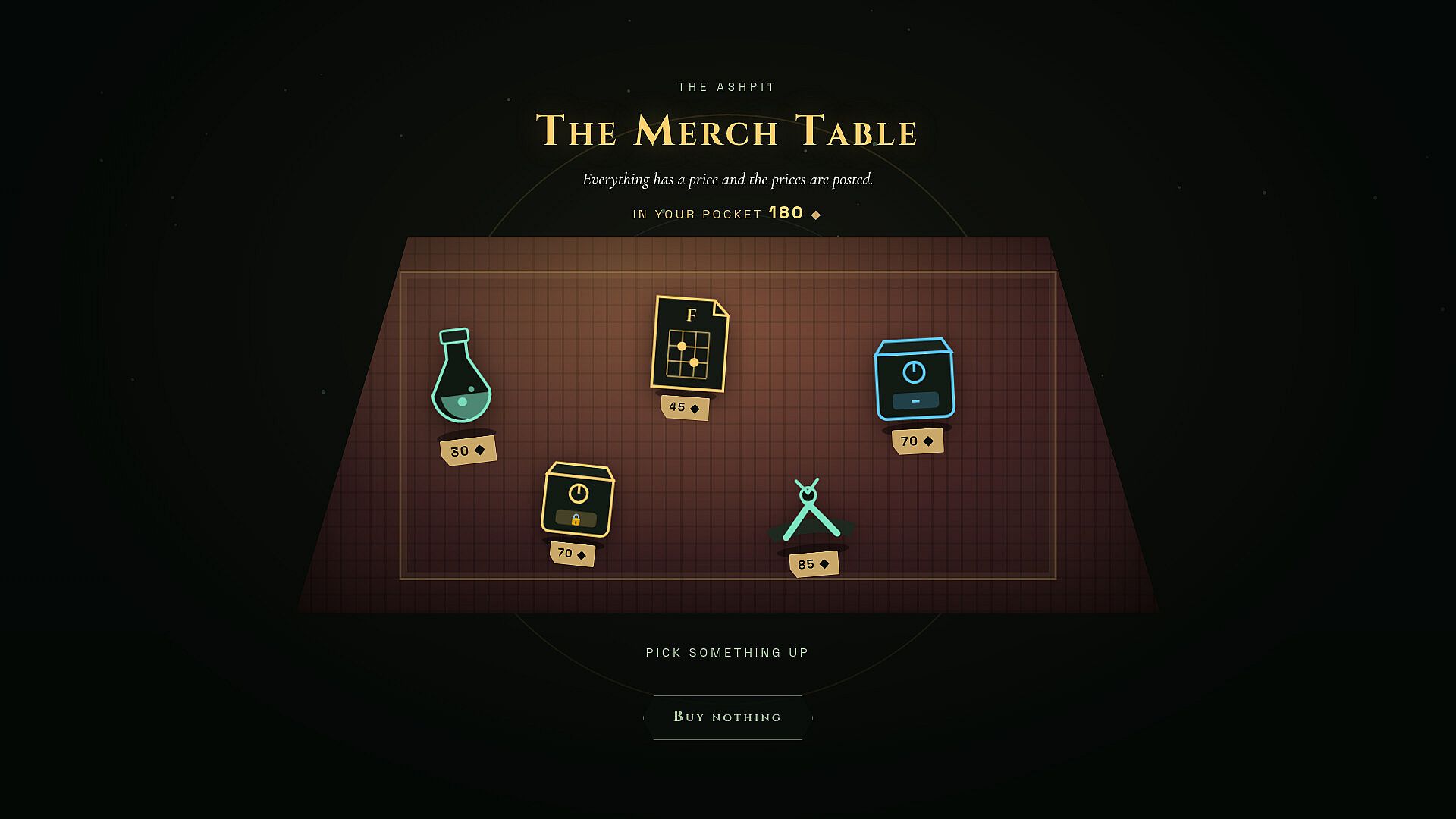
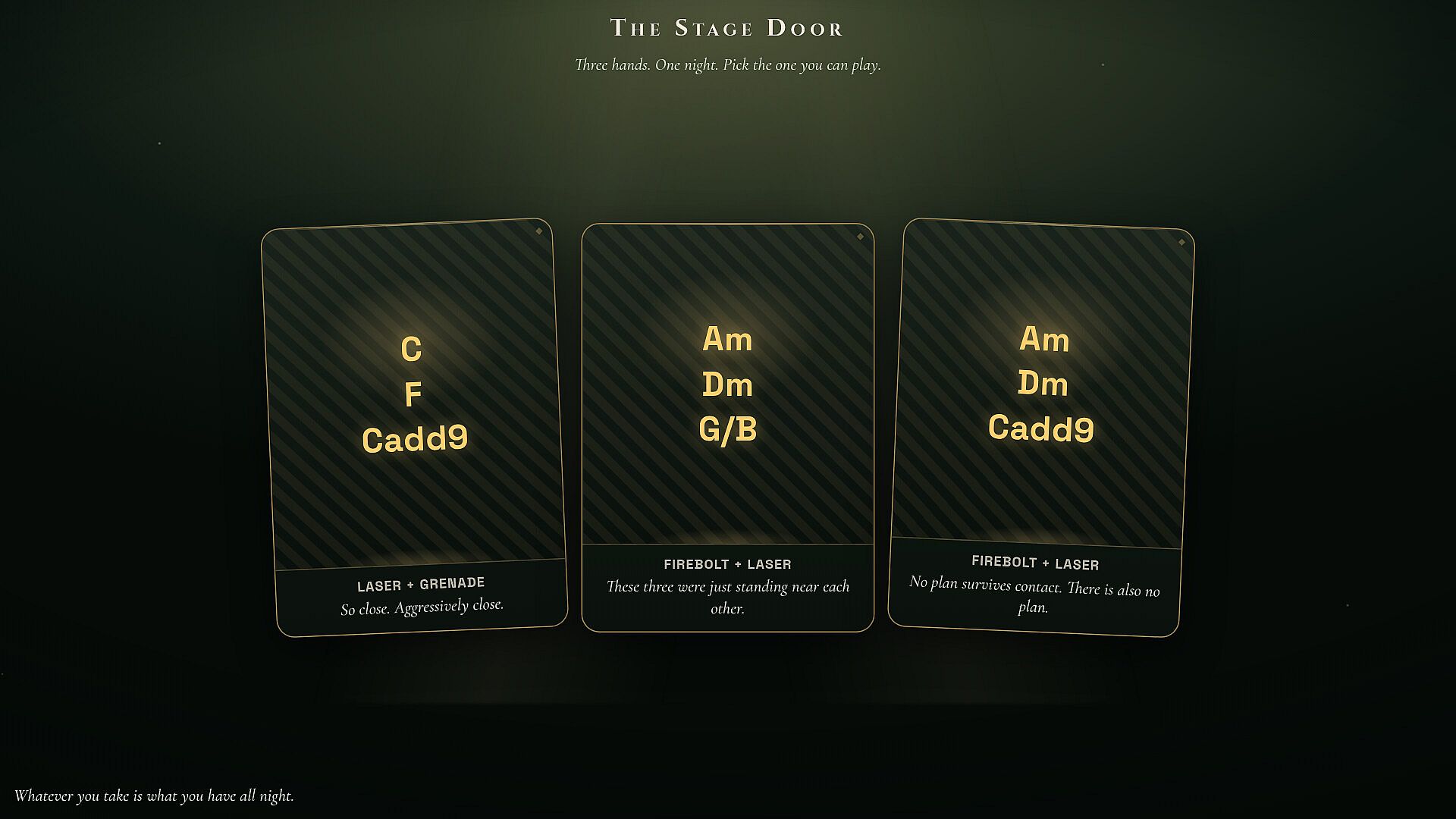
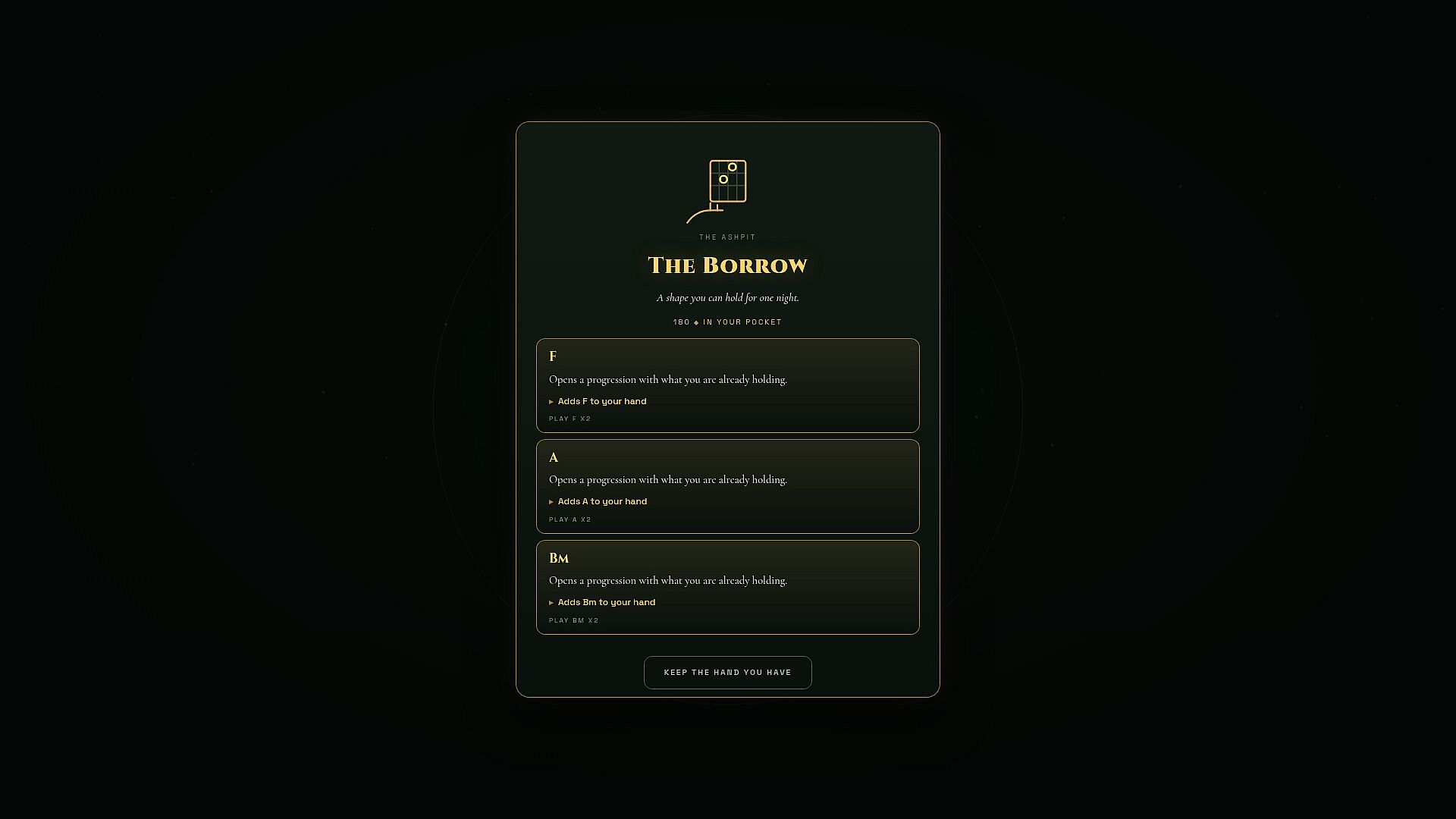
Chords gain extra power when played in sequences that match one of the 17 song patterns hidden throughout the game. Discovering a pattern unlocks it permanently for future runs. The core loop begins with a choice of three chord hands, followed by navigation across a map toward a visible boss. Routes include standard fights, tougher elite encounters, decision-based events, shops for upgrades, healing rooms, training areas, and rooms that alter the musical key or rhythm for the remainder of the run.
Boons collected along the way modify spell behavior, sometimes with drawbacks that interact with later choices. Bosses each enforce a unique restriction, such as taking damage only on the beat or ignoring all chords except sevenths, so route planning and build adjustments become essential before the final confrontation.
Game Modes
Quick Play offers three focused options for shorter sessions. Warding requires players to match a chord displayed on each enemy to defeat it. Free Cast delivers a five-stage run with three lives and a boon after every stage. The Daily presents the same layout to every player for that day, creating a shared score to beat.
The Dojo provides a monster-free space for practicing new chord shapes and transitions without time pressure. Progress carries forward regardless of run outcome, so newly learned chords and discovered song patterns remain available for the next attempt.
Progression and Builds
Each run ends, yet acquired chords and song patterns persist across sessions. This permanent collection expands the options available for future builds. Players can experiment with keyboard input when no instrument is present, allowing testing of mechanics without audio capture.
Route choices and boon combinations create varied strategies. A boon that boosts damage for chords in the current key can become a liability if a later room shifts the key, rewarding careful planning over raw power.
Is It Worth Playing?
Chordfall suits players who enjoy roguelite structure combined with hands-on musical input. The requirement for a real guitar, piano, or quiet-room microphone creates a distinct barrier compared with standard controllers, yet the option to begin with keyboard input lowers the entry point. No public review scores or player counts are available at this stage, and the game remains in active development by a single creator. Those interested in rhythm-meets-strategy gameplay and willing to practice chord recognition will find the most direct appeal in its systems.