


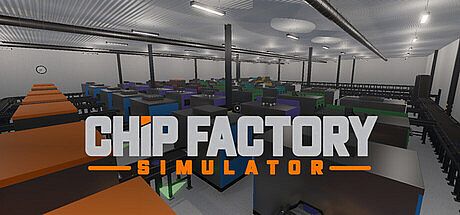


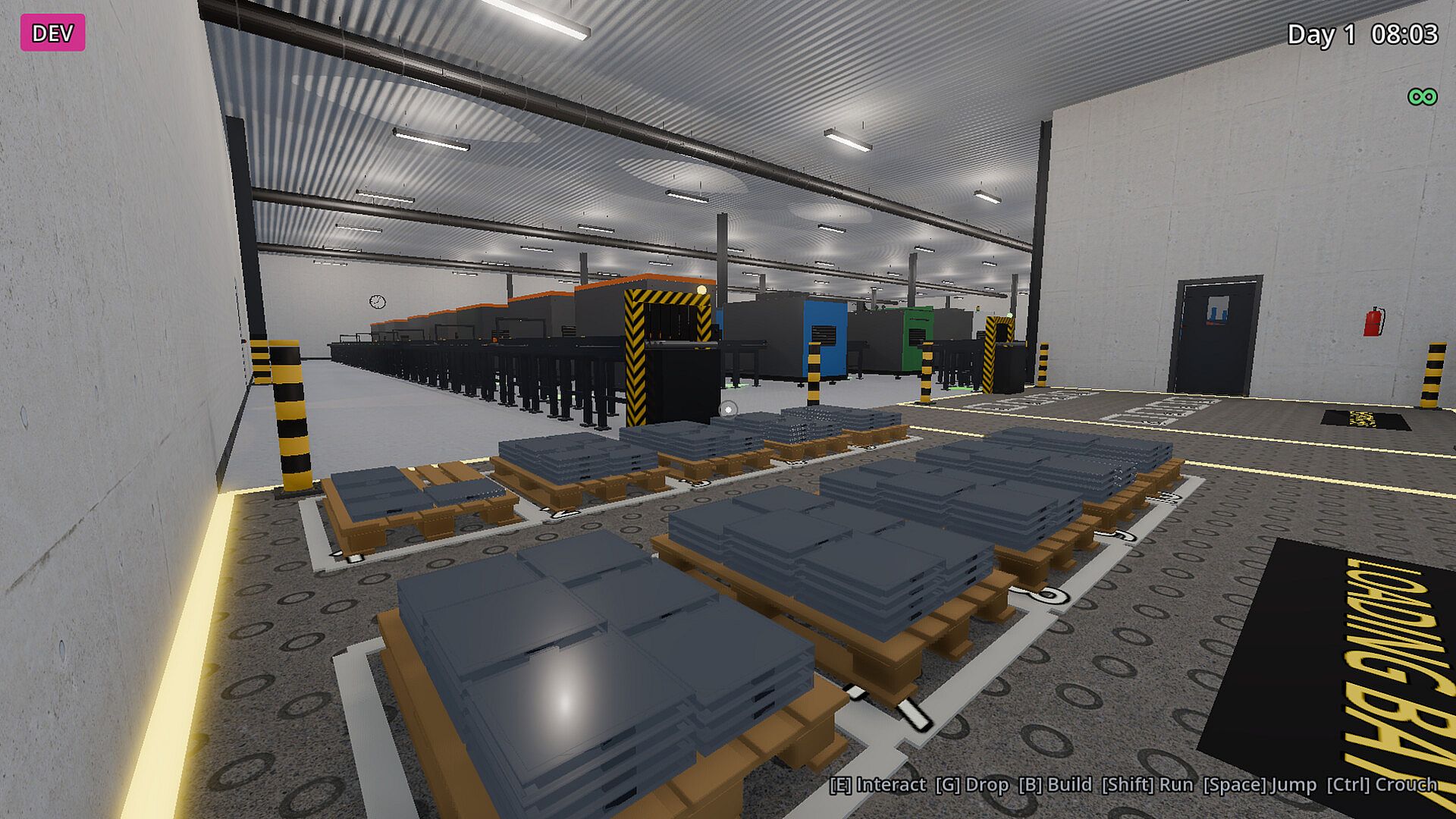
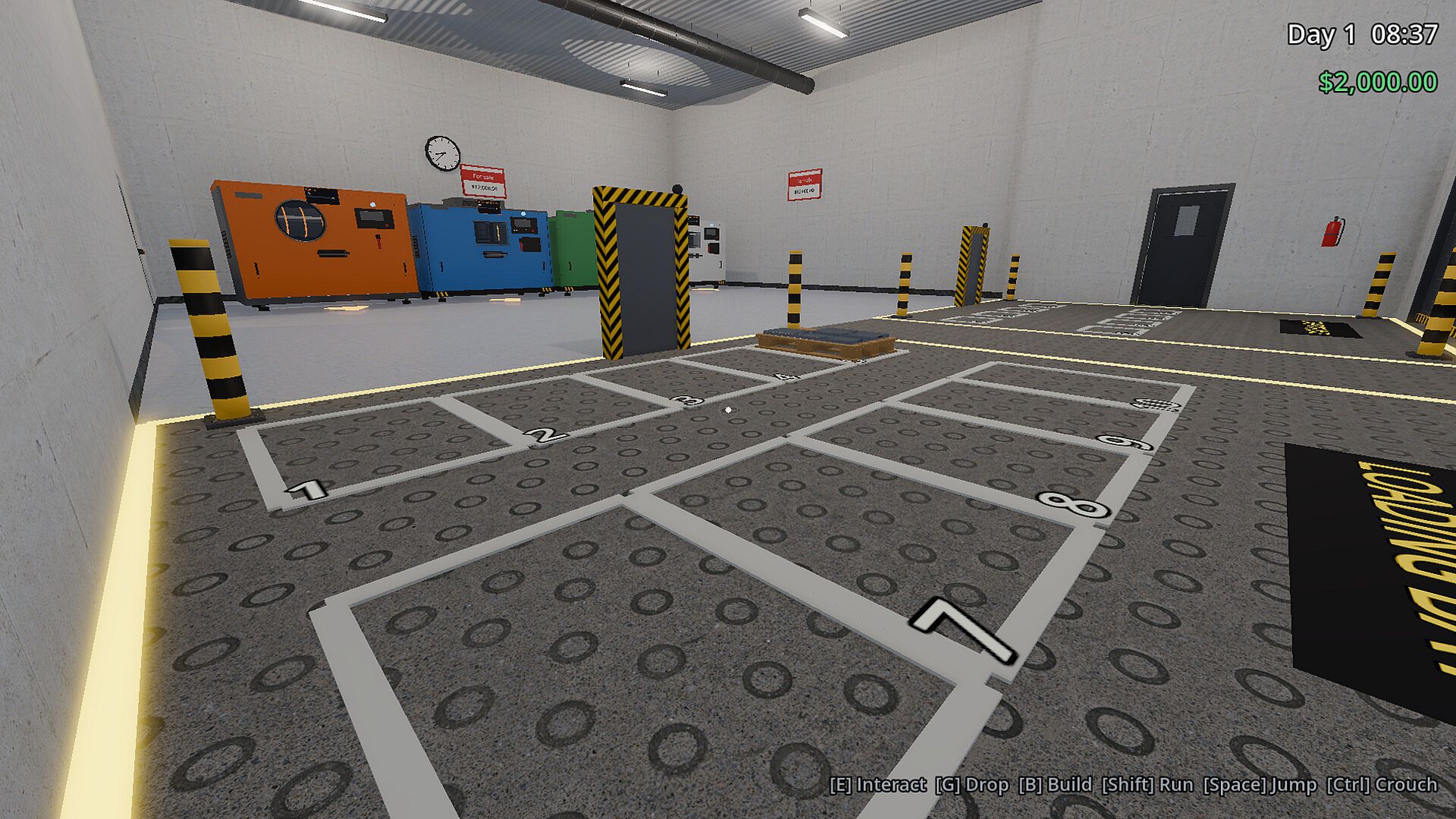
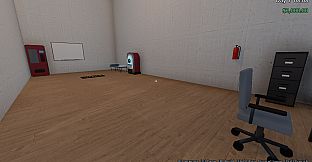
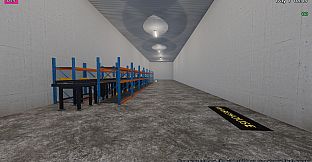
Chip Factory Simulator is a first-person indie simulation game focused on building and managing a semiconductor manufacturing facility on PC. Players start with raw silicon wafers and progress through increasingly complex production stages to create advanced AI chips. The core experience centers on designing efficient layouts, handling industrial equipment, and scaling operations from modest beginnings into large automated systems.
Gameplay
The gameplay revolves around constructing production lines that process materials step by step. Players position machines, link them with conveyor belts, and oversee the movement of wafers and components through various stages of refinement. Early efforts involve direct operation of equipment to maintain material flow, while later stages emphasize automation through connected systems that handle repetitive tasks without constant intervention.
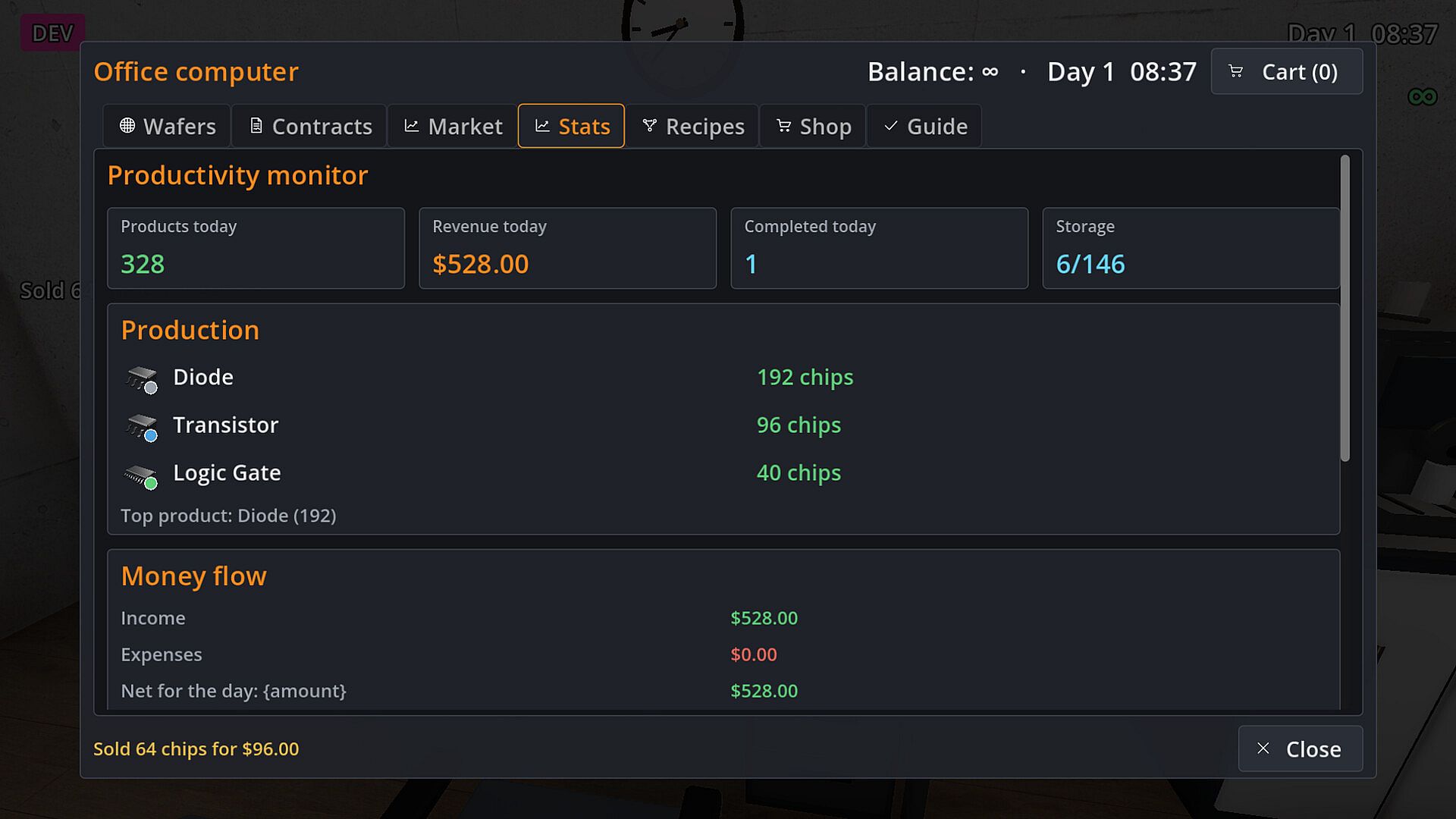
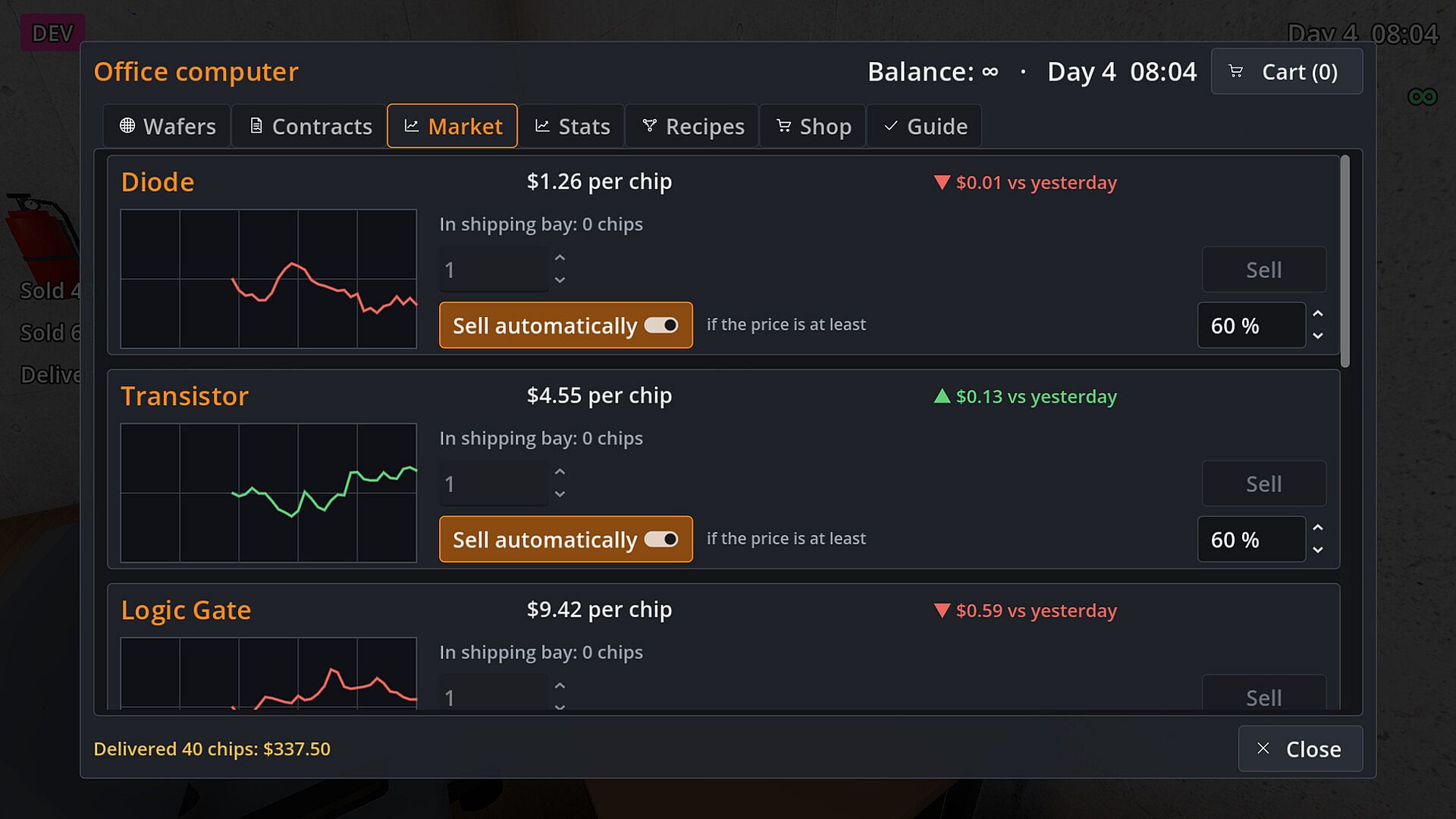
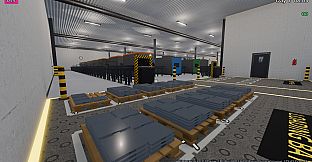
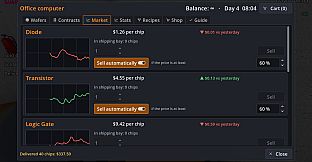
Factory expansion requires careful planning of space and resources. Additional production lines integrate into existing setups, creating interconnected networks that support higher volumes of output. Storage areas must be organized to hold finished chips, and shipping processes automate the transport of completed products out of the facility. Optimization comes from refining layouts to reduce bottlenecks, improve throughput, and minimize wasted movement across the production floor.
Material management forms a key part of the loop. Players track the progression from basic silicon inputs to sophisticated chip outputs, adjusting machine placements and belt connections as needs evolve. The first-person perspective allows direct interaction with the environment, making it straightforward to inspect lines, reroute flows, and address issues on the spot.
Game Modes
Chip Factory Simulator supports single-player sessions centered on progressive factory development. There are no separate competitive or multiplayer modes available. The experience unfolds through a continuous campaign of construction, operation, and refinement, where progress builds directly on prior decisions about layout and automation.
Players advance by unlocking new machines and capabilities that enable more advanced chip types. The structure encourages experimentation with different configurations, as each choice in belt routing or machine placement influences overall efficiency. No distinct named modes exist beyond this unified progression system.
Factory Building and Automation Systems
Building begins with basic setups that handle initial wafer processing. As lines grow, players add specialized equipment to handle etching, doping, and assembly steps that turn raw inputs into functional chips. Conveyor systems become critical for maintaining steady material movement, and automation reduces the need for manual oversight on established routes.
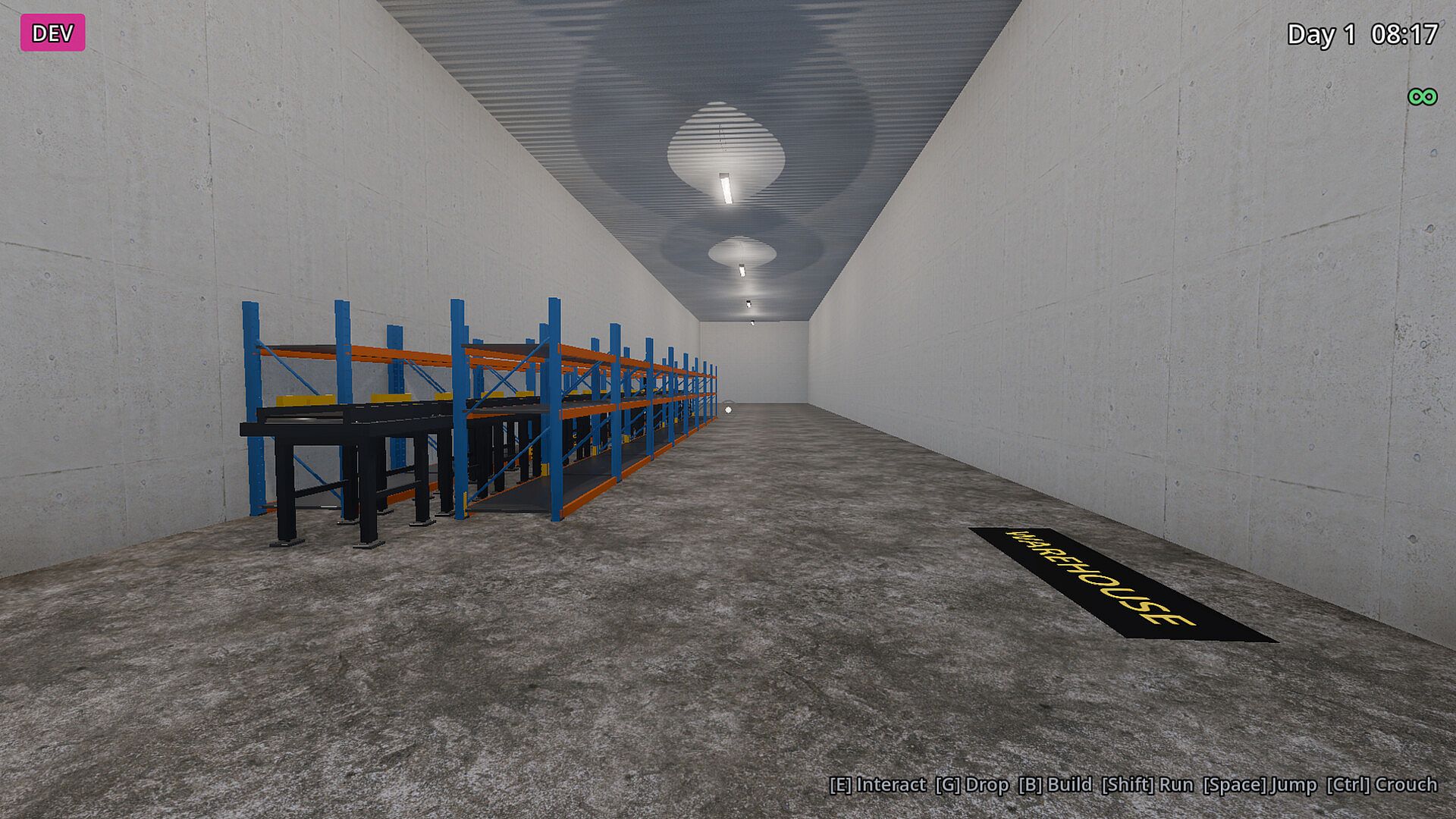
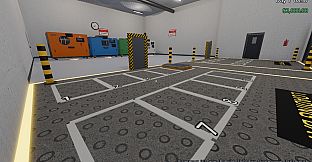
Warehouse organization plays a supporting role. Finished products require dedicated space before automated shipping takes over, freeing players to focus on further expansion. The emphasis stays on creating self-sustaining loops where machines feed one another with minimal external input once set up correctly.
Is It Worth Playing?
Chip Factory Simulator appeals to fans of detailed factory management simulations who enjoy hands-on construction and gradual automation. The single-player focus delivers a self-contained experience built around semiconductor production themes, with mechanics that reward thoughtful layout design and iterative improvements.
Since the game remains in development with a planned release in Q1 2027, current details center on the core systems described in official materials. Those interested in similar titles may find value in the emphasis on first-person operation combined with large-scale expansion. The absence of multiplayer or additional modes keeps the scope narrow and dedicated to solo factory building.
Players seeking deep automation challenges without external competition will likely connect with the progression from manual control to fully linked production networks. The game targets those who appreciate methodical optimization over fast-paced action or narrative elements.