




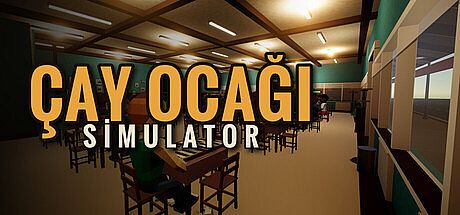


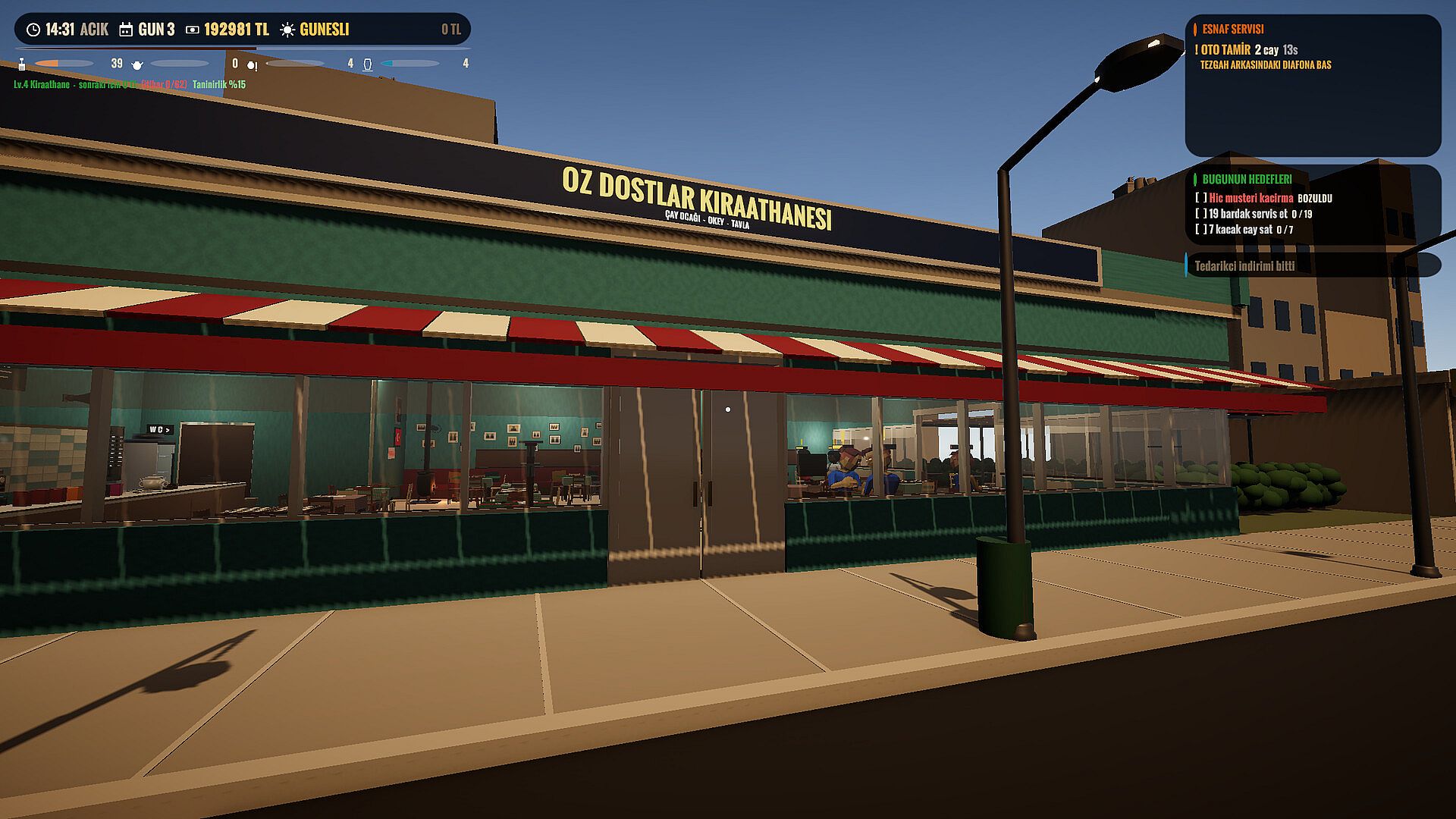
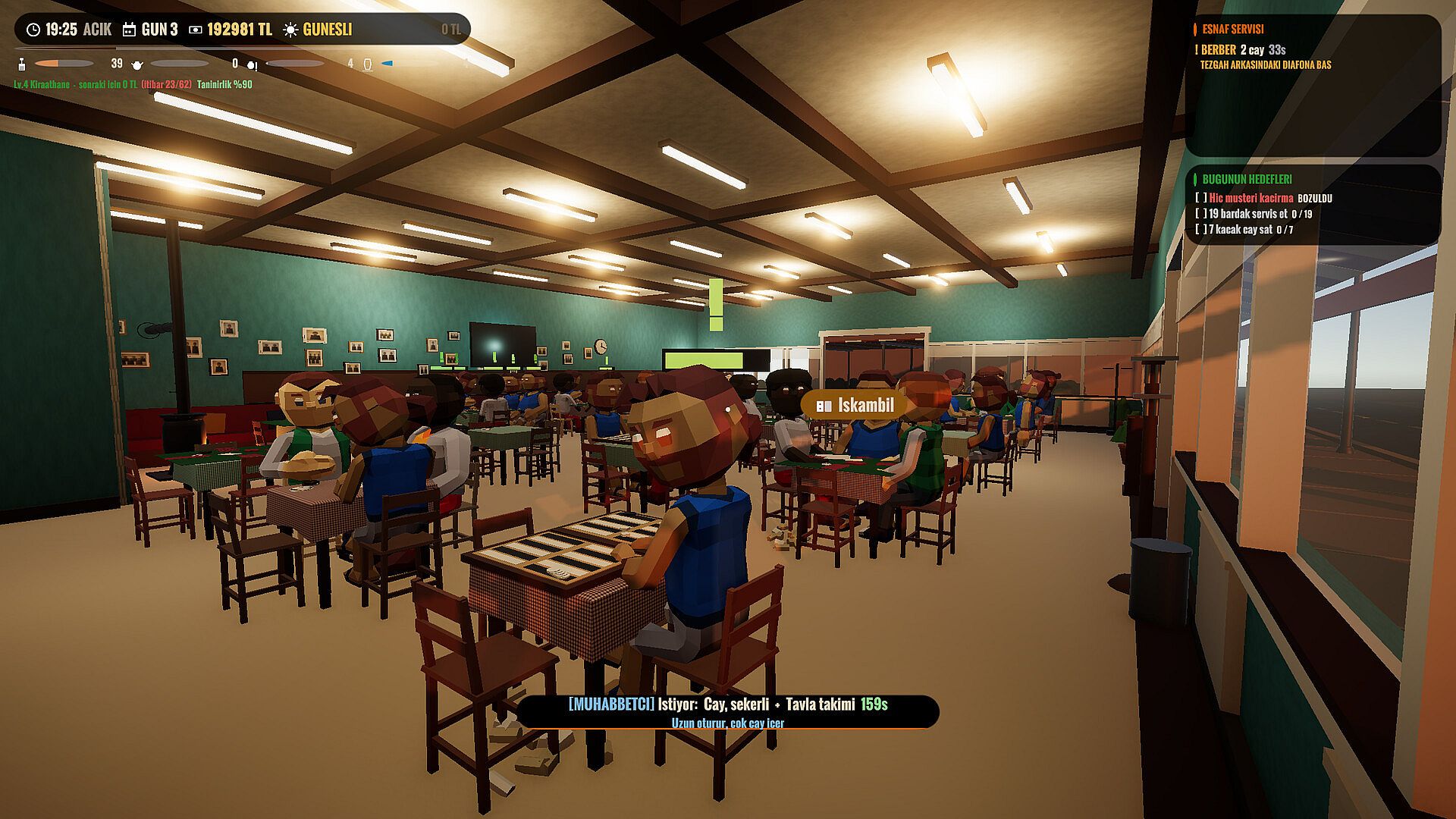

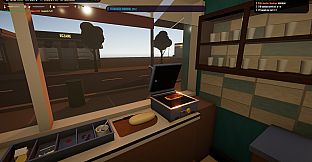
Çay Ocağı Simulator is an indie casual simulation game set in a traditional Turkish tea house known as a kiraathane. Players inherit the business and handle daily operations that revolve around brewing and serving tea while managing the unique rhythms of the shop and its surroundings. The experience blends management tasks with light chaos from customers and staff, all on PC.
Gameplay
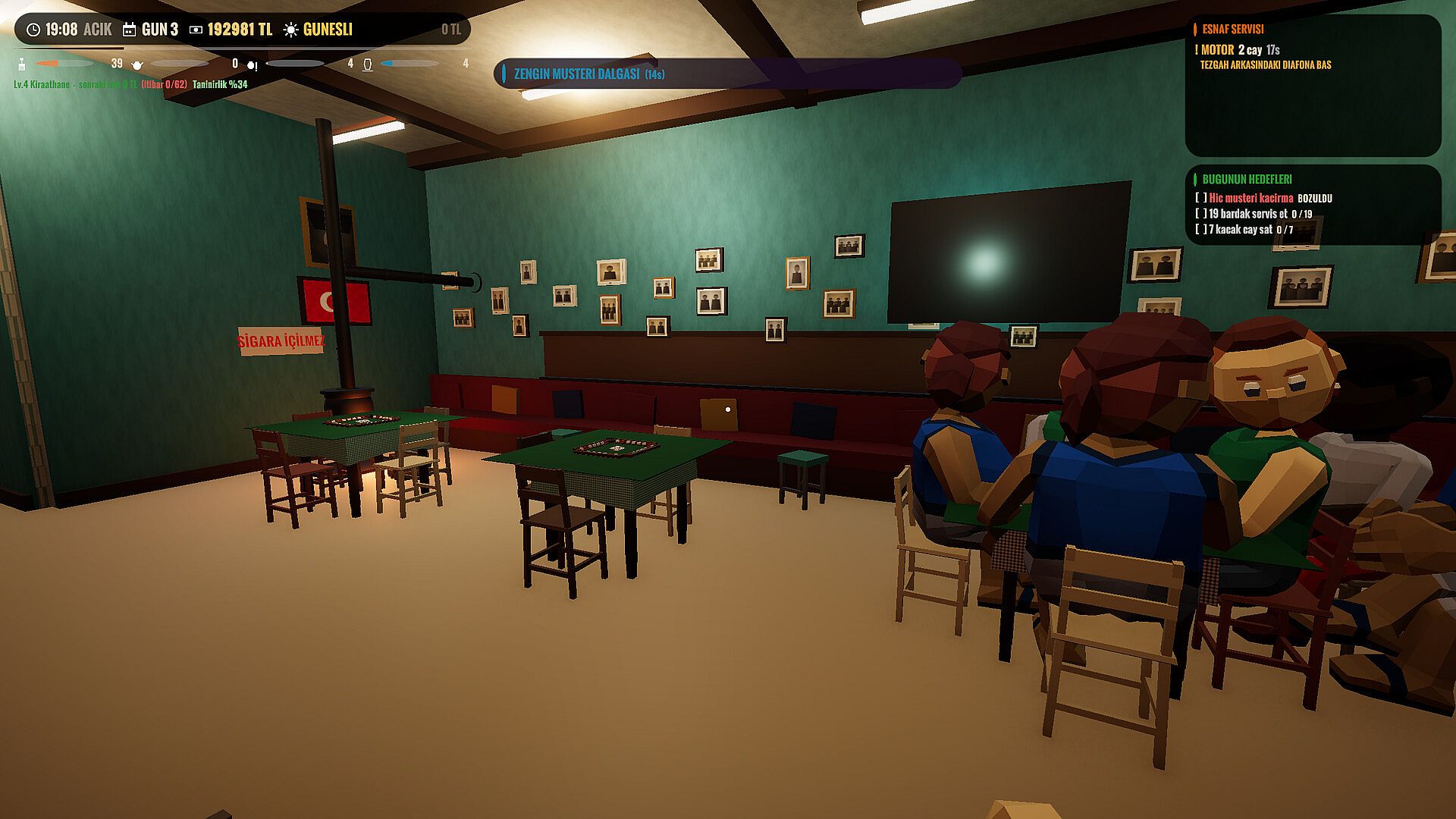
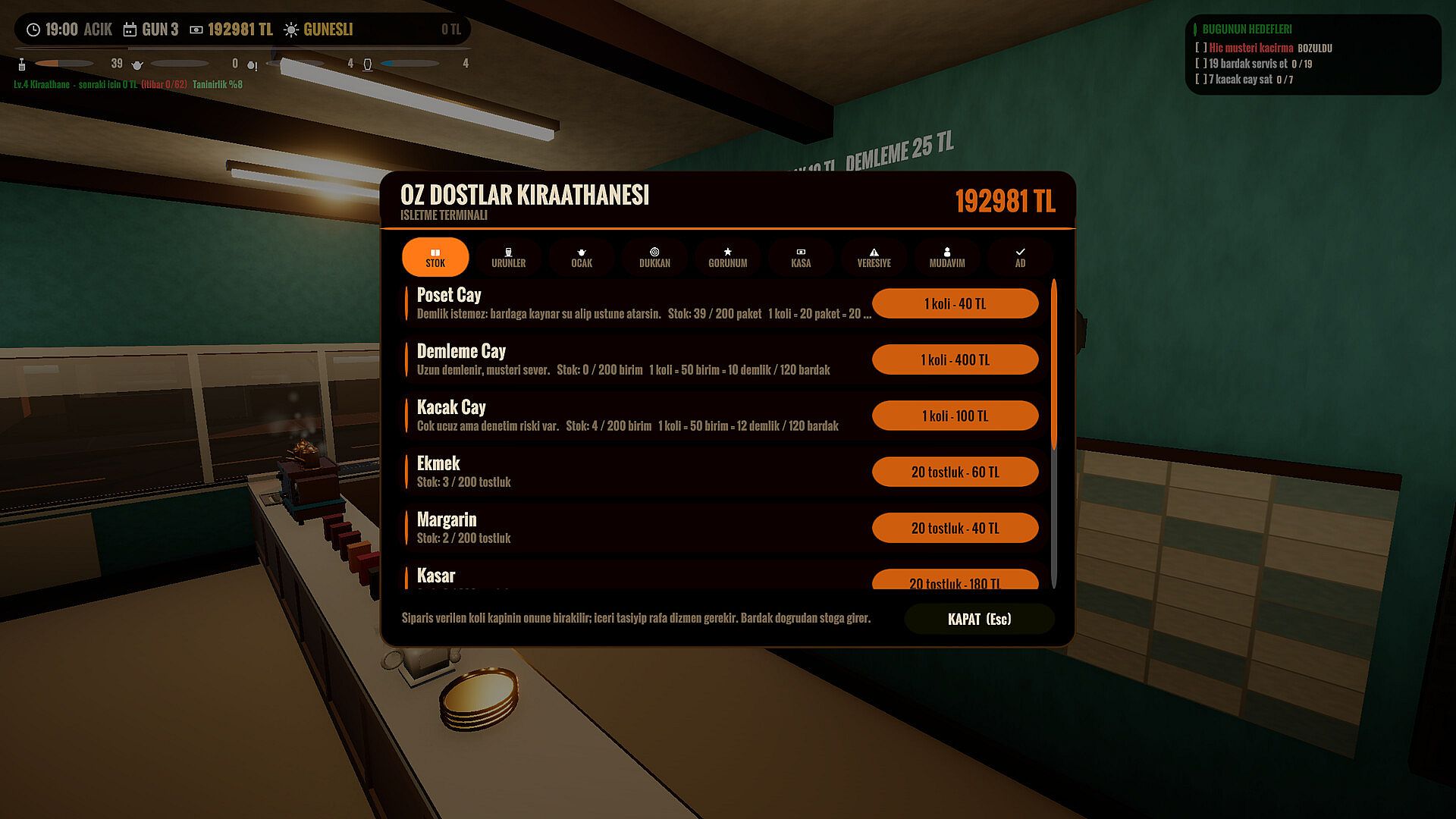
The core loop centers on keeping the tea flowing in a lively environment. Old men play okey in one corner while a football match runs on the television. A samovar must stay full at all times, and shopkeepers along the street summon service the moment their glasses empty. Brewing happens in two styles: quick teabags that customers notice or proper preparation with the samovar and pot that requires correct steeping time and leaf sourcing. Smuggled leaves cost less yet risk a raid. Service uses ince belli glasses with sugar on the side, and later unlocks add oralet, rosehip, fruit tea, instant coffee, and cold drinks.
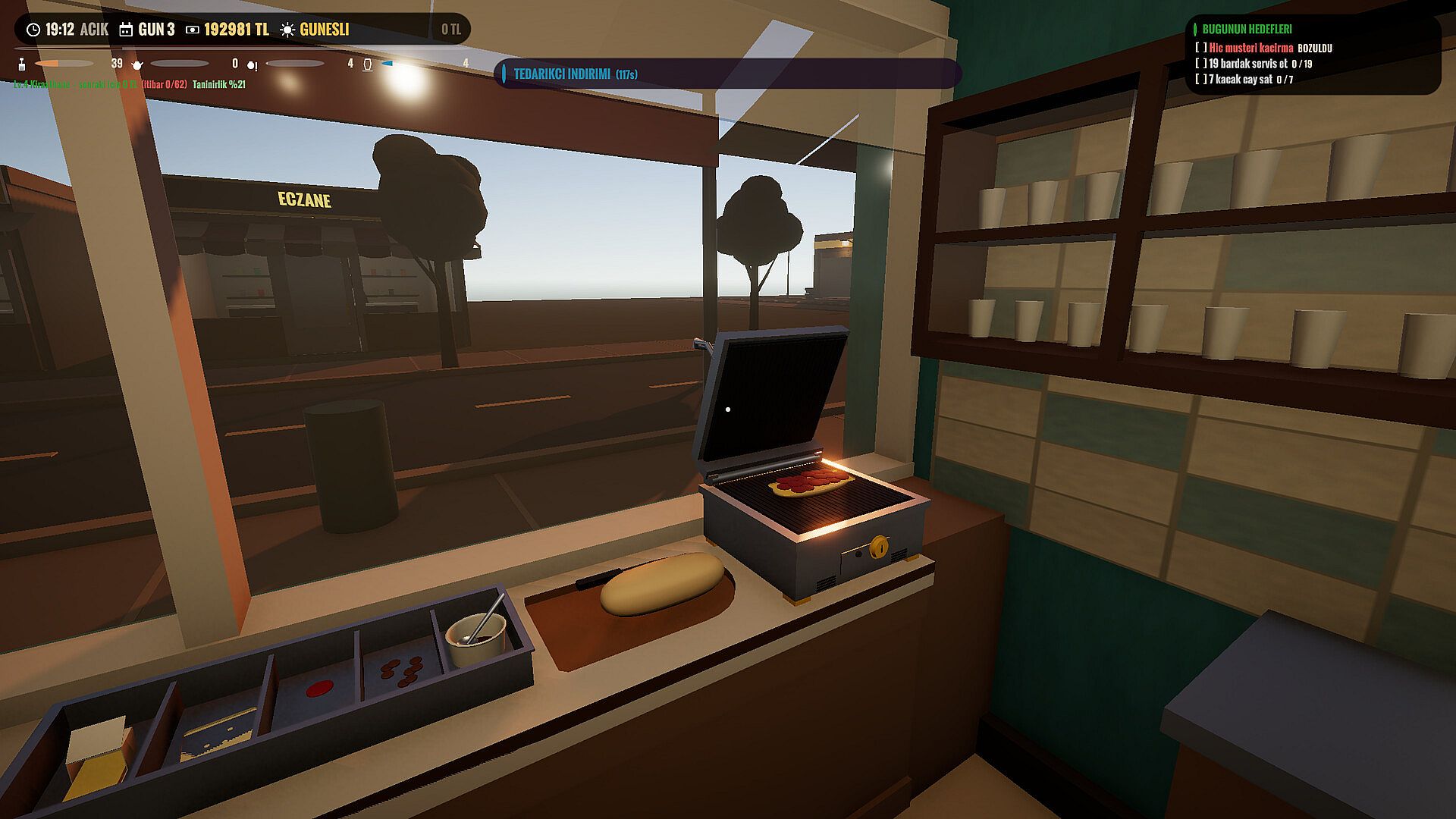
Toast preparation adds another layer with twenty ingredients, eleven recipes, and six kitchen tiers. Bread is cut and loaded in any order before removal to avoid burning. Outside the shop, sixteen shopkeepers place orders through megaphone calls or intercom signals. Delivery speed affects tips, and some customers request credit that requires a decision on trust. Financial pressures include bills, VAT, late fees, and interactions with a tax inspector or police. Failure to pay brings bailiffs.
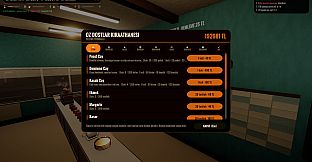
Shop customization allows buying tables in batches, opening a garden, extending the okey area, or upgrading the samovar. The business grows across seven levels with eight customer personalities, five weather states, daily jobs, and random events. An apprentice named Onur assists solo players at his own pace. Achievements track progress throughout.
Game Modes
Çay Ocağı Simulator supports solo play and full online co-op for one to four players. In co-op sessions, roles divide naturally with one player focused on brewing, another handling deliveries, a third operating the toast machine, and the fourth often left managing the doorway. Every glass remains finite, so neglected washing halts service for the entire group. The shared space encourages coordination yet allows humorous breakdowns when tasks overlap or players idle.
Solo mode incorporates the apprentice to ease workload while preserving the same core systems of brewing, delivery, kitchen work, and customer management. No additional named modes appear beyond these options, keeping the focus on the tea house operations and their multiplayer dynamics.
Shop Management and Daily Challenges
Running the kiraathane extends beyond the counter. Street deliveries compete with in-house demands, and okey games at table nine can escalate from tension to arguments and physical fights. A heavy tile rack behind the counter offers a potential intervention tool. Weather influences customer behavior across five states, while random events and daily jobs add variety to each shift. Upgrades and expansions improve efficiency and capacity as the business levels up.
Financial oversight remains constant. Missed payments trigger escalating consequences from inspectors and authorities. The game tracks popularity and satisfaction metrics that respond to service speed and quality. These systems create a loop where efficient teamwork or solo multitasking directly impacts long-term success.
Is It Worth Playing?
Çay Ocağı Simulator suits players who enjoy management simulations with a focus on repetitive yet satisfying tasks and light co-op interaction. The detailed tea preparation, toast mini-games, and street delivery elements provide variety within the single setting. Co-op sessions highlight the potential for both smooth operation and entertaining disarray among friends. Solo play remains viable through the apprentice system and progression features.
The game appeals to those interested in cultural simulation themes or casual indie experiences that emphasize routine service work over high-stakes action. Availability on PC and support for up to four players online make it accessible for small groups seeking a shared management challenge. Reception centers on its authentic Turkish tea house atmosphere and the humorous potential of its systems rather than broad mainstream appeal.