




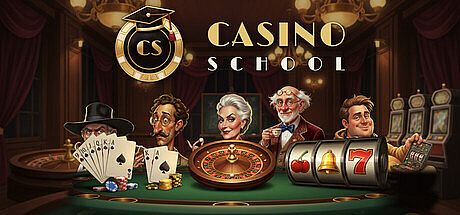




Casino School is an indie casual simulation game on PC that teaches the rules and strategies of popular casino games through structured lessons and practice sessions. Players learn without financial risk, focusing on understanding mechanics, testing approaches, and reviewing outcomes based on probability.
Gameplay
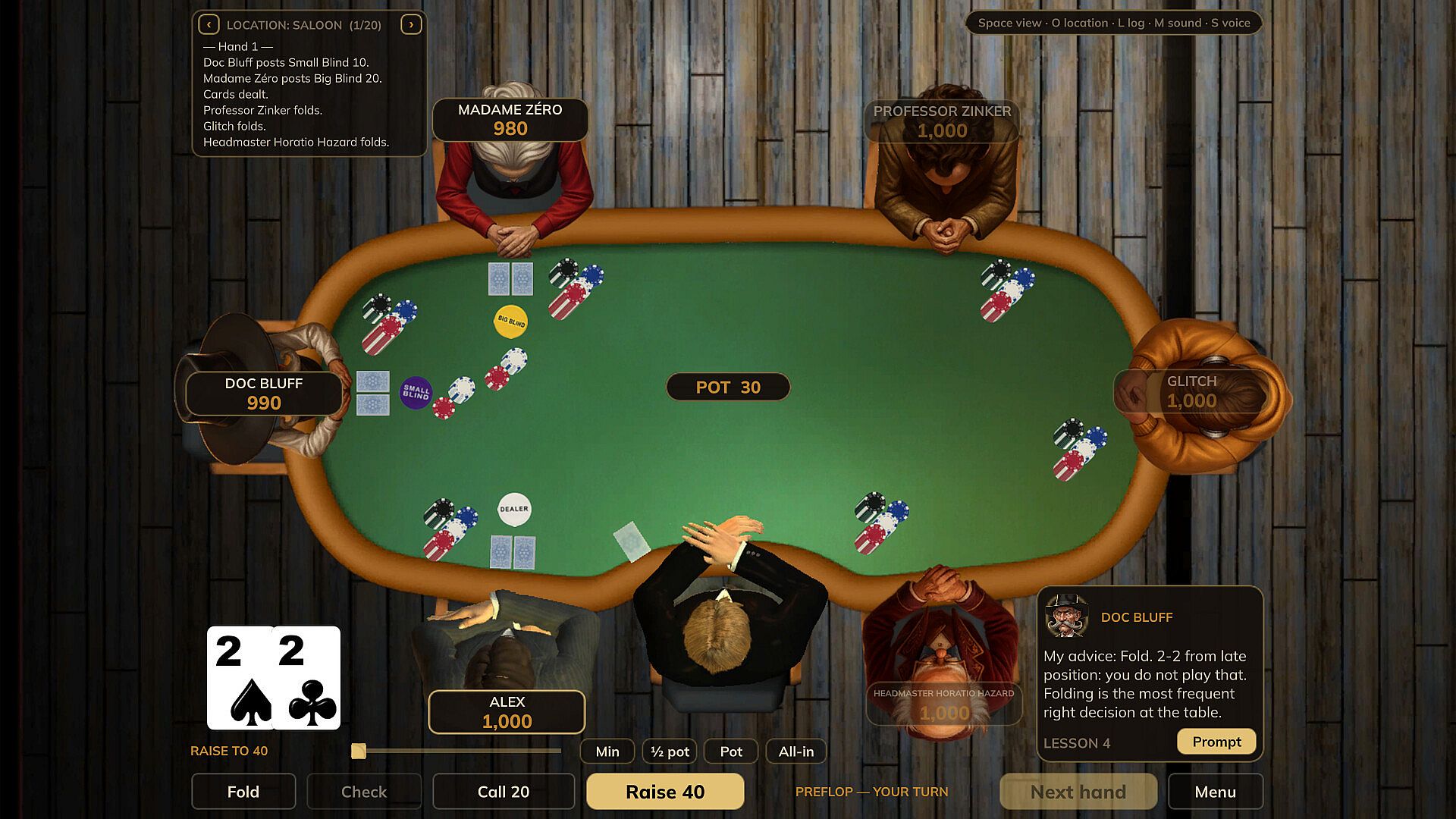
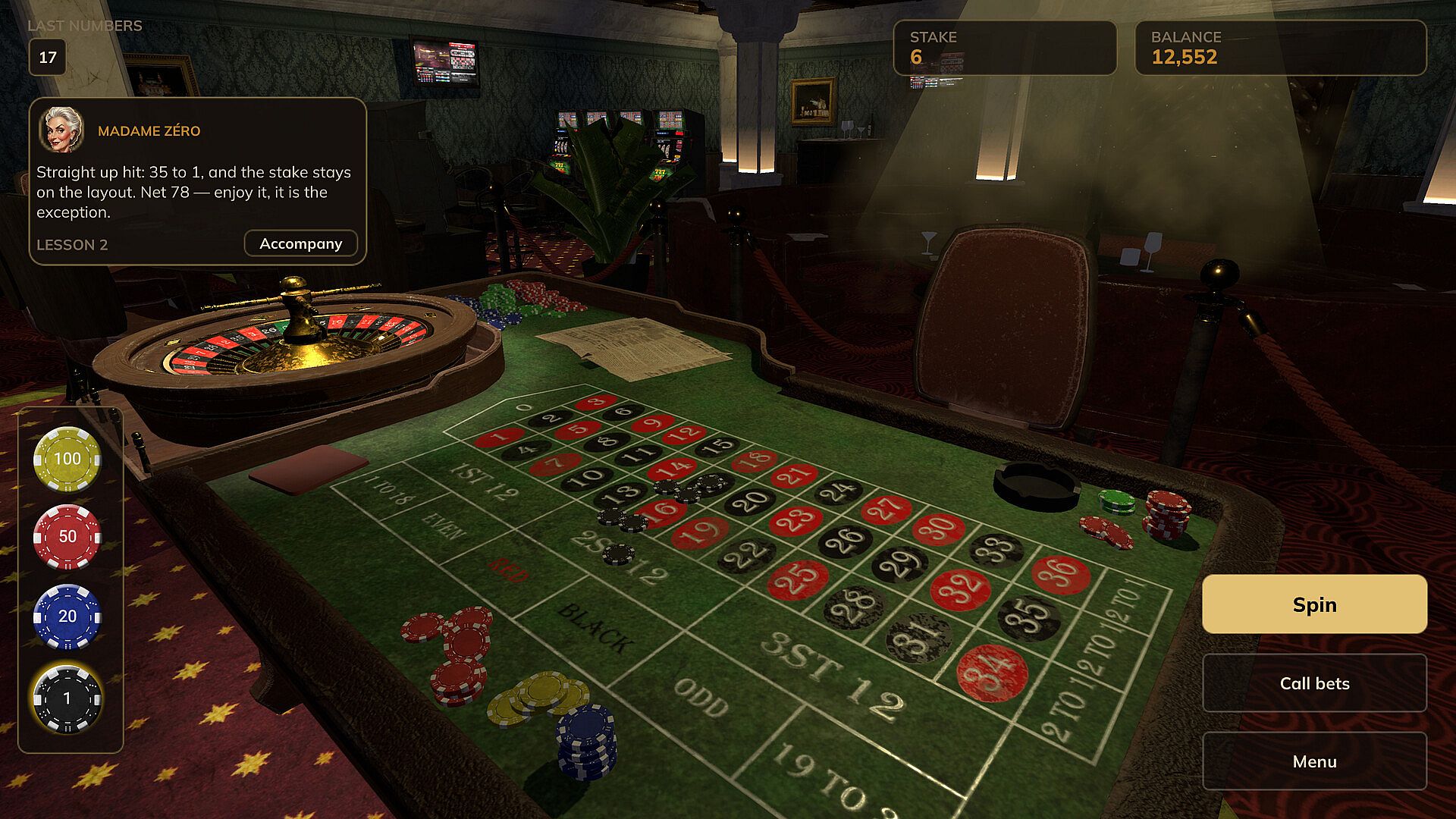
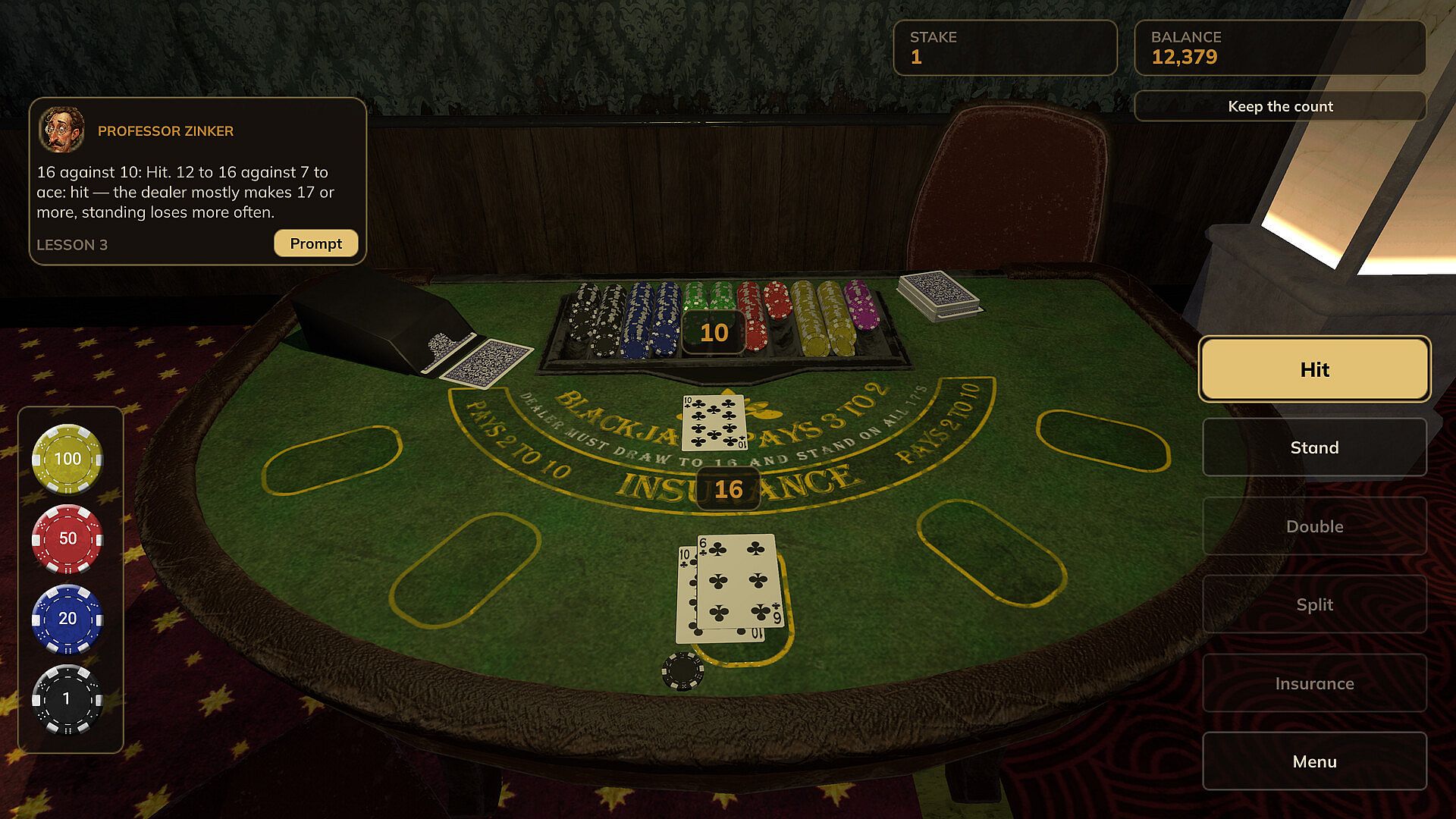
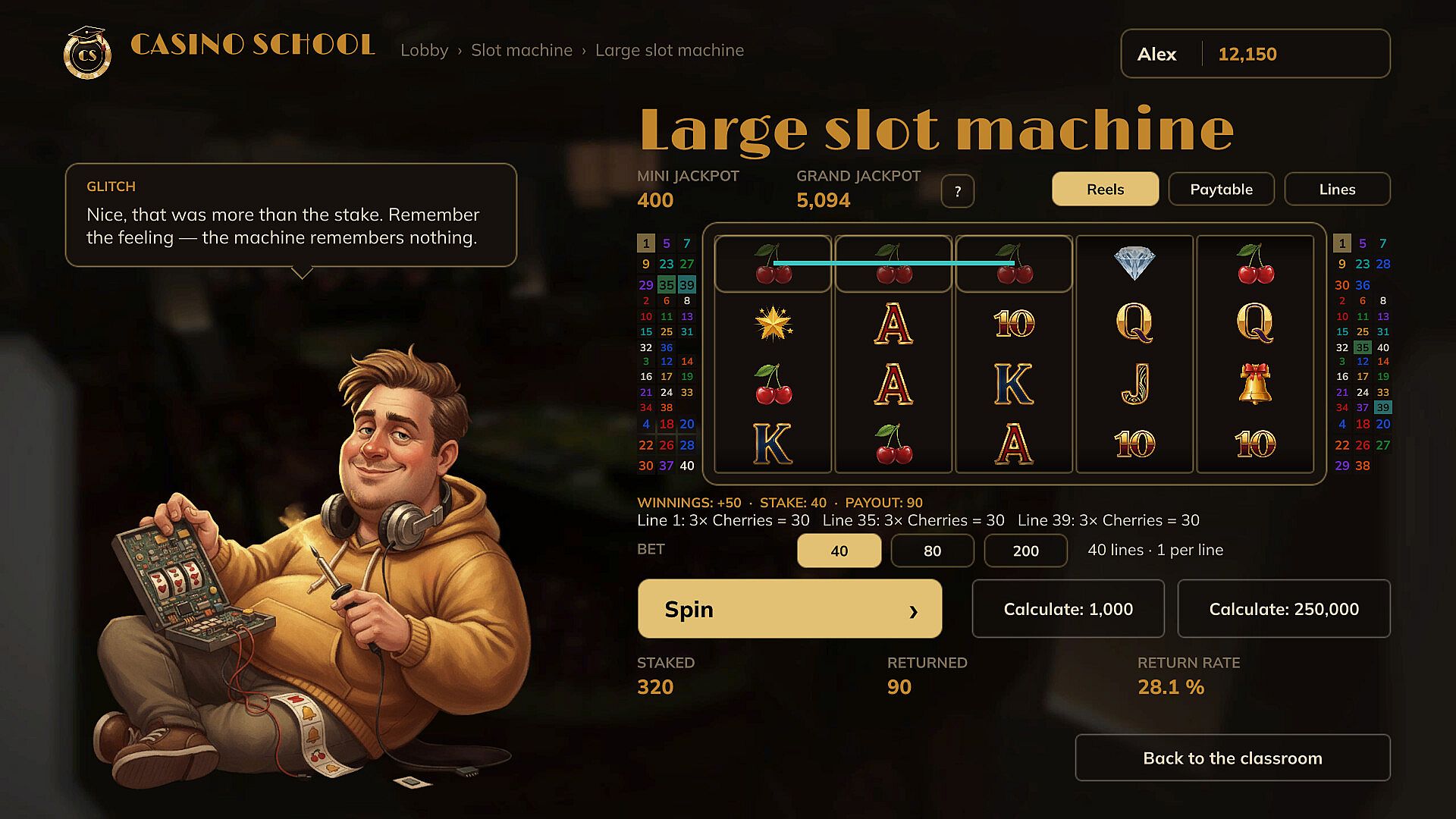
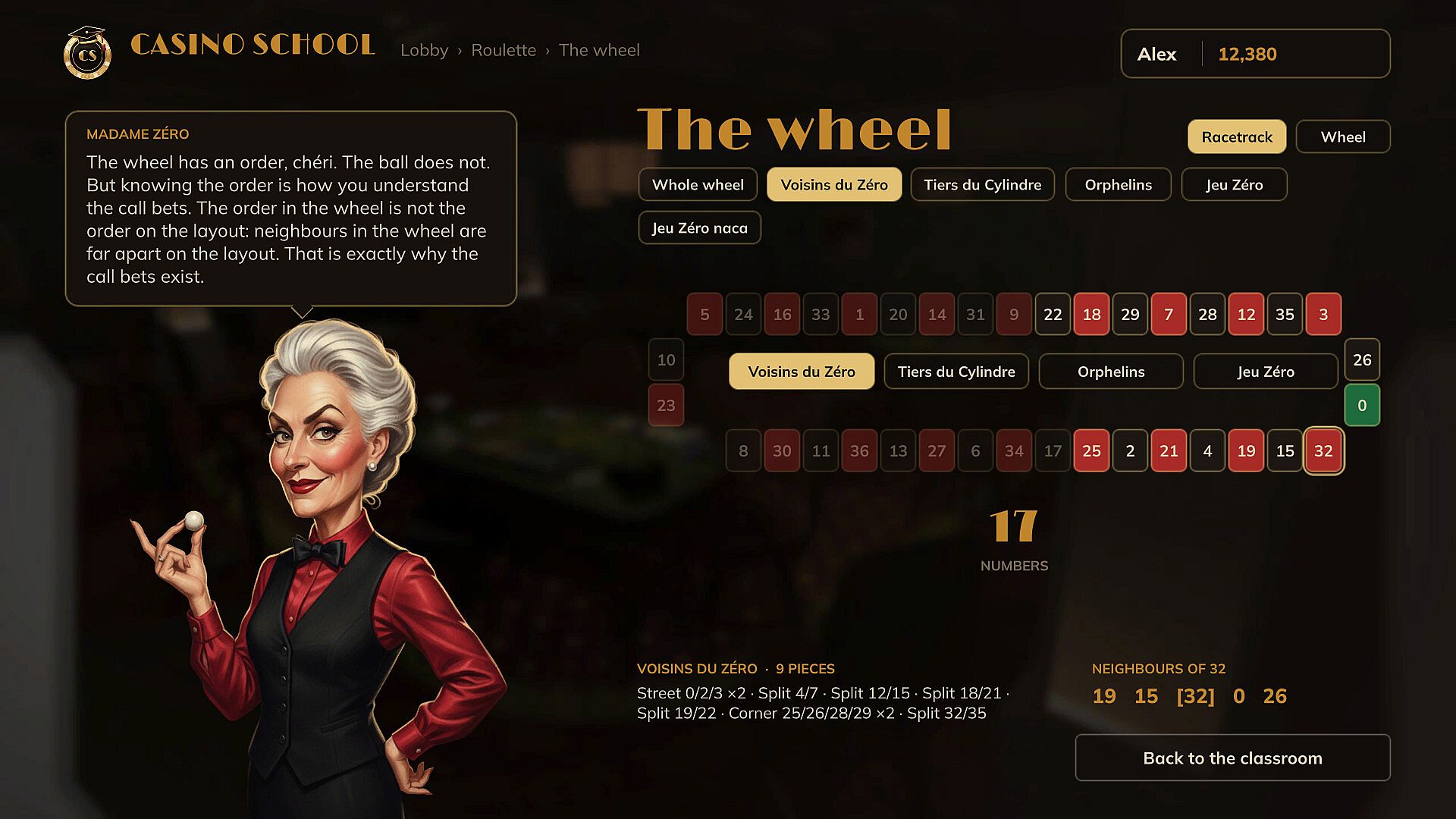
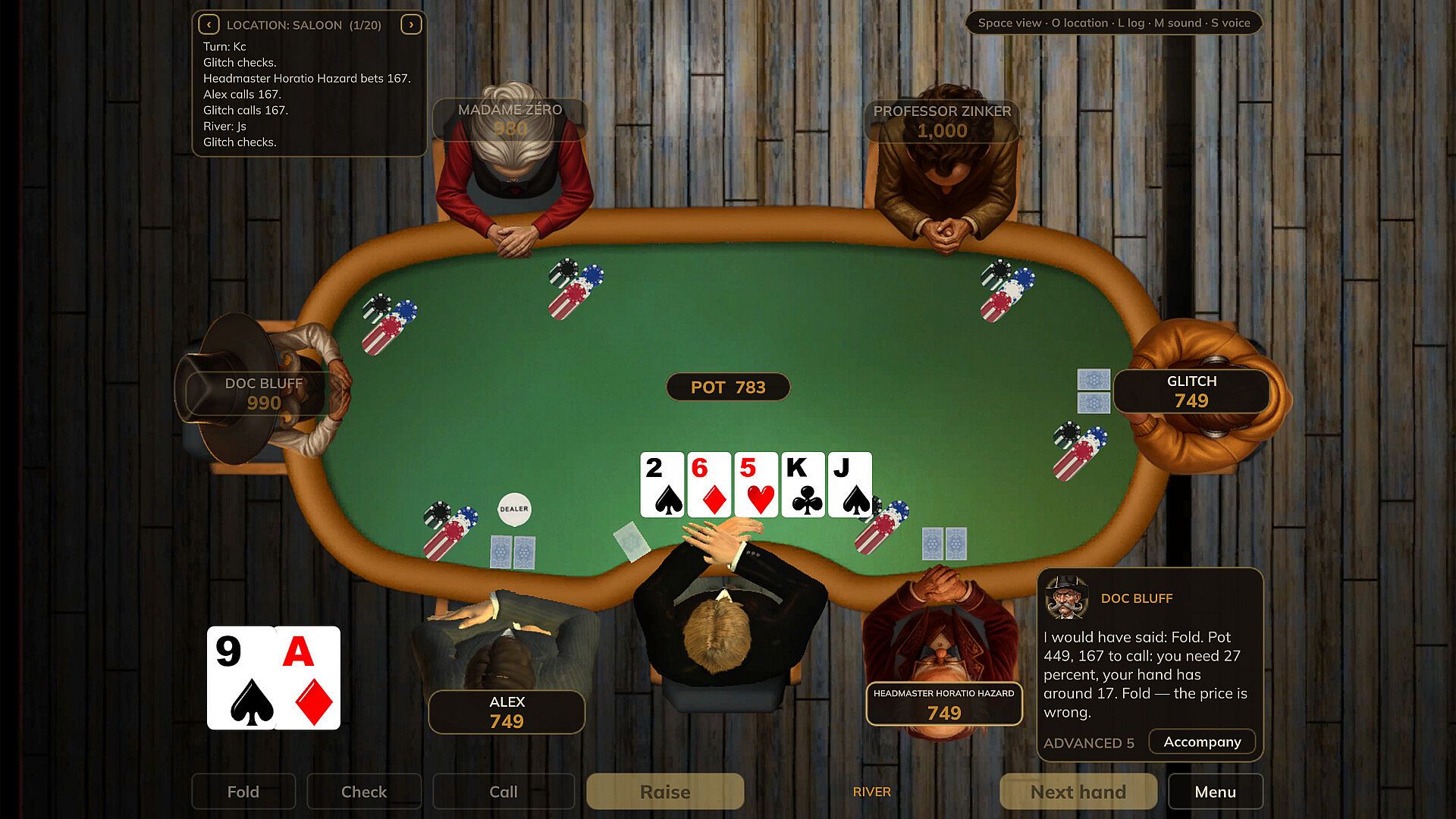
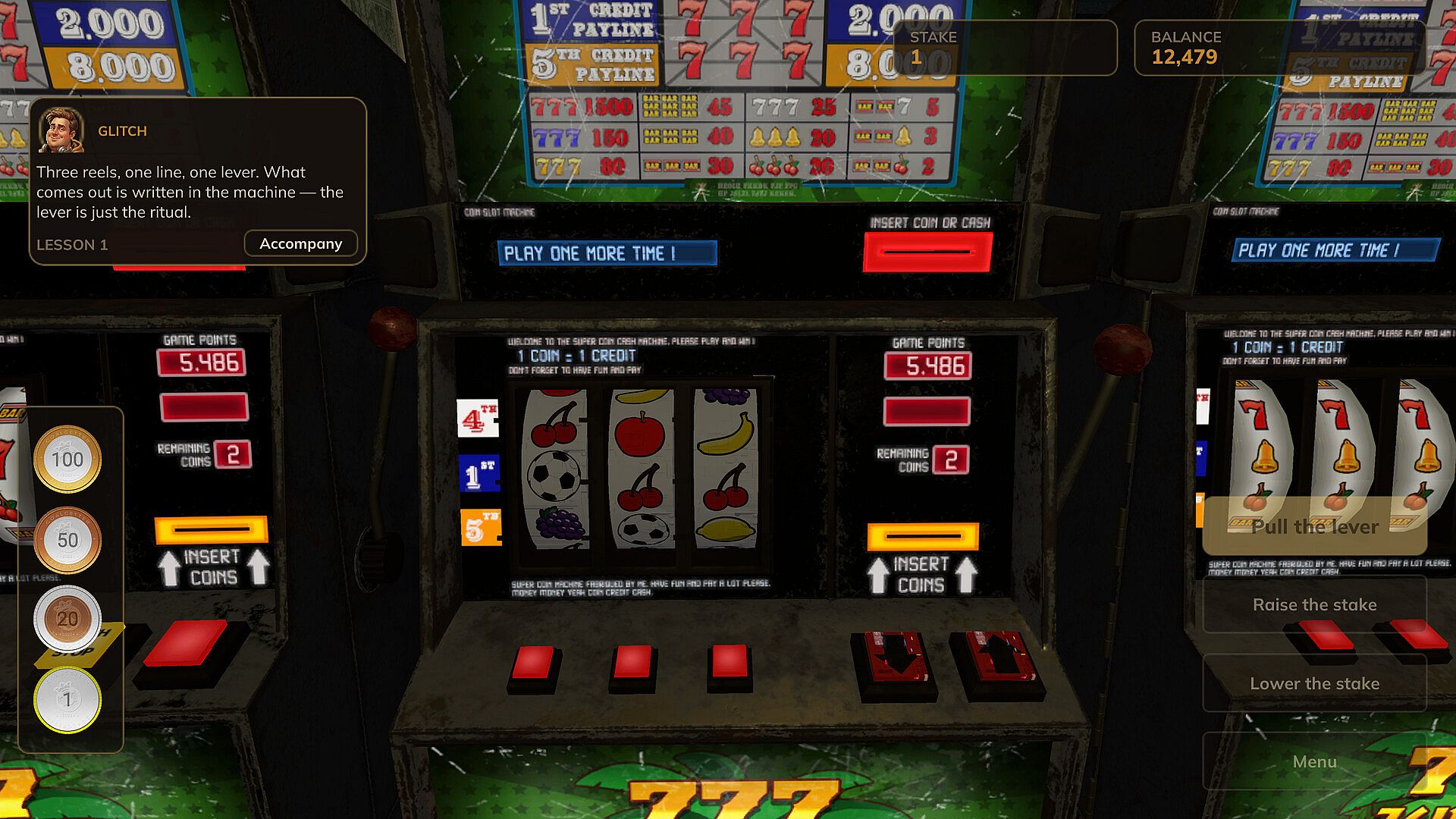
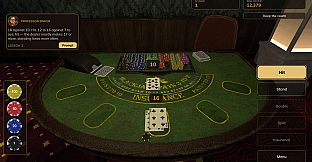
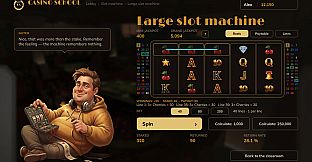
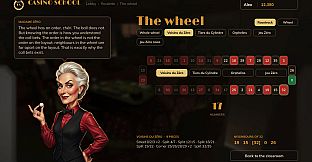
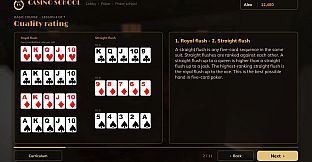
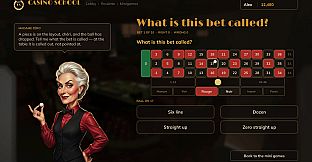
The core loop centers on progressing through lessons delivered by five specialized teachers. Each instructor covers one of four games in detail, starting with fundamentals and advancing to advanced concepts. Doc Bluff covers Texas Hold'em, including starting hands and table play. Madame Zéro breaks down roulette, including call bets and the role of the zero. Professor Zinker handles blackjack, covering basic strategy and card counting techniques. Glitch explains slot machines, analyzing paylines, wild symbols, and jackpot structures. Headmaster Horatio Hazard oversees the overall numbers and verification process.
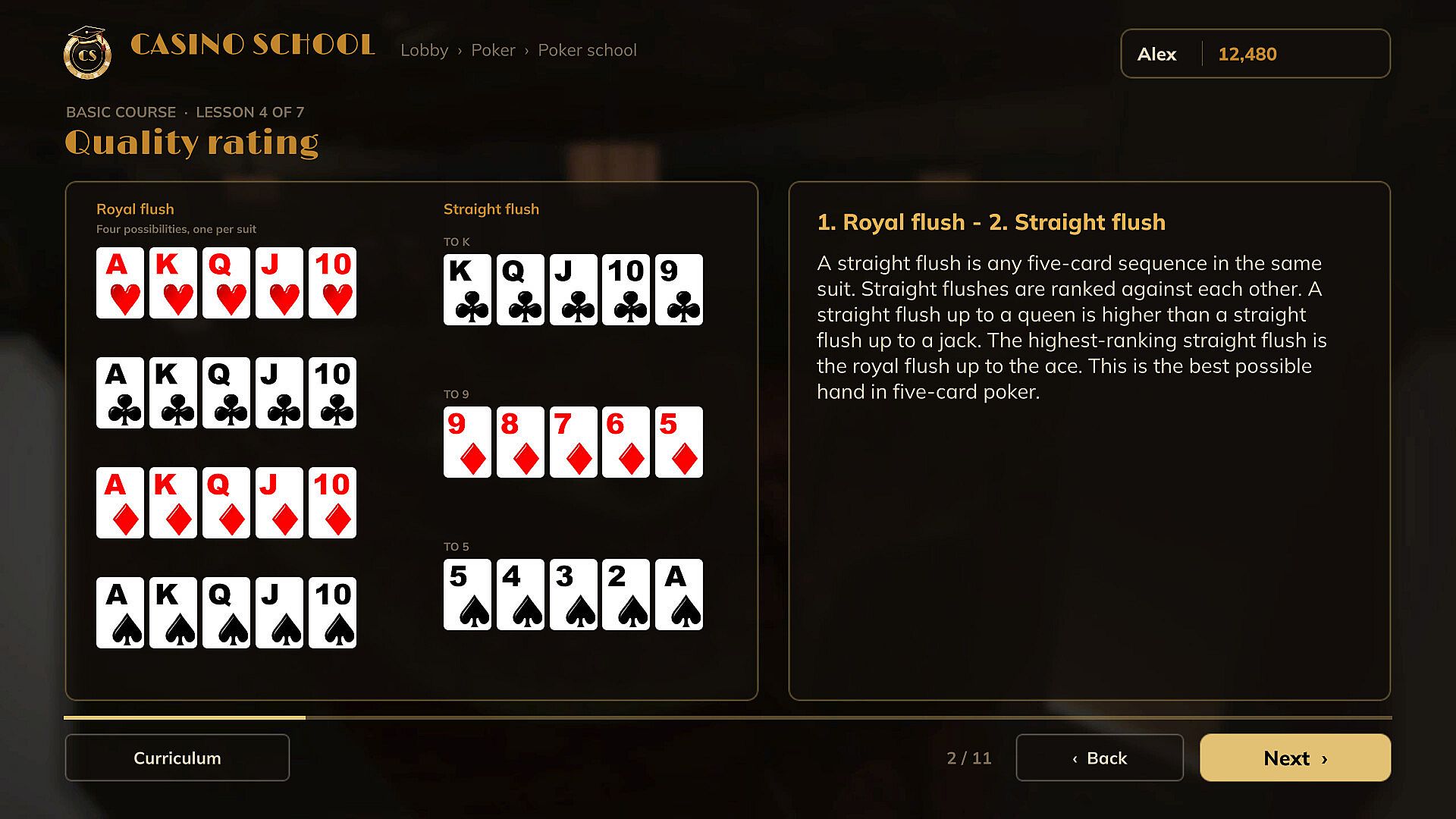
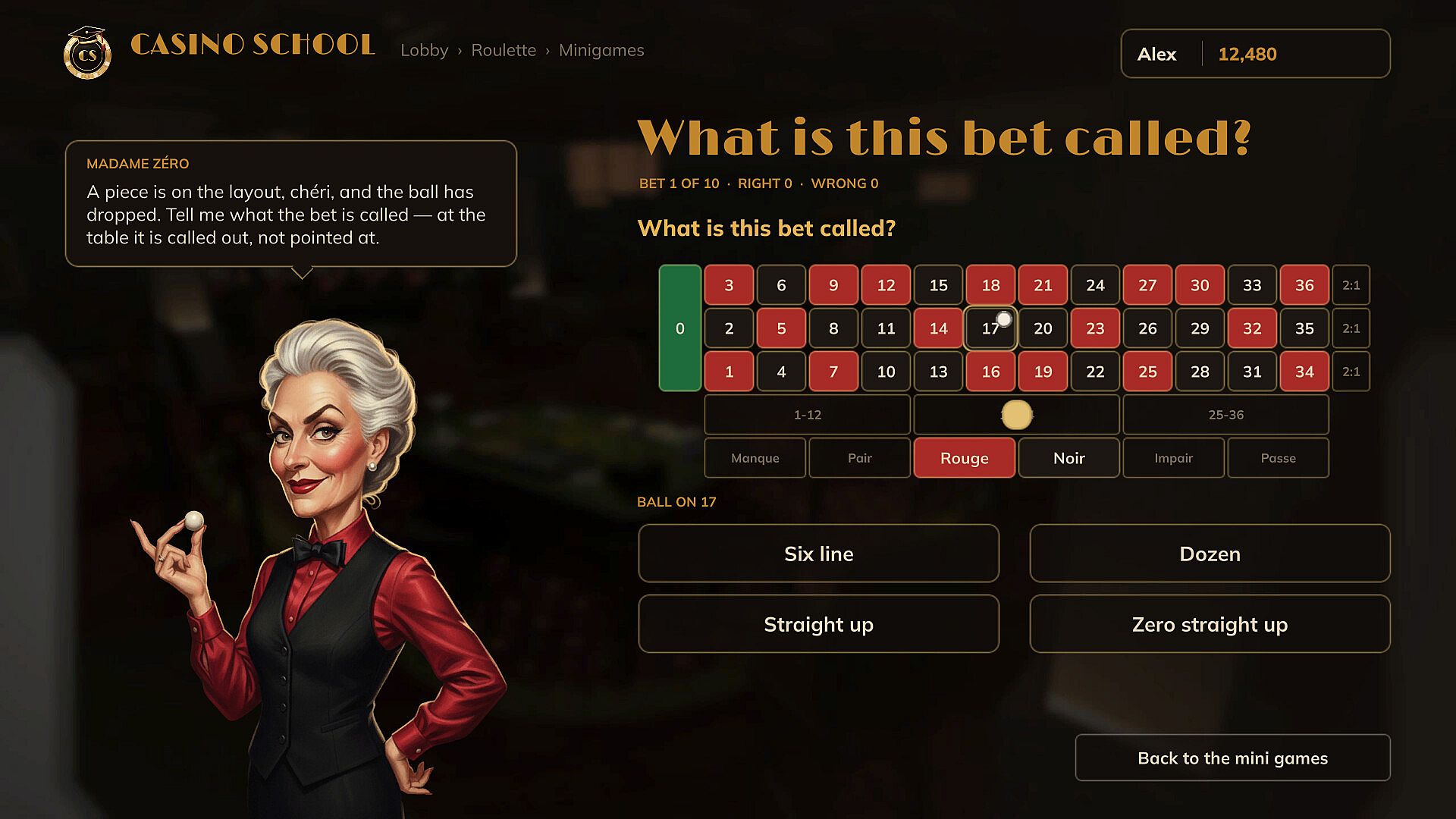
Players work through 40 lessons spread across four schools. A glossary provides definitions for 177 terms to support learning. Twelve mini games reinforce specific skills, such as identifying winning hands, deciding dealer actions, or maintaining a running count. Tutoring occurs directly at the virtual tables, where instructors suggest moves based on the current situation. Statistics track individual results alongside aggregated data from all players to illustrate long-term patterns like the law of large numbers.
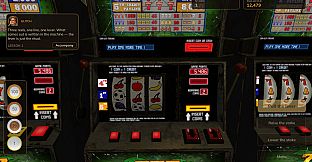
Slot machine analysis includes running simulations of up to a quarter million rounds to observe return rates. This feature lets players examine how stakes perform over extended play without manual repetition. Controls support mouse, keyboard, or controller input, with Steam Cloud saving progress across sessions.
Game Modes
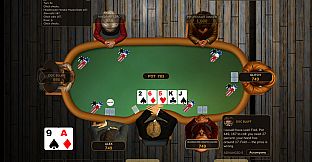
Four distinct schools organize the learning content around the main games. Poker receives dedicated support with matches against more than 50 computer opponents. Seven tournaments provide structured competition, while a casino cash table incorporates real rake mechanics for realistic practice. The main casino area includes roulette, blackjack that uses a cut card, and multiple slot machine styles ranging from classic three-reel models to modern variants with free spins and progressive jackpots.
Practice elements appear as standalone mini games that isolate key decisions. These range from quick hand evaluations to ongoing count tracking during simulated play. Achievements total 100 and reward progress in understanding rules as well as demonstrating skill through accurate decisions and consistent results. A friends-only leaderboard allows comparison of performance metrics within Steam circles.
Learning Focus and Features
The game emphasizes calculation over belief by providing tools to review actual outcomes. Players can examine personal statistics alongside collective data to see how short-term variance gives way to expected results. No real money changes hands at any point, and the experience contains no in-game purchases or monetization elements.
Progression feels methodical. Lessons build sequentially, mini games offer targeted repetition, and full casino sessions combine multiple elements for integrated practice. The 177-term glossary serves as a quick reference during any activity. Achievements encourage both completion of educational content and application of strategies in varied scenarios.
Is It Worth Playing?
Casino School suits players who want to understand casino games before trying them in real settings, whether online or in person. The structure supports repeated practice of strategies across poker, roulette, blackjack, and slots while showing concrete results through statistics and simulations. Those seeking a low-pressure environment to test ideas and review probabilities will find the 40 lessons, mini games, and table tutoring directly useful. The absence of financial stakes removes pressure, allowing focus on mechanics and decision-making. Players interested in single-player simulation experiences with clear educational goals will appreciate the straightforward approach and the range of practice tools available.