










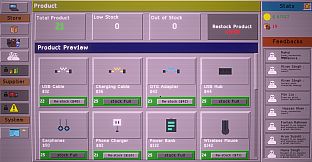
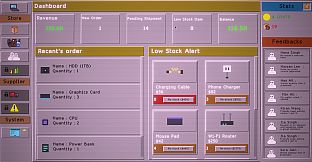
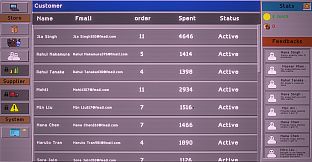
CartWare is a strategy, indie, casual, and simulation game built around incremental progression on PC. Players start with a basic online store and gradually develop it into a worldwide operation through careful management of orders, stock, and upgrades, all presented through a retro desktop interface.
Gameplay
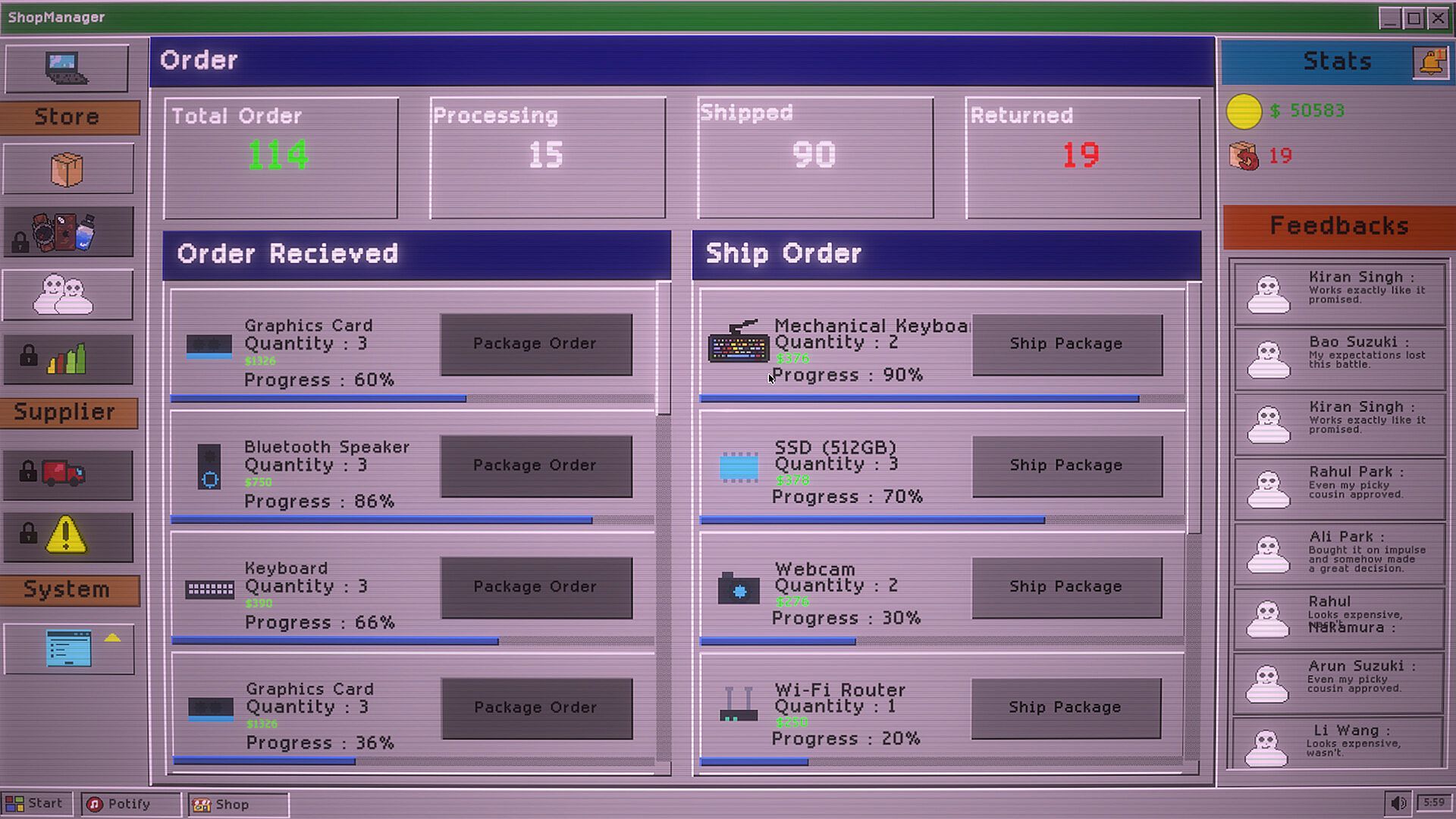
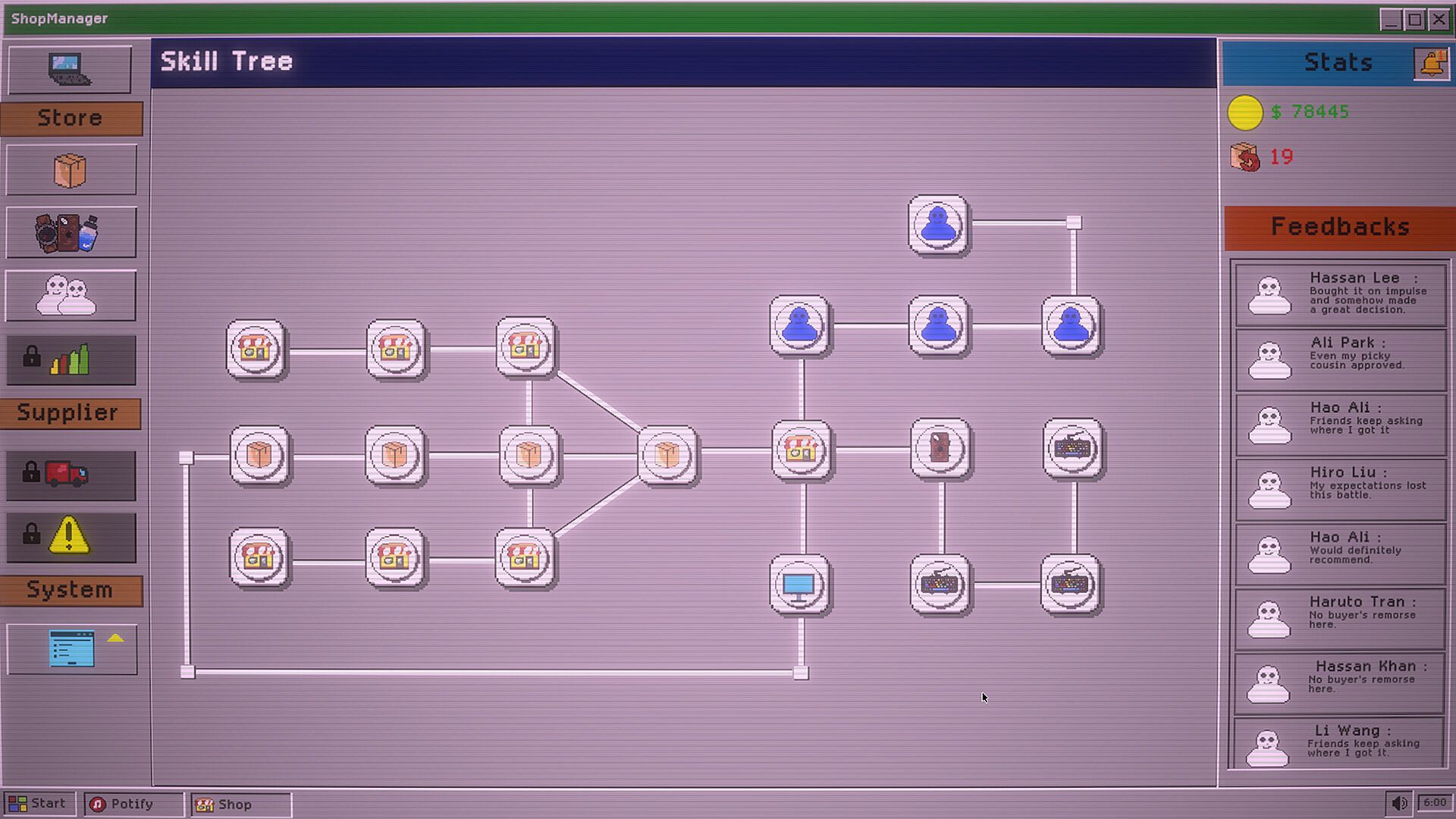
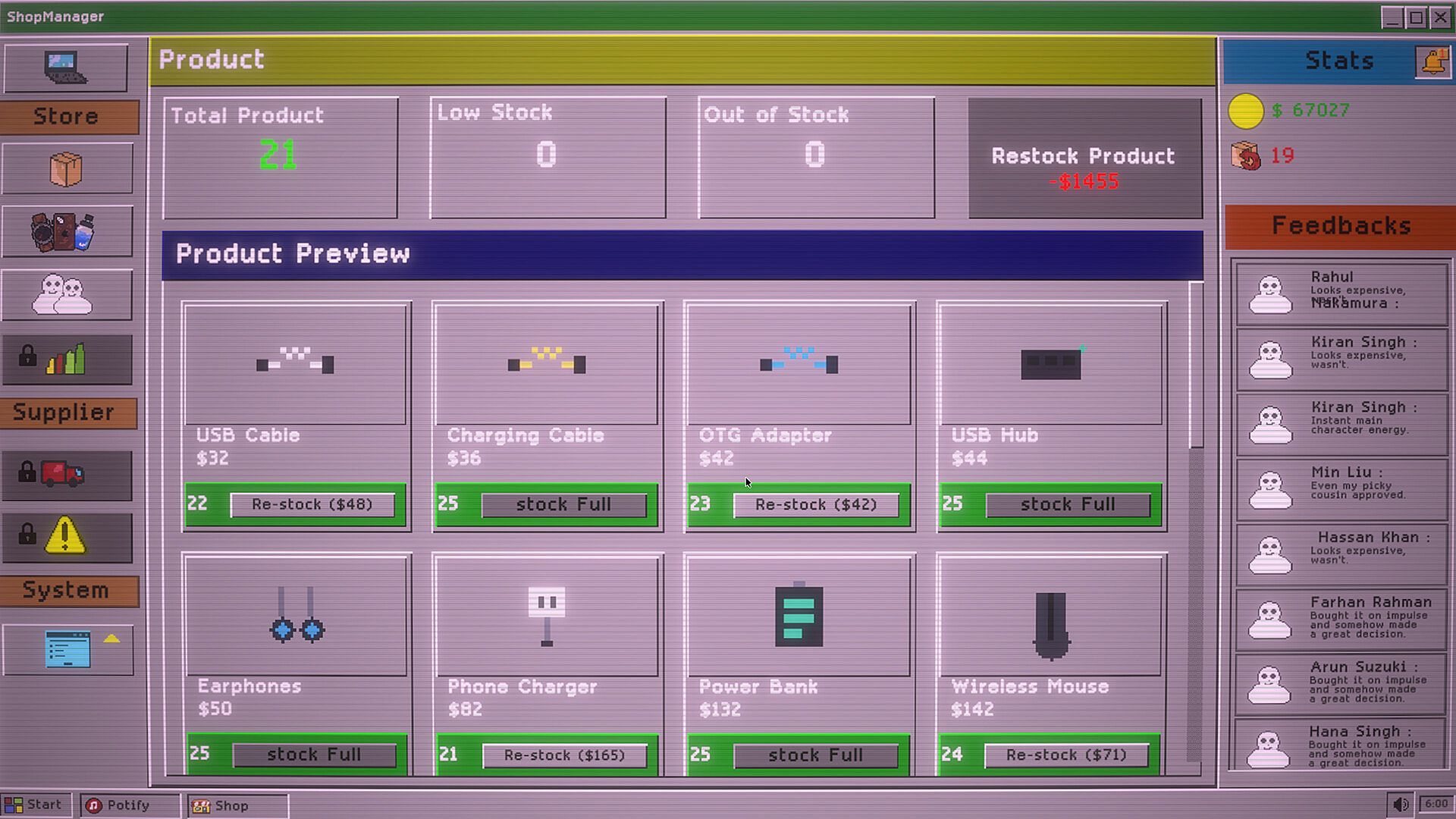
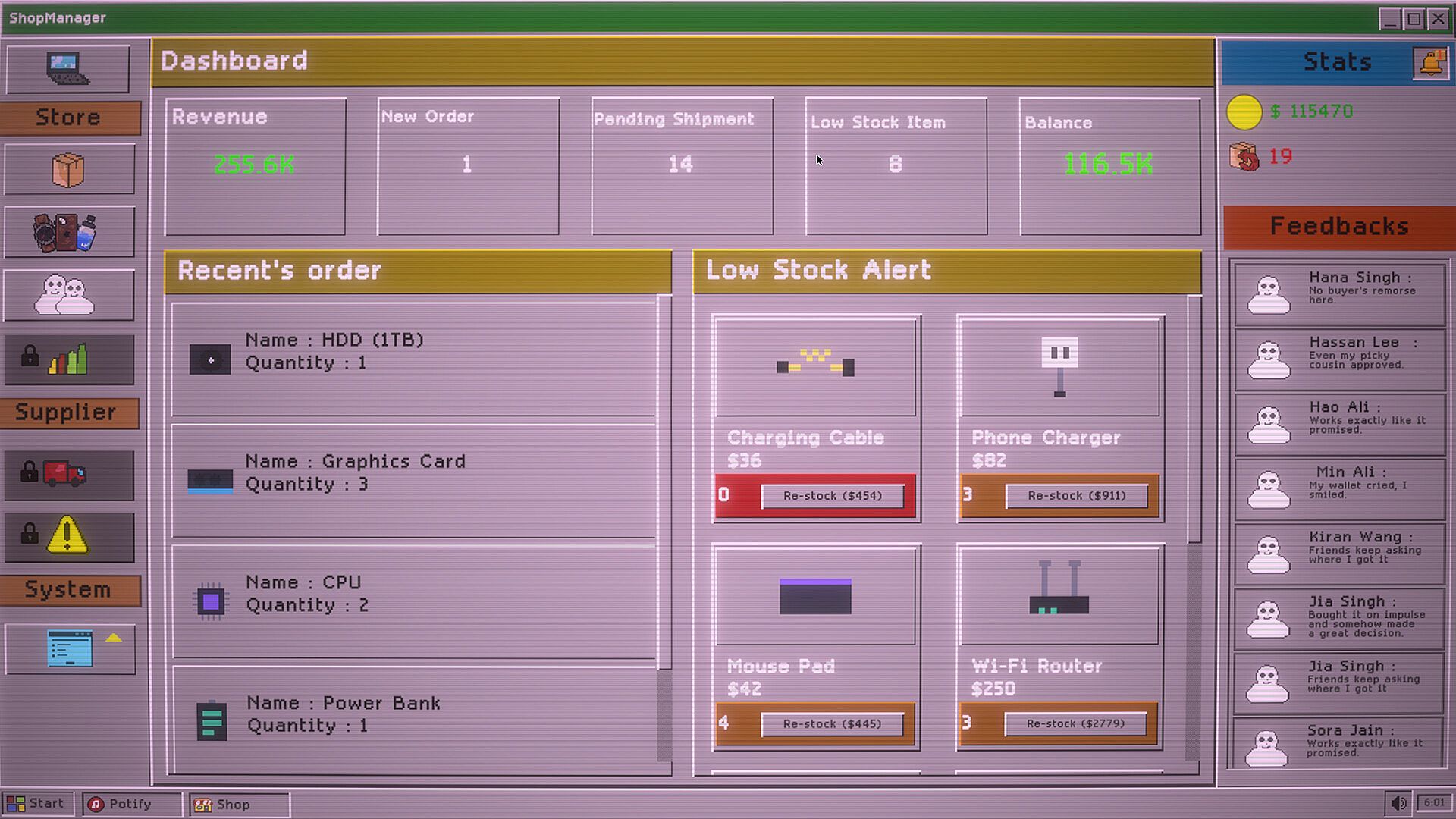
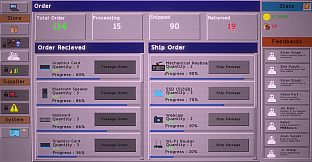
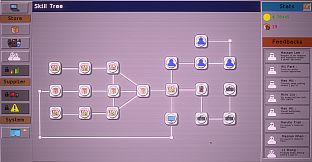
The core loop centers on handling customer orders from receipt to shipment. Players monitor incoming requests, prepare packages, and dispatch them to prevent backlogs from forming. Inventory management requires timely restocking to avoid shortages that could halt sales. Earnings are then spent on a skill tree that unlocks additional storefront options, tools, and improvements one node at a time. The retro desktop aesthetic frames every action, from clicking through order queues to navigating upgrade paths, creating a steady rhythm of short-term tasks that build toward larger business growth.
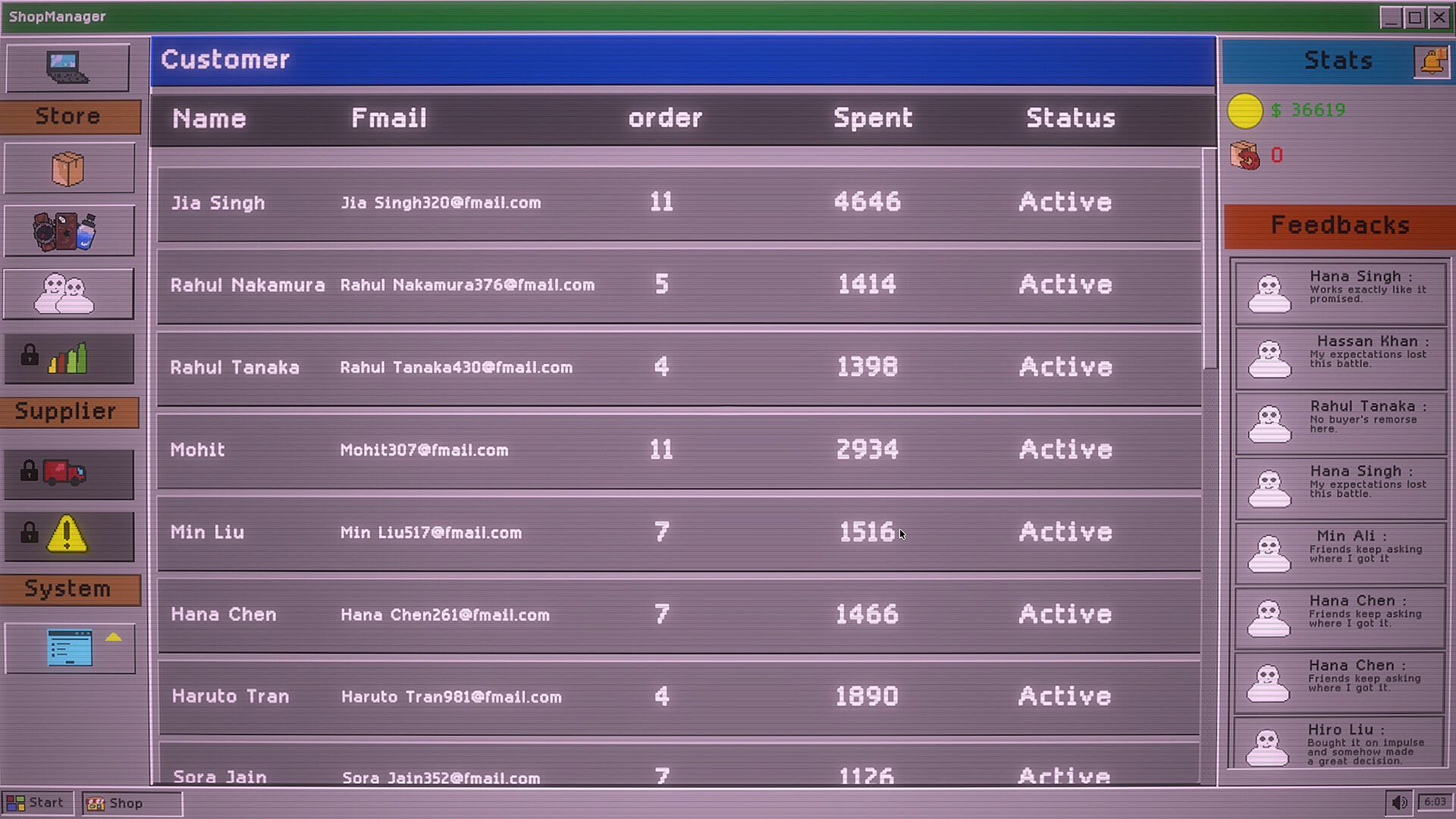
Progression feels deliberate rather than automatic. Each fulfilled order adds to resources that support further expansion, while the skill tree encourages players to prioritize certain upgrades based on their current bottlenecks. Suppliers factor into the process as well, adding another layer of planning when sourcing new products or scaling existing lines. The single-player structure keeps focus entirely on personal optimization without external competition or timed events.
Game Modes
CartWare operates as a single-player experience with no separate modes or variations confirmed at this stage. The entire session revolves around the incremental business-building loop described above, where players manage the full pipeline of orders, inventory, and upgrades in one continuous session. This unified approach suits the casual simulation style, allowing sessions of varying length without switching between distinct rule sets or objectives.
Progression and Expansion
Early stages involve basic order fulfillment and shelf restocking on a limited storefront. As revenue accumulates, the skill tree opens paths to new locations and efficiencies that support higher volume. Global expansion emerges naturally from these choices, turning initial small-scale operations into broader networks. The retro interface reinforces the incremental feel, with each upgrade visibly altering the desktop workspace and available tools.
Mechanics emphasize balance between immediate order handling and long-term planning. Running out of stock or letting queues grow creates direct setbacks, while smart reinvestment accelerates growth across multiple fronts. No additional systems such as factions or seasonal content appear in available details, keeping attention on the core store management cycle.
Is It Worth Playing?
CartWare targets players who enjoy incremental and simulation games that reward steady attention to systems like inventory and order flow. Its single-player format and retro presentation deliver a focused experience without multiplayer elements or complex branching paths. With a planned release in Q4 2026 and no reviews available yet, suitability depends on interest in this specific style of business-building gameplay. Those drawn to casual strategy titles centered on gradual empire growth from humble beginnings will find the described mechanics align closely with that preference. The game remains in development, so final polish and any post-launch support are not yet confirmed.