




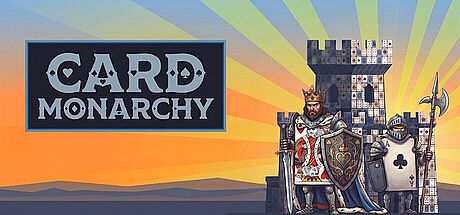


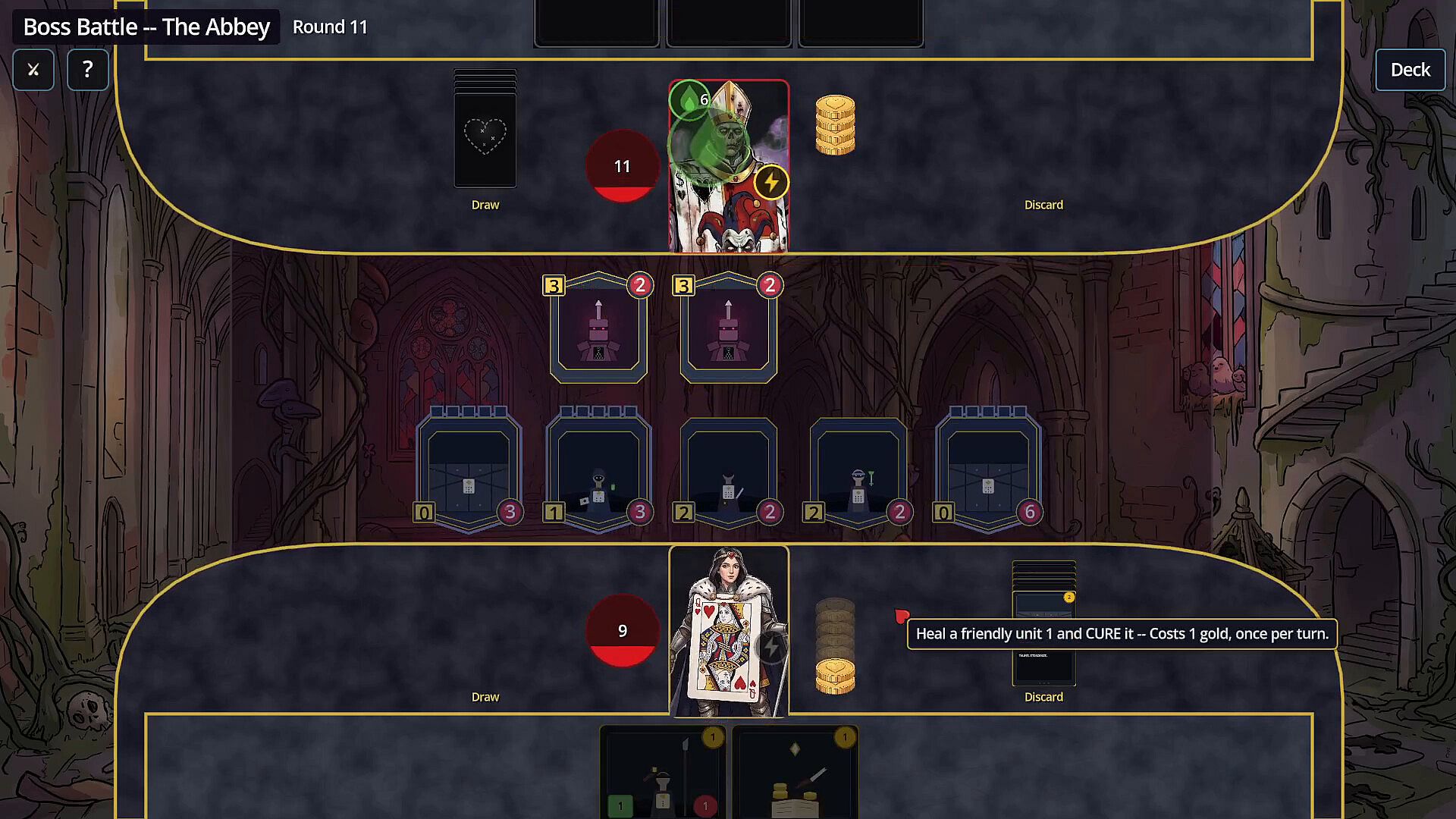
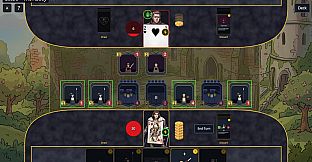
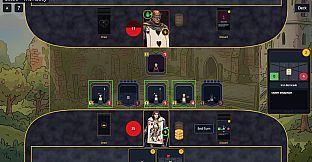
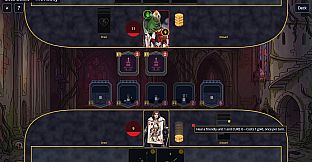
Card Monarchy is a strategy card game that blends deck construction, map navigation, and monarch abilities into a single-player roguelike experience on PC. Players build compact decks of exactly ten unique cards drawn from a 52-card playing card system, where suits define map quarters and ranks determine costs, then guide a chosen monarch through procedurally generated layouts to defeat bosses while managing permanent health across encounters.
Gameplay
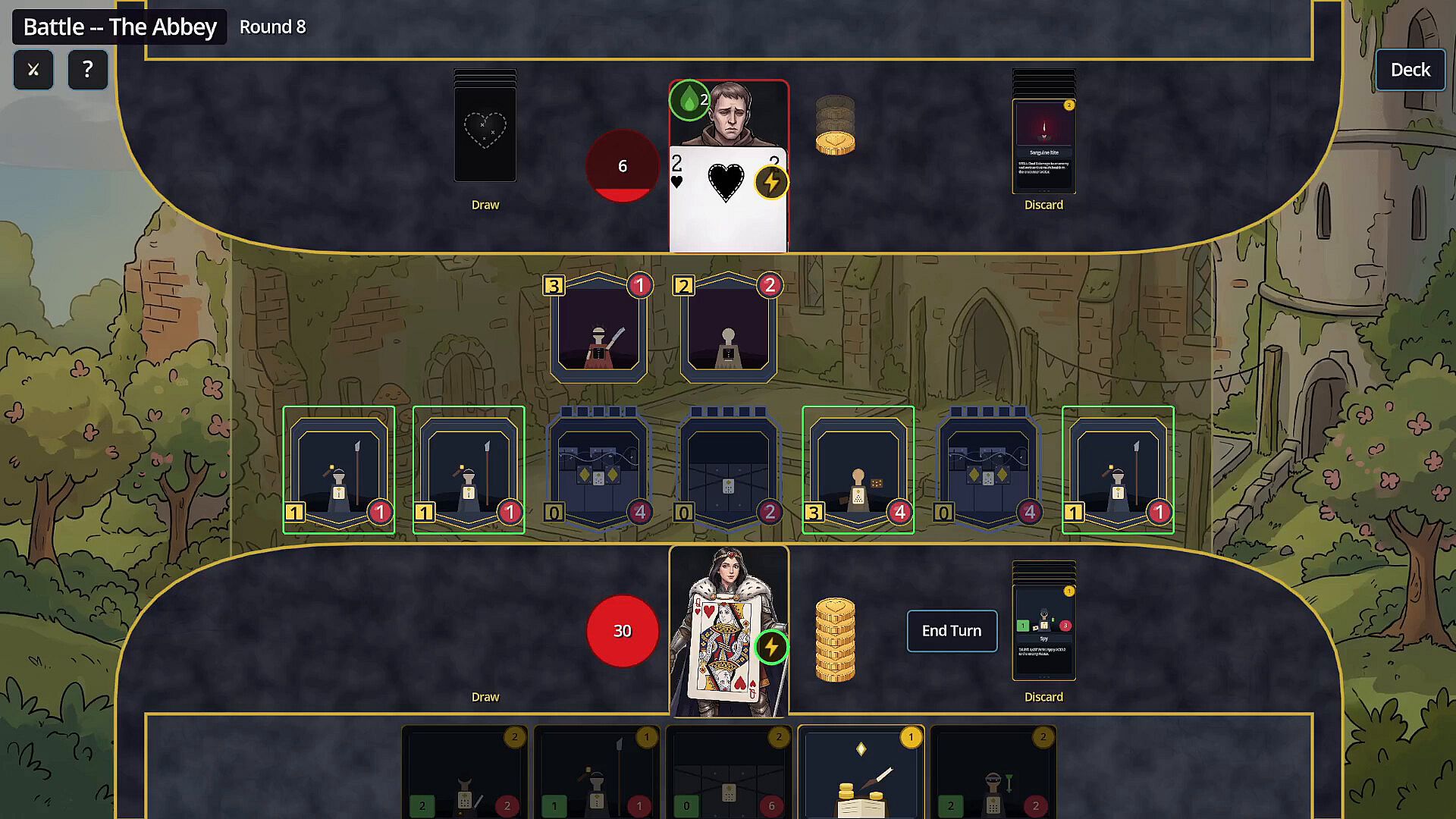
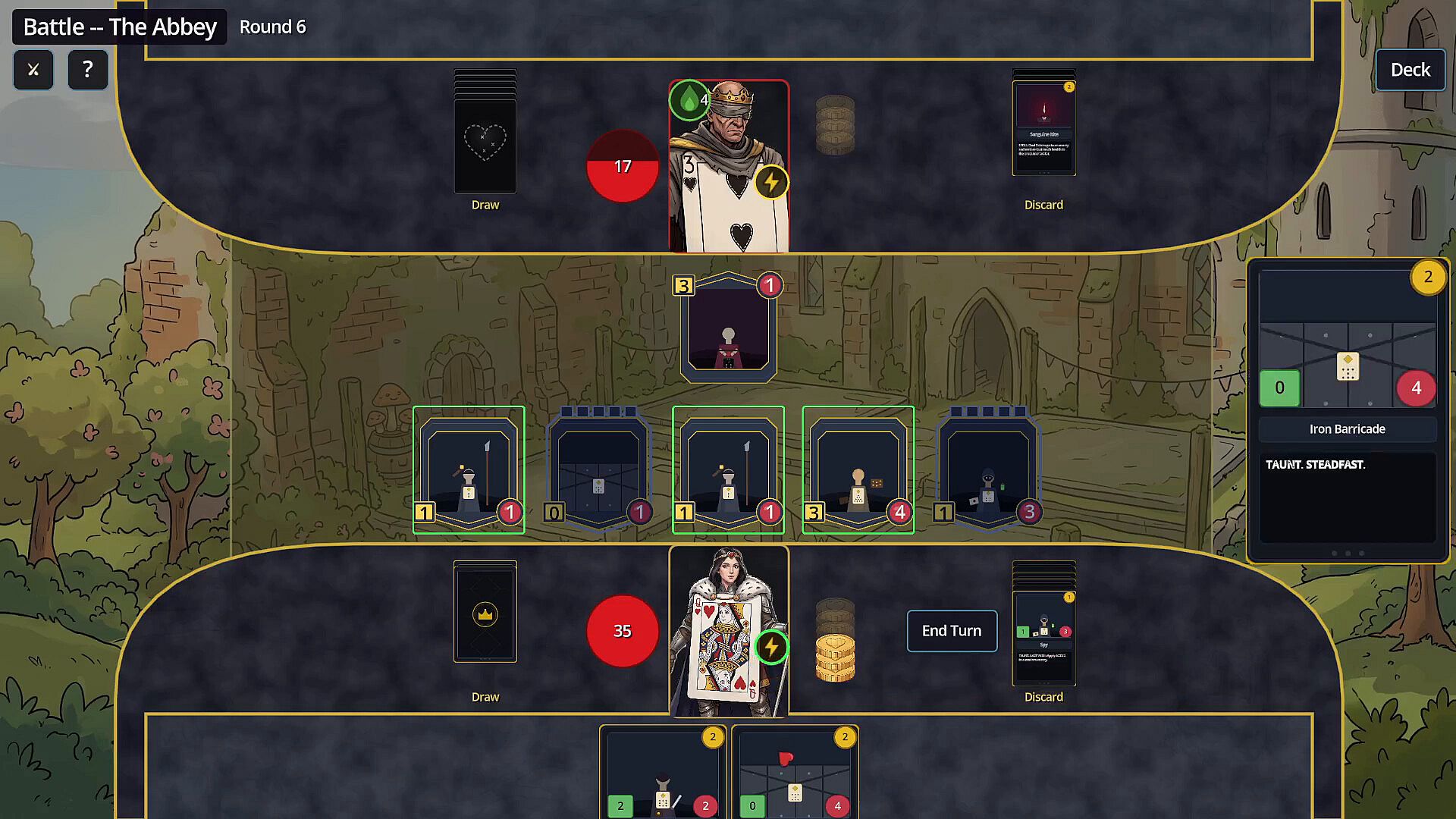
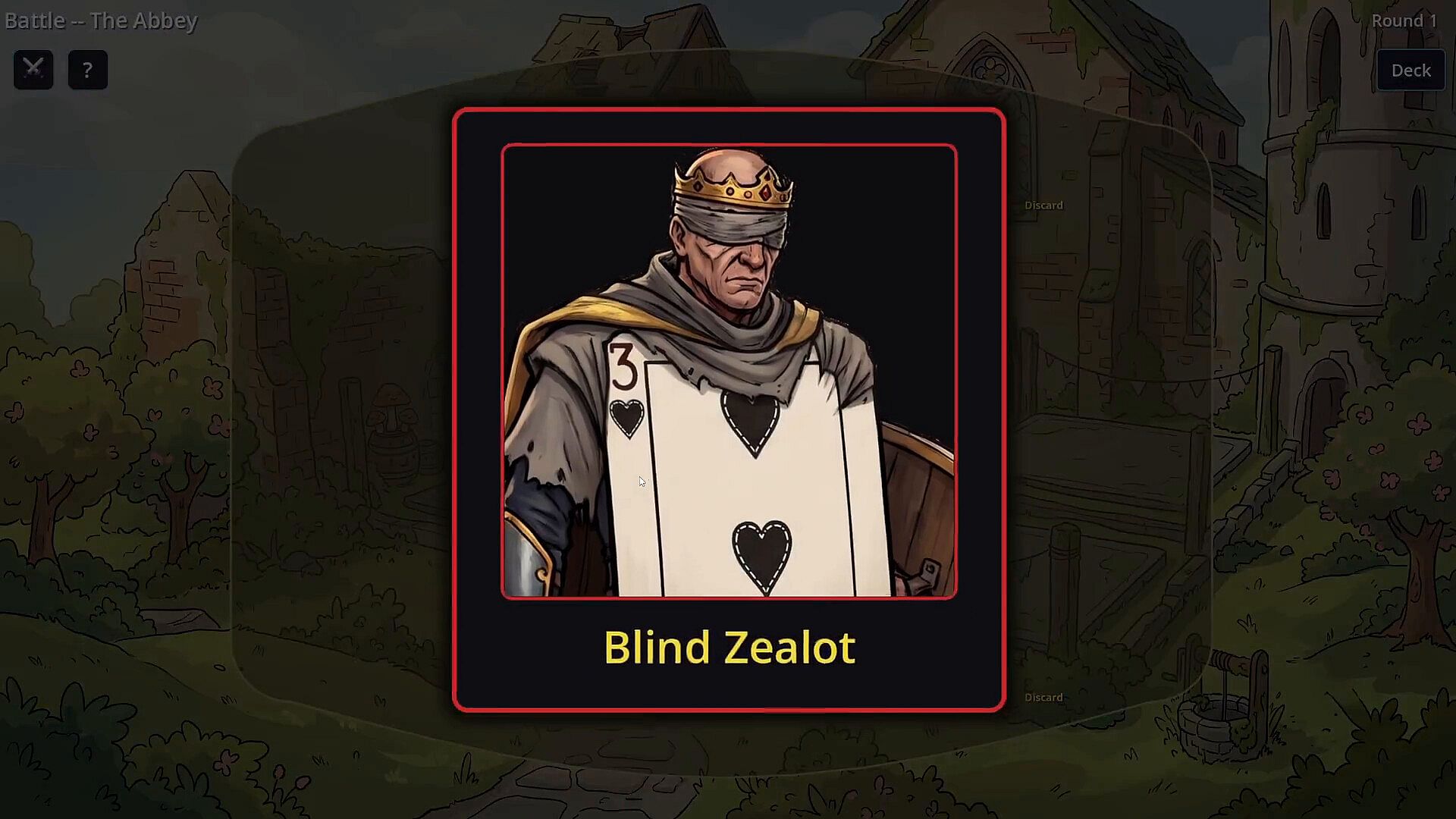
Every unit, spell, and curse functions as a standard playing card complete with suit and rank. Rank directly sets the gold cost to play the card, while the suit assigns it to one of four map quarters. The kingdom itself is assembled from these cards, creating a cohesive system where deck choices influence both combat and exploration. Decks remain fixed at ten cards with no duplicates allowed, forcing meaningful decisions on every slot rather than filler for consistency. Once a run starts, the deck cannot be altered, which produces hundreds of millions of possible combinations even in the current early access build.
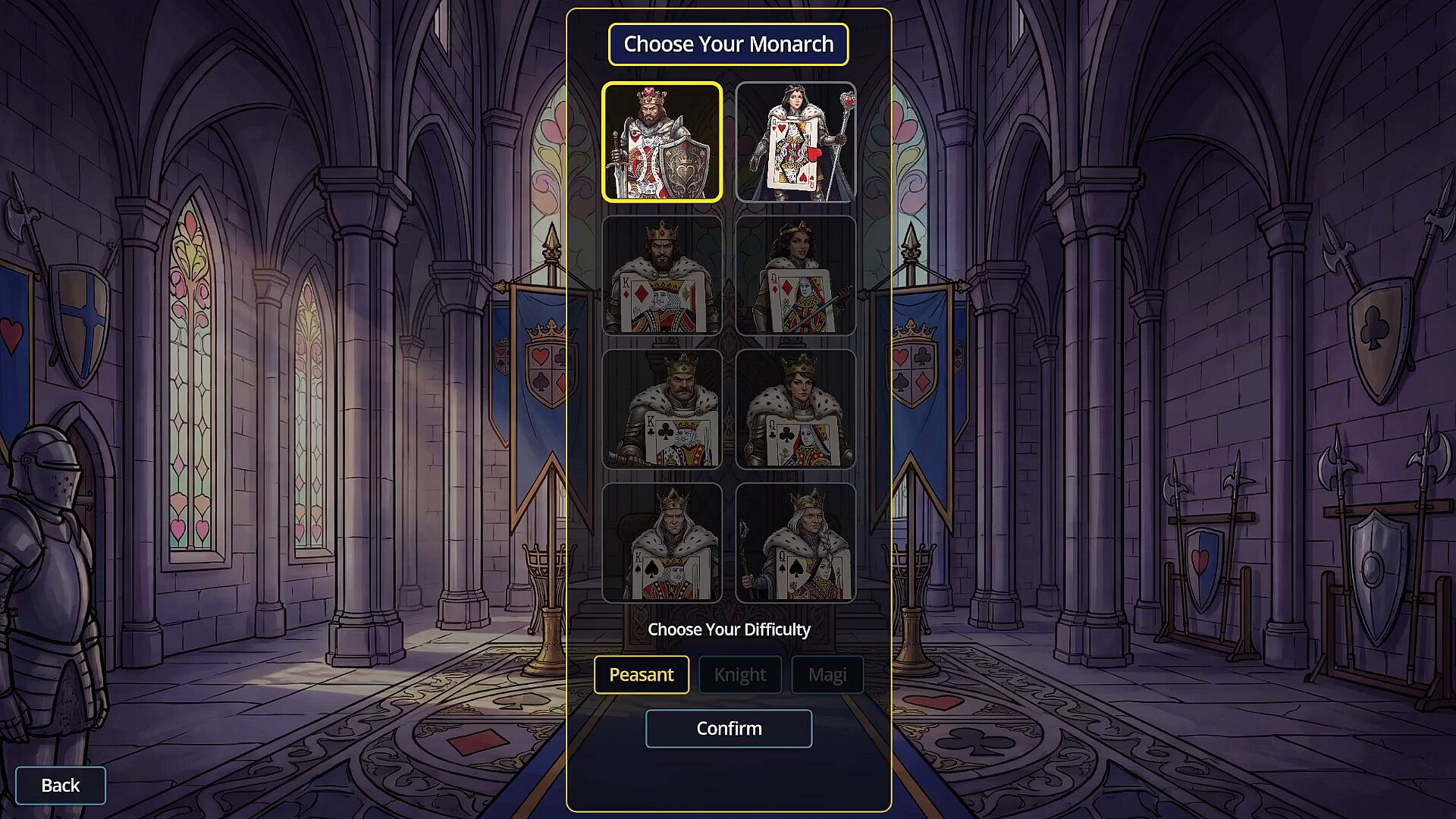
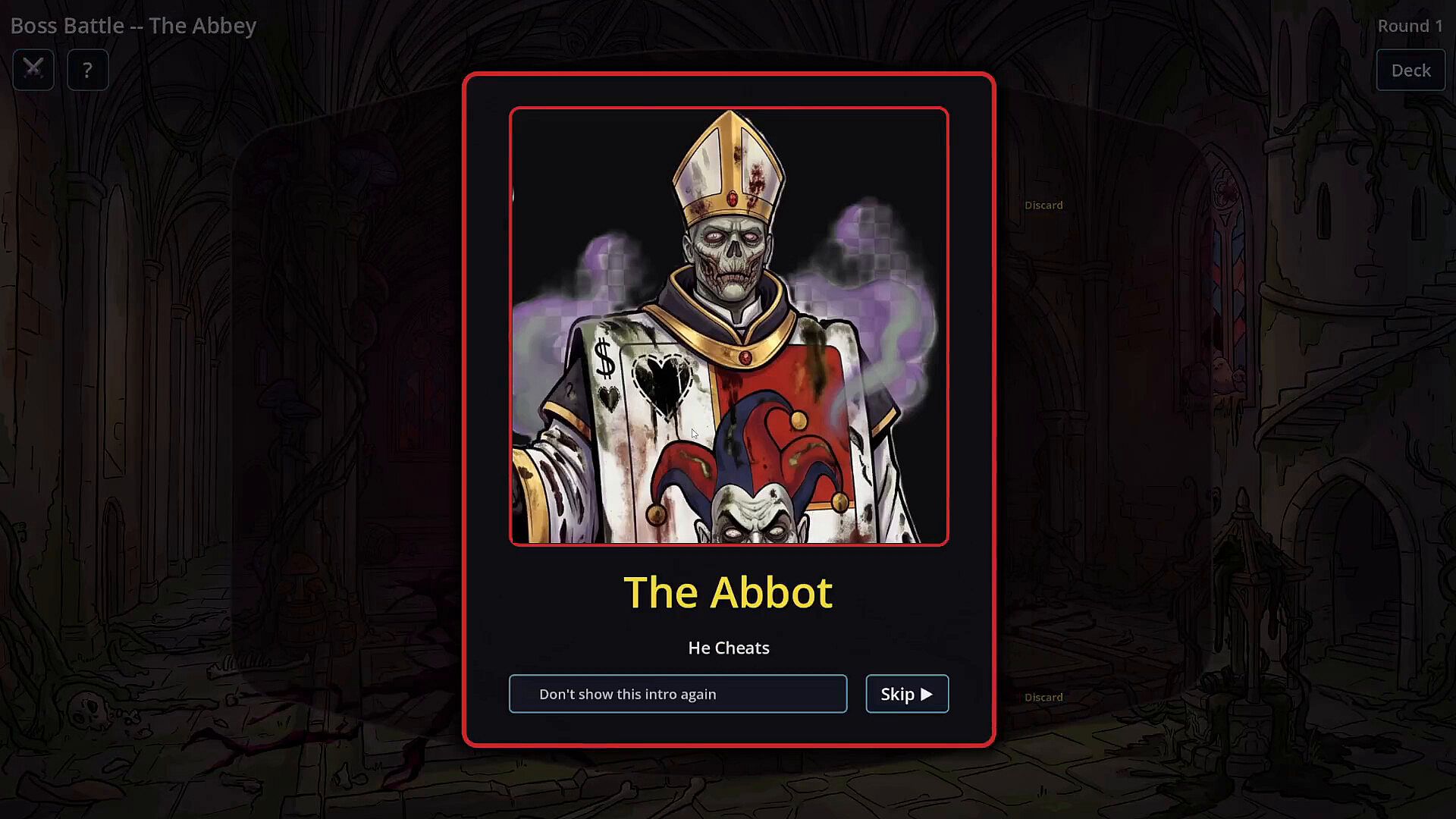
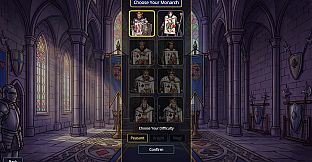
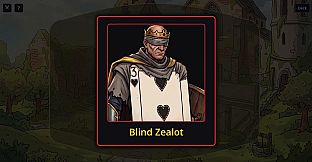
Each of the eight monarchs serves as a king or queen tied to one suit and brings a unique hero power that can be activated once per turn at no deck cost. These powers define playstyles around the four quarters, where spades apply burn damage, diamonds cause corrosion, clubs inflict bleed, and hearts provide healing. Only one affliction can affect a unit at a time, so switching damage types removes the previous effect. Monarch health carries over between battles without resetting, and losing the monarch ends the run. The boss location stays hidden and never appears within the first three nodes of any map.
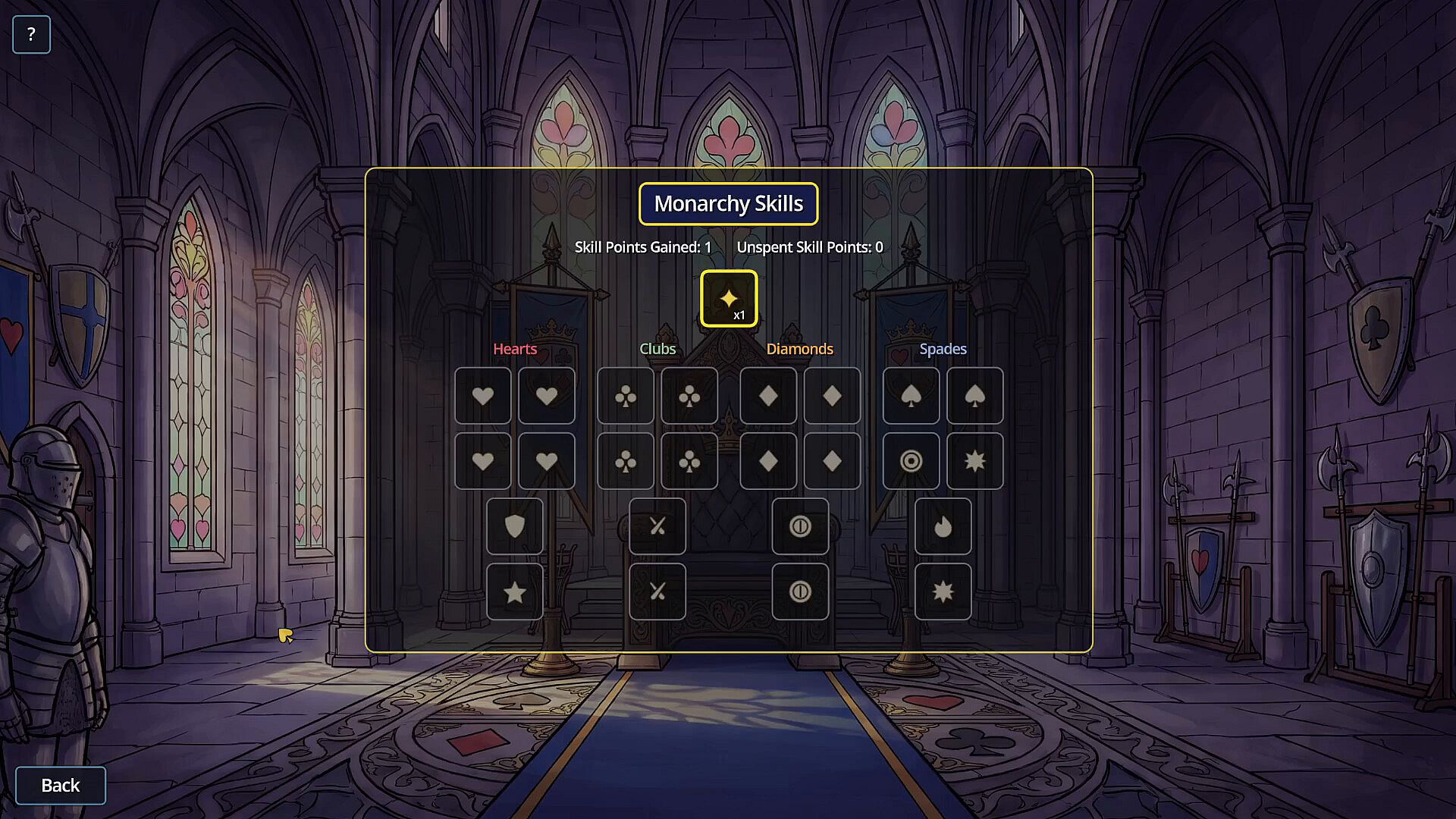
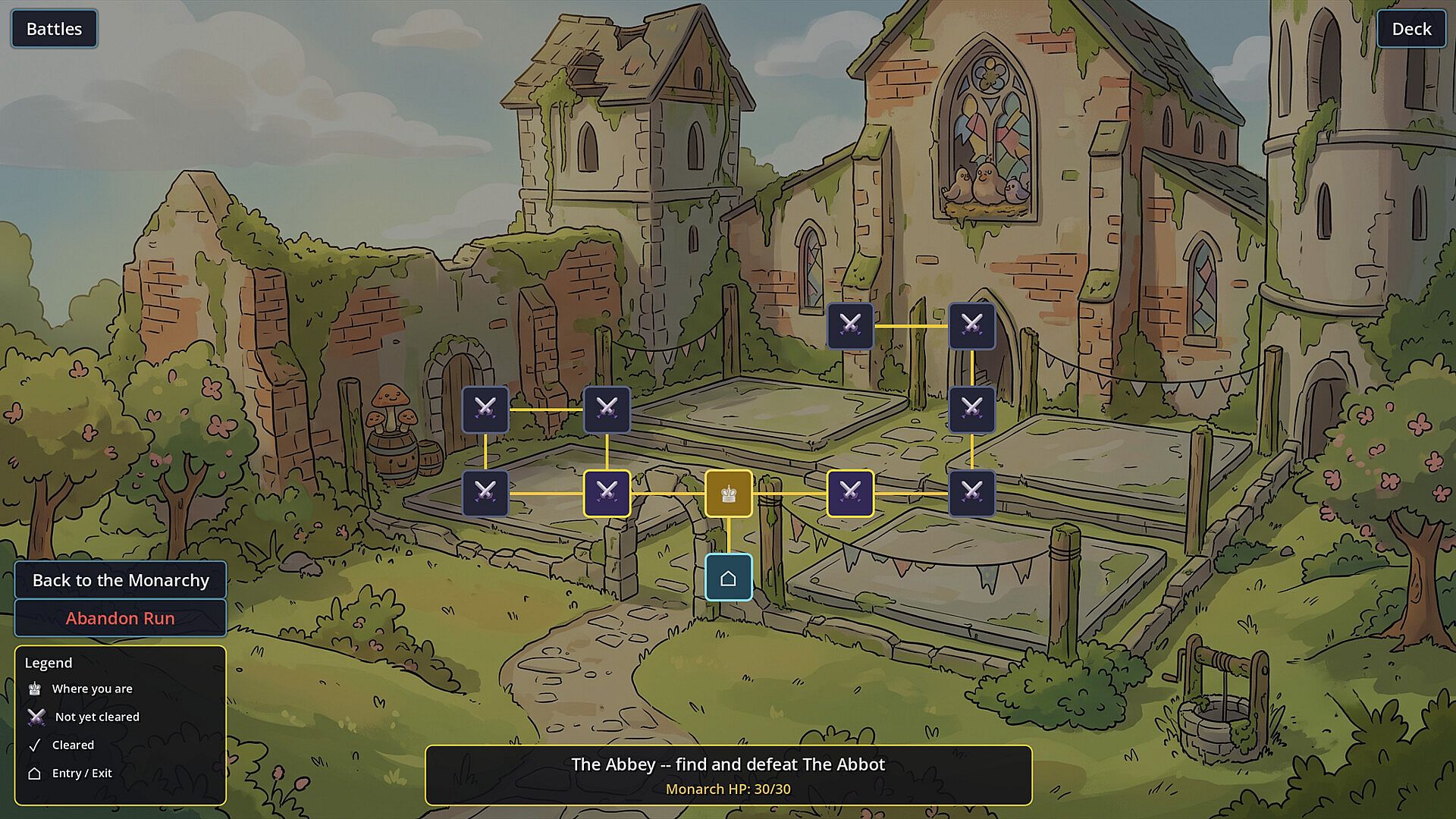
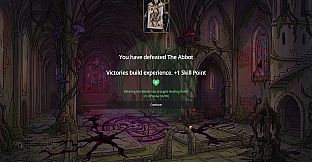
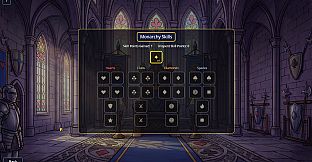
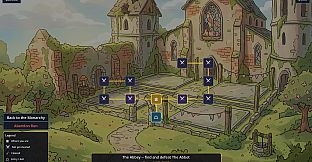
Maps generate fresh each run from eight possible layouts. Encounters draw randomly from the current quarter's pool, and backtracking through cleared rooms can produce new fights, rests, events, or empty spaces. A permanent skill tree at the citadel unlocks from completed runs, whether won or lost, so every attempt contributes to long-term progression.
Game Modes
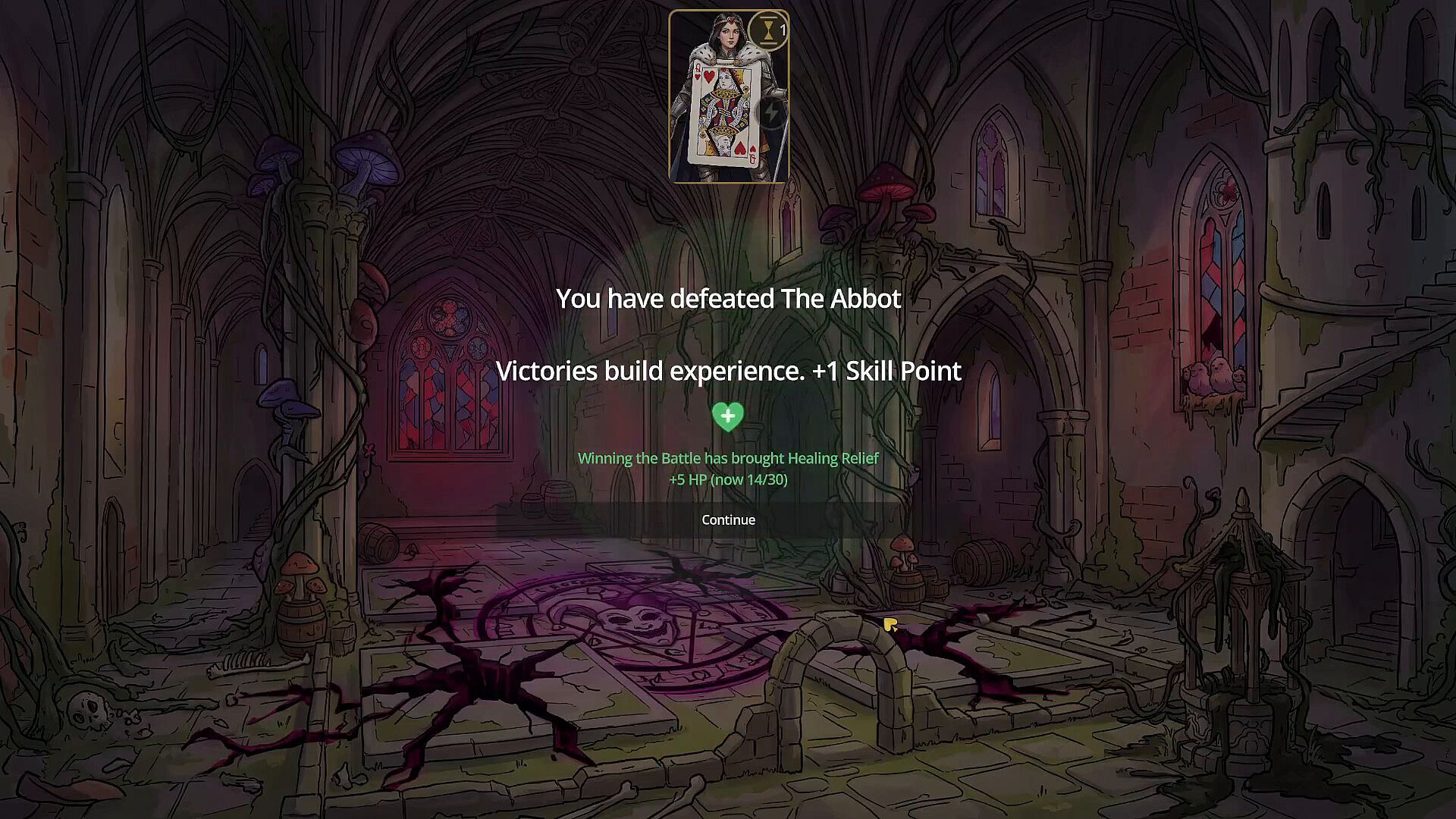
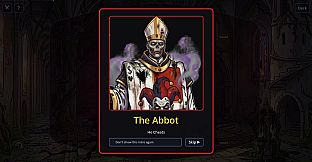
The core campaign involves navigating quarters such as the Abbey, with encounters, a boss, and resource management across multiple battles. The Bottomless Pit offers an endless descent unlocked after clearing the Abbey, where each deeper level features a progressively stronger opponent deck built from the same 52 cards. Health does not restore between victories in the pit, turning survival into a test of resource allocation rather than repeated healing. Every tenth level provides a full rest, a resume point, and a skill point, with the deck locked between these checkpoints.
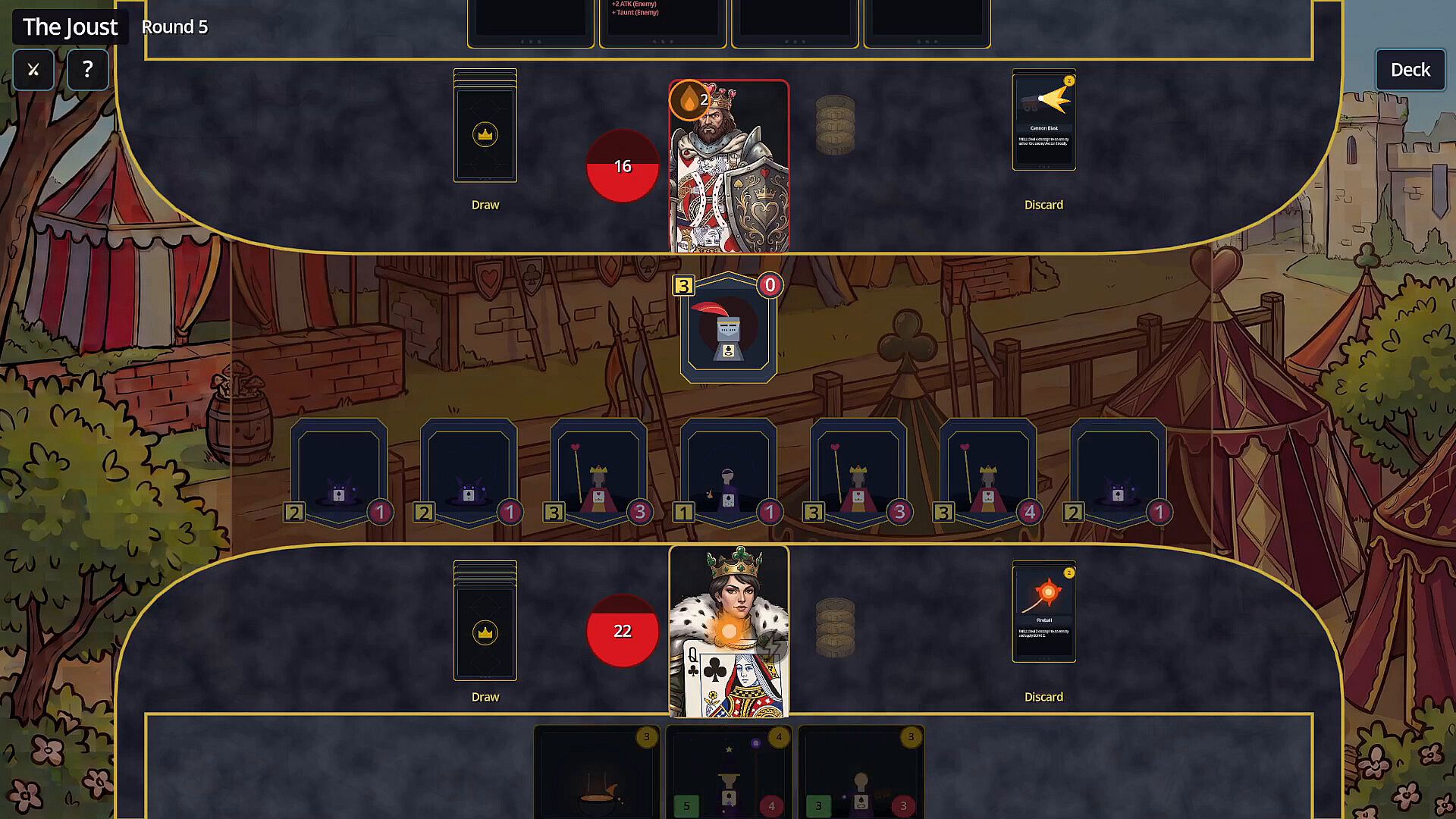
The Joust serves as a separate local versus mode unlocked after the first campaign run. It grants immediate access to all 52 cards and all eight monarchs without any unlocks required. Players configure each seat independently for human or AI control, enabling same-screen hand-off play, solo versus AI, or full AI spectating. Before each match both decklists are revealed, and each player bans one card from the opponent's list, which gets replaced rather than removed. The mode also supports Steam Remote Play Together for distant opponents sharing a single screen with open hands.
Current State and Progression
In early access the game includes one quarter with 13 encounters and a boss, 40 collectible cards for the campaign plus all 52 in the Joust, two monarchs, all eight map layouts, five ranks of monarchy skills across 25 nodes, the full Bottomless Pit, and the Joust with local and remote play options. Version 1.0 plans to add the remaining three quarters, four total bosses, all 52 cards in the campaign, all eight monarchs, and online lobbies for the Joust.
Is It Worth Playing?
Card Monarchy suits players who enjoy tight deck-building constraints, roguelike risk management, and asymmetric monarch powers in a card-driven strategy framework. The fixed ten-card decks and suit-based map identities create focused decision-making that rewards experimentation across runs. Permanent health and the endless pit mode emphasize careful resource use, while the joust provides a sandbox for testing ideas without campaign gates. Those who prefer expansive collections or hidden-information card games may find the open-hand design and small deck size limiting, but the system delivers consistent strategic depth for fans of deliberate, high-stakes planning. The early access build already supports substantial replayability through map variety and skill progression, making it a solid choice for strategy enthusiasts comfortable with iterative development.