







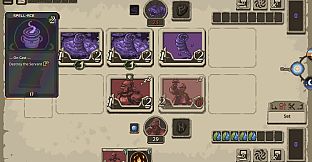
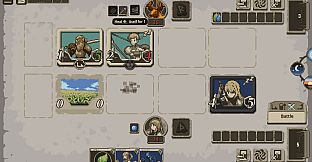
Card Make Arena is a strategy card game developed as an indie title in early access for PC. Players design every element of their cards from the ground up, then assemble decks and test them in player versus player matches. The core loop centers on original card creation combined with straightforward combat rules that emphasize positioning, mana management, and effect timing.
Gameplay
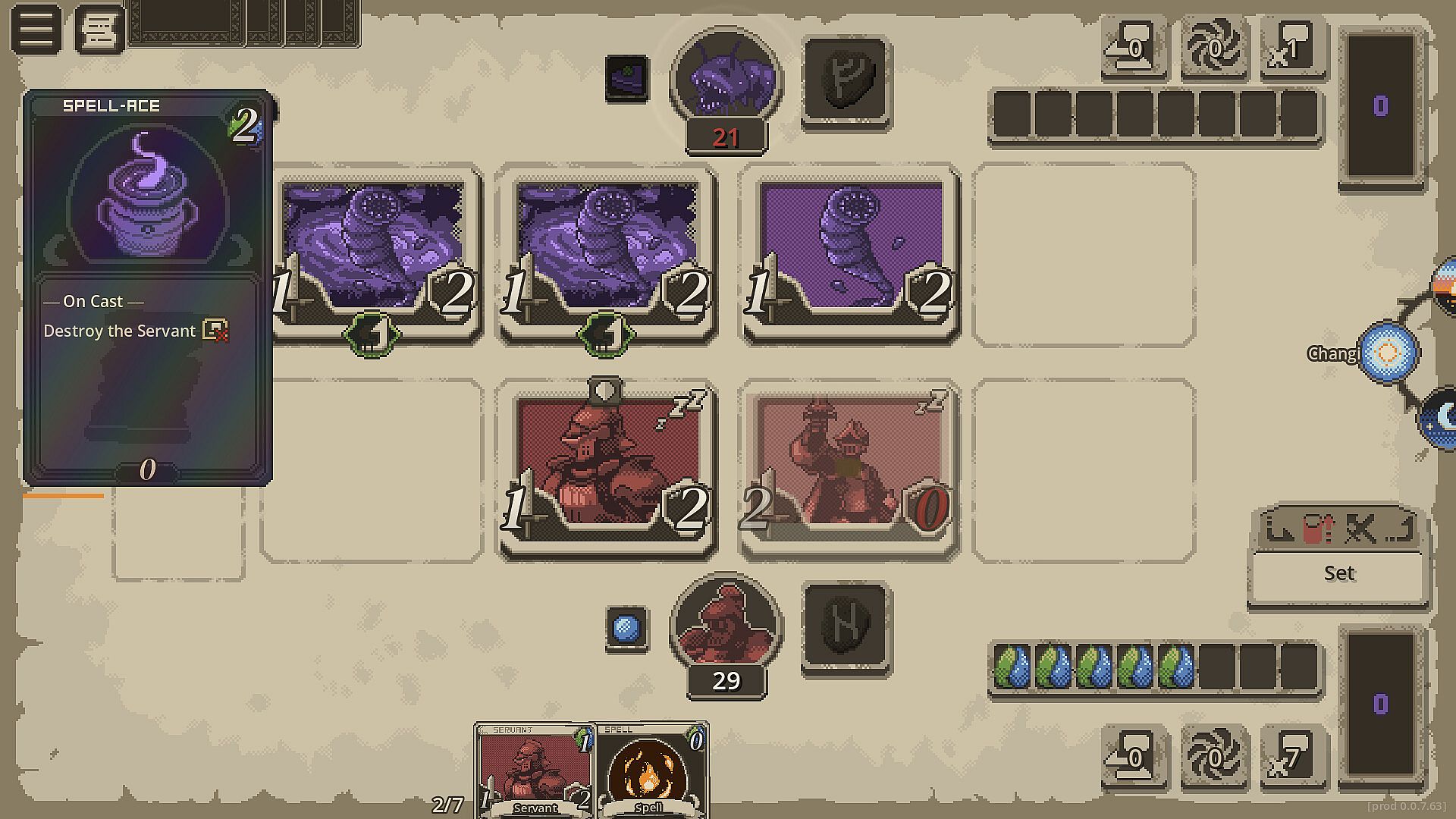
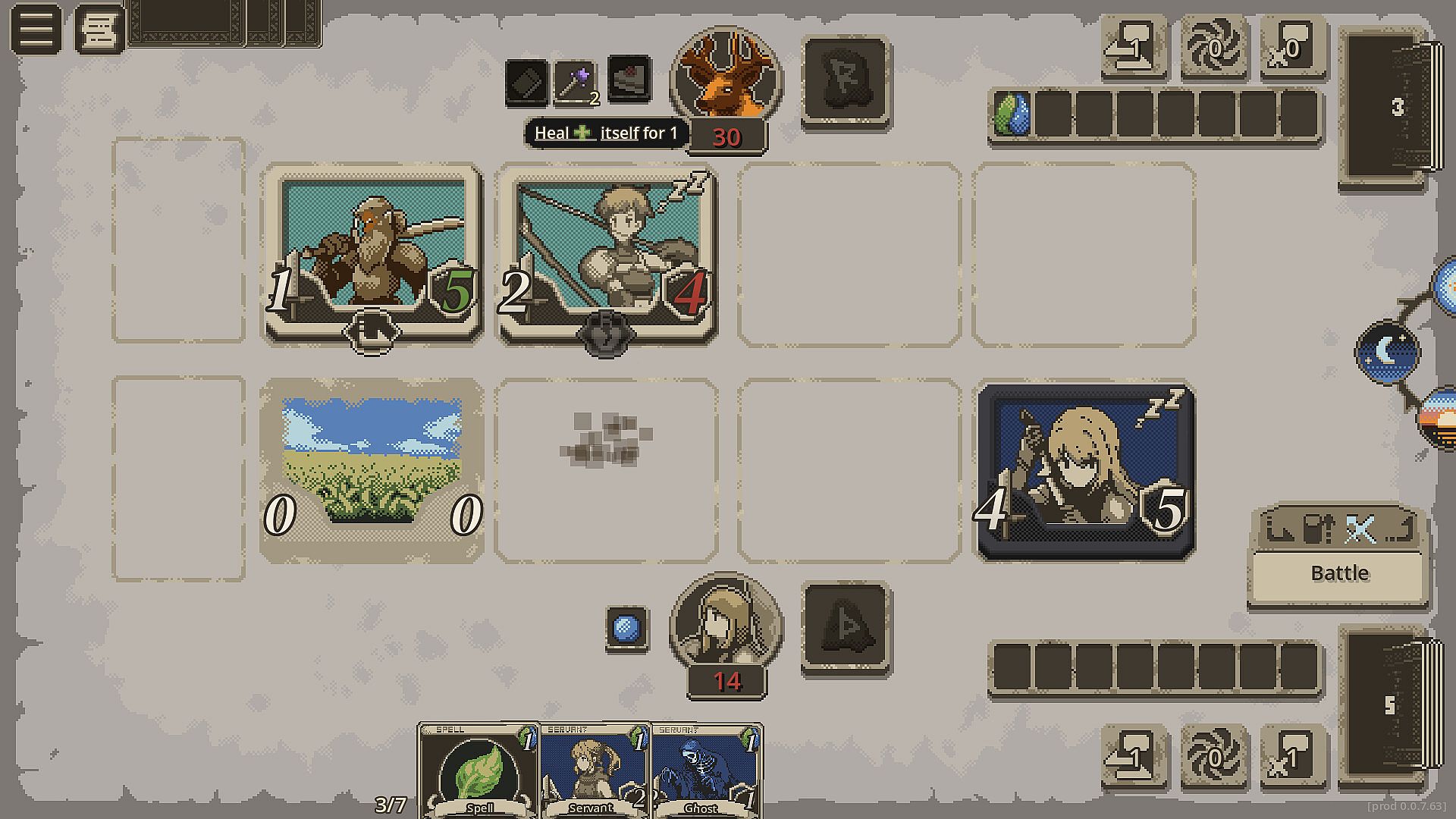
The game uses three card types: Servants for ongoing attacks and defense, Spells for single-use effects, and Land cards that trigger when Servants occupy the same slot. Combat follows a simple sequence each turn: mana refills, players select and place cards within limited slots, and an auto-battle phase resolves actions. Servants occupy one of four forward positions and deal damage based on their attack value until their health reaches zero. Spells occupy a single dedicated slot, limiting players to one per turn in most cases. Land cards activate upon placement of a Servant and can provide protection, damage boosts, or disruption depending on positioning.
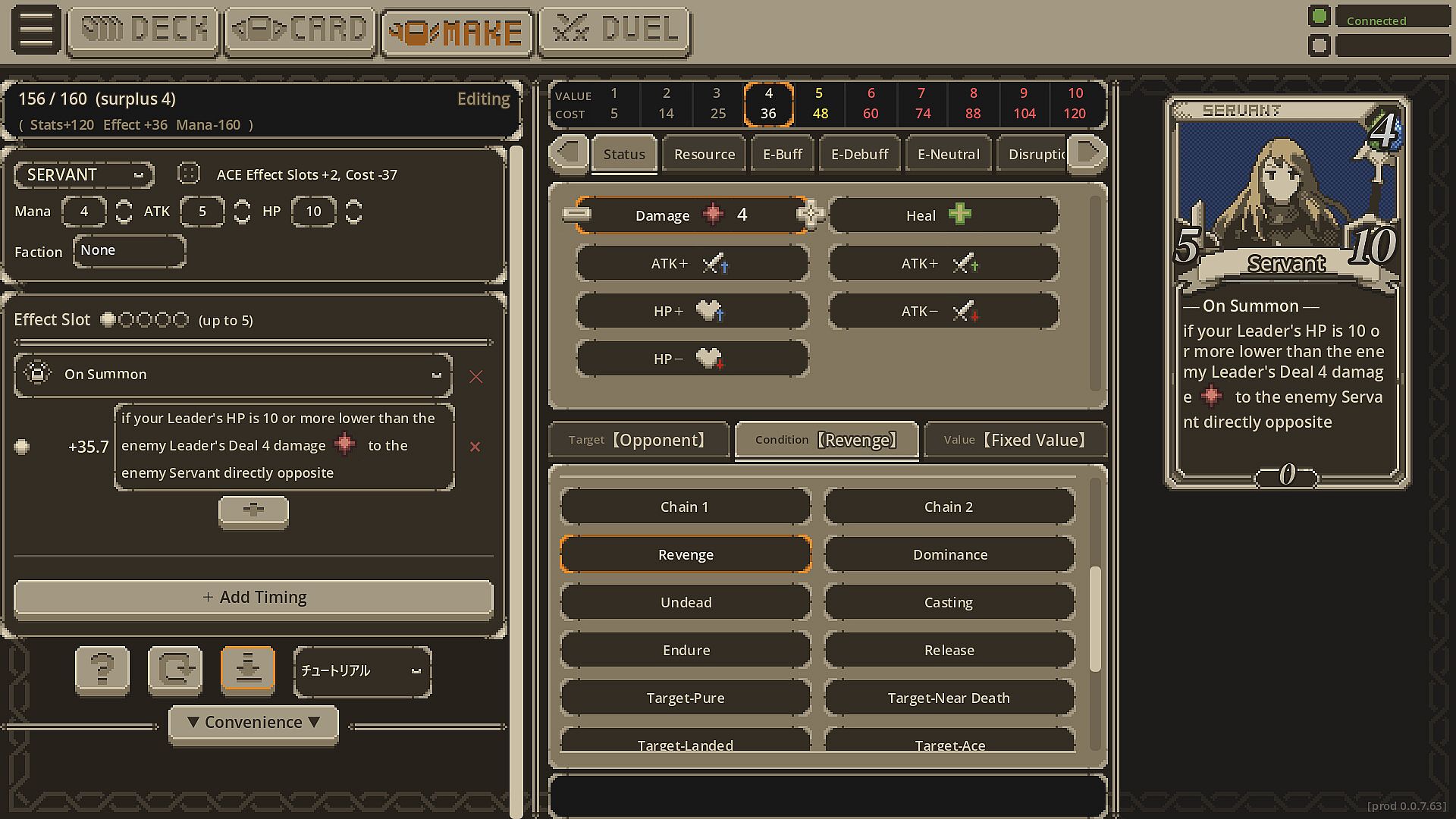
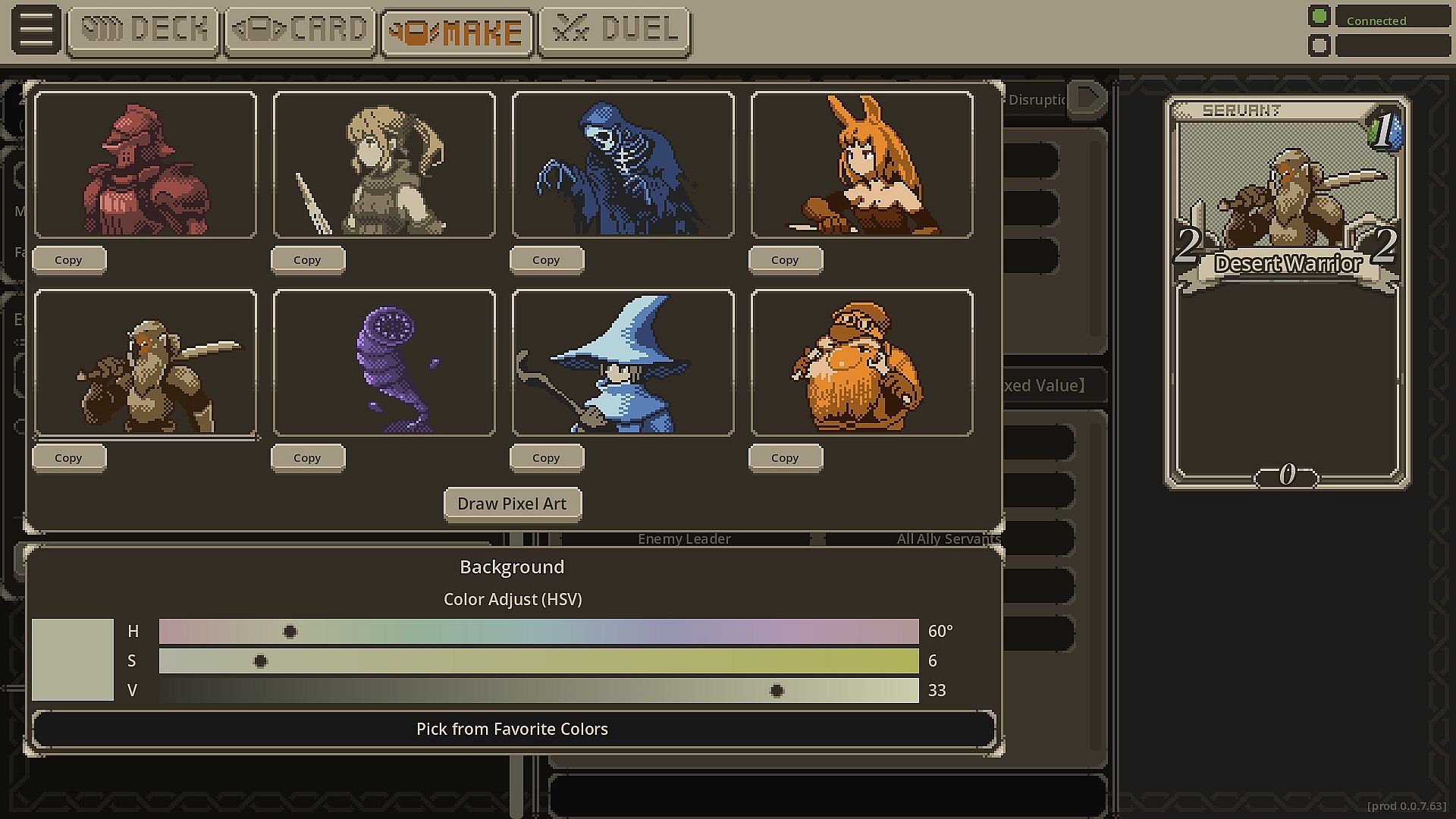
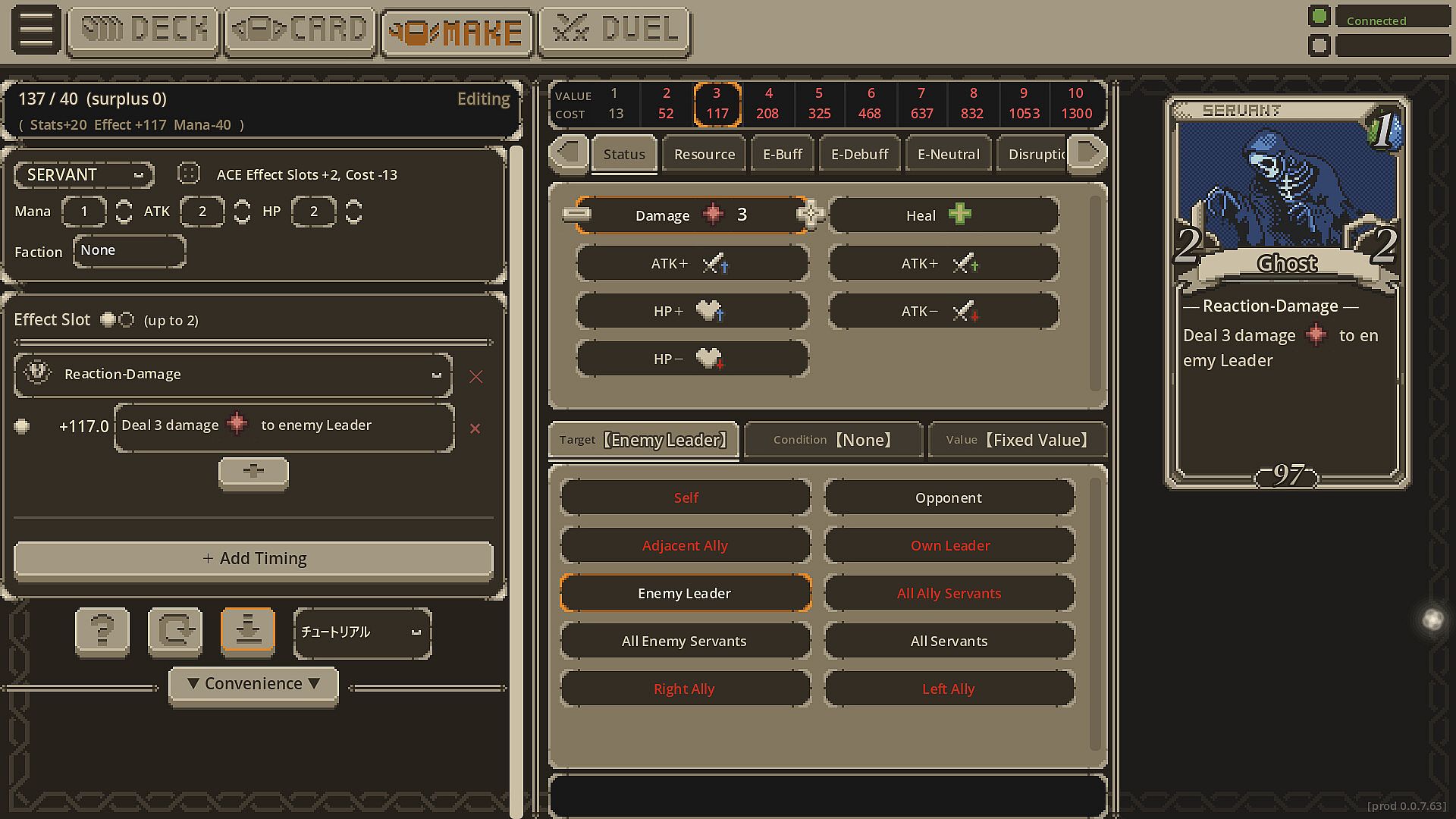
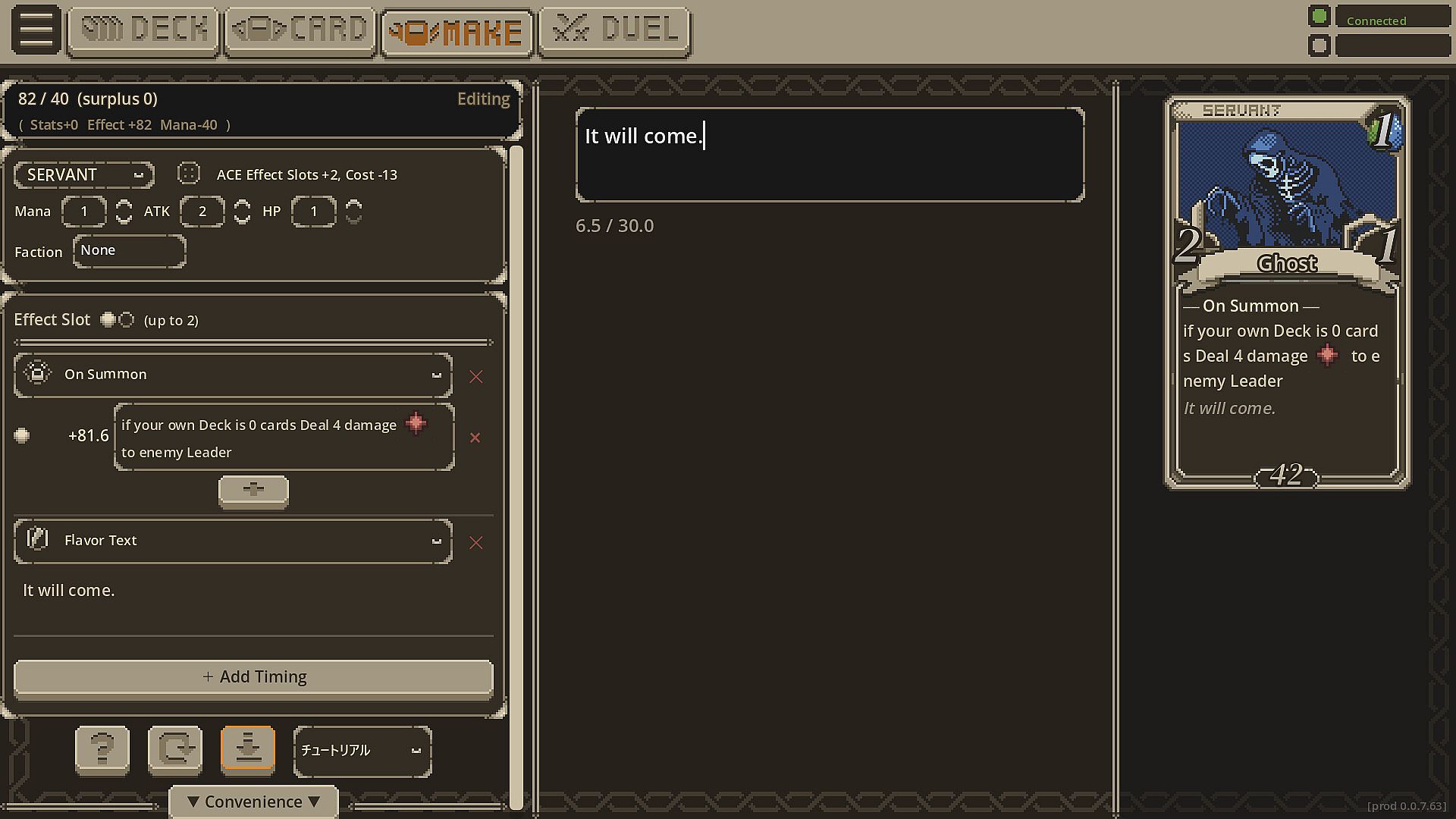
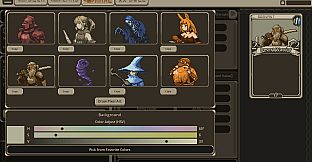
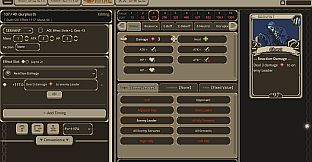
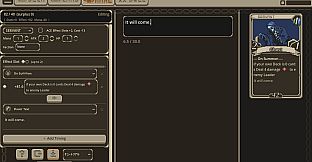
Card design allows full customization of names, artwork, flavor text, mana costs, attack and health values, and up to dozens of effect combinations. Effects draw from categories such as damage, recovery, summoning, destruction, and enchantment, with options to set triggers on summon, attack, defeat, or turn start and end. Conditions, tags, and variables let effects scale with game state, such as empty hands or discard pile size. The system supports roughly 10 sextillion possible combinations, though built-in cost scaling and stacking penalties prevent overpowered designs from dominating standard matches. A cost gap bonus awards the lower-cost deck an advantage at the start of ranked play, while low-usage effects grant extra points for wins.
Game Modes
Ranked matches award and deduct points based on wins and losses, with a visible Rate Ranking at higher levels. Community Cards lets players share their creations, where others can like or copy them, and rankings track popularity and usage. Draft mode pulls random cards from the shared pool for quick, unpredictable matches. Room Battles support custom rules, including unlimited cost options when both participants agree, allowing unrestricted testing of experimental designs. CPU battles provide single-player practice against computer opponents using the same custom decks.
These options support both competitive progression and casual experimentation. The ranked ladder rewards consistent deckbuilding skill, while community features encourage sharing and discovery of new card ideas. Room and draft modes add flexibility for friends or low-stakes play.
Deck Building and Strategy
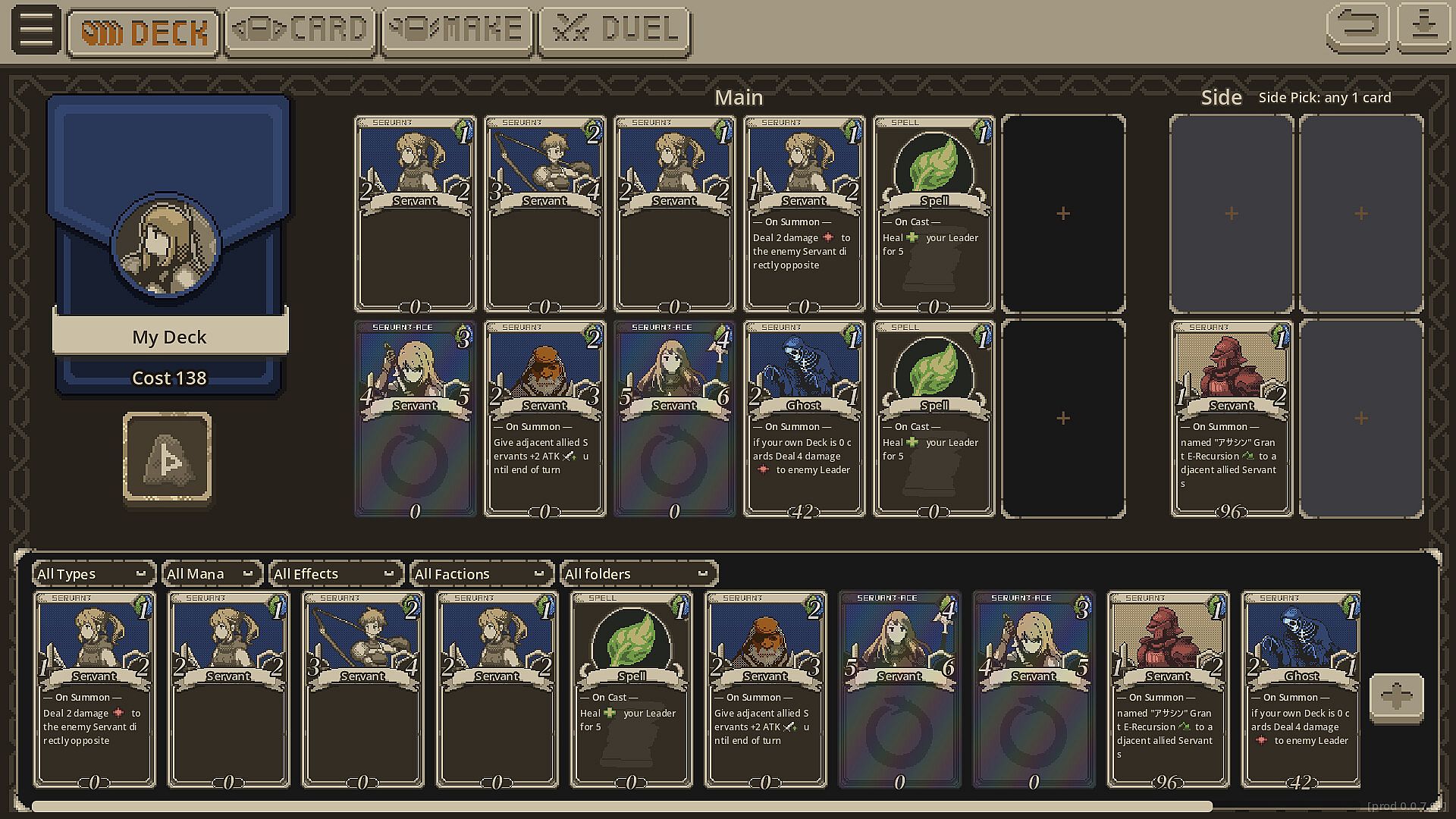
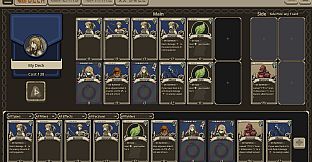
Deck construction requires balancing powerful effects against total cost limits and stacking penalties. Players must decide how to allocate resources across Servant positioning, Spell timing, and Land placement to control the board or pressure the opponent leader. The limited slots force trade-offs between defense, aggression, and disruption. Custom effects that interact with discard piles, hand size, or mana totals reward careful planning and adaptation during matches.
Artwork and text customization add personal expression without affecting mechanics, while ready-made assets let designers focus on rules and balance. The puzzle-like nature of staying within cost budgets encourages iterative testing and refinement of ideas.
Is It Worth Playing?
Card Make Arena suits players who enjoy designing mechanics and experimenting with custom cards in a competitive setting. Core systems for creation, deckbuilding, and online battles are fully implemented at launch into early access, with plans for balance adjustments based on player input over at least six months. Ranked play, community sharing, and room battles provide multiple avenues for engagement, while CPU matches offer practice without requiring opponents. Those drawn to strategic depth through original card design rather than collecting pre-made sets will find the freedom and safeguards rewarding. The game remains in active development, so features may expand based on feedback.